














![Gender / Sexuality Seminar with Tori [S15: Queer Temporality]](https://i.ytimg.com/vi/MUvcrV_iKoU/hqdefault.jpg?sqp=-oaymwEmCOADEOgC8quKqQMa8AEB-AH-CYAC0AWKAgwIABABGGUgZShlMA8=&rs=AOn4CLCrVSbBd89Vn-xFpaLQ8VSjFCO8jA)





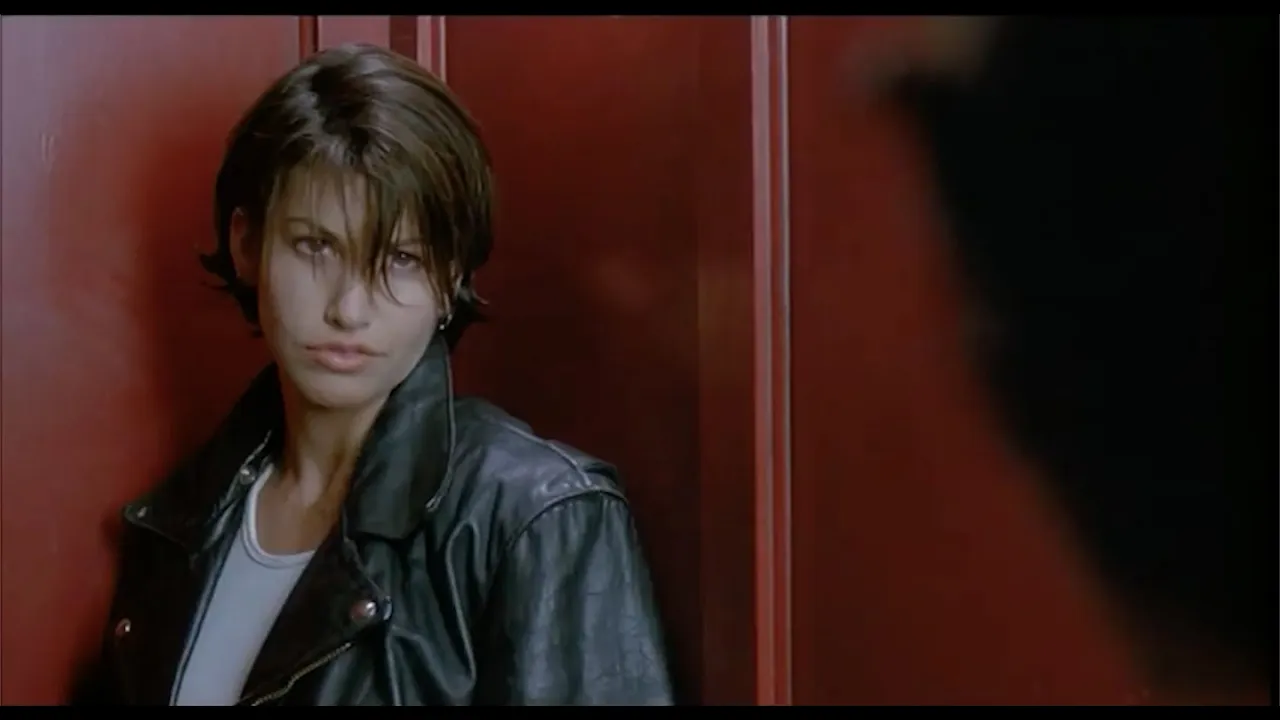


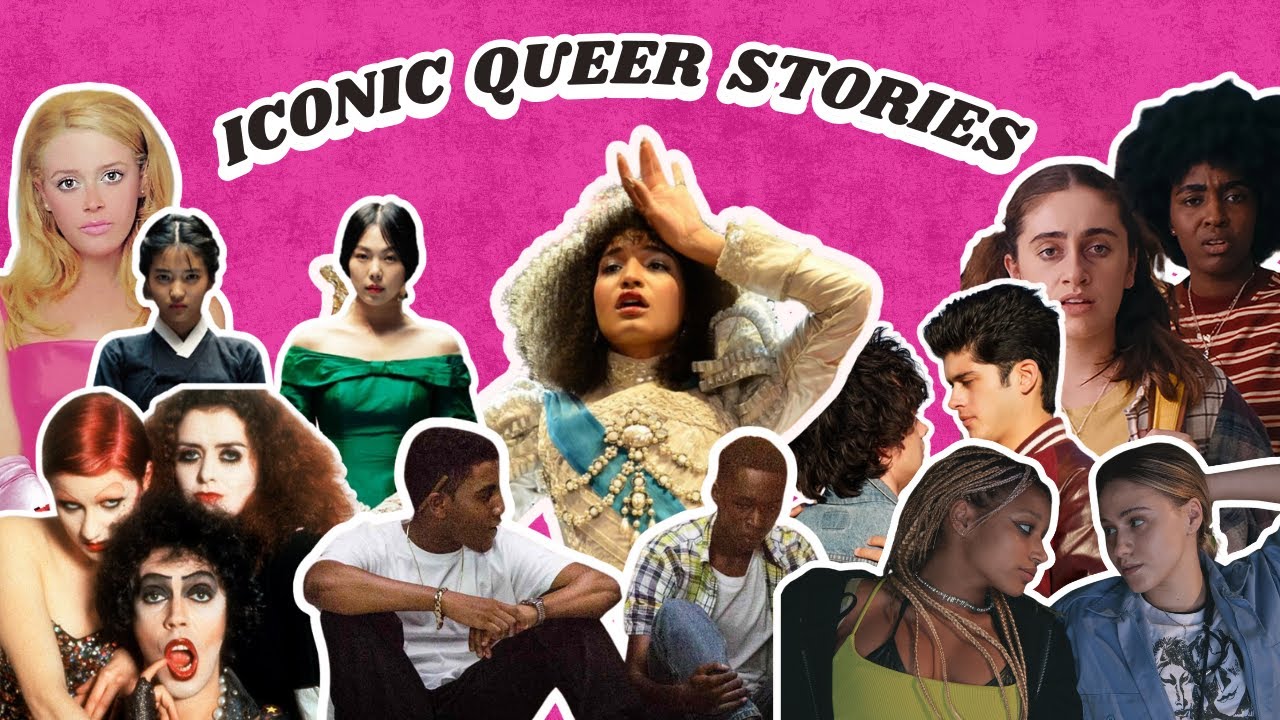
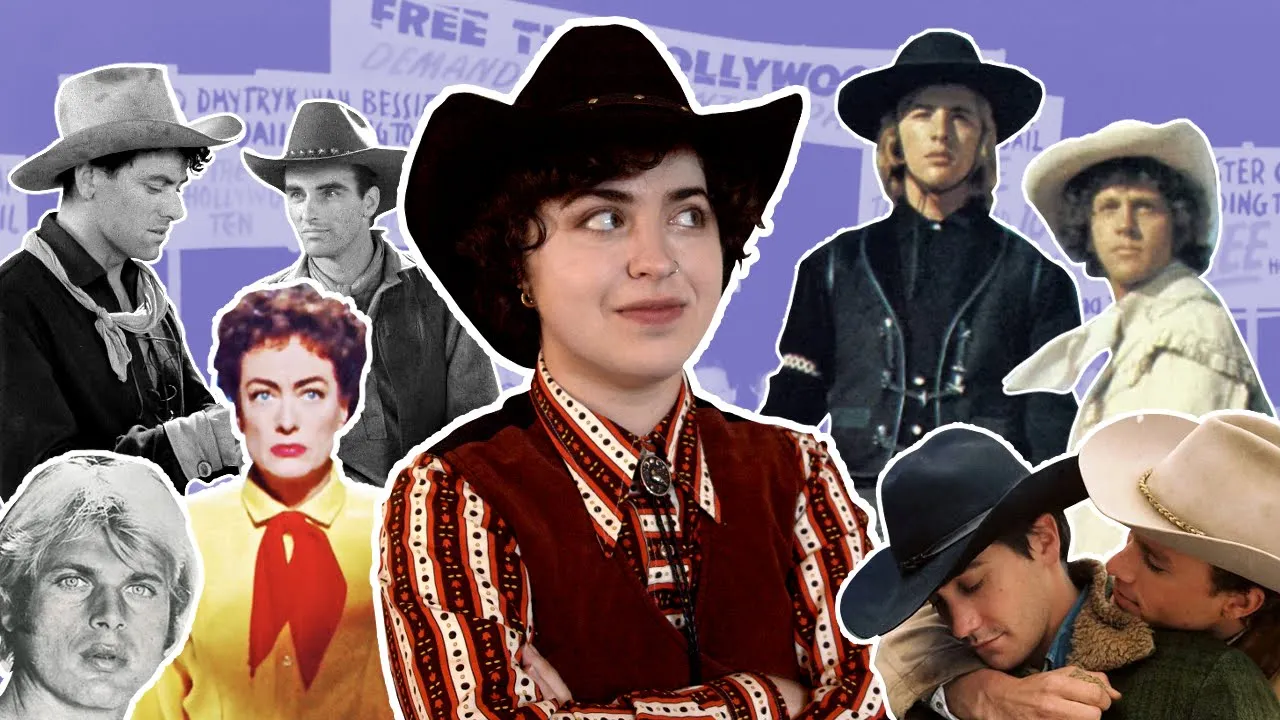
Queer misery in media serves an important function by authentically representing the complex emotional landscapes of LGBTQ+ experiences, including pain, isolation, and struggle, which provides validation and community for queer audiences who often feel unseen or misunderstood; this does not mean that queer joy should be excluded, but rather that acknowledging and exploring queer misery is essential for authentic representation and personal healing, as demonstrated through analyses of films like 'The Normal Heart,' 'A Single Man,' 'Transparent,' and 'Moonlight.'
Queer Misery in Film: A Defense of Complex LGBTQ Narratives
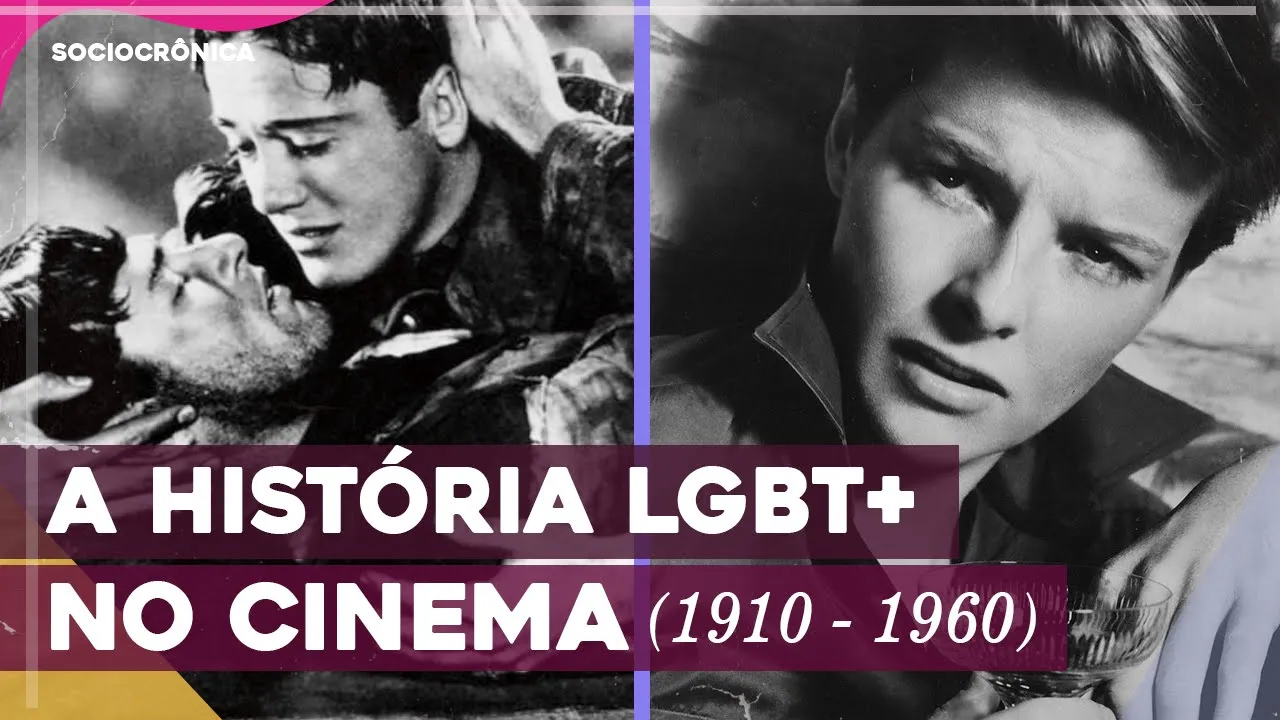
Added:The history of LGBTQ+ representation in cinema, including early censorship codes like the Hays Code which mandated that non-heteronormative characters be punished or meet tragic ends.
The concept of 'positive representation' and the debate surrounding the pressure on marginalized filmmakers to produce only uplifting, respectable, or sanitised portrayals of queer life.
Basic film analysis and narrative theory, specifically how conflict, tragedy, and character complexity function to generate thematic depth rather than simple moral messaging.
Fundamental tenets of Queer Theory, such as heteronormativity, performance, and the destabilization of traditional narrative arcs.
Advanced Queer Theory concepts such as 'Queer Negativity' and the 'antisocial thesis' (e.g., Lee Edelman's 'No Future' or Jack Halberstam's 'The Queer Art of Failure').
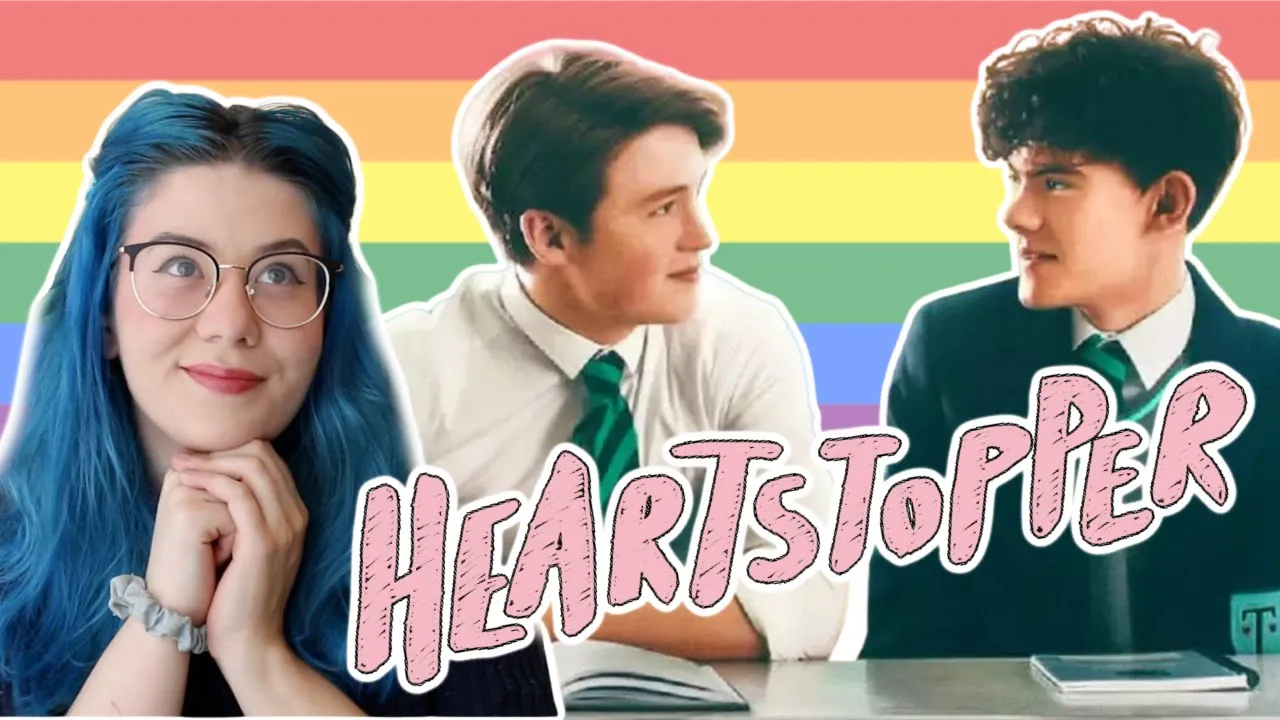
Comparative analysis of specific 'queer misery' films (e.g., 'Brokeback Mountain', 'Moonlight', or 'The Children's Hour') versus the contemporary rise of sanitized queer media (e.g., 'Heartstopper').
Affect Theory in cinema, exploring how feelings of grief, shame, alienation, and melancholy are transmitted to and processed by the audience.
Intersectionality in queer cinema, examining how race, class, and gender identity complicate the depiction of suffering and resilience in marginalized narratives.
205.4K views12Klikes53:21Original Release: 2024-06-27
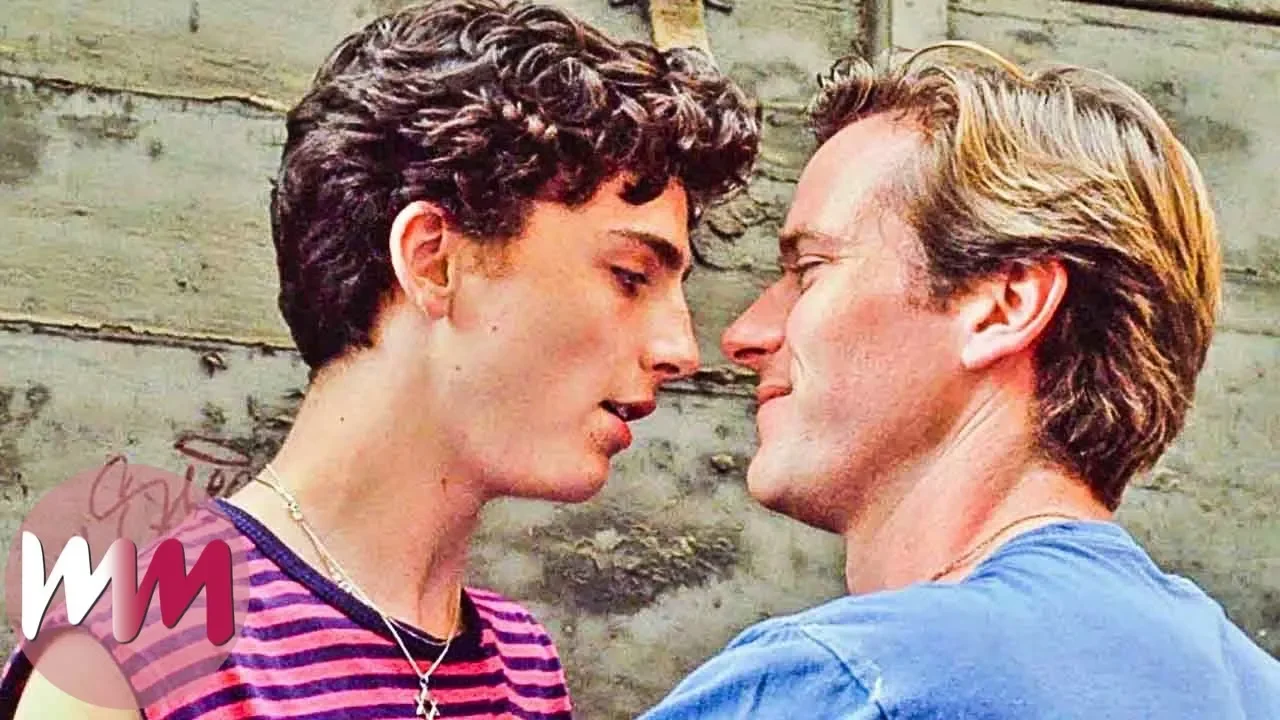
how much of my limited time on earth have I spent scrolling down this nightmare of an app back when the movie Fire Island first came out my friend Frank said he'd much rather see stories where being gay wasn't shown as being mean or miserable and like I get it but God does it all feel mean and miserable sometimes this guy's name is Jose and he's very buff not making me feel bad at all but enough about queer misery how about some queer Joy I mean it's bride month after all and I have the gayest topic of all let's talk about Oscar best actress races back in the first few months of 2018 all the awards pundits agreed that the Best Actress Oscar race was locked between two legends industry darling Glen clo in the wife and pop girly Lady Gaga in A Star is Born they are each gay icons in their own right and all the awards season gays were being forced to pick sides as the ceremony approached it truly could go either way until and the Oscar goes to Olivia colan iconic wonderful no notes especially because although Olivia Coleman wasn't quite a gay icon yet she was actually playing being a gay character in the favorite Olivia Coleman plays Queen Anne of Great Britain and Ireland a gri why did I say it like iiri in the favorite Olivia Coleman plays Queen Anne of Great Britain and Ireland a grief stricken chronically ill Monarch who suffers endlessly each day despite being the most powerful woman on earth her only comfort seems to come from the rabbits she raises as standin for her miscarried children and the two women violently competing to be both her lover and her favorite Sarah Churchill and Abigail Hill the Oscars have a complicated history with well every minority including the lgbtq community 17 performances of queer characters have won Oscars for example but only four lgbtq actors have won an acting award while open about their sexuality and only one performance overlaps there is a disconnect in what queer stories are recognized and who gets to partake in them the concept of gay Oscar bait has become a bit of a cliche you know the queer stories that win awards are usually period pieces about historical figures played by straight people tragic contemporary stories involving eights tragic period pieces about historical figures played by straight men involving eights and whatever that parody trailer from Tropic Thunder was referring to I mean who won best actor the same year Olivia Coleman won one best actress none other than straight actor Ramy Malik playing gay icon Freddy Mercury in a movie that singled out his non-heteronormative as the cause for his downfall illness and death thanks I hate it you have any idea how hard it is to style curls that look good while you're laying down it's impossible now the favorite despite being about a tragically framed queer historical Monarch is far from gay Oscar bait even though it is a non- 20th century period piece centering queer romance it avoids homophobia as a narrative crutch the antagonistic force is never intolerance but rather the queer characters themselves in a violent love triangle media critic princess weeks wrote for the Mary Sue that watching the caty behavior of three white lesbian bisexual queer women is more relatable than sad tragic story about coming out coming out stories matter but in 2018 I'd rather watch the favorite than boy erased which wants to make so much money off of the pain that gay people go through without providing something more interesting as well it's interesting she brings up boy erased a movie released that same year about a gay teenager in conversion therapy it certainly felt like an attempt at a depressing Oscar winning gay story about queer suffering but that's not even what I hold against it to me the the problem with boy erased isn't that it's miserable it's that it's incurious and boring that's probably why no one was talking about the favorite as yet another story of queer misery even though it definitely is one I mean the things Queen an goes through in this movie are often unbearable but they are also engaging and interesting and layered boy erased is none of that so how can someone explore queer mystery should one want to you know if you actually want to say something and not just win Awards perhaps one of the most acclaimed depictions of gay mystery ever is Tony kushner's Angels In America which elevates the suffering of gay men during the eights crisis to a metaphysical plane unraveling interwoven threats of History identity and religion to make sense of an overwhelming tragedy the play was and still is wildly regarded as one of the most important pieces of American Theater and its HBO adaptation has similarly become a classic of the early golden age of television and rightfully so it's such a fascinating mix of raw emotion and lyrical dialogue that it renders subtlety obsolete in order to do justice to the intensity of the suffering writer and AIDS activist Sarah Schulman does not share in on the universal praise for Angels in America she laments that this and similar works that have come to define the crisis show a lone and abandoned gay man with AIDS contrasted with a homophobic straight person who heroically overcomes their prejudices to support the poor gay man who has no community and no political movement to protect him of course the opposite was true gay men with AIDS were abandoned by most straight people including their families neighbors and government and they were defended by their Community Schulman goes on to say that the use of AIDS in angels in America is a metaphor not a central representation and for that reason reason it is not reflective of the actual relational dynamics of the time coincidentally this associative impulse produced a work that straight people loved and were comfortable with and it as a result became iconic and incontestable if it had been about straight people abandoning people with AIDS and gay people heroically overcoming heterosexual cruelty to save each other's lives which would have been accurate I don't know that it would have been so thoroughly praised and elevated Schulman makes an excellent Point highlighting the problems with the queer stories that are embraced by the general straight populace but the thing is that even if the historicity of the play is questionable the emotions still resonate the bigger than life suffering hits and Rings true its mystical qualities create a truly moving portrait of gay men in crisis of course we should question queer representation in media as Schulman so eloquently does and I do in fact agree with with her points about the portrayal of the AIDS crisis in angels in America but I do sometimes fear that this questioning especially when paired with social media can lead to an overp policing on the part of the audience that harms our appreciation of art take Clea Duval's happiest season for example a classic character visits partner's home for the holidays Christmas romcom this time with a lesbian couple Abby agrees to spend Christmas with her girlfriend Harper's family not knowing Harper isn't out to them yet I found it an endearing and funny look at the often intricate process of coming out as well as the stress this expectation puts you under but back when it first came out you couldn't avoid the takes about how Abby is tortured throughout the movie and Harper was being abusive and a horrible person completely ignoring what the movie itself had to say about that that moment right before you say those words when your heart is racing and you don't know what's coming next that moment's really terrifying and then once you say those words you can't unsay them a chapter has ended and a new one's begun and you have to be ready then there is of course lucanos call me by your name which follows 17-year-old Elio Summer Romance with 24-year-old graduate student Oliver it has been discoursed into a Oblivion as people insist it glorifies pedophilia or romanticizes grooming all the while it's a story of a gay guy Reminiscing on the time he first fell in love with a man full of all the roast stint shame and grief this would entail every tiny moment from how Elio greets his parents to how he subtly holds Oliver's hand in the street evokes memories memories we ourselves did not remember but now we do making us part of the Love Story We the audience become one with Elio and therefore it's not just him to whom his father is pleading to near the end it's us it is us who are reminded to allow ourselves to feel things to feel our heartbreak as much as we feel our joy because without one we can't have the other and then life is not worth living but to make yourself feel nothing so is not to feel anything what a waste it's honestly heavy stuff with the last shot bringing the final blow it's a quite painful realization that memories of past wonderful moments aren't immune to time that they will forever continue to change to be tinted by Nostalgia and sadness and heartbreak and yet we have to feel these things because that's what it means to be alive but oh my God wasn't red white and royal blue the cutest whenever I see those tweets calling for more stories of queer Joy or have conversations with my friends like the one about Fire Island I I honestly feel a little bit guilty I just for whatever reason feel much more validated by stories where queer characters are sad and miserable I I can't help it why is it that I feel much more affirmed by all of us strangers than I don't know Heart Stopper look I'll be here a while so mind if I keep going I have lots of examples just please don't take this as an I'm not like other gays moment or as a film nerds my taste is better than yours list that's not what this is there's there's plenty of basic gay stuff on this list I should feel embarrassed about I would just like to share some of my favorite Oaths to queer misery with you you the ones that have kept me company who knows they might even keep company to you too here is my defense of queer [Music] misery when discussing angels in America Sarah Schulman brings up its slightly less luded contemporary than normal heart as a much more accurate depiction of the eight crisis which is interesting for a variety of reasons the story follows Ned weeks a self-insert of r wrer and activist Larry Kramer as he struggles to organize the community under the threat of the unknown disease and falls in love in the process what makes the normal heart so beautiful to me is it really captures the anxieties of the moment not just as fear like angels in America but as anger it's pure unfiltered anger at the utter abandonment at play it's an unthinkable tragedy that pervades and affects the community as a whole I have this tradition it's something I do now when a friend dies I saved his rodex card last year I had five cards now I have 50 collection of cardboard tombstones I hate these fucking funerals that's our social life now going to these things The Normal Heart first premiered in 1985 Square in the middle of the eights crisis lending an air of urgency to the text that you can still feel all these years later but despite the despair of the gay community at the time the play does not give into it in fact it finds Solas as Schulman said within a community that refuses to abandon each other it's called comfort in a way but it is hopeful it's much more optimistic than Larry Kramer's previous exploration of New York gay culture um can we say that okay I have a copy of the book I would hold it on frame but I lend it out to a friend and she didn't return it to me on time so I'm sorry this 1978 novel captured in hindsight somewhat miraculously a portrait of New York's gate culture right before the eight crisis hit one of CD locals of unrestrained promiscuity of irresponsible drug use it was and still is thly controversial for its perhaps sex negative outlook a judgmental Treatise on the gay community but that's not at all what I get from the book I mean Larry Kramer's standing Fred indulges in all of the same habits that he so strongly condemns that could be read as hypocrisy sure but I think it's actually something much more Earnest than that alienation however does not lead our hero out of society but deeper into it for he is impelled by a curiosity to know down to the smallest detail the corrupt world that he wishes to escape concealing his opposition he takes part in the Intrigue of his day with the secret aim of proving to himself by the very falseness of his conduct the distance that separates him from his contemporaries if anything I think it's a very unfiltered admission of guilt of the gay self- perpetrating cycles of mystery in which something within the queer experience will make you feel bad but still you do it because because a that's what the experience is supposed to be and B it's well addictive unlimited casual sex can just like drugs feel good but you need to know how to navigate it if you don't you can very easily spin out of control the stigma and the friction with others can bring out the worst in everyone every fact though I shall not use this word considers his homosexuality as very special to him and the sense of sacrif s like a pain which he has lived with a very long time thus it becomes a sacred pain and one which is difficult to challenge on the one hand or to share with another on the other whose comprehension of exactly the same pain would seem to make him the obvious choice of sharer helpmate lover but which in fact makes him just the opposite makes him a combatant in the same Arena fighting to see who is the Victor over the same spoil Christopher isherwood's a single man and Tom fort's movie adaptation focus on this sacred pain as it is further infected by grief George's complex inner world is undergoing an insurmountable crisis the sudden death of his partner but it all has to stay inside him every interaction through his day subtly emphasizes the ways in which he is not normal further pushing these emotions deeper into himself straight people they would never understand stand and that forced isolation makes it even harder to open up let alone connect with fellow queer people combatants in the same Arena sure that was the early 60s and the world was much more hostile to that still alien concept of homosexuality but it's not like it has gotten that much easier to relate to that normality Chris Kelly's other people juxtaposes self- elevated queer identity with that exclusive normality from which it now wishes to distance itself All American Suburbia as David descends from New York City back to Sacramento to be there for his dying mother he comes face to face with a world that never understood him at the grocery store and at his own home something is always there in between him and others and it's slowly driving him crazy not only is he forced to engage with the Superfluous niceties of family Dynamics but he's also being asked by everyone around him to drop in and out of a facade that he doesn't understand the point of he simply can't pretend things are normal and I get that I'm a fucking good person where are the laxatives I just fucking want to find the laxatives where are the fuck are the laxatives this is the most accurate representation of having to move back to your hometown and I wish I was kidding I love how these ugly feelings are able to breathe we are never going going to be good kind understanding or rational 100% of the time and we shouldn't expect fictional characters to do so either that's the beauty of art it lets us engage with our own worst instincts outside of our own worst moments but Nuance isn't something that people are great at when it comes to mass art consumption now is it it seems that whenever a story comes by with some gray moral complexities the SC turns a conversation into a morality contest people couldn't even handle Greg berlant's love Simon a cute teen romcom about a closeted gay high schooler whose classmate blackmails him into manipulating his friends under threat of outing him for a movie often used as a punchline for gays deserve bad romcom St jokes it was fly divisive upon release it's weird how a movie could simultaneously be too basic or written for straight teen girls and complex enough to spark genuine discussion about representation people were saying that Simon was boring and ass simulationist that he was a bad person for manipulating his friends that his friends were bad people for getting mad at him over manipulating them it was genuinely refreshing to see a studio teen romcom invite that kind of conversation but it was also frustrating that so much of it was moralizing instead of seriously engaging with the text I don't care care if you didn't think that my coming out was going to be a big thing Martin look you don't get to decide that I'm supposed to be the one that decides when and where and how and who knows and how I get to say it that's supposed to be my thing it spin-off series love Victor seemed to respond to this by delivering Hallmark levels of boring teen Dynamics the epitome of milk toast television those stories my friend preferred over Fire Island in that initial text he was talking about love Victor and I'm sorry Frank I love you but no love Victor bad the show follows Victor as he navigates his own coming out journey and that is about as much as I can tell you because although I watch every single episode I don't know why I don't remember a thing it's one of those boring High School shows where all the conflict comes from character a not telling something to character B and it's very repetitive and very dull I'm not saying that this and other gay teen media all have to be gritty and realistic it's escapism after all a lot of people like that occasionally I do too but something being escapism shouldn't be an excuse to drain it of every flaw that could make it actually engaging escapism is not what made closet and me bankrupt movie pass by repeatedly going to Sea love Simon in theaters back in 2018 it made me feel confronted about my own behavior and I like that I needed that it felt like a much stronger incentive for me to come out than fluffy teen gay romance well that and Jennifer Gardner telling me I got to exale now also helped because when I think back to my own closet it was bad really bad and I don't just mean that I felt like shit even though I constantly did I mean that I was bad or I did bad things because of the pressures of the closet and my inability to handle them I don't like who I was in the closet and I feel like those are the kinds of complex feelings that could benefit from even love Simon levels of acknowledgement and exploration sometimes our queer Journeys suck and if there's something that makes navigating those feelings a little bit easier is sincere introspection that not escapism helped me Escape my coming out hell one incredibly flawed piece of queer art that guided me through my journey towards self-acceptance was transparent Joey solway's semi- autobiographic show about a family reacting to their patriarch coming out as a trans woman late in life the sudden unveiling of this truth uncovers the complex network of family secrets lies and toxicity that has always kept them from achieving any form of unit the captivating thing about transparent was its incredible tenderness when it came to the difficult personal journeys of the feferman family you're [Music] lovable we both are an almost magical realist approach brings inner worlds up to the surface in beautiful ways continuously exposing all the baggage that yes keeps us from becoming ourselves but also is ourselves but you know what the fermans they kind of suck they're all so careless and self- involved that most of the people around them get fed up with their shed at some point even morea Ferman the heart of the show is judgmental and evasive and frustrating they're all frustrating and that is so refreshing comforting even because what's the point of exploring generational familial and minority trauma if we don't recognize how these make us flawed people it's kind of like how hewig in Steven tras and John Cameron Mitchell's hewig and the Angry Inch is also a victim of circumstance carrying the trauma of never fitting within any binary East or West slavery or Freedom man or woman bom what if we change our picture perfect when I first saw hedwick and the Angry Inch I was in the middle of my own miserable binary experience at night I would beg for whatever scrap of attention I could find on grinder in an effort to make myself feel wanted but then after every encounter I would just feel horrible the next morning I would put on a facade and interact with every single meaningful person of my life unable to talk to them about what was going on with me and my inner turmoil I was deny in both myself and them the chance of real connection between us hedwick repeatedly denies Jitsu the gender exploration that was first denied to her again combatants in the same Arena but that makes them both miserable and it's not until she extends Jitsu the kindness she never received that she manages to be kind to herself and become whole the lack of filter in hewig was very cathartic because it exposed me to those self-sabotaging tendencies with no tact or Mercy it let me recognize my own angst and sometimes angst is all we know how to handle that's why Xavier Dolan's I killed my mother was exactly what I needed at 19 you'd think it was made by a 19-year-old it follows the tensions between hubc and his mother during his teenage years made worse by his boyfriend's mother accidentally outing him to his own this conflict will be all too familiar for most queer people given that coming out or refusing to can be bumpy even with the most accepting parents and family is such a big part of how we learn to relate to the world that this strain can really take a toll our parents are supposed to guide us through life but they can't guide us through this I recognized in both H's angst and my own that in all that Mutual aggression and pride and stubbornness of family Dynamics there is a rarely acknowledged fear what if this angst is forever what if neither is capable of more it's like the conflict at the heart of funhome another quintessential guide to my coming out journey both Alis and beckel's Memoir and its musical adaptation desperately search for any kind of connection between Beckel and her dead father whom she posthumously finds out was secretly gay he could have understood her in life but he merely upheld the conflict between himself and his daughter that's the heartbreaking realization they could have had something in common he could have helped her but he didn't he chose not to and there is no going back to change [Music] that there must be some other chances there's a moment I'm forgetting where you tell me you see me the only thing Allison can do now is learned from her father's mistakes at connecting so she doesn't bottle up her own pain like he did he didn't get to live as he was but if she chooses to work through the pain she might get to let us briefly slip into queer coding territory for a story about queer misery that was so important for me as a teenager I wouldn't dare live it out of this list especially because it is specifically about the dangers of not exploring these feelings at all the queer subtext in Disney's Frozen has been so thoroughly disced it has practically become text throughout all of her youth Elsa was told to conceal to not feel her feelings because they did not manifest in an acceptable way she is told that these feelings will result in danger to those around her pushing her deeper into existential dread but as it turns out it's hiding these feelings that causes pain both to herself and her sister it's once they are no longer a secret that she allows them to come out in full to fulfill her own potential but it's it's only after she learns to share them with Anna that the pain can actually stop an even better Disney movie about queer misery was a contemporary of the normal heart and angels in America and it shows Disney's Beauty and the Beast released in 1991 was helmed in part by Howard Ashman as Lyricist and producer he would not live to see the finished product for he died from complications of AIDS months before its release this has led many myself included to reflect on the queerness of the Disney movies that Ashman worked on but I didn't even need to know that first in order to see myself in Belle the Perpetual Outsider in a small-minded community she's weird and even though they all want her to conform she refuses to I certainly related to that a lot but in less proud moment I also saw myself in the Beast who is cursed to be seen as a monster by everyone around him to the point in which he too has begun to see himself as a monster worst of all the only way out is to learn to love another and earn their love in return as the years passed he fell into Despair and lost all hope for who could ever learn to love a beast the realization of self- sabotage the certainty that Solitude is forever how does one learn how to love when no one showed you love in the first place it's hard to convey how much this meant to me the movie is dedicated to our friend Howard who gave a mermaid her voice and a beast his soul we will be forever grateful if the beast's soul is truly Howard ashman's I too am incredibly grateful it wasn't until I delved back into these stories for this video that I realized there was a pattern in the stories that kept me company in the closet they're all about figuring figuring out what to do with the self- perpetrating mystery that pervades our existence without ignoring it they are about acknowledging it so we can stop hurting ourselves and each other and instead grow together I love it when stories engage with pain misery and heartbreak not as things to avoid but as things that we grow from Todd haynes's Carol does wonders with this imbu the ill- fated lesbian period romance with beautiful Melancholia Carol a depressed socialite falls in love with teres a shop girl in 1950s New York City despite the predictable hurdles in their romance they never not once surrendered the significance of having met at all the struggle is an intrinsic part of their unique un repeatable Love Story dearest there are no accidents and he would have found us one way or another everything comes full Circle be grateful it was sooner rather than later I especially adore the fact that Carol recognizes there won't necessarily be answers or explanations beyond the struggle itself and that accepting this is part of coming of age please don't be angry when I tell you that you seek resolutions and explanations because you're young but you will understand this one day that kind of acceptance of a tragic Destiny drives gregar rocki's the living an forward Luke and John meet just as John finds out he is HIV positive just like Luke welcome to the club partner the perceived death sentence leads both of them on a crime spree fueled by the urgency and Desperation of living while you're dying the two lovers fight against the instinctive helplessness of having the whole world as your enemy under these conditions it's no surprise that love has to hurt and that pain makes you feel as alive as ever there's something inherently queer about that instinct to not just accept but also embrace the pain because it's part of the prize of self-fulfillment you will suffer whether or not you accept who you are so might as well make it worth it take shyon in Barry jenkins's Moonlight whose Coming of Age repeatedly reinforces the social consequences of queerness the movie's trip three differing stages of his life bear his shattered sense of identity shyon finds more acceptance as a tough drug dealer than he would as an openly gay man but the joys and miseries of his child and teenhood still inhabit him self-acceptance would have cost him his status but the lack thereof cost him his growth he is still as an adult as young and lost as when he was little we talk and [Music] joke we talk and joke a lot about second adolescence those late Growing Pains that continue to haunt queer people well into adulthood and yeah it is funny to make fun of that gay in his 30s who blames some insane behavior in second adolescence when the truth is he just made Regina George his whole personality but what about that very real lingering disc Comfort surrounding our Coming of Age Andrew hges all of us strangers Dove right into this discomfort his lonely gay Rider Adam begins to visit in some unknown mystical plane the parents of his childhood he enters his small town childhood home and there they are his young inexperienced parents somehow alive before the accident that claimed them when Adam was only 12 even if our parents didn't die tragically when we were kids it can still feel like they abandoned us that they were not there to guide us through a seminal moment in time that has seemingly forever left us incomplete like with I killed my mother or fun home there is a fear this unfinished development will haunt us forever and here it does it haunts all of us as Adam discovers in his relationship with Harry who is also all alone together they try to uncover all of their missing pieces and we don't know if they can it's all equal parts tender and cruel especially because it's not just grief over dead parents but over the idea of our parents including that inability to nurture us properly and over the idea of who we could have been if everything had been better Kinder and God is it hard to show that kindness to ourselves that lack of kindness begins to man EST physically in Pedro almodovar's pain and Glory where veteran filmmaker Salvador Mayo struggles with chronic pain every second of his day-to-day he tries to subdue this pain by indulging in the horrible Vice of nostalgia and heroin retracing his steps in order to find some cause or solution in his past Salvador Mayo is quite obviously a Pedro Almodovar self-insert it's not really subtle seeing this old weather director I couldn't stop thinking about one of his prior evident standin 20 years earlier all about my mother opened with a young gay obsessed with actresses and queer writers not subtle either but within the first few minutes he dies as the title States it's not his story but his mother's Almodovar figuratively kills himself in order to give room to the stories of the women who made him now in pain and Glory the filmmaker whose camera always pointed at the loved ones he never failed to take care of he faced with the need to for once care for himself and so he gathers the people of his past to put together whatever is left of a more tolerable future Salvador's reunion with the lover of his youth is perhaps the most beautiful moment in this journey both managed to peel off Decades of guilt and hurt upon realizing that despite the suffering they caed in each other the love remains they wouldn't give up what they had for anything but they've suffered enough now they should get to heal in that way I find misery much more life affirming than fluffy escapism or good representation the ups and downs of young love chronic pain artistic success and harrowing addiction create cracks in characters that bring them closer to us this is really not some trade against queer Joy infection people are doing wonders with that my friend Frank the one who thought that Fire Island was too mean and miserable well he put his money where his mouth was and has been releasing an indie gay comedy series called open to it in lovingly parodying Gay Culture it delivers a joyful Earnest and most of all hilarious portrait of our best and worst moments you should really check out the pride special they just released it's hilarious this is not paid promotion by the way I'm just doing this because I love my friend Frank even though I've been roasting him him throughout the whole video and also I wrote an upcoming episode in season 2 of open to it and I want you to check it out I also appear in another episode of season 2 and I show my ass in it so that's another incentive but when it comes to that emphasis on queer Joy I don't know what is the value of our best moments without the worst ones to compare them to can we really have the good without the bad a person like Bob doesn't have the good things and he doesn't have the bad things but he doesn't have the George fth and Steven Sim's musical company follows 35-year-old Bachelor Bobby and how he relates to his many married friends through a series of vignettes the musical sees Bobby interact with all the different couples as well as some romantic prospects of his own each subtly exploring different aspects of modern marriage its appeals its drawbacks and its absence why is Bobby alone I if he to be G could it be that company written by two gay men in the 60s had something to say about heteronormativity from inside a narrative closet Robert did you ever have a homosexual experience I beg your pardon well I I don't mean as a kid I mean since you've been adult have you ever well yes I have actually yes you're not gay are you no many have hypothesized about this and yet both fth and sonheim refused to alter the text in subsequent decades to make any queerness explicit instead Bobby's emotional turmoil remains elusive both to him and to us the audience not because the musical looks to avoid answers but because there are too many Bobby being gay would be the easy answer because I have looked at all that at marriages and all that and what do you get for it what do you get film writer and critic Kyle Turner writes that company as an abstraction about love and loneliness and sex in the city is queer not because its main character may or may not be gay or bisexual or queer but because it dares to let its lead abstract these assumed virtuous and expected life goals into the unfamiliar alien and ambivalent I think I might not be gay you're gay you don't know that Todd your favorite film is Legally Blonde well that that's just it I've always dismissed the possibility of having any heterosexual feelings but I think that's because I've been socially conditioned to be gay gay gay kids have been calling me that recess ever since the second grade I never really had the opportunity to explore the female gender James Sweeney's straight up brings that conversation to our current time one still obsessed with companionship and with labels even if the definitions of these have managed to expand young Todd has always been gay but more in theory than in practice his UCD leads him to struggle with sexual intimacy making him feel alone and unable to find a viable partner however when Rory a cynical actress comes into his life Todd's sense of identity is shattered the two connect in ways new to Todd and they soon begin an unconventional romance on their own terms hurdles continuously challenge their relationship but they both fight to navigate them sure we all like to think there's a soulmate out there for us who's going to complete us intellectually and phys physically and emotionally but the harsh reality is not everybody gets that so two out of three isn't so bad the most radically queer thing one can do is ignore the labels and the rules of companionship and find one's own why don't we just start with the basics are you sure you're a [Music] boy well I was until now and if they are challenged by what you find along the way then you can change them adapt grow because connection is so rare that it's not worth letting go of stories like these along with their angst and misery and turmoil remind me that the niche of social acceptance that's been carved in society so far is still very narrow even in the most tolerant places deviations from stereotypes and assimilation are still going to be a threat to the system and they will be challenged and questioned accordingly a funeral he drives through medin in Angel 69 as Theo Montoya its director recounts his first attempt at making a film years earlier the proposed movie would have cast fellow poor and queer friends as ghosts who haunt the worst parts of the violence ridden city however he was never able to make the movie in part because his intended lead actor died the same year that anill 69 came out 2022 a death squad announced its intention to cleanse the city of medene of quote unquote F and degenerates this came after the serial murders of several gay men in what they thought were grinder encounters it was a stark reminder that bigotry runs way too deep for larm societal acceptance to fully protect us queer people anill 69 unnervingly blurs the lines between reality and fiction to really make you feel the dread of our reality that death squats aren't the only way the socially and sexually vulnerable are murdered when your existence alone is seen as deserving of violence anything can be used as such religion stigma disease even life itself which is why anhel 69 finds Solas in of all places death after all if you see death as merely a reality that comes for all of us it can start to feel a little less unfair that it came for some way too soon it can also help you live more comfortably among the ghosts that so Bly haunt every corner of this messed up country of ours but tragedy is far from the only way to come face to face with these ghosts and you don't need something as heavy or stirring as anel 69 in order to engage with them although I definitely recommend that you check it out you can also face the ghosts of homophobia both external and internalized in the ways in which Chris Kelly and Sarah schneiders the other two does it's a ridiculous satire of our popularity obsessed sist that follows Carrie and Brooke to stagnant Millennial siblings as their teen brother becomes a celebrity overnight Carrie the gay brother gay has a lot of baggage in regards to his own sexuality and how he expresses it don't worry it's still just regular ice cream which is why no matter how much he achieves he still ends the day alone and depressed despite being out and proud he can only relate to his fellow gay men as he stereotypes professional stepping stones or unattainable crushes making him a window into the loneliness that comes from needing to be liked but fearing to be known which actually takes me to perhaps my favorite recent example of this sub genre I repeatedly and lovingly call Queer misery let's go all the way back to this moment Olivia no not the favorite wellist McCarthy can you ever forgive me but it wasn't really my work was it I mean if I had put in my work and I would have been opening myself up to criticism based on her Memoir of the same name Mariel heler can you ever forgive me tells the story of author Lee Israel a nostalgic historian who writes biographies of 20th century cultural icons while a very good writer the problem is she's not getting any work anymore mainly because she's sort of a nightmare to deal with you can be an asshole when you're famous but as an unknown you can't be such a bitch Lee Lee is rude snarky brutally honest and unpleasant not to mention a tomboyish lesbian who refuses to concede any aspect of her difficult personality to the quote unquote decent world around her the only one who can stand her is Jack Hawk a Charming gay Vagabond equally rejected by Society she died Jesus that's young maybe she didn't die maybe she just moved back to the suburbs I was confused those two that's right she got married and had twins better you have died indeed the two find Solas in each other's misanthropy as Lee embarks on an ambitious scheme to make a living expertly forging letters from dead writers and artists to sell them to collectors as memorabilia this movie is delightful it's the ultimate example of B gay do Crimes helmed by two of the most oddly Charming performances I've seen the plot is riveting the dialogue witty and The Vibes Immaculate but the heart of it all is one of the most crushing character portraits I've ever seen a sad middle-aged lesbian who can't help but push everyone away because of just How Deeply she's internalized the distance Society has kept her at how effortlessly the movie destroyed me with a tiny moment in which Anna a fellow nostalgic who may or may not be cording Lee shares with her her manuscript on which is written but Lee knows she just can't and it breaks her heart at the end of the day Lee can only seem to find company in fellow gay asshole Jack but you know what that's enough for them in a way this the two of them laughing at people at a City Manhattan bar is their own form of queer Joy maybe that's what I like not necessarily queer misery but that Bittersweet melancholic kind of queer joy that shows up just as the miserable Darkness starts to break in fact let's go all the way back to the movie that first sent me down this Rabbit Hole Andrew an's fire is island is a reinvention of Pride and Prejudice that follows best friends Noah and hoe in their annual trip to the titular summer Haven for New York City gays they and their friends face the complications that stem from an Island full of toxic homosexuality in a way that's actually reminisent of what Larry Kramer wrote in back in the 70s about that same place it was in Fire Island that Fred Kramer self- insert came face to face with the realization that his lover did not in fact want more than just sex with him he finds out in the middle of an orgy at the me rack the Island's famous cruising spot fret says sooner or later you're going to have to make a commitment to someone which means making a commitment to yourself and a commitment to the notion that our shitty Beginnings don't have to Cripple us for life you know something I'm beginning to think that that's all we allow ourselves to feel shitty you think if you let everybody know how miserable you are being gay it'll make you less of a fact than the rest of us I don't think that I'm better than you you don't have to everybody else does it's not far from how Noah himself approaches the whole matter in Fire Island he's constantly insisting that him and hoe should Dive Right into that search for a partner for casual sex for drug fuel fun the gay dating scene is dire and a lot of the comedy in fire Islands stems from just that refusing to concede or cater to a hypothetical straight audience it's in that honesty and self-awareness about the misery that it finds the humor and joy of our often confused and sometimes depressing experiences in indulging in our faults it finds the vulnerability to make us Revel in our weird delightfulness this is how we get a rain covered attempt at a romantic kiss in the middle of the MRA the mystery is not set in stone it is not forever it is not stagnant it is not inv vble it transforms we transform it the movie arrives at that same conclusion we don't fix this mess By REM making ourselves in the image of straight people or pretending The Faults aren't there sure this is Pride and Prejudice but it doesn't end in a marriage proposal I'd argue it barely even ends in a couple cuz I mean what happens now how it goes back to SF the Pines bubble bursts then 6 months from now they'll probably just be in love maybe even happy it ends in the possibility of something that isn't quite as shitty maybe something good even but we can only get to the good stuff by working through the bad stuff first they're both hours at the end of the day might as well make the most of them happy briide everyone now if this video showed us anything is that it's always important to support queer storytellers and their art especially if those storytellers are my boyfriend and Me 3 years ago I made a video I'm still incredibly proud of about the need to decolonize the adventure genre and now my boyfriend Camilo and I are applying that same concept to science fiction together we've been developing El bandante dos a Sci-Fi screenplay about Latin America's role on the hypothetical colonization of Mars in the face of impending climate catastrophe could this be a brand new world of opportunity or will the same Colonial dynamics of Earth be repeated there could human exension be the best option altogether we've been looking to all sorts of sources for inspiration from Soviet programs associations with Latin America to local science fiction stories to even they own history of colonization within Latin America as a means to reflect what could happen on Mars earlier this year we submitted the treatment to Fantasy lab a screenwriting lab that Fosters the creation of Science Fiction and Fantasy stories throughout Latin America and Spain well I got it we are looking to raise some money in order to offset the cost of the lab and further development of the idea so uh we'd really appreciate your help if you can spare some change uh please scan the code on screen or click the link on the description below uh if not well that's okay thank you so much for watching the video all the way up to here that's crazy I I am so lucky for the amount of increasing support that I get on this channel and I appreciate it immensely so thank you so much for watching and I'll see you in a few months [Music] someone messaged my fake blank profile it's very funny given my latest video to have one where I'm like mindlessly browsing through grinder and like alone uh my relationship is fine I'm I'm acting
Up Next
9:05
Romanticism in English Literature: Key Concepts and Poets
@flippinenglish2054
190.8K views•2016-04-11

13:43
Formalism in Literary Criticism: An Academic Lecture Overview
@mattalberhasky9952
39.1K views•2015-08-05

6:08
Point of View in Fiction: First Person vs. Third Person
@magicalthriftyteacher
153.8K views•2014-03-31

15:25
1984: Orwell's Dystopian World and the Mechanisms of Totalitarianism
@AlternateHistoryHub
7M views•2017-03-04
Related Study Plans & Knowledge Roadmaps
Structured learning paths in Literature
literature
Graphic Memoirs: Visual Art, Trauma & History
01Foundations of Sequential Art and Visual Language
02Autographics and Processing Historical Trauma
03Visualizing Personal Trauma, Grief, and Graphic Medicine
+ 2 more learning modules
14h5 modules
Explore Roadmap
literature
Campus Novels: Evolution, Themes & Critique
01Introduction to the Campus Novel Genre
02Mid-Century Satire and the Post-War Academy
03Dark Academia and the Critique of Privilege
+ 2 more learning modules
14h5 modules
Explore Roadmap
literature
Theater of the Absurd: Philosophy & Plays
01Postwar Existentialism & Historical Roots
02Dismantling Narrative: Esslin & Absurdist Conventions
03Samuel Beckett and Tragicomic Existentialism
+ 2 more learning modules
12h5 modules
Explore Roadmap
literature
Revenge Tragedy: Justice, Madness & State
01Foundations of Early Modern English Theatre
02Anatomy of Revenge: Structural Conventions
03Psychological Complexity: Madness and Melancholy
+ 2 more learning modules
15h5 modules
Explore Roadmap