Revenge Tragedy: Justice, Madness & State
Learning Goal: Analyze the structural conventions, psychological complexity, and political undertones of Elizabethan and Jacobean Revenge Tragedy, evaluating how early modern playwrights used tropes of madness, decay, and private vengeance to critique the limitations of state justice and courtly corruption.
- Prerequisites: Basic familiarity with Shakespearean drama and early modern English history.
- Estimated Total Study Time: 15 Hours
Module 1: Foundations of Early Modern English Theatre
This module establishes the historical, social, and literary context of the late Elizabethan and early Jacobean eras. It traces the transition of English drama from medieval morality allegories to highly commercialized, permanent metropolitan playhouses. Crucially, this module addresses a historical gap by focusing on the classical influence of Lucius Annaeus Seneca, whose Roman tragedies provided the stylistic blueprints—such as high rhetorical violence, five-act structures, and ghostly visitations—that early modern playwrights adapted to their contemporary stages.
Video 1: Pre-Shakespearean Drama | Elizabethan Age

Why this video
This lecture addresses the critical historical transition of English drama. It explicitly highlights how pre-Shakespearean Elizabethan drama relied heavily on the works of Seneca, the first-century Roman Stoic philosopher and dramatist. It bridges the gap between medieval theological plays and the highly stylized, violent dramas of the early modern stage by detailing Seneca's core structural inputs (e.g., exaggerated horror, elevated rhetorical registers, and stock figures).
Knowledge Checkpoint
- Detail how Latin classical drama (specifically Senecan tragedy) fundamentally altered the thematic focus of English theater away from medieval morality.
- Identify at least three stylistic elements of Seneca's works (such as horrific events, grandiloquent speech, and supernatural figures) that became baseline conventions of the Elizabethan stage.
- Contextualize the role of the "University Wits" in adapting these classical models for a commercial, popular London audience.
Video 2: Senecan Tragedy - Detailed Explanation

Why this video
This video is a deep dive into the formal elements of Senecan tragedy. It clarifies how Seneca's original tragedies—mostly closet dramas written to be declaimed rather than physically staged—came to inspire the highly visual, action-packed "Tragedy of Blood" on the English Renaissance stage. It explains the integration of the chorus, messenger speeches, and sensationalist violence.
Knowledge Checkpoint
- Explain the original context of Roman "closet drama" and how its recitation-heavy structure translated into the long soliloquies of the English revenge play.
- Analyze how Senecan philosophical Stoicism clashes with or informs the emotional instability of the revenging protagonist.
- Define the structural significance of the five-act division popularized by Senecan adaptations in early English plays like Gorboduc.
Video 3: Learn English Through Story ~ Shakespeare His Life and Plays

Why this video
To understand why revenge tragedies became so visceral and popular, one must understand the commercial realities of the London theater scene. This video outlines the birth of the professional theater industry in London, detailing the transition from nomadic, state-suspected traveling players to permanent, commercially run theatrical enterprises (such as those pioneered by James Burbage in 1576).
Knowledge Checkpoint
- Describe the legal and social status of actors in the 16th century prior to the construction of permanent metropolitan playhouses.
- Identify James Burbage's contribution to the commercialization of theater in 1576 and how it created a stable market for specialized dramatists.
- Explain how the physical conditions of early playhouses influenced the staging of highly kinetic, violent spectacles.
Module 2: Anatomy of Revenge: Structural Conventions
This module unpacks the structural DNA of the revenge tragedy. By analyzing Thomas Kyd’s seminal work The Spanish Tragedy alongside Shakespeare’s Hamlet, learners will dissect the core tropes of the genre: the inciting supernatural specter, delayed retribution, the metatheatrical play-within-a-play, and the final catastrophic bloodbath. Special attention is paid to how these tropes evolved from simple narrative devices into complex structural tools.
Video 1: The Spanish Tragedy by Thomas Kyd | Analysis & Commentary

Why this video
As the foundational text of the English revenge play, Thomas Kyd's The Spanish Tragedy (c. 1587) demands rigorous study. This extensive analysis details how Kyd took Senecan tropes and modified them for an Elizabethan audience, cementing the formula of the ghost demanding vengeance, structural delays, disguised identities, and the metatheatrical play-within-a-play.
Knowledge Checkpoint
- Identify how Kyd uses the ghost of Don Andrea as both a literal character and a structural frame that highlights the theme of inevitable cosmic justice.
- Explain the dramatic and structural function of the play-within-a-play (Soliman and Perseda) in the resolution of Hieronimo's vengeance.
- Contrast Kyd's handling of the revenger's psychological decay (Hieronimo's grief-induced madness) with earlier classical models.
Video 2: The Role of the Ghost and Supernatural Catalyst in Hamlet

Why this video
This video segment analyzes one of the primary structural catalysts of the revenge genre: the ghost of the murdered victim. Focusing on Hamlet Act 1, Scene 5, it illustrates how the supernatural apparition operates as a moral and psychological force, imposing an inescapable duty of blood-vengeance that initiates the dramatic action of the play.
Knowledge Checkpoint
- Explain how the ghost's demand for revenge functions as a binding moral and legal obligation within the framework of the tragedy.
- Analyze how the supernatural element creates a psychological division in the protagonist between filial piety and moral/religious dread.
- Contrast the Elizabethan perception of ghosts (as either purgatorial spirits or demonic illusions) with their structural role as objective truth-bearers in the drama.
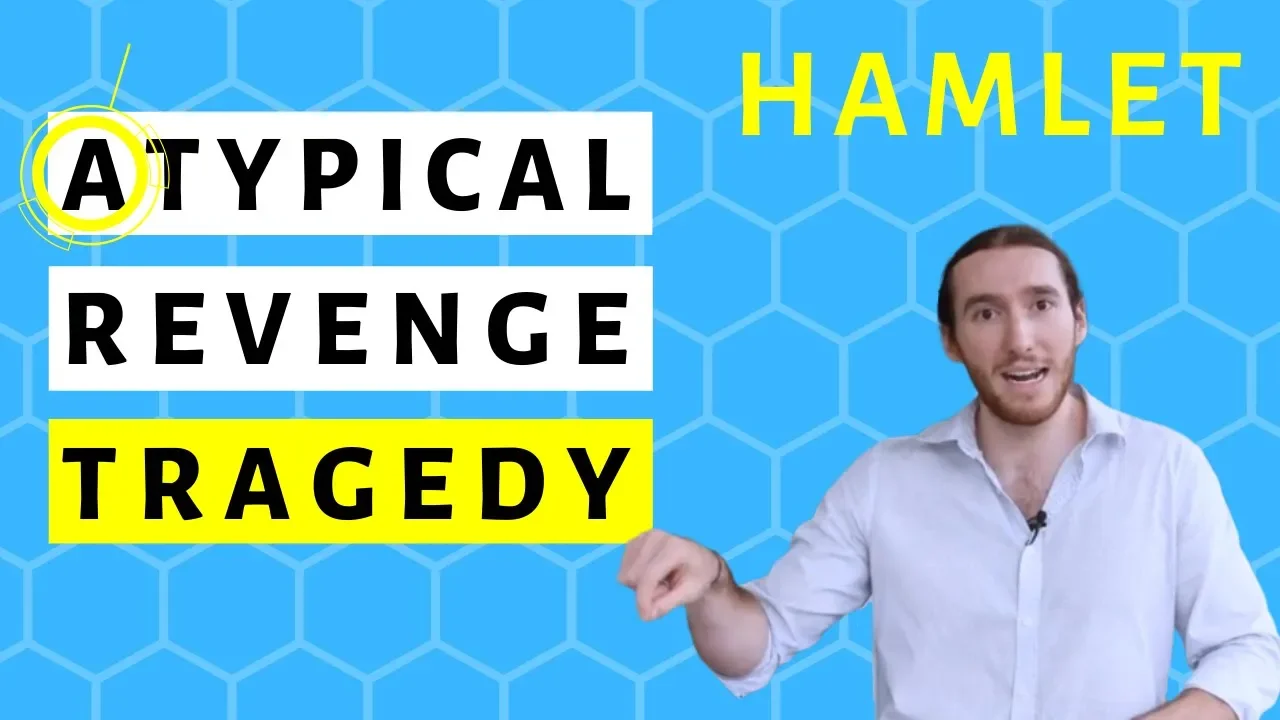
Video 3: Why is Hamlet an ATYPICAL Revenge Tragedy?
Why this video
This video isolates the convention of delayed retribution. By examining why Hamlet diverges from standard revenge patterns, it explores how Shakespeare subverts structural expectations. Instead of immediate action, Hamlet’s internal philosophical hesitation complicates the narrative, elevating the genre from a simple action plot to a deep psychological study.
Knowledge Checkpoint
- Define the standard temporal pattern of a classic revenge tragedy and explain how Hamlet deliberately disrupts this timeline.
- Identify the primary psychological and moral reasons for Hamlet's hesitation to execute Claudius immediately upon receiving the ghost's charge.
- Explain how Shakespeare uses delayed retribution to shift the play's focus from physical external action to internal philosophical debate.
Module 3: Psychological Complexity: Madness and Melancholy
This module investigates the complex relationship between Renaissance medical science, character psychology, and stagecraft. Utilizing the early modern medical framework of the four humours, it analyzes how playwrights used "melancholy" (an excess of black bile) and the performance of "feigned madness" (the antic disposition) to explore the moral decay and psychological disintegration of the revenger.
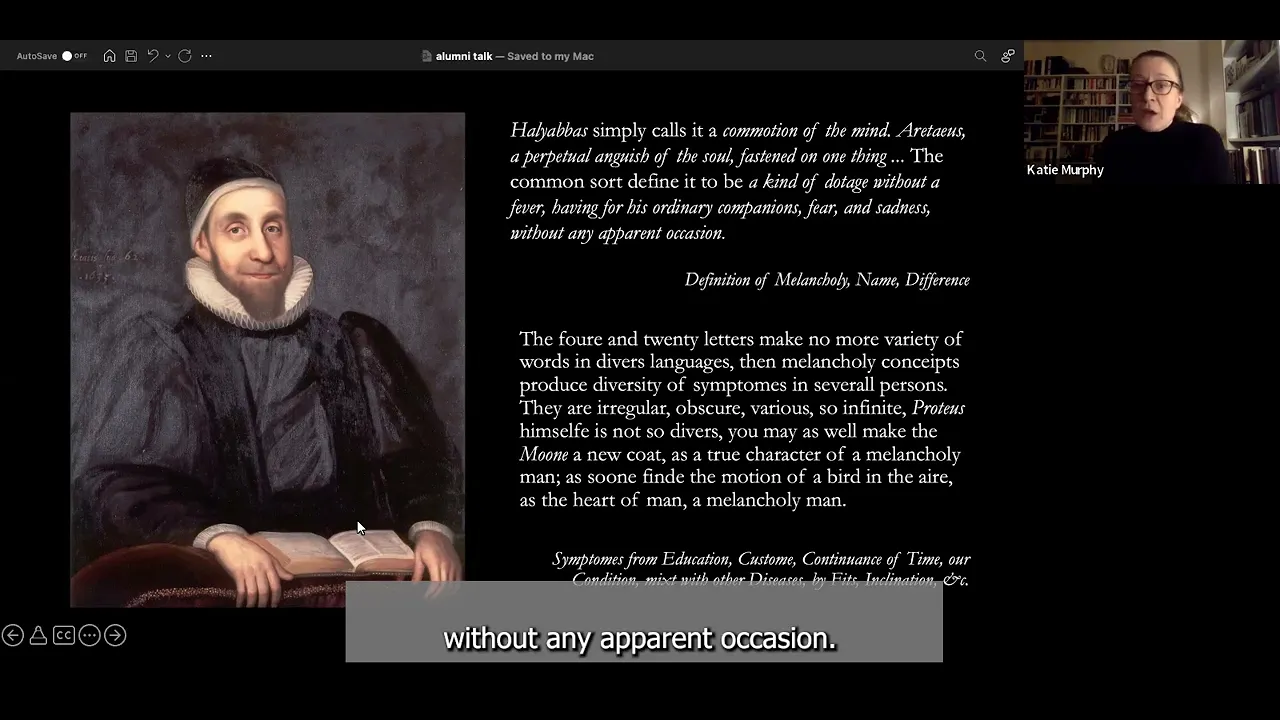
Video 1: "Melancholy: A New Anatomy" - The Humoral Context
Why this video
This academic lecture provides the necessary historical framework for early modern medicine. It explains Galen and Hippocrates' theory of the four humours (blood, phlegm, yellow bile, and black bile) that governed human temperament. This context is essential for understanding how Renaissance audiences interpreted the psychological states of figures like Hamlet, Hieronimo, and Bosola.
Knowledge Checkpoint
- Define the four basic humours and explain how an excess of "black bile" (melancholic humour) was believed to affect both cognitive reasoning and moral action.
- Explain how early modern playwrights used humoral symptoms (lethargy, obsessive rumination, hallucinations) as physical stage cues for mental illness.
- Identify the connection between the astrological ruler Saturn and the cultural/intellectual prestige associated with the "melancholic genius" in the Renaissance.
Video 2: Humors and the Renaissance Body
Why this video
This video provides a concise summary of how emotions were understood as literal, physical fluids in the body rather than purely abstract psychological states. This perspective is vital for evaluating the revenger's psychological breakdown, showing that madness on stage was viewed as a physical corruption of the bodily fluids, mirroring the moral corruption of the state.
Knowledge Checkpoint
- Explain why early modern thinkers viewed emotions as physical states of fluid imbalance rather than purely psychological phenomena.
- Describe how the permeability of the body in humoral theory made characters on stage vulnerable to the corrupting influences of their physical and social environments.
- Connect humoral imbalance with the dramatic depiction of sudden, violent outbursts in Jacobean tragedies.
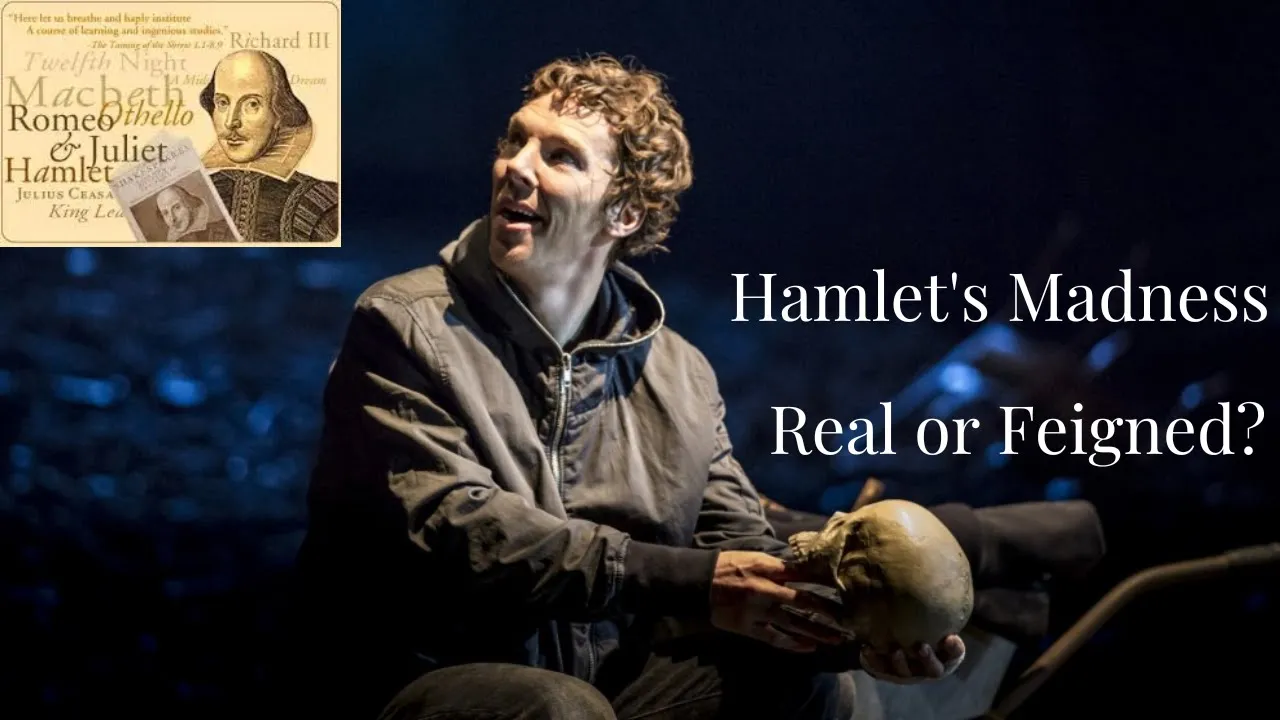
Video 3: Real vs. Feigned Madness in Hamlet
Why this video
One of the most persistent debates in early modern drama is the line between strategic "feigned madness" and actual psychological disintegration. This analysis unpacks Hamlet's "antic disposition," exploring how the performance of insanity serves as both a political shield against a suspicious court and a vehicle for expressing taboo social and political truths.
Knowledge Checkpoint
- Analyze the strategic utility of the "antic disposition" (feigned madness) for a revenger operating inside a hostile, closely watched court.
- Discuss the moments in Hamlet where the boundary between feigned madness and actual psychological trauma becomes blurred.
- Explain how Hamlet's performance of madness functions as a meta-theatrical critique of acting and courtly deception.
Module 4: Socio-Political Corruption and Courtly Decay
Note: This module has been renamed to focus on the historical realities of the Jacobean court under King James I. It evaluates how dramatists used Italianate settings, physical decay, and poisoning to critique courtly espionage, sexual degeneracy, and the failure of official legal institutions. It highlights the tension between private, individual vengeance and state-sanctioned justice.
Curriculum Gap Notice: While our video pool provides strong resources on Jacobean court corruption and Francis Bacon's philosophical critique of "wild justice," it lacks deep-dive visual essays on physical decay, poisoning, or Italianate geography. Students are highly encouraged to independently search academic databases using terms like "Italianate settings in Jacobean drama" and "The imagery of physical decay and poison in John Webster" to supplement this section.
Video 1: Jacobean Period: Political and Cultural Context

Why this video
This lecture provides the essential socio-political backdrop of the Jacobean era (1603-1625). It outlines how drama under King James I took a darker, more cynical, and pessimistic turn compared to Elizabethan theater. It highlights the focus on courtly corruption, espionage, and moral decay, illustrating how playwrights used foreign settings (especially Catholic Italy) to safely critique the English court.
Knowledge Checkpoint
- Detail the historical shift from the late Elizabethan reign to the Jacobean rule of King James I, explaining the rise of courtly cynicism and political pessimism.
- Explain why Jacobean dramatists routinely set their plays in corrupt Italian duchies (such as Amalfi, Florence, or Padua) rather than contemporary London.
- Describe the Jacobean theatrical focus on systemic corruption, showing how the rot of those in power was believed to infect all layers of society.
Video 2: The Duchess of Malfi and the Corrupted Court

Why this video
This concise analysis connects John Webster's The Duchess of Malfi directly to the political theories of courtly behavior. It highlights the sharp contrast between the ideal courtier (as depicted in Castiglione's The Book of the Courtier) and the reality of the corrupt Jacobean/Italianate courts. This contrast shows how those in power infect the entire socio-political hierarchy.
Knowledge Checkpoint
- Contrast the idealized courtly behavior outlined in Castiglione's The Book of the Courtier with the reality of espionage and poison in Webster's plays.
- Analyze the famous opening metaphor of The Duchess of Malfi (the court as a common fountain that, if poisoned at the head, spreads infectious rot throughout).
- Discuss how the character of Bosola represents the tragedy of the intellectual courtier forced to act as a corrupt instrument of the state.
Video 3: Francis Bacon on Revenge as "Wild Justice"
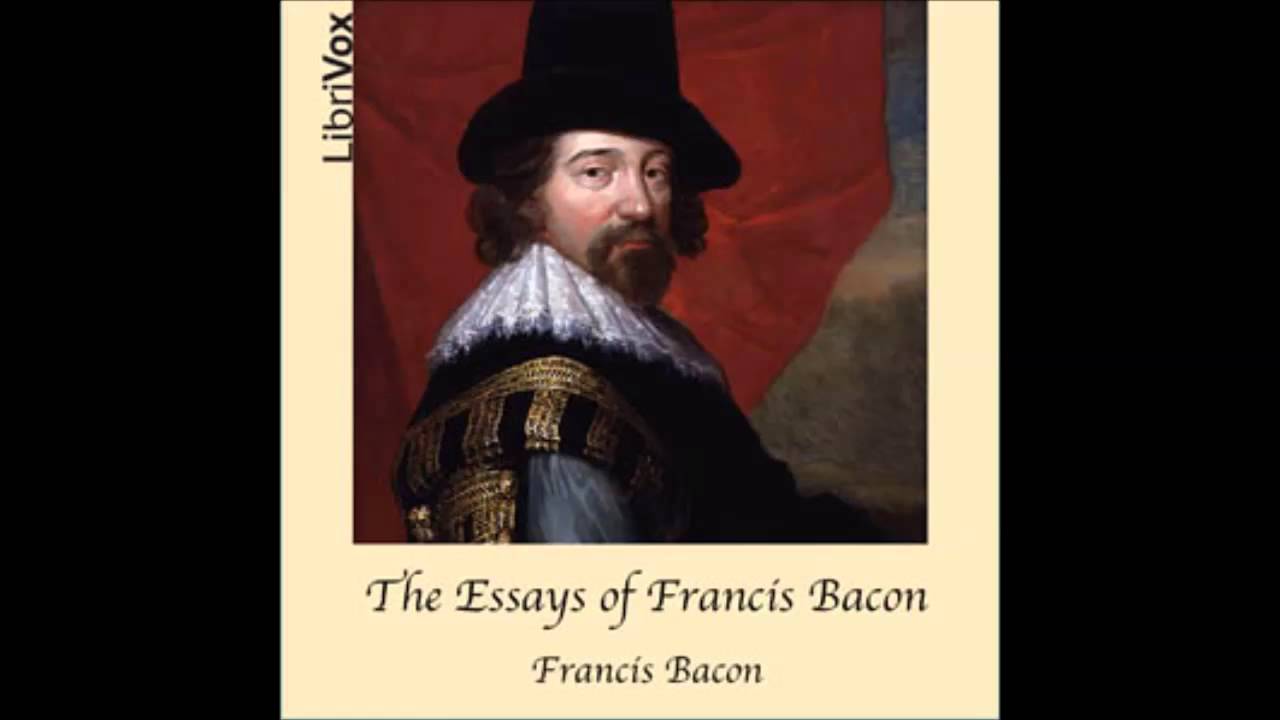
Why this video
To understand the legal and moral stakes of private vengeance, one must study contemporary legal philosophy. This segment from Francis Bacon's essay Of Revenge defines private revenge as a form of "wild justice" that actively subverts state law. It provides the crucial theoretical framework for understanding why the revenger must operate outside the established court system.
Knowledge Checkpoint
- Explain Francis Bacon's definition of revenge as "wild justice" and analyze why he argues it must be legally suppressed.
- Describe the ideological conflict between private vengeance (individual retribution) and public justice (state-administered law) in early modern legal thought.
- Discuss how the failure of official courts to provide justice forces the tragedy's protagonist to assume the role of judge, jury, and executioner.
Module 5: Masterworks: Analyzing the Climax of Revenge
This concluding module synthesizes structural, psychological, and socio-political themes through comparative analyses of major tragedies. It traces the trajectory of the genre from its Elizabethan roots (The Spanish Tragedy) to its highly violent, cynical Jacobean peaks (The Duchess of Malfi, The Revenger’s Tragedy, and The White Devil).
Curriculum Gap Notice: While our video pool contains strong plot summaries of The Revenger's Tragedy and The Duchess of Malfi, some core videos (such as the summary of The White Devil) are in non-English languages (Tamil). We have included them here for structural reference, but English-speaking students should utilize auto-generated translations and supplement their studies by searching academic engines for "John Webster's The White Devil gender and state corruption analysis" and "The Revenger's Tragedy metatheatrical moral decay".
Video 1: Plot Summary and Analysis of The Revenger's Tragedy
Why this video
Thomas Middleton's (often attributed) The Revenger's Tragedy represents the absolute peak of Jacobean theatrical cynicism. This analysis of Vindice's quest for vengeance against the lustful Duke—using the literal skull of his poisoned fiancée as a weapon—provides a textbook study of the genre's morbidity, dark humor, and moral decomposition.
Knowledge Checkpoint
- Detail how the protagonist Vindice uses disguised personas to infiltrate and corrupt the very court he seeks to destroy.
- Explain the symbolic and thematic significance of Gloriana’s skull (the memento mori) being converted into a literal instrument of murder.
- Analyze the play's ending, evaluating why the state must execute the successful revengers even if they rid the court of its corrupt elements.
Video 2: Webster's Masterpiece: The White Devil

Why this video
John Webster's The White Devil (1612) is a crucial text for understanding how female agency and court corruption intersect in revenge tragedy. Though the narration is in Tamil (utilize auto-translated English subtitles or read along with the provided text details), this outline tracks Vittoria Corombona's trial, showing how the state's judicial system is manipulated by corrupt church and state officials.
Knowledge Checkpoint
- Explain how John Webster uses the trial of Vittoria to expose the hypocrisy of the state and religious courts.
- Analyze the concept of the "white devil" as a dual metaphor for courtly refinement masking deep moral rot and corruption.
- Identify the structural parallels between Webster's The White Devil and The Duchess of Malfi in their treatment of transgressive female sexuality.
Video 3: Summary and Structural Resolution of The Duchess of Malfi

Why this video
This systematic summary of John Webster's The Duchess of Malfi outlines the complete tragic arc of the Duchess, her brothers (the Cardinal and Duke Ferdinand), and the complex revenger Bosola. It serves as a masterclass in comparing how the late Jacobean climax differs from early Elizabethan models, presenting a world where justice is completely unaligned with state structures.
Knowledge Checkpoint
- Contrast the Duchess’s noble stoicism in the face of torture and death with the psychological degradation and madness of her brother Ferdinand (lycanthropia).
- Analyze Bosola’s transformation from a hired spy and executioner to an agent of moral reckoning.
- Explain how the chaotic, accidental final bloodbath in Act 5 critiques the possibility of rational state-controlled justice.
Video 4: Synthesizing the Genre: The Spanish Tragedy and the Arc of Revenge

Why this video
To complete our evolutionary study, we return to the structural blueprint: The Spanish Tragedy. By placing its plot summary at the end of the curriculum, this video allows learners to trace the clear developmental trajectory of the genre. It shows how the relatively clear moral framework of Kyd's Elizabethan play evolved into the dark, chaotic, and state-collapsing tragedies of late Jacobean drama.
Knowledge Checkpoint
- Compare the moral resolution of The Spanish Tragedy (where the heavens seem to sanction Hieronimo's vengeance) with the chaotic ending of The Duchess of Malfi.
- Detail how the basic plot elements established by Kyd (secret murder, ghostly promptings, delayed actions, madness, play-within-a-play) were systematically complicated by later playwrights.
- Evaluate how early modern revenge tragedies collectively served as an artistic critique of the limitations of both royal prerogative and public judicial courts.
Course Map
Key People Index
- Lucius Annaeus Seneca (4 BC – AD 65): Roman Stoic philosopher, statesman, and dramatist. His tragic works, characterized by their high rhetorical style, dark themes, and sensationalized violence, served as the primary classical model for English Renaissance revenge tragedy.
- Thomas Kyd (1558–1594): Highly influential Elizabethan dramatist. His play The Spanish Tragedy is widely credited with establishing the revenge play genre in England, introducing conventions that would be refined by Shakespeare and Webster.
- William Shakespeare (1564–1616): Renowned English playwright who revolutionized the revenge genre by complicating the structural expectation of swift vengeance in Hamlet, focusing instead on psychological delays, philosophical introspection, and meta-theatricality.
- John Webster (c. 1580–c. 1632): Prominent Jacobean playwright whose masterpieces The White Devil and The Duchess of Malfi present dark, complex portraits of courtly corruption, physical decay, and the psychological disintegration of both victims and victimizers.
- Thomas Middleton (1580–1627): Leading Jacobean dramatist and satirist (frequently credited with The Revenger's Tragedy). His work is celebrated for its intense, satirical view of moral rot, courtly lust, and systemic corruption.
- Sir Francis Bacon (1561–1626): Prominent philosopher, statesman, and jurist of the early modern era. His essay Of Revenge remains the foundational contemporary legal critique of private vengeance, labeling it "wild justice" that threatens to dissolve state law.
Final Self-Assessment
Evaluate your mastery of Elizabethan and Jacobean Revenge Tragedy by completing the following checklist:
- Senecan Influence: Can you explain how the stylistic features of Roman Seneca (five-act division, declamatory monologue, physical horror, and the vengeful ghost) were adapted by Thomas Kyd to fit the commercial tastes of Elizabethan London?
- Structural DNA: Can you identify and define the structural elements of a classic revenge tragedy, including the inciting supernatural catalyst, delayed retribution, and the metatheatrical play-within-a-play?
- Humoral Psychology: Can you explain how the Renaissance medical theory of the four humours (specifically "black bile" or melancholy) was used to explain the physical and mental breakdown of the revenger?
- Madness as Performance: Can you analyze the dramatic distinction between Hamlet's strategic "antic disposition" (feigned madness) and the genuine psychological disintegration experienced by characters like Ophelia or Hieronimo?
- Italianate Geographies: Can you analyze why Jacobean playwrights consistently chose corrupt Catholic Italian settings to stage political corruption, courtly degeneracy, and espionage?
- Baconian Jurisprudence: Can you apply Francis Bacon's concept of revenge as "wild justice" to explain why private vengeance was viewed as an ideological threat to early modern state legal systems?
- Thematic Synthesis: Can you compare the moral ending of an early Elizabethan revenge play (The Spanish Tragedy) with the chaotic ending of a late Jacobean play (The Duchess of Malfi or The Revenger's Tragedy)?
- Meta-Theatricality: Can you evaluate how early modern playwrights used the concept of performance itself (actors playing madmen, plays-within-plays, and stage-managed executions) to mock the performative deceptions of the royal court?