















Senecan tragedy refers to a set of 10 ancient Roman tragedies, eight written by the Stoic philosopher and politician Lucius Annaeus Seneca in the 1st century AD, which were rediscovered by Italian humanists in the mid-16th century and became a foundational model for French neoclassical and Elizabethan tragedy. Key characteristics include five-act structure with elaborate rhetorical speeches, characters dominated by a single passion driving them to doom, use of soliloquies and asides, supernatural elements, and themes of bloodthirsty revenge, betrayal, banishment, and death. The plays introduced unprecedented violence and horror on stage, such as cannibalism in Thyestes. Senecan tragedy profoundly influenced later dramatists including Thomas Sackville and Thomas Norton's Gorboduc, Thomas Kyd's Spanish Tragedy, and Shakespeare's works like Titus Andronicus, Hamlet, and Macbeth, establishing conventions that shaped Western dramatic tradition.
Senecan Tragedy Origin, Themes, and Literary Influence Explained
Added:Hello my dear viewers welcome to my channel little ladybug. Today I'm going to deliver my lecture on saken tragedy that is very important one the beginning of a drama. So under English drama you might have known to the term senican tragedy.
So today in this lecture I am going to deliver and to explain sen tragedy and its concepts, themes, ideas beginning with with an origin and how it is applied in in the in drama. Shall we? Okay.
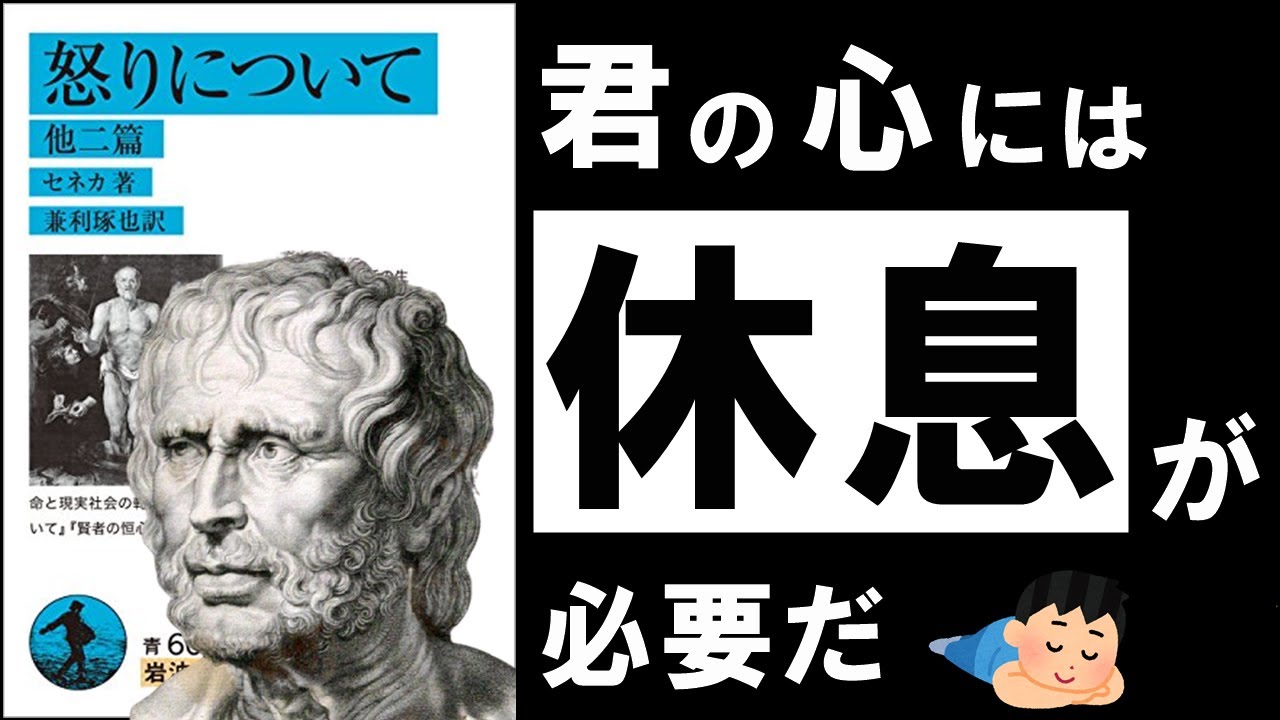
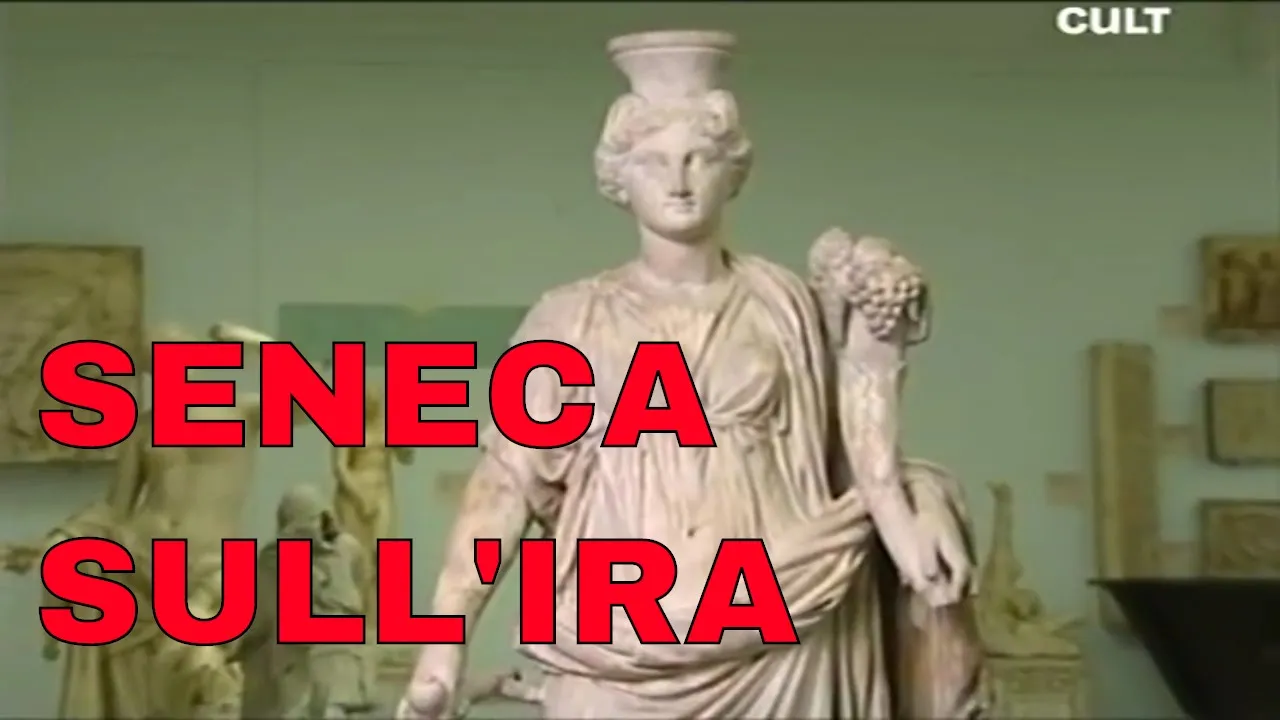
Senican tragedy. So before we move into all the slides, we must know that the term what is sen or senican tragedy. So sen tragedy refers to a set of 10 ancient Roman tragedies among which eight were written by the stoic philosopher and politician Lucius Enus senica. So now who is this senica? We will see Lucius Saka who was a prominent playwright of first century. He was famous for helping shape the genre called revenge tragedy with these 10 plays. 10 plays we will see what are those 10 plays now. So these are the 10 planes which starts from Hercules, Reculus, Uranus, Throds, Phenise, Media, Fedra, Edypus, Agamna, Theastas, Hercuus, Octus and Octavia. So these are the 10 plays which are believed that these plays were written by the stoic philosopher Lucius Sica. So these are the 10 plays and what is the origin of these senican tragedy? So the senican tragedies are written in blank west during the 1st century AD and it was rediscovered by the Italian humanist in the mid6th century and it is a model for French neocclassical tragedy and Elizabethan tragedy and the importance of sin place lies in the difficulty of the period.
Yet so in those time Elizabethan tragedy was considered more acceptable and revenge tragedy sought to unleash the carnal side of human nature on stage. It was a transitional time in the literary world and the infamous scene like most horrible scenes like cannibalism feast in Thiastas that is one of the plays of Lucius Senica who introduces the introduced the cannibalism was introduced to the audience in another dimension of human experience.
So here senicaastes it is a tale of revenge horror with prominent cannibalism which can be identified as one of the first revenge piece that is theastasis written by Lucius Sena. So this play is a tale of revenge and horror with a prominent theme of cannibalism which was portrayed in this drama. And that was the first piece revenge piece where you come across two brothers that is Artreus and Theastas both brothers who struggle to power get power through the means of revenge through the theme of revenge.
So here the story goes on like that.
After a long period of exile of Theastas who is allowed to return to his country but the conflict escalates between his brother Atreus and Theastas after his banishment too. And Artreus goes to the extent of taking revenge by tricking Theastas into eating his own children.
So how horrible the event we can't even imagine that will happen that could have happened in story in Thomas Sackville also Thomas Norton's goedc which also could be found what is considered by many to be an exact representation of senican revenge drama. So not only senakan after senakan tragedy there are so many dramas fall got inspired by senican so one such drama is Thomas norton's goadak it is followed by senican revenge and then what are the features of the senican tragedy so how we can classify the tragedy as senican tragedy so the senican tragedy is the model for all the tragedies which followed later. Here in Sikan tragedy the plot structure is it it uh the drama has five acts with coral oats and then there is a uh elaborate rhetorical speeches. is stages are available in that sen tragedy and then you can see more scenes of violence and horror on the stage and then it follows unity of time plays everything. The plays are mostly written to be recited to a elite gatherings.
The characters are dominated by a single passion or ambition which d drive them to their own doom or death or their end. These are the distinct features of senican tragedy. And what are the technical devices which have been used in senican tragedy that is long solid liqu or the one of the characteristics of senican tragedy along with aides and then next one is confidence. What is confidence? That is a person who trust whom you trust share your secret or your plan with others.
In a present scenario we could say that you eupo brutus. So like that and then traitor or uh betrayal. So you are betrayed by someone whom you trust. So that is called confidence. So um nowadays even fictions and dramas you you could not avoid the characters who betrayed each other who who became traitor. So for those all those uh characters cunning and uh tyrannical characters what is the model for that that is the senican tragedy is the model for all such horrible death violent incidents. So this is the model and then fourth one is supernatural elements and superstitious beliefs. So you could have noticed in uh uh Dr. Fosters's pre-un university ways dramas of pre-un university weights and the dramas of of Elizabeth and period especially in Shakespeare plays all the tragedies you may come across as the characteristics of senican tragedy especially supernatural elements and superstitious beliefs and then themes. What are the themes that is bloodthirsty, revenge, jealous, crime, betrayal, banishment, death, murder, bloodshed, war. So these are the uh bloodthirsty themes you could notice in Senican tragedy.
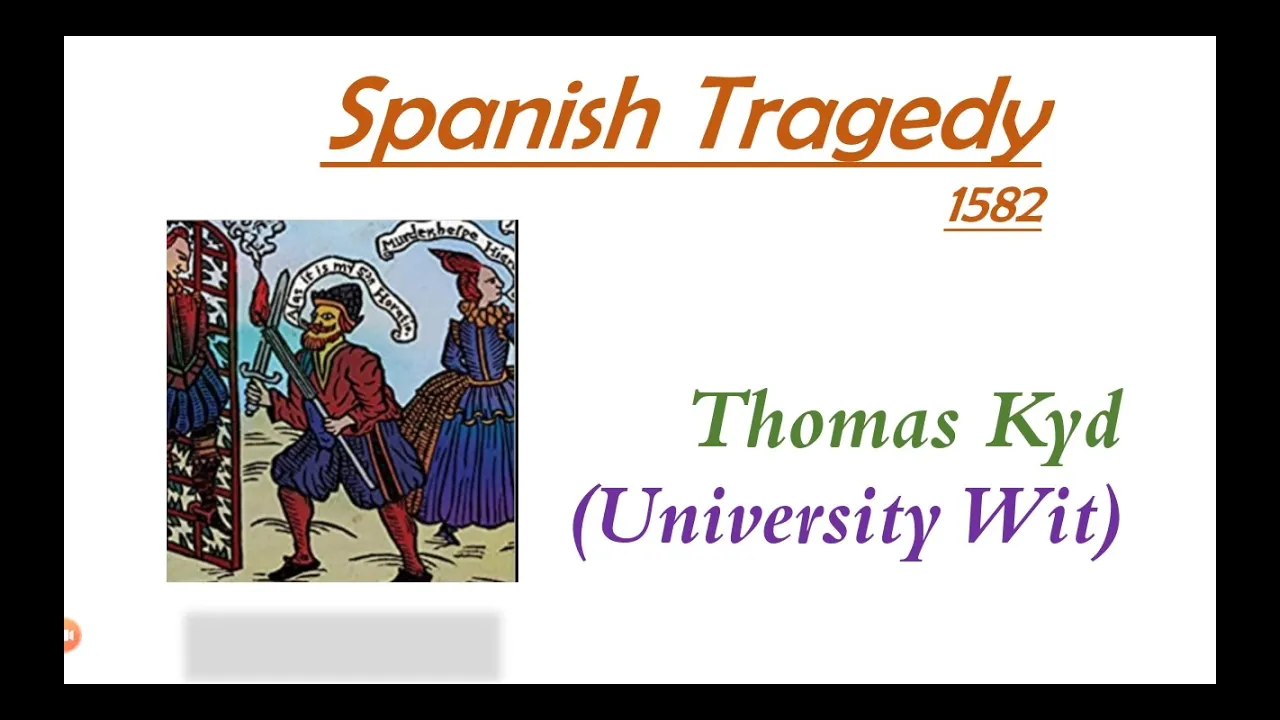
Synicans we will come to the senican's influence on the history first influenced by senicana was French new classical tragedy and later Elizabeth and tragedy drew inspired from sica French new classical dramatist is like Pia Cornell and Jean Dressing adopted Jenn Saka's form and style too and Elizabeth and dramatist like Thomas Kate Spanish tragedy is one such example of Senican tragedy and Shakespeare or to adopted Senica's themes of bloodthirsty revenge in his place okay and next one is influence of Senakan or Elizabeth and tragedy. Influence of Senican concepts or themes in Elizabethan tragedy in Cobeduct that was written by Thomas Sackwell and Thomas Morton is a chain of slaughter and revenge written in direct imitation of Senica. Okay. And next influence is Thomas Kates's Spanish tragedy in 1587 that continued the senican tradition of tragedy of blood with somewhat more sophistication than goed but even more bloodlitting.
So if you read Spanish tragedy by Thomas Kade, you may notice all the characteristics of Senican tragedy that is betrayal, banishment, punishment, revenge, murder, uh murder and then confident uh everything you could observe when you read Spanish tragedy by Thomas K. Uh next we will come to our legendary uh hero of drama and the masterpiece of dramatic career that is our sakes William Shakespeare who has adopted several characteristics of Senican tragedy in his tragedies.
characters such as Hamlet, King Leia, Magbet, Uloo all are connected to the tradition of Senican tragedy. So if you understand the senican tragedy the concepts themes and the characteristics whatever you read whether it is in novel or fiction or any creative writing if you notice all those concepts it could be the model on formed on or uh the basement or the foundation of which which is senican tragedy or senic drama. Okay. So here you may notice such characteristics in car separ too. One such play is Titus Andronicus. The play is a sign tragedy as the central characters die in a very stoic manner. Sexpia adopts theme of bloodthirsty, revenge in this in the play Titus Antonicus and cannibalism and excess of o in the play are influenced by senetic senican tragedy that is theastasis by written by Lucius [Music] saka. Our next place is Magbet SP used sole in his tragedies. You may find in almost all the tragedies and tragedies you may find so plenty of aides are used by sex in order to portray the unique characteristics of the character. So the the original the personality or the psychology of the character are revealed through aside and soloquiz. So in Magbat not only in Magbat, Magbut, King Mia, Wateroo and uh Hamlet. So all those four major tragedies you may find all those aspects of Synic tragedy. In Magbet uh alone there are seven solid said by Magbet in the play in that play and next play is Hamlet.
One of the prominent attributes of Sanakan tragedy is the use of s supernatural elements. So supernatural elements you may find in Hamlet and Magdat too. And then uh superstitious beliefs you may you may find in uh uh Julius Caesar uh Antony and Cleopatra um and other tra tragic place you may find all those uh characteristics of elements of cynic tragedy. So in Hamlet supernatural element that is the old king's ghost appear to Hamlet and the notion of purgatory or seen in Hamlet.
Okay. And the next one. So this is how Senican tragedy could be well explained by the elements of Senakan tragedy. How it is uh incorporated in all the drum dramatists who followed Saka later. So I have given you few examples uh starting from um the middle age till uh middle age and uh uh till 6k period. I have given you that uh what are the plays who follow the senican tragedy concepts of senican tragedy characteristics of senican tragedy. So I thought uh uh the origin and origin of Sakan tragedy with delusious saka and his place how these plays or model uh for the other traumatist who came after him uh just as uh godak and uh godak by Thomas Norton and next one is uh Thomas Kates Spanish tragedy and uh followed by uh separ all other tragedies. So uh this is how we could uh saken tragedy could be well explained and how it is a model for the other dramas who followed saka uh tradition. Uh with this one let me conclude sen tragedy and one more example uh I forget to mention that is uh um revenge tragedies revenge tragedies include Jew of Malta by Christopher Marlo and Antony's revenge by John Maren and the revenge of Bazidi Abuse by George Chapman and then Francis Bacon essay that is of revenge. All those [Music] u follow the senican tragedy the model of senican tragedy we follow the concepts and the uh themes of senican tragedy. So with this one let me conclude uh my lesson senican tragedy. I hope that all of you understand the senican concept and how all those themes are incorporated in the plays uh in the plays and the novels of uh modern era or contemporary world also we come across uh violence, death uh bloodshed, war, revenge, betrayal, banishment that happen Even now uh um that means that continued even now uh no one can stop or no one can prevent but Shakespeare beautifully illustrated in the last place of Shakespeare that that is not uh uh revenge is not the uh only way to uh to find solar as or find satisfaction but Atroski finds that forgiveness and reconciliation is very important uh for the smooth running of life to um uh to have the peaceful life to lead. So he understands that's why he created um he he presented characters who could forgive each other and who could reunite with their parents and reunite with their lovers in the last place of sex.
So in this um what is the takeaway message through this sanakan tragedy is uh revenge is not the means to solve the problem. So one must have a tendency to forgive and uh forgive and forget only then world can live very peacefully. So with this note let me conclude my lecture on revenge uh senican tragedy.
Thank you for watching my le my uh lecture today uh in my channel lit ladybug. I will see you in the next class with yet another interesting topic. Thank you so much.
Up Next

The Spanish Tragedy by Thomas Kyd: Analysis & Influence
@earreadthis5373
4.7K views•2023-02-08

Formalism in Literary Criticism: An Academic Lecture Overview
@mattalberhasky9952
39.1K views•2015-08-05

Point of View in Fiction: First Person vs. Third Person
@magicalthriftyteacher
153.8K views•2014-03-31

1984: Orwell's Dystopian World and the Mechanisms of Totalitarianism
@AlternateHistoryHub
7M views•2017-03-04
Related Study Plans & Knowledge Roadmaps
Structured learning paths in Literature