Confessional Poetry: History, Poets & Themes
Learning Goal: Trace the history and poetic innovations of the mid-20th century Confessional Poetry movement, analyzing how poets used highly personal, taboo, and autobiographical material to challenge postwar social conformity.
- Prerequisites: None (a basic familiarity with literary analysis and modern poetic terminology is helpful but not required).
- Estimated Total Study Time: 10 Hours
Module 1: Postwar Conformity and the Rise of the Personal
This module introduces the historical and literary landscape of 1950s America. You will learn about the intense societal pressure toward domestic and political conformity, which was mirrored in the academic world by New Criticism—a dominant literary theory that demanded poetry remain objective, impersonal, and disconnected from the poet's life. Finally, you will explore how the early Confessional poets staged a radical rebellion against these dual constraints.
Recommended Videos

Why this video: To analyze Confessional Poetry, we must first understand the social environment it rebelled against. This historical segment details the immense cultural and social pressure toward standardization, suburban uniformity, and rigid gender norms in 1950s America. This stultifying atmosphere served as the direct catalyst for the raw, expressive outburst of the Confessional movement.
Why this video: New Criticism was the academic status quo of the mid-20th century. This video outlines how New Critics treated a poem as an isolated, self-contained aesthetic object, explicitly dismissing the author’s personal life, psychological struggles, and intent as irrelevant to its value (the "Intentional Fallacy"). Understanding this context explains why using raw, biographical details in poetry was considered a scandalous, rebellious act.

Why this video: This introductory video defines the core tenants of Confessional Poetry, identifying key pioneers like Robert Lowell, Sylvia Plath, and Anne Sexton. It unpacks how the movement systematically rejected the academic, detached aesthetic of New Criticism, choosing instead to write directly about taboo topics such as mental illness, trauma, and domestic isolation.
Knowledge Checkpoint
- Explain how 1950s social conformity suppressed personal and artistic expression.
- Define "New Criticism" and describe its core tenet regarding a poet's biography.
- Contrast the objectives of New Criticism with the primary goals of the early Confessional poets.
Module 2: Robert Lowell: The Catalyst of 'Life Studies'
This module centers on Robert Lowell, widely considered the father of Confessional Poetry. You will study how Lowell transitioned from a highly structured, formal, and impersonal style of writing to the free-form, deeply autobiographical approach seen in his ground-breaking 1959 collection, Life Studies.
Recommended Videos

Why this video: This exhaustive documentary chronicles Lowell’s life, family background, and his descent into severe manic episodes. It illustrates how his private struggles with psychological illness and his patrician Boston heritage directly informed his shift from the formal, myth-centric Lord Weary's Castle to the intimate, conversational style of Life Studies.
Why this video: This academic analysis maps Lowell’s technical shift, detailing how he broke traditional poetic meters to introduce a conversational rhythm. It explains how this structural revolution allowed him to address personal themes like hospitalization, divorce, and family decay in a direct, unvarnished voice.

Why this video: Featuring historical footage, this video contrasts Robert Lowell with his contemporary Richard Wilbur. Wilbur represents the traditional, highly formalist school, while Lowell embodies the push toward raw, regional, and existential realism. This contrast highlights the shock value Lowell's work held for mid-century audiences.
Knowledge Checkpoint
- Identify the major collection by Robert Lowell that served as the transition point for 20th-century American poetry.
- Describe the formal and thematic differences between Lowell's early award-winning work and his later Confessional writing.
- Explain how Lowell's manic-depressive illness and hospitalizations influenced the content of his poems.
Module 3: Sylvia Plath: Myth, Trauma, and the Domestic Cage
This module examines Sylvia Plath, one of the most celebrated and tragic voices of the Confessional movement. You will analyze her legendary collection Ariel, focusing on how she transformed deep personal suffering, severe mental illness, and the suffocating gender expectations of her era into universally resonant, mythic art.
Recommended Videos
Why this video: This highly visual, engaging introduction outlines Plath's life and her unique ability to fuse her struggles with depression, trauma, and identity into haunting, vivid imagery. It details how she elevated her raw personal experiences to a larger-than-life, mythic level.
Why this video: This video offers an essential pedagogical framework, demonstrating that Plath's poetry was not mere "journal entries set to a rhythm" but a highly disciplined, deliberate form of art. It explores her engagement with trauma and how her work challenged the patriarchal structure of postwar America.

Why this video: This documentary segment focuses on the technical mastery of Plath's late Ariel poems. It unpacks her use of intricate internal rhymes, rhythmic drive, and strict discipline, showing how her technical choices prevented her highly personal subject matter from devolving into sentimentality.
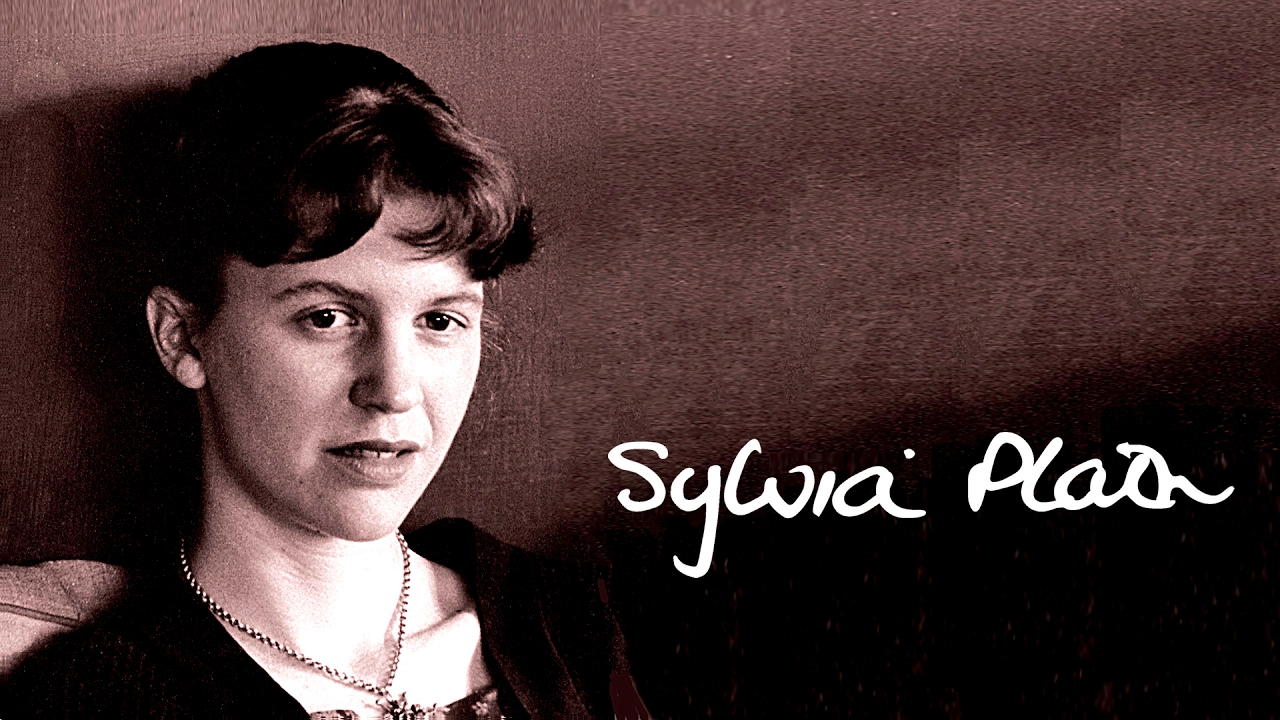
Why this video: Hearing Plath read her own work is critical. This primary recording of "Daddy" (captured by the BBC shortly before her death) showcases her delivery, complete with its dark, nursery-rhyme cadence and intense dramatic power.
Knowledge Checkpoint
- Analyze how Plath uses historical and mythic metaphors (e.g., Holocaust imagery in "Daddy" or "Lady Lazarus") to represent personal suffering.
- Explain how Plath's work exposed and critiqued domestic expectations placed on 1950s women.
- Define the technical poetic characteristics of Plath’s Ariel poems (e.g., her use of rhyme, pace, and rhythm).
Module 4: Anne Sexton: Breaking Taboos and Public Performance
This module focuses on Anne Sexton, a poet who took Confessionalism to its psychological limits. You will examine her radical exploration of female bodily experiences, mental illness, and motherhood, as well as her highly theatrical, public, and musical style of reading poetry.
Recommended Videos

Why this video: This analysis provides a deep look at Sexton's iconic poem "Her Kind." It dissects her use of different female archetypes—the witch, the over-domestic homemaker, and the adulteress—to demonstrate how she used personal confession to expose systemic misogyny and societal judgment.

Why this video: This archival clip captures Sexton reading "Her Kind" live. It highlights her famous, dramatic performance style. For Sexton, a poetry reading was not an dry academic affair but an emotional, performative event designed to connect directly with the audience.

Why this video: A rare, extensive recording of Sexton reading some of her most controversial pieces from the 1960s. It displays her dark humor and shows how she turned deeply personal and bodily subjects (such as maternal grief and housebound domestic alienation) into public art.
Pedagogical Note: The primary full-length documentary about Anne Sexton's life from this period (Anne SEXTON - Vis ou Meurs, 1966) is in French with limited subtitle availability. If you choose to watch it here, focus on the rare 1960s footage showing her domestic setting and her physical gestures, which underscores her performative relationship with her art.
Knowledge Checkpoint
- Identify three taboo topics that Anne Sexton introduced into mainstream American poetry.
- Explain how Sexton used the archetype of the "witch" in "Her Kind" to critique mid-century social expectations.
- Contrast Sexton's performative, public reading style with the traditionally dry, academic readings of her contemporaries.
Module 5: John Berryman and the Split Self
This module explores the unique poetic structures of John Berryman. You will analyze his masterpiece, The Dream Songs, focusing on how he used fragmented syntax, dark humor, and a fictional alter ego named "Henry" to explore grief, psychological fracturing, and the loss of his father.
Recommended Videos

Why this video: This academic lecture is essential for understanding the complexity of The Dream Songs. It breaks down Berryman's dense literary references, his innovative use of an 18-line structure, and his rebellion against traditional autobiography through the creation of a split self.

Why this video: In this primary interview from 1970, Berryman explains the origin of his central character, "Henry." This provides first-hand insight into how Berryman used a proxy persona to express deeply personal, painful psychological truths that would have been too overwhelming to confess in his direct, literal voice.

Why this video: This video captures Berryman reading from The Dream Songs. It showcases his fragmented syntax, sudden voice shifts, and use of dark, jazz-influenced rhythms, demonstrating the feeling of mental and psychological division.
Knowledge Checkpoint
- Who is "Henry" in Berryman's The Dream Songs, and what purpose does this alter ego serve?
- Describe the formal structure (stanzas, lines, and rhyme tendencies) that Berryman designed for his Dream Songs.
- Explain how Berryman uses fragmented syntax to represent a psyche undergoing stress or grief.
Module 6: Criticism, Legacy, and Modern Influence
This final module examines the legacy of Confessional Poetry. You will study the primary academic criticisms leveled against the movement (most notably the charge of "solipsism" or self-absorbed oversharing). Finally, you will trace how this mid-century poetic revolution paved the way for modern forms of personal art, including the memoir boom, slam poetry, and raw pop music lyricism.
Recommended Videos
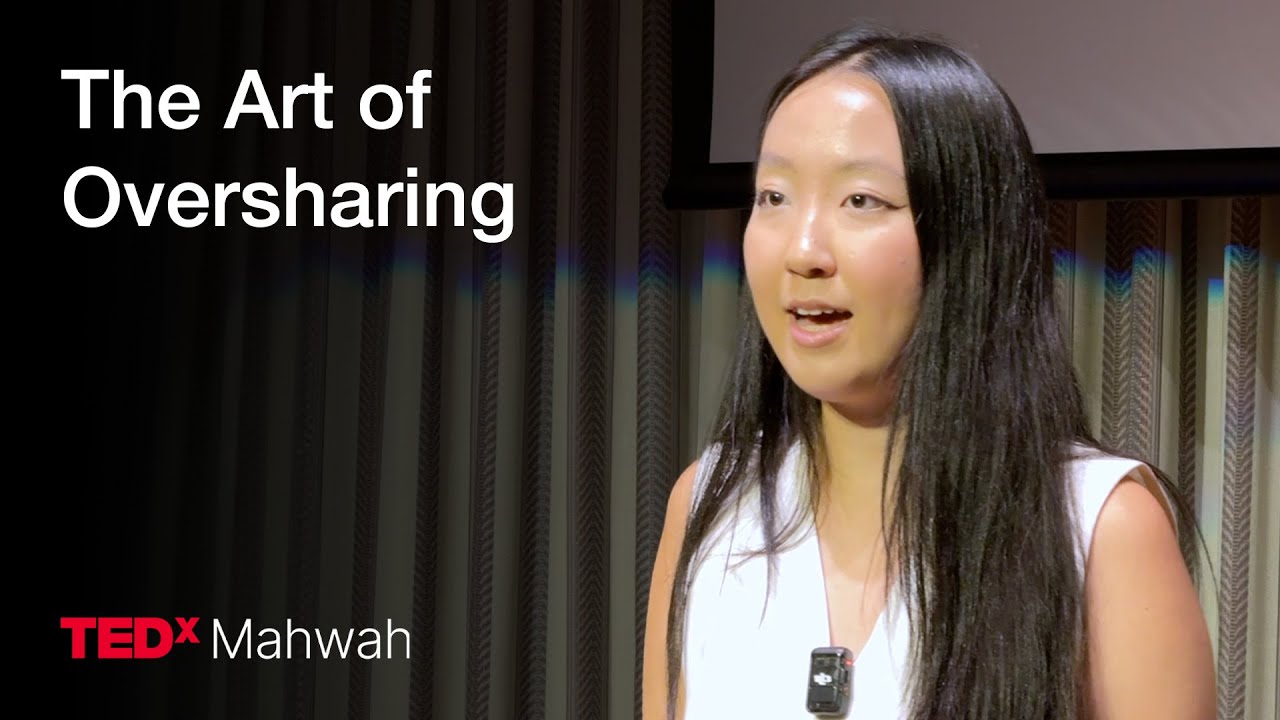
Why this video: This modern TEDx talk addresses the contemporary landscape of "oversharing." It references pioneers like Plath and Lowell to frame a crucial literary debate: Where is the line between artistic confession and self-indulgent exhibitionism (solipsism)?

Why this video: This concise explainer contextualizes the Confessional movement within larger literary history. It explains how the movement's focus on vulnerability, human frailty, and psychological realism fundamentally shifted what is considered acceptable subject matter in creative writing.

Why this video: This lecture traces 20th-century American literary currents. It connects the Beats and the Confessionalists to the cultural shifts of the late 20th and early 21st centuries, highlighting how their personal writing opened the door for contemporary spoken word and slam poetry.
Knowledge Checkpoint
- Define "solipsism" as a literary criticism and explain why detractors accused Confessional poets of it.
- Detail how Confessional Poetry changed the landscape of modern memoirs and autobiographical fiction.
- Connect the stylistic innovations of the Confessional movement to modern slam poetry and pop lyricism.
Course Map
Key People Index
- Robert Lowell (1917–1977): Boston Brahmin poet whose 1959 collection Life Studies shifted American poetry away from rigid academic formalism toward conversational, raw autobiographical writing.
- Sylvia Plath (1932–1963): One of the most influential poets of the 20th century. Her post-humously published collection Ariel combined rigorous craftsmanship with intense, mythic confrontations of depression, trauma, and domestic containment.
- Anne Sexton (1928–1974): A pioneer who broke social taboos by writing openly about female physiology, motherhood, and psychiatric illness. She popularized a highly performative, public reading style.
- John Berryman (1914–1972): Author of The Dream Songs, famous for developing a fractured, polyphonic style and utilizing the alter ego "Henry" to explore deep-seated psychological grief and loss.
- Cleanth Brooks & John Crowe Ransom: Key figures of the New Criticism movement who argued that poetry should be analyzed solely through close textual readings, independent of the poet's life or historical context.
- M.L. Rosenthal: The literary critic who officially coined the term "Confessional Poetry" in his 1959 review of Robert Lowell's Life Studies.
Final Self-Assessment
Complete this comprehensive self-assessment checklist to verify your mastery of the Confessional Poetry movement:
- I can describe the cultural landscape of 1950s America and explain how it influenced the rise of Confessionalism.
- I can define "New Criticism" and identify why its mandates made autobiographical poetry a controversial art form.
- I can trace Robert Lowell’s transition from formal poetry to the style of Life Studies.
- I can explain how Sylvia Plath elevated highly personal trauma into larger-than-life, mythic metaphors in poems like "Daddy."
- I can identify the technical elements (such as rhyme schemes and rhythm) that prove Sylvia Plath’s Ariel was highly disciplined, rather than simple "oversharing."
- I can list at least three taboo subjects introduced to the public sphere by the poetry and readings of Anne Sexton.
- I can analyze the poetic structure and function of Sexton's iconic poem "Her Kind."
- I can explain the identity and function of "Henry," John Berryman's alter ego in The Dream Songs.
- I can describe how Berryman used fragmented syntax and altered grammar to depict psychological fracturing.
- I can define the charge of "solipsism" in literary criticism and construct a defense of Confessional Poetry against it.
- I can draw a direct line of influence from the Confessional poets to contemporary memoirs, slam poetry, and raw lyricism in popular culture.