

![Realism & Naturalism in America | History of American literature[FULL video series EVER on YouTube]](https://i.ytimg.com/vi_webp/HCgzVLyg3xQ/maxresdefault.webp)
















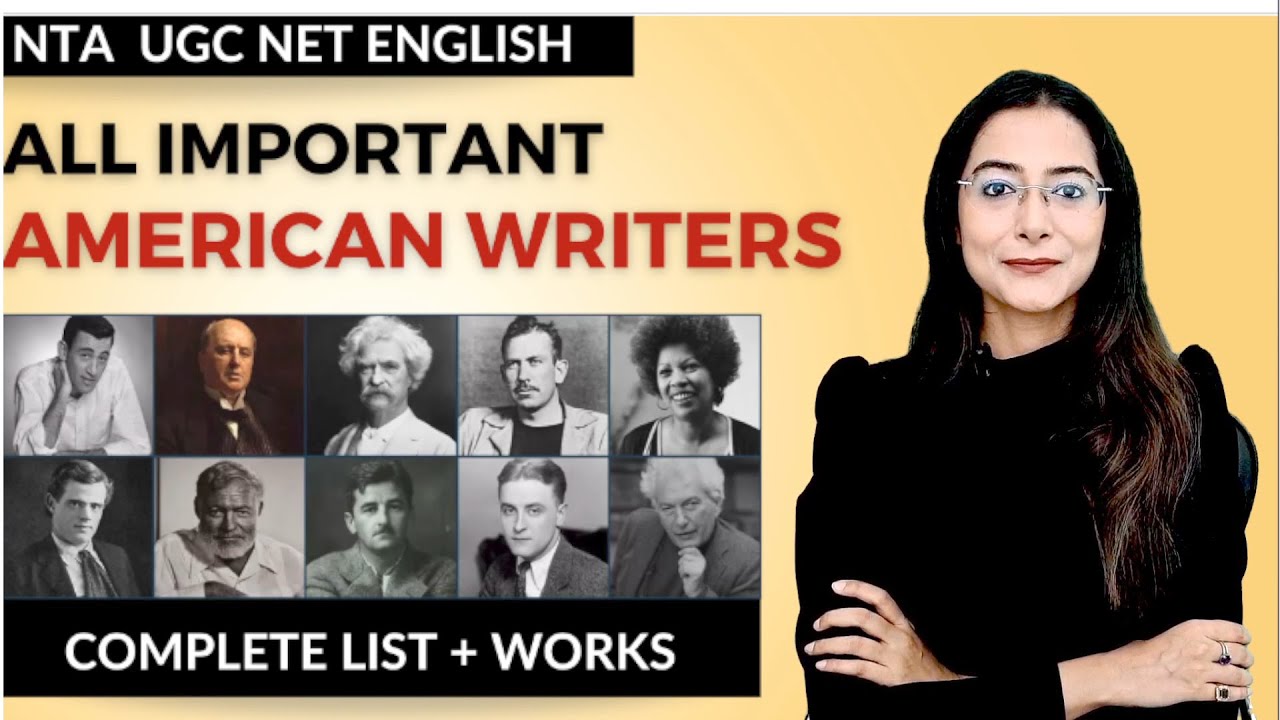



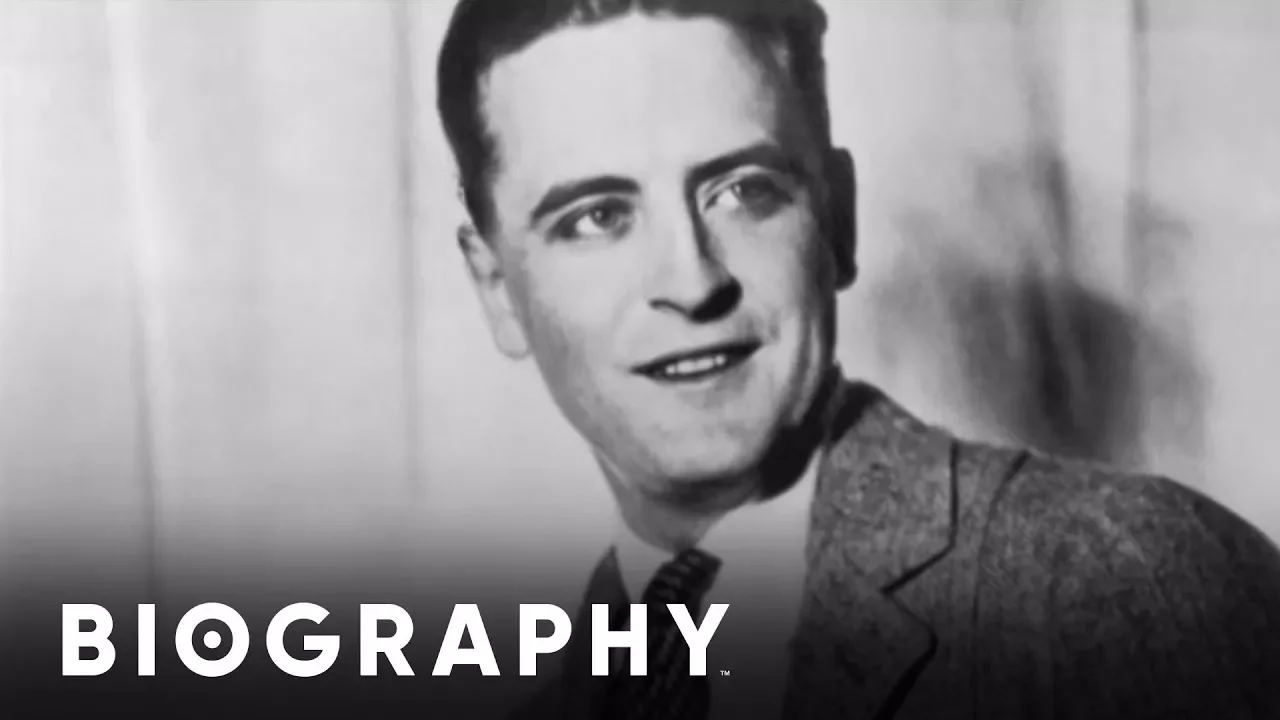
The 20th century American literature evolved through distinct decades: the Roaring Twenties featured the Lost Generation (Hemingway, Fitzgerald, Stein) and Harlem Renaissance (Hughes, Hurston); the Great Depression era produced socially conscious writers like Faulkner, Steinbeck, and Miller; post-war periods saw the Beat Generation (Kerouac, Ginsberg) and confessional poetry (Plath, Sexton); and late-century literature expanded to include diverse voices from African-American writers (Morrison, Wright), Jewish-American writers (Bellow, Roth), and ethnic minorities, reflecting America's changing social landscape and literary traditions.
20th Century American Literature: A Comprehensive Overview for Students
Added:Familiarity with 19th-century American literary movements such as Transcendentalism, Realism, and Naturalism.
A basic understanding of major historical events of the early 20th century, including World War I, the Great Depression, and their societal impacts.
Understanding of foundational literary analysis terminology, including narrative voice, symbolism, motif, and theme.
Awareness of the traditional concept of the 'American Dream' and how it served as a core thematic element in early American identity.
In-depth study of specific 20th-century sub-movements, such as the Harlem Renaissance, the Lost Generation, and the Beat Generation.
Exploration of Postmodernism and contemporary 21st-century American literature to trace the evolution of literary forms and fragmentation.
Application of critical literary theories (e.g., Feminist Theory, Psychoanalytic Criticism, and Postcolonialism) to major 20th-century American texts.
Targeted exam preparation for BA, MA, or NTA NET through comparative analysis of canonical authors like F. Scott Fitzgerald, William Faulkner, and Toni Morrison.
39.6K views1.3Klikes58:01Original Release: 2019-09-30
hi we are going to talk about the second part of American literature which is the 20th century we already know that at the beginning of the 20th century there was realism and naturalism naturalism is depicting human beings as products of their environment human beings are not naturally people with a universal human nature they are not born with a human soul rather they are products of their circumstances their society their environments the naturalist world Jack London Stephen Crane etc and I already told you naturalism was a first step towards modernism the early 20th century in American literature witnessed modernism but before we talk about modernism let me give you an overview of the 20th century each decade in the 20th century can be called by a distinctive name and it has distinctive characteristics the 1920s in the United States as well as in Europe is called the Roaring Twenties it was a time of great cultural and economic developments the 1920s was the time that she found unprecedented growth in industries especially automobile telephone radio and such gadgets that was a time when Henry Ford in America became a major industrialists and the 1920s or Roaring Twenties was a time of very wealthy people luxurious lifestyles hey they did not last for long because the ordinary people who did not have money had a virtual feeling of being wealthy because they were buying things for the first time on installment scheme the economy in America and USA was based on money that will come only in the next 10 or 20 years this led at the end of the 20s to what is called the Great Depression in the stock market that had its repercussions very severe repercussions across America and Europe the 1920s is also the time of Prohibition every kind of dealing in alcohol was prohibited before that there were many drug mafia as alcohol mafias and alcohol had held sway over the people of America really badly and this led to the prohibition is bringing prohibition in alcohol the 1920s is also the time of the development of Jaws a lot of popular musical forms of America and Europe combined together and gave rise to what is called jaws it was a celebratory kind of music that developed particularly I think in New Orleans that was very too much for the first time and this was at also the time when the african-americans who lived near New York in a place called Harlem they had emigrated to Harlem in large numbers after the Civil War and these african-americans began to assert their racial pride they began to break the stereotypes made about them by the whites that the blacks are violent the blacks are sensual the blacks are a criminal such stereotypes were all broken there was a new definition of the Negro Elaine Locke's book the new Negro gave the movement Harlem Renaissance the name the new Negro movement Harlem Renaissance also had a lot of major writers Langston Hughes who wrote I too sing America in reply to Walt Whitman's statement I sing America Langston Hughes wrote a dream deferred in that poem there is the expression A Raisin in the Sun later it became the title of Lorraine Hansberry famous play a Raisin in the Sun which is about a black family going and living in a white neighborhood for the first time also in Harlem Renaissance period was Claude McKay a Caribbean American who wrote home to Harlem my green hills of Jamaica banana Bottom etc Jean Toomer and this time wrote Kane Zora Neale Hurston wrote Their Eyes Were Watching God a very famous novel these are all major novels of Harlem Renaissance the roaring 20s was also the time of writers who have been called The Lost Generation it would it was the modernist art collector and poets homosexual activist Gertrude Stein who called the post first wall post first war generation of writers she called them The Lost Generation one day she said to them you are all a lost generation who are these writers Ernest Hemingway F scott Fitzgerald's EE Cummings even TS Eliot's so the Roaring Twenties was also the time of the lost generation of writers this was the time when Edith Wharton was writing she was the first woman writer to win the Pulitzer Prize and hereit's Wharton's very famous novel is the age of innocence it was written in reply to Henry James's novel the portrait of a lady not reply in connection with it is not a reply sorry Henry James's portrait of a lady is about Isabel Archer and her dilemma in marriage she's unhappy in her marriage and whether she should live with her husband or not there is a very famous ambivalent ending regarding that the age of innocence by Edith Wharton he's about Newland Archer a man and Edith Wharton was also a friend of Henry James writing at this time was Eugene O'Neill he wrote up to the middle or later latter half of the 20th century I'm not going to talk about him now and let me proceed with the decades of the 20th century the 1930s as I told you witnessed the Great Depression because of the 1929 stock market crash there was massive unemployment that many people lost jobs poverty became rampant drinking drug abuse disorientation mental instability suicides all these abounded not only in the society but also in literature characters suffering from all this were depicted by Arthur Miller Tennessee Williams John Steinbeck William Faulkner etc this is the era of the Great Depression I will talk in more detail about these writers later the Great Depression era was also simultaneous with the period of modernism in American literature the 1940s is called the roar sorry the fighting forties or the flying forties that was the time in which air travel began that was a time of the Second World War 1939 to 45 is the time of the Second World War the Second World War was disastrous to the entire world except for America for the United States of America it was a blessing in disguise because they dropped the atom bombs on Hiroshima and Nagasaki killing millions of people and they became the superpower of the world after that there was no looking back especially after that there was the rise of the Internet age there was the rise of multinational corporations and America held sway over the worlds that is the forties the fifties is the generation that is living in another era of optimism after the American Dream during the Great Depression American Dream failed and in the 1950s the Americans are once more optimistic there was a feeling of well-being this resulted in the birth of a lot of babies the 1950s is called the baby boom era and during this time slowly culture is changing in the post-war period culture is changing for the first time discos have come into being The Beat Generation has come into being counterculture movements are going to hold sway over American society in the 1960s the 1960s was a very tumultuous time the 1960s is the period of youth movements subculture movements feminism civil rights movements working-class movements not only in America across Europe in France and other parts of Europe there were May 1968 student riots in France for example the 1960s was the time when drug abuse also became rampant a lot of different musical styles like rock and roll blues jazz disc you know counterculture movements like hippies hippies bikers beatniks and so on and so forth had bounded the 1960s was also the time of the Vietnam War a very disastrous war one of the most notorious wars in the 20th century America went and interfered in a civil war in Vietnam it was to annihilate the Communists in Vietnam that is why America went and interfered even the American people did not like the interference of American government and American army in Vietnam there were widespread protests against the Vietnam War the 1960s is the time of the rise of literary theory in the academic circles there was a spirit of freedom in many different ways Black Power movement Chicano Movement etc also and because of the drug abuse of the time it is called the psychedelic sixties the 1970s is the time when the baby boom era babies grew up and in the 1970s there is the me generation the generation of individualism again freedom no don't care attitude and the 1980s is the time of internet again multinational corporations globalization is going to come because of all that there was unprecedented economic growth in America and after that American literature changed at this time digital age Dawn's the Hollywood becomes very predominant an American literature changes its form and becomes more digital so that is in a nutshell the history of America and its society culture literature coming back to the authors I was going to talk about Eugene O'Neill Eugene O'Neill was the son of Irish immigrants that is why his name is O'Neill he was the playwright who changed the face of American drama in the 20th century Eugene O'Neill brought realism onto the American stage for the first time it is he who brought marginalized characters and their dialects for the first time on the American stage he experimented with the European movements like naturalism Expressionism you know all of you I'm sure that in Emperor Jones and the hairy ape he experimented with Expressionism in novel in plays like desire under the ends and mourning becomes Electra he worked with Greek mythology there are other plays that he wrote like long day's journey into night which is an autobiographical play which was published in the 1950s I think but it is an expression of the Great Depression era Eugene O'Neill has changed American drama and made it more serious for the first time American drama is not melodrama it is not just entertainment it becomes a vehicle for the serious discussion of social problems Emperor Jones is an expressionist play where an african-american man kills his friends over a dice game goes to prison escapes from prison reaches the Caribbean I won Caribbean island and there he becomes an emperor exploits the people and at the beginning of the play you see the people beginning to rebel against Brutus Jones or their Emperor very confidently he starts running through the forest thinking he'll make his escape but he cannot the forest is like a quagmire it is like a labyrinth it is like his own mind he travels to the primitive states of man he becomes an elemental man from being an emperor he gets six hallucinations inside the forests which deal with his personal memories as well as his collective memory as an African American and African as a result at the end he loses all his pretensions and trappings and becomes a very raw human being and is killed by a silver bullet because he had spread the story that he cannot be killed except by a silver bullet it's a magnificent story it is more about the subconscious of the human race it is about the things we do the guilt we should feel about it the implications of her actions it is more internal the action than external social action the same is the case with the hairy ape were yang Walker in an ocean liner or a ship becomes aware of his own class understands that he does not belong in this world neither with the upper classes nor with the lower classes and finally he tries to shake hands with a gorilla and gets killed The Iceman Cometh is another important play by oniel which is about how people's pipe dreams keep them going pipe dreams are unfulfillable dreams if you don't have pipe dreams you have to die the Ice Man or death will come for you so mourning becomes Electra is a play based on Oresteia desire under the Elms is also a play based on Greek mythology on Europe Odysseus Hippolytus which was also rewritten by Racine in the 17th century as Phaedra Eugene O'Neill was a brilliant writer and he set the trend in twentieth century American literature Hey Ashwini did you get a shock are you paying attention Ashwini is one of the students in a college in Coimbatore for whom I'm making this video but I'm gonna put it online so that everybody will benefit from it the next important writer that I should talk about is Gertrude stain and the lost generation writers also of course Gertrude stain was a female writer who did in literature what Pablo Picasso did in painting she worked with simple words and structures and repetitions creating new meanings she has famously said a rose as a rose as a rose there is another version of it rose as a rose as a rose as a rose what does it mean every time you say a rose it is a signifier it means a different thing things are what they are they cannot be represented in words when you represent words the relationship between the word and the thing may change language is not sufficient enough to represent words she has written a famous autobiography called autobiography of Alice B toklas Gertrude Saenz autobiography is called autobiography of Alice B toklas Alice B toklas was Gertrude staines Stein's partner Gertrude Stein was friends with the lost generation writers including Ernest Hemingway as you know Ernest Hemingway was a very masculine writer he created a masculine hero called Hemingway hero who can be destroyed but not defeated like Santiago in the old man of and the see he brings home up huge fish Marlin he risks his life sharks could have eaten him but he brings on shore of the carcass of the Milan he can be destroyed but not defeated similarly other Hemingway heroes are Fred Laughton and Frederick Henry in a farewell to arms Robert Jordan in For Whom the Bell Tolls they are all people who are highly resilient resistant they cannot be defeated Hemingway has also written a lot of short stories the snows of Kilimanjaro a clear well-lit place these are all prescribed in universities his first novel was a Roman à clef Roman à clef means a novel with a key that means a novel with some connection with real life you have to know that connection with real life in order to understand the novel clearly that is his first novel The Sun Also Rises most of Hemingway's novels were about his real life experiences his life in Spain and France form the theme of the Sun Also Rises the Sun Also Rises has the famous epigraph you are all a lost generation what I mean by that Rini can you tell me what it means you are all a lost generation means because of the First World War these writers lost their opportunities lost their Direction lost their education they are confused that is what is called you that is what it means why you are all a lost generation f scott Fitzgerald was another important writer of the roaring 20s f scott Fitzgerald as you know is the author of the novel the Great Gatsby the Great Gatsby is narrated by Nick Carraway Nick Carraway is the narrator of Great Gatsby and he's talking about a man called Jay Gatsby a neighbor actually and Jay Gatsby is very rich very rich eventually it becomes clear that Jay has got his money by wrong means in order to impress and get his girlfriend Daisy Buchanan the Roaring Twenties was a time of rich people people became rich by a lot of who can crook wrong means and the novel Great Gatsby is a criticism of the materialism of the Roaring Twenties this side of paradise the beautiful and the damned are other novels by s scott Fitzgerald's other lost generation writers include the poets EE Cummings who wrote very pictorial patter and poetry TS Eliot himself as I said earlier now we come to the lost generation sorry Depression era writers the writers of the Great Depression we have Tennessee Williams who wrote The Glass Menagerie The Glass Menagerie is a memory play happening entirely in the memory of Tom Wingfield the protagonist and narrator Tom Wingfield family is a southern aristocratic family that are in the throes of decadence and destruction after the Civil War his mother Amanda his invalid sister Laura are important characters he brings the friend Jim O'Connor for dinner and how Amanda and Laura are Amanda especially is hoping that Jim will four in love with Laura but he doesn't your hopes are dashed in this period nothing happens people are helpless they cannot be helped they are trapped in their isolation and loneliness Laura might never get married but with her association with Jim she gets something she discovers her own womanhood she doesn't have to get married to Jim you know Jim dances with her kisses her and she realizes that she's beautiful inside that she's not an abominable creature so this is a very sad story of a family's slow decay and the little hopes and the little nameless Joy's that they have another very depressing play by Tennessee Williams is a streetcar named desire there are two very powerful characters there Blanche DuBois an aristocratic woman with a good past but now she has been living like a prostitute she's a wreck of a person she's growing old she's trying to hide her aging self she's bathing all the time she's slowly going out of her mind she's trying to hide all the bad things that happen to her and she goes and lives with her sister Stella and her husband polish husband mechanic husband Stanley Kowalski Stanley hates Blanche because of her upper-class attitude and pretensions and eventually Stanley rapes her Blanche goes out of her mind it is also the story of a group of people slowly drifting towards destruction the decay or decadence of the southern families in America after the Civil War same kind of families you see in william faulkner he is a depression-era writer these are all depression he revises as well as modernists in novels like the sound and the fury William Faulkner has shown how drug abuse and drinking and prostitution suicidal tendencies etc mental instability these have led American families of the south towards destruction the sound and the fury is a magnificent novel in four parts there is no chronological narration there the story progresses from stream of consciousness to omniscient third-person narration and it is about one woman caddy who lives in the car who belongs to the Constance family we don't see caddy in real time we only see other people's impressions of caddy this is typically modernist what is important is not what is reality what does the reality of caddy is not what is important what is important is the other people's impressions and interpretations of caddy William Faulkner as you might know set his novels in the imaginary fictional country of York nepeta fur which is none nothing but Mississippi Regent William Faulkner has written a large number of novels as I Lay Dying Absalom Absalom these are very important novels by William Faulkner as well of all these writers I am only giving giving you the tip of the iceberg in a very brief nutshell I want you to do some extra research read about these writers in detail read their novels at least excerpts understand the stories and characters and and learn to analyze them I'm giving you a very skeletal overview you have to breathe fresh life into it so I was talking about William Faulkner he has written the Snopes trilogy William Faulkner has created characters that are caught between modernity and very depressing historical conditions similarly John Steinbeck John Steinbeck has written about the Dust Bowl bo WL or the violent dust storms that wreaked havoc in the Oklahoma region in the south of America the Dust Bowl or these dust storms led many people to lose their livelihood many ranches were destroyed many agricultural fields were destroyed people had to move from Oklahoma towards California in search of jobs and food the Dust Bowl trilogy by John Steinbeck talks about such Okies or the people who left Oklahoma the Dust Bowl trilogy contains three major novels in dubious Battle of Mice and Men and Grapes of Wrath I was hesitating because I did not know whether Grapes of Wrath was second or third in dubious battle of mice and men and Grapes of Wrath I think please check it out The Grapes of Wrath is about George and Lennie two men leaving Oklahoma going towards California they are ranchers they have the dream of a better future where they will own their own ranch Lennie is mentally and he accidentally kills a woman George at the end out of love kills Reni sorry Lenny off that is off my Zinman I told the story of of mice and men The Grapes of Wrath is also a similar story set in the Dust Bowl then we have other Miller all the Miller was a very major playwright as you know briefly married to Marilyn Monroe and his major plays are Death of a Salesman All My Sons etc The Crucible another important play the desert that the four salesman is a story of an ordinary man Willy Loman as the name suggests he's a very low man he's not a hero he's not a tragic hero but ironically this play is structured like a Greek tragedy even though the protagonist is no tragic hero and Willy Loman has lost his job this is the Great Depression era his only hope is his son Biff but Biff is also coming to no good he's losing his jobs he doesn't have money he's a kleptomaniac that means he steals from his employers and from the places he works at he loses his jobs and in the past he has failed in math and he could not go to university also because of some secret of Willy Loman that Biff came to witness Willy Loman had an affair with a woman all these memories come back to Willy he also remembers his now dead brother Ben who had a successful business company sorry diamond company in Alaska he's slowly going out of his mind Willie and at the end thinking that his family will get insurance money Willy Loman commits suicide it is a play about dreams unfulfilled dreams it is a play about the Great Depression it is a play about the failure of the American Dream America was optimistic and it believed that it can be on the top of the world it can be successful wealthy all that turned out to be a nightmare in the 1930s then Arthur Miller has written all my sons all my sons is a story of a play by absent actually called wild duck and in all my sons are the Miller talks about a man who in a cowardly manner hides from his own guilt Joe Keller is the man he lets his friend Steve diva take the blame and be imprisoned he hides from it his own son commits suicide because he cannot stand the fact that his father is such a covered and a criminal because of the criminal act that Joe Keller and Steve Deaver had done which is that they sold faulty cylinder heads of airplane engines once more I will say Joe Keller and Steve dealer Deaver did a mistake they did a crime they were automobiles paper dealers and they sold faulty engine parts engine cylinder heads to the air force 21 airplanes crashed and pilots died that was in the past that is why Steve Deaver is now in prison but Joe Keller is pleading innocent and he is refusing to face his own action at the end when he realizes joke realizes that his son has committed suicide out of shame for his own father for Joe Joe Keller's son committed suicide Larry committed suicide and Joe realized that all these pilots who died were all his sons in a way metaphorically and Joe also at the end like a coward commits suicide that is the story of all my sons by Arthur Miller Arthur Miller has written a play The Crucible which is set against the 17th century Salem witch trials but which also is about the 1930s McCarthy era Senator Joseph McCarthy had conducted anti-communist witch hunts during this time similar to the Salem witch trials and Arthur Miller's the crucible is about such a witch trial criticizing satirizing the McCarthy era also this is in a nutshell about the Depression era modernist writers after this in the 1950s there were post-war writers in America the 1950s witnessed the post-war writers in America the first of these were The Beat Generation writers Allen Ginsberg who wrote how Jack Kerouac who wrote on the road William s Burroughs who wrote Naked Lunch these are important figures in The Beat Generation The Beat Generation writers were a rage across America in Europe they rejected sexual taboos and standards of mainstream writing they stood for peas they stood against the Vietnam War and they experimented with new ways of writing how old for exam is written in long lines as far as one breath can hold that is the length of a line it is called breaths length form on the road by jacker walk is an autobiographical work about his own motorcycle trips along with his friend Neal Cassidy Neal Cassidy Jack Kerouac appears as the protagonist Sal Paradise and Neal Cassady appears us Dean Moriarty all the works of Jack Kerouac are together called the duel wars legend d UL uo z duel was legend william s burrows was a junkie or a drug addict and he was also involved in some criminal activities such as covering up the murder of a man called David camera etc William Esper roses Naked Lunch is a partly real partly imaginary zone the setting is in a partly real part imaginary zone called inter zone it's a very famous novel after the Beat Generation the were the confessional poets Robert Lovell Sylvia Plath and Sexton Adrienne Rich these were important figures Robert Lovell was a teacher of Adrian Reese re and 610 and Sylvia Plath Robert Lovell is the author of life studies confessional poetry as you might know talks about very intimate personal and taboo topics like sexuality mental disorder etcetera and Sylvia Plath was a very major poet as you know she is the author of a collection of poems Colossus that was published in her lifetime after she committed suicide in 1963 came her best collection Arielle she was as you know married to Ted u-k's an English point so sylvia plath lived and died in england and Sexton started writing poetry as a part of her therapy she underwent psychiatric treatments and she also got the Pulitzer Prize but she committed suicide Adrienne Rich was a feminist poet confessional poet as well as a critic Adrienne Rich's very famous poetry collection is diving into the wreck she has also written very seminal essay collections sorry essays essay collections one essay about motherhood is very famous of woman born motherhood has experienced an institution she has also written a very major essay prescribed in university syllabi compulsory heterosexuality and lesbian existence that is by Adrienne Rich John Berryman was another confessional poets the next important group of writers is the Jewish American writers the 1950s and 60s was the time when Jewish Americans became very popular and famous in America these writers included Saul Bellow Bernard Malamud Isaac Bashevis singer Cynthia or Zeke later Philip Roth our Saul Bellow is the author of very important novels like The Adventures of Augie March dangling man these are early novels then Herzog humbles gift these two are often prescribed in universities Herzog and humbles gifts Henderson the reign King mr. Sam Lewis planet etc herzog is the story of a middle-aged man coming to terms with his life through letters mostly it is about people's loneliness and inability to cope with reality humbles gift is about a poet who died who went into drug abuse and drinking and degenerated and died and another poet Charlie citrine learns from Humboldt a few lessons of life Saul Bellow was one of the most important writers of America Philip Roth later recently passed away has written he has written novels like the American pastoral that is also a very important writer Philip Roth there were some other Jewish writers who are nevertheless not known as Jewish writers writers like JD Salinger JD Salinger is the author of The Catcher in the Rye which is a very important early teen novel Holden Caulfield in the novel Catcher in the Rye is expelled from school Pencey prep school in Pennsylvania and he goes back home in three days he learns a lot of lessons about adult life his desire was not to go home to go west and live on his own make money on his own like adults were doing but soon he discovers that it is not easy this adult world is a very cruel world the novel became very controversial because it depicted teen culture very faithfully including bad language sexuality etc it led to protests and controversies that is JD Salinger's Catcher in the Rye another Jewish writer was Joseph Heller Joseph Heller is the of catch-22 a second world war novel which exposes the cruelties of the world captain John Yossarian he's a Bombardier pilot stationed on an island near Italy and he does not want to do his job he is fed up of the war he wants to go back home but the catch-22 situation in which you cannot win either way that is called the catch-22 situation the catch-22 situation in Captain John Yossarian and his friends life says that they if they tell the authorities we are going mad we need to go home they will not send them home and the only way they otherwise they'll go mad the only way to go back home finally is to wait for the war to get over maintain their sanity until then and then get home it's a very sad story you should look up the other works of Joseph Heller as well there were a lot of other important writers in post-war America Ken Casey who wrote One Flew Over the Cuckoo's Nest it is the story of a man McMurphy in a lunatic asylum very important novel ken Casey ke sey then there is Harper Lee who wrote to kill a mockingbird it is a novel told from the perspective of a woman about her own growing up years in Alabama in a village called make home her father Atticus Finch this girl's name is Jean Louis scout scout she is called her father Atticus Finch was a man of great integrity and he was a lawyer the novel talks about two incidents one tom Robinson black man was unfairly accused of raping a white girl and even though Atticus Finch proved that Tom is innocent he was shot to death at the end another story parallely running in the novel is that of a man called Boo Radley he was also unfairly treated like a monster and put in house arrest he was actually a deprived boy who was highly oppressed by his father and when he retaliated he was treated like a monster this Boo Radley finally saves scout and her brother Jem the innocent people who are unfairly treated by the society they are symbolically called mockingbirds they should not be killed this is a novel that talks about racism and issues in American society from a very liberal perspective to kill a mockingbird then there are other writers like Thomas Pynchon he's a postmodern writer who has written very difficult novels not easy to understand such as the gravity's rainbow V the crying of lot 49 etc there was Kurt Vonnegut kayuu Artie Kurt Vonnegut man of German ancestry who wrote slaughterhouse-five that is also an anti-war novel then there was Henry Miller I think he came earlier chronologically Henry Miller is the author of Tropic of Cancer and the Tropic of Capricorn John Updike who wrote the rabbit series of novels very important writer all before all of them they were Sinclair Lewis the man who won the first Nobel Prize for America in literature then there were a group of postmodern writers called the faction writers the faction writers were Norman Mailer and Truman Capote the faction writers deliberately took real-life incidents and fictionalized them that is why it is called faction fact plus fiction Norman Mailer is the author of the executioner's song he won two Pulitzer Prizes the armies of the night and the executioner's song Truman Capote is the author of Breakfast at Tiffany's in cold blood Breakfast at Tiffany's is a very famous novel as well as a very famous movie the protagonist is Holly Golightly a young girl who fictionalized as her life and talks in interesting ways about herself and her opinions and lives because of that in cold blood is about the murder of a concise farming family and the story is both about the murderers and the murder ease I was talking about Truman Capote and before that Norman Mailer in the postmodern period there is horror and cyberpunk fiction Isaac Asimov Ray Bradbury William Gibson arthur c clarke stephen king all important figures they are very major writers popular in fact please look them up also William Gibson is the author of new romance sir arthur c clarke is the author of 2001 a Space Odyssey Ray Bradbury is the author of Ferren heat for five one then there are african-american writers Asian American writers make second American writers Native American writers a lord of ethnic minorities the african-american writers as you know their history starts with the Harlem Renaissance before that the slave narratives the important african-american writers of the 20th century are of the later 20th century our Richard Wright who wrote native son Ralph Ellison who wrote the Invisible Man Toni Morrison Alice Walker August Wilson etc there are also poets like Maya Angelou Nikki Giovanni Rita Dove there is also the african-american writer amiri baraka or Leroy Jones he's a playwright Richard Wright wrote native son it is the story of bigger Thomas and his growing up Ralph Ellison's the Invisible Man is like Dostoevsky is notes from the underground the protagonist says that he's invisible because he's black Toni Morrison who died recently he's one of the most important writers in african-american literature because she established an african-american tradition in writing her first novel as everybody might know is the bluest I the story of Pecola Breedlove she longs for blue ice like a white girl because she thinks that will bring her acceptability but all she gets in life is discrimination and violence at the end even her own father rapes her but the beauty of the novel is that the father is not presented just as a rapist what led him to rape he was also a victim of incessant discrimination and oppression so is her mother these african-american people and these families are not real families they don't love each other they don't get to love each other because they are not ordinary middle-class people they have too many traumas and problems to handle if the blue esta is about african-american girl hood the next uh vassula is about African American womanhood she has also gone on to write a lot of other important novels like the Song of Solomon tar-baby beloved beloved is a gothic novel where an escaped slave said a it's living in seclusion out of guilt because she has had to murder her own daughter say they used to be a slave and when she escaped from slavery she had to murder her own daughter that daughter she thinks has come back as an adult to her after many years and this woman is called beloved in the novel and this woman is kind of haunting say they and her other daughter Denver weather say they is imagining it or is it real it is not very clear it's a beautiful novel of today how today is a very deeply conceived character please look up Toni Morrison in very great detail another important writer is Alice Walker Alice Walker is the famous author of the novel color purple the color purple the story of an african-american woman Seeley and her sister Nettie how they are oppressed Seeley is raved by her own father she is living a very bad life under her husband mr. - no name is mentioned but at the end see Lee and Shug every another woman who's the mistress of her husband they become friends and lovers Seeley and Suge become friends and lovers disempowers she Lee she escapes from oppression and finally reunites with Nettie that is a story of the color purple made by a made into a movie by Steven Spielberg but Alice Walker did not like the movie she has written her objections to the movie in the book the same river twice Alice Walker has written a number of feminist non-fiction works also in search of our mother's gardens possessing the secret of joy etc Alice Walker has propounded the term Womanism Womanism is a kind of african-american feminism highlighting woman woman bonding there are famous Asian American writers in America such as Maxine Hong Kingston Jhumpa Lahiri Timothy Moe I think is Timothy Moe in Britain or America you have to look up there is a famous Mexican American writer Gloria Anzaldua Gloria Anzaldua wrote the book Borderlands it is a magnificent book that combines different genres talks about borders and it is a very seminal work in post colonialism in Native American literature there are two major names at least that you should know two or three Thomas King then Leslie Marmon Silko the author of ceremony and Sherman Alexie Thomas King is the author of Medicine River green grass running water Leslie Marmon Silko and then there is Sherman Alexie that brings us to the end of 20th century literature just gave a brief overview I hope you will look up more about these writers read their works and pursue an exciting and fruitful exploration into American literature thank you very much
Up Next

61:45
Literary Movements in English Literature | Complete Overview
@KalyaniVallath
45.3K views•2021-05-23

13:43
Formalism in Literary Criticism: An Academic Lecture Overview
@mattalberhasky9952
39.1K views•2015-08-05

6:08
Point of View in Fiction: First Person vs. Third Person
@magicalthriftyteacher
153.8K views•2014-03-31

15:25
1984: Orwell's Dystopian World and the Mechanisms of Totalitarianism
@AlternateHistoryHub
7M views•2017-03-04
Related Study Plans & Knowledge Roadmaps
Structured learning paths in Literature
literature
Graphic Memoirs: Visual Art, Trauma & History
01Foundations of Sequential Art and Visual Language
02Autographics and Processing Historical Trauma
03Visualizing Personal Trauma, Grief, and Graphic Medicine
+ 2 more learning modules
14h5 modules
Explore Roadmap
literature
Campus Novels: Evolution, Themes & Critique
01Introduction to the Campus Novel Genre
02Mid-Century Satire and the Post-War Academy
03Dark Academia and the Critique of Privilege
+ 2 more learning modules
14h5 modules
Explore Roadmap
literature
Theater of the Absurd: Philosophy & Plays
01Postwar Existentialism & Historical Roots
02Dismantling Narrative: Esslin & Absurdist Conventions
03Samuel Beckett and Tragicomic Existentialism
+ 2 more learning modules
12h5 modules
Explore Roadmap
literature
Revenge Tragedy: Justice, Madness & State
01Foundations of Early Modern English Theatre
02Anatomy of Revenge: Structural Conventions
03Psychological Complexity: Madness and Melancholy
+ 2 more learning modules
15h5 modules
Explore Roadmap