Theater of the Absurd: Philosophy & Plays
This comprehensive curriculum explores the dramatic movement that defined postwar literature: the Theater of the Absurd. Emerging from the collective trauma of World War II and the philosophical foundations of Existentialism, these works dismantled centuries of theatrical realism. Through this course, you will analyze how playwrights like Beckett, Ionesco, Pinter, Albee, and Havel used linguistic fragmentation, physical minimalism, and tragicomic structures to express the postwar crisis of human meaning.
Learning Goal: Analyze the philosophical foundations, linguistic fragmentation, and tragicomic structures of mid-20th-century Theater of the Absurd, evaluating how global playwrights dismantled traditional narrative conventions to express the postwar crisis of meaning.
- Prerequisites: Basic familiarity with 20th-century European history (specifically World War II and its aftermath) and introductory literary analysis.
- Estimated Total Study Time: 12 Hours
Module 1: Postwar Existentialism & Historical Roots
This module explores the historical and philosophical landscape that allowed the Theater of the Absurd to take root. Following the devastation of World War II, traditional humanist assumptions of progress and inherent meaning collapsed. Through the works of thinkers like Jean-Paul Sartre and Albert Camus, you will investigate how the existential crisis—and specifically Camus's concept of the "Absurd"—underpinned a dramatic revolution.
Recommended Videos
Why this video: This video introduces the core philosophical shift of Existentialism, outlining Jean-Paul Sartre's classic premise that "existence precedes essence." It provides the foundational understanding that humans must construct their own purpose in a universe that offers no inherent blueprint, which is crucial for analyzing absurdist drama's unmoored characters.
Why this video: This short animation outlines the Greek myth of Sisyphus, whom Albert Camus famously utilized as the ultimate archetype of the human condition. It illustrates the concept of the Absurd—the friction between humanity's desperate search for meaning and a cold, silent, and meaningless universe.
Why this video: This deep-dive discussion analyzes Camus's provocative opening of The Myth of Sisyphus—the question of suicide. It highlights why Camus rejects physical suicide and intellectual escape ("philosophical suicide"), choosing instead to live defiantly within the absurdity of life, a primary theme of absurdist drama.
Why this video: Author and philosopher Iris Murdoch explains the immediate postwar atmosphere that popularized Sartre and Camus. She provides historical context, showing how people living through the ruins of WWII suddenly found a philosophy that mirrored their real-world alienation.
Knowledge Checkpoint
- Explain the difference between Essentialism ("essence precedes existence") and Existentialism ("existence precedes essence").
- Define Albert Camus's concept of "the Absurd" and explain why Sisyphus is the perfect representative of this state.
- Articulate why World War II served as a historical catalyst for the collapse of traditional moral structures and the rise of existential anxiety.
Module 2: Dismantling Narrative: Esslin & Absurdist Conventions
This module shifts from pure philosophy to dramatic theory. You will study how theater critic Martin Esslin unified a diverse group of international playwrights under the term "Theater of the Absurd." This module breaks down how these artists consciously rejected Aristotelian structure—doing away with logical plot progression, psychologized characters, and coherent language—to create a structural mirror of an absurd world.
Recommended Videos

Why this video: This reading and analysis of Esslin's seminal 1960 essay directly examines how the term "Theater of the Absurd" was defined. It distinguishes "existentialist theater" (which discusses absurdity using traditional, logical narrative shapes, like Sartre's No Exit) from the "Theater of the Absurd" (which embodies absurdity in its very structure and form).

Why this video: This video breaks down the specific theatrical conventions of the movement, contrasting them with realistic, mainstream theater. It explains how absurdist plays subvert narrative goals, replace logical dialogue with rhythmic gibberish, and utilize physical comedy to highlight human tragicomedy.
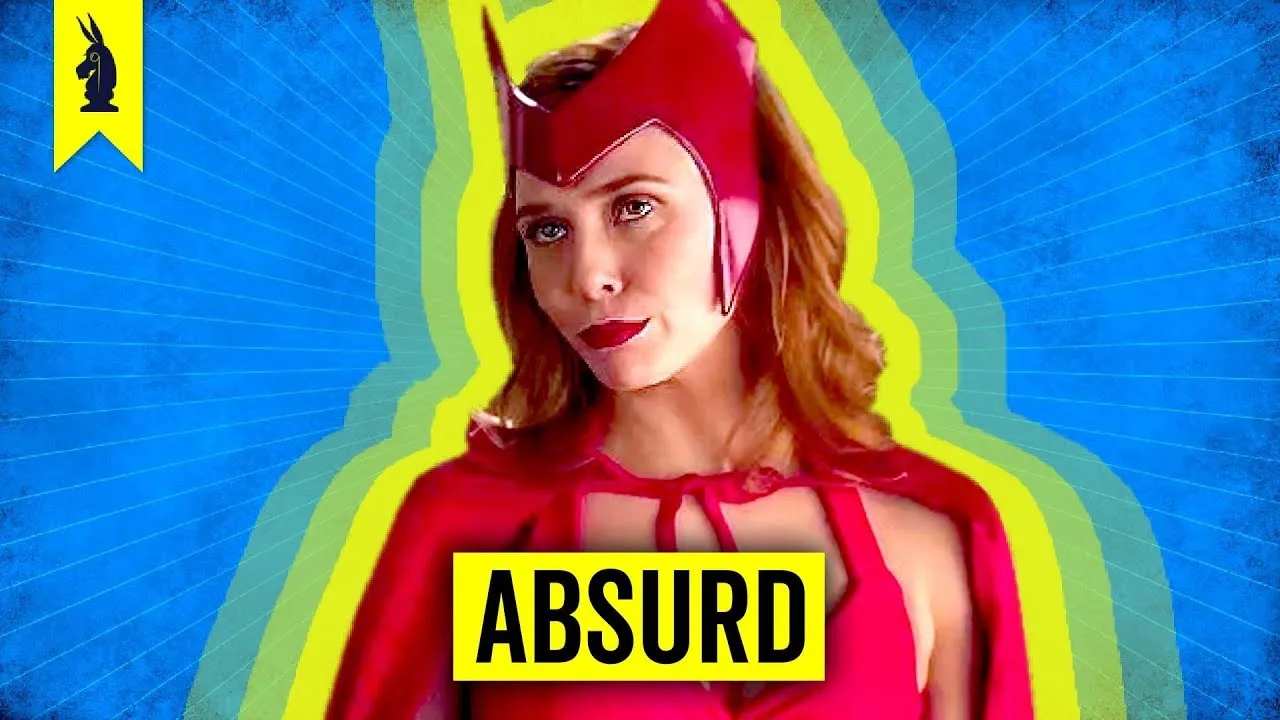
Why this video: By examining modern media through an absurdist lens, this short analysis explains how the breakdown of typical sitcom logic mimics classic absurdist theatrical techniques to communicate grief, trauma, and structural instability.
Gap Alert & Reading Guidance: While the video resources capture Esslin’s thesis, they do not deeply detail his linguistic theory regarding "linguistic fragmentation" and "the tragedy of language." To bridge this gap, read Chapter 1 and Chapter 6 of Martin Esslin's The Theatre of the Absurd (1961), focusing on his arguments that language has degraded into hollow clichés, forcing playwrights to rely on non-verbal action, silence, and physical objects to communicate.
Knowledge Checkpoint
- What is the critical distinction Martin Esslin draws between plays that discuss existentialism (e.g., Sartre's No Exit) and plays that are absurdist in their very structure?
- List at least four formal conventions of absurdist theater that directly violate Aristotelian dramatic theory.
- Explain how "linguistic fragmentation" (such as non-sequiturs, stuttering, or silence) reflects the crisis of communication in the postwar period.
Module 3: Samuel Beckett and Tragicomic Existentialism
Samuel Beckett is the undisputed pioneer of absurdist drama. This module evaluates his minimalist theatrical style, focusing on his masterworks Waiting for Godot and Endgame. You will analyze how Beckett strips the stage of unnecessary elements to focus on the raw, tragicomic suffering of isolated characters trapped in cycles of endless waiting and decay.
Recommended Videos

Why this video: Watching a complete, high-quality production of Waiting for Godot is essential to understanding Beckett. This legendary 1988 workshop production, directed under Beckett’s influence, showcases the perfect balance of physical slapstick (reminiscent of Charlie Chaplin) and profound existential despair.

Why this video: This concise, philosophically focused video connects the plotless nature of Waiting for Godot to the concepts of existential dread and bad faith. It explains why the characters Vladimir and Estragon choose to stay and wait for a figure who will never arrive, highlighting their escape from the burden of absolute freedom.

Why this video: Endgame presents a much bleaker, more claustrophobic vision of existence than Godot. This production captures the relationship between Hamm (who cannot stand) and Clov (who cannot sit) as they play out the final, stagnant moves of their lives in a dying world.

Why this video: This documentary provides personal and historical context on Beckett's life, his involvement with the French Resistance during World War II, his translation process, and his obsession with reducing language down to its barest bones.
Knowledge Checkpoint
- How does Beckett utilize physical slapstick and silent-film comedy to underscore the tragedy of his characters' circumstances in Waiting for Godot?
- Compare the physical settings of Waiting for Godot (an open country road with a single tree) and Endgame (a claustrophobic, gray room with high windows). How do these spaces shape the characters' existential paralysis?
- Define the concept of "bad faith" in relation to Vladimir and Estragon’s refusal to leave the road.
Module 4: Eugene Ionesco and Avant-Garde Anti-Plays
Eugene Ionesco famously referred to his works as "anti-plays," using them to conduct a savage assault on language and bourgeois society. This module examines Ionesco's style through The Bald Soprano and Rhinoceros, showing how he transforms everyday language into terrifyingly funny nonsense to expose conformity and the fragility of human communication.
Recommended Videos

Why this video: This English-language stage production of The Bald Soprano demonstrates how Ionesco uses circular conversations, interchangeable characters (the Smiths and the Martins), and clichéd dialogue—originally inspired by his attempts to learn English using an assimilation method—to build a hilarious and unsettling critique of polite society.

Why this video: This short analysis focuses on Ionesco's Rhinoceros, explaining how the physical transformation of an entire town into beasts serves as a profound allegory for fascism, mass hysteria, and the ease with which individuals succumb to groupthink and ideological conformity.
Gap Alert & Reading Guidance: Visual academic guides to Ionesco's secondary masterwork, The Chairs, are virtually absent from public video pools. To analyze this crucial play, read Ionesco's essay collection Notes and Counter Notes: Writings on the Theatre. Pay special attention to his concept of "the proliferation of matter," wherein physical objects (like the rapidly accumulating chairs in The Chairs) slowly crowd out the human actors, symbolizing the overwhelming emptiness of the universe.
Knowledge Checkpoint
- Why did Eugene Ionesco sub-classify The Bald Soprano as an "anti-play"?
- Detail how the dialogue in The Bald Soprano shifts from polite bourgeois clichés into pure phonetics and nonsensical yelling by the final scene.
- Analyze the transformation in Rhinoceros as a political metaphor. What does Bérenger’s ultimate refusal to change represent in terms of existential choice?
Module 5: Global Absurdism: Pinter, Albee, and Havel
The conventions of absurdist theater were quickly adapted worldwide to fit localized cultural and political contexts. This module looks at three distinct regional offshoots: Harold Pinter's tense "comedy of menace" in post-imperial Britain, Edward Albee’s exposure of the psychologically fractured American family, and Václav Havel's use of administrative nonsense to subvert Soviet communism in Czechoslovakia.
Recommended Videos

Why this video: This performance clip of Harold Pinter's The Dumb Waiter illustrates how Pinter modified absurdist staging. By keeping the setting realistic but filling it with unspoken threat, class anxiety, and bizarre demands from a mechanical dumbwaiter, Pinter crafts his famous "comedy of menace."
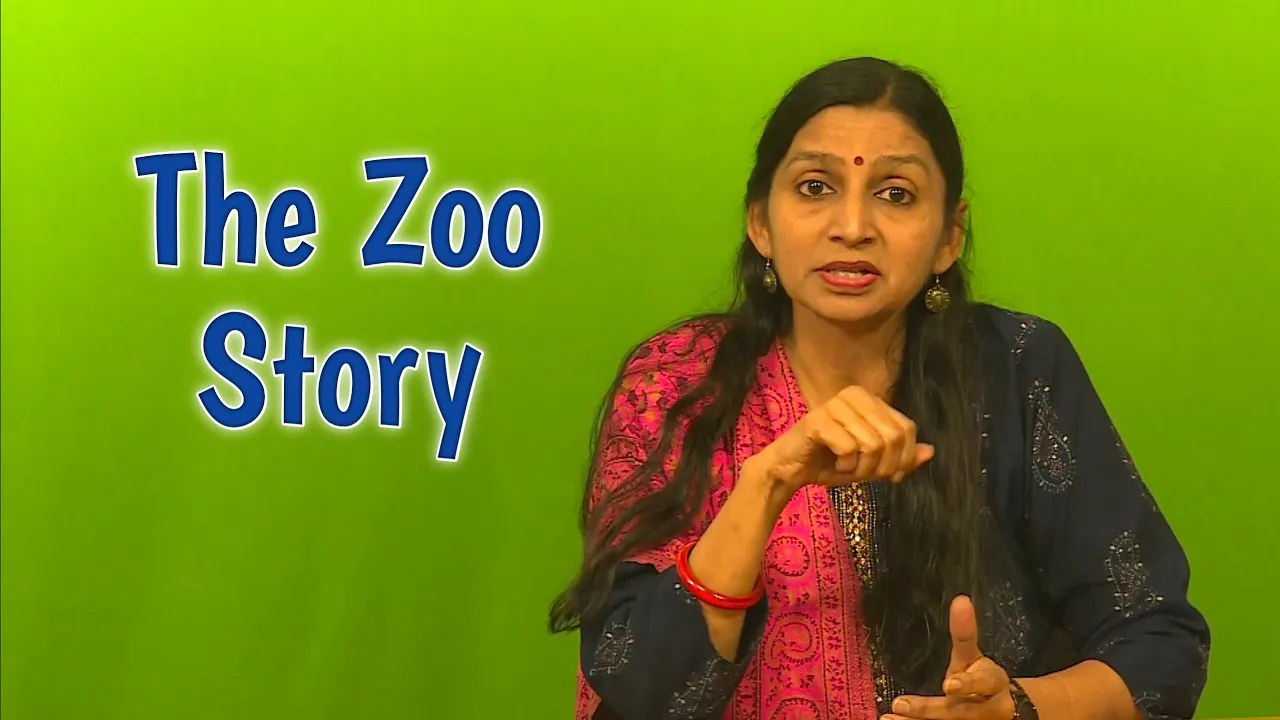
Why this video: Dr. Urmi Satyan provides a literary analysis of Edward Albee’s The Zoo Story. She explains how Albee imported absurdist techniques to America to expose the severe psychological isolation, class divides, and commercialized emptiness lurking behind mid-century American prosperity.
Why this video: This lecture analyzes Albee's most famous play, Who's Afraid of Virginia Woolf?. It highlights how Albee strips away the pristine veneer of the "American Dream" by showing a couple trapped in a vicious, circular cycle of psychological games, illusions, and shared grief.
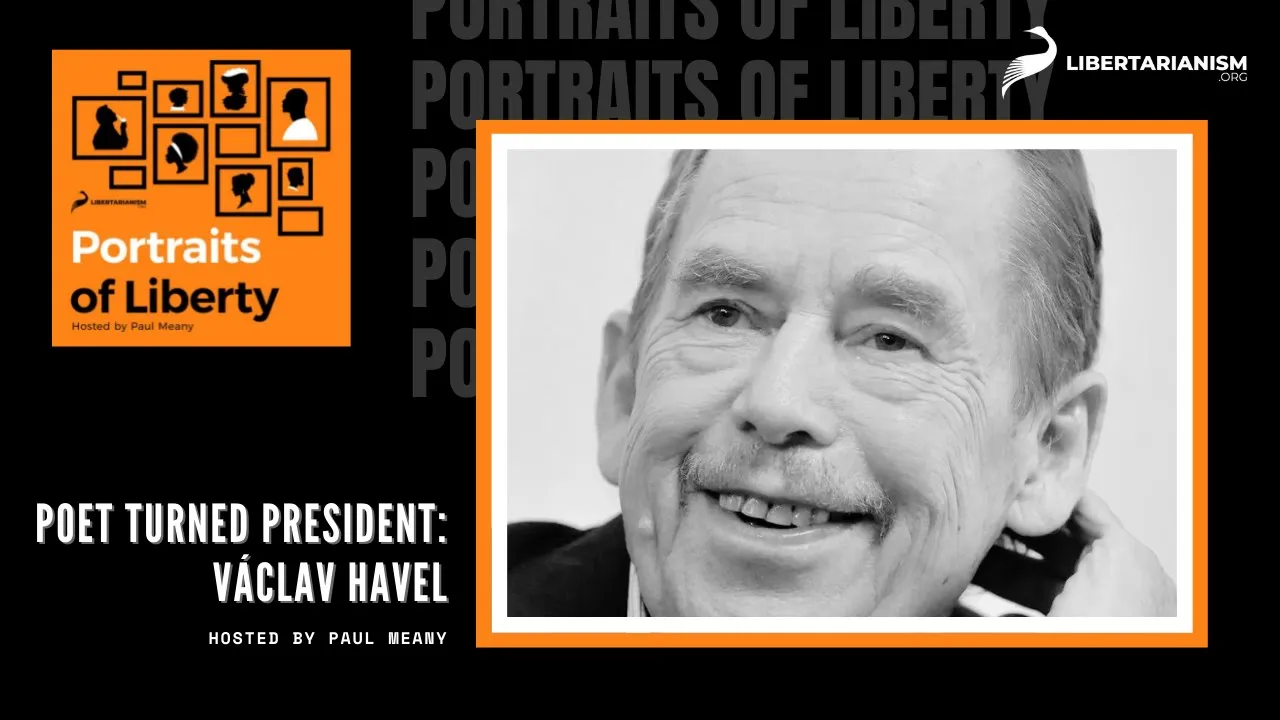
Why this video: This short biographical profile introduces Václav Havel, the Czech playwright who used absurdist theater to fight totalitarian rule. It highlights how his plays, like The Memorandum, used artificial languages to critique the incomprehensible bureaucracy of the Soviet state.

Why this video: This brief excerpt frames Václav Havel and other Eastern European playwrights within the broader history of cold-war protests, highlighting how theater served as a direct tool of political resistance in Prague.
Gap Alert & Reading Guidance: Detailed scene analyses of Václav Havel’s plays are not present in mainstream video pools. To fully grasp Havel's genius, read his play The Memorandum (1965) and his political essay The Power of the Powerless (1978). Analyze how "Ptydepe"—the highly complex, synthetic language introduced in his play to make administrative communication "more scientific"—acts as an absurdist satire of ideological jargon meant to control, confuse, and dehumanize citizens.
Knowledge Checkpoint
- Define Harold Pinter's "Comedy of Menace" and explain how it differs from Beckett's cosmic minimalism.
- How does Edward Albee use the metaphor of "the zoo" in The Zoo Story to critique American capitalist society?
- Explain how Václav Havel transformed the existential dread of European absurdism into a weapon of political satire against Soviet totalitarianism.
Course Map
Below is the recommended progression path for this curriculum. Note how the philosophical foundations and structural rules feed directly into the analysis of core playwrights before culminating in global political adaptations.
Key People Index
- Albert Camus (1913–1960): French-Algerian philosopher and author who coined the modern definition of the "Absurd" through The Myth of Sisyphus. He rejected suicide and escapism, advocating for defiance and living passionately despite a meaningless universe.
- Jean-Paul Sartre (1905–1980): Key existential philosopher who popularized the term "existence precedes essence," emphasizing radical human freedom and the anxiety of self-definition.
- Martin Esslin (1918–2002): Hungarian-born British theater critic and scholar who coined the term "Theater of the Absurd" in his landmark 1961 study, identifying the common thematic and formal structures of postwar avant-garde drama.
- Samuel Beckett (1906–1989): Irish avant-garde novelist and playwright based in Paris. Winner of the 1969 Nobel Prize in Literature, his stripped-down, tragicomic plays (Waiting for Godot, Endgame, Happy Days) redefined modern theater.
- Eugène Ionesco (1909–1994): Romanian-French playwright who challenged language and bourgeois conventions through surrealism, linguistic degradation, and physical satire in plays like The Bald Soprano and Rhinoceros.
- Harold Pinter (1930–2008): Nobel Prize-winning British playwright who pioneered the "comedy of menace" and the strategic theatrical pause to build psychological power struggles in ordinary rooms (The Birthday Party, The Dumb Waiter).
- Edward Albee (1928–2016): Key American playwright who fused European absurdist techniques with psychological realism to critique mid-century American values and domestic life (The Zoo Story, Who’s Afraid of Virginia Woolf?).
- Václav Havel (1936–2011): Czech absurdist playwright and political dissident. His satirical plays targeting state bureaucracy helped spark the Velvet Revolution, leading to his historic election as the first President of the Czech Republic.
Final Self-Assessment
To verify your mastery of the Theater of the Absurd, complete this comprehensive self-assessment:
- Can you define "existence precedes essence" and explain how this core philosophical concept manifests in the behaviors of characters like Vladimir and Estragon?
- Can you explain why Sisyphus is considered "happy" by Camus, and how this happiness differs from traditional forms of satisfaction?
- Are you able to articulate the difference between Sartre's existentialist plays (e.g., No Exit) and Beckett's absurdist plays (e.g., Waiting for Godot) in terms of form vs. content?
- Can you identify and explain at least three ways in which Martin Esslin's definition of "The Absurd" differs from everyday uses of the word "absurd"?
- Can you analyze how the concept of "waiting" functions in Waiting for Godot as a structural mechanism rather than just a plot point?
- Can you explain the symbolic role of physical objects in Eugene Ionesco's plays (such as the transformation into rhinoceroses, or the accumulating chairs)?
- Can you identify a "Pinter Pause" in a script and explain how silence can be used as an aggressive assertion of social power?
- Can you explain how Edward Albee's The Zoo Story uses spatial isolation to critique the social and economic divisions of post-WWII American life?
- Can you describe how Václav Havel used the artificial language "Ptydepe" in The Memorandum to run circles around totalitarian censors?
- Can you construct an argument demonstrating how the tragicomic structure of these mid-century plays directly mirrors the psychological trauma of survivors of World War II?