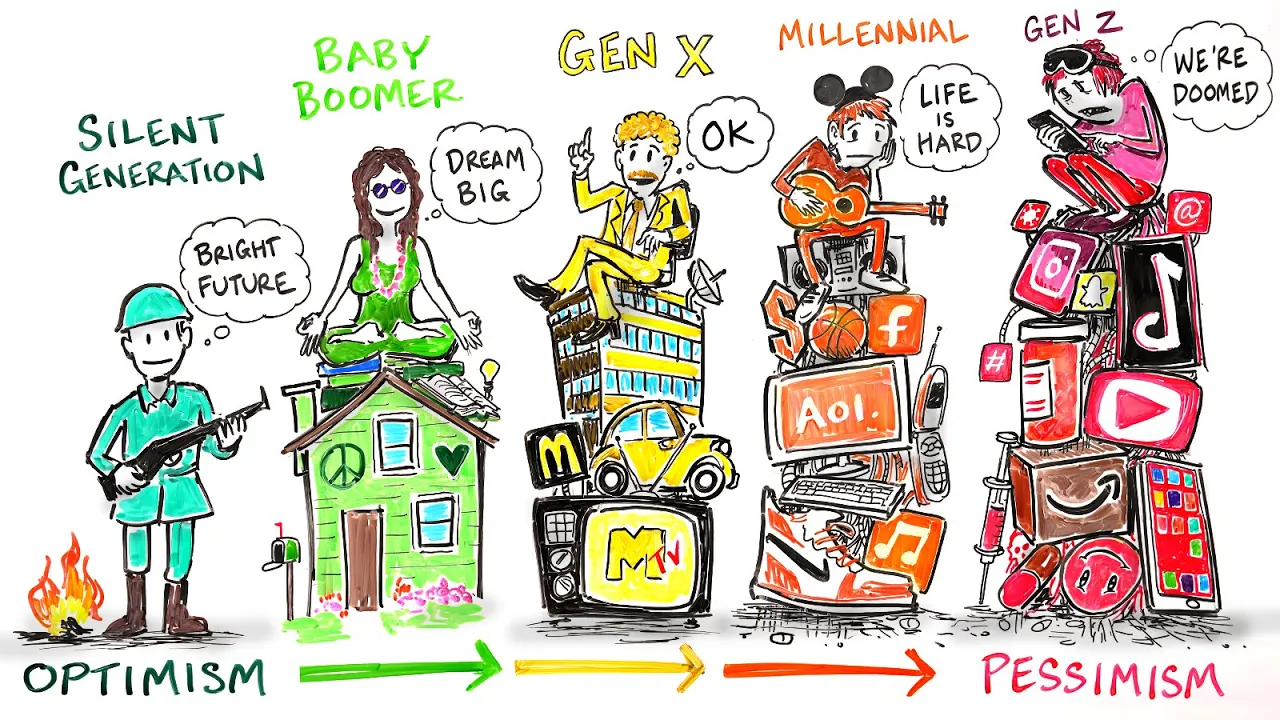





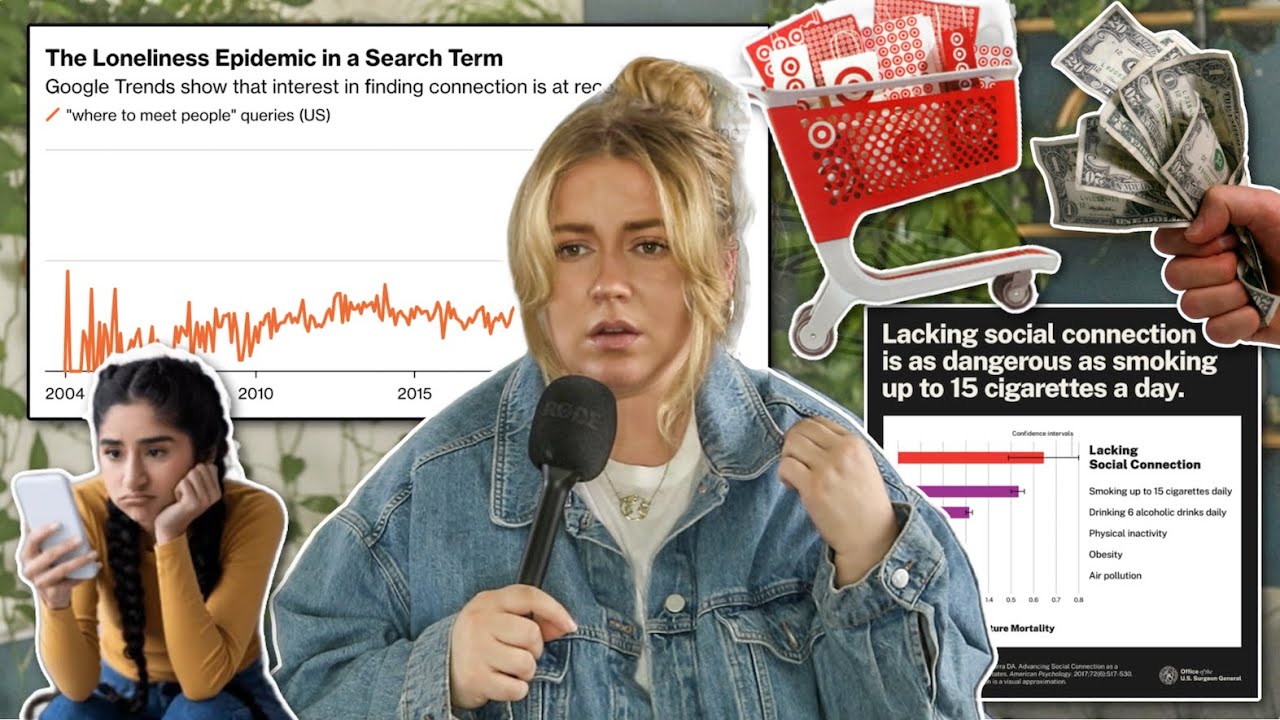


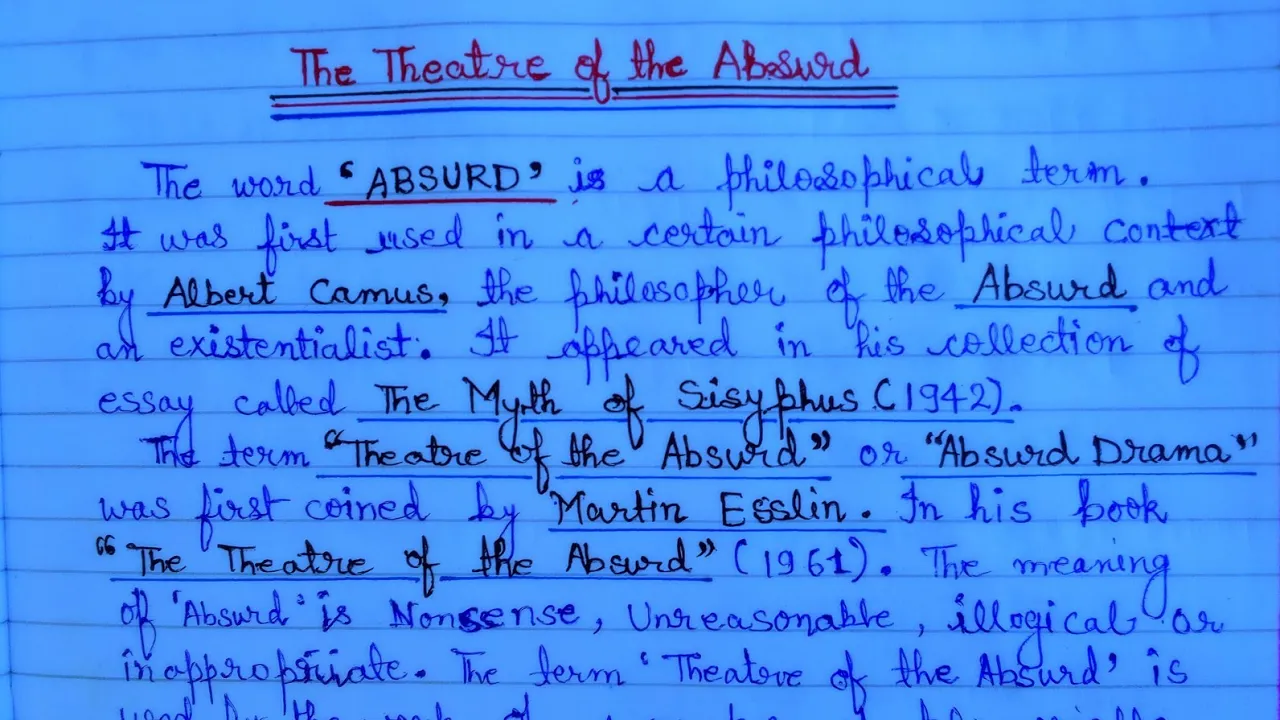




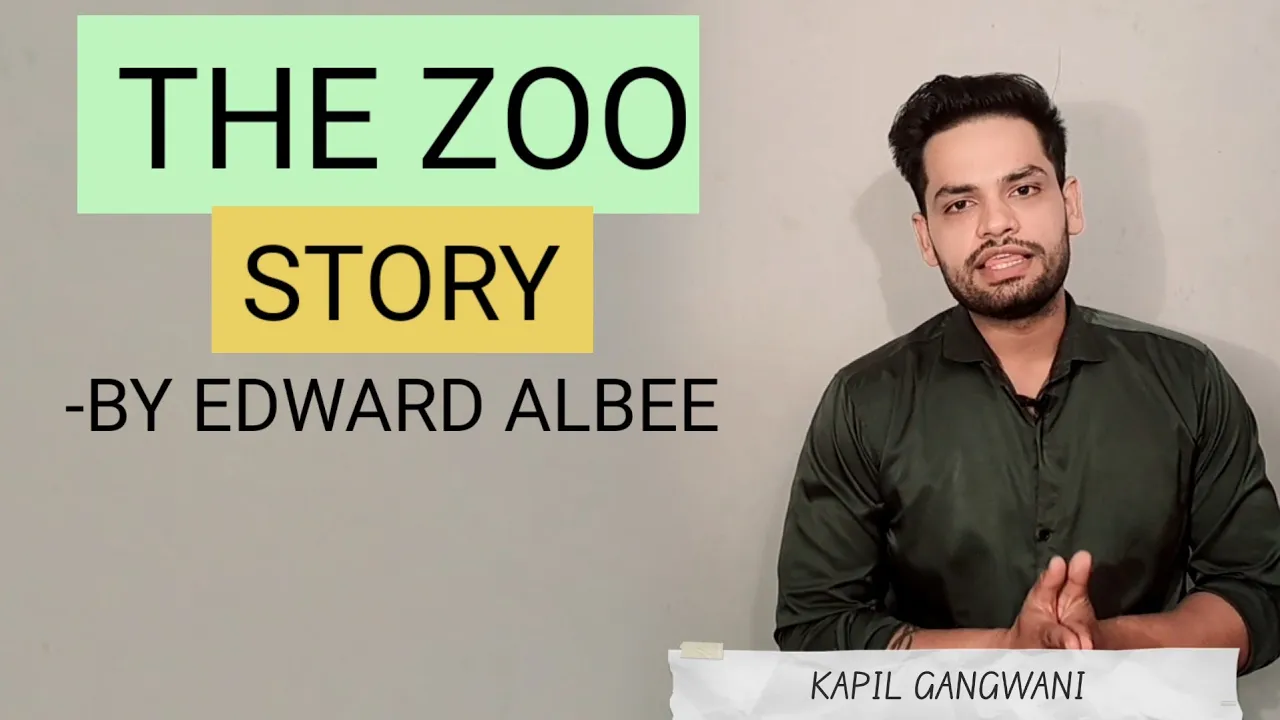








Edward Albee's The Zoo Story, a play from the Theater of Absurd, uses the metaphor of a zoo to depict how modern American society has become psychologically fractured, where individuals like Peter and Jerry exist as disconnected wanderers trapped in isolation despite their material possessions and social status, ultimately finding no solace in communication or human connection.
The Zoo Story by Edward Albee: Theatre of the Absurd Analysis
Added:A foundational understanding of Existentialist philosophy, particularly the works of Albert Camus and Jean-Paul Sartre, regarding the search for meaning in an indifferent universe.
Familiarity with the historical and cultural context of post-World War II America, characterized by rising consumerism, social conformity, and urban alienation.
An introduction to the defining characteristics of the 'Theatre of the Absurd' literary movement, such as communication breakdown, illogical plots, and existential dread.
A basic reading or plot familiarity with Edward Albee's debut one-act play, 'The Zoo Story', specifically the dynamic between the characters Jerry and Peter.
A comparative literary analysis linking 'The Zoo Story' to other seminal absurdist works, such as Samuel Beckett's 'Waiting for Godot' and Eugène Ionesco's 'The Bald Soprano'.
An exploration of Edward Albee's broader body of work, studying how his critique of the 'American Dream' evolves in later masterpieces like 'Who's Afraid of Virginia Woolf?'.
A deeper sociological study of spatial politics, isolation, and socioeconomic disparities in modern urban landscapes (e.g., the symbolic divide of Central Park).
An examination of performance and directorial theories required to stage minimalist, dialogue-driven absurdist dramas effectively.
2.8K views88likes15:11Original Release: 2024-04-02
Hello friends I'm Dr Ur sattin and today we will talk about an American play The Zoo Story by Edward Elby Edward Alby is an American playright in his play The Zoo Story he shows the extent to which American society is shattered no maxims with the ense of human relations like sharing is caring or a family that eats together stays together can fill the multiple gaps and cracks within and among the members of this psychologically fractured Society the members of this Society have lost the hope to live they are like disconnected Wanderers in search of nothing their sense of pessimism is so strong that they consider silence or suicide as the only possible way to free themselves they want to escape from all the worldly relations and and responsibilities desires and defeats values and vanities every moment seem burdensome to them they feel this burden and get suppressed beneath it the unfavorable and pressing situation forces them to end their lives untimely unnaturally and that makes it a play for the theater of absur on reading the play We realize that that the the zoo story is not a story from any Zoo where the animals are caged and separated from each other by fencing or bars or walls but in point of fact it is about humans who are psychologically caged isolated and disconnected the Zoo Story has only two major characters Peter and Jerry who are stuck in a web of pessimism it is a single episode play that starts with an accidental meeting of two strangers Peter and Jerry Peter is in his early 40s he has a wife and two daughters Jerry is in his late 30s and is single once Jerry bumps into Peter in a Central Park and starts talking to him as if Peter is a familiar person Peter doesn't understand why the stranger talks to him and so he tries to ignore him however Jerry unconcerned with Peter's cold response keeps telling him that he had been to zoo Before Peter comprehends Jerry's self-claimed familiarity Jerry changes the topic and drags Peter into conversation by saying that he seems to have lost the direction Peter gets annoyed with all his irrelevant talks and tries to dismiss him nevertheless L Jerry continues being uh over friendly and asks Peter about his family work and pets Peter finds Jerry interspersing in his personal life but Jerry doesn't budge he gives a long narration of his pan whole like apartment where he stays alone he says that he leaves without one wife two daughters two cats and two parids that Peter has Jerry expands his narration by continuing a handful of things that he has in his possession like a few toilet articles clothes a hot plate that is an induction stove a can opener a knife two fogs two spoons three plates a cup a saucer a drinking glass two picture frames both empty eight or nine books etc etc he also says that his parents are dead his mother walked out of the house leaving his father and himself behind he says that his family is nothing but a terribly middle European joke Jerry also tells Peter about his queer identity Jerry talks about a woman in his neighborhood Who objectifies him for her sweaty lust Peter tries to stop listening to all of Jerry's irrelevant talks but Jerry starts another another story with the title The Story of Jerry and the dog he forcefully makes Peter listen to his fettle attempt to give red po poison to this dog the dog gets deadly ill when the land lady asks Jerry to pray for the dog's recovery he remembers his neighbors whose conditions are as pathetic as that of the dogs the poison dog somehow survives and both Jerry Jerry and the dog befriend each other Peter gets hypnotized by this story Jerry says if you can't deal with people you have to make a start somewhere with animals Jerry says compromise is the key to all relations because compromise is a stage when we neither love nor hurt because we do not try to reach each other this is how Jerry takes Peter on a philosophical flight but very immediately changes the topic by asking if he should sell the story to Readers Digest and earn a couple of hundred bucks Jerry's painful humorous and Relentless narration disturbs as well as beuses Peter he fails to connect the dots of Jerry's irrelevant stories Jerry says he is a permanent transient Jerry tickles Peter and diverts him from the spell that his stories have created he asks Peter if he is interested in knowing about the zoo story that he mentioned at the beginning having noticed Peter's interest Jerry fabricates a plot for another story with an act he nudges and punches Peter to make some space on the bench so that he can sit Jerry's punches and prodding get Peter annoyed and flustered Jerry annoys Peter more with derogatory words and comments he shapes up the situation as per his intention and provokes Peter to fight for the bench while initially hesitant Peter gets ready to fight as Jerry insults him for his meanness in claiming a bench in this Central Park he is forced by Jerry to defend his claim to this bench Peter gets enraged with Jerry's continuous infuriating words and comments and for the first time opens up and says I have come here for years I have hours of great pleasure great satisfaction right here and that's important to a man I am a responsible person and I am a grownup this is my bench and you have no right to take it away from me Jerry finds himself suc successful in provoking Peter and just like lady mbth challenges Peter's manhood and throws a knife at him to attack him with Peter holds the knife and Jerry impels himself on the knife and thus gets murdered Jerry's impeccable Act of provocation almost blinds Peter to figure out his real intent Peter is stunned at this unintended Act of stabbing and Jerry on the other hand Smiles with a sigh of relief he tells Peter I I came unto you and you have comforted me dear Peter he also asks Peter to hurriedly disappear from this place to save being sighted he says with a real concern hurry away your parak kits are making the dinner the cats are setting the table he closes his eyes and Peter flabbergasted keeps repeating oh my God oh my God Jerry dies and Peter dashes off so that's the story line of the play now let us evaluate the play critically lb's title is succinct the article the in the title suggests that it is going to be some particular story a story that has some reference to context the collect Ive noun Zoo creates in our minds an image of the speechless helpless animals who are separated by bars the word story instills interest and excitement in the readers this lb prepares us for the Zoo Story and Jerry prepares Peter for the zoo story but what we see is that Elby and Jerry both do not tell us a story from the zoo rather they playright elb and the character Jerry leave us to distinguish the human story from the Zoo Story Jerry calls his apartment a kind of laughably small pigeon hole where the rooms are separated with Beaver board he calls a gay guy in his neighborhood as a colored Quinn who wears a kimono and seeks attention from others Jerry says he goes to the to the John Al lot he never bothers me Elby doesn't capitalize J for John to show the colored Queen's lustful relations with any random guy Jerry also talks about a couple of picans who live in his neighborhood but he is unaware of the number of kids that the couple has then he talks about how his mother left him and his father for her adulterous relationship with some Mr Balon immediately after this Jerry tells Peter about his queer personality he talks about one more woman in the apartment who always cries and lastly he tells Peter about the land lady and her black dog the land lady has a sexual interest in him and the dog always snars at him later he poisons the dog but it survives and they befriend each other we the readers just like Peter get entangled in Jerry stories and fail to comprehend what exactly is going on in Jerry's mind one after the other he reveals very dramatically the dark truth about the disconnect among humans Jerry is leaving a directionless life and so finds a good relief in making Peter his listener his guinea pig his loneliness is quite Justified looking at his socioeconomic condition when we look at Peter's case we are more astonish to find him in the same park with almost similar loneliness despite having an executive position with a publishing house with a yearly income of $200,000 he has a complete family a wife two daughters and two parids why is he not with family today or every Sunday afternoon Peter is a sober and polite person who tries a lot to avoid Jerry and his disconnected and irresistible Parables observations and acts it seems that the play begins in media race Jerry at the beginning tells Peter that he has lost his directions he talks about the geographical directions but later we see that it is the same about his life Elby doesn't highlight Peter's loneliness but leaves us to pour over the reasons why has he come all alone to this public park on a Sunday afternoon and it's not just this Sunday he says he comes to this park and sits on this bench every Sunday jer's long speeches do not spare any chance for Peter to share his reasons for loneliness Jerry these prolonged speeches keep the readers engaged and Peter entwined Jerry uses humor to suppress his pain he takes undue Liberty and cracks some indecent jokes but the undercurrent of his painful isolation is visibly St static after being self stabbed and finding Peter staggered Jerry humorously claims the ownership of the hyped bench his last supplicatory words oh my God are also uttered in the form of a scornful mimicry of Peter's yells and cries of the same words Jerry's life ends with a question mark on the nation of America that later dreams with the Civil Rights leader Martin Luther King Jr for the unalienable rights of life liberty and the pursuit of happiness the zoo story is not about animals in any Zoo but about the human society that has lost faith and warmed and that fine Solace either in isolation or in untimely death Jerry's self styled death reminds me of vly lman from Death of a Salesman who also hides his suicide under the act of a car accident the Zoo Story is compact in size but is heavy as it voices the Deep grown sense of pessimism in American society Peter who has everything in the world doesn't speak Jerry who has no one in the world speaks a lot nevertheless they fail to communicate share and feel any kind of friendliness yes it is a play from the theater of absurd school with only two major characters and the same setting throughout elb gives a wakeup call to humanity at large so that is it for today bye for now
Up Next
24:53
Václav Havel: Poet, Dissident, and Czech President
@LibertarianismDotOrg
528 views•2021-09-09

131:21
The Arcades of Paris: Walter Benjamin on Urban Politics & Philosophy
@internationalcentreforcont7204
2.3K views•2013-06-19

68:32
Should We Destroy the Machines? Big Tech Surveillance Critique
@TheStoriesWeTell303
167.9K views•2025-11-30
4:57
The Myth of Sisyphus: A Greek Legend of Eternal Punishment
@TEDEd
8.6M views•2018-11-13
Related Study Plans & Knowledge Roadmaps
Structured learning paths in Philosophy
philosophy
Philosophy of Death (Metaphysics, Harm & Grief)
01Introduction to the Metaphysics of Death
02Is Death Bad? Epicureanism vs. The Deprivation Account
03Lucretius's Symmetry Puzzle
+ 2 more learning modules
15h5 modules
Explore Roadmap
philosophy
Frankfurt School: Critical Theory & Culture
01Foundations of the Frankfurt School and Critical Theory
02Horkheimer & Adorno: The Critique of Instrumental Reason
03The Culture Industry and Mass Deception
+ 2 more learning modules
12h5 modules
Explore Roadmap
philosophy
Philosophy of Language: From Frege to Austin
01The Linguistic Turn: An Introduction to Language in Philosophy
02Gottlob Frege: Sense and Reference
03Early Wittgenstein: The Picture Theory of Meaning
+ 3 more learning modules
15h6 modules
Explore Roadmap
philosophy
Feminist Epistemology: Standpoint & Injustice
01Introduction to Epistemology and Feminist Critiques
02Sandra Harding and Standpoint Theory
03Donna Haraway and Situated Knowledges
+ 2 more learning modules
12h5 modules
Explore Roadmap