







![Механизмы защиты психики и детский психоанализ по Анне Фрейд [Психотерапия #55]](https://i.ytimg.com/vi_webp/Vpb3uqs0EKA/maxresdefault.webp)





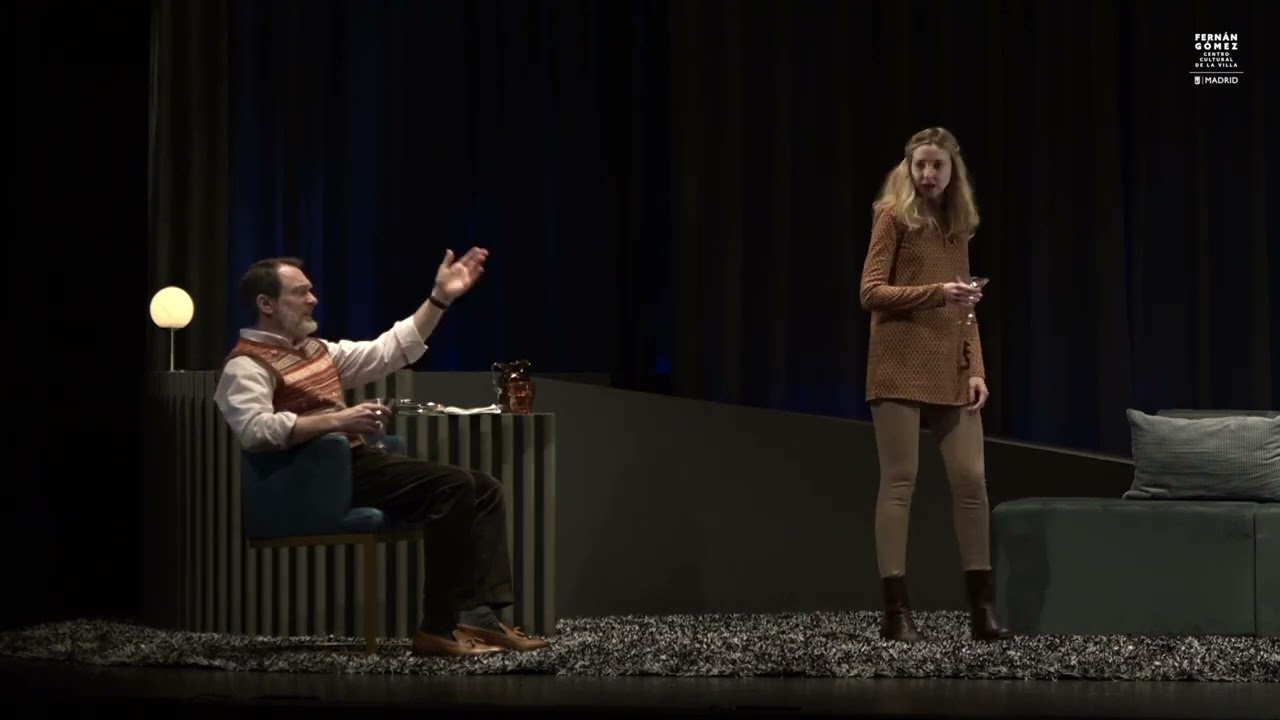






Edward Albee's 'Who's Afraid of Virginia Woolf' (1962) uses absurdist theater to critique the American dream by exposing the dysfunction beneath the surface of a seemingly perfect marriage; the play reveals how George and Martha, named after America's first president and his wife, maintain a fictional son called 'the Sun' to cope with their toxic relationship, demonstrating that the American ideal of a happy family is often a constructed illusion that masks deeper psychological struggles and the violence inherent in marriage as an institution.
Edward Albee's Who's Afraid of Virginia Woolf | Analysis & Themes
Added:Familiarity with the plot, characters (George, Martha, Nick, and Honey), and setting of Edward Albee's 'Who's Afraid of Virginia Woolf?'.
Understanding of the mid-20th-century concept of the 'American Dream,' particularly the post-WWII ideals of suburban prosperity and the nuclear family.
Basic knowledge of the 'Theatre of the Absurd' and how mid-century dramatists used linguistic breakdown and existential dread to challenge traditional theatrical realism.
Familiarity with key literary analysis concepts, such as the dichotomy of illusion versus reality, subtext, and domestic drama conventions.
Analyzing the play through a psychoanalytic lens, focusing on psychological defense mechanisms, codependency, and the collective illusion of the imaginary child.
Comparing Albee's critique of American domestic life with other seminal mid-century dramas, such as Arthur Miller's 'Death of a Salesman' or Tennessee Williams' 'A Streetcar Named Desire'.
Exploring Edward Albee's broader bibliography, including 'The Zoo Story' and 'A Delicate Balance', to trace the evolution of his themes of isolation and social critique.
Investigating the 1960s social context of the play, specifically examining how the changing dynamics of gender roles and academia are reflected in the power struggles between the characters.
33.6K views868likes28:30Original Release: 2017-04-11
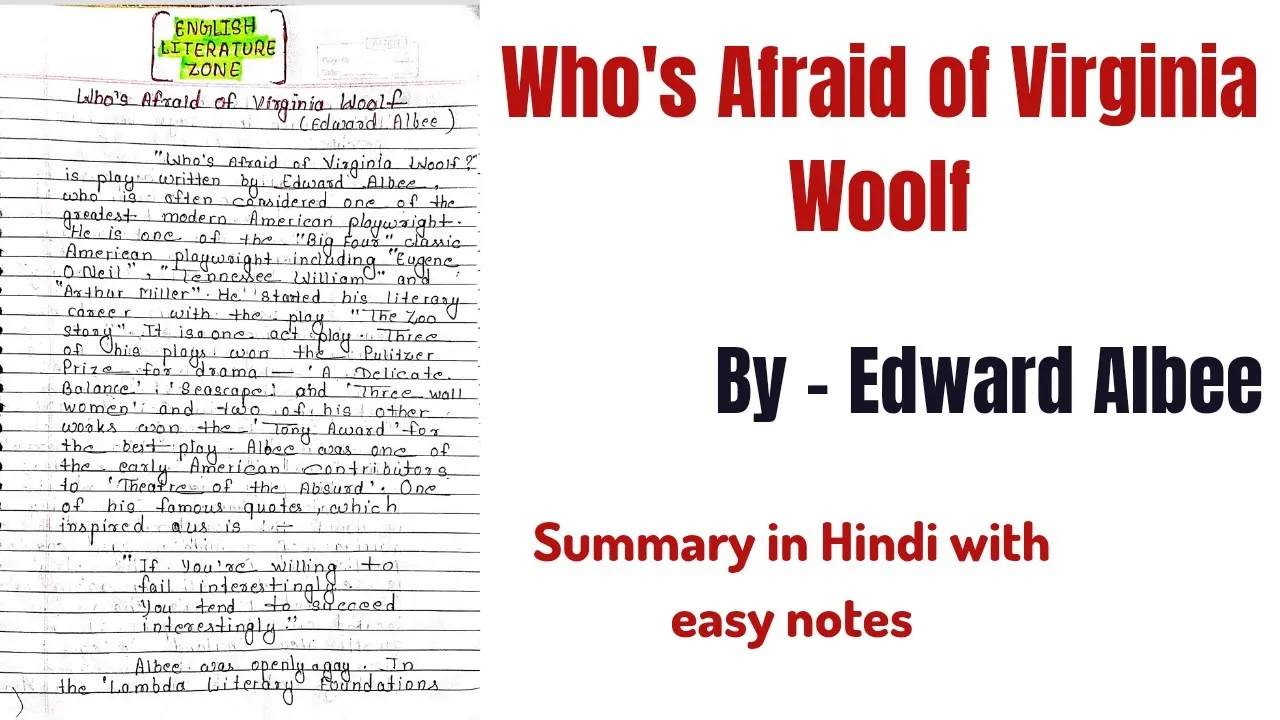
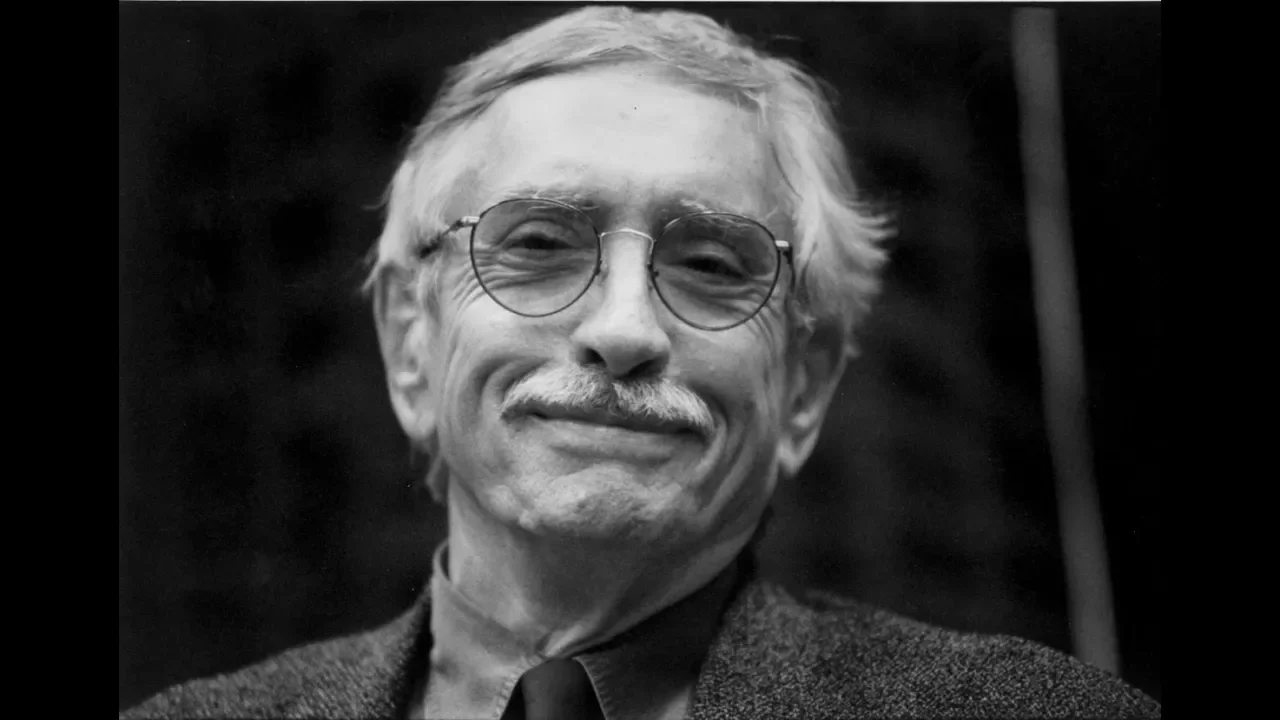
[Music] h welcome to EPG paala this module is going to be about the play who's Afraid of Virginia Wolf by Edward Alby I am niladri chhat Professor Department of English University of Kalani when we talk about Edward Alby we are talking about an American playright who is particularly well known for bringing absurdist theater onto the American Stage it is also something to be remarked that Edward Alby died very recently he died on 16th of September 2016 and Edward Al's contribution to American Theater is as I said not only the fact that he brought absurdist theater onto the American Stage but he used absurdist theater also to again interrogate the American dream through his plays he was asking very important questions very pertinent questions about not only what the American dream means but also about ambition about relationships about life about Modern Life in particular and the discussion that we are going to carry out now is going to be very much about the way in which Edward Albi was looking at the way that America was shaping up in the 19 60s but before we go on to the play let us talk a little bit about Edward Al's life he was born on 12th March 1928 in Washington which is rather interesting considering that the name Washington actually is a tribute to America's first President George Washington and George Washington's wife was Martha the reason why I'm referring to George Washington and his wife Martha Washington is because the two main characters in the play who Afraid of Virginia wolf are George and Martha so it is rather significant that in naming the two main characters after America's first president and his wife Edward Alby is perhaps trying to make a rather interesting comment about the way in which the marriage that is celebrated in American history is sort of of being referred to in this rather dysfunctional marriage that he is about to present to the audience on the stage in the 1960s Alby was adopted by a very rich family from Larchmont in New York in the New York state that is to say Al's family was wealthy and young Edward's life was a rather luxurious one but such a privileged life did not deter him from realizing the adverse effects of such complacency Alby went ahead to criticize through the medium of literature the moral and spiritual injury inflicted upon people by the excess of material wealth and an imprudent pursuit of the American dream I'll be moved to New York City's greenage Village to join the League of avangard artists before we go on any further I think I would like to talk a little bit about grenage Village because grenage Village is a small part of New York City and Gren Village has a reputation of being the place where artists writers painters poets singers dancers they normally live there and that is where they assemble so if you are going to look at the artistic nerve center of New York then the place for you to go to would be grenage village grenage Village was is where you have a lot of independent thinkers a lot of independent writers who are asking very pertinent questions about American society through their Arts Al's first play The Zoo Story premiered in New York in 1960 at an Off Broadway Theater now this also perhaps needs a little bit of explanation because in America or especially in New York Broadway is that part of the city where you have all the theater houses so when you talk about Broadway you are BAS basically talking about theater American Theater is cterminus with Broadway so what is Off Broadway Off Broadway Theater therefore are those theater Productions that are held outside of the Broadway Theater circuit there are of course other Productions that are called off off Broadway which are held even further away from Broadway so therefore when we talk about Broadway Theater we are talking about plays that are staged in the most important theater houses in New York the British equivalent of Broadway would be the West End Al's reputation among idite theater audience reached New Heights by virtue of his one act play the de of Bessie Smith he also wrote The Sandbox and the American dream in the 1960s commercial American Theater was influenced and larged ly dominated by playwrights such as Arthur Miller Tennesse Williams and William ing they projected the world of the American audience on stage in a realistic fashion therefore portraying their drawing rooms in public theaters these plays established the idea that men and women were themselves responsible for determining their own fate some playwrights of the time particularly Europeans like Samuel Becket Jean Jen and Eugene UNESCO were presenting a different view of the world these play rights wanted the audience to understand their deep seated anguish at the absurdity of The Human Condition critics categorize these avagard writers as absurdists plays of the theater of the Absurd such as becket's very famous waiting for godo unesco's the ball soprano were land marks of the genre and before I continue maybe I would want to explain what is avangard avangard is a French term but it usually means writers who are writing in a mode that is perhaps the most experimental so an avard writer is somebody who is pushing a particular arts in the direction in which it had not gone before so avad artists are those artists who are experimenting with the form and creating something new creating something challenging Ali employed both realistic and absurdist techniques to write his plays he's considered as a bridge between two opposing movements the realistic movement as well as the absurdist movement and this is very prominent in his play The Zoo Story when we come to who's Afraid of Virginia wolf this is a play which deals rather directly with the corruption of the American dream this is a play that asks the question as to what has the American dream led to you remember from your previous modules that there have been many many writers and artists who have interrogated the American dream Alby earned much praise for most of his work um apart from who FR of Virginia wolf and Zoo Story we should also remember that he wrote a delicate balance and three tall women let us talk about the way in which the Americans were in the 1960s or in the early part of the 1960s in 1962 for example in 1962 the United States was enjoying what many Americans would now consider a period of Innocence Traditional Values appeared unshakable and life in America was easy and self-satisfied the importance of a happy family was emphasized by both politicians and popular culture in a previous module I have spoken about the way in which the 1950s was the time when women were being asked to go back into the kitchen and men were being asked to take charge of the public sphere so women being sent into the kitchen and men being asked to take up public positions was create was creating a certain picture of America of happy Domesticity in which women were always happy cooking for the family and the husband was always happy earning for the family many Americans considered success to be measured by having one's own house car children and a dog it was hard to comprehend or even it was hard to for see that the country would be soon experiencing a massive political and social outrage due to the Vietnam War but there were several other rather horrible events that were to happen the assassinations of President Kennedy the assassination of his brother Robert Kennedy the assassination of the Civil Rights leader Martin Luther King Jr and then of course because in the 1970s there would be the massive Watergate scandal which would cause the resignation of an American president the president being Richard Nixon so if the surface was tranquil in 1962 there was nonetheless considerable agitation underneath American relations with the Soviet Union were volatile and this is where I would want you to remember again about what I had said in the context of the Cold War 1960s was the time when the Cold War was perhaps at its hottest what about the play throughout the play Albi critically assesses the aspects that form the very Foundation of American society its value system and institutions held in high esteem by all Americans the play focuses on subjects such as family marriage success with the aim to suggest how dysfunctional human beings have become INR these the modern American family that might appear perfect on the surface has flaws hidden and as their deep dark secrets are unveiled the reader perspective of these institutions shift and we understand how Keen people are to escape from them and also how difficult it is to escape the play is uh basically divided into several parts um and for example if we look at act one then we are going to find that the First Act is called fun and games the second is called valur gnak and the third is called exorcism and this is where I would want to talk a little bit about the title of the play who's Afraid of Virginia wolf now the play who's afraid of Virgin wolf has nothing to do with Virgin Wolf the writer then why did the play have this name well Edward Alby put in the name who's afraid of Virgin wolf because it was was an academic joke in American University circles who were referring to a children's rhyme that went who's afraid of the big bad wolf so a children's rhyme called who's afraid of big bad wolf in American academic University circles became who's Afraid of Virginia wolf so it had become an academic joke but of course in the context of the play as we shall see it does not remain a joke anymore because Virginia wolf is a writer who can I think be talked about in this context because would we be afraid of Virginia wolf I think there is a reason to be afraid of Virginia wolf why because Virginia wolf was writing about the human psychology he was writing she was writing about the human mind she was writing about the dark recesses of the human mind so therefore there are reasons why people may be afraid of Virginia wolf because she was exploring the dark resources of the human psychology moving on this particular act that is to say act one fun and games this is the time when we are introduced to the central couple of the play George and Martha who as I told you refer to the first president of America and his wife George Washington and Martha Washington they have just returned from a cocktail party now and George is 46 he is an associate professor at the department of History Martha who is 52 is the daughter of the president of the University where George is employed you see in American universities they do not have Vice Chancellor they have the president so the president of the university is the most important person in the University Martha is the daughter of the president of the University so therefore you can imagine that there is perhaps some tension regarding Martha's position on campus and Jo 's position on campus Because Martha's position on campus is rather special she's the daughter of the President George on the other hand is just another ordinary associate professor as we shall find out in the course of the play George is not very ambitious either and the fact that George is not ambitious is something that causes Martha a lot of Anguish she's very very unhappy with a husband that is not ambitious the audience soon finds out that the couple are expecting guests Nick a new faculty member a biologist at the University and his wife honey Nick and honey are expected at the residence of George and Martha at around 2: in the night the play proceeds with the arrival of the guests and as the evening progresses and as they continue drinking their suppressed tension surface in the form of psychological games so act one is titled fun and games in order to refer to the fact that there are going to be this uh there are going to be these games that are going to be played let's come to the second act second act is titled valish valur gnak as you can imagine is not an English word it's a German word this German word refers to the night before May Day the first day of May when witches are supposed to conglomerate to create Havoc valur gnak is a pagan myth therefore Albi uses this term as a title to the second act in order to project how human beings are phasing and gradually regressing perhaps into a state as far that is almost Pagan so and witches are conglom conglomerating to create Havoc so we should be prepared for a lot of havoc in the second act the second act opens with George and Nick conversing alone George tells the story of a young boy who killed his mother and caused his father to die a story that may or may not be autobiographical Nick reveals that he married honey as she feared that she may be pregnant but it turned out that she was not pregnant but by that time Nick had already married honey Nick does not pay any heed to George's warning about being dragged down by the quicksand of the college he would rather satisfy his ambition by resorting to immoral means so therefore in Nick and George we see two contrasting characters George is somebody who is not ambitious and because he's not ambitious his wife is very unhappy with him Nick on the other hand is very ambitious and it does not matter what he does so that he can climb up the academic ladder there is something else that I think you should remember over here is that the marriage between Nick and honey is not perhaps an entirely happy love marriage because we learn that Nick was tricked into the marriage there was no pregnancy but Nick married honey because he felt that honey may be pregnant okay moving on Martha and honey return and the sexual attraction between Martha and Nick accelerates they dance erotically with each other so now we begin to find that Martha is beginning to flirt with Nick so there there is a possibility that Martha and Nick may have a quick sexual relationship Martha teases her husband by telling their guests of George's attempts to write a novel whose plot concerns a boy responsible for his parents' death this is something that we are already familiar with infuriated George physically attacks Martha and when Nick intervenes to prevent George from doing so George seeks revenge not on Martha but on the guests he tells a fable that mirrors Nick and Honey's early lives and her hysterical pregnancy or her hysterical um idea that she may be pregnant honey of course as you can imagine she is deeply embarrassed she leaves the room enraged George and Martha unleash Mayhem now the first Victory um is given to Martha because she openly makes sexual advances to Nick but fails to agitate George but after she has led the younger man to the kitchen where George can hear the sounds of their making out George make takes the decision that this will be his final Act of Revenge one that will change his and Martha's lives forever he decides to tell her that their son is dead the climax of the play divulges the extent to which the couple have indulged in this self-made reality because we soon realize that the Sun that they're talking about the Sun that is supposed to be dead doesn't exist there is no son the sun was merely created ated by the couple so the sun is entirely fictional no such son exists and their sun is fictional so perhaps the story from George's childhood about his friend who accidentally killed his parents is perhaps a story from there when we come to the title exorcism the title of the Final Act um this refers to perhaps the characters who are getting rid of their ill Illusions to exorcize means means to rid one's body of evil spirits therefore in terms of the play no more will George and marur exist in a Land of fantasy and make believe but moving on there is uh something else that happens which I shall talk about a little later act three opens with Martha sitting alone Nick has failed to satisfy Martha and when he arrives again on the scene she expresses contempt for him she also reveals that George is the only man who has ever satisfied her sexually George appears at the front door bearing flowers and announcing that their game that there is one more game to play bringing up baby he encourages Martha to talk about their son in the most affectionate and idealized terms and then like a bold from the blue he declares that their son has died Martha's Furious reaction that George cannot decide these things leads Nick to understand that the sun does not exist and that this is a creation of George and Martha so their son is a figment of their imagination a fantasy child that they have carefully constructed it is a measure that they have adopted to deal with their turbulent relationship and also to live up to the myth of the happy American Family on that one that is incomplete without a child Nick and honey leave George and Martha are left left alone in each other's company only the future can confirm if they have been strengthened or made even more vulnerable by the traumatic experiences of the evening now we therefore go now into uh a character analysis of George Martha Nick and honey what are we to make of George well George is clearly an underachiever he lacks ambition and it he lacks ambition and his relationship with his father-in-law that is to say Martha's father is not very good he has married Martha a woman 6 years older than him George has a very toxic relationship with her engaging in verbal banter psychological games with an attempt to get the better of each other they function like enemies despite being a married couple George is intelligent and witty and thus enjoys having the upper hand in the Battle of words but this is a relationship that is very very fraught nothing is revealed about George's early life through most of the play Martha gets the better of George defeating him psychologically she's skillful at finding way to reprimand George George turns the tables by abusing their guests in by offering them the kind of treatment Meed out to him by his wife he chides them for their weaknesses and discloses their hidden secrets he offers ma of the final Blow by announcing the death of their imaginary child George might primarily appear as a victim of a bad marriage in the hands of his wife but in the end emerges stronger than the other characters what can we say about Martha Martha comes across as somebody who is clearly intelligent she's learned she's observant she also conceals her intellectual gifts beneath a harsh belligerent vulgar exterior Martha tries to dictate and control her husband because she resents his incapacity to step into her father's shoes both professionally and psychologically and also because George seems to submit to the atrocities inflicted upon Him by by his wife Martha tries to establish communication with her husband through constant verbal battles and ingenious remarks George and Martha's marital relationship has degenerated into a marriage which has over the years become more and more toxic so they are constantly trying to punish each other and at the same time realize that they're not going to leave each other so therefore this is a marriage that is going to be the place where George and Martha will be they will fight with each other but they will not divorce each other to annoy and to exasperate George Martha indulges in a sexual game with Nick by seducing him but later chides him for his failure to satisfy her desire she admits that George is the only man who could ever satisfy her and when George successfully puts an end to their imaginary child does Martha admit vulnerability and a fear of the future and she has not revealed before but what lies ahead of her and George remains ambiguous George and Martha in contrast to their namesakes George and Martha Washington respectively reveal the truth beneath the Glorious American dream of a happily married American couple As far as Nick is concerned we all already learned that Nick is very ambitious we know that he is somebody who is completely immoral with means that he can do whatever he has to in order to climb up the academic ladder underneath Nick Suave and Macho exterior lies a rather vulnerable and Hollow individual he confesses to George that he married honey because honey had believed that she was pregnant Nick understands that George and Martha's son exists only in their imagination and his half-hearted attempt to help might suggest that the evening spent with George and Martha has changed him but the play offers no further Clues as to what the future holds for Nick and honey as far as honey is concerned she is intoxicated fairly early on in the play and she spends the rest of the play either being sick because she's constantly nauseous so there are frequent bouts of vomiting and in the course of the play She also reveals that she possesses complex emotions and there are depths to honey that perhaps she does not admit to she does she keeps them very very tightly hidden Honey's name is rather indicative because it is almost an exp expression of her sweet exterior honey also appears to be passive and feeble when contrasted with her dominating host Martha but despite her sweetness honey has her own share of secrets to reveal and therefore what we really need to understand now is what are the things that we need to keep in mind this is a play which is very very painful to watch because you're going to see over here two people who have been in a long marriage but this particular relationship has got many many toxic elements in it in the sense that these two people are constantly hurting one another they're constantly humiliating each other in front of other people so there is almost a kind of violence that they inflict one another the violence is not just on the level of words but as we see violence also happens in the play on the level of action um so therefore it leads us to ask certain very fundamental questions about marriage as such is marriage therefore a violent Institution for Edward Alby to ask this question about marriage is perhaps interesting considering that Edward Alby himself was homosexual so therefore he had an interesting view on the way in which marriage works in the society the fact that marriage can be a coercive structure which actually is rather violent because people are put into it and in a situation where it becomes very difficult for them to escape it is something that we see reflected in the play so therefore when we are looking at who's Afraid of Virginia wolf we are looking at the way in which Edward Alby is asking certain very very important and troubling questions about what a marriage consists of he is also asking very important questions about the place of ambition in the American dream he's also asking questions about the way in which we are violent to one another sometimes even without realizing it he is also asking questions about the way in which we construct our own identities with respect to the identities of others so overall this rather troubling play is something that should make us think because you must understand that at the end of the play when we hear again George and Martha alone together and the song is referred to who's Afraid of Virginia wolf who's Afraid of Virginia wolf it is Martha who says I am George I am George you must understand does not admit to being afraid of Virginia wolf so right at the end we find that perhaps Martha is admitting to her V vulnerability with George still does not thank you
Up Next
1:51
Analyzing Setting in Short Stories: Time, Place, and Culture
@stinebrynildsen4593
13.2K views•2015-04-10

13:43
Formalism in Literary Criticism: An Academic Lecture Overview
@mattalberhasky9952
39.1K views•2015-08-05

6:08
Point of View in Fiction: First Person vs. Third Person
@magicalthriftyteacher
153.8K views•2014-03-31

15:25
1984: Orwell's Dystopian World and the Mechanisms of Totalitarianism
@AlternateHistoryHub
7M views•2017-03-04
Related Study Plans & Knowledge Roadmaps
Structured learning paths in Literature
literature
Graphic Memoirs: Visual Art, Trauma & History
01Foundations of Sequential Art and Visual Language
02Autographics and Processing Historical Trauma
03Visualizing Personal Trauma, Grief, and Graphic Medicine
+ 2 more learning modules
14h5 modules
Explore Roadmap
literature
Campus Novels: Evolution, Themes & Critique
01Introduction to the Campus Novel Genre
02Mid-Century Satire and the Post-War Academy
03Dark Academia and the Critique of Privilege
+ 2 more learning modules
14h5 modules
Explore Roadmap
literature
Theater of the Absurd: Philosophy & Plays
01Postwar Existentialism & Historical Roots
02Dismantling Narrative: Esslin & Absurdist Conventions
03Samuel Beckett and Tragicomic Existentialism
+ 2 more learning modules
12h5 modules
Explore Roadmap
literature
Revenge Tragedy: Justice, Madness & State
01Foundations of Early Modern English Theatre
02Anatomy of Revenge: Structural Conventions
03Psychological Complexity: Madness and Melancholy
+ 2 more learning modules
15h5 modules
Explore Roadmap