




![DECOLONIZATION After 1900 [AP World History] Unit 8 Topic 5 (8.5)](https://i.ytimg.com/vi/YrhcC7GSdDU/maxresdefault.jpg)




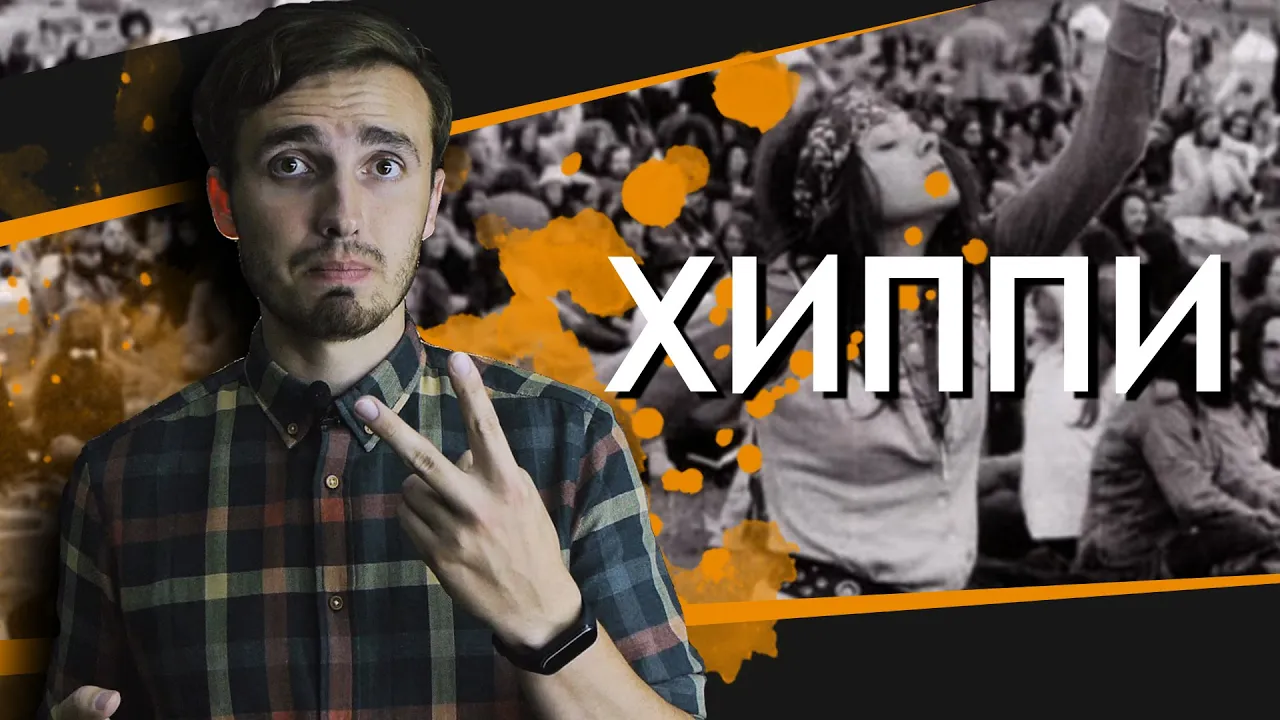

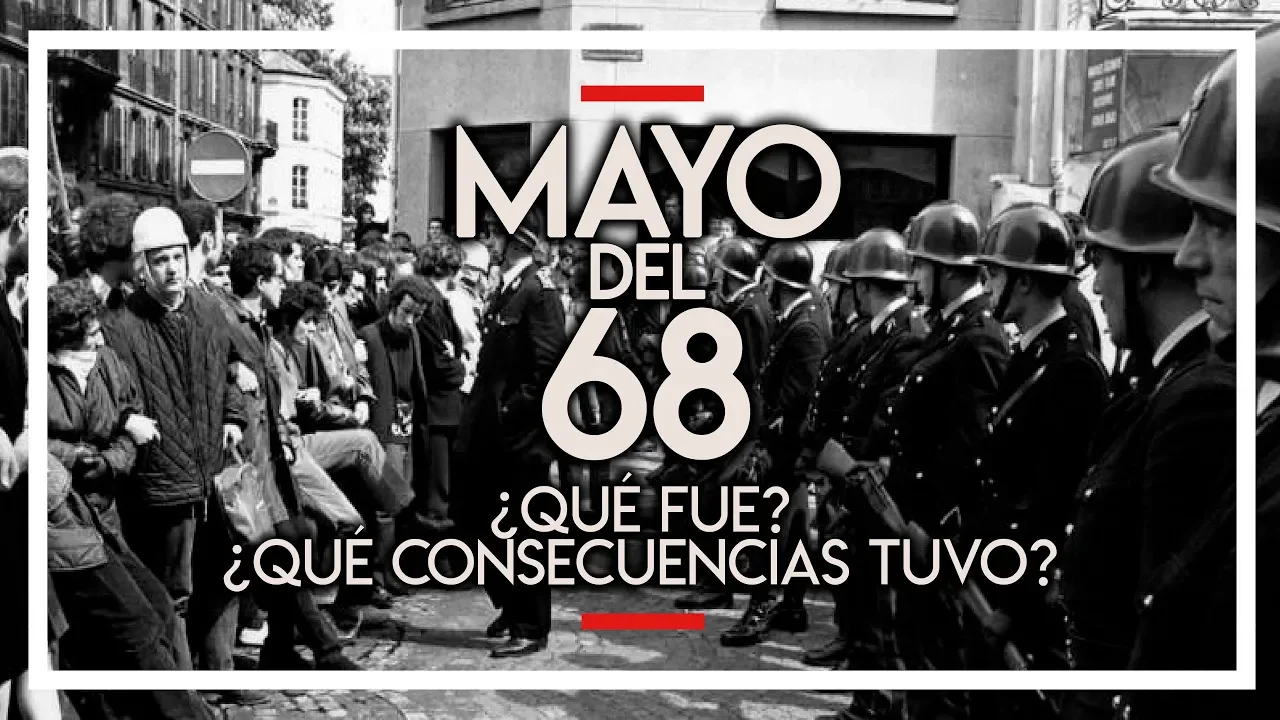

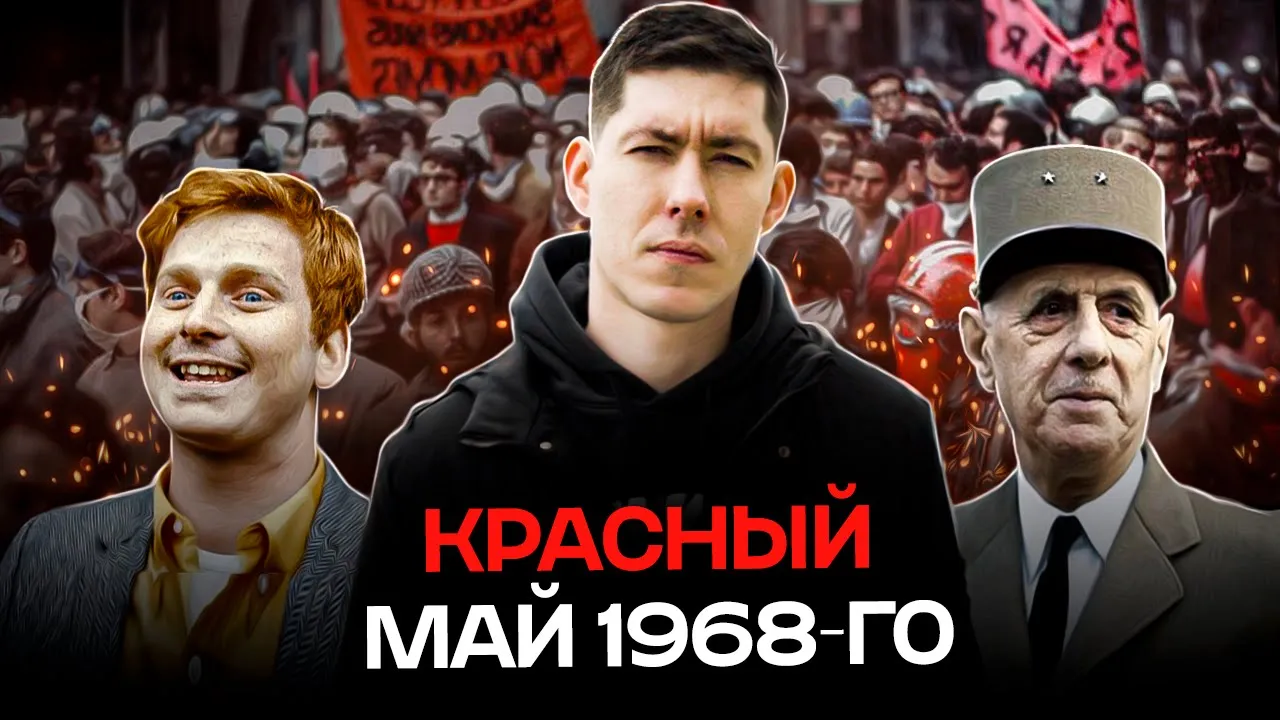







The post-World War II decades in Europe, known as the 'Thirty Glorious Years,' saw significant economic improvement but also growing social tensions, leading to widespread protests and activism across the continent, including student movements, workers' strikes, feminist movements challenging gender inequality, and demands for political reform, particularly evident in events like the 1968 French protests and the Prague Spring of 1968.
European Protests of the 1960s: Crash Course European History #45
Added:The geopolitical division of Europe during the Cold War, including the establishment of the Iron Curtain and the distinction between Western democracy and the Soviet-dominated Eastern Bloc.
The post-World War II economic boom (such as the 'Trente Glorieuses' in France) and the expansion of the welfare state, which facilitated a massive growth in the university-student population.
The global context of decolonization and international conflict, particularly the Algerian War and the escalating Vietnam War, which fueled youth anti-imperialist sentiments.
The history of early 20th-century social movements, including first-wave feminism, to understand the baseline from which 1960s activists were departing.
The long-term cultural and political legacy of the May 1968 protests in France and their impact on European higher education and labor relations.
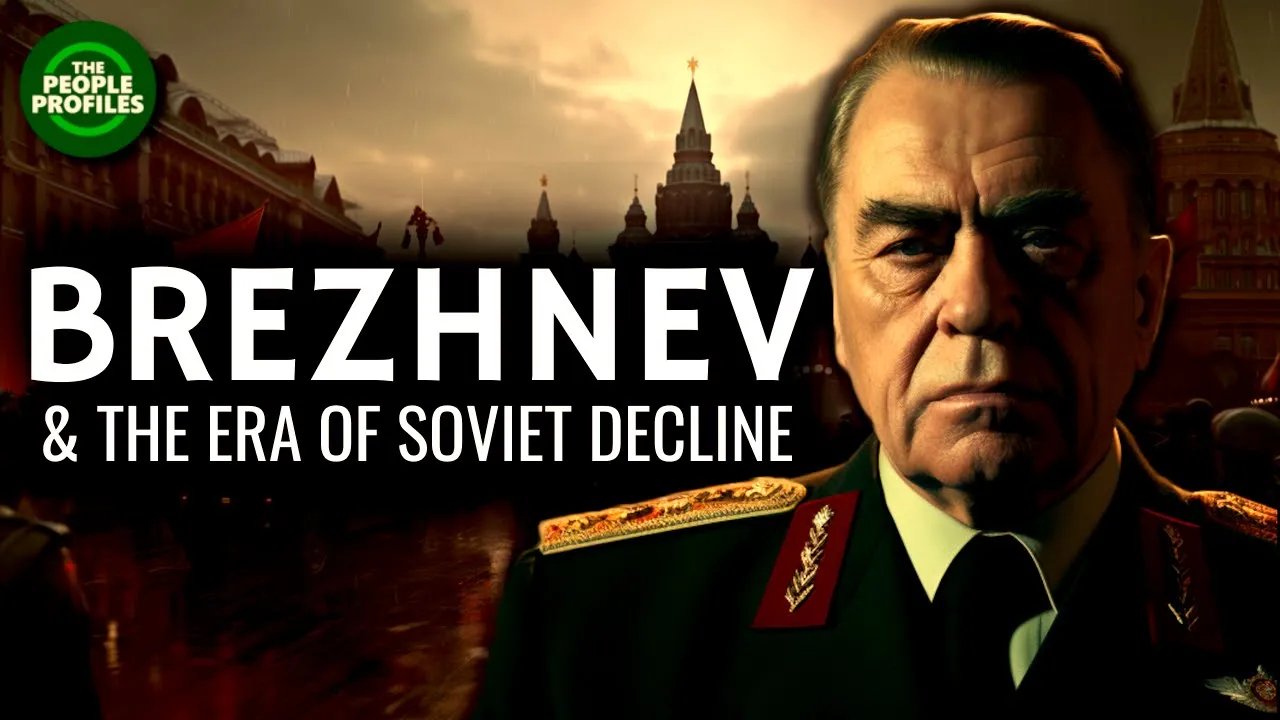
The Prague Spring of 1968, the military response of the Warsaw Pact, and the subsequent implementation of the Brezhnev Doctrine in Eastern Europe.
The radicalization of fringe protest elements into 1970s militant groups, such as the Red Army Faction in West Germany and the Red Brigades in Italy.
The transition of 1960s activism into 'New Social Movements' of the 1970s and 1980s, which laid the groundwork for modern environmentalism, LGBTQ+ rights, and Green politics.
314.5K views7.7Klikes12:28Original Release: 2020-06-20
Watch our videos and review your learning with the crash course app supplemental content is now available for these courses Hi, I'm John Green. And this is crash course European history.
So up until the early 1970s Europe experienced what some called the "thirty glorious years" when on average life improved dramatically. People in Europe benefited from scientific and technological change.
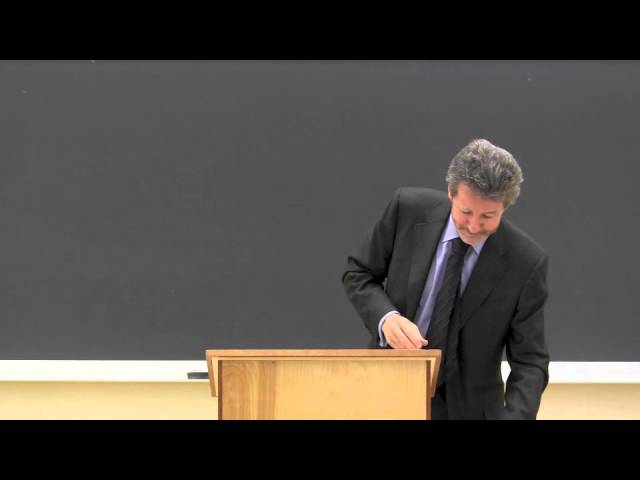
Plus they weren't far removed from the hard times of World War Two and earlier of the Great Depression, so it was easy to feel the comparative improvement in quality of life. To many people things seemed pretty good, but at the same time students, workers and an array of activists were highly critical of the changes that had brought about a post-industrial Society so Europe's thirty glorious years also saw lots of protests as people pointed out correctly That injustice and structural inequality remained central features of human societies Among the earliest activists were those who had high hopes for the post-war world but then became appalled by the Cold War's military buildup and nuclear tests beginning in the 1950 ban the bomb movement spread amid concerns over the dangers of radioactive fallout from nuclear testing and the risk of nuclear war and in the Soviet bloc protesters were roused by the surprising publication of Alexander Solzhenitsyn a day in the life of Ivan Denisovich in 1962 which described wife in Soviet prison camps with chilling Accuracy also throughout Europe students had more opportunities to attend newly crowded technical institutes and scientific facilities and new Universities they were often joined by young immigrants who were fleeing Decolonization and those newcomers made European youth aware of the civil wars and poverty in the rest of the world Much of it caused by European colonialism and technology also helped Internationalize the world and its news horrific news from the wars of Decolonization like in Vietnam was broadcast on radio and television while leaders of liberation movements in North Africa and Cuba to name just a few Work to publicize their cause and gain support So to our eyes today some European student movements seem naive at best and complicit in atrocities at worst For example many students in Europe celebrated Mao Zedong's mobilisation of the young in the Cultural Revolution but that Cultural Revolution in fact Resulted in the torture and killing of many professors and other highly educated people on the other hand It was also students who drove the boycott movement in Britain Which protested South African apartheid young people found many different ways to voice their objections to the injustices that they perceived in the early 1960s Prague theatre produced plays by young playwrights such as vaclav havel mocking the absurdities of communist bureaucracy Havel by the way would later go on to become president of the post communist Czech Republic and in 1966 young people in Prague celebrated the traditional communist May Day holiday with chants of the only good Communist is a dead one meanwhile on the other side of the Iron Curtain in Rome students protested the 200 to 1 student to faculty ratio of the overcrowded and understaffed Universities and in Germany student movements advocated for more democracy less influence for right-wing Newspapers and an end to the Vietnam War and then in 1968 young people took to the streets I mean in the case of this particular picture they took to a lecture hall But they also took to the streets by spring thousands demonstrated in major university cities in France student protests emphasized not just reform but Revolution in people's values and their ways of living they wanted a rejection of consumerism Which some called bourgeois materialism and an end to both colonial wars and the traditional European Curriculum that emphasised the classics and philosophy and purely scientific research They wanted modern subjects such as psychology and sociology Added to the curriculum and many influenced by Marxism also felt that the issue of class should have greater coverage in Universities the cast of activists was diverse in France workers joined student protesters for them several things were wrong first generally countries in the European Common Market were enjoying Rebounding growth and profits but workers were not seeing much improvement in wages second The modernization of industry was cutting jobs through automation and also depriving workers of much say in factory life Stop me If any of this feels familiar, by the way Some nine million workers in France also went on strike for la participation in everyday decision making and for higher wages Women workers took over the leap Factory in France and the Ford factory in England out of anger over Unequal wages and speed ups caused by new technology amid all this violence and street activism the French government quashed the worst of these protests though ones in Paris in June of 1968 powerful president charles de gaulle gave workers a raise while Businesses enhanced workers role in factory governance the middle class. Meanwhile had grown weary of uncollected garbage in the streets and the violence in public life the press joined de Gaulle in muting public support for student demands and all that meant that when de Gaulle unleashed tanks on the city the Protests collapsed but they left a legacy of questioning and activism. All right Let's go to the thought-bubble in Eastern Europe Czechoslovakian citizens also protested their protests were against the communist government in the autumn of 1967 at a party Congress Alexander Dubcek the chief official of the Slovak branch of the Communist Party Demanded social and political liberalisation and openness. He was ridiculed in response We've had more than enough of democracy the head of the party responded then hurled slurs against Slovaks But officials technocrats and intellectuals echoed of Czechs call for reform They drove out the old party head and made dubcek the communist leader He and it's censorship mandated the secret ballot for party elections and permitted political opposition to take shape Czechoslovakia was transformed in her book under a cruel star a life in Prague Heda Margolius Kovaly recalled a little girl noticing the changing public mood and exclaiming look everyone's smiling today this became the celebrated socialism with a human face that Characterized the Prague Spring one Czech journalist described the new conditions as an orgy of free expression people snapped up uncensored newspapers and magazines They applauded uncensored films and lectures and drama They gabbed away in public places like cafes about the latest news and especially about politics "Nobody talks about football anymore" one taxi driver grumbled about the earnest new conversations He heard. Thanks thought-bubble. But of course, all was not well beneath the surface despite the springtime Enthusiasms on the night of august 20th and 21st of 1968 Soviet tanks entered Prague reasserting communist control Citizens covered tanks with bold graffiti and baffled invading troops by removing all the street signs Illegal radio stations provided warnings by reading the names of those about to be arrested while grocers would sell nothing to the Soviet invaders But the Soviet military triumphed nonetheless and reform-minded Representatives were gradually eliminated the most stunning act of resistance came in January 1969 when yan pollack a 21 year old Philosophy student poured gasoline over his body and set himself ablaze in a main square of Prague before that he had removed his coat and put it aside and in that coat a note promised more suicidal immolations if the soviet-backed government didn't lift censorship He signed himself torch number one as other Czechoslovakian youth followed in making themselves Torches for freedom amidst all this peace activism and student and reform-minded Protest women in Europe and in other parts of the world took up their own cause Stan can we zoom in on that picture real quick?
Can we take a close look at the facial expression of the blonde woman with bangs who's being mansplain to? Gold Many women in Europe were recoiling both from sexism in the political and social and economic structures of their communities But also from the heavy dose of masculine superiority among student activists leaders in german student meetings women began throwing Tomatoes at male speakers and they were all male who refused to let women speak so this generation of feminists attacked both the sexism of the universities and the masculine privilege demanded by student activists who hogged leadership roles while spouting the virtues of Equality women were expected to be activists leaders cleaners and cooks and personal assistants and adoring sexual partners men were the undisputed Rockstars, it was a guy's game one woman activists reported female activists demanded opportunity and equality and Realized they needed to split off from men to achieve it. The many feminist activist groups that arose across Europe Rhee Articulated issues from the beginning of the 20th century Housework child-rearing unequal pay segmentation of the labor force and the second shift that is their sole responsibility for household chores and childcare after a full day's work feminists also deployed Simone de Beauvoir's argument that men were treated as the norm while women Constituted an inferior other to men's Universal and privileged status did the center of the world just open their dish towel in there This is a dish towel. Sometimes when you wash dishes you have to dry them and this is what you used to dry them so the inequality between working men and women in unpaid labor has gone down somewhat since the 1960's but there remains a gap in Every single country in Europe and indeed the world on average women spend almost one Hundred minutes more on unpaid work than men do cooking cleaning laundry Changing diapers drying dishes, etc That's 100 minutes every day meanwhile Soviet feminists face different challenges and risks and communist dogma the Revolution of 1917 had brought liberation and equality to Soviet women in 1969 the censored novella a week like any other by Natalia Baron skaia described the harried life of a woman scientist Forced to attend political meetings at work while keeping her research in science Active and then tending to her family and home and the needs of her husband who offered no help she questioned the status of the Soviet woman and whether true equality had been achieved no wonder the book got censored.
and then in the 1970s a collection of testimonials from Russian women in all walks of life described horrific jobs and Inequalities and the difficulties in most women's lives including crowding alcoholic neighbours and regular beatings The editor of that collection was exiled from the USSR, but women continued to argue for real equality not just in name But in reality, so in addition to the protests I've already mentioned women took to the streets in large group to support reform in divorce and marriage and abortion and birth control legislation In Western Europe, and some of those efforts were successful Indeed many of these protest movements were able to usher in real change from increasing the number of women in Universities to the passage of an Equal Pay Act in Britain in 1970. Now did these protest movements and end structural injustice?
No, and it's also important to remember how much these movements varied to both in aims and in strategy to cite one American Example the folk singer Woody Guthrie's guitar famously read this Machine Kills Fascists The folk singer Pete Seeger's banjo on the other hand red this machine surrounds hate and forces it to surrender Which strategy works better?
depends on what you're fighting and where you're fighting from as with so much else the answer shifts as your perspective does Thanks for watching. I'll see you next time Thanks so much for watching crash course Which is filmed here in the Jaidyn Smith Studios in Indianapolis and made possible by all of our patrons at patreon.com Slash crash course, we got lots of the crash courses for you to watch check some out Thanks again for watching and as they say in my hometown, don't forget to be awesome.
Up Next
25:00
Northern Ireland Conflict and Peace Walls Explained | The Troubles
@aljazeeraenglish
422.9K views•2016-07-27

33:02
The Great Schism of 1054: Causes and Consequences
@SacredCathedrals
113.5K views•2026-02-19

11:51
Globalization's Upside: The Story of a T-Shirt | World History
@crashcourse
4.8M views•2012-11-02
17:05
Understanding the Cold War: Superpower Conflicts and the Road to Détente
@OverSimplified
46.1M views•2019-01-24
Related Study Plans & Knowledge Roadmaps
Structured learning paths in History
history
Byzantine Iconoclasm: Theology, Art & Politics
01Foundations of Byzantium and Early Christian Images
02The First Iconoclasm: Leo III and the Crisis of Images
03Empress Irene, Nicaea II, and the Second Iconoclasm
+ 2 more learning modules
9h5 modules
Explore Roadmap
history
Iranian Revolution (Causes, Events & Legacy)
01The Pahlavi Dynasty and the Roots of Discontent
02The Spark of Rebellion and the Rise of Khomeini
031979: The Fall of the Shah and the Climax of the Revolution
+ 2 more learning modules
8h5 modules
Explore Roadmap
history
Mali Empire: Mansa Musa, Trade & Timbuktu
01Foundations of the Mali Empire
02The Trans-Saharan Gold and Salt Trade
03The Reign and Pilgrimage of Mansa Musa
+ 1 more learning modules
6h4 modules
Explore Roadmap
history
1947 Partition: Politics, Borders & Legacies
01Foundations of British India and the Divide
02The Political Negotiations and the Mountbatten Plan
03Drawing the Boundary: The Radcliffe Line
+ 2 more learning modules
8h5 modules
Explore Roadmap