












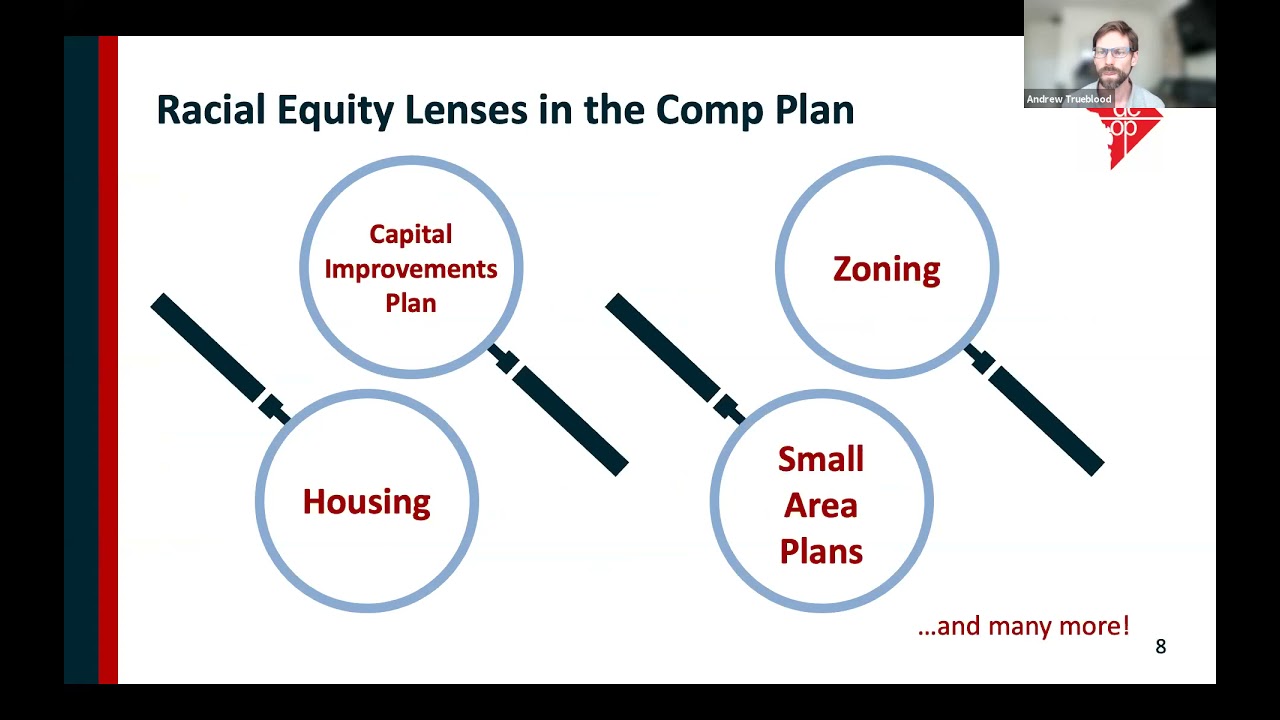
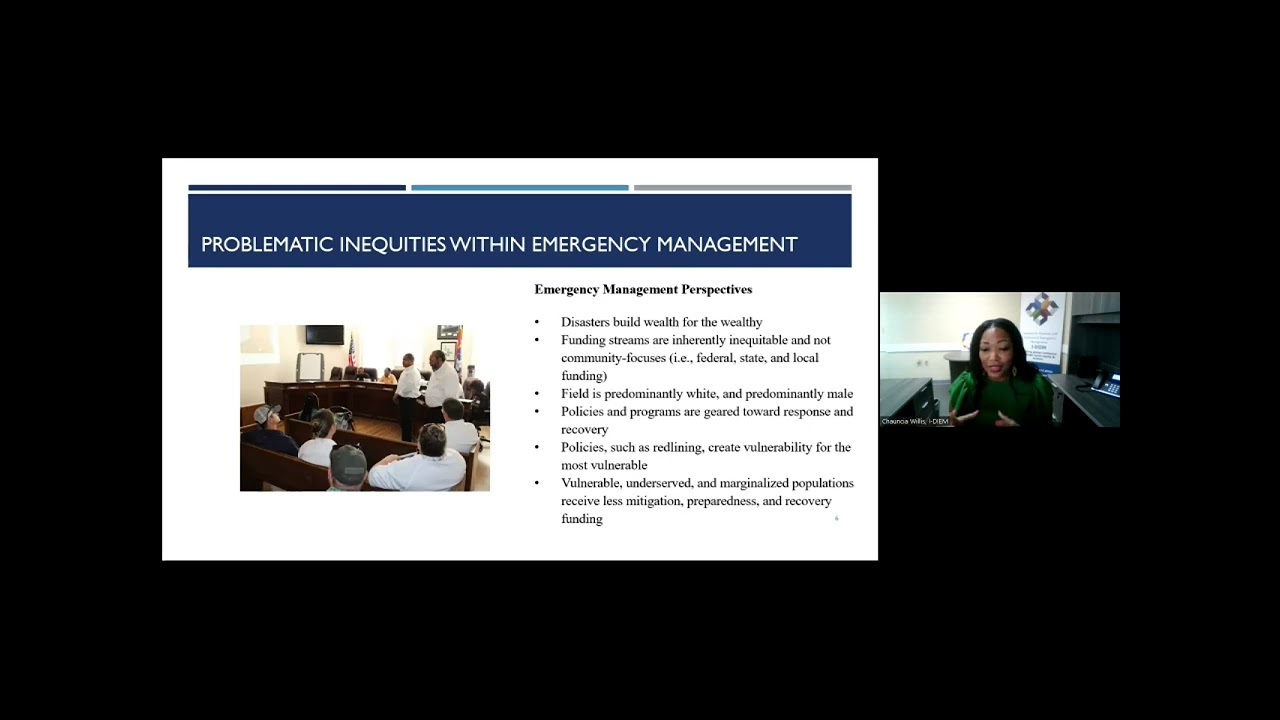



Hurricane Katrina (2005) was not merely a natural disaster but a manifestation of systemic racism, where historical housing segregation forced Black and low-income residents into flood-prone, low-lying areas; combined with inadequate levee infrastructure and a delayed federal response, this created catastrophic conditions that disproportionately affected Black communities, resulting in over 1,000 deaths and permanent displacement of thousands, while also accelerating gentrification and changing the city's demographic composition.
Hurricane Katrina and Structural Racism: Black American History
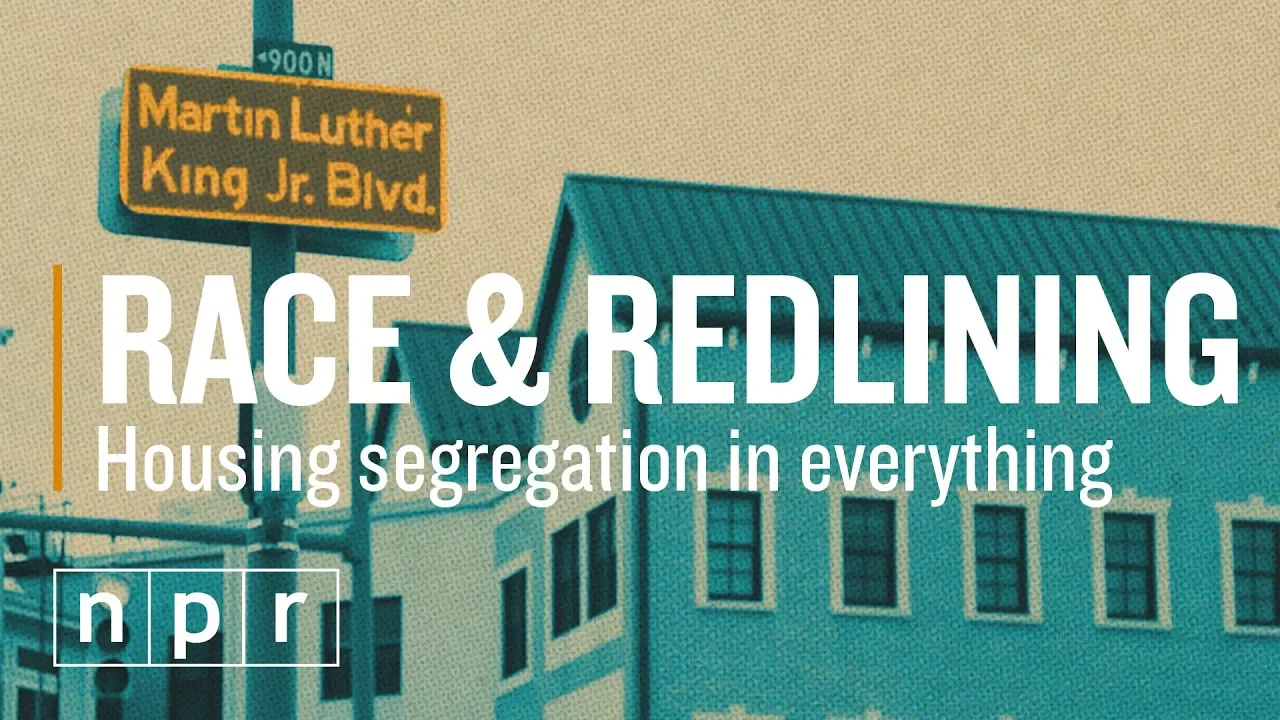
Added:Understanding the concept of systemic and structural racism, specifically how historical housing policies like redlining created racially segregated neighborhoods.
Basic knowledge of New Orleans' geography, particularly why low-income, Black communities were historically situated in low-lying, flood-prone areas.
An introduction to environmental justice, which examines how environmental hazards and poor infrastructure disproportionately affect marginalized communities.
The basic structure of disaster response in the United States, including the roles and jurisdictions of local, state, and federal agencies like FEMA.
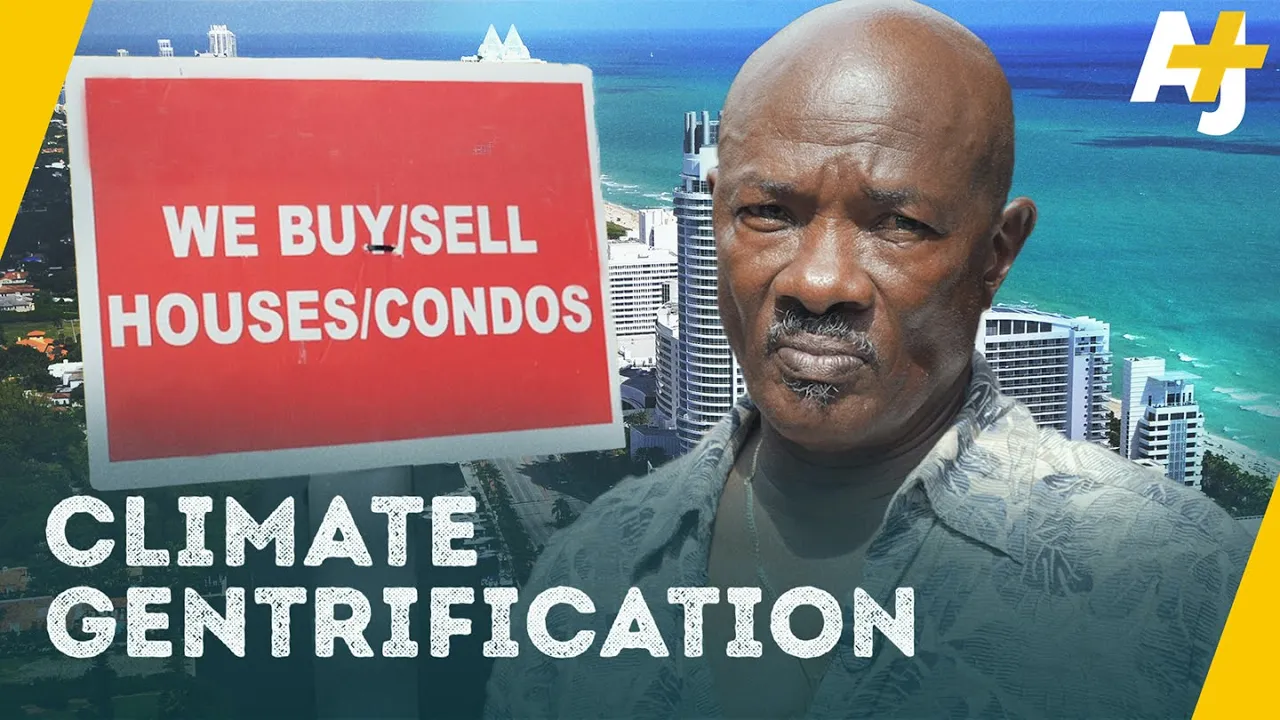
Analyzing 'climate gentrification' and how post-disaster rebuilding efforts can displace original, low-income residents in favor of wealthier developments.
Evaluating policy reforms and community-led initiatives aimed at integrating racial equity into modern urban planning and resilient infrastructure development.
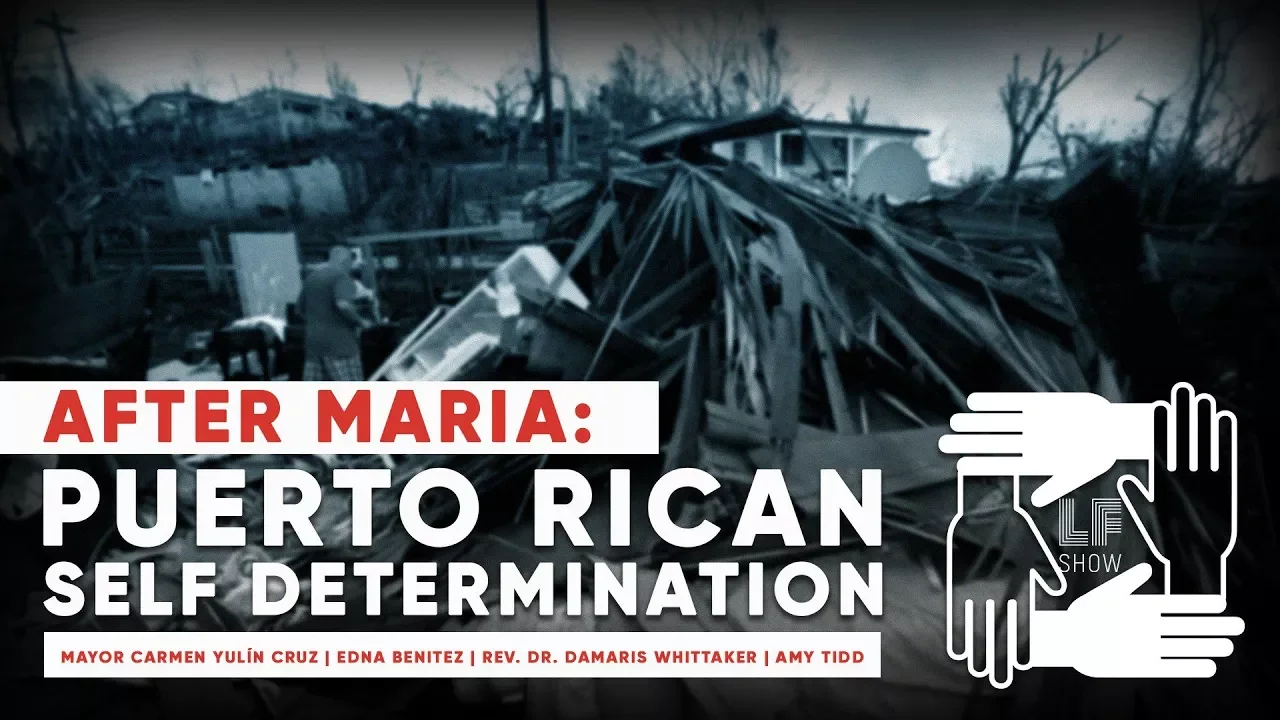
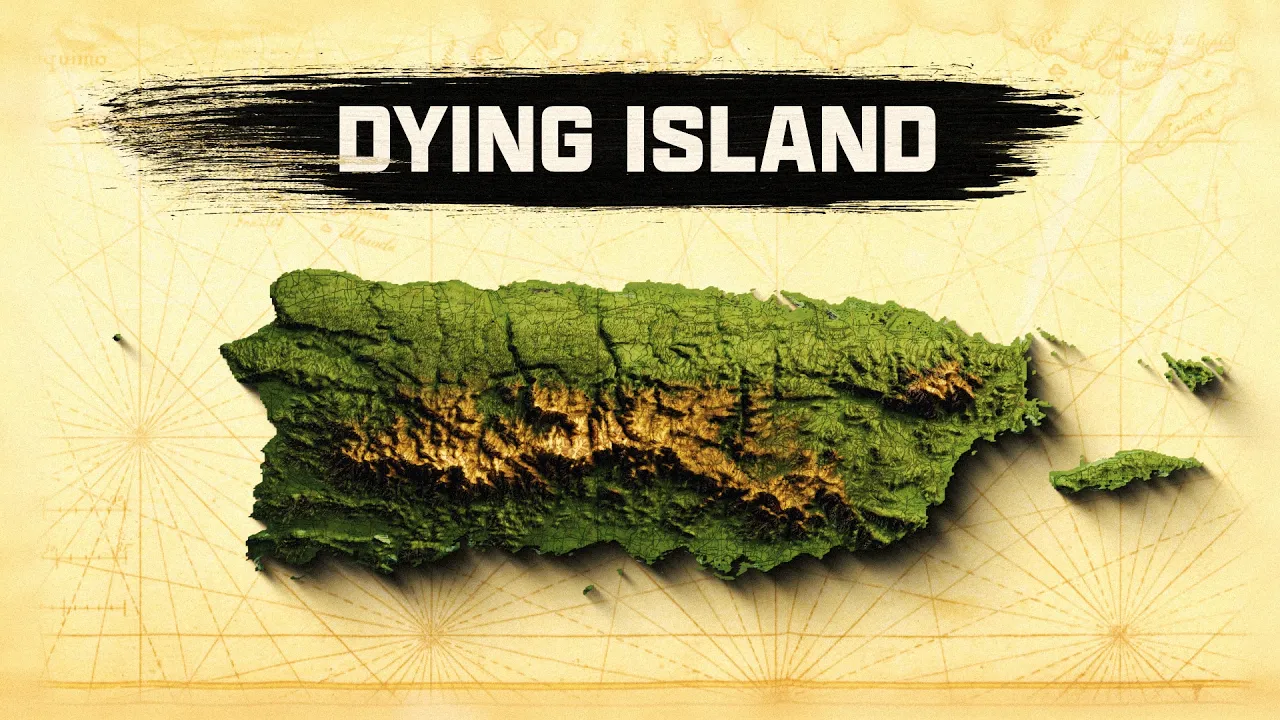
Conducting comparative case studies of subsequent disasters, such as Hurricane Maria in Puerto Rico, to identify recurring patterns of systemic neglect in crisis management.
Exploring the legal and civil rights frameworks used to advocate for environmental justice, climate reparations, and fair housing in court systems.
269.3K views8.4Klikes15:03Original Release: 2022-10-19
hi I'm Clint Smith and this is Crash Course black American history as many of you know I was born and raised in New Orleans New Orleans is in my heart and my soul in every fiber of my being it's the city that raised me in the city that made me who I am today in 2005 when I was 17 years old I was excited to start my final year of high school I was excited for homecoming prom for Friday Night Football games for winning a state championship as the captain of my school soccer team and for celebrating college acceptances with all of my friends but it didn't work out that way on August 28 2005 Hurricane Katrina made landfall in New Orleans and I evacuated with my family to Houston Texas I still remember how long it took us to get there how we were surrounded Bumper to Bumper by cars filled with hundreds of thousands of people trying to flee the city for safety when we got to Houston I sat on my aunt and uncle's couch and watched CNN as the grocery store where we used to shop the church we used to attend the school that I used to go to were all submerged underwater we later got a call that our home was submerged and destroyed as well it's hard to express what that moment felt like and in many ways more than 17 years later I'm still trying to find the right words to express it I say all of this because this episode and this subject is very personal to me Hurricane Katrina impacted my family my friends and me in profound ways and it's important to remember as we always try to remind people that this history is not just an abstraction or a scholarly exercise but something that impacted and continues to impact the lives of real people Hurricane Katrina was also a moment that further demonstrated how racism is not just interpersonal but it's systemic it's not just someone using a racial slur it's the failure of a government to invest in and protect a community of disproportionately poor and black people who have been susceptible to a disaster like this for decades there's a lot to unpack here so let's start the show [Music] on August 23 2005 a tropical depression formed over the Bahamas and before long it transformed into a hurricane named Katrina with a growing strength and ferocity that began to really worry people government leaders across the Gulf States began telling people that they needed to evacuate and they needed to do it quickly on August 28th many people had done so but for a range of reasons because of a lack of Transportation cost illness mobility and personal choice at least one hundred thousand people did not evacuate and were left stranded as the storm hit the weather was rough but there was hope that at least in New Orleans the worst of it had been avoided but then the levees around the city and elsewhere across the Gulf region began to fail and massive flooding began over 50 levees and flood walls were breached and there was more than a hundred billion dollars in damage and this is part of what left so many people frustrated about what happened during Katrina that the flooding came not simply from the storm but from the failure of human engineering failure that had fatal consequences for thousands and impacted the lives of millions a June 2007 report by the American Society of civil engineers indicated that two-thirds of the flooding was caused by the multiple failures of the city's flood walls must learn a little bit more about levees and how racism can turn an engineering issue into something more sinister in the thought bubble on a basic level levees are supposed to hold back water so it doesn't flood communities levees can be built with materials like soil sand or rocks or with concrete blocks of wood plastic or metal they can also help pump water away from communities with a city like New Orleans where so much of the city is below sea level levees are essential and people knew this in 1965 Congress authorized the Lake Pontchartrain and vicinity hurricane protection project following Hurricane Betsy which was supposed to increase New Orleans Hurricane protection but this project had not even been completed by the time the storm hit in 2005. during Katrina many of the communities located at the lowest elevations and near the most unstable parts of the levees ended up bearing the brunt of the flooding due to racism that started with historical segregation in the city those environments were often inhabited by black and lower income folks in New Orleans housing segregation racial and restrictive covenants other types of laws that encourage housing segregation and other measures had been designed to keep black Americans from moving into safer higher elevation areas and even though many of those measures were illegal by the time Hurricane Katrina happened the effects still persisted thanks so the people who most needed to evacuate because they lived in the most vulnerable areas to flooding were often unable to do so many of the poorest residents of New Orleans did not have cars money or places to stay anywhere outside of New Orleans much of their Community was concentrated where they lived the only way they could possibly evacuate was by walking and even when they did try this tried to find safety for their children their Elders their neighbors and themselves they were met with the threat of violence thousands of people tried to walk across the Crescent City Connection bridge to the nearby suburbs but when they did they were met by armed police officers who stood on the bridge to force people to turn back sometimes they even fired their weapons over their heads elsewhere at the danziger bridge police officers actually shot and killed two unarmed civilians and seriously injured four others all of these factors left many of the poorest residents stranded at risk of death and traumatized by their experiences as the water levels of the Mississippi River and Lake Pontchartrain Rose the streets became even more flooded there were parts of the city that were flowing with water up to 20 feet deep and within days up to 85 percent of the city was underwater people were waiting on the roofs of their homes hoping for Rescue people lost everything they had many survivors had to take boats or helicopters to evacuation sites at the Superdome or Convention Center in New Orleans the Coast Guard rescued 34 000 people and ordinary citizens organized to provide food and shelter for anybody that they could find even still it's estimated that between a thousand and four thousand people lost their lives most to drowning it is considered the deadliest hurricane since 1928. many survivors ended up permanently displaced and moved to cities like Mobile Alabama Houston Texas Baton Rouge Louisiana and Chicago Illinois I have friends and family who left when they evacuated from the storm and then never came back over 1 million people across the Gulf Coast were displaced and resettled Elsewhere for many The Narrative around Hurricane Katrina was that New Orleans and Louisiana as a whole were unprepared for This Disaster and there was a lot of finger pointing some people blame mayor Ray Nagin for not evacuating the city earlier for the lack of a clear plan or for not anticipating the obstacles that existed for low-income people who wanted to evacuate but couldn't mayor Nagin pointed his finger at the federal government for Designing the levees so poorly he also said that the government was very slow to respond and was incompetent in helping New Orleans residents for others it reflected how the wars in the Middle East were taking up too much time energy and focus and distracted the federal government from solving important problems right here in the United States almost immediately after the storm ended it started to become very clear that the federal government including the Federal Emergency Management agency or FEMA for short along with President George W bush did not understand how bad things were in New Orleans and across the rest of the Gulf Coast FEMA was criticized by many for being slow to respond and uncoordinated in their efforts many attributed this lack of urgency to the fact that the victims of the storm were largely poor and black New Orleans was a majority black City and nearly 30 percent of the city lived in poverty many African-American political leaders stated that when hurricanes have hit predominantly white cities like Palm Beach Florida the federal government moves extremely quickly in its response whereas in New Orleans even a year and a half after the hurricane much of the city had not been rebuilt and many neighborhoods like the predominantly black Ninth Ward were still in ruins for years even when help finding shelter did come it came in the form of unstable government trailers that were often filled with toxic levels of formaldehyde ultimately the debacle had a range of political consequences the director of FEMA Michael D Brown was viewed by many as unsuited for his duties and he was forced to resign the New Orleans Police Department superintendent was also forced to resign Louisiana governor Kathleen Blanco did not run for re-election in 2007. and mayor Ray Megan left office in 2010 and was later convicted bribery fraud and money laundering during his tenure as mayor in November 2009 a federal judge ruled that the Army Corps of Engineers were infrastructurally irresponsible and to blame for most of the flooding during the hurricane this was the first time that a specific government agency was held liable for Hurricane Katrina flooding but the judge limited liability to the worst parts of the damage in the Lower Ninth Ward in Saint Bernard Parish thousands of black Americans were left destitute displaced and dead in the wake of this catastrophe the demographic landscape of the city was forever changed as well in the Years following the storm many of the black families who had lived in the city for Generations could not afford to move back and rebuild oftentimes the people who came in their place were younger white Americans who had the means that many black New Orleans families did not some communities that were once all black now have few black people left in them gentrification is something that almost every urban city experiences but in New Orleans the process was supercharged but the devastation brought by Katrina over the course of the past 17 years I've replayed the events of those days following Katrina over and over and over again in my head I think about the people in the Superdome forced to sleep in a place where they were subjected to violence hunger neglect and fear I think about the homes that families in New Orleans and across the Gulf Coast lived in for generations and how those homes were completely destroyed along with generations of memories inside of them I think about the black people wading through water filled with sewage and death in order to search for food and shelter and help and I think most of all about how it is almost impossible for me to imagine that the response to Katrina would have been the same if the people in the Superdome or on top of their roofs or wading through sewage water were affluent and white rather than poor and black in fact it's hard for me to imagine white affluent people would have ever been left in the conditions like those that were present in the Superdome at all also we can't talk about the storm without also talking about climate change many leaders on the national and international stage have argued that black and brown folks are usually pushed towards the parts of the world where the effects of climate change are the most vicious the Army Corps of Engineers even stated that the impact of climate change is impairing their ability to produce safe environments for residents of places like New Orleans and obviously this doesn't just impact the United States leaders like me and Motley the Prime Minister of Barbados have been very vocal about getting the Western World to understand that it will largely be smaller previously colonized Islands as well as low-lying coastal regions that will be disproportionately impacted by the increasing frequency and ferocity of these storms it is something that all of us need to worry about and we need to think collectively about what is owed to the countries most at risk Hurricane Katrina was a devastating moment in American history and one that I'll remember for the rest of my life but it was also a warning of what can result from the dangerous cocktail of racism economic inequality and climate change all of these problems are still urgent and pervasive in the United States today and while awareness of these challenges seems to be on the rise it is rare that we consider them in tandem Katrina made clear the interconnectedness of these issues a lesson still relevant nearly two decades later thanks for watching I'll see you next time crash course is made with the help of all these nice people and our animation team is thought Cafe crash course is made possible by all of our viewers and supporters thank you to all of our patrons who support the show on patreon and thank you to those of you who participated in the 2022 crash course learner coin campaign your contributions support millions of learners
Up Next

42:50
Modern Classical Music Styles Explained: A Historical Overview
@AlexBecerra
2.5K views•2025-03-21

33:02
The Great Schism of 1054: Causes and Consequences
@SacredCathedrals
113.5K views•2026-02-19

12:28
European Protests of the 1960s: Crash Course European History #45
@crashcourse
314.5K views•2020-06-20
17:05
Understanding the Cold War: Superpower Conflicts and the Road to Détente
@OverSimplified
46.1M views•2019-01-24
Related Study Plans & Knowledge Roadmaps
Structured learning paths in History
history
Byzantine Iconoclasm: Theology, Art & Politics
01Foundations of Byzantium and Early Christian Images
02The First Iconoclasm: Leo III and the Crisis of Images
03Empress Irene, Nicaea II, and the Second Iconoclasm
+ 2 more learning modules
9h5 modules
Explore Roadmap
history
Iranian Revolution (Causes, Events & Legacy)
01The Pahlavi Dynasty and the Roots of Discontent
02The Spark of Rebellion and the Rise of Khomeini
031979: The Fall of the Shah and the Climax of the Revolution
+ 2 more learning modules
8h5 modules
Explore Roadmap
history
Mali Empire: Mansa Musa, Trade & Timbuktu
01Foundations of the Mali Empire
02The Trans-Saharan Gold and Salt Trade
03The Reign and Pilgrimage of Mansa Musa
+ 1 more learning modules
6h4 modules
Explore Roadmap
history
1947 Partition: Politics, Borders & Legacies
01Foundations of British India and the Divide
02The Political Negotiations and the Mountbatten Plan
03Drawing the Boundary: The Radcliffe Line
+ 2 more learning modules
8h5 modules
Explore Roadmap