



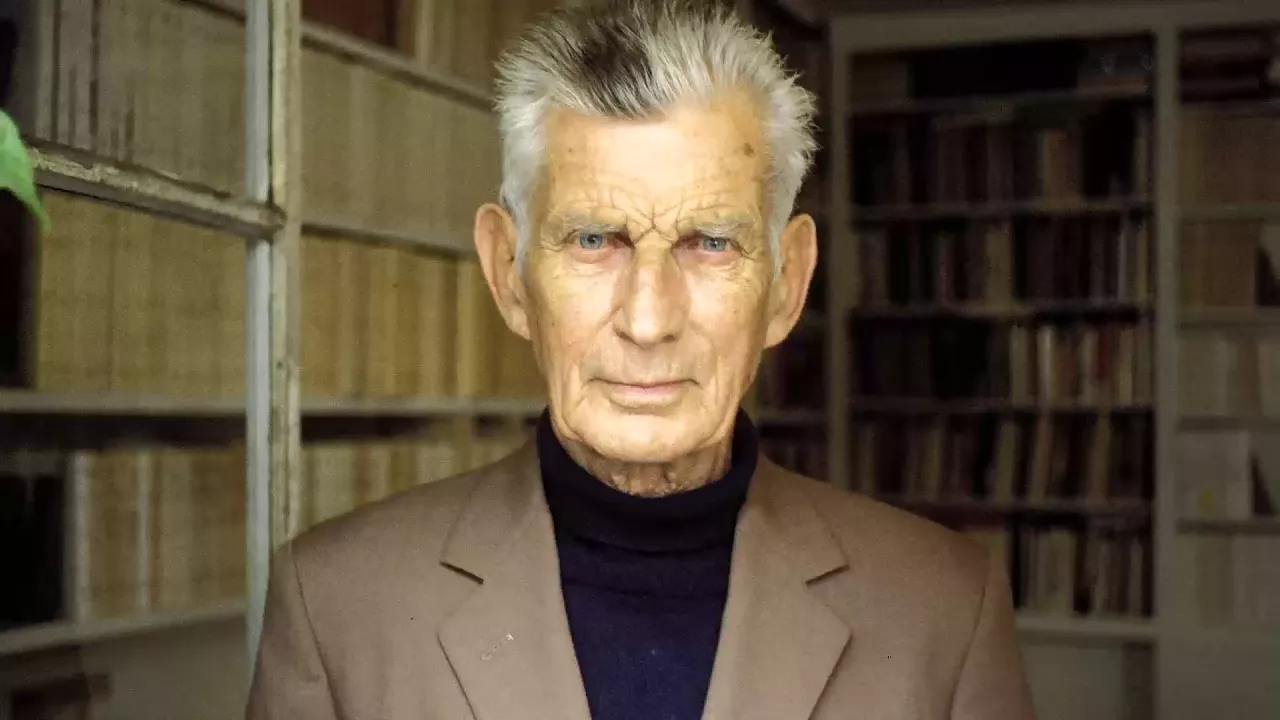

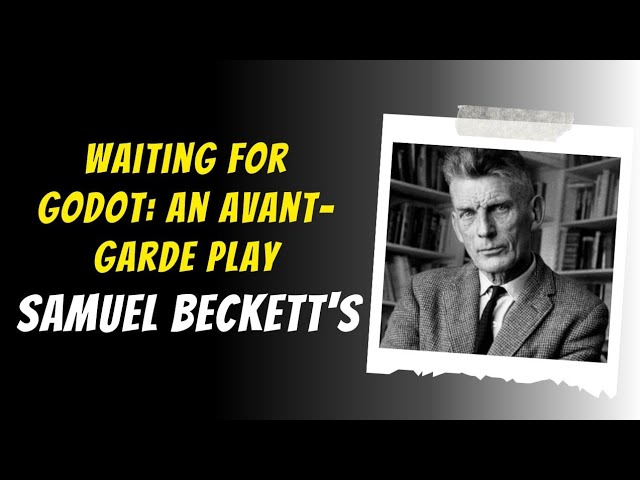











Samuel Beckett's Endgame presents a profound exploration of existential isolation, where two characters (Hamm and Clov) trapped in a confined space confront the absurdity of human existence through their cyclical interactions, revealing that meaning is constructed through shared human connection and that even in the face of inevitable death, the human spirit persists through storytelling, memory, and the fundamental need for companionship.
Endgame by Samuel Beckett: A Play Analysis and Interpretation
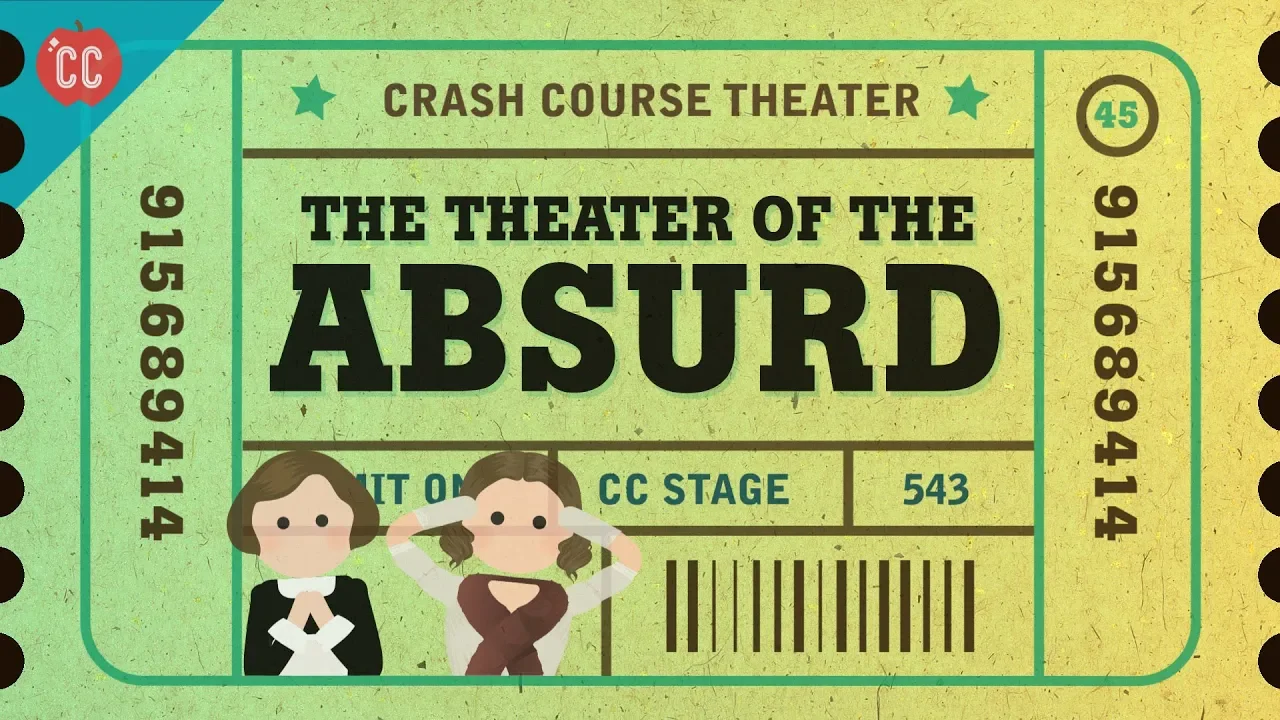
Added:Familiarity with the Theatre of the Absurd, its historical context, and its rejection of traditional dramatic realism.
An understanding of existentialist philosophy, particularly the concepts of existential dread, meaninglessness, and the human condition as discussed by Jean-Paul Sartre and Albert Camus.
Basic knowledge of Samuel Beckett's literary style, specifically his use of minimalism, repetition, and tragicomedy (ideally through his seminal work 'Waiting for Godot').
Awareness of post-World War II historical disillusionment and its profound impact on mid-20th-century European literature and drama.
A comparative study of other major absurdist playwrights, such as Eugène Ionesco ('The Bald Soprano') and Harold Pinter ('The Birthday Party').
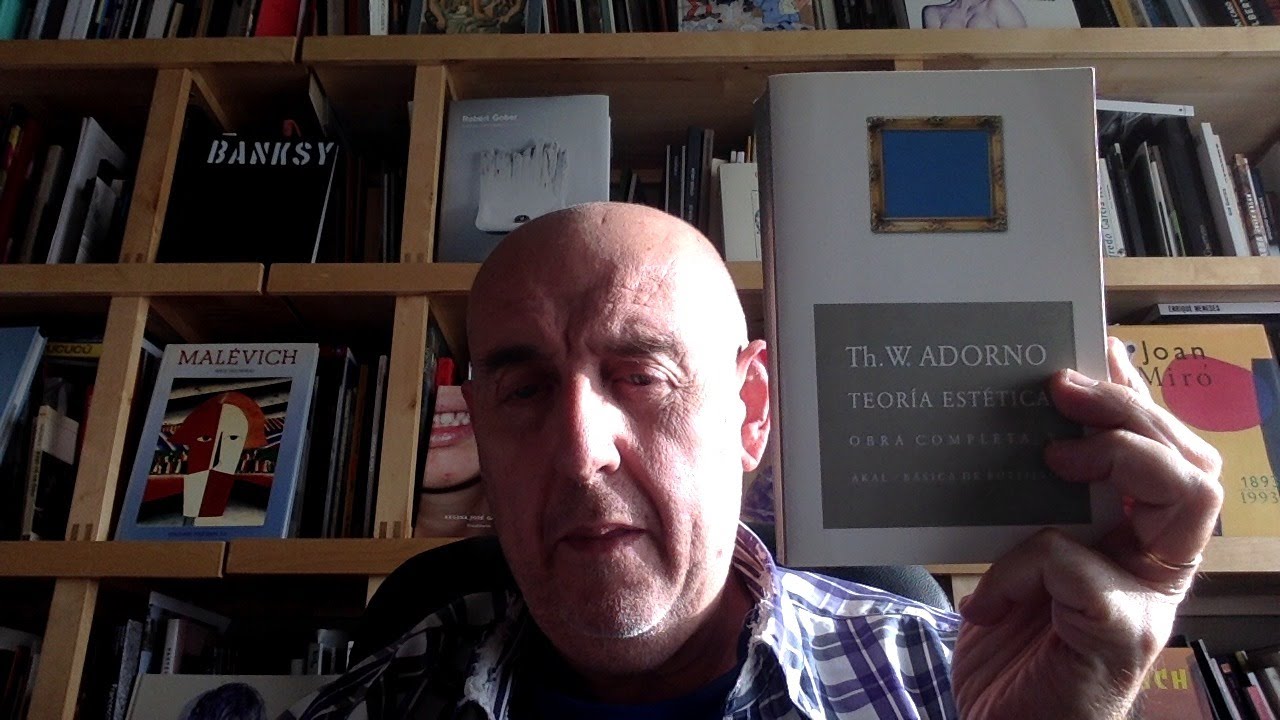
An investigation of Theodor Adorno's critical essay 'Trying to Understand Endgame' and other post-structuralist literary analyses of the play.
Analysis of the chess metaphor and structural circularity in 'Endgame', examining how the rules of the game mirror the characters' deterministic fates.
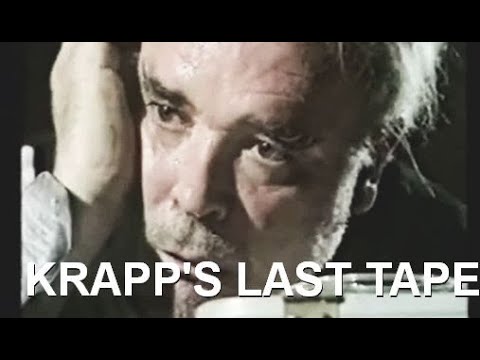
An exploration of Beckett’s later, even more minimalist theatrical works, such as 'Krapp's Last Tape', 'Happy Days', and his television/radio plays.
34.7K views521likes1:21:24Original Release: 2018-05-08
[Applause] [Music] [Music] finished it's finished nearly finished it must be nearly finished rain upon grain one by one and one day suddenly there's a heap a little heap the impossible heap it can be punished anymore I go now to my kitchen ten feet by ten feet by ten feet and wait for him to whistle me nice dimensions nice proportions I lean on the table and look at the wall and wait for him to whistle me [Applause] Oh me to play old stars are can there be misery love the ER than mine no terrace for me but now my father my mother my dog oh I willing to believe they suffer as much as such creatures can suffer what does that mean they're suffering equals mine no does now always I'm silly the bigger a man is the fuller he is and the emptier clothe no hello what dreams those forests enough it's time it ended in the refuge to and yet I hesitate I hesitate to to end yes there it is it's time it ended and then I hesitate to two hands good I'm tired I'd be better off in bed you pollute the air get me ready I'm going to bed let's just cut y'all and what hours well I can't begin your bonnet about every five minutes so it's things to do did you ever see my eyes now did you never have the curiosity why that is steeping to take off my glasses and look at my eyes well in battle it's know one of these days I'll show them to you it seems they've gone are always what times is same as usual have you looked yes well zero it'll need to rain it won't rain apart from that how do you feel I don't complain you feel normal I don't complain I feel a little queer clothed yes have you not had enough yes of what a dish this thing I always had not you there's no reason for change and our life long the same questions the same answers get me ready don't get the sheet go yes I've given you nothing more to eat then we'll do it I'll give you just enough to keep you from dying you'll be hungry all the time in the shadowy are you gonna get the shade no I'll give you one biscuit per day one math why do you stay with me or do you keep me there's no one else there's no where else but you're leaving me all the same I'm trying you don't love me no you love me once once I've made you suffer too much haven't I it's not that I haven't made you suffer too much yes I gave me a fright forgive me I said forgive me I heard you have you bled less it's not time for my painkiller know how are your eyes bad are your legs bad move where are you here come back where are you here why don't you kill me I don't know the combination of the ladder don't get to bicycle wheels no more voices the waves what have you done which are boys you can thing is impossible and there were still boys circles I wept to have one i growled at your feet you told me to get out of hell now there are none and your rounds when you inspect my pauper's always on foot sometimes in horse in your kitchen yes outside of here it's death I feel we're getting on BiPAP Ackerson throat general that the old folks at home no decency left guzzle guzzle that's all they think of well I thought you were leaving me oh yes me pop tipnis tap there's no more time you hear that there's no more bad you'll never get any more pad boy far three five give me biscuit I curse it fornicator oh yes stumps there were already stumps well is it spats medium it's hard Catlin they can't sit true and I can't stand so it is every man his speciality no phone calls don't really laughs I don't feel like no right love yes nature has forgotten us no more nature no more nature you exaggerate in the vicinity we breed we change we lose our hair our teeth are bloom our ideals and she hasn't forgotten us would you say there's none no one that ever lived at our thoughts so crooked us we we do all we can we shouldn't you're a bit of all rise i do' smithereen this is slow Lord this is no time for my painkiller now I leave you like things to do in your kitchen yes what I'd like to know I look at the world the world what do you see a new world many many naked bodies I see my life dying yeah and I do I listen to that but I can do just as well hear your lies take a look at me and come back and tell me what they think of your life you shouldn't speak to me like that forgive me I sent forgive me I heard you [Music] did your seeds come up now did you scratch around them to see if there's browser they haven't spares it perhaps it's still too early if they were going to sprout they would have sprouted they'll never sprout this is not much fun but there's always the way at the end of the day isn't it so of hours it's the end of the day like any other day isn't it so looks like it what's happening what's happening sunson has taken its course alright BL I thought I told you to be off are trying ever since I was flipped we're getting on what is if my pitch time for love really asleep oh no kiss me we can't try oh why this fuss day after day philosophy to it when I having yesterday ah yesterday can you see me hearted and you but can you see me hardly so much the better so much the better oh don't say that our sites was failed this can you hear me yes and you yes our here in hasn't failed of what our here aid no have you anything else to say to me do you remember no when we crashed our tender when lost our shacks if you seen the old deer road to see dad [Music] you cold yes perished and you are you freezing do you want to go in yes then go why don't you go in I don't know has he changed your sawdust it isn't sawdust can you not be a little accurate neg yes and then it's not important it is important it was sawdust once once now it's sand from the shore now it's and he fetches from the shore now it's sent well has he changed yours no ah normally I won't have it do you want a bit nope what biscuit I kept you half three quarters for you yeah no well I as class keeping me awake talk softer if I could sleep I might make love I go to the woods my eyes would see the sky of the earth I'd run and wrong they wouldn't catch me nature does something dripping in my head ah hot in my head heart in his head mustered up at these things meg why'd you always laugh at them that's so loud nothing is funnier than unhappiness I grant you that oh yes yes it's the most comical thing in the world and be lost with off with a will in the beginning which is always the same sing it yes it's like the funniest story we've heard too often we still find it funny but we don't laugh anymore have you anything else to say to me nope are you quite sure then I'll leave you do you know why don't you visit it I'll keep it for you I thought you were going to leave me I am going to leave you could you give me a scratch before you go no where is the back no rub yourself against the rim oh it's Laurie doubt that that in the hollow hollow oh could you not yesterday you stretch me there ah yesterday goodly adult would you like missus fat to you you cry in there kiddin I was trying absolutely vain watch was that'sit perhaps it's a little vain what is that fees that's B stuff it but I tell you a story of the tailor and know what saw to cheer you up it's not funny miss always made you laugh first time I thought you'd died which was only coma one April afternoon can you believe it part just we once went up rowing on Lake Como one April afternoon we got engaged the day before engaged he awarded such fits we capsized by rights we shall have a drowned it was because I felt happy it was not it was not it was my story or nothing else happy don't you laugh at it sailed every time I tell it happy it was deep deep and you could see down to the bottom so white so clean let me tell it again an Englishman dia de Paris striped trousers in a hurry for the New Year festivities goes to his tailor who takes his measurements that's a lot come back in four days they'll have it ready good four days later so sorry come back in a week I've made a mess of a seat good that's all right and beats it could be very ticklish a week later frightfully sorry come back in ten days I've made a hash shoot the crotch God can't be helped a snob crunches always a teaser ten days later thankfully sunny come back in the fog lights hand me the balls of the fly but at a peach a sparse flies a stiff proposition I've never told it was but only story worse and worse how well to make it sauce the bluebells are bloated and he boxes the buttonholes god damn you to hell sir no it's indecent there are limits it's six days do you hear me six days God made the world yes sir no less sir the world and you're not bloody little tickle rules of making me a pair of trousers in three months oh but it's over My dear sir look let the world look up ie trousers you could see down to the bottom have you not finished will you never finish well this better finish my kingdom friend night man chocolate in the sea so white what what's he dead in about desert she has no pulse she's everything opposed you told me to go away into the desert damn busy buddy is that no know what else we didn't understand yes they both battle yeah screw down then it's time enough my anger subsides I'd like to pee well go and get the catheter time enough give me my painkiller it's too soon don't soon on top of your tonic it wouldn't act in the morning they brace you up and in the evening they calm your down and it's just the other way around that old doctor he's dead naturally it wasn't old but he's dead naturally you asked me that take me for this a charm not too fast right round the world hug the walls and back to the center again I was right the Santa Rosa yes we need a proper wheelchair big wheels bicycle wheels are you hugging yes shall I what do you lie to me there there stop Oh beyond is the other head closer closer over here take away your hand yeah you hear you hear hollow bricks oh that's hollow that's enough back and on the round is that my players yes that's your place am i right in the center we'll measure it smartass there I'm Lauren s in the center they say some good say so put me right in the center let's go and get the teddy roughly thing in the center there I feel a little too far to the left now I feel a little too far to the right I [Music] feel a little too far forward now I feel this too far back don't stay there him with his shivers very happy what's the weather like as usual look at the earth looks with a glass no needed a glass deliver the glass going at the glass no need for the glass I back again with the glass I need the steps boy have you shrunk I don't like that I don't like that [ __ ] you getting rid of steps I need the glass this is deadly no evening off I did it on purpose I say a multitude and transports of joy and that's what I call the magnifier all right don't laugh or you don't all right let's see zero zero and there are nothing stirs all is yeah wait you're spoken to all is all is on as well I'll just wash what all is in a word that's what you want to know just a moment corpse well content look at the see the same look at the ocean [Music] like that what a Salem a thin smoke a sulk time we all knew that left the base yes no oh God no girls dolls and our eyes nothing on the horizon what in God's name could I be on the horizon the waves how the waves ways let and the sound zero but it should be sinking again done the Sun is it not already man No then what is it hey ray [Music] Cray did I hear you say grey like black from Powell to Powell you exaggerate don't stay there you give me the shivers with this fast day after day routine one never knows last night I saw inside my breast there was a big sore if sire has no it was living close yes what's happening something is taking its course close why say we're not beginning to to mean something mean something you know it means something that's a good one I wonder imagines the rational being came back to earth wouldn't he be liable to good ideas into his head if he observed us long enough ah good now I see what it is yes now I understand what they're asked well that gone as far as that we ourselves we ourselves at certain moments the big perhaps it won't always been for nothing I have a flame please this one unless it's a crab lips humanity my start and dare all over again catch them with a love of God go get the powder see this is awful what a day my back again with its axis Oy let em have us [Music] bastard did you get him thanks Lucas that's his land although lay lying I mean this is lying tell go oh this lying one doesn't say lame Jewish your head cat who if he was laying we'd be bitched about that pee I'm having it that's the spirit that's this minute this cow from here the two of us out you can make a raft and the currents will carry us away far away to other mammal this for this alone I'll America don't get working on the raft immediately tomorrow I'll be gone forever well start states away the Sharks you think Jax I don't know dad it will be wait it's not yet time for my painkiller now wait how are your eyes bad but you can see all I want how your lips bad what are you gonna walk I come and go in my house one day you'll be blind like me you'll be sitting there a speck in the void in the dark forever like me one day you'll say Joseph I'm tired I'll sit down and you go and sit down then you'll say I'm hungry I'll get up and get something to eat but you won't get up and you won't get anything to eat you look at the wall awhile then you'll say I closed my eyes perhaps have a little sleep after that I feel better and you close them and when you open them again there'll be no wall anymore infinite emptiness will be all around you all the resurrected dead of all the ages wouldn't finish and there you'll be like a little bit of grit in the middle of the stage one day you'll know what it is you'll be like me except that you won't have anyone with you because you won't have had pity on anyone because there won't be anyone left to have pity on it's not certain and there's one thing you forget ah I can sit down well you'll know you down then what the hell or you'll come to a standstill simply stop and senses the way you are now one day you'll say I'm tired I stopped what is the attitude matter so you are wanting me to leave you naturally you know leave you you can't leave us did I shan't leave you why don't you finish us I tell you the combination of the ladder if you promise to finish me I couldn't finish you it is shan't finish me leave your things to do do you remember when you came here no too small you told me you remember your father same answer if asked with these questions millions of times I loved the old questions are the old questions the old answers there's nothing like them it was I it was a father to you yes you were that to me my house our home for you yeah this was that for me but for me no father I'll leave you did you ever think of one thing never but here we're down in a hole but beyond the hills a path still greeny flora Pomona carry his perhaps you won't need to go very far I can't go very far I leave him is my dog ready like select is his sympathy it's a kind of Pomeranian go get him he lacks a leg don't get weird getting home the dogs are here he's why isn't he nearly I didn't II nearly is he why there isn't he he hasn't he forgot no sex but he isn't finished the sex goes on at the end you haven't piranhas ribbon what do you son finished oh he tell me a forest to finish the dog then you put on his ribbon can he stand I don't know try well wait well Santa where where is he there is he gazing at me yes as if you were asking me to take him for a walk if you look or is it here begging me for a bone leaving like that standing there imploring me believe you have you had your visions yes his mother pegs glaze on nice anyone's might be on extinguish naturally its extinguished if it's not on it's extinguished no I mean mother peg actually she's extinguished what's the matter with you today I am taking my course she buried buried I would have bet her you know me no enough to do without burying people you bury me no I shan't bury you she was bunny once like a flare of the field and a great one for the men way to a bunny once it's a rare thing not to have being Bonnie wants go get a girl we won't do it anymore you won't be able to anymore or use the words you taught me they don't mean anything anymore they teach me others well let me be silent I once knew a madman who thought the end of the world had come he was a painter and engraver I had a great fondness for him I used to go and see him in the asylum and drag him to the window the tear all that rising corn I dare look the same all that loveliness he snaps his hand to go back to his corner appalled all he had seen was ashes he alone had been spared forgotten it appears the case is was not so so unusual the mobbin what was done Oh way back way back you weren't in the land of the living god be with the days I had a great fondness for him she was a painter and engraver so many terrible things no no there are not so many now close yes you know I think this is going on long enough yes what a start so you know then there's a day like any other day as long as it lasts although if longer say banana tease I can't believe you I know and you can't follow me if you leave me after I'd know but you simply whistled me and if I don't come running it means I'd left you you won't come and kiss me goodbye oh I shouldn't think so but you might be merely dead in your kitchen the results will be the same is but how would I know if you were merely dead in your kitchen well sooner or later I'd start to stink you stink already the whole place stinks at corpses whole universe I divorce think of something what an idea have an idea a bright idea pains my legs unbelievable certainly won't be able to think anymore he won't be able to leave me what are you doing having an idea ah what a brain well wait yes Oh Cindy laughs this is perhaps not one of my bright days but frankly whistle me I don't come the alarm rings on God it doesn't ring like that is it working the iris is working why wouldn't it be working because it's worth too much miss have you worked at all and because it's worth to you to go and see situate that did you hear it babe and I prefer the middle it's not time for my painkiller now and leave you it's time for my story do you want to listen to my story now asked my father if he wants to listen to my story sleep wake him he doesn't want to listen to your story I'll give him my brown poem he wants to show the plum he'll get a sugar plum do you believe in the voice of coal mine was always there [Music] got on that song I've listed scoundrel why did you in gender me I didn't know what what engine now so there'll be you they'll give you a sugar plum after the audition you swear yeah odd what's my armor two one one for me and one for one sentence man why it's finished we're finished nearly finished there'll be no more spinach something's dripping in my head ever since the fontanelles splash splash always on the same spot perhaps if they could vein a little artery enough of this it's story time where was I the man came crawling towards me on his belly pale wonderfully pale and thin he seemed on the point of night on that Paris I calmly filled my pipe the mirin this is with let's say a Vesta drew a few puffs what is it you once it was an extraordinarily bitter day I remember zero by the thermometer but considering it was Christmas Eve there was nothing extraordinary about death seasonable weather for once in a way well what a wind blows you my way he raised his face to me black with mingled dirt and tears that you do no no don't look at me don't look at me he dropped his eyes and mumbled something apologies I presume I'm a busy man you know the final touches before the festivities you know what it is come on now what is the object of this invasion it was a glorious bright day I remember fifty by the helium honor but already the Sun was sinking down into the down among the dead nicely put there come on now come on present your petition and let me resume my Labor's there's English for you oh well it was then he took the plunge it's magnetic on his hair little one that's past my little point he said as if the sex mattered where did he come from he named the hole a good half-day on [ __ ] what are you insinuating but the case still habited no no not a cell except himself and the child assuming he existed God I enquired about the situation of Cove beyond the gulf not a sinner good and you expect me to believe that you have left her little one back there all alone and alive into the bargain come now it was a howling wild day I remember a hundred by the anemometer the wind was tearing up the dead pines and sweeping them away that's a bit feeble yeah well come on man speak up what is it you want from me I have to pour our boy Harley but to make it short it finally transpired that what he wanted from me was bread for this brass bread but I have no bread it doesn't agree with me good then perhaps a little corn that you're doing corn ears I have corn it's true in my Grenier is but use your head if I give you some corn a pound a pound and a half you bring it back to your child and you make him if he's still alive a nice pot of porridge a nice pot and a half of porridge full of nourishment the colors come back in his little cheeks perhaps and then I lost patience use your head can't you use your head you're on earth there's no cure for that it was an exceedingly dry day I remember zero by the hygrometer ideal weather for my lumbago but what did God's name do you imagine that the earth will awaken spring that the rivers and seas will run with fish again but there's manna in heaven still for embassies like you gradually I'd cool down sufficiently at least to ask him how long he had taken on the way three whole days good and one conditionally left the child deep in sleep but deep in what sleep deep in what sleep already but to make its shores I finally offered to take him into my service he had touched a chord and then I imagined already that I wasn't much longer for this world well here if you're careful you might die a nice natural death in peace and come from well in the end he asked me would I consent to take in the child as well if he was still alive it was the moment I was waiting for him would I consent to take in the child I can see him still down on his knees his hands flat on the ground glaring at me with his mad eyes in defiance of my wishes I sooner finish with the story unless I bring in other characters where would I find them where would i look for them let us pray to God there sure the rats in the kitchen rat are there straps and the cats in this one you haven't exterminated him earth you distort us you can't get away now you'll finish him later let us pray to God Ganon the sugarplum God first are you ready off we go and you our Father which is in silence where are your manners off we go well I have new sweet damn all and you wait nothing doing it done the story doesn't exist yeah miss sugar plum there ain't no more sugar plums it's natural after all I'm your father it's true his Envy birrabeen someone else but that's no excuse Turkish did lights for example we're so longer exists we all know that but there is nothing in this world I love war and one day I'll ask you for some being in return for a kindness and you'll promise it to me well must live with the times whom did you call when you were a tiny boy and were frightened in the dark your mother no be and we'd let you cry and then we moved you out of earshot so we could sleep in peace I was asleep happy as a king and you woke me up to have me listen to you it wasn't the dispensable it didn't really need to have me listen to you besides I didn't listen to you I hope that they will come when you really need to have me listen to you need to hear my voice ne vais yes I hope fine Dave till then to hear you calling me like when you were a tiny boy and were frightened in the dark and I was your only hope our revels now are ended the downtown is not a real dog can't go he's not there laying down can move to me dirty Bruce what are you doing putting things in order my dream the world where all will be Soylent and still and eating its last place under the last we must have our army boots your slippers were hurting you they leave you know why does that keep me here the dialog I've got on with my story I've got on with it well ask me where I got to oh boy the way your story your story well you've been telling yourself all your days ah you mean my Chronicle that's the one keep going can't you keep going you've got on with it I hope oh not very far not very far there are days like that one isn't inspired nothing you can do about it just wait for it to come no forcing no forcing its fate I have got on with it a little old saying technique you know I say I've got on with it a little all the same well I never in spite of everything you were able to get on with her oh not very far you know not very far but nevertheless better than nothing that's other than nothing is it possible I'll tell you how it goes he comes crawling on his belly who what who do you mean he who do I mean ah I wasn't sure crawling on his belly whining for bread for his breath he's offered a job as gardener before what is so funny about that job as gadna is that what tickles you must be that wouldn't be the bread but the broth the whole thing is comical I grant you that what about having a good before the two of us together I couldn't go far again say no Roy I could you know van before accepting with gratitude he asks if he may have his little boy with him or age Oh tiny he would have cleaned the trees a little odd jobs and he would have grown up very likely keep going can't you keep going that's all I stopped there do you see how it goes on all right length will it not soon with the end however frayed it will you'll make up another I don't know I see her out drained the prolong creative effort if I could drag myself down to the sea I'd make a pillar of sand from my head and the tide would come there's no more toys go and see is she dead looks like nah doesn't look like what's he doing he's crying then he living did you ever have an instant of happiness not to my knowledge bring me under the window I want to feel the lies on my face you remember in the beginning when you took me first used to hold the chair too high let me see let me out oh and then we got into the waivers there already is it lives it doesn't that I'm asking you that life yes a carton isn't closed now what window isn't the earth ie less there's no light there the other that's what I call noise feels like a ray of sunshine no no it isn't the ray of sunshine I feel on my face no am I very wise I'm asking you am a very wise not more so than usually opened window I thought I want to hear the sea you wouldn't hear even if you open the window no and it's not worthwhile hope [ __ ] nah in openness have you opened this yes you say yes well it must be very calm I'm asking you is it very calm yes it's because there are no more navigators you have much conversation all of a sudden do you not feel well I'm cold what month are we close the window we're going back don't stay give me the shivers father father go and see did he hear me yes both times once only the first summer the second he doesn't know must have been the second he'll never know is he still crying now the dead go fast what's he doing sucking his biscuit life goes on give me a rope I'm freezing no more drugs kiss me we do not kiss me no on the forehead they won't kiss you anywhere it could be a hand at least we're not giving me a hand I won't touch it give me the doubt no you're not wanted out now no leave it that's right we don't kill that rat him Tillie that's right me to clay we're getting on you weep and weep for nothing so it's not to laugh and little by little you begin to grieve all those I might have helped help saved saved the place was crawling with them use your head can't you use your head you're an earth there's no cure for NASA get out of here in love one another lick your neighbor as yourself well it wasn't Brett they wanted that was crumpets are the moist certain bacterial parties - OH - not even a real dog the end is in the beginning and yet you go on perhaps I could go on with my story and didn't begin another that's a cat ro myself out on the floor digging my nails into the cracks and drag myself forward with my fingers it will be the end and there I'll be wondering what kind of brought it on a wondering what kind of why it was so long coming Berube in the old refuge alone against the silence and asuma's if I can hold my peace and sit quiet it will be all over with sound and motion and all over and done with I'll call my father and I'd have called my knee my son even twice or three times in case they shouldn't have heard me the first time or the second I say to myself here Caliban and then and then he couldn't he's gone too far and then all kinds of fantasies but I been once a rat steps breath held and then then bable bable words like a solitary child attends himself when two children to three supposed to be together and whispered together in the dark mama to find my homeland packin tellin that the millet grains of that old Greek and our lifelong your way for that to mount up to a life over wha neither gone our dead spirit only wish both down for me you'd be dead and voice awesome I was sort of hear it's dead and their ass he's gone away he can't go far hey he doesn't need to go far it's no time for my pain killer yes at last give it to me quick there's no more pain good no more pain no more painkiller you'll never get any more pain what's a digit round box of us phone yes but no attempt I do what I do what are you doing oh you know look at the art yeah since it's calling to you the third saw would you like to lozenge no is he well hasn't the right to sing anymore no and have pretend you want it to end I want to say I can't prevent you what did I do that stats you didn't see that stuff I'm sorry sometimes I wonder if I'm in my right mind passes over this before okay on the wrong size oh yeah sometimes you wonder it have been made census intelligence as ever any particular sector your fancy omitted the whole thing okay the general effect just a moment hmm you know what it is hmm I was never there love what is it I was never there looking for you absent always it all happened without me I don't know what's happened do you know what's happened Gove want me to look at this mochi yes or no I'm semi first what do you know what's happened what's happened use your head can't you what has happened what's the choice say does it matter I don't now an old mother paired a stir-fry for a lamp when you told her to get over to hell you knew what was happy then no you know what she died off mother path of darkness I hadn't Annie yes you had I did address now it's clear enough as it is don't care it we never understand why are you always a barrier you explain that to me no perhaps this compassion a kind of great compassion but you won't find it easy you won't find it easy goings are very tired you're not sitting on it don't leave me there in the center to find this reaction but the gaff he'd be with the gaff enough with the dog with the gal with the ax star hey never put me in my coffin did it end with a bang of darkness and me did anyone ever have pay your name what an ass I rape you never here with a sigh before I warm me up for my last Sevilla great I warn you I'm going to look at this filth since it's an order it's the last time let's see nothing nothing good good nothing more complications doesn't underplayed I trust a small boy small boy don't see take the gap no no pretend some procreator Pheebs this you die they will come here and if he doesn't don't believe me you take how I'm inventing it's the end clove we've come to the end I don't need you anymore lucky for you leave me the gap believe you before you go say something nothing to say few words so ponder in my heart yeah huh yes yes there's a rest in the end the shadows the murmurs all the trouble to end up with so he never spoke to me then in the end before he went without my having asked him he spoke to me he said something from your heart my has a few words from your heart they said to me that's love yes yes not dead now you see how articulate how easy it is they said to me that's friendship yes yes no question you found it they said to me here's the place stop raise your head look at all that beauty that order they said to me come now you're not a brute paste think upon these things and you'll see how all becomes clear and simply they said to me what skills attention they get all is dying of their wounds enough I say to myself sometimes clovie must learn to suffer better than that if you want them to weary of punishing you one day I say to myself sometimes claw he must be there better than that if you want them to let you go one day but I feel too old and too far to form new habits good it'll never end one day suddenly it ends changes I don't understand the toys or it's me I don't understand that either I asked the words that remain sleeping waking morning evening they have nothing to say I opened the door of the cell and go I am so bad I only see my fate if I open my eyes and between my legs a little trail of black dust I say to myself that the earth is extinguished though I never saw in it it's easy go when they fall I weep nothing trap this is what we call naked an axis I'm obliged to you know for your services it is I am obliged to you it's we are obliged to each other one thing more a last favor cover me with the sheet no good need to play old end game last of old playing lose and have done with losing let me see yes good discount take it easy and now raise that piece to our asses and poor Anya deals wipe and pour on again we're coming few more squirm as I dad Nicole little poetry you prayed you cried for nice it comes it falls now crying darkness you cried for nice it falls now cry in darkness nicely put that and now moments for nothing now as always time was never and time is over reckoning close and story ended if he could have child with him it was the moment I was waiting for you don't want to abandon him you want him to bloom while your withering we did a soulish your last million last moments he doesn't realize all he knows is hunger and cold and death the crown it over to you you ought to know what the artists like know it is oh I put in before his responsibilities well there we have there I am that's enough yes truly good father good we're coming and to end up with discharge with my compliments golf no yeah since that's the way we're playing us let's play it that way and speak no more about it speak no more old sponsor you remain
Up Next

29:17
Samuel Beckett's Legacy: Richard Wilson on Theater & Meaning
@ManufacturingIntellect
71.7K views•2017-11-04

13:43
Formalism in Literary Criticism: An Academic Lecture Overview
@mattalberhasky9952
39.1K views•2015-08-05

6:08
Point of View in Fiction: First Person vs. Third Person
@magicalthriftyteacher
153.8K views•2014-03-31

15:25
1984: Orwell's Dystopian World and the Mechanisms of Totalitarianism
@AlternateHistoryHub
7M views•2017-03-04
Related Study Plans & Knowledge Roadmaps
Structured learning paths in Literature
literature
Graphic Memoirs: Visual Art, Trauma & History
01Foundations of Sequential Art and Visual Language
02Autographics and Processing Historical Trauma
03Visualizing Personal Trauma, Grief, and Graphic Medicine
+ 2 more learning modules
14h5 modules
Explore Roadmap
literature
Campus Novels: Evolution, Themes & Critique
01Introduction to the Campus Novel Genre
02Mid-Century Satire and the Post-War Academy
03Dark Academia and the Critique of Privilege
+ 2 more learning modules
14h5 modules
Explore Roadmap
literature
Theater of the Absurd: Philosophy & Plays
01Postwar Existentialism & Historical Roots
02Dismantling Narrative: Esslin & Absurdist Conventions
03Samuel Beckett and Tragicomic Existentialism
+ 2 more learning modules
12h5 modules
Explore Roadmap
literature
Revenge Tragedy: Justice, Madness & State
01Foundations of Early Modern English Theatre
02Anatomy of Revenge: Structural Conventions
03Psychological Complexity: Madness and Melancholy
+ 2 more learning modules
15h5 modules
Explore Roadmap