







![Dadaísmo x Surrealismo | Leitura Coletiva "Arte Moderna" - Argan [13]](https://i.ytimg.com/vi/jcYd_Ajmgt4/maxresdefault.jpg)

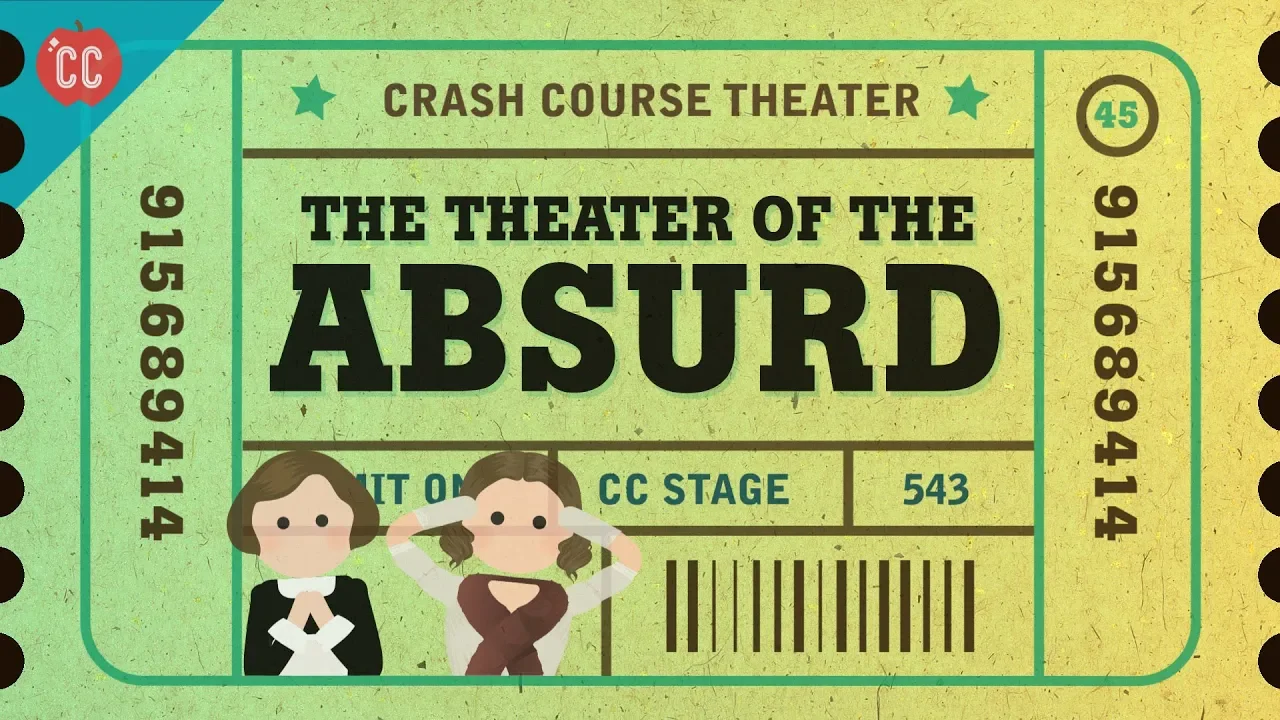

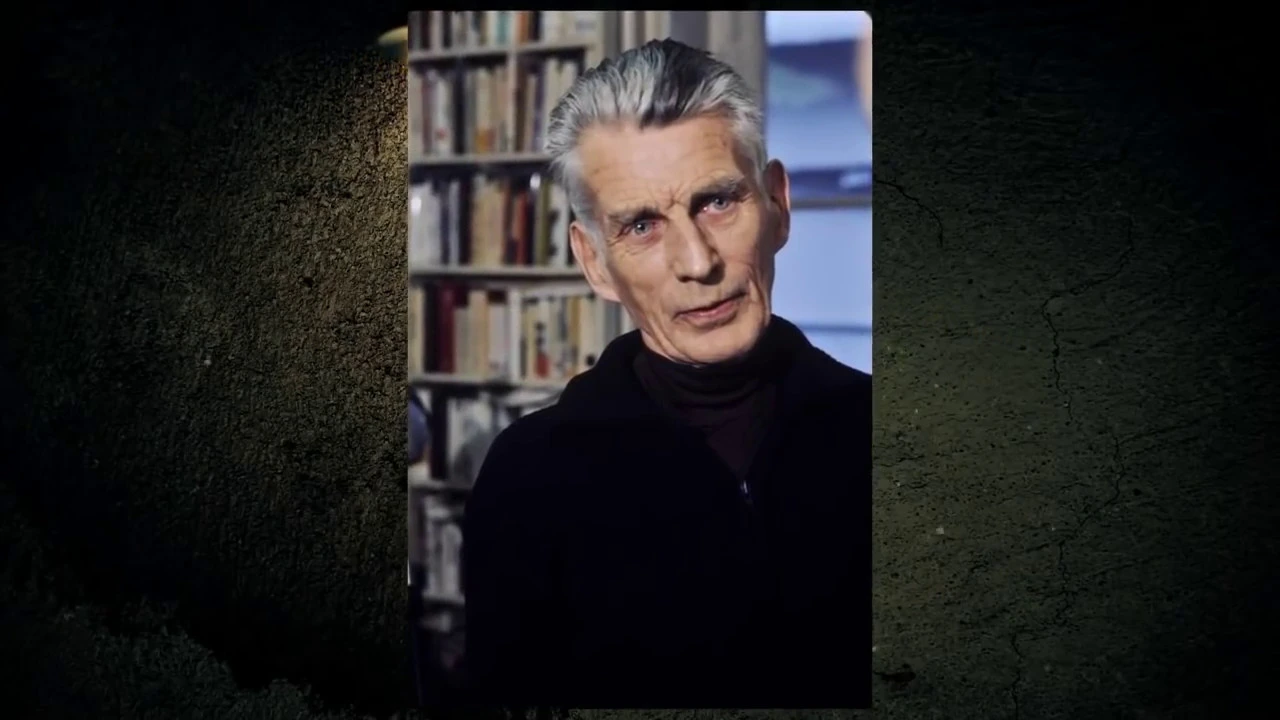







Theatre of the Absurd is a 20th-century theatrical movement that emerged from post-WWII disillusionment, representing human existence as meaningless and futile through plays featuring characters performing pointless actions with no discernible conclusion; key playwrights like Samuel Beckett (Waiting for Godot, End Game) and Harold Pinter explored themes of isolation, menace, and absurdity by rejecting realism and naturalism, using language rhythm and silence to convey the human condition's inherent futility, ultimately suggesting that recognizing life's absurdity can lead to genuine contentment rather than despair.
Theatre of the Absurd: Meaning and Impact Explained
Added:Fundamental concepts of Existentialism, particularly the philosophical writings of Albert Camus and Jean-Paul Sartre regarding the search for inherent meaning.
The historical impact of World War II, which left Europe in a state of physical, moral, and spiritual devastation, fostering widespread disillusionment.
Traditional Western dramatic structure, including Aristotelian plot progression, logical character motivations, and clear dialogue, to understand what Absurdism was reacting against.
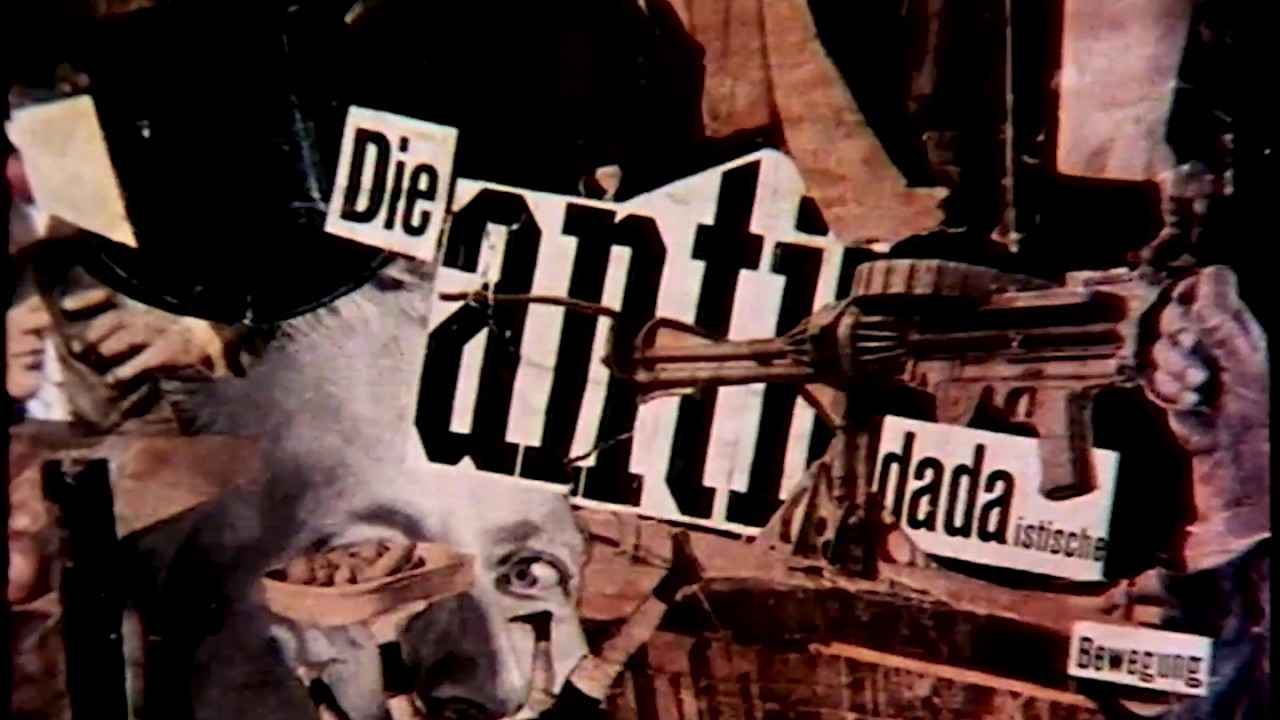
The basics of early 20th-century avant-garde movements, such as Dadaism and Surrealism, which rejected traditional aesthetics and rationality.
A close textual analysis of seminal absurdist plays, such as Samuel Beckett's 'Waiting for Godot' and Eugene Ionesco's 'The Bald Soprano'.
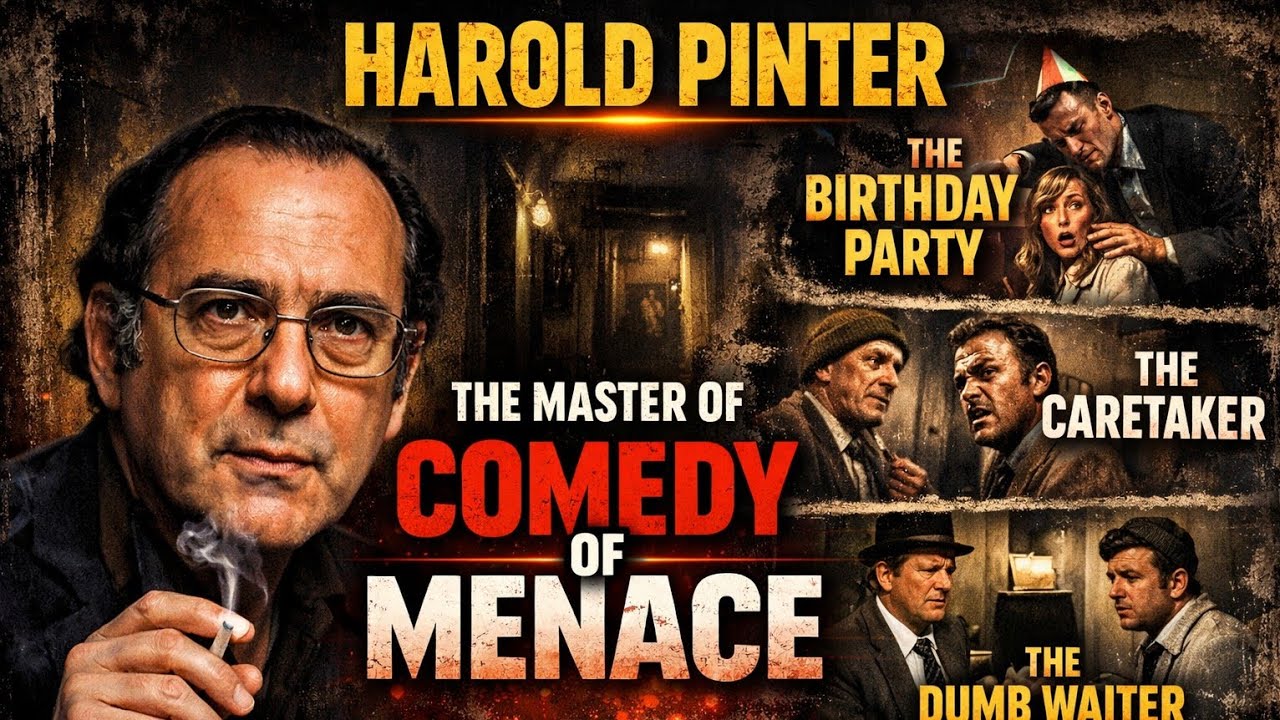
An exploration of Harold Pinter's distinct style, specifically investigating the 'Pinter pause' and the psychological tension of the 'Comedy of Menace'.
A comparative study of the Theatre of the Absurd with Bertolt Brecht's 'Epic Theatre', contrasting their approaches to political and social alienation.
Tracing the legacy of Absurdism in contemporary drama, post-modern literature, and dark comedy in modern television and film.
36.2K views959likes11:03Original Release: 2022-08-19
theatre of the absurd one of the more bizarre and out there theatrical movements one where the absurdity of human existence is pushed to the forefront and thought and action have no discernible conclusion but what exactly is this style and why is it important in making sense of our own lives? Hello welcome to organic acting so what is theatre of the absurd we're going to have to travel back to the first half of the 20th century to find our answer after the devastation of two world wars many practitioners in Europe felt disillusioned for them it was difficult to believe an aware omnipotent sympathetic god could exist after humanity had experienced such death and brutality on a global scale as far as they were concerned the church's teachings regarding a powerful yet benign figure way up in the clouds watching over man his creation just didn't hold up the absurdists believed man was alone on earth abandoned lost in a void of pointless futile actions think about it we get up get ready for school so we can study so we can receive qualifications so we can get jobs go to work earn money to fill our lives with things we don't need all until the day we're too old to work anymore and then we die pretty heavy stuff using the Greek myth of Sisyphus as a metaphor 20th century philosopher albert Camus demonstrated the absurdity of existence in the myth Sisyphus was punished by Zeus and forced to roll the gigantic boulder up a mountain only for it to roll back down once it neared the top Sisyphus would march back down the mountain and repeat the action again and again and again for all eternity so where does this bring us into the theatrical world of the absurd absurdist theatrical practitioners such as Beckett Adamov Ionesco Genet and later Pinter represented theatrically an existence devoid of meaning if life didn't make sense why should theatre? Theatre of the absurd rejects realism naturalism and logic preferring to use language that attempts to communicate the impossible characters perform pointless long-winded actions they make no progress literally or figuratively take Samuel Beckett's waiting for Godot a play about two trumps Vladimir and Estragon on a country road by a tree waiting for the character Godot to arrive by the play's end Godot hasn't turned up and Vladimir and Estragon are left alone waiting choosing not to leave right back where they started characters performing pointless long-winded actions check characters making no progress literally or figuratively check in Beckett's one-act play end game four characters shelter in a bare room away from the outside world following an unseen catastrophe Hamm is paralyzed his servant Clove is unable to sit down while Hamm's legless parents Nagg and Nell live in two dustbins situated by a back wall the characters are confined to the room with nowhere to go the outside world seemingly destroyed and dead unlike traditional theatre it is impossible and in itself pointless to try and apply analysis critique or to give absurdist pieces of meaning take this often quoted moment from the play itself we're not beginning to to mean something? mean something you and I mean something that's a good one! Well that was thoroughly weird it's even depressing however the exciting thing about the theatre of the absurd is that although plays can be bleak dreamlike and even nightmarish tragedy or in this case the tragic nature of a humanity without purpose is often mixed with comedy absurdist theatre can be funny say I am happy I am happy born in Dublin in 1906 Beckett is perhaps the most well-known of the absurdist playwrights creating many weird and wonderful pieces for the stage in his works language words and dialogue can seem confusing and disjointed but ultimately they work alongside Beckett's love for Commedia del arte and music hall and can create some bizarre and genuinely hilarious moments the absurdists were not interested in creating dramatic circumstances through theatre or offering a solution this isn't Augusto Boal's theatre of the oppressed but rather they preferred to present moments of bewilderment and ridiculousness as well as mystery and anxiety to accurately represent this view of the human condition we're going to move on from Samuel Beckett to one of my favourite playwrights of the genre Harold Pinter Pinter the son of a Jewish tailor in hackney east London was heavily influenced by Beckett and the tradition of the theatre of the absurd the world's Pinter creates are equally as barren his characters as lost and without meaning however and this is for me where Pinter excels in the theatre of the absurd he was extremely fond of a sense of menace the idea that the threat of violence is always present an impulse to which all human beings are susceptible it looks behind every smile every piece of small talk every handshake every companionable hug Go on have a sip from my glass sit on my lap take a long cool sip Put your head back and open your mouth take that glass away from me lie on the floor go on I'll pour it down your throat. Characters can say one thing and mean something entirely different they can demonstrate a simple intention and then tear off in an opposite direction threat danger violence all hide within and without the subject waiting to pounce upon the unexpected of course the entire notion of the theatre of the absurd of man alone blind stumbling through the darkness supports Pinter's wish to present all unseen menaces even those that exist beyond the room's four walls waiting to get in new neighbours pay a visit old acquaintances knock at the front door a phone call from the past shatters the status quo in Pinter's the dumb waiter two hired hitmen wait in a basement for their next target they talk about tea stories in the newspaper and the room around them their situation is really discussed while they're waiting the dumb waiter in the room springs to life and sends down a food order the men scrambled to put some bits together even though they only have their pack lunch to hand a message from the outside world arrives pitting one hitman against the other in the room Rose shelters from the outside world in her broken down bed sit with her husband Burt the landlord a visiting couple and a stranger from the basement all visit Burt and Rose shattering the quote unquote normality of their lives and the safety of the four walls like Beckett, Pinter's words and language can be used to dizzying effect the rhythm of the language being more significant than the words themselves you used to love flowers didn't you do you still love flowers he adores flowers the other day I saw him empty a piss pot into a bowl of lilies my dad was a gardener not your granddad no my dad that's right it was it was always walking about with a lawn mower well even in the old Kent road he was a man of the soil how about your granddad I've never had one yet small talk the unnecessary banter we all use with each other doesn't just represent the futility of our everyday lives and add comedy to the piece it draws the audience in and invites them to make conclusions for themselves the characters do not tell the audience everything but leave them to discover the incomplete parts they come up with hidden meanings from interpreting instances of silence and repetition Pinter didn't wish to lay everything out on a silver platter for an audience to devour without thought he was even less interested in instructing his audience to make change although admittedly many of his later works were very political in their message Pinter was once asked what his plays were about he responded the weasel under the cocktail cabinet although the response was an offhand comment and Pinter himself regretted such a label forever dominating his work I think it's rather fitting so what can we take from the theatre of the absurd this is a theatrical movement less concerned with the slice of life of realism or naturalism less concerned with the politics of Epic Theatre but rather a recognition of the futility of life and all the bizarre pointless hopeless hilarious actions that come with it but can absurdism teach us anything at all? Camus proposed that Sisyphus recognized the absurdity of his own plight every time he travelled back down the mountain to find his fallen boulder ready to roll it back up and start the process again in that moment he could be satisfied with his plight no longer striving for something better or looking for answers from god he was in that moment truly happy surely if we recognize the absurd in our own lives we are able to live content in a world without meaning want to learn about other styles of theatre? Have a look-see at these two videos here oh and don't be so absurd as to not click those like and subscribe buttons.
Up Next

8:37
Waiting for Godot and Absurdism: A Philosophical Analysis
@PhilosophyTube
359.5K views•2016-11-25

164:01
John of Damascus on Holy Images: A Theological Defense
@BannedBooks
139 views•2026-04-25

68:32
Should We Destroy the Machines? Big Tech Surveillance Critique
@TheStoriesWeTell303
167.9K views•2025-11-30
4:57
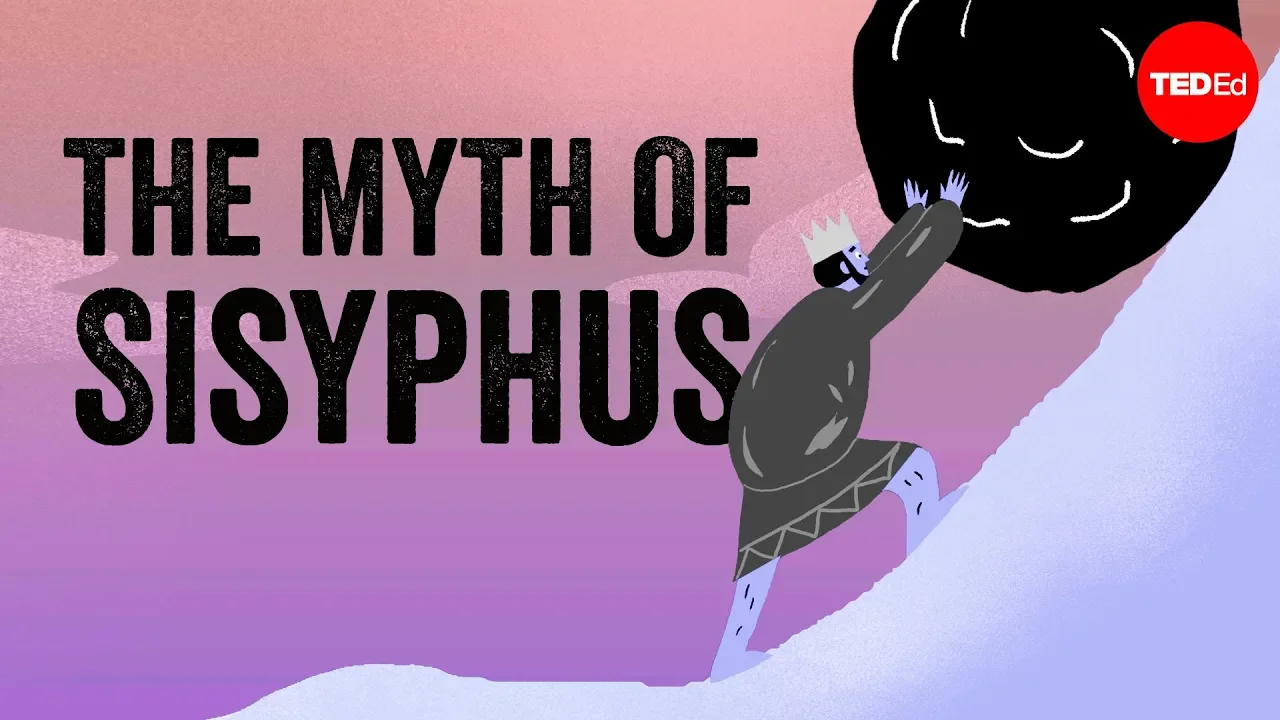
The Myth of Sisyphus: A Greek Legend of Eternal Punishment
@TEDEd
8.6M views•2018-11-13
Related Study Plans & Knowledge Roadmaps
Structured learning paths in Philosophy
philosophy
Frankfurt School: Critical Theory & Culture
01Foundations of the Frankfurt School and Critical Theory
02Horkheimer & Adorno: The Critique of Instrumental Reason
03The Culture Industry and Mass Deception
+ 2 more learning modules
12h5 modules
Explore Roadmap
philosophy
Philosophy of Language: From Frege to Austin
01The Linguistic Turn: An Introduction to Language in Philosophy
02Gottlob Frege: Sense and Reference
03Early Wittgenstein: The Picture Theory of Meaning
+ 3 more learning modules
15h6 modules
Explore Roadmap
philosophy
Feminist Epistemology: Standpoint & Injustice
01Introduction to Epistemology and Feminist Critiques
02Sandra Harding and Standpoint Theory
03Donna Haraway and Situated Knowledges
+ 2 more learning modules
12h5 modules
Explore Roadmap
philosophy
Environmental Philosophy: Ethics & Deep Ecology
01Foundations of Environmental Ethics & Anthropocentrism
02Biocentric Individualism and Animal Liberation
03Ecocentric Holism and Deep Ecology
+ 1 more learning modules
10h4 modules
Explore Roadmap