


















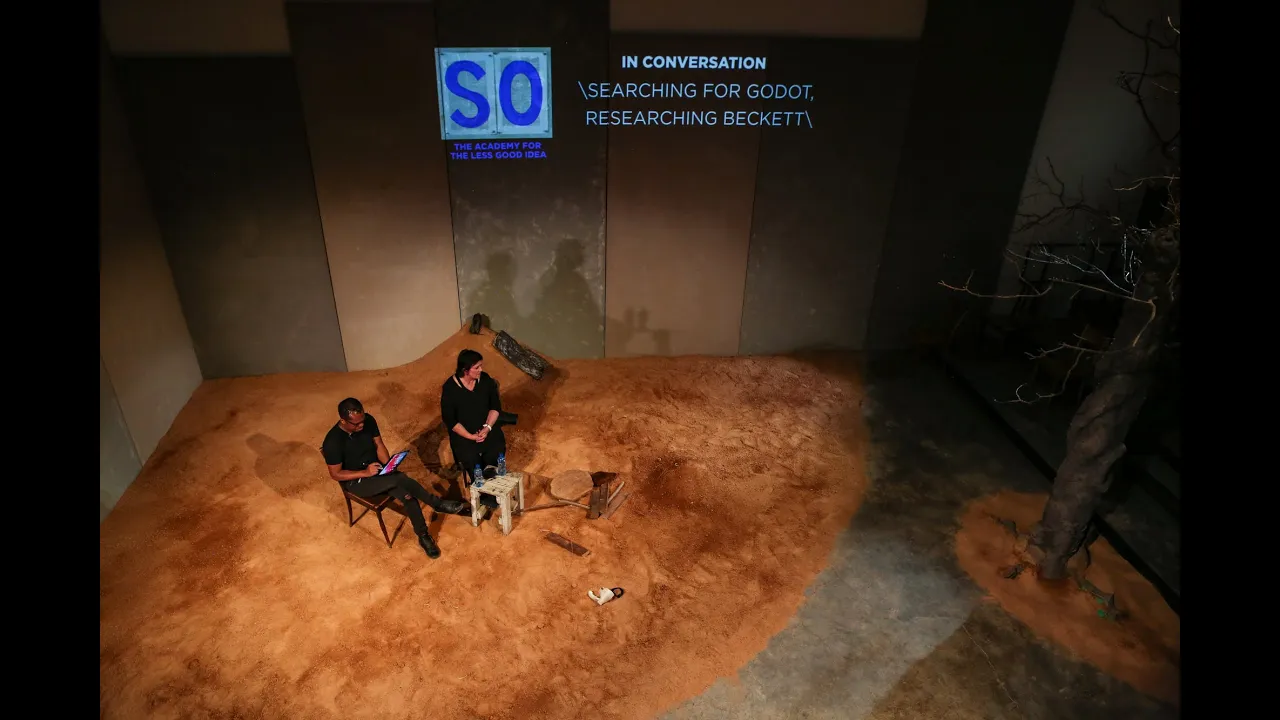

![[일당백] 고도를 기다리며는 왜 고전이 되었나? 인간에게 내일은 없다! : 고도를 기다리며 1부](https://i.ytimg.com/vi/bgUwYf6HNwE/maxresdefault.jpg)

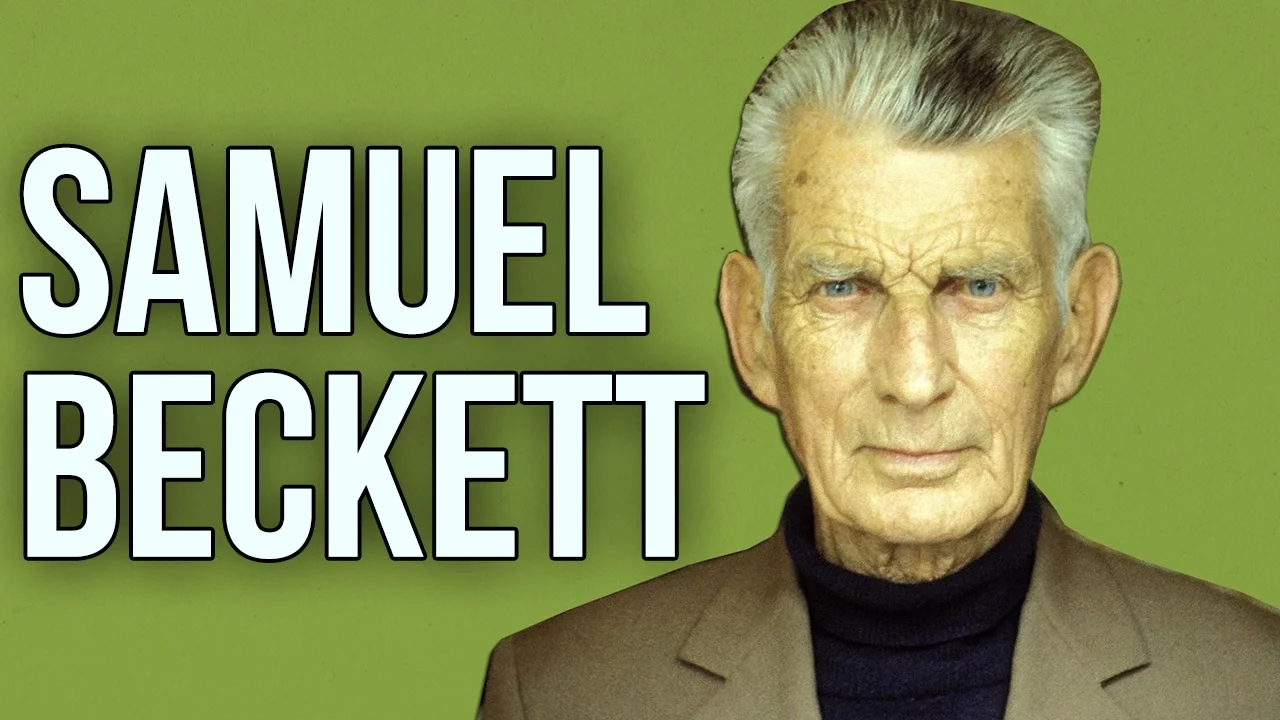
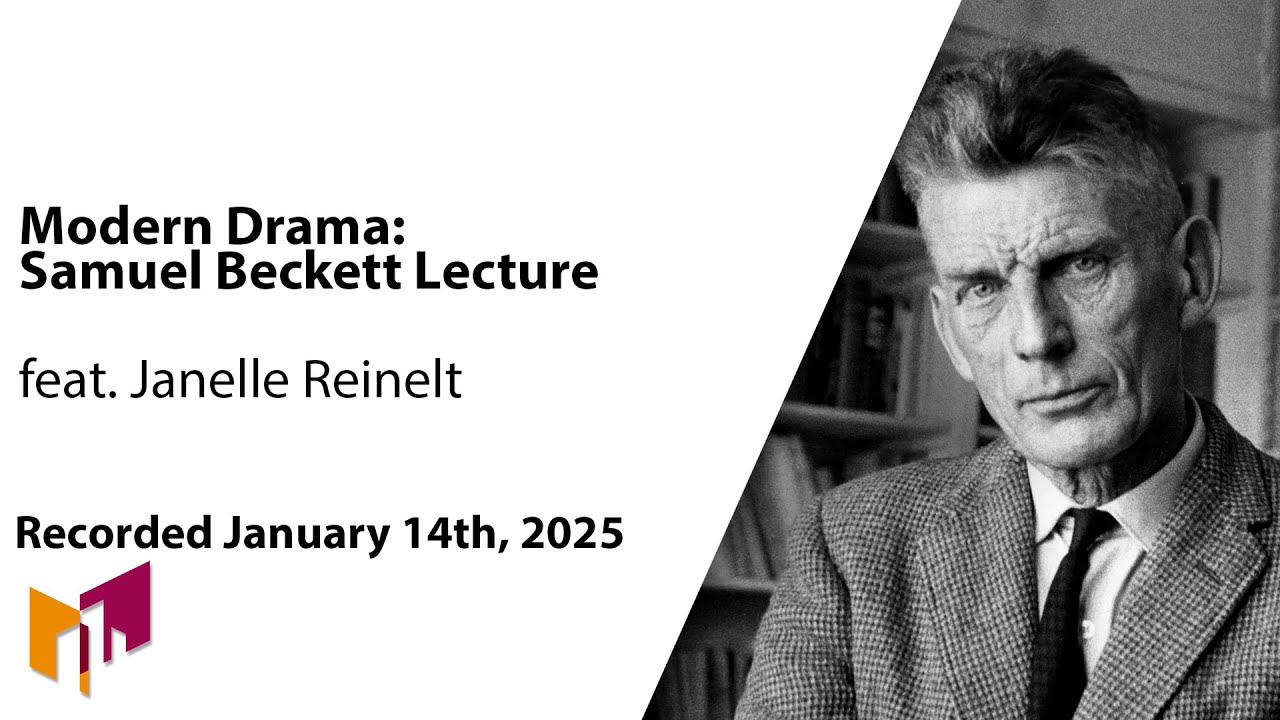
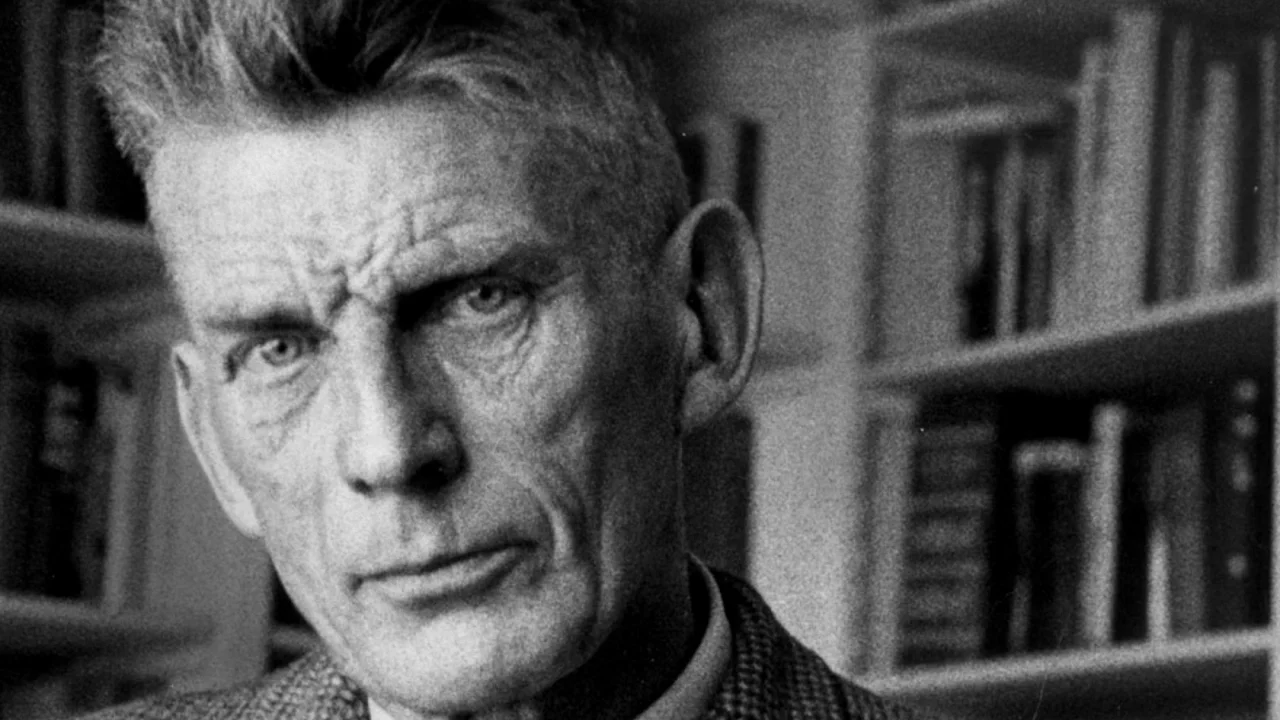
Samuel Beckett revolutionized 20th-century theater by stripping language down to its essence and exploring universal themes of waiting, aging, and human vulnerability through minimalist, emotionally resonant plays that challenge audiences to confront the fundamental aspects of the human condition.
Samuel Beckett's Legacy: Richard Wilson on Theater & Meaning
Added:The core tenets of the Theatre of the Absurd, particularly its rejection of traditional narrative structures, logical character motivation, and conventional dialogue.
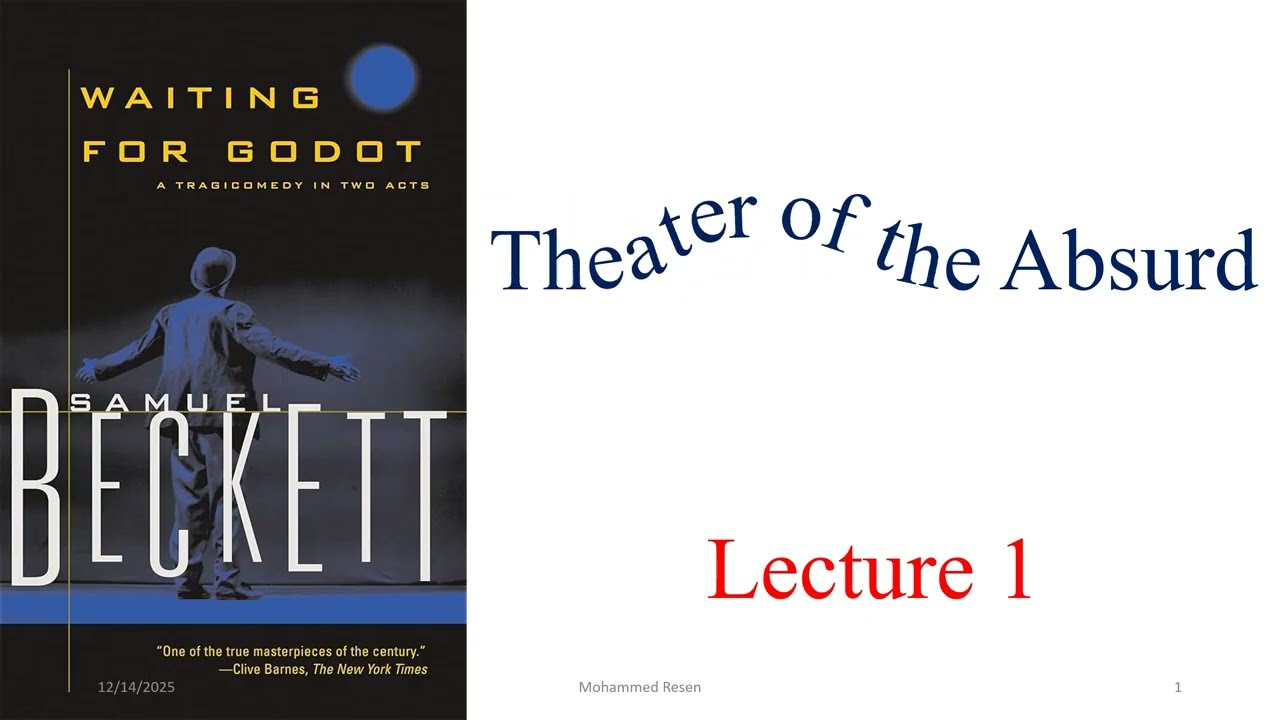
Familiarity with Samuel Beckett's seminal works, most notably 'Waiting for Godot' and 'Endgame', to contextualize discussions of his style and thematic elements.
The basic concepts of Existentialism and Nihilism, specifically the philosophical exploration of the human condition and the search for meaning in an indifferent universe.
The historical context of post-World War II Europe, which deeply influenced the trauma, disillusionment, and minimalist aesthetic of mid-20th-century literature.
A study of performance theory and the unique acting challenges presented by Beckett's strict, rhythmic dialogue and precise stage directions.
An exploration of Beckett's profound influence on later playwrights of the late 20th and early 21st centuries, such as Harold Pinter, Tom Stoppard, and Suzan-Lori Parks.
An analysis of Beckett's late-career minimalist prose and 'short plays' (such as 'Not I' and 'Rockaby') to examine the ultimate reduction of language, movement, and human presence on stage.
An investigation into how contemporary theater companies adapt Beckett's works across different cultural and political contexts to highlight issues of political oppression, climate despair, and human resilience.
71.7K views1.2Klikes29:17Original Release: 2017-11-04
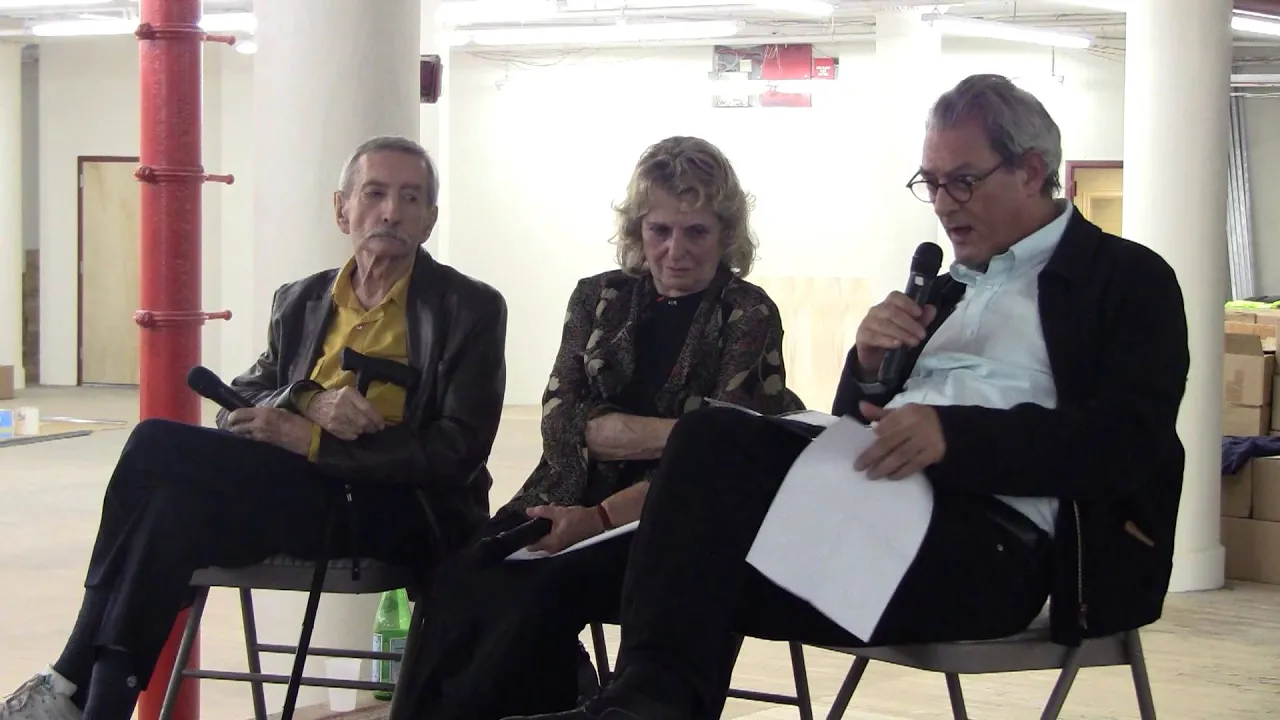
for my addition of arts night I've come to the annual Samuel Beckett Happy Days Festival in Enniskillen this Northern Irish town is where Beckett probably the greatest playwright of the 20th century spent his school years during his lifetime Samuel Beckett turned the very concept of theater on its head confounding and dazzling critics and audiences alike I know that Beckett's name comes with baggage but for every accusation of being bleak opaque and inaccessible he is also warm funny and humane that's my Beckett a playwright with the deepest sense of humanity and a wicked sense of humor a man who is willing to cast his characters into purgatory but with toilet jokes to break the monotony a Beckett play is an experience that pulls you in they connect you with emotions deep inside and once he has touched those innermost feelings he has you you are under his spell that's the Beckett I want to share with you Beckett's plays are constantly being performed with Waiting for Godot causing controversy for over six decades if I was to say to you what do you think God was about about what would you say is about waiting audiences embrace his immersive three ethical experiences that continue to defy explanation what I'd rare with him against the inevitable descent into old age plans for a less engrossing sexual life welcome to my arts night what a good boy Samuel Baker died in Paris in 1989 but his star continues to rise he's never been more popular or more influential Beckett's work was written in the aftermath of two bloody world wars but continues to speak to audiences today what is it that keeps bringing us back to Beckett I adore his writing all of it not as his plays he's writing from the gut from his bloodstream from his heartbeat he is an arch innovator but somebody with whom anybody in my view can relate Becca's groundbreaking plays have stayed within our collective consciousness challenging our expectations of the stage there's a lot of references to vaudeville and sort of comedy and slapstick as we know particularly in God oh I met back in 1971 and we started talking about silent movie actors actually admired them and if you look at Charlie Chaplin Buster Keaton it's all artificial you know psychological is like naturalistic as we know he didn't want them investigated psychologically as you would most texts he wanted them to be scores like musical scores born in Dublin in nineteen six Beckett made Paris has adopted hometown of writing and French distilling the language down to its essence he was very interested in directing and directing became a very important part of realizing his plays some people might have called him a control freak those Beckett directions they're very particular and very prescriptive and they're just pointers for you to muse over every now and then you should never feel like well you can't do a certain thing with Beckett I think as an actor it has to be you it has to be human the success of Waiting for Godot thrust Beckett into the public eye people knew that he was a mysterious that he was quiet and that he was not a publicity seeker at all he ran away from it his great quality was that once you spoke to him for five minutes it stayed with you and you pretended that you had known him all your life I sought gentleness I'm not sure everyone else saw my kindness when I turned 15 16 I started writing poetry and I would send him stuff I would send him my my garbled attempts at prose and poetry and if you liked it he would answer and if he didn't he wouldn't you know Beckett is supposed to be some misanthropist and depressive and we had rather a manta sighs this reclusive character you know I think he loved people you can tell he loved people because he loves his characters you never tried to lecture us or tell us what it is of what it was about and he left it as a question and that's what gives the space in the mystery to his works we mustn't have him on this pedestal because it's manat a healthy creative imaginative place to put any artist you know they've got to be down in the dirt with the rest of us a country road a tree evening the scene is set Beckett's breakthrough masterpiece Waiting for Godot is arguably the most important play in the 20th century when godoh premiered in Paris in 1953 it challenged all aspects of theater pushing the limits of plot and character defying the rules of time and space but with Beckett there are no easy answers and perhaps the best way to make sense of this enigmatic piece of theater is to examine his history you why didn't forget it was a play wants to be in one day to explore unknowingness it seems to explore regions of irrationality sure it was here but we would wait he said by the tree see any other probably than actually don't need to worry too much about meaning and you probably shouldn't it's what the place suggests to the audience that's interesting what are you insinuating that we've come to the wrong place he should feet here and he didn't say for sure and he'd come and if he doesn't come come back tomorrow and then the day after tomorrow possibly and so on the point is till he comes your mercy [Music] I have always loved waiting for godot but even though I played Vladimir twice there are still questions I'd like answered as it may where nothing much seems to happen to tramps Friends of old wait by a tree for the ever elusive God Oh with her in a brief distraction of a master and his slave to help them pass the time the play is so deceptively simple they've been returning to it for over 60 years [Music] I'm meeting up with Professor James Nielson Samuel Becker's close friend for over 20 years and his official biographer to discover how Beckett managed to put his unique vision on stage Richard Jim welcome hello so glad to meet you and shall we go through to the archive oh yes I can't wait right thank you to you this is a photograph all over the original production yeah they had so little money to play with yeah and this is a tree they made but he's made of coat hangers I mean that was all it was yeah with paper wrapped around each bit yeah and then you see the characteristic bowler hats yeah the two trims did Beckett have much to do with the first production he did Richard yes he was very involved although he had very little practical knowledge of the theater he went to rehearsals virtually all the time here is Rajat lamb who was really very innovative as a director he let blur get on with it because he felt that glare had this instinctive understanding of his work bleurgh instinctively recognized that Beckett was subversive in God oh nothing is resolved there is no day no more there is no exposition it's all situation can I just do something for me where's Richard Wilson yes say something I'm trying say anything at all what do we do now wait for God oh oh let me say was a bit naughty it is threw that at me I can now die happy beca's revolutionary new play was gathering interest outside France he bowed to demand and translated God oh into English the place UK premiere took place here at the Arts Theatre on August the 3rd 1955 a theatre dedicated to bringing audiences new and experimental players not found in the West End no other theatre who was willing or able to stage the production partly due to the country's censor who balked at Beckett's toilet humor and Deedee's prostate predicament as a members-only Club the Arts Theatre bypassed those laws allowing a statistic director and then 24-year old Peter Hall bring God all in all its controversial glory to the British theatre the play polarized audiences some were energized others were confused a few dime right bored many even walked out but it would be the revered theatre critic Kenneth Tynan who would come to the rescue of Baker's masterpiece with his review in The Observer on August 7th 1955 Waiting for Godot frankly jettisons everything by which we recognise theatre it arrives at the Custom House as it were with no luggage no passport and nothing to declare yet it gets through as might a pilgrim from Mars the stage have been set for a play that has lasted over 60 years so far with no sign of slowing down [Music] I'm meeting up with my old friend Sir Ian McKellen enas turned in 450 performances as Estragon opposite Sir Patrick Stewart fladam eeeh have you ever wanted to play Vladimir no because that's the tricky part you rarely see a good Vladimir Richard and I miss jaws but I don't think you ever see a bad Go Go Go goes the easy part he's the low comedian I think of that of the truth I remember when I first did it I was at I was much younger and playing it was so enjoyable and when I saw your production was very clear that you were having a great time we were by the time you saw it we'd been educated by the audience very early on they started to nod and sometimes raucously I mean when we arrived at the King's Theatre Edinburgh to packed houses just for a performance it was if the crankies had come into town I mean never [Music] you should have been a poet oh I was is not obvious one of the problems of doing Beckett is that he directed waiting for God himself and therefore we think there is a way to do the play that he laid down and I'd like to see God over there most fantastic naturalistic set I think that would be fun it just have to be done as it originally was in in a cellar whether it had no amenities and therefore there was no set I mean isn't that the real reason that was never set you couldn't afford one so if I if I was to say to you what do you think God who is about about what would you say it's about waiting and once Beckett pointed out that the human condition is as much about waiting as it is about achievement you're right Sam and I would I wouldn't say it was any more than that but it's a very very big discovery that Beckett made on our behalf well what's amazing I suppose is the fact that God that Beckett's work is lasted for so long and is still hugely popular I think I think the reason it is so popular so instantly understood is in the title we're all waiting for God I've got her maybe Christmas or your birthday the job or the love of your life or at our age death but we're all waiting there are other things happening in art too but no one realized that put into words until until Beckett I've I think that his is his great gift to us all [Music] Samuel Baker to consistently resisted alterations to his plays this includes a blanket ban on all woman versions of God o baker declaring women don't have prostates but he's also written some of them most original and challenging pieces of theater specifically for the female voice Irish actor Lisa Braun has immersed herself and the one woman plays a vacant allowing the writer to get firmly under her skin I'm currently in the middle of an international tour of three of Samuel Beckett's late one-woman plays not I rock by and footfalls the most demanding roles for a woman in Beckett's or anyone's repertoire all three plays are closely associated with the actress Billie Whitelaw who died last December when she first read not I in 1972 she said well that's it Sam you've finally written the unlearn able and the unplayable thought she went on to learn it and play it making it her own for all the truth and bravery throughout his writing I believe Beckett kept his innermost truths and demons for his late works particularly in his female characters here we find in tackling his most primary and domestic wounds among them his mother may Beckett with whom at times he had a somewhat fraught relationship Mei was disappointed with her son's decision to turn down a perfectly respectable job as a lecturer in Trinity to follow James Joyce to Paris it is Mei who was on the stage pacing in footfalls in a state of trauma in conversation with mother who is an ailing voice offstage would you like me to change your position again yes but it is too soon but if the inspirational source starts with his relationship with his mother or his homeland or death by beginning with the kernel of his truth he activates our own Beckett's work then moves far beyond or biography peeling away at the human situation pairing language down to it's very poetic essence and its effect is terribly potent Beckett takes the art of reduction to the extreme and not I all the audience ceases of disembodied pair of lips hovering eight foot above the stage speaking of frantic fragmented monologue at the speed of thought before his time in a godfather what girl yes tiny little girl in an entirely blackened out auditorium these disembodied lips often appear to float are oscillating in the audience's mind which is actually similarly I met Billie Whitelaw after I first performed not I over 10 years ago a year later I got a call out of the blue it was Billie I want to give you his notes I have to give you his notes in her kitchen later that afternoon she simply told me to sit down and begin started speaking she sat directly opposite me and began waving her hand conducting me just as Beckett had done with her at her kitchen table over 40 years ago Billy was passing the flame to me but it came with a warning not I took such a toll on Billy that by 1977 she had declared I will not play that role again I cannot if I do then I shall go mad and she told me I lost a piece of me in there and it never got any easier in order to keep my lips in this pinprick of light that's shining directly into my mouth it's necessary for my head to be tied into this head harness which only takes a ferret of my head and my stage manager then straps the my head and my arms are put into these brackets and it's not only a physical stripping don't act no caller Becca told Billy he wanted a performance at the speed of thought to play on the nerves of the audience and not the intellect in those I Beckett actually puts the mind on stage the disembodied mind but hugely disciplined as it has to be and physically torturous playing not AI is the most expansive and liberating thing I have ever experienced to have your body removed as a woman as one of the greatest gifts I have ever known with the sensory deprivation I experienced in not I I don't even feel like a human being half the time up there and that is just so liberating into this world this world before its time and I got for what girl yes tiny little girl into this Saturn to this before her time godforsaken hole cold cold no matter parents unknown unheard of even vanished thinner Anna stood a button dip his britches she similarly eight months later almost of the tick so no love spared that no love such as normal effected on the speechless infant in the home now nor indeed for that matter any of any kind no love of any kind at any subsequent stage certificate fair of course it costs me no players ever wanted so much of me but I get to peel away the trappings and entrapment of a woman of what society does to us as women and go beyond the limitations we set ourselves the little palatable realities shaped by our fears Beckett's women are much more than characters they're more elemental than that more like slices of life and it's this huge bounder Ennis quality that makes Becket one of the greatest writers for women of all time I can hear the female voices in not I Rockabye own footfalls each individual and distinct Beckett looked for his inspiration in the cracks of society dusting off the gems from our darkened coroner's but the genius of these works is that they go beyond character and beyond location and reach towards a reckoning with the human condition that's visceral and immediate that's what excites me the most about performing these works what she was what oh no she Beckett's work could be difficult and obscure but there is one heartbreaking play he wrote that I think and speak to well everybody did John's audiences because it deals with a messy business of growing old and the regrets we pick up on the way [Applause] [Music] written in 1958 Krapp's Last Tape is about an aging writer with an unhealthy addiction to bananas reliving his youth via a reel-to-reel tape recorder great granite rocks Lathon flying up in the light of the lighthouse and the wind gauge spinning like propeller this is Patrick Magee who Beckett adored as an actor just be listening that stupid bastard I took myself for thirty years ago hard to believe I was ever as bad as that Pickett wrote the play after hearing Magee in a BBC radio production of his novel Malloy is of my region I knew them where the immunities of my region Baker was so moved by the cracked tone of Patrick McGee's voice that he began to write a new play here in the actors distinctive dialect in his head he described the character as a where he showed man with a wheezy wound old voice and some characteristic accent his working title was McGee's monologue and the Northern Irish actor would go on to give one of the most acclaimed performances of his career I noticed a scratch on her thigh and asked her how she came by picking gooseberry she said I said again I thought it was hopeless and no word going on and she agreed without opening her eyes [Music] Krapp's Last Tape feels so personal because it is Beckett's most autobiographical play filled with imagery drawn from his own life and is a play that is naturally attracted theaters great veteran performers 3 a truly radical version came to London this summer by the Maverick actor and director Robert Wilson it's a story about love I think that's what touches is that's what's mysterious about it yes it's a love story it's a man who's in love with the Machine the way he touches his machine and the way he looks at it so it's very modern very contemporary just been listening to an old ear passages of random I did not shake in the book but it must have been at least 10 or 12 years ago and last year at the age of 78 I took on the challenging role of crap myself the voice Jesus and the aspirations and the resolutions that's very unusual I'd never done a one-person play before it's very it's a bit lonely plans for a less engrossing sexual life a lot of people came to see perhaps last tape who had never seen Beckett Ned's in victor Meldrew that's who they were coming to see in a way I suppose it it's better to do crap when you you're getting to my age and it's quite clear as the play goes on the crap is on his way out crap is dying in fact I believe some members of the audience found it quite moving that they were watching an old man because one never really thinks at once yeah is enough and the final words listen to by a man near in the end are some of the most moving in all literature perhaps my best years are gone when there was a chance of happiness but I wouldn't want them back not with the fire in me no no I wouldn't want them back [Music] that's all from me I want to leave you with a little something I prepared earlier good night well well what we could do now it just have a few moments of sitting here waiting [Music] you
Up Next

3:22
Rhinoceros by Eugène Ionesco | Theater of the Absurd | Summary & Analysis
@GhostCops
70.6K views•2008-04-29

13:43
Formalism in Literary Criticism: An Academic Lecture Overview
@mattalberhasky9952
39.1K views•2015-08-05
58:35
Virginia Woolf's Mrs. Dalloway: Modernist Novel Analysis (1987) | Literary Criticism
@ManufacturingIntellect
148.6K views•2018-11-26

15:25
1984: Orwell's Dystopian World and the Mechanisms of Totalitarianism
@AlternateHistoryHub
7M views•2017-03-04
Related Study Plans & Knowledge Roadmaps
Structured learning paths in Literature
literature
Graphic Memoirs: Visual Art, Trauma & History
01Foundations of Sequential Art and Visual Language
02Autographics and Processing Historical Trauma
03Visualizing Personal Trauma, Grief, and Graphic Medicine
+ 2 more learning modules
14h5 modules
Explore Roadmap
literature
Campus Novels: Evolution, Themes & Critique
01Introduction to the Campus Novel Genre
02Mid-Century Satire and the Post-War Academy
03Dark Academia and the Critique of Privilege
+ 2 more learning modules
14h5 modules
Explore Roadmap
literature
Theater of the Absurd: Philosophy & Plays
01Postwar Existentialism & Historical Roots
02Dismantling Narrative: Esslin & Absurdist Conventions
03Samuel Beckett and Tragicomic Existentialism
+ 2 more learning modules
12h5 modules
Explore Roadmap
literature
Revenge Tragedy: Justice, Madness & State
01Foundations of Early Modern English Theatre
02Anatomy of Revenge: Structural Conventions
03Psychological Complexity: Madness and Melancholy
+ 2 more learning modules
15h5 modules
Explore Roadmap