![Theatre of Absurd [Drama] in English Literature: Definition, Characteristics, Elements, and Examples](https://i.ytimg.com/vi_webp/g9V3HkEYE9w/maxresdefault.webp)



![[Full-Part1,2,3]การเดินทางของ Wanda Maximoff ใน MCU #JoonnerMy](https://i.ytimg.com/vi/jE7Wr5GAQ4c/maxresdefault.jpg)

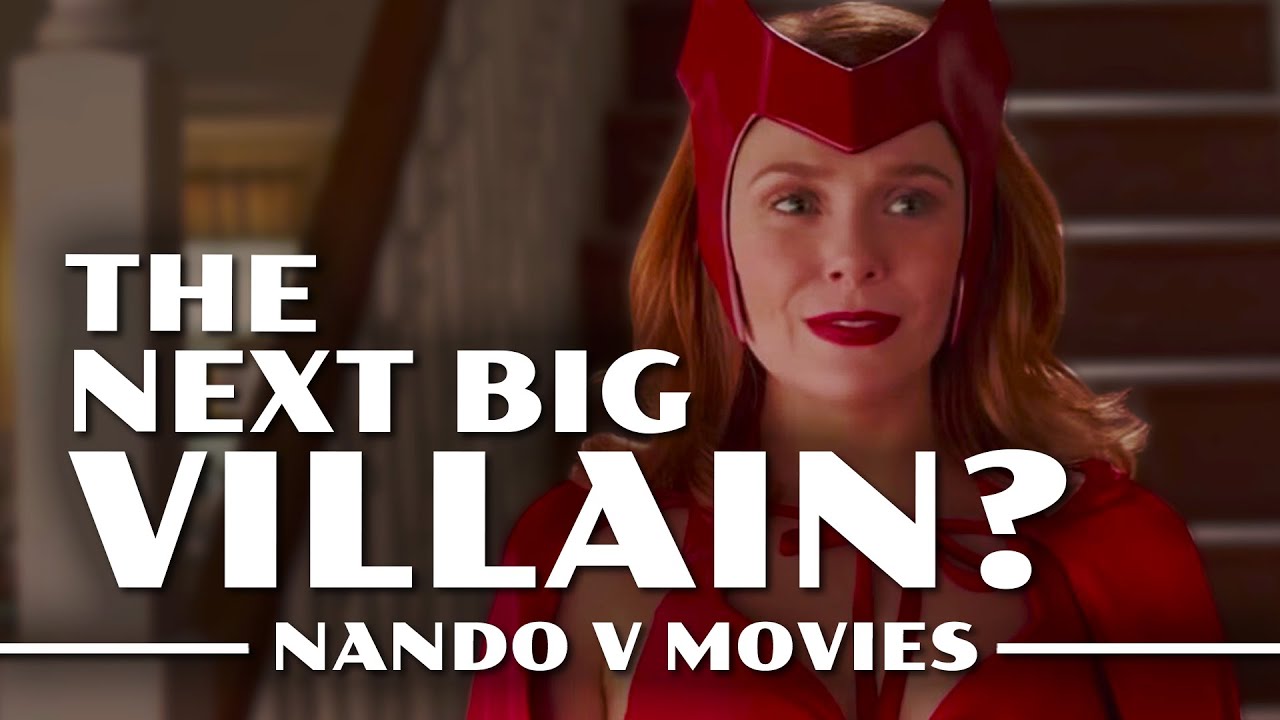





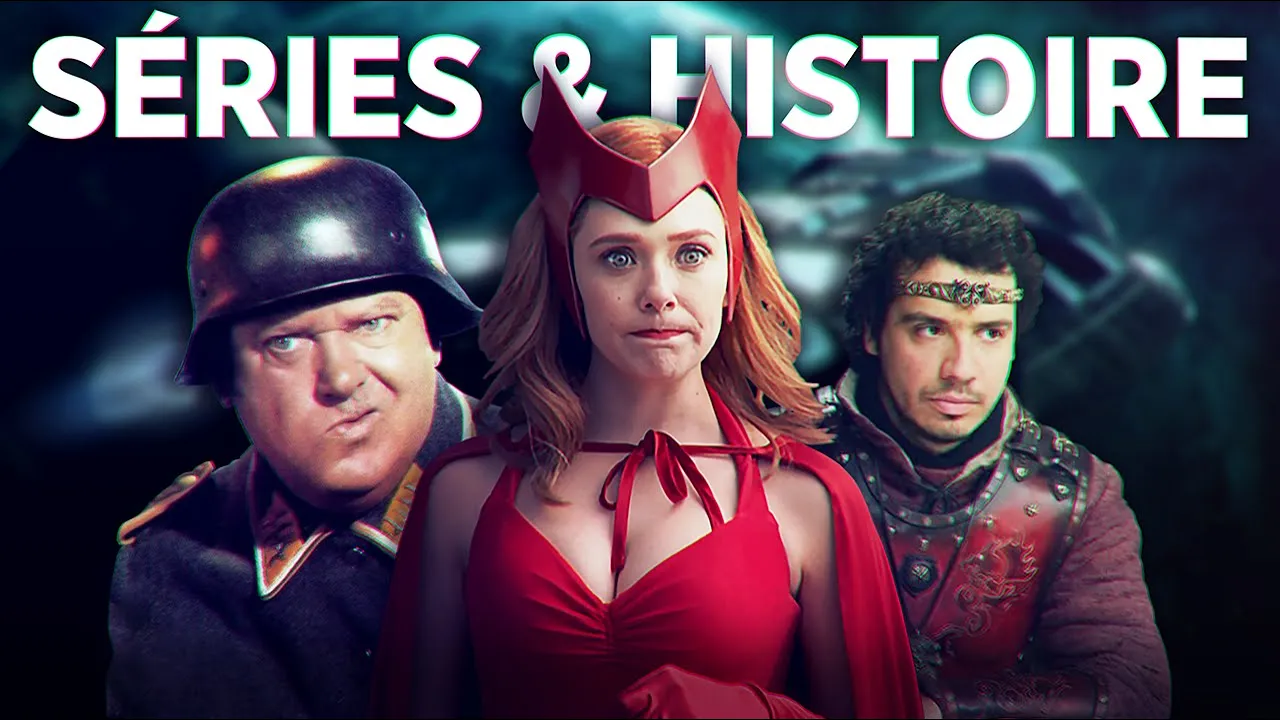












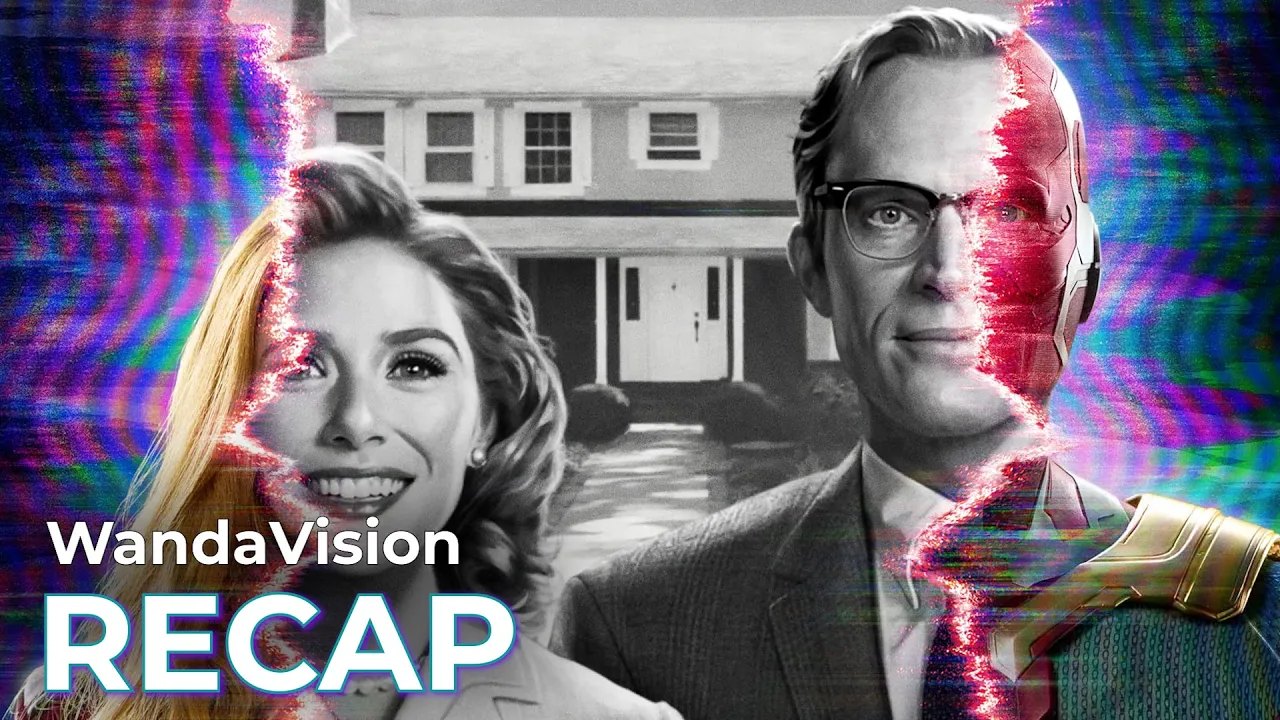
WandaVision uses sitcom tropes to explore Wanda Maximoff's trauma, but its deeper meaning lies in its resemblance to the Theater of the Absurd—a post-WWII theatrical genre where playwrights like Samuel Beckett and Eugene Ionesco created nonsensical plays to express the futility of human existence and the loss of meaning in a world without faith or clear moral order. The show's progression from a seemingly orderly sitcom to an absurd reality mirrors how trauma survivors attempt to create meaning but often find themselves in situations where nothing makes sense, reflecting the MCU's shift from clear moral dichotomies to more complex, morally ambiguous narratives.
WandaVision and the Theater of the Absurd: A Trauma Analysis
Added:An understanding of the 'Theater of the Absurd' literary movement, including key characteristics like existential dread, repetitive dialogue, and illogical situations (e.g., Samuel Beckett's 'Waiting for Godot').
Familiarity with Wanda Maximoff's backstory in the Marvel Cinematic Universe (MCU), specifically her history of loss and trauma preceding the events of 'WandaVision'.
Basic knowledge of psychological defense mechanisms, particularly denial, dissociation, and the five stages of grief (the Kübler-Ross model).
An awareness of the historical evolution and tropes of American television sitcoms from the 1950s to the 2010s, which serve as the aesthetic framework of the series.
An exploration of Existentialist philosophy (e.g., Albert Camus' 'The Myth of Sisyphus' and Jean-Paul Sartre's essays) and its application to modern popular culture.
A comparative study of other contemporary television shows and films that utilize absurdist or surrealist techniques to represent psychological trauma (e.g., 'BoJack Horseman', 'Atlanta', or 'Synecdoche, New York').
Investigation into Media Psychology, specifically focusing on how nostalgic media serves as a psychological coping mechanism and comfort during periods of societal or personal crisis.
Analysis of narrative structure shifts in post-Infinity Saga MCU properties, examining how the franchise transitioned from plot-driven action to character-driven psychological studies of grief and identity.
179.4K views8.2Klikes11:24Original Release: 2021-05-03
this video is brought to you by keeps hey wisecrack michael here and today we're talking about the best witch-centric program since charmed that's right wandavision the show is definitely a deviation from typical marvel properties the majority of the show is a trixie and sometimes downright trippy delve into one woman's grief at the loss of her robo boyfriend the show also parodies american sitcoms ranging from oldies like i dream of genie all the way to modern family which had us wondering why is one division set in the world of classic sitcoms fred and linda are building a moat in a fully functioning port college and no one even knows why then what does that have to do with wanda's grief and trauma and most importantly can the show tell us anything about the future of the mcu let's find out in this wisecrack edition on wandavision how we cope with trauma euler's ahead for wandevision and the mcu at large before we tackle this gigantic franchise we're going to take a second to shout out this week's sponsor keeps if you know someone who is bald then you know that it's a bold style choice and some guys just don't want to rock it it can make you feel insecure to lose hair but prevention is key so the sooner you act the more hair you could save keeps is a subscription service that focuses on making it easier and more affordable to get your mail pattern baldness treated online you'll meet with a real doctor online automate shipping and get everything delivered to your home so you never have to stress about in-person appointments or going in to grab your refills keeps offers the generic versions of the fda approved medications that are made for hair loss that makes it more affordable the process is so simple that you should try it out for yourself today take action and prevent hair loss by going to keeps.com wisecrack or click the link in the description to get 50 off your first order that's k-e-e-p-s dot com wisecrack now back to the show one division tells the story of wanda maximov the mcu's most important character i don't even know who you are okay so she's been a bit of a side character up to this point though one who's been royally screwed over throughout the infinity saga her parents were killed by a stark industry's bomb her brother was killed by ultron then she had to kill her robot boyfriend to save the world only for thanos to turn back time and kill him again right in front of her wanda had already been through a lot even before she tried to give vision a proper burial only to see him being disassembled for parts by the government so maybe it's no surprise that she decided she'd had enough of this world and created a new one for herself i mean who hasn't been there and this is what we find really interesting because in creating a perfect but still creepy reality in of all places new jersey the show bears a strong resemblance to a very real kind of theater now the show is clearly creepy but we don't actually know just how creepy at least at first while the first three episodes crib the cheery aesthetic of classic sitcoms there's something very off oh arthur stop it and as the season progresses the residents of west view start to question the nature of their existence the details of their lives are muddy at best their neighbors and co-workers are more like caricatures than real people and the laws of logic and physics don't seem to apply this arguably makes one division feel less like a typical episode of i love lucy and more like a genre of theater called the theater of the absurd in the aftermath of world war ii european playwrights like samuel beckett eugene ionesco and arthur adamov started writing plays that didn't really make sense but that was the whole point theater critic martin eslin coined the term theater of the absurd to categorize these plays which he described as a veritable barrage of wildly irrational often nonsensical goings-on that seem to go counter to all accepted standards of stage convention the laws of probability as well as those of physics are suspended [Music] people in these plays frequently seem like mere marionettes helpless puppets without any will of their own not unlike this as eslin puts it as a result it is often unclear whether the action is meant to represent a dream world of nightmares or real happenings this pretty accurately describes wandavision and by that we mean one division show within a show which is enjoyed by a small audience of federal agents inside of a tent the most famous absurdist play is samuel beckett's waiting for godot in which two characters spend the whole play you guessed it waiting for someone named godot to show up we never learned who they are how they got there who gdo is or why they're even waiting for him in the first place in my opinion we were here yeah recognize the place i didn't say that well that makes no difference this sounds not unlike two superheroes inexplicably wondering why a calendar date is marked well don't tell me you have forgotten viz forgotten i wonder i'm incapable of forgetfulness i remember everything or an audience wondering why two avengers are now living in a black and white sitcom who are those people what are you wearing why are they here what are you wearing it's our anniversary although to be fair they get to that later the abandonment of traditional characters and plots in absurdist theater is meant to highlight the ultimate futility of mankind's existence as eslin writes the spectators of the theater of the absurd are thus confronted with a grotesquely heightened picture of their own world a world without faith meaning and genuine freedom of will we moved from and we were married yes yes we were married well move from where married when all that said it's important to note the ways in which wand division is not absurdist theater we eventually find out that wanda is actively creating and controlling the sitcom and filling in the details as she goes which explains all of the nonsense but we think there's something deeper about her attempt to create a sitcom a genre in which the world makes sense and where values are clear and consistently reinforced using television to escape the messy absurd world is after all something wand has been doing since she was a kid it seems that even in wanda's native sokovia a fictional vaguely eastern european country this vision of the ideal family life allowed people to escape their grim realities for one in which problems easily resolve at the end of an episode again is like problem but more silly than scary but can sometimes be a little scary yeah like a mischief but a silly mischief that always becomes fine but despite wanda's best efforts to create an orderly world where everything makes sense she instead creates something closer to an absurdist play where nothing makes sense and meaning is hard to grasp if it exists at all i only remember feeling completely alone empty i just endless nothingness nothing to be done i'm beginning to come around to that opinion much like wanda herself the european playwrights behind the theater of the absurd experience the effects of war first hand so when they went to write plays that expressed their trauma they found that traditional theatrical conventions didn't quite cut it as eslin explained at the time the loss of a sense of control over rational human development in an age of totalitarianism and weapons of mass destruction have all contributed to the erosion of the basis for a dramatic convention similarly when wanda tries to create a world where meaning is clear and problems are easily resolved she instead creates one that's even more meaningless than the one she left behind in the process she finds that her problems can't be solved by sitcom escapism i have no answers i zip zero i'm starting to believe that everything is meaningless in trying to become a sitcom showrunner and star wanda inadvertently creates a piece of televised absurdist theater for an audience of well mostly just darcy so is marvel trying to show us the futility of trying to make a neat and ordered world amidst the chaos of the universe maybe and if so that's definitely a change of pace for the studio for over a decade now the mcu has sold us on the idea that heroes are worthy of our faith even if they are flawed in their own ways the lines between right and wrong and good and evil are always pretty clear in marvel films and even when they do get blurry we can be sure a bad guy did the blurring and the avengers they went home i knew i couldn't kill them more powerful men than me have tried but if i could get them to kill each other now with its two biggest heroes out of the picture is marvel trying to explore new world views does this dabble into the absurd mean we're gonna see an mcu that's less black and white that's what theater of the absurd did at least eslin writes the theater of most previous epochs reflected an accepted moral order to such audiences right and wrong were never in doubt nor did they question the then accepted goals of human endeavor that pretty accurately describes the mcu prior to wandavision now we haven't been through another world war yet but the characters of the mcu have and they're all dealing with that trauma in different ways between the marvel properties we've seen since endgame it seems that the studio is actively choosing to focus on that trauma and in doing so it has intentionally or otherwise invoked similar feelings of post-war depression where the mcu used to be a world of clear moral dichotomies with one team of good guys and one group of bad guys phase four so far has brought us a lot of heroes that sometimes act like villains and villains that make some pretty good points bravo much like absurdist theater points out the impossibility of a clear moral universe that our naive child brains desperately long for it seems like the mcu is admitting that things might not be as simple as captain good thanos bad and the fact that the studio is willing to explore such a world view and the fact that the show was such a success hopefully means they'll be willing to take more risks on artists that want to genuinely question the moral absolutism of the avengers era and hopefully we'll see a lot more of up-and-coming actor ralph boner boner but what do you guys think is the mcu entering its own post-war period or was wanda vision just a brief intermission in an ongoing stream of costumed kickassery let us know in the comments big thanks to our patrons for all your support hit that subscribe button like you're casually hexing an entire city and don't forget to ring that bell and as always thanks for watching later [Music] you
Up Next
29:42
Decoding Camera Language: Cinematic Choices & Emotional Impact
@Indie-Film-Lab
156 views•2026-02-12

23:14
Visual Analysis Essay: How to Analyze Graphic Novels in College Writing
@nataliepleimann5941
1K views•2020-10-14
17:05
Shutter Island: Film Noir, Trauma, and the Nature of Evil
@WisecrackEDU
308.2K views•2019-10-19

4:00
Evolution of Darth Vader: Anakin Skywalker's Animated Journey Across Star Wars Films
@TellItAnimated
13.4M views•2019-03-30
Related Study Plans & Knowledge Roadmaps
Structured learning paths in Film Analysis
film-analysis
Sensory Cinema: Foley, Haptic Sound & Texture
01Introduction to Film Sound and Foley Artistry
02Micro-Sounds, Textures, and Extreme Amplification
03Haptic Audition and Film Phenomenology
+ 1 more learning modules
12h4 modules
Explore Roadmap
film-analysis
Breaking the Fourth Wall: Mockumentary & Satire
01The Invisible Wall: Basics of Cinematic Illusion
02Looking at the Lens: Direct Address & Character Glances
03The Mockumentary: Satire, Realism, and Complicity
+ 2 more learning modules
12h5 modules
Explore Roadmap
film-analysis
Analyzing the Long Take: Cinema, Space & Ethics
01Foundations of Film Grammar: Montage vs. The Long Take
02Choreography and Mechanics of the Simulated One-Shot
03Phenomenology of Film: Real-Time Spatial Continuity
+ 1 more learning modules
14h4 modules
Explore Roadmap
film-analysis
Anachronistic Music: Period Drama & Subversion
01Foundations of Film Sound and the 'Needle Drop'
02Traditional Authenticity vs. Revisionist History
03The Rise of the Anachronistic Soundtrack
+ 2 more learning modules
12h5 modules
Explore Roadmap