














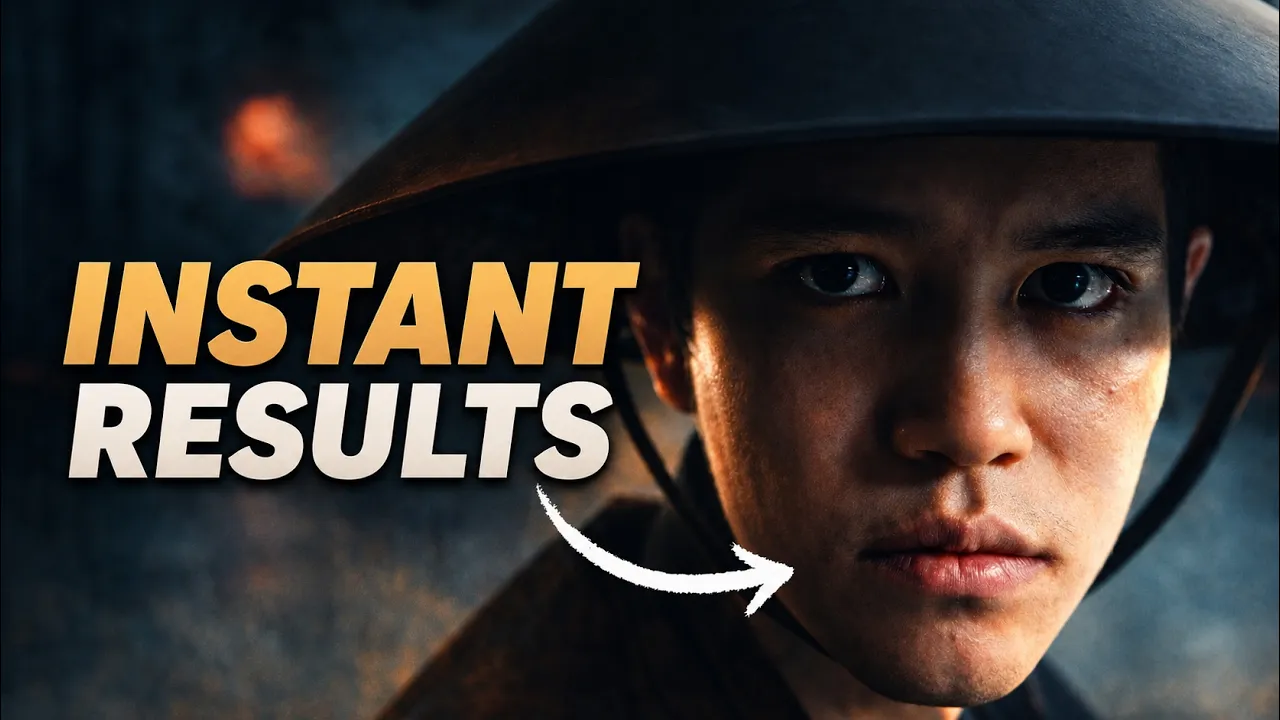


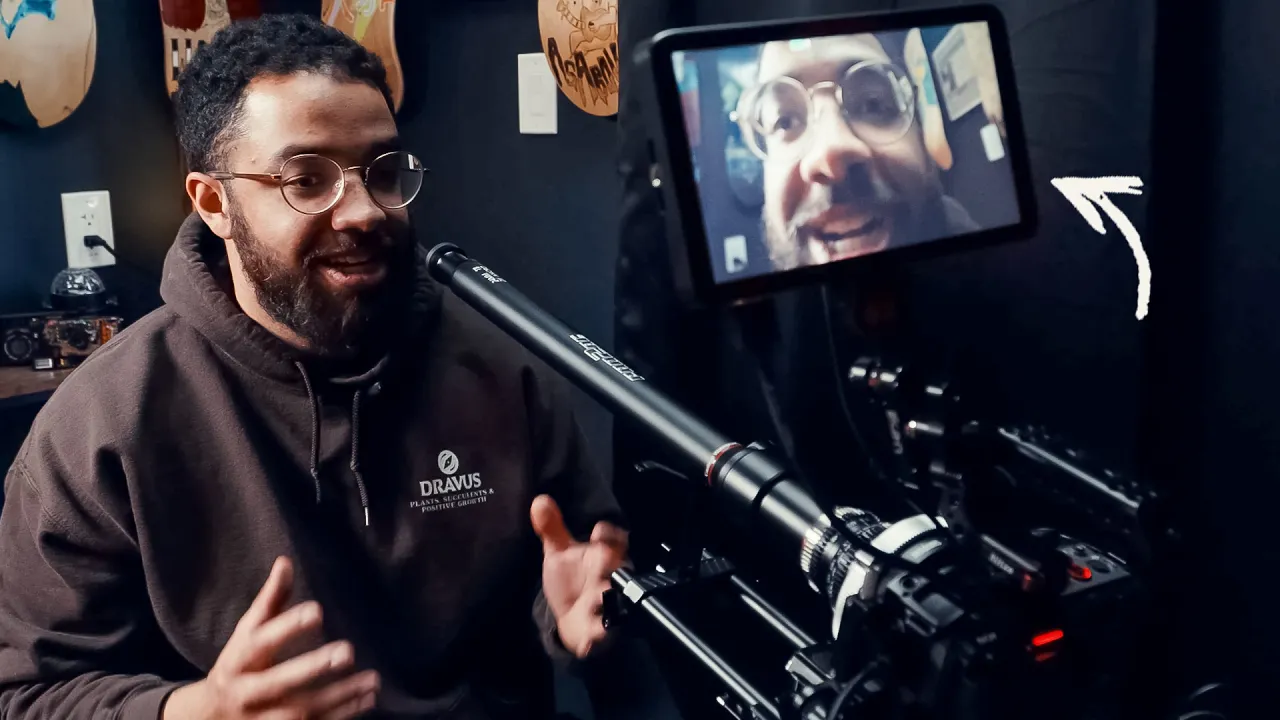

The camera is not a passive observer but an active storyteller that shapes viewer perception and emotional response through deliberate choices in angles, shot sizes, movement, focus, and lens selection; filmmakers use these cinematic tools to guide audience emotions, assign power dynamics, create intimacy or distance, and manipulate tension, making every shot a deliberate decision rather than an accidental capture of reality.
Decoding Camera Language: Cinematic Choices & Emotional Impact
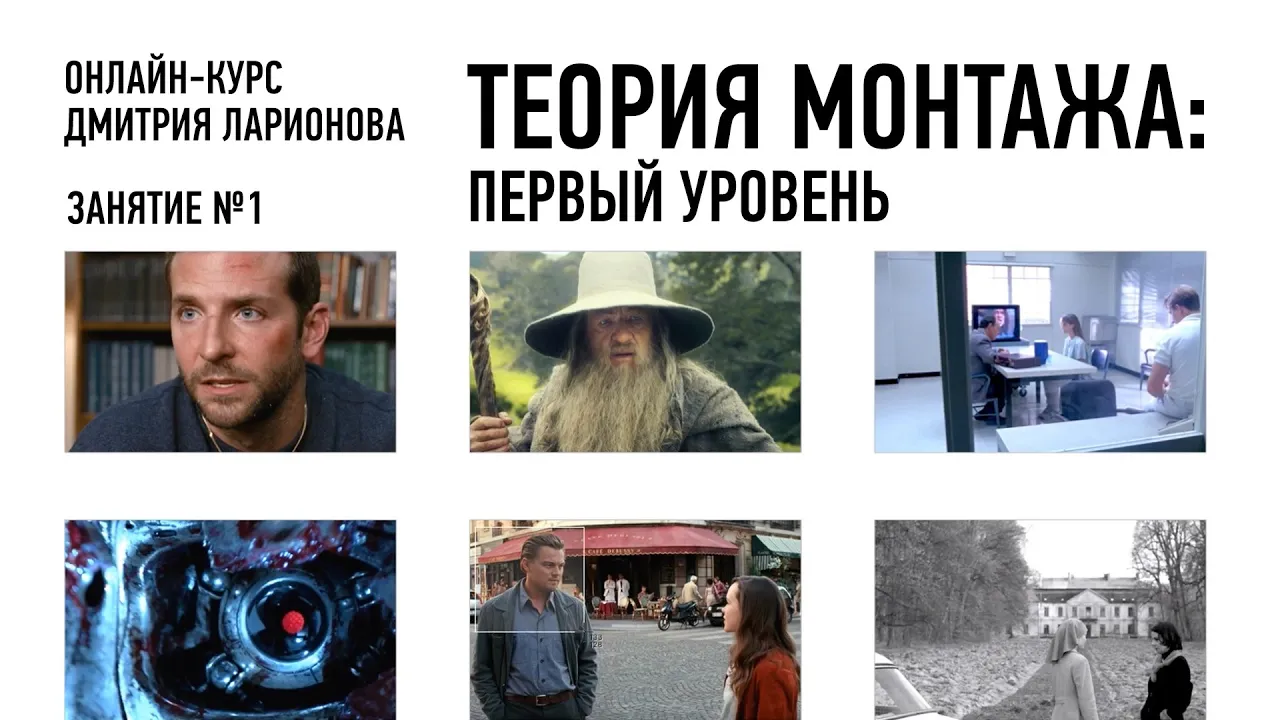
Added:Basic film terminology, including the definitions of a frame, shot, scene, and sequence.
Standard camera shot sizes, such as close-up, medium shot, and establishing shot.
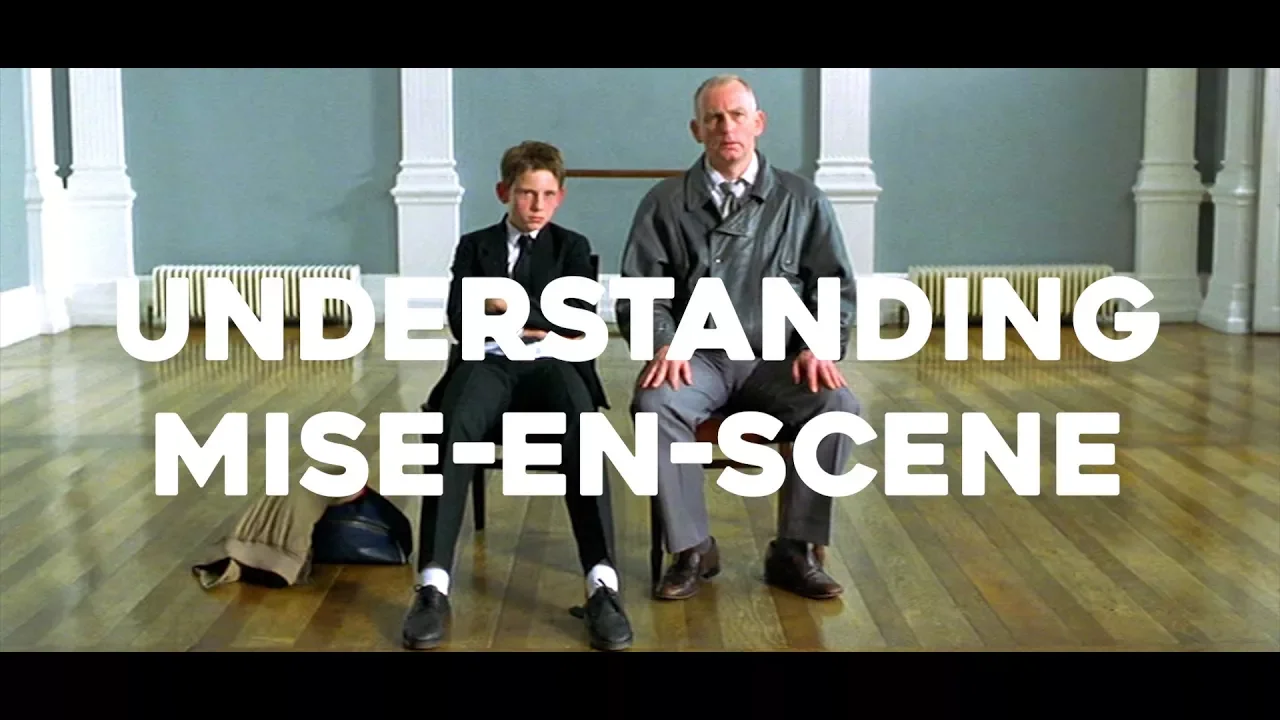
The concept of mise-en-scène and how visual elements within the frame establish context.
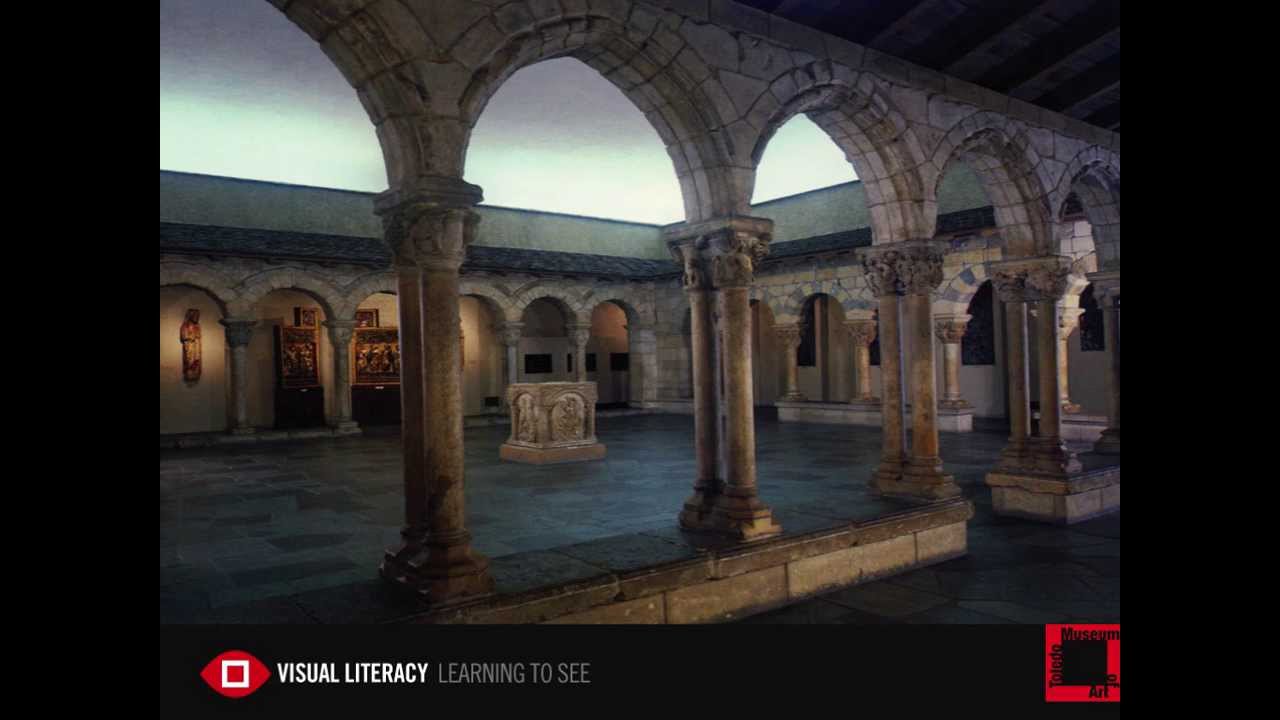
An introductory understanding of visual literacy and how images convey symbolic meaning.
The relationship between camera language and editing, specifically continuity editing and montage theory.
Advanced color theory and lighting design, exploring how they interact with camera choices to amplify mood.
Practical scene deconstruction and shot-by-shot analysis of key cinematic sequences from film history.
Applied cinematography, such as storyboarding a narrative sequence utilizing specific angles and lens choices to evoke targeted emotions.
156 views6likes29:42Original Release: 2026-02-12
Welcome to Decoding the Language of the Camera. I'm Joseph Yulo. I'll be your guide for this week's discussion. Are you ready? Let's get started.
Today, we're cracking open one of the biggest lies cinema ever told you. The lie is this. The camera just shows what's there. Nope. Absolutely not. The camera argues. The camera judges. The camera pushes you emotionally down a flight of stairs and then asks if you enjoyed the view. Every shot is a decision. Every angle is an opinion.
Every cut is a tiny act of persuasion.
The camera doesn't sit quietly in the corner like a polite guest. It grabs you by the collar and says, "Look here. Feel this. Trust them. Fear that." By the end of today, you will never watch a movie the same way again. Which, fair warning, means movies might get slightly ruined for you. You'll start asking annoying questions like, "Why that angle?" And why does this feel unsettling? Film is not reality. It's designed perception.
What you see when you see it and how close you are allowed to get are all carefully engineered choices. Nothing is accidental, not even the shots that feel accidental. So our goal today is to learn how to read camera choices the same way you already read dialogue or acting. Because once you understand the language of the camera, you stop being a passive viewer and you start seeing how movies are quietly, relentlessly messing with your head. Here's the first real truth bomb. And once you see it, you can't unsee it. The camera is not passive. It is not a neutral observer.
It is not just capturing what happened.
The camera is actively telling the story. And Loachman puts it perfectly when he says, "The image is the language of cinema, not words." And he's absolutely right. Dialogue can explain ideas, clarify plot, or spell things out when needed. But images, images convince.
They work on you emotionally, subconsciously, before your brain even has time to argue back. Every single camera choice answers a set of invisible questions the film is constantly asking on your behalf. Where are you standing in this moment? Who are you meant to side with? Who feels powerful? And who feels vulnerable? Who scares you? Who do you instinctively trust? You may not consciously hear those questions, but your body responds to them anyway. This is why it's more accurate to think of the camera as a narrator, not a witness.
And like any narrator, especially an unreliable one, it has opinions. It decides what you see, what you don't see, how close you're allowed to get, and when you're pushed away. So when you feel fear tightening in your chest, or intimacy pulling you closer, or power shifting in a scene, that's not accidental.
That's not just the story. That's camera placement doing emotional labor quietly guiding your response while pretending it's not there at all. And that's the real magic and danger of cinema.
This is cinema's original fork in the road. The moment film has to decide who the camera is allowed to be. On one side, you have the objective camera, often traced back to the Edison tradition. This camera behaves like a polite audience member. It keeps its distance. It respects the fourth wall.
It watches events unfold as if it bought a ticket, found its seat, and promised not to interfere. The result feels utterly composed and controlled. We observe characters rather than inhabit them. There's a sense of safety here, emotional breathing room. We're allowed to judge, analyze, even feel superior because we are not inside the moment.
We're witnesses. On the other side is the subjective camera rooted in the Lumiere tradition. This camera refuses to stay seated. It steps into the world of the film and occupies space alongside the characters. Sometimes it feels like a participant, sometimes like a ghost, sometimes like a body moving through danger. Instead of watching events, we experience them. The distance collapses.
The camera becomes intimate and intimacy can be uncomfortable.
That's the core question every filmmaker answers whether consciously or not. Does the camera observe the event or experience it?
That single choice reshapes tone, emotion, and meaning. Objective feels stable and reassuring. Subjective feels immediate, personal, and at times invasive, like we're too close for comfort. And crucially, neither is neutral. Filmmakers choose this on purpose because perspective isn't just about how we see a story. It's about how we're asked to feel inside it. Gometry of power. Vertical angles. Let's talk about angles because, well, angles are judgment and not subtle judgment either.
Oh, no. Loud visual can't look away judgment. A low angle, you see, it doesn't just show a character from below. It inflates them. It stretches their body, exaggerates their presence, and makes them feel dominant, powerful, even threatening. The world bends upward, practically bowing to accommodate them. Gravity feels like it's on their side. Whether it's a superhero, a villain, or a boss behind the desk, the camera, oh, it's saying, "This person matters more than you do right now." A high angle, however, does the exact opposite. It shrinks characters, presses them into the ground, makes them look exposed or overwhelmed. Suddenly, they're surrounded by space instead of commanding it. The camera isn't just observing their weakness, it's reinforcing it. You're not standing with them anymore. You're looking down on them. Sometimes sympathetically, bless their hearts, sometimes cruy, you know.
And here's the key thing. These meanings are almost universal. You don't have to take a film class to understand them.
You don't consciously decode them. Your body reacts first. You feel intimidated.
You feel pity. You feel safety or danger before your brain even catches up.
Angles don't merely depict power. They assign it. The camera isn't neutral. Oh, no. It's choosing sides. It's telling you who to respect, who to fear, and who is, well, losing control of the situation. So, when a filmmaker tilts the camera up or down, they're not just framing a shot. Oh, no. They're making a moral and emotional decision. The camera, it's whispering, or sometimes it's shouting, "Trust this person. Fear this person. Feel sorry for this person.
No dialogue required." The angle already made the argument. Now, now, this is where things get a little weird. in the best possible way. Of course, this is where the camera stops playing nice, stops being a polite observer, and starts well revealing its subconscious.
Let's start with the classic, the bird's eye view. Ah, this angle, it just strips away humanity, doesn't it? Almost completely. When we look straight down, people, they just stop feeling like people. They become shapes. Just shapes moving through space. Geometry, patterns, ants in a system, really. It's not how humans see the world. And that, my friends, is precisely the point. The bird's eye view. It removes empathy by removing perspective. It suggests fate, surveillance, inevitability. Like something much, much larger than these characters is watching and quietly, subtly judging. We're no longer with them. We're hovering above them, detached, cold, almost godlike.
Then there's eye level, which, you know, we often call neutral. But let me tell you, neutral is a lie. Eye level is a choice and it's a powerful one at that.
It places us on equal footing with the character. Same height, same ground.
Same power. It invites identification.
It says you and this person, you share a world. Eye level doesn't draw attention to itself. And that, my friends, is exactly why it's so darn effective.
It feels honest even though it's just as constructed as any other angle. And then, oh, then there are Dutch angles.
This, my friends, is where reality, well, it starts to slip.
A tilted frame. It doesn't shout, "Oh no, it whispers home." It doesn't scream danger. It just sighs. Something is off.
When that horizon line tips, our own internal balance, well, it tips right along with it. The world suddenly feels unstable, unreliable, a little queasy.
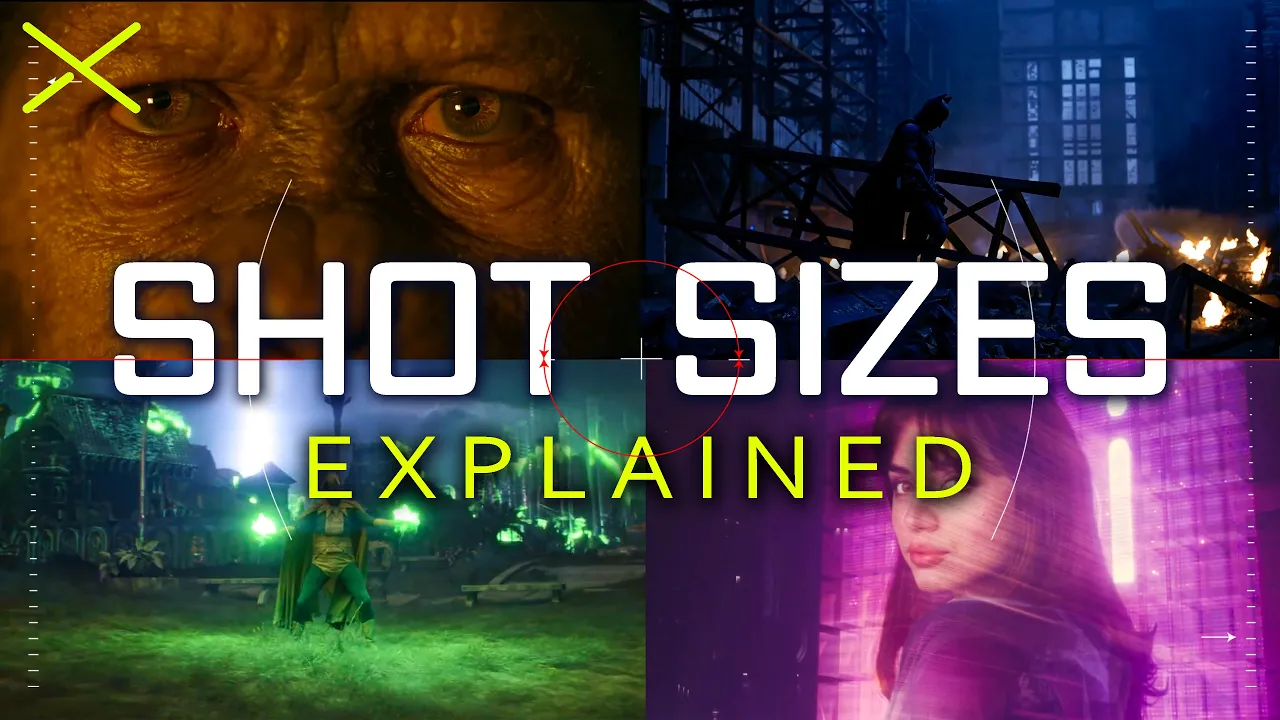
You know, logic hasn't quite broken yet, but trust a friend, that's another story. Dutch angles, they destabilize meaning before anything truly bad even happens. They don't announce chaos. They simply foreshadow it. Dutch angles don't say something is wrong. They say something feels wrong. Shot size is emotional distance. It's how close the film let you get to a character. Not physically, but psychologically. An extreme long shot pulls us back and says, "Soom out." It reminds us that the world is bigger than the individual.
Characters become small shapes inside a vast environment. This kind of shot puts human drama in perspective and often makes characters feel vulnerable, isolated, or insignificant. The message isn't subtle. The world does not revolve around you. A long shot brings the body into focus. We can see the full figure moving through space, interacting with the environment. This is the shot of action, choreography, and physical behavior. We learn who a character is by how they occupy space, how they walk, where they hesitate, how they move toward or away from others. Emotion exists here, but it's expressed through bodies, not faces. A medium shot is the language of conversation. It's social distance. This is where most dialogue lives because it mirrors how we interact in real life. We're close enough to read expressions, but far enough to stay comfortable. The medium shot invites identification without forcing intimacy.
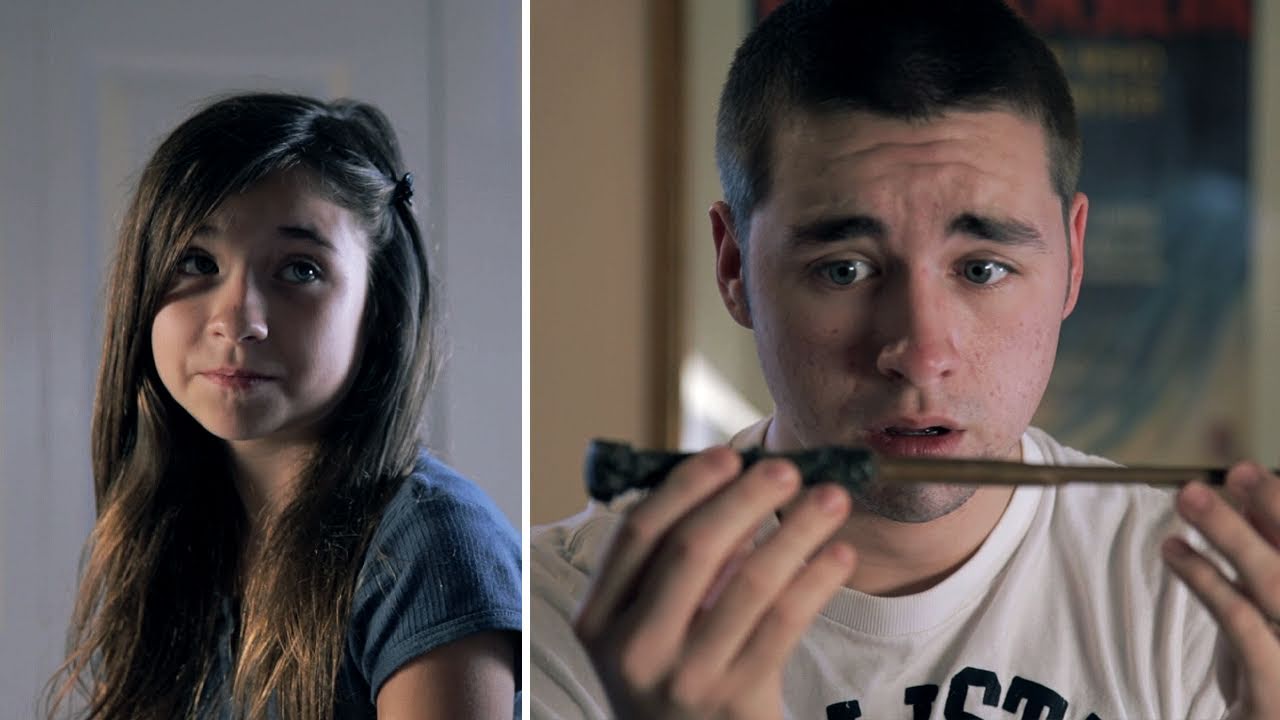
Then the close-up breaks the rules. It says, "You're in this now." The face fills the frame. Context disappears.
There's no environment to escape into, only emotion. But here's the paradox.
The closer we get, the less we know.
Close-ups give us feeling while withholding information. We don't see what's around the character, what they're reacting to, or what might be coming next. That imbalance is power.
The camera controls what we're allowed to know and when.
The close-up is cinema's most aggressive move. It doesn't ask for your attention, it takes it. When a film cuts to a close-up, the world collapses.
Background disappears. Context evaporates. Geography no longer matters.
All that's left is a face, a gesture, a flicker of thought. The close-up isolates the subject, not just visually, but psychologically. It traps both the character and the viewer in the same tight space. You cannot casually watch a close-up. There is no polite distance, no emotional buffer. You are forced into intimacy, often before you're ready for it. That's why close-ups can feel uncomfortable, even invasive. They deny you the freedom to look away without consequence. And that raises an important question filmmakers knowingly exploit. Are we allowed to look this closely? A close-up isn't just about seeing more. It's about knowing more than we're supposed to. It exposes vulnerability, fear, desire, doubt. It turns private emotion into public spectacle. In that sense, the close-up carries moral weight. The camera isn't neutral here. It's crossing a boundary.
That's why close-ups tend to appear at emotional breaking points, moments of realization, confession, grief, rage, or decision. They mark thresholds.
Something is about to change or something has already broken. The character can no longer hide, and neither can we. A close-up is visual confrontation. It says, "Pay attention.
This matters. You don't get to escape this moment." One of Hitchcock's greatest tricks is realizing that the camera frame is not a window onto reality. It's a restriction. What you don't show is often far more terrifying than what you do. Because the moment you show something, you define it. You limit it. You give it a shape the audience can understand and therefore manage. But when something exists just outside the frame, it becomes infinite. It could be anywhere. It could be anything. The frame in that sense is a lie. It pretends to show us the whole truth while quietly hiding most of it. Reality doesn't stop at the edge of the screen.
It continues beyond it, pressing in from all sides. And the audience knows this even if they're not consciously aware of it. Bad awareness creates tension.
Offscreen space is where the audience's imagination goes to work. And the imagination is ruthless. It doesn't need permission, logic, or a budget. It fills the unseen with whatever would scare us the most personally. Which is why this technique is so powerful. The filmmaker isn't inventing the fear. The audience is suspense is created not through presence, but through absence, through withholding, through letting negative space breathe just long enough to feel wrong. An empty hallway, a doorway with no one in it, a corner the camera refuses to turn toward. The empty space is never actually empty. It's charged.
It's alive. It's waiting for movement, for intrusion, for the moment when the film finally confirms what we've been dreading all along. When the camera moves smoothly, it feels omnisient, like an invisible intelligence gliding through the world with purpose. It doesn't hesitate, doesn't search, doesn't react. It knows, and that confidence is contagious. As viewers, we relax into the movement because the camera reassures us. I've been here before. Trust me, tracking shots don't just show space. They unfold it over time. They reveal relationships between rooms, bodies, and power structures.
Space stops being a backdrop and becomes an experience. We don't observe geography. We travel through it.
>> That journey matters because movement isn't neutral. It's persuasive. Take the Copa Cabana shot in Good Fellas. The brilliance of that scene isn't just technical, it's psychological. The camera slips through kitchens, hallways, and back doors with absolute ease. No obstacles, no friction. It never stops to ask permission.
>> And crucially, it never calls attention to itself. The shot doesn't say, "Look how impressive this filmm is." It says, "This is how the world works for these people." By the time Henry and Karen sit down at their table, the audience has already been indoctrinated. We've absorbed the rules of this world through motion. Privilege isn't explained, it's demonstrated. The camera's fluidity tells us that access is effortless. That boundaries don't apply here and that this kind of treatment is not exceptional. It's routine. That's why movement persuades. A smooth tracking shot doesn't argue, it normalizes. It quietly reprograms our sense of what's acceptable, desirable, and inevitable.
And before we realize it, we're not just watching the characters anymore. We're moving with them, thinking like them, and momentarily accepting their world as our own. The long take is cinematic commitment. It's the filmmaker looking you in the eye and saying, "You're staying here, all of you. No cuts, no escape, no relief." Editing is mercy. A cut lets us breathe. It resets our nervous system.
>> It gives us permission to look away, even if only for a fraction of a second.
>> The long take refuses that mercy. When the camera doesn't cut, time stops being something we control. We don't jump ahead. We don't skip the uncomfortable part.
We don't get a visual paragraph break.
We are trapped inside duration, inside real unfolding time. And that's the key difference. In a long take, you don't watch time pass. You feel it pass. Every second stretches, every movement carries weight.
Every pause becomes suspicious. You start scanning the frame, not because something is happening, but because something might. Your body leans forward. Your breathing changes. Your awareness sharpens.
That's why long takes can feel unbearably tense. Even when nothing happens, the tension isn't in the action, it's in the waiting. The camera forces us to share the characters vulnerability, their uncertainty, their lack of control.
In a long take, time itself becomes the antagonist. It presses in. It refuses to move faster. It reminds us that we are stuck in the moment with the characters and whatever comes next, we will face it together without the safety net of a cut. POV shots are seductive and dangerous because they don't just show you information, they recruit you into an experience. The camera stops being an observer and becomes a pair of eyes, a body, a presence. You're no longer watching a character act. You're momentarily being them. And that shift happens fast, often without you realizing it. One cut and suddenly your moral distance collapses. Perception is not endorsement. Sharing a character's viewpoint does not mean sharing their values, ethics, or intentions. The camera can align you with how someone sees the world while quietly refusing to justify what they do in it. That tension is the point. POV shots force an uncomfortable intimacy. You experience fear, curiosity, desire, or aggression from the inside, but without the safety net of judgment. There's no narrator stepping in to tell you how to feel.
You're left alone inside the act of seeing. That's why POV can feel thrilling in one moment and deeply unsettling in the next. Your body reacts before your brain has time to object.
Filmmakers use this deliberately. POV can create empathy, but it can also implicate the viewer, asking a dangerous question. If you're seeing through these eyes, what does that make you responsible for? The camera offers closeness without consent and involvement without absolution. It doesn't ask you to agree. It dares you to stay present.
Handheld feels human because it's imperfect. And that imperfection is the point. It shakes the way a person shakes when they're tired, scared, or running on adrenaline. It breathes the way a chest rises and falls when someone is trying to stay calm but can't quite pull it off. It reacts instead of predicting, catching moments slightly late or slightly off, the way real perception works. Handheld cinematography isn't just about realism. It's about embodied realism. The camera stops feeling like an invisible observer and starts feeling like a presence inside the scene. You're no longer watching events unfold from a safe, composed distance. You're experiencing them through a body that is trying and sometimes failing to keep up.
That's why handheld often generates anxiety. The instability in the frame mirrors psychological instability. The image feels fragile, unsettled, and vulnerable. Because the camera itself appears vulnerable. It looks like it could lose balance, miss something important, or collapse under pressure.
When filmmakers use handheld in moments of chaos, danger, or emotional breakdown, they're not just documenting disorder. They're embodying it.
The camera doesn't impose control or clarity. It surrenders to the moment. It feels reactive, defensive, and exposed.
Handheld doesn't say, "This is happening." It says, "This is happening." And no one here has the upper hand. In other words, the camera isn't guiding us anymore. It's struggling alongside us.
Even a tripod shot is doing something.
That's the part people miss. Students love to say, "The camera isn't moving here, so it's neutral." Nope. That's like saying, "Silence in an argument means nothing is being said." Silence is loaded. Stillness is loaded. A pan is not just a technical move. It's a search. The camera is scanning space the way a human scans a room, asking, "Where is the thing that matters?" When a pan is slow, it feels cautious. When it's fast, it feels urgent or panicked.
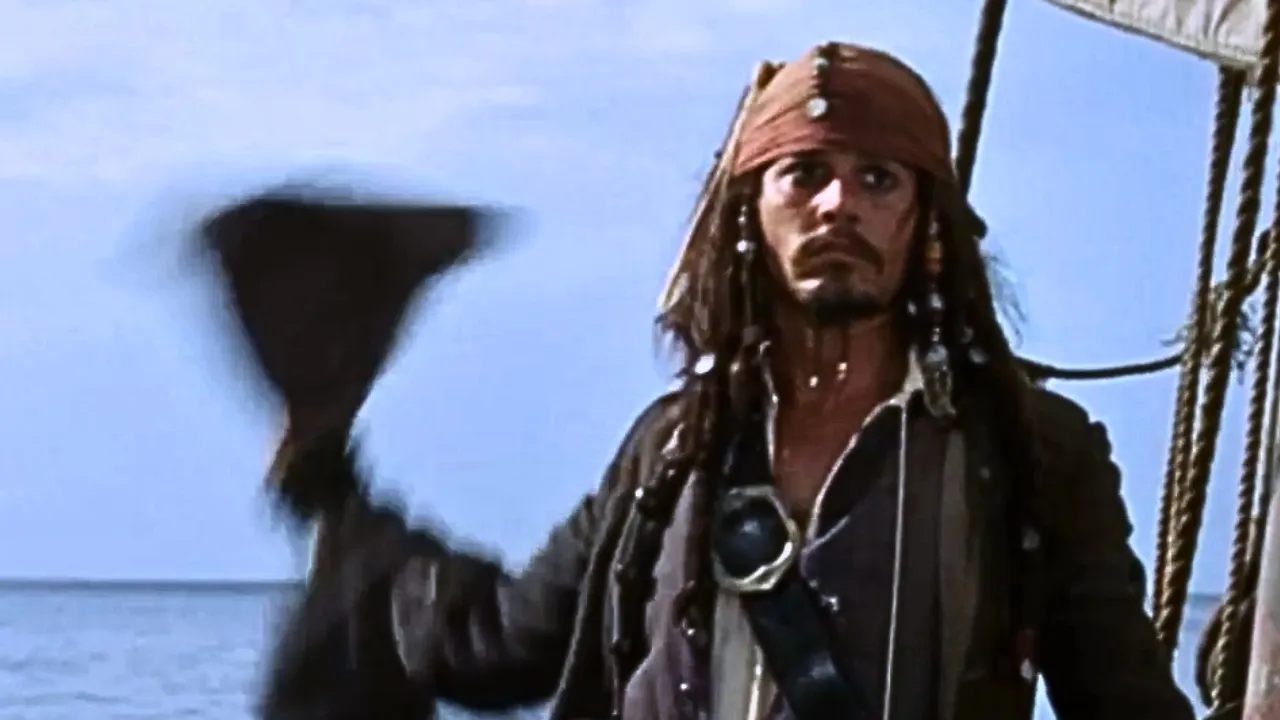
Either way, the camera is curious. It's hunting for meaning. A tilt is different. A tilt evaluates. It measures. Tilting up can feel like admiration or intimidation.
Tilting down can feel like judgment or dismissal. The camera isn't wandering.
It's assessing. It's sizing something up. And here's the key idea. The camera is always asking questions through motion. Where should I look? What deserves attention? What's about to be revealed? Now, let's talk about stillness because this is where restraint becomes power. A locked off shot isn't passive, it's disciplined.
It's the filmmaker saying, "I'm not going to help you. You're going to sit here and deal with this moment." No push in to soften the emotion. No pan to relieve the tension. Just time and space. Sometimes the most powerful move isn't motion at all. It's refusing to move. That refusal forces the audience to do the work. And when cinema does that, it gets uncomfortable, which is often exactly the point. Lenses don't just record reality, they reshape it. A wide lens stretches space. It exaggerates depth, pulls the foreground and background apart, and slightly distorts the edges of the frame. Faces curve, rooms feel larger than they are, and movement toward the camera feels aggressive. Wide lenses make us aware of space. They feel exposed, unstable, and sometimes anxious because everything is visible and nothing is hidden. There's no way to retreat. This is why wide lenses are often used in moments of vulnerability, chaos, or psychological tension. The world feels too big and the character feels too small inside it.
Telephoto lenses do the opposite. They compress space, flattening the distance between objects and making backgrounds feel uncomfortably close. Movement feels restrained. Characters appear boxed in even when they're outdoors.
The image feels observational, as if we're watching from afar rather than participating. Telephoto lenses often feel surveillant, like someone is being studied, followed, or judged. The space closes in and freedom disappears.
The lens is a psychological filter, not a neutral tool. It determines how close we feel, how trapped we feel, and how much agency a character seems to have.
The lens doesn't just alter perspective, it alters emotion.
It shapes our relationship to the image and quietly tells us how to feel while we're inside it. Sums don't move the camera, they move attention. And that distinction matters more than most people realize. When a camera physically moves toward a subject on a dolly or track, we feel a body entering space.
There's weight to it, commitment. The camera chooses to cross distance. A zoom, on the other hand, stays put. The camera doesn't step closer. It tightens its grip. That's why zooms feel analytical rather than emotional, cerebral rather than embodied.
Because nothing in the physical space changes, a zoom creates the sensation of looking harder, not being closer. It mimics the act of studying, surveilling, or suddenly noticing something that was already there.
The world doesn't respond to a zoom, only our perception does. That makes the gesture feel slightly unnatural, almost clinical, like a microscope snapping into focus. This is why zooms often accompany moments of realization. The character sees something. The camera doesn't rush in with empathy. It locks on with intent. In thrillers and political films, Zoom suggests surveillance and power. Someone is being watched, measured, evaluated.
In dramas, they can create emotional distance, signaling detachment rather than intimacy. So when a zoom happens, the camera isn't saying, "I'm with you."
It's saying, "I see you." Focus is power. Quiet, invisible power, but power all the same. Where the image is sharp, your brain goes. Where it's soft, your brain ignores. We like to think we're freely watching a movie, making our own choices. But focus is the filmmaker's way of putting their finger on your chin and gently saying, "No, look here." Deep focus feels democratic.
Everything is sharp. Everything is available. The audience gets to decide what matters. You can scan the frame, notice background details, make connections on your own.
This is why deep focus often feels more realistic or intellectually honest. It trusts the viewer. But make no mistake, choosing deep focus is still a choice.
Freedom is being offered deliberately.
Selective focus, on the other hand, is directive.
It tells you exactly where meaning lives. One face sharp, the rest of the world blurred out. This is emotional guidance. It says this is important.
This is not. It can create intimacy, isolation, obsession, or control, sometimes all at once. Then there's racking focus, which is one of cinema's most elegant power moves. By shifting focus from one subject to another within the same shot, the filmmaker forces comparison. Meaning isn't optional. You feel it happen in real time. One character loses clarity as another gains it. One truth replaces another. It's visual punctuation.
Focus is a form of control because it answers uncomfortable questions. Who is allowed to be seen clearly? Who fades into irrelevance? Who matters right now?
And that's the key takeaway. Attention in cinema is never accidental. If something is in focus, someone decided it deserved your eyes.
Film and digital feel different because they are different. Not philosophically, notically, but physically. Film absorbs light. It lets light enter, bounce, scatter, and embed itself into an emulsion made of real chemicals and real imperfections. Every frame of film is literally scarred by light. Grain isn't noise, it's evidence. It's proof that photons hit something tangible and left a mark. That's why grain feels alive. It breathes. It flickers. It reminds us that time passed and matter was altered.
Digital, on the other hand, doesn't absorb white. It samples it. Light hits a sensor, gets converted into data, and is translated into numbers. Clean, precise, efficient, clinical. Digital images are incredibly sharp, but they're also emotionally flattered by default because nothing is absorbed.
Everything is measured, average, corrected, and this difference works on you even when you're not thinking about it. Texture affects emotion subconsciously. Grain can feel nostalgic, human, unstable, or intimate.
Ultra clean digital can feel sterile, controlled, hyperreal, or surveiled.
Neither is better, but they are speaking different emotional languages.
So when filmmakers choose film or digital, they're not just choosing a workflow or a budget. They're choosing how reality itself should feel to the audience. The medium isn't neutral. It's part of the story. The medium speaks whether you're listening or not.
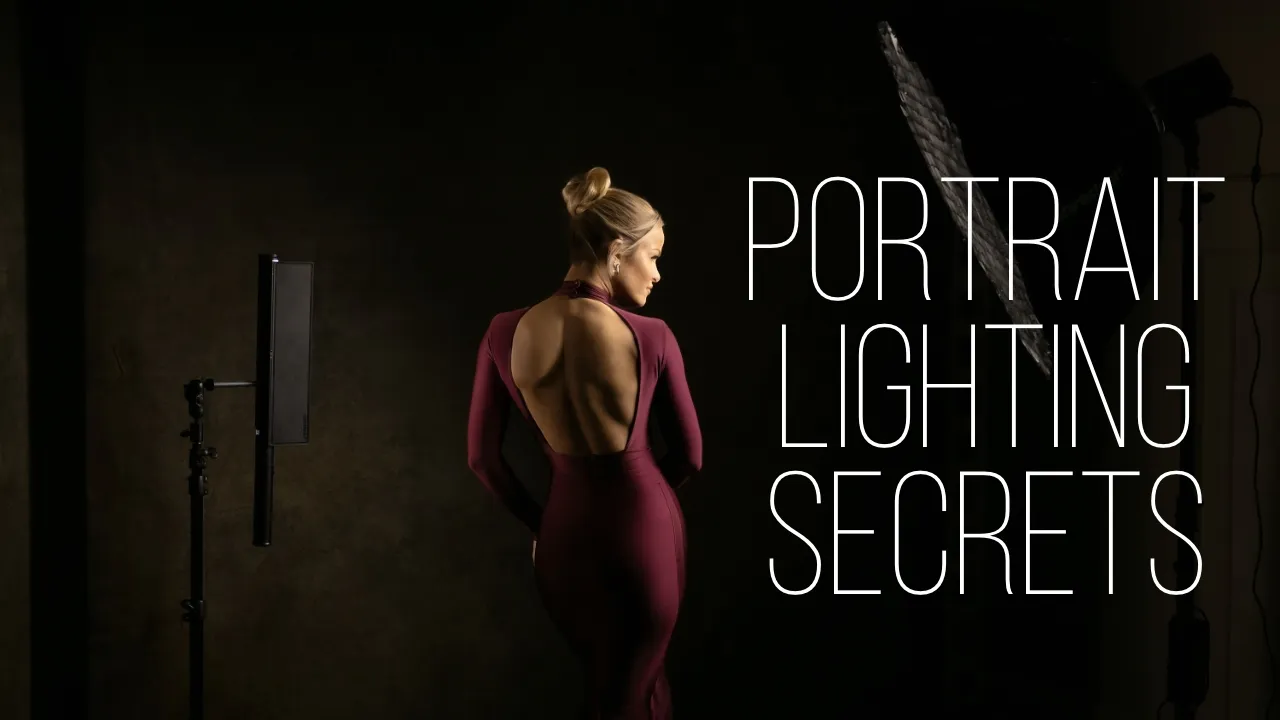
Light tells us how to feel long before we understand what we're looking at.
Darkness isn't just the absence of light. It's uncertainty. It hides information, creates tension, and invites fear. When a scene is underlit, the film is withholding knowledge from us. We don't see everything, which means we don't control the situation. Darkness makes us lean forward. It activates anxiety, suspicion, and imagination.
Horror lives here, but so does intimacy and moral ambiguity. Brightness does the opposite. It idealizes. Overexposed images feel clean, safe, heavenly, or artificial. Think dream sequences, memories, or moments of emotional release. Bright light suggests clarity, but it can also suggest denial, fantasy, or a version of reality that's too perfect to trust. Light doesn't just reveal truth. Sometimes it lies beautifully. Time works the same way.
Speed tells us how to experience a moment, not just how long it lasts. Slow motion doesn't simply slow action. It magnifies feeling. A punch becomes tragic. A glance becomes monumental.
Slow motion asks us to sit inside an emotion and feel its weight. It turns movement into meaning. Fast motion does the opposite. It strips humanity away.
People become mechanical, frantic, overwhelmed by systems moving faster than they can process. Fast motion compresses experience. It dehumanizes.
This is the key takeaway. Light and time are not technical settings. They are emotional instructions.
The filmmaker isn't just showing us what happens. They're telling us how to feel while it happens. This scene from Jurassic Park works not because of one clever camera trick, but because every cinematic tool is pulling in the same direction. Nothing is accidental.
Nothing is wasted. The filmmaking is doing what great cinema always does, making us feel before we have time to think. The camera angles immediately establish vulnerability. The children are often framed from above, shrinking them within the environment, while the raptors are given angles that make them feel dominant and unpredictable. The lens choice exaggerates the distance between hiding spots and exits, stretching the space, so safety always feels just out of reach. The kitchen becomes a maze, not a room. Offscreen space is doing heavy lifting here. We frequently hear the raptors before we see them or see their reflections before their bodies enter the frame. The threat exists beyond the image, which keeps our imagination working over time.
What we can't see becomes more terrifying than what we can. Camera movement tracks danger rather than action. The camera glides, pauses, and follows, mimicking the children's fear and hesitation. It doesn't rush, it stops.
That restraint builds unbearable tension. No single choice carries this scene. The power comes from the system.
The way angle, lens, movement, sound, and absence collaborate.
This is cinema at its best. A perfectly tuned machine designed to make your palm sweat.
This is the mental toolkit I want you to leave with. The thing that kicks in automatically the next time you're watching a movie, a TV show, a Tik Tok, or even a commercial, and you suddenly think, "Wait, why does this feel like this?" When you watch a scene, start asking four deceptively simple questions. First, where is the camera placed? Is it high, low, close, far? Is it giving a character power or taking it away? Is it keeping you at a safe distance or forcing you uncomfortably close? Camera placement is about relationship, where you stand in relation to the story. Second, how is the camera moving? Is it smooth and confident or shaky and reactive?
Does it glide like it knows the outcome or stumble like it's figuring things out in real time? Movement tells you whether the world feels controlled, chaotic, intimate, or dangerous. Third, what is in focus? Focus is attention. Deep focus invites you to explore. Selective focus tells you where to look and where not to look. If something is blurry, ask why it's being denied clarity. Fourth, what is the texture doing emotionally? Grainy or clean? Dark or bright? Warm or cold?
Texture works on you subconsciously, setting mood before you've processed a single plot point. If you remember nothing else, remember this. The camera is never doing nothing. Ever.
Up Next

15:26
10 Best Long Takes in Film: A Cinematography Analysis
@CineFix
309K views•2018-12-11

23:14
Visual Analysis Essay: How to Analyze Graphic Novels in College Writing
@nataliepleimann5941
1K views•2020-10-14
4:55
Film Blocking Techniques for Directors: Space, Shapes, Lines
@StudioBinder
1.9M views•2018-07-23

4:00
Evolution of Darth Vader: Anakin Skywalker's Animated Journey Across Star Wars Films
@TellItAnimated
13.4M views•2019-03-30
Related Study Plans & Knowledge Roadmaps
Structured learning paths in Film Analysis
film-analysis
Sensory Cinema: Foley, Haptic Sound & Texture
01Introduction to Film Sound and Foley Artistry
02Micro-Sounds, Textures, and Extreme Amplification
03Haptic Audition and Film Phenomenology
+ 1 more learning modules
12h4 modules
Explore Roadmap
film-analysis
Breaking the Fourth Wall: Mockumentary & Satire
01The Invisible Wall: Basics of Cinematic Illusion
02Looking at the Lens: Direct Address & Character Glances
03The Mockumentary: Satire, Realism, and Complicity
+ 2 more learning modules
12h5 modules
Explore Roadmap
film-analysis
Analyzing the Long Take: Cinema, Space & Ethics
01Foundations of Film Grammar: Montage vs. The Long Take
02Choreography and Mechanics of the Simulated One-Shot
03Phenomenology of Film: Real-Time Spatial Continuity
+ 1 more learning modules
14h4 modules
Explore Roadmap
film-analysis
Anachronistic Music: Period Drama & Subversion
01Foundations of Film Sound and the 'Needle Drop'
02Traditional Authenticity vs. Revisionist History
03The Rise of the Anachronistic Soundtrack
+ 2 more learning modules
12h5 modules
Explore Roadmap