

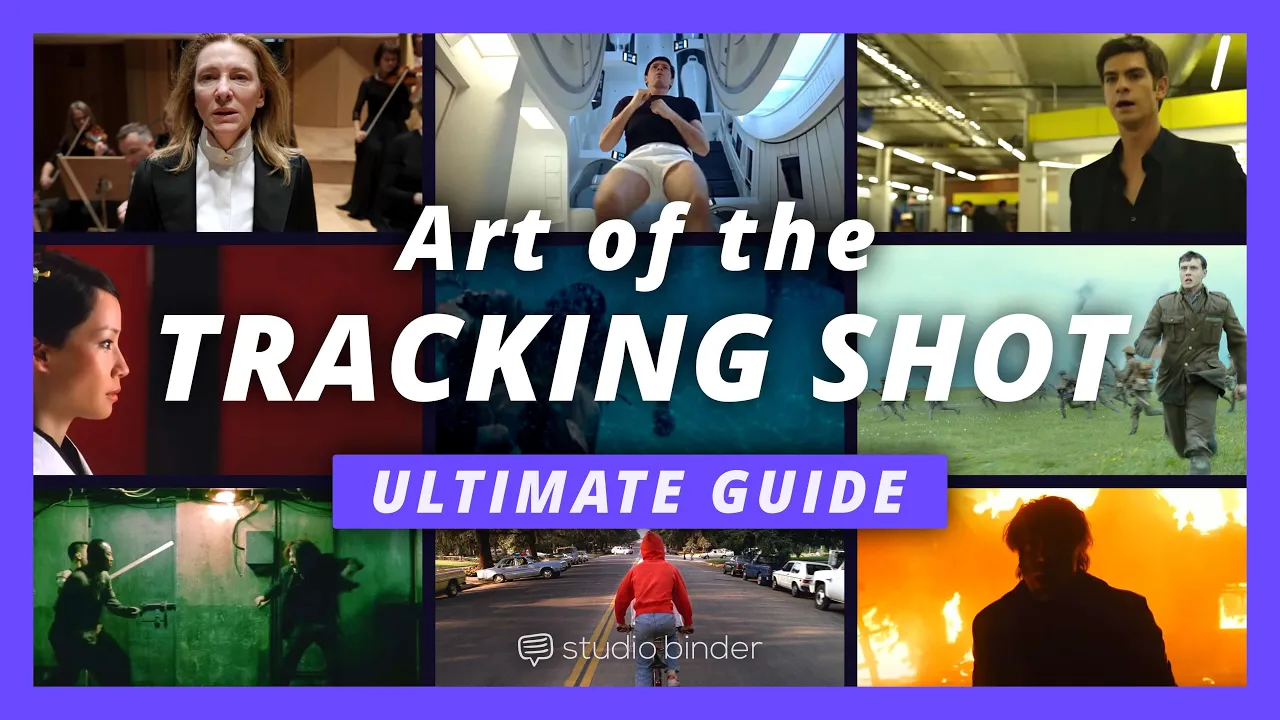

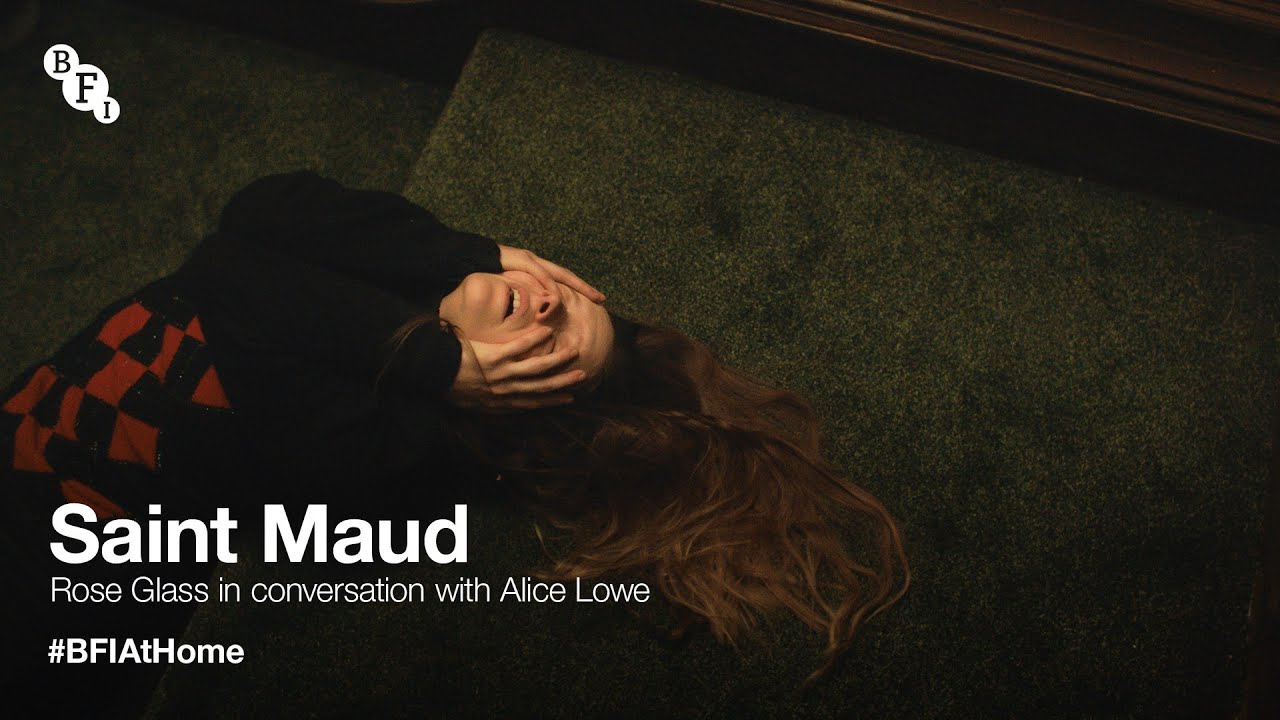


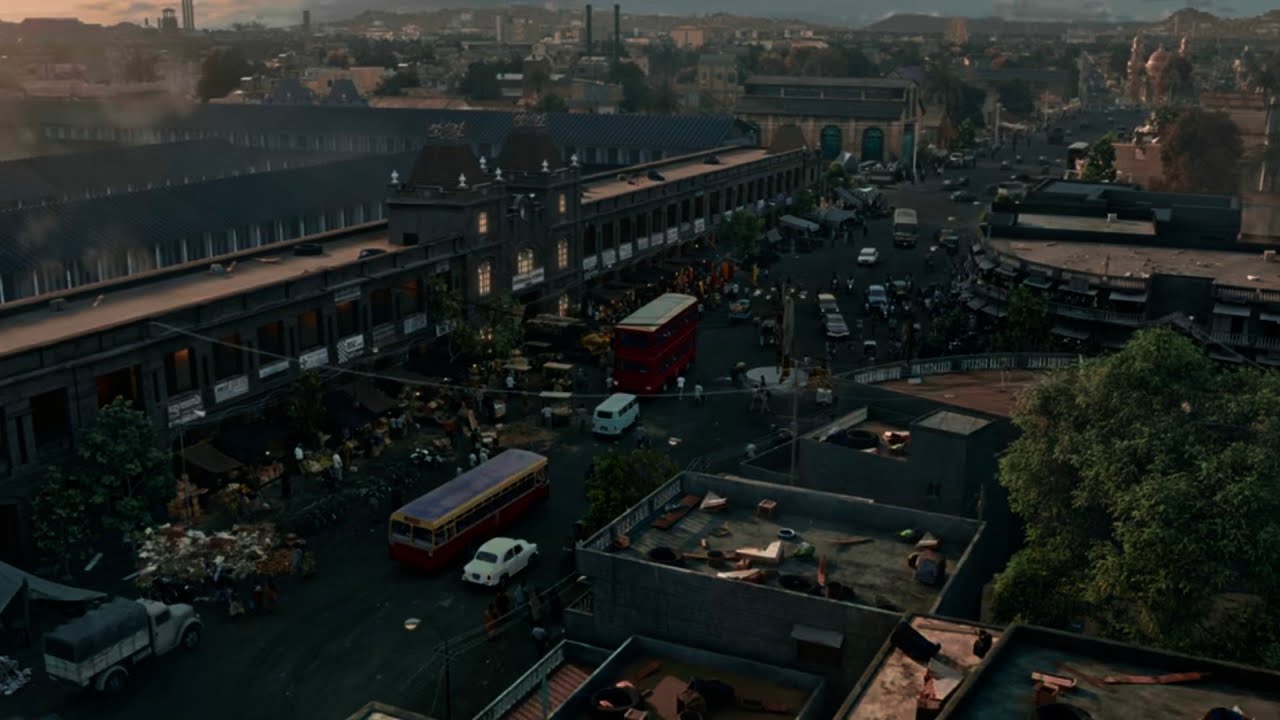
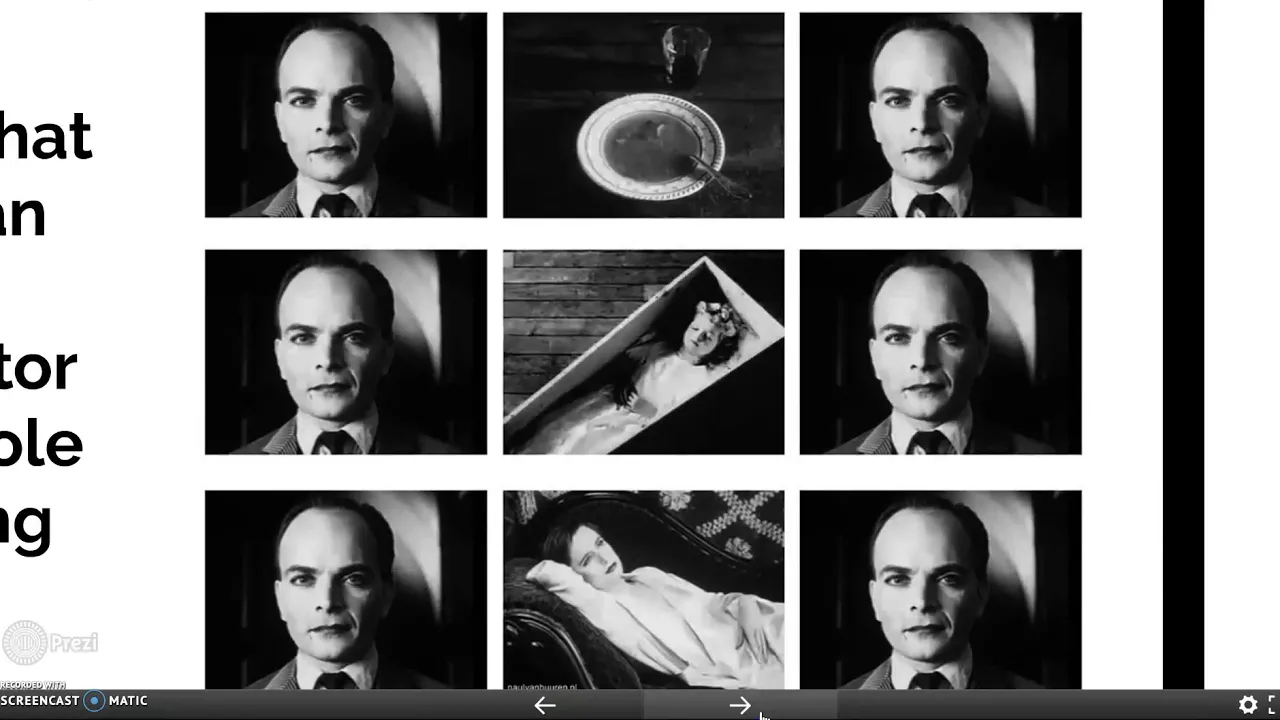









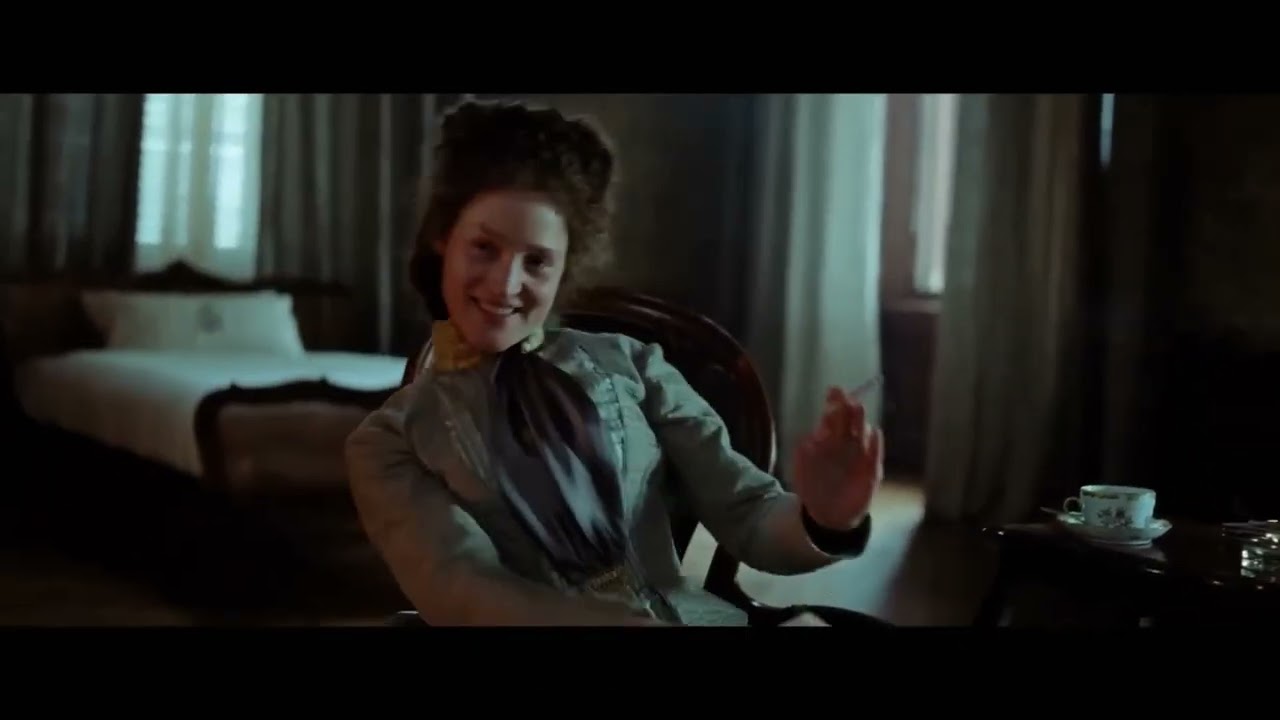




Long take filmmaking represents a distinctive cinematic technique where extended continuous shots create immersive viewer experiences by eliminating cuts and maintaining uninterrupted narrative flow; this approach encompasses various forms including action sequences (like the boxing match in Raging Bull), slow cinema (exemplified by Andrei Tarkovsky's The Mirror), massive productions requiring elaborate staging (such as the funeral sequence in Soy Cuba), and experimental one-take films (like Victoria), each serving different artistic purposes from showcasing technical virtuosity to creating profound emotional resonance through sustained observation.
10 Best Long Takes in Film: A Cinematography Analysis
Added:The fundamental difference between a 'shot' and a 'cut', and the basics of Soviet montage theory versus continuity editing.
Core terminology of camera movements, including tracking shots, pans, tilts, dollies, and the historical introduction of the Steadicam.
The concept of mise-en-scène and actor blocking, specifically how directors arrange elements in front of the camera to tell a story without editing.
How temporal continuity (real-time screen time) affects spectator psychology differently than elliptical editing.
The technical and physical constraints of physical film reels (e.g., the 10-minute limit in Hitchcock's 'Rope') versus modern digital memory storage capabilities.
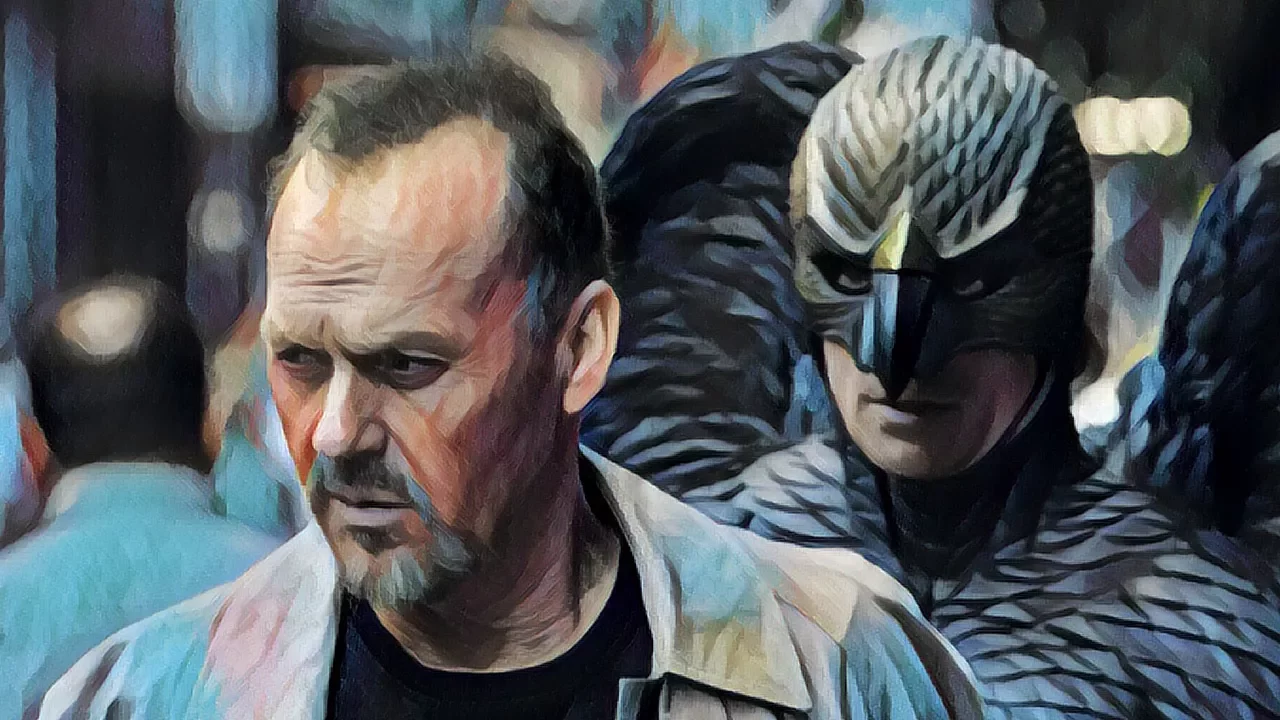
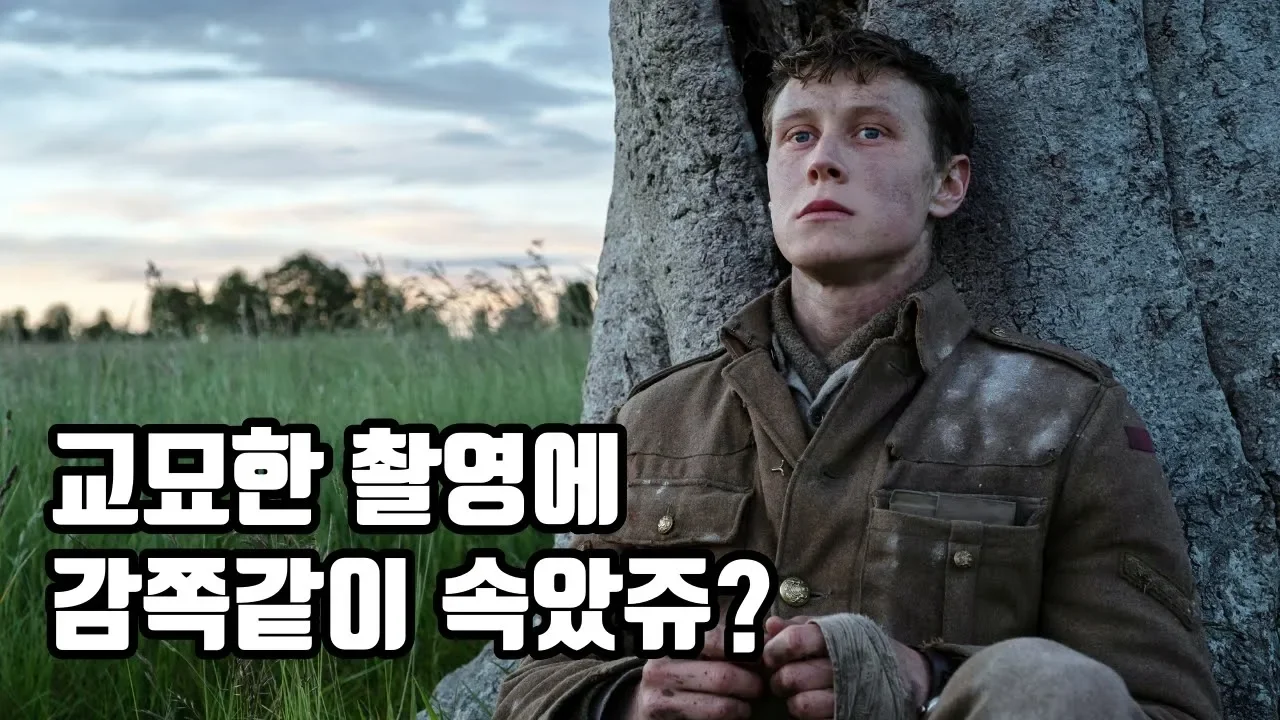
Advanced post-production techniques used to create 'invisible cuts' and stitch multiple takes into a seamless sequence (as seen in 'Birdman' or '1917').
A deep-dive comparative study of slow cinema directors like Andrei Tarkovsky, Béla Tarr, and Chantal Akerman, focusing on their thematic use of duration.
The practical challenges of lighting, sound recording, and focus-pulling during a complex, multi-room single-take production.
Critical analysis of when a long take serves a thematic narrative purpose versus when it function merely as a technical gimmick.
309K views7.4Klikes15:26Original Release: 2018-12-11
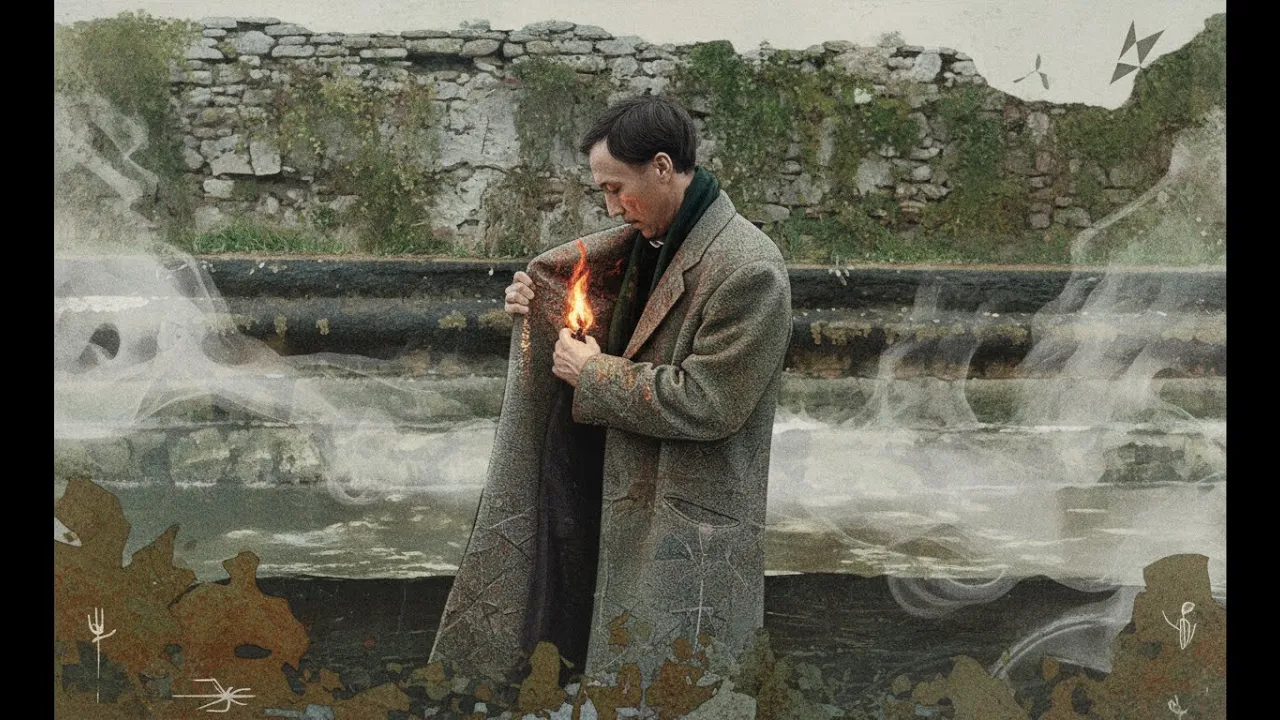
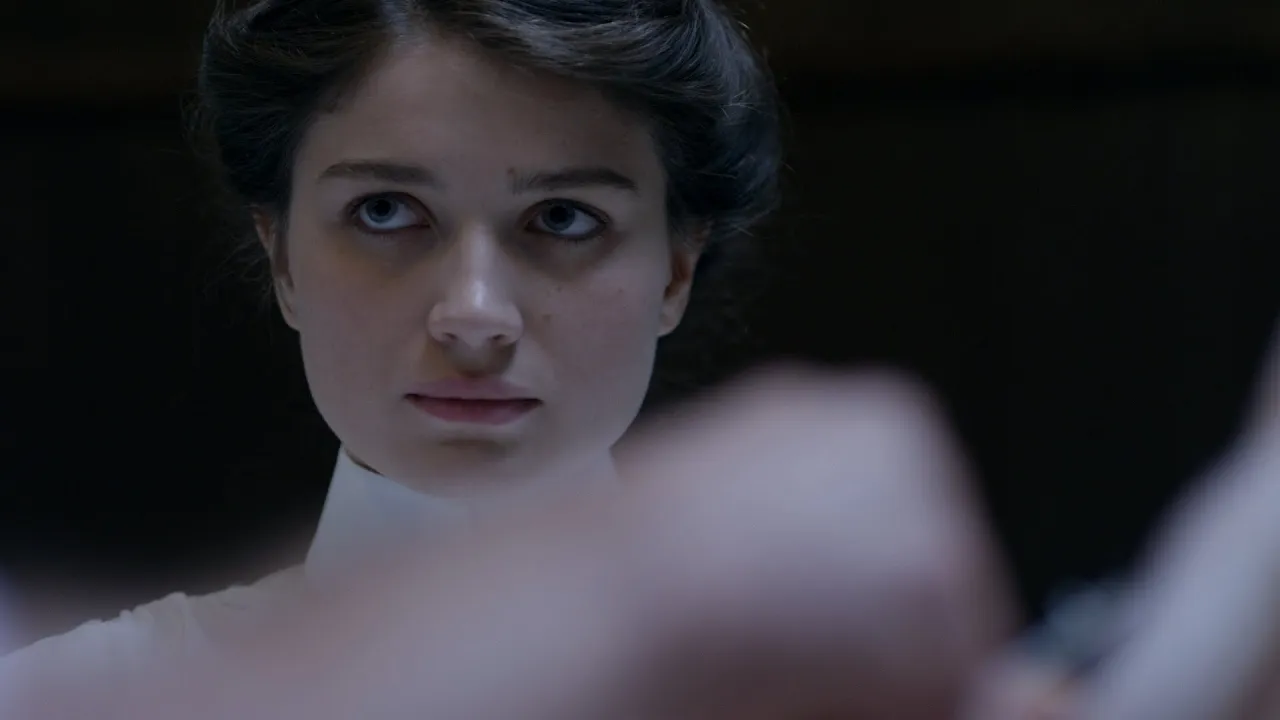
it's hard to look back at your past see it with the benefit of hindsight and not want to fix some of your old mistakes we've been making movie lists for almost five years now and we're still figuring out how to get it right so we're calling a do-over taking a mulligan and winding the clock back two simple lists we'd like to try once more first up are our updated fix for the 10 best long takes of fun back in early 2014 we opened our long take list jumping straight into the excellent restaurant fight from the protector we hadn't yet figured out categories or honorable mentions so we skipped all the foreplay and went straight into the business that shot still holds up to this day but with a second chance we'd combine it with our later pick hard-boiled and drill down into the best action sequence long takes that there are and there are some great oldies we missed the hilarious opening send up from JCVD the incredible POV insanity from Strange Days and the Magnificent swooping shootout from breaking news but even more than that the past four years have been especially kinda long take action on TV and Game of Thrones true detective and daredevil and on the silver screen fight sequences like those in the raid Kingsman and revenant are all astonishing and worth the watch but we think the only recent shootout good enough to take down hard-boiled would be this one from atomic blonde bested only by the only hand a hand long take good enough to take down the protector and our new first pick this one don't get us wrong that protector shot is a far more significant feat in terms of technical accomplishment but what we think this shot in Creede really succeeds at is putting you right in the middle of the experience of a boxing match it comes at you fast with no pause for breath or consideration the violence is happening right now and in your face and it doesn't let up and the way the camera is choreographed with the boxers is absolutely astonishing it elevates Scorsese's work in Raging Bull to its next logical level and significantly updates the cut heaviness of the original Rocky where one round blends into the next in a never-ending montage and that's part of the reason we like the atomic blond shot - as these shots wear on you begin to feel the strain of endurance you begin to wonder how long they can really keep this up you feel the length of time accumulating behind you and you realize it all must be so incredibly taxing the formalism of the camera the way the telling informs what's being told vastly expands our viewership experience which you must know by now is always a pic in our body [Applause] our next pic all those years ago marked our first encounter with the cinematic genius who was Andrei Tarkovsky we picked this shot from the mirror and I distinctly recall that we saw it knowing absolutely nothing about it going in and it blew our goddamn minds we were so entranced by it that we wanted to put it first on our list but we got talked out of it due to its relative obscurity fortunately for us it was the beginning of our introduction to slow cinema and since then we've learned that much of our audience is as crazy about it as we are today we could probably look at this shot of the mirror alongside others from Tarkovsky a candle scene from nostalgia the ending of stalker in concert with some of the best from his peers like this beautiful off-screen death in the penultimate shot of Antonioni's the passenger or this perfect farewell in the last shot of Mizuguchi suigetsu this opening of me close chance goes the red and the white or this era spanning sequence shot from angle Opelousas the hunters but for this pick four years on we're still sticking with the mirror honestly even today the only thing we change would be moving it to its rightful place on this list at number one it really is my favorite next we gave a slot to the Dunkirk beach scene from atonement and we don't feel bad about it at all it's damn good but because you've already seen it and we've got a second chance here to find something new we might crack open a category for incredibly freaking massive endeavors that involve some absolutely insane staging to pull off and in that category you probably find the ending of the sacrifice burning an entire house down twice and the assault scene from the longest day that involves an actual town sized battle the Civil War aftermath from gone with the wind and the climax from Unga Mali Diaries which puts you in the middle of an 11 minute ride of a festival and took over 1,000 people to pull off but for our Redux pic here we think the best scene to supplant atonement would have to be this one from the funeral sequence in SOI Cuba so I Cuba's beautiful wade through a city in mourning seems like a relatively attainable level of pre Steadicam long take awesomeness before this happens and the camera heads up and up and up some more soaring over the streets of Havana like an ascending soul accomplished with some rudimentary combination of camera vests hooks and a cable to hoist at all a sky-high this shot seems to set its go and no less than the entirety of Cuba and it's not the only jaw-dropping accomplishment in the film either an earlier equally improbable shot descends a multi-story party down poolside and then continues underwater but we prefer the ascent with all its technical virtuosity secondary to the limitless expanse of its attempts to create the sense of an entire country in mourning our fourth pick last go-around was the traffic jam shot from good arts weekend and while we loved good art and cannot overstate his influence with a little more experience and a lot more research under our belts we actually think this shot holds up pretty poorly it's just really alienating deliberately so and it lacks the delight of some of the better ones we've seen since you know who isn't alienating and whose every shot is delightful and who also just happened to work in France Max Ophuls when it comes to long taste we would gladly replace Godard with whole fish the only tough question is which one maybe this delightful introduction to the bordello and Lin classier with a swooping spinning dancing doozy from earlier in that same film you can sense the magic of his camera movement even in the simplicity of this opening from the earrings of Madame de and we're confident any of them could land on this list and not get knocked off for decades to come but if we're going to commit to one it's got to be the crowd-pleaser this one from Lauren even when it is moving simply there is music in the camera of Max Ophuls there is an inescapable sense of poetry in his every turn other long takes are glorious impressive they can even soar and we would probably laugh at anyone else for saying this if we hadn't actually seen this shot but here the movement of the camera itself is almost sensuous and this isn't entirely an observation in a void in his own time max was frequently disqualified from serious filmmaker contention because of his propensity to make women's films with a feminine touch well if this is a feminine touch more because as much as we like battles shootouts and showy one-upsmanship this shot is just magical we followed weekend with a one-two punch of opening shots first this one from the player and then this one from Touch of Evil and on second thought we think they ought to Duke it out between themselves and a few other brilliant openers that similarly introduced the admin to come consider Boogie Nights baby driver or la-la and maybe they're not first first but they're close enough for government work early on in films like serenity and O not especially 12 Angry Men introducing every single character in one perfect move that you hardly even notice is taking you around the whole room maybe it follows or have a wing or bonfire of the vanities no having weighed all the options properly this time we feel good about giving it to touch appeal that one is a classic for a reason and we think we did it justice on the whole list we expect a pretty great tracking shot from Boogie Nights that follows little bill through a party building its way up to a murder on second look it seems like it's cut from a pretty similar cloth as this later pic of ours from Snake Eyes and that it asks a dramatic question follows a narrative arc and then moves us forward until it's dramatic resolutions today we call this category the scene in a bottle and we think it can do better than Boogie Nights and way better than Snake Eyes which is the only pick were truly embarrassed about first Boogie Nights would lead us to look at a really similar shot just last year from three billboards that sees Sam Rockwell throw a guy out of window and from there we might compare Snake Eyes to the vastly superior opening shot from The Secret in their eyes that starts out in a helicopter above a stadium and then lands in its crowd before going on to over five more minutes of action Minority Report and Kill Bill both track overhead in order to keep us fully informed about a conflict in its geography and if we're out and we could show it to you we would be very tempted to go with the absolutely devastating hospital sequence from Romo that may well be quar owns best shot never directed however instead we're going with a different hospital sequence that is more than worthy of our slot this time from Bella tars work myster harmonies in a film whose average shot is over three minutes long this one perhaps the most remarkable of them all finds an unnamed Hungarian town whipped into a frenzy by an ominous circus act that doesn't perform it's rioters unleashing their directionless anger on anyone and everyone clawing into a hospital and ripping it and its patients to pieces and there's so much working in the shot it's steady impassive gaze seems at once unconcerned with the pace of its rabid subjects satisfying to tarry behind glide ahead or shift its attention entirely and simultaneously devastated by it responding to this anger not with fury or outrage in response but a great remorse at the senselessness of it all but there's also something slowly relentless about it as if the camera were a wise all-knowing eyes stuck in time but sure of where it would end up pushing forward unceasingly as if it had a final tragic destination and we can sense that we're not just heading nowhere but that we will inevitably arrive and when we reach that destination and see the futility of this destructive force rendered impotent in an instant the camera finally halts and so do they and so do we next we turn to Goodfellas for its Copacabana tour and we got to be straight up with you we're not replacing this shot it's simply the best of its kind but we will consider those that come close that kind being steadicam masterpieces that take us into the belly of a new world maybe David Bowie's hyperactive London intro from absolute beginners or Ryan Gosling's build-up to the globe of death from plays Beyond The Pines there's Shaun of the deads two parallel tours of his neighborhood corner store in frenzies long walk to the murderers flat followed by its brilliant camera only retreat they're all great but there are no good fellows finishing off our review of the last incarnation of this list we had two shots from Alfonso Cuaron the opening of gravity and his car shot from children of men now many of our commenters decried the inclusion of gravity because of its heavy use of CGI while others decried our children of mid pick because it wasn't the battle scene shot now we understand the first complaint we love is the gravity long tape because of the experience it created for us but part of the fun of a long take is thinking about how utterly improbable the shot was to actually pull off and gravity just doesn't tick that box but if we're talking camera complexity we don't think it gets much crazier than the children of men car shot other contenders in a category about it might include the contact mirror shot the dr. Jekyll and mr. Hyde POV take was pretty impressive for its day and who's to forget some of the longer stretches from Enter the Void but even with one digital stitch in the middle of it either half of the car sequence from children of men leaves you wondering how the hell they pulled it off so we're keeping it of course with all those categories combined in quite a few of our old pics eliminated we're left with two more slots to get us to ten which is great because we think there are a few niches we didn't look at last time around and the first avenue we'd expand our search down would be that of the static long tape the long take that's almost the exact opposite of children events car scene the camera isn't doing anything impressive it's hardly doing anything at all it's sitting there and maybe panning if we're lucky the result is a simpler quieter effect but in effect nonetheless as seen and heard in the gentle conversation behind us as we stare out the window from syndromes in a century and at the dinner table from four months three weeks two days the final duel from sander Oh reveals its stillness for an uncomfortably long amount of time before finally erupting in violence the before trilogy is filled with simple static wonders that eases into a world of gentle conversation while hunger crackles with a sharp bite of seventeen and a half minutes of whip sharp dialogue however for our pic in this new category we adore the opening scene from flowers of Shanghai chin has staged a wonderfully alive moment here and to be sent in front of it and offered an opportunity to witness it even uncomplicated ly and plainly as a treat but by gently working the camera back and forth across this particular scene he manages to add just a little extra to the telling the in particular casual way in which the scene is shot conveys an unmistakable fondness for its subjects there's no real hurry no real aim no real shape or structure the camera appears to find each person at the table as fascinating as the next each speaker as interesting as his listening each participant as telling as its bystander all of them just the tips of their own personal iceberg of unimaginable depth this shot is so entranced by the reverie of life's little detail that it has resolved itself not to focus on any one particular place but to just enjoy itself taking it all in and the way it moves invites us to wonder with last but certainly not least the last five years have seen an explosion in those films that are undertaken top to bottom in one single take where previously our options were pretty much just rope Russian arc and PVC one all awesome examples with their own flaws there are tons more to choose from today utøya 22 July is a harrowing real-time portrayal of an attack on a summer camp while King Dave is a wildly fresh approach that it explicably combines a one-er with a nonlinear storytelling structure and if you love the longest of long takes a boy or girl a dream lost in London and a shadow behind the moon are all worth a watch - we obviously can't forget Birdman the oscar-winning film made to appear as a single winner and it's freaking awesome but if Poirot loses points for digital trickery so does any re Tzu we're holding this spot for the real thing Victoria that's right Victoria is the real deal an entire film from tip to toe shot in one take the pacing isn't perfect and the conceit certainly has its ups and downs but it's the best effort yet at one take cinema in its 140 minute run the film zigzags across most of Berlin it takes its tone through a number of paces and it elicits performances with the kind of genuine continuity that can usually only be found in the theater but it's not theater its cinema at its boldest this long elaborate piece of camerawork the performance in and of itself unfurling as a wonderfully varied piece of kinetic calligraphy the making of the project was as bold and reckless and naive as its characters but it paid off which is why it's our new pick for one of the best long takes of all time well technically number two because remember we move the mirror up you know what it doesn't matter the order literally doesn't matter anymore if it ever did I don't know so what do you think did we get it wrong again do we leave out more great long takes I'm sure we did there are tons tell us which ones and maybe we'll finally nail it in 2023 and until then be sure to subscribe for more Cinna fix movie lists
Up Next
18:01
Continuity Editing Explained: The 180 Degree Rule & More
@filmandmediastudieschannel
34K views•2021-07-19

23:14
Visual Analysis Essay: How to Analyze Graphic Novels in College Writing
@nataliepleimann5941
1K views•2020-10-14

34:16
How Biopics Distill, Adapt, and Distort Reality: Film Analysis
@CineFix
207.6K views•2022-07-07

4:00
Evolution of Darth Vader: Anakin Skywalker's Animated Journey Across Star Wars Films
@TellItAnimated
13.4M views•2019-03-30
Related Study Plans & Knowledge Roadmaps
Structured learning paths in Film Analysis
film-analysis
Sensory Cinema: Foley, Haptic Sound & Texture
01Introduction to Film Sound and Foley Artistry
02Micro-Sounds, Textures, and Extreme Amplification
03Haptic Audition and Film Phenomenology
+ 1 more learning modules
12h4 modules
Explore Roadmap
film-analysis
Breaking the Fourth Wall: Mockumentary & Satire
01The Invisible Wall: Basics of Cinematic Illusion
02Looking at the Lens: Direct Address & Character Glances
03The Mockumentary: Satire, Realism, and Complicity
+ 2 more learning modules
12h5 modules
Explore Roadmap
film-analysis
Analyzing the Long Take: Cinema, Space & Ethics
01Foundations of Film Grammar: Montage vs. The Long Take
02Choreography and Mechanics of the Simulated One-Shot
03Phenomenology of Film: Real-Time Spatial Continuity
+ 1 more learning modules
14h4 modules
Explore Roadmap
film-analysis
Anachronistic Music: Period Drama & Subversion
01Foundations of Film Sound and the 'Needle Drop'
02Traditional Authenticity vs. Revisionist History
03The Rise of the Anachronistic Soundtrack
+ 2 more learning modules
12h5 modules
Explore Roadmap