
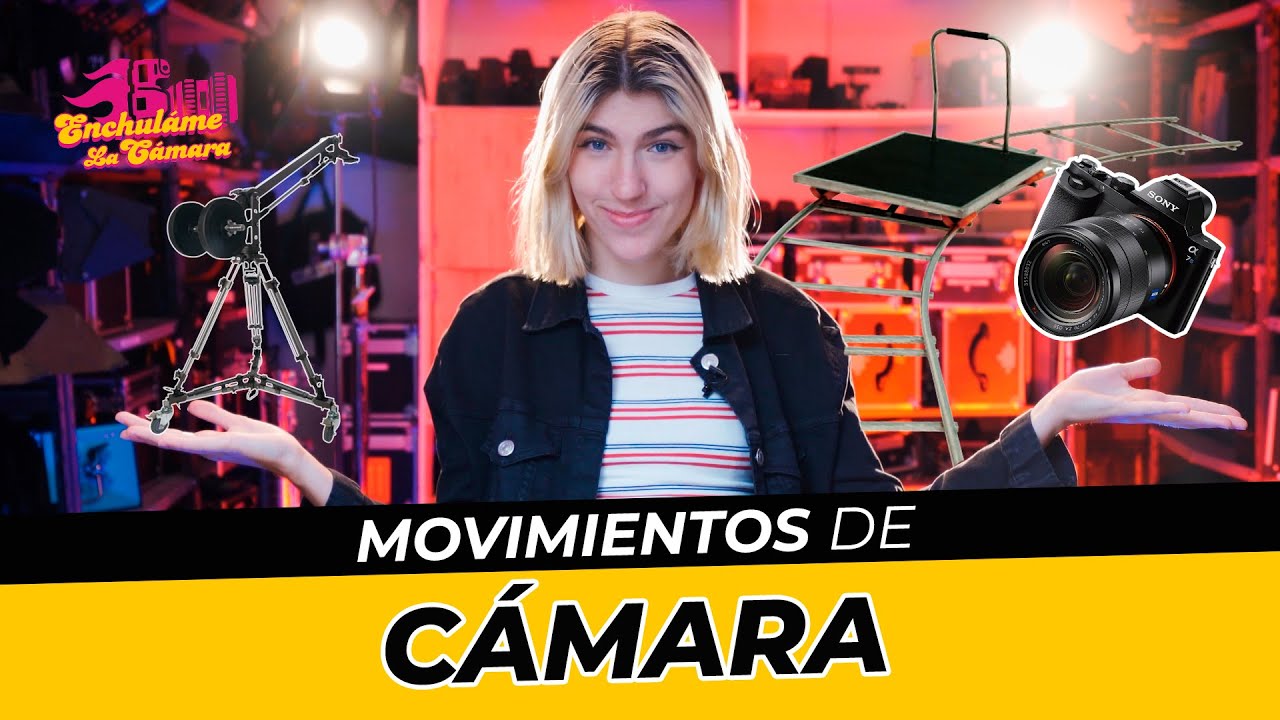
![➕15 MOVIMIENTOS de CÁMARA cinematográficos [GUIA COMPLETA]✅](https://i.ytimg.com/vi_webp/iN0rf5vUfxc/maxresdefault.webp)









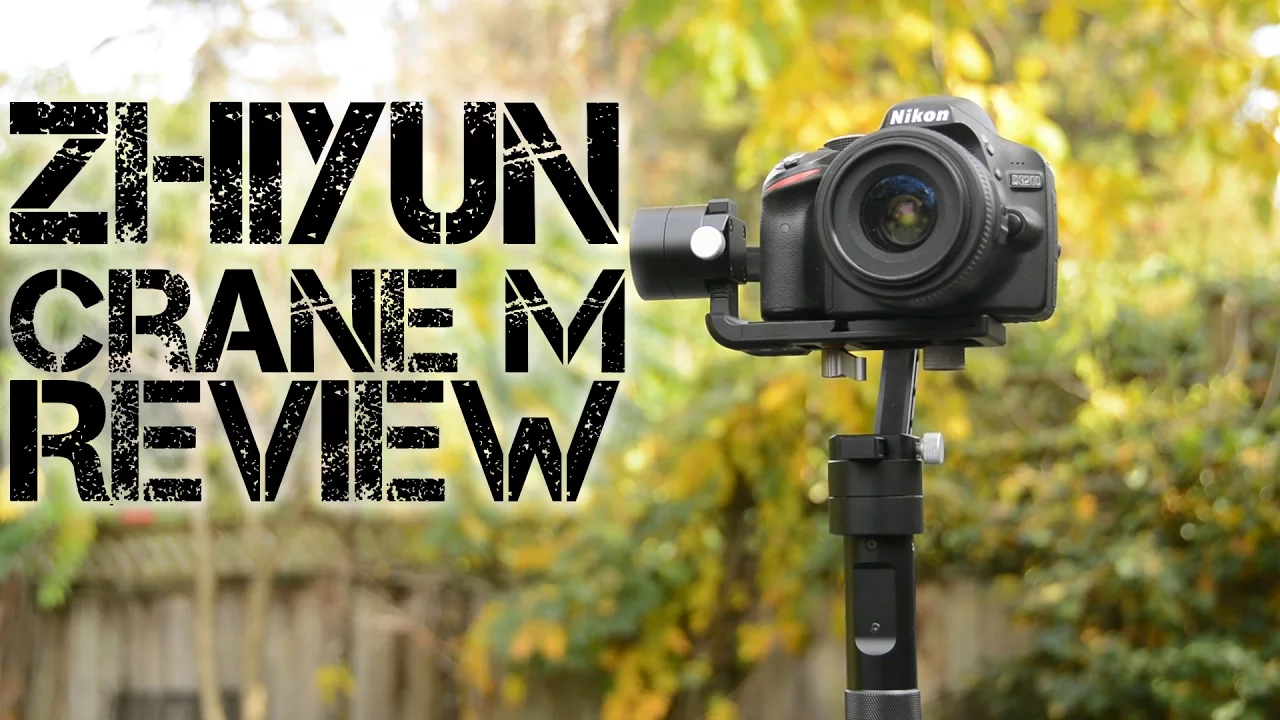


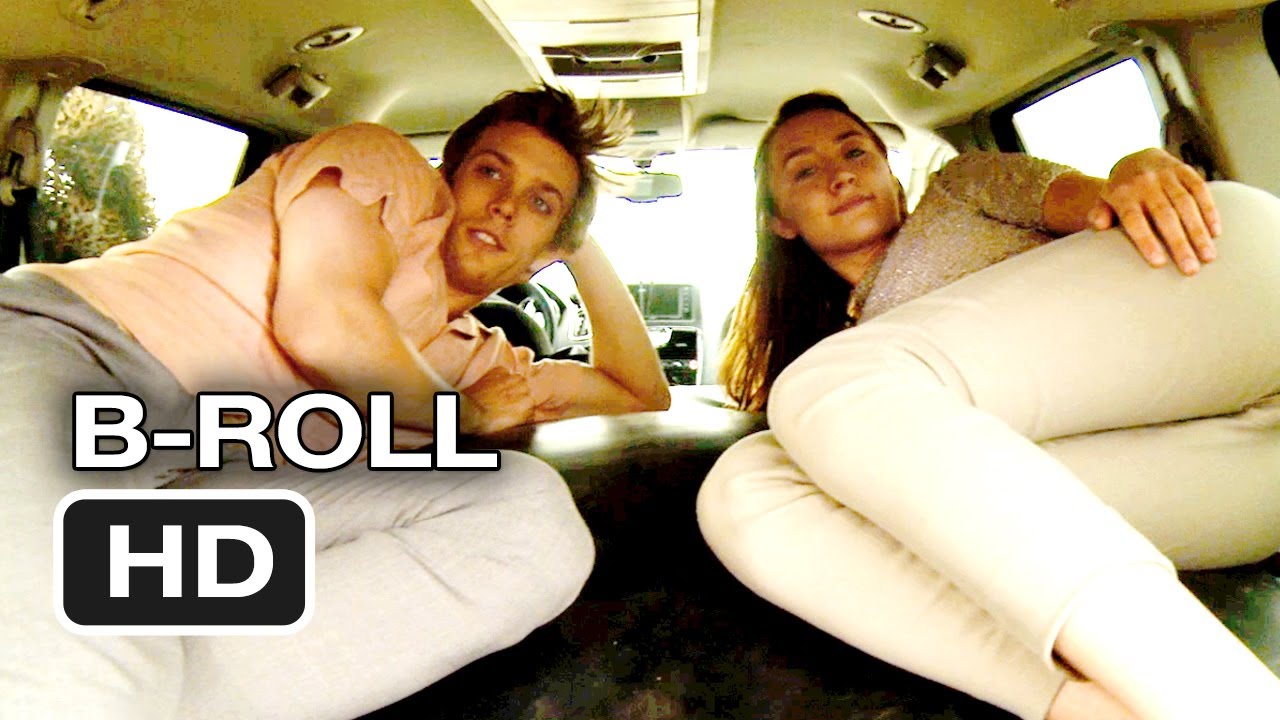

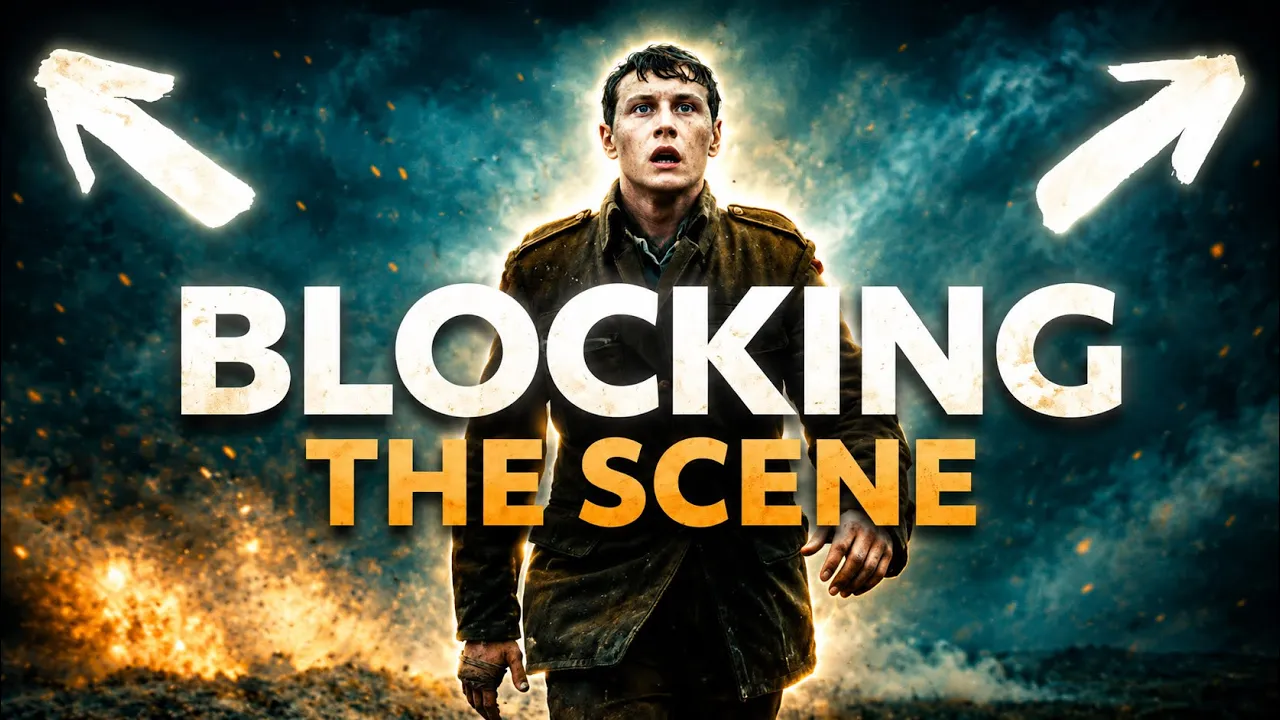


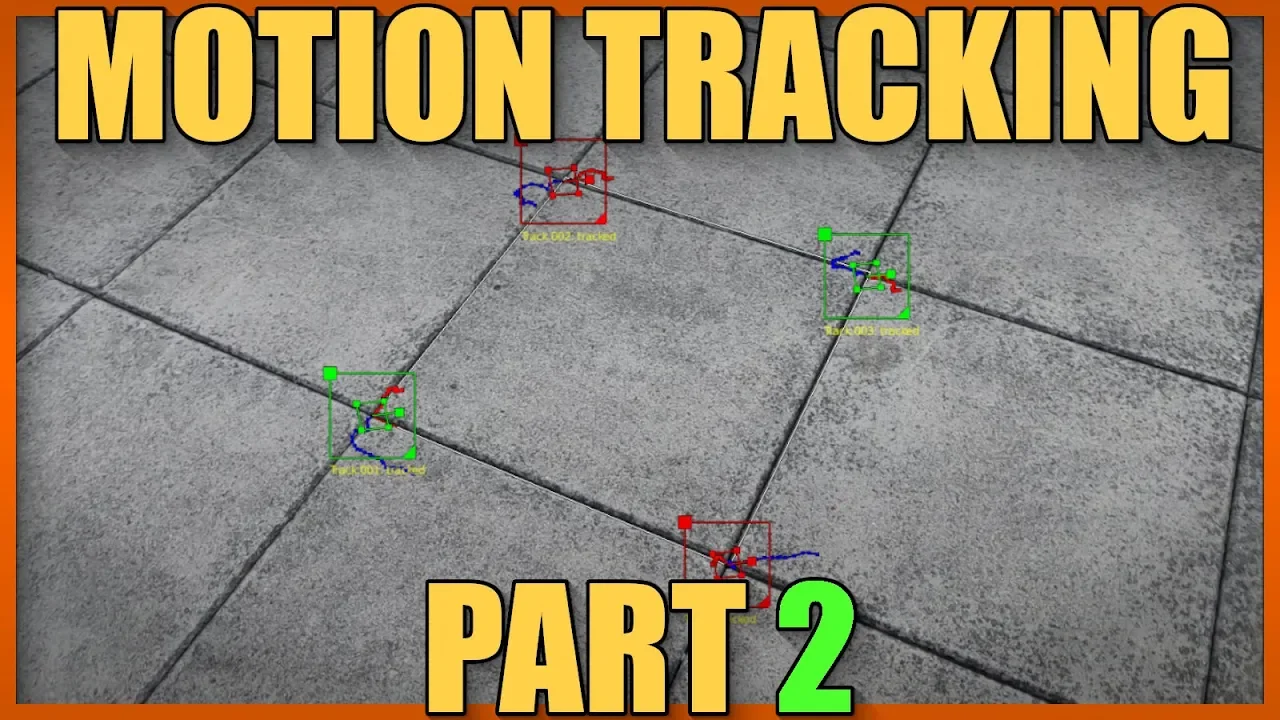
A tracking shot is a camera movement where the camera independently follows one or more moving characters, achieved through various equipment including dollies, Steadicam, cranes, or drones; the effectiveness of a tracking shot depends on multiple variables including lens choice (telephoto compresses space while wide lenses exaggerate movement), depth of field (shallow isolates subjects while deep situates them in their surroundings), camera angle (overhead establishes geography while low angles create intimacy), blocking and staging (whether the camera follows from behind for suspense or leads from the front for power), and speed (slow movements build tension while fast movements create energy); filmmakers use tracking shots to immerse audiences in scenes, establish geography, follow complex action sequences, and create emotional resonance through careful planning of these interconnected elements.
The Tracking Shot in Filmmaking: Techniques and Analysis
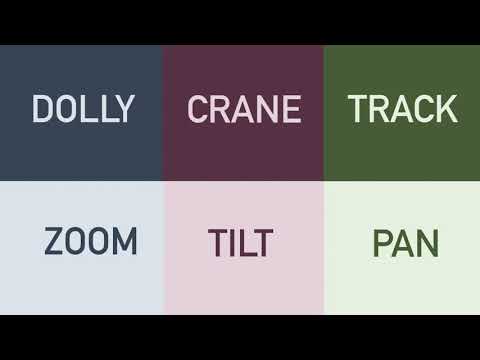
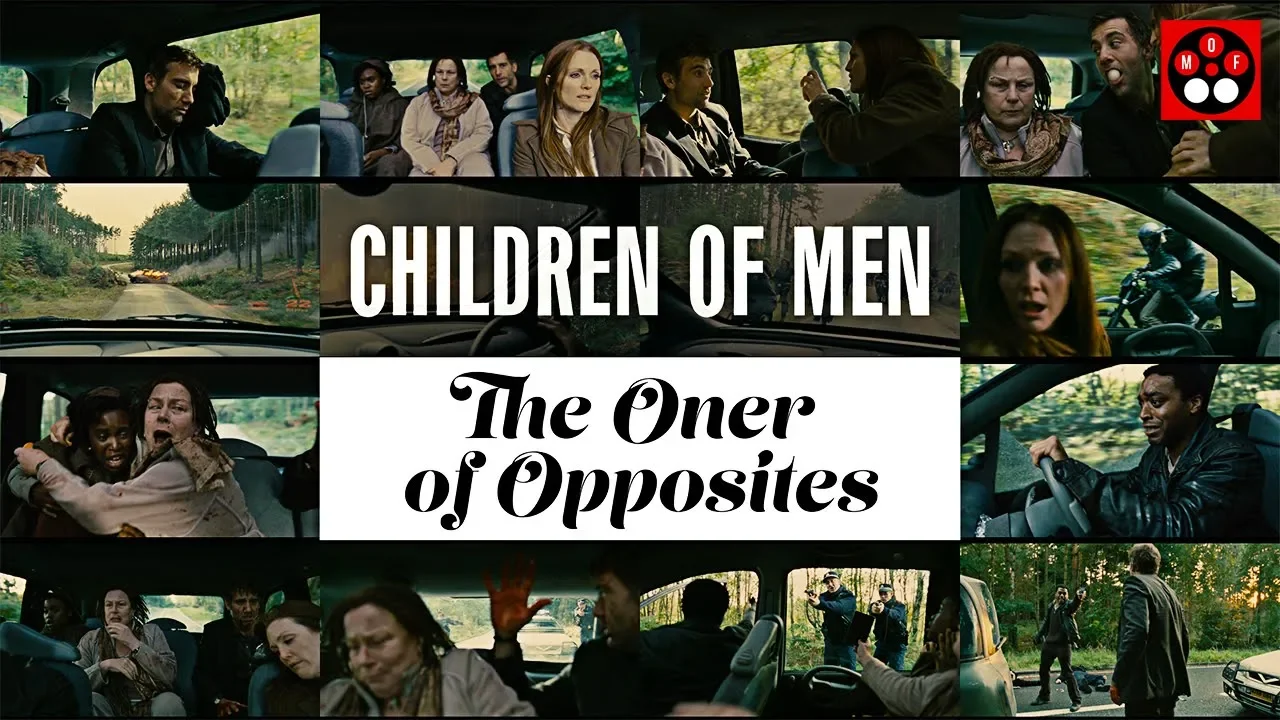
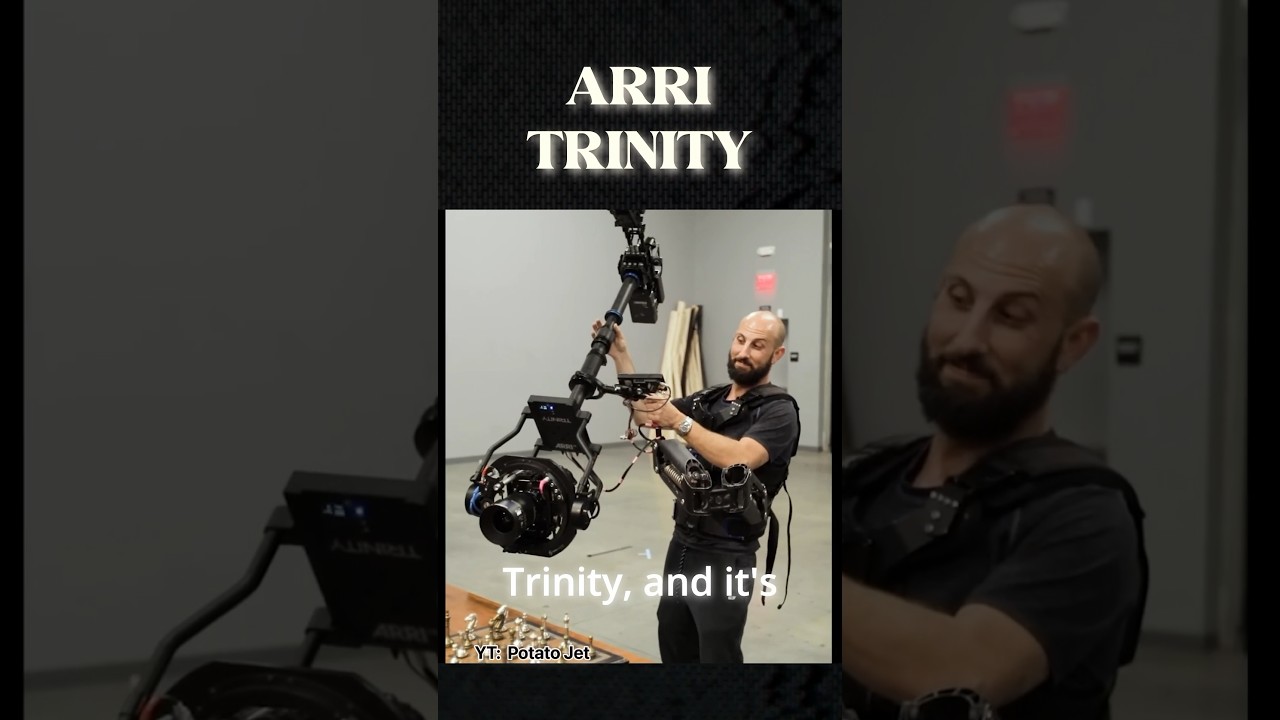
Added:[Music] the tracking shot is one of the most immersive camera movements in a filmmaker's toolkit its technique has been utilized in some of the most iconic shots in cinema history in this video we'll examine the tracking shot what is it what forms can it take and why do filmmakers return to it again and again [Music] this is The Ultimate Guide to tracking shots before we get started make sure to subscribe and click the bell for more filmmaking videos let's begin a tracking shot is when a moving camera independently follows or tracks one or more moving characters because there's an unspoken thing there is no unspoken thing the camera itself needs to be mobile so a pan or tilt even if following a character does not count so don't do it when a tracking shot follows a subject by moving backwards or forwards this is referred to as a dolly regardless of the actual equipment used to achieve the move not the word I'd use when the camera moves light laterally to the left or right this is referred to as Trucking oh my God the term tracking shot comes from the tracks that a camera and Dolly would need to be placed on to achieve the shot in a time when the camera was much bulkier and difficult to move today a tracking shot is not limited just dollies it can be on a steady cam a shoulder mount a drone or anything else which moves it through space as such the shot comes in a variety of shapes and sizes the type of tracking shot a filmmaker uses is rooted in the mood they are hoping to achieve a tracking shot in an action film may look very different from one in a let's look at some of the variables that go into a tracking shot beginning with the types of [Applause] movement the effect of a tracking shot relies heavily on just how the camera is moving and how the camera is moving relies on what equipment the crew is using when a shot is executed with a dolly the movement is usually extremely move because the camera is on tracks the movement is exact perfect for a shot like this one from Paths of Glory where the camera's perfect movement fits the uptight military Superior everything is moving like clockwork it should come as no surprise then that a dolly tracking shot is a Wes Anderson favorite in this scene from the French dispatch Anderson uses a trucking shot to follow robach and to establish the inner workings of the police station police cooking began with the Stakeout picnic and Patty wagon snack but is evolved and cified into something refined intensely nourishing and if executed properly marvelously flavorful but smooth camera movement isn't only achieved through dollies steady cams can achieve a similar look without being confined to a trap one of the most famous steady Camp tracking shots of all time can be found in Good Fellas here Martin scorsi uses the steady cam to float through the crowded Copa Cabana a feat which would have been nearly impossible on a dolly the steady cam smoothness emphasizes that Henry is at the top of his game everything about about the night is effortless what do you do what what do you do I'm in construction putting the camera on a crane meanwhile allows for more vertical movement in the opening scene of the player Robert ultman uses a crane to establish the main location of the film a Studio Lot the Crane's Mobility allows him to then move from character to character all within one shot which goes on to last over eight minutes the lead character is a 50-year-old female circus performer a fire eater let me read the coverage in more recent years filmmakers have also begun using drones in place of cranes allowing for even more extreme versatility [Music] but sometimes smooth movement isn't the objective a handheld tracking shot can Infuse energy into a scene as children of men illustrates director alala quiron and cinematographer Emmanuel duesy's use of handheld creates a gritty realism making conflict look reminiscent of real war footage [Music] handheld isn't just for Action set pieces French New Way Pioneer Jean Luke Gad opted for handheld for this dialogue scene in breathless adding an improvisatory feeling to The Exchange but to avoid a distracting level of shakiness cinematographer rul coutard sat in a wheelchair while Gard himself rolled him backwards a tracking shot can also vary based on lens Choice a telephoto lens for example will compress the space around the subject making an already hectic scene even more intense a wide lens meanwhile can allow for more Dynamic shots since it exaggerates [Music] movement depth of field too is an important variable in tracking shots a shallow depth of field can isolate a character from the world around them while a deep depth of field situates them in their surroundings choice of equipment is a crucial decision when planning out a tracking shot and so is framing and camera angle the tracking shots framing is a large factor in the effect it will have on an audience a close-up tracking shot for example places profound emphasis on a character son of Saul uses a closeup from behind to create a sense of uncomfortable claustrophobia [Music] in this shot from tar a medium closeup allows us to watch the complex shifting emotions on Lydia's [Music] face the medium tracking shot is a common coverage choice for the Aaron sorin walk and talk any chance I can get you go out there instead of me I love you Steve I love you too o it operates as a mobile twoot adding kineticism to a conversation that otherwise could be visually stale was a foot massage a foot massage is nothing get my mother put Mage Okay you Okay busted my ankle there this medium shot in Magnolia allows us to focus on multiple characters while also getting P from subject to subject there you are sorry we're late s there you are oh that's all right by do so the shot evokes the business backstage ready to go go go you know anybody's involved with that Allen thi thing the Cory thing terrorist High scho a wide tracking shot can emphasize the setting the subjects are moving through it's particularly useful for establishing massive sets like the Day of the Dead parade inspector in the Revenant a dynamic wide tracking shot is used to capture the chaos of a battle and allows for multiple layers of action [ __ ] f as the Revenant illustrates the nature of a tracking shot means that sometimes a filmmaker can shift between multiple different framing [Music] choices the iconic opening shot from aen Well's Touch of Evil begins as a closeup immediately setting the stakes of the sequence a bomb is about to go off the shot then turns into a wide establishing the Border Town which will play a key role in the film eventually the camera moves in closer for a medium introducing us to the main characters the name is Vargas hey J you see who's here sure Mr Vargas I on the trail of another dope ring I'm in the trail of a chocolate soda for my wife by the end of the sequence Wells has landed on several different compositions all in one shot do you realize I have haven't kissed you in over an hour as the Touch of Evil scene illustrates camera angle two is an important consideration for a tracking [Music] shot in Minority Report Steven Spielberg uses an overhead angle to establish the geography of the action while also emphasizing how oppressed the citizens of this world are keep your eyes system stay still baby open your eyes it's okay of course framing in a tracking shot is extremely dependent on two other key elements blocking and [Music] [Applause] [Music] staging tracking shots depend on movement of both characters and camera so it should come as no surprise that blocking and staging are important considerations the decisions are as simple as whether the camera is in front of or behind the subject in The Shining cubric trailing tracking shots create suspense as the audience anticipates what may lie around Each [Music] corner from the front the shot can give a character a sense of physical power as this shot does in The Social Network Mark Mark he's wired in sorry he's wired in is he yes how about now you still wired in call security a shot which laterally tracks a character can heighten the spectacle of a scene allowing the viewer to watch action unfold from a more Det attached vantage point the speed of the movement can also conjure different moods a quick tracking shot can Elevate the energy and Chaos of a scene as this shot in Saving Private R illustrates in The Invisible Man a slower approach heightens [Music] tension for scenes with multiple subjects the blocking of characters is often intricate directors can use ey Trace in a tracking shot a technique which refers to drawing a viewer's eyes to a certain area in the frame in this extended sequence from boogy nights for example Paul Thomas Anderson uses character's movement to Pivot from conversation to conversation I have a look okay the look I have is just fine what's your look chocolate love all right 100% you don't have R follows the walking subject until they lead us to a new subject you see Miss s this poor fell from Puerto Rico you I got this club yeah that's one thing soon that goes I die and what do I have I got nothing mhm this blocking with multiple moving Parts makes the party seem more lively there's a lot going on once you've captured your tracking shot your work isn't over the shot's impact will also depend on its editing and duration it's no secret that often the most famous tracking shots have long run times since the technical skill to pull a complex wner off is impressive but a long shot should always have a purpose Beyond impressing film Buffs Angy Falcon at 4:00 this elaborate tracking shot in The Adventures of Tintin which lasts over 2 minutes emphasizes all the Mayhem that a few slips of paper have root oh look faster this gos look got one two and three by not cutting Spielberg can follow multiple moving Parts while keeping the viewer oriented within the geography of the scene tracking shots don't have to be so lengthy in Mission Impossible 2 John Woo opts for tracking shots that whisby in the blink of an eye the speed of the camera moves combined with their brevity creates an explosive energy throughout the scene There Will Be Blood splits the difference this climactic scene Cuts between multiple tracking shots following multiple characters at once it's all hands- on Deck but the camera settles on Plain View it's his rig and his son there's no single use for attra shot the technique can serve nearly any genre and any mood and can vary widely depending on how it is executed boy I bet you we could really have a good party in this room huh but no matter what a good tracking shot can further immerse your audience into a scene tracking shots require a lot of different moving parts start planning your next tracking shot with studi binder storyboard software and don't forget to subscribe to stay in the loop for more videos on film making techniques until next time just keep [Music] trucking a
Up Next
Static Shots in Katzelmacher and Kreuzweg: A Film Analysis
@victoriabenefield8945
6K views•2020-03-20

Visual Analysis Essay: How to Analyze Graphic Novels in College Writing
@nataliepleimann5941
1K views•2020-10-14
Andrei Tarkovsky's Filmmaking Style Explained
@StudioBinder
206K views•2025-02-03

Evolution of Darth Vader: Anakin Skywalker's Animated Journey Across Star Wars Films
@TellItAnimated
13.4M views•2019-03-30
Related Study Plans & Knowledge Roadmaps
Structured learning paths in Film Analysis