![Camera Framing: Shot Composition & Cinematography Techniques Explained [The Shot List, Ep 2]](https://i.ytimg.com/vi_webp/qQNiqzuXjoM/maxresdefault.webp)















![Let's FAQ #3 [6/7]](https://i.ytimg.com/vi/et8pZ2wgPfI/maxresdefault.jpg)
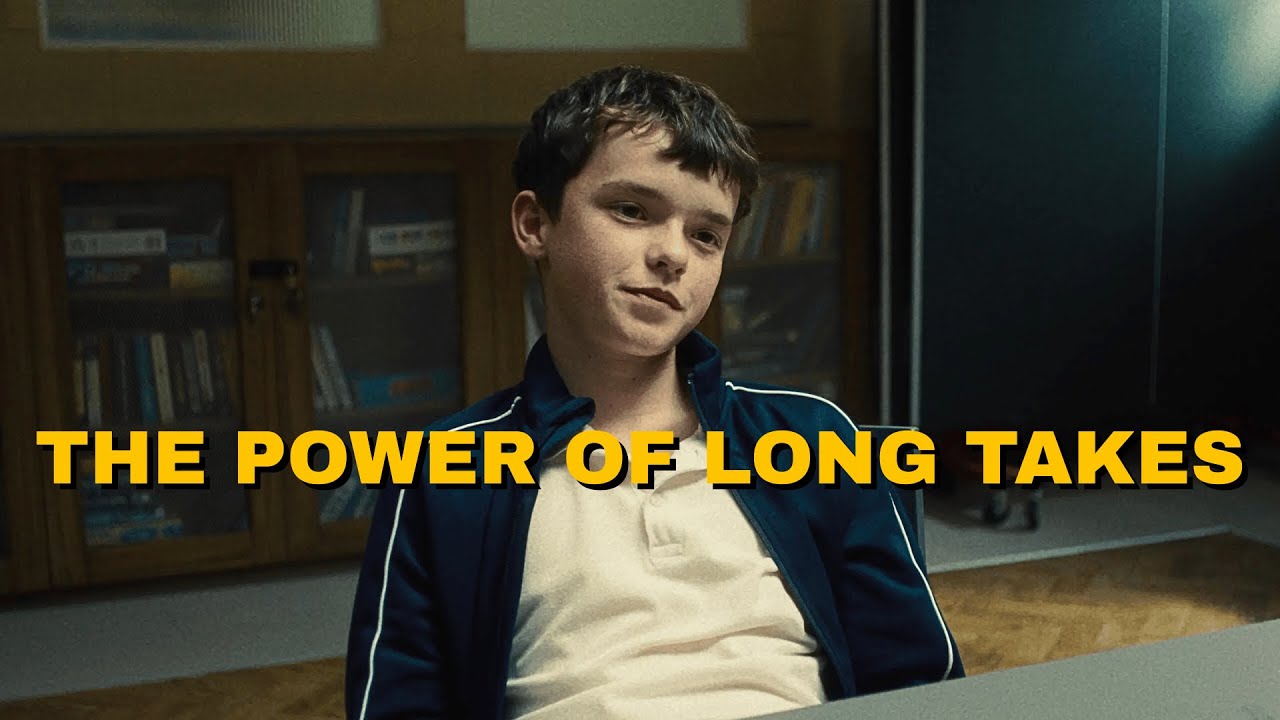
Static shots in film can powerfully slow the pace and create emotional distance between the audience and characters, transforming viewers from participants into passive observers who witness events with cold detachment. This technique, exemplified in Fassbinder's Katzelmacher (1969) and Brüggemann's Kreuzweg (2014), uses the camera's unflinching stillness to reveal how violence and mundane activities become normalized within a story's world, while also reflecting the stagnation of characters' lives. The deliberate lack of camera movement forces audiences to confront uncomfortable truths directly, making the few dynamic shots that do occur more meaningful by contrast.
Static Shots in Katzelmacher and Kreuzweg: A Film Analysis
Added:Fundamental concepts of cinematography, specifically the distinction between active camera movement and the formal aesthetics of static framing.
An introduction to New German Cinema, particularly the work, thematic preoccupations, and minimalist style of director Rainer Werner Fassbinder.
The concept of the Brechtian 'estrangement effect' (Verfremdungseffekt) and how distance is used in cinema to provoke critical reflection rather than emotional identification.
A basic familiarity with the thematic premises of the films 'Katzelmacher' (societal xenophobia and stagnation) and 'Kreuzweg' (religious dogma and sacrifice).
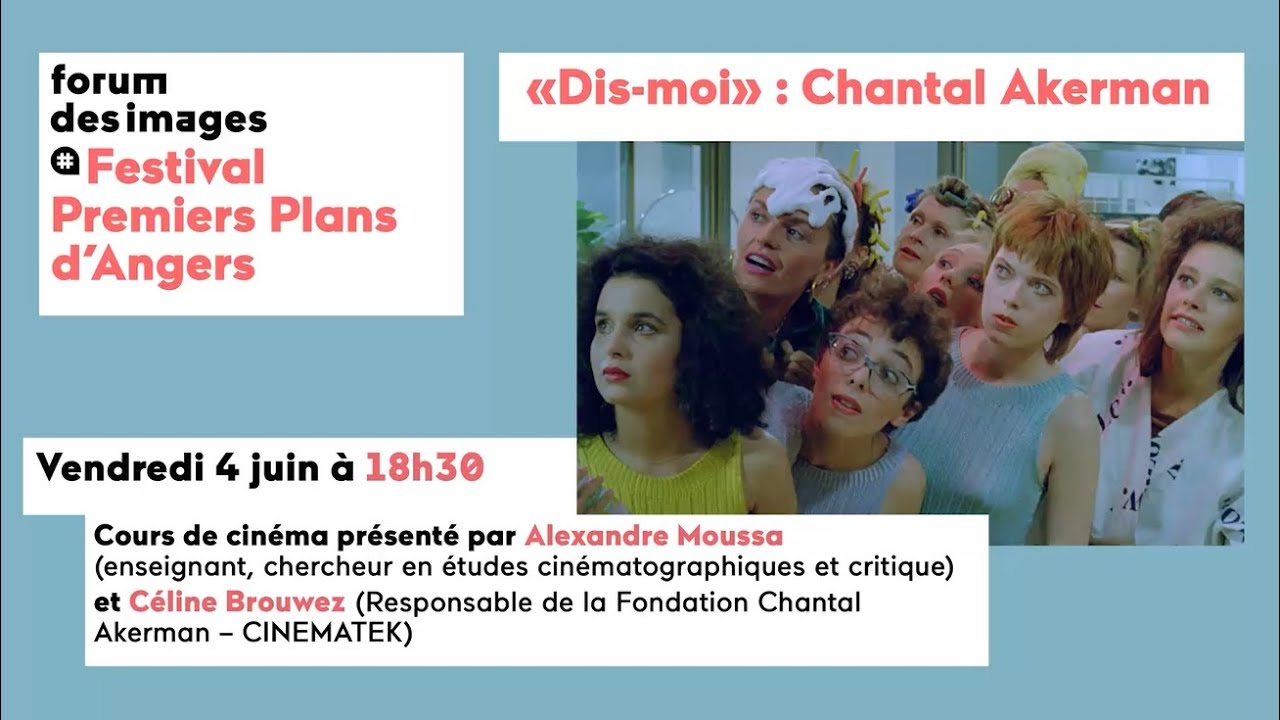
A comparative study of static camerawork and duration in Global Slow Cinema, examining directors like Yasujirō Ozu, Chantal Akerman, and Tsai Ming-liang.
Analysis of the 'Berlin School' of contemporary German filmmaking, exploring how modern directors utilize minimalist form to critique contemporary society.
Advanced film theory regarding the psychological effect of static long takes on spectator active-engagement versus passive consumption.
An applied screenwriting or directing exercise focused on conveying narrative tension, violence, or alienation exclusively through camera placement and composition without camera movement.
6K views160likes5:46Original Release: 2020-03-20
Although many films today rely on a combination of dynamic shots and quick cuts for everything from action clips To simple dialogue Some filmmakers eschew these more complex shots in favor of long, static shots.
In an age when viewers are accustomed to quick-moving action static shots can be a powerful way to slow the pace and encourage audiences to pay close attention Some modern masters of the static shot include Swedish director Roy Andersson, known for his "Living" trilogy; Tsai Ming-Liang, part of the Second New Wave in Taiwanese film; and British director and screenwriter Steve McQueen Two other exemplary films that almost exclusively use static shots are the German movies Katzelmacher and Kreuzweg.
Although these two films were released 45 years apart and deal with very different subjects, they both use static shots to great effect.
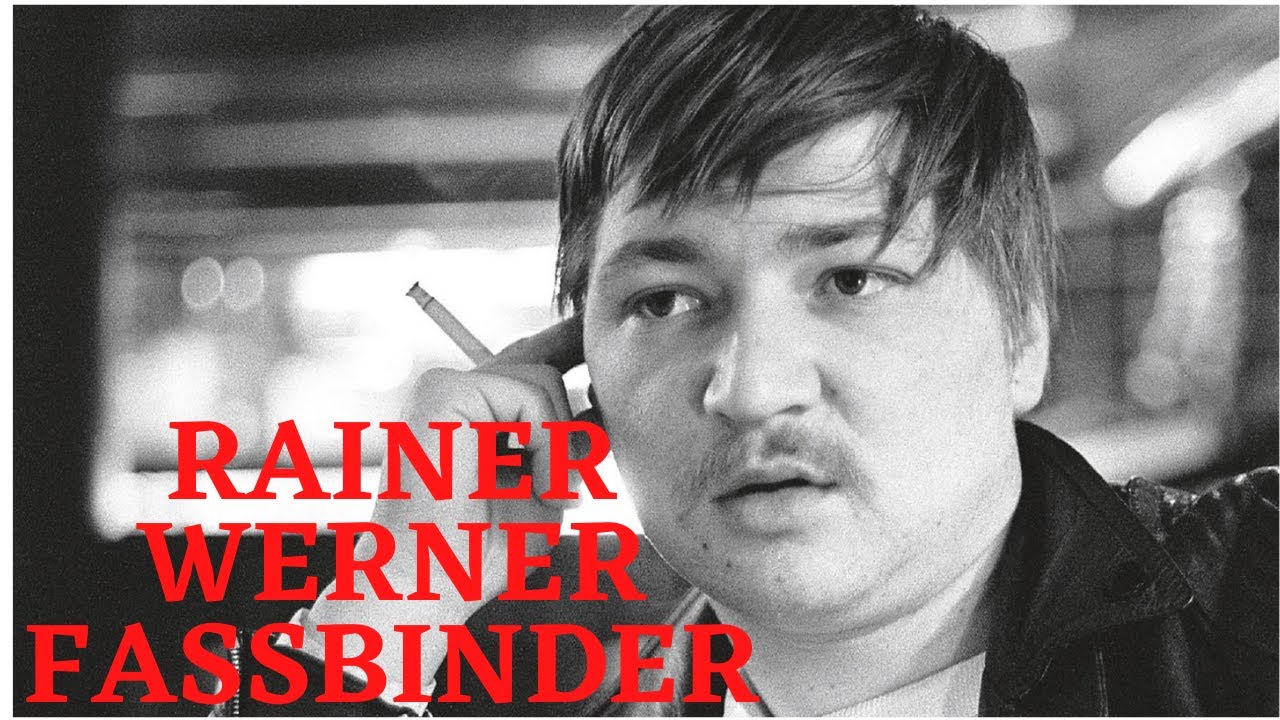
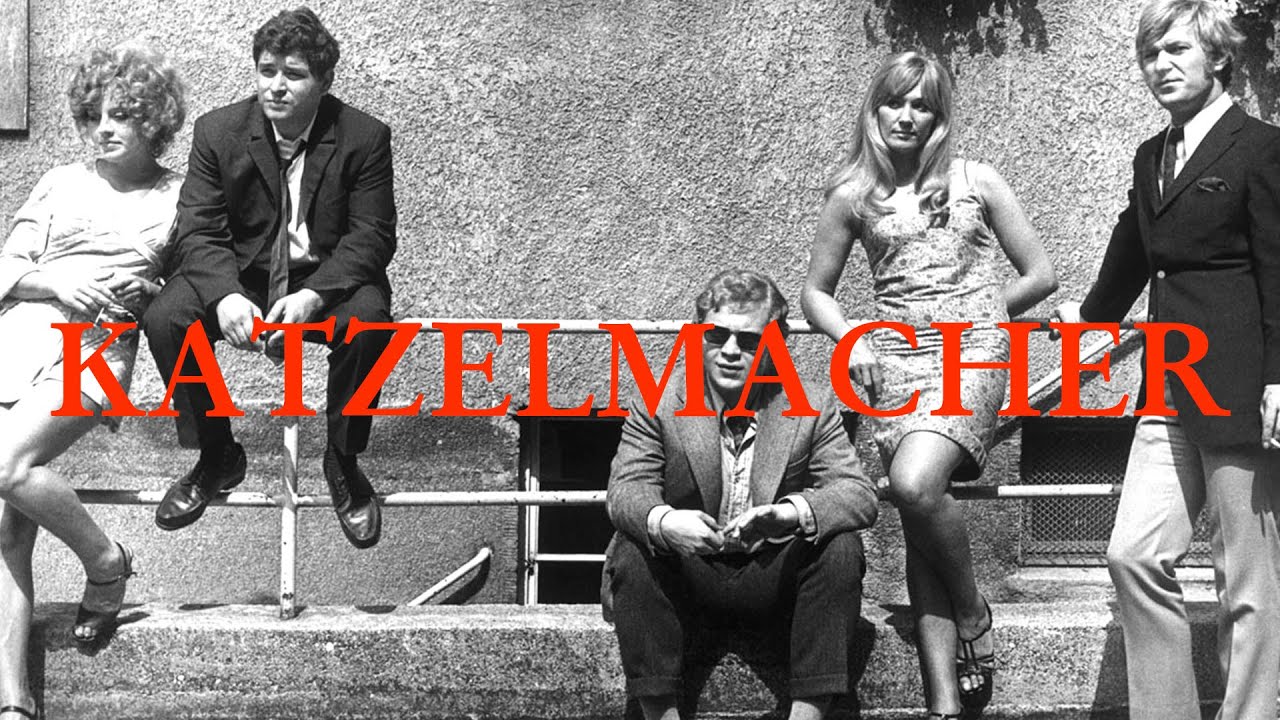
Katzelmacher, a 1969 movie directed by Rainer Werner Fassbinder shows the relationships within a group of young people in Germany and how they are affected by the arrival of a Greek immigrant.
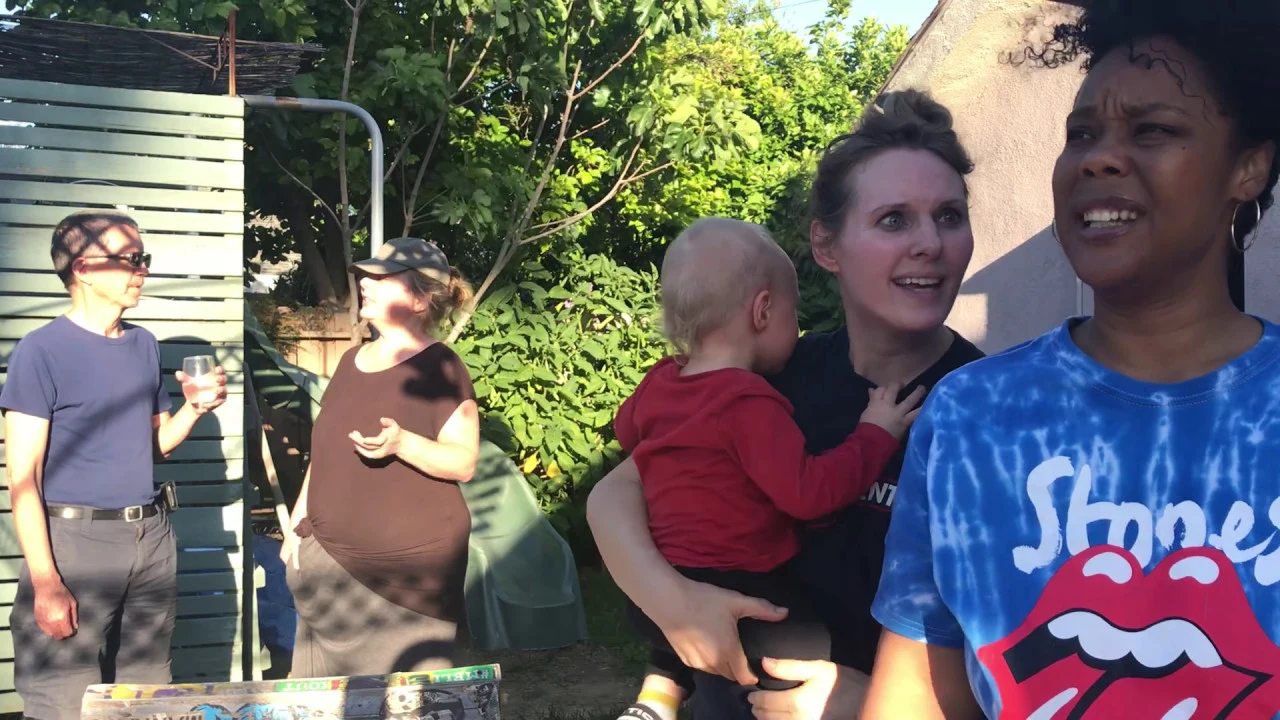
Very loosely narrative, the film is a shocking picture of sloth, sexism, and xenophobia Katzelmacher was a play before it was a film and this origin is reflected in the way it's shot Each scene is composed of a single static shot with the characters all facing the camera as if it were their audience.
As film critic Jonathan Rosenbaum points out, these shots take away from the realism of the film, making viewers passive observers instead of participants and creating a separation between the characters and the audience.
In this way Fassbender makes it difficult to sympathize with any of the characters, even as the women and the immigrant are mistreated and abused The camera cares little about what is occurring in its frame.
It maintains the same position when the men are brutally attacking Yorgos as when they are sitting on the railing and chatting.
It is a witness to the terrible abuse toward women, but it refuses to intervene or even to respectfully look away.
Instead, the camera continues rolling, documenting the women's shame and denigration.
This cold and detached attitude infects the audience, who gradually become as accustomed to the violence as the characters are themselves.
Not only do the static shots show how normalized violence is within the film's world they also demonstrate how dispassionate sex is for the characters.
The camera and, by extension, the audience, is a sort of voyeur to the intimate scenes between the characters, but we take no pleasure in it.
We coldly observe their sexual activities just like we witness their conversations or acts of violence.
The characters treat sex the same way They remove their clothes in silence, looking bored, and stare into space when the act is done.
Sex has become mundane and routine, just another dull activity in the characters dull lives.
The use of static shots further reflects the stagnation of the characters' lives. Just like the camera, these characters aren't going anywhere.
They sit on the railing, in the pub, at the dining room table in idle conversation or in complete silence.
Arguments and affairs are ultimately meaningless as everything will go back to normal the next day.
The stillness of the camera and the long shots that linger on the silence reflect the slow and unchanging nature of the characters' lives.
Kreuzweg, in contrast, uses its mostly static shots to show the rapid destruction of protagonist Maria's life, as she chooses to sacrifice herself so that her brother can recover from autism Each of the film's 14 scenes corresponds to one of the 14 Stations of the Cross.
If you're unfamiliar, the Stations of the Cross are images traditionally displayed in a church or chapel that depict the events in The Passion of Christ from condemnation to burial.
As most viewers will know the story of Jesus's death, there are no surprises in the film's plot.
From the very beginning of the movie, we know that 14-year-old Maria will struggle with temptation and eventually die.
If the film was shot conventionally, viewers might lose interest in Maria's story because they know what to expect, But the long, static shots keep viewers involved because they can observe every detail of Maria's decline.
The still shots, which sometimes show the same scene for 15 minutes straight, give us time to take in the setting, the costumes, the facial expressions of each character.
Like in Katzelmacher, viewers become cold and distant observers, dissecting the painful events that occur before their eyes.
The scenes stretch on so long that the audience may become uncomfortable, but the camera is unflinching, refusing to look away.
It is this quality that lends a sense of realism to the film, as if viewers are allowed to witness something that is normally hidden.
The predominantly static shots also make the few dynamic shots more meaningful.
For much of the film, Maria is trapped within the frame, just as she feels trapped within her earthly life.
The camera's movement during her confirmation shows that she is perhaps finally escaping her pain, but then she faints, and the next still shot shows her again limited by the frail body that defines her human existence.
Maria soon dies, and the final pan to the sky that ends the movie is thus representative not only of Maria's ascension to heaven but of a freedom that Maria -- and the camera -- can now experience Both Katzelmacher and Kreuzweg are great examples of how static shots can be used not only to present a story to an audience, but to more meaningfully explore the themes of that story.
Sometimes the simplest shot can have the most powerful impact.
Up Next
11:57
Static Shot in Film: Mastering Locked-Off Cinematography
@StudioBinder
157.5K views•2026-03-02

23:14
Visual Analysis Essay: How to Analyze Graphic Novels in College Writing
@nataliepleimann5941
1K views•2020-10-14
4:55
Film Blocking Techniques for Directors: Space, Shapes, Lines
@StudioBinder
1.9M views•2018-07-23

4:00
Evolution of Darth Vader: Anakin Skywalker's Animated Journey Across Star Wars Films
@TellItAnimated
13.4M views•2019-03-30
Related Study Plans & Knowledge Roadmaps
Structured learning paths in Film Analysis
film-analysis
Sensory Cinema: Foley, Haptic Sound & Texture
01Introduction to Film Sound and Foley Artistry
02Micro-Sounds, Textures, and Extreme Amplification
03Haptic Audition and Film Phenomenology
+ 1 more learning modules
12h4 modules
Explore Roadmap
film-analysis
Breaking the Fourth Wall: Mockumentary & Satire
01The Invisible Wall: Basics of Cinematic Illusion
02Looking at the Lens: Direct Address & Character Glances
03The Mockumentary: Satire, Realism, and Complicity
+ 2 more learning modules
12h5 modules
Explore Roadmap
film-analysis
Analyzing the Long Take: Cinema, Space & Ethics
01Foundations of Film Grammar: Montage vs. The Long Take
02Choreography and Mechanics of the Simulated One-Shot
03Phenomenology of Film: Real-Time Spatial Continuity
+ 1 more learning modules
14h4 modules
Explore Roadmap
film-analysis
Anachronistic Music: Period Drama & Subversion
01Foundations of Film Sound and the 'Needle Drop'
02Traditional Authenticity vs. Revisionist History
03The Rise of the Anachronistic Soundtrack
+ 2 more learning modules
12h5 modules
Explore Roadmap