![편집을 알면, 영화보는 눈이 떠진다 [영화학개론 4화]](https://i.ytimg.com/vi/q2cerb8yky4/maxresdefault.jpg)

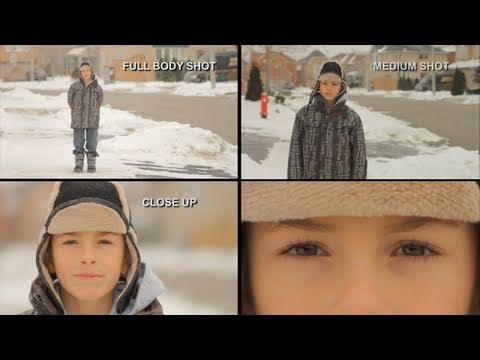






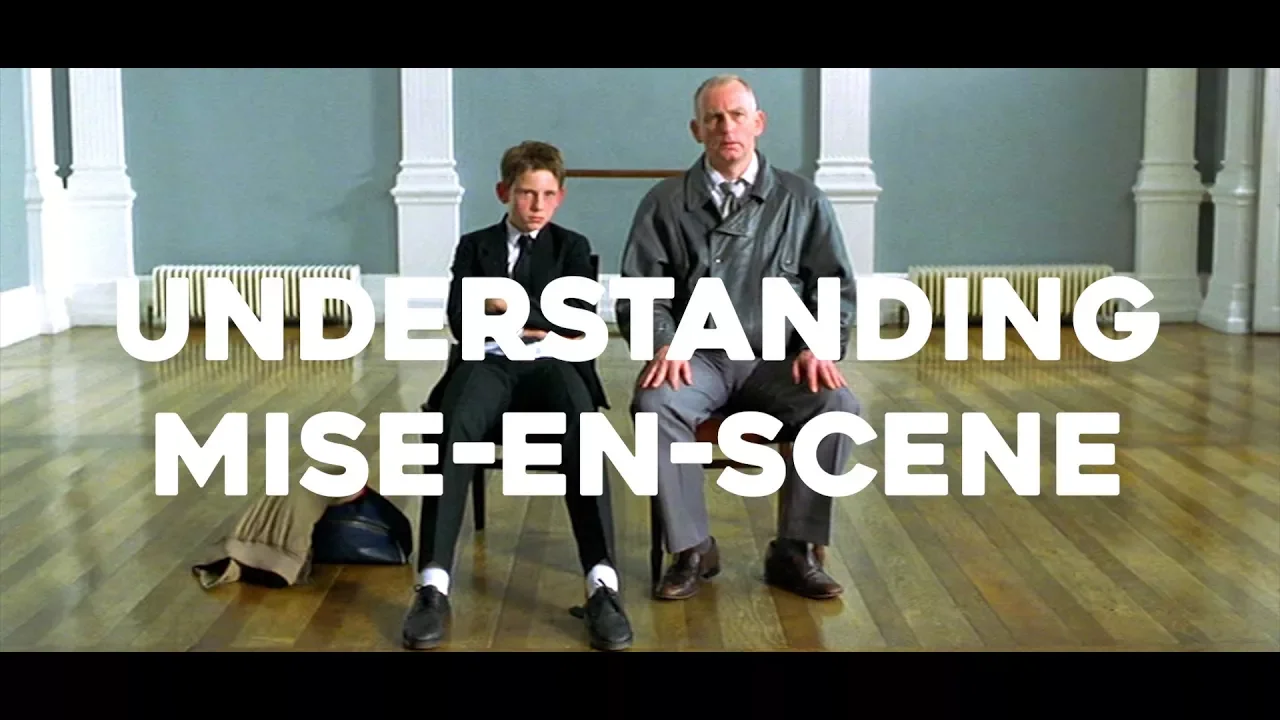
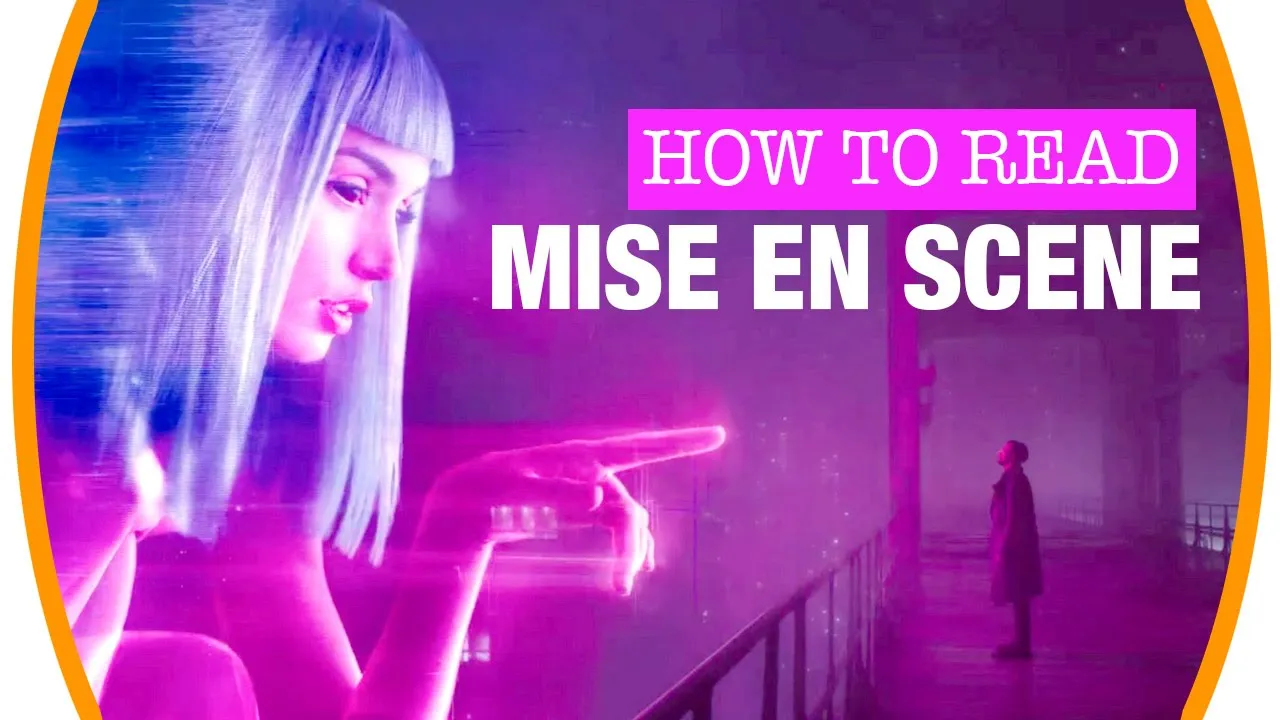








To analyze movies effectively, apply a systematic two-step approach: first, closely observe and describe what you see in the film, then treat every visual and auditory element as a deliberate artistic choice and ask why the filmmaker made that choice. This involves examining the story's themes by identifying main conflicts and resolutions, analyzing visual language including mise-en-scène (costumes, locations, lenses, lighting), understanding perspective shifts between objective and subjective viewpoints, studying technical elements like lens focal lengths, color symbolism, aspect ratios, and lighting techniques, analyzing camera movement and editing styles, and considering sound design and musical scores. Apply various interpretive lenses such as auteur theory, genre conventions, and historical context to deepen understanding. Remember that art is subjective, so multiple valid interpretations exist as long as they are supported by evidence from the film itself.
Film Analysis 101: A Complete Guide to Watching Movies Critically
Added:this video is brought to you by curiosity stream and nebula hey folks so this video is a little bit different than usual it is not part of the ongoing season it is not canon within the universe of the show it was actually originally written almost a year ago as one of our nebula classes but I changed my mind and decided to make a different class instead that one is about how to make a movie and it's a ailable now so I figured I would hold on to this and at some point just make it as a regular video here on the channel and that's what I did and that's why in case you're wondering the video seems a lot more like an academic class than most of the videos usually do so anyway with that explanation out of the way enjoy my class on how to analyze movies [Music] hi I'm Patrick Willams and today I want to talk to you about movies or if we want to sound fancy we're going to be discussing Cinema compared to other art forms like literature or painting or music that have been around for hundreds of years Cinema is relatively young moving picture cameras weren't invented until the late 1800s and the first movie with recorded sound came out less than a 100 years ago so we're still in the early days of the medium for the past Century movies have been the most popular art form in the world we've been watching them and enjoying them our whole lives and for a lot of people movies are just a fun thing to watch to kill some time and that's fine but maybe you want to look at them a little more deeply I mean if weirdos like me can get a whole college degree in something called Cinema studies there must be more going on here and that's what this video is about because pretty much every movie ever made has more to it than just the surface level story like any art form Cinema is the result of artists making deliberate choices and those choices influence how the movie affects us emotionally and what ideas or meanings it's expressing we are not here to decide whether a movie is good or bad and then move on what we're going to do here today is talk about how to interpret these aspects of a movie the story the shots and editing and how it's all put together to understand how it works and what it all means now this kind of analysis doesn't just apply to cinema we're really talking about analyzing works of art and narrative art like Cinema warrants the same level of serious analysis as paintings hanging in the Lou and folks I am not only talking about fancy art films by Batar or rasuk hamaguchi we can apply this same level of analysis to Sonic the Hedgehog 2 or Megan and once we're done here you can be that insufferable pretentious person at a party who tells every everyone what movies are really about how Lord of the Rings is actually about addiction how Top Gun is about struggling to figure out one's sexuality and how every Christopher Nolan movie is really about how he misses his family I mean that last one I actually do [Music] believe okay look I'm going to be honest with you you can probably turn this video off after this one chapter because this is the only rule that really matters if you learn this you're pretty much set to go and start analyzing all the movies you want so let me start with a little story back when I was in college taking a lot of Cinema studies courses for a while I honestly wasn't very good at interpreting meaning from movies I could break down technical aspects and story structure but for some reason I was resistant to the idea of giving every element some deeper subtextual significance and then what finally made it click for me was this art history class I took where the professor realized that I wasn't fully getting it so we had a meeting at the college Art Museum and she finally got through to me by breaking it down in a way I understood so in simplest terms analyzing art really just comes down to two steps step one look closely at the piece and just describe what you're seeing what the piece is and what's happening in it and step two ask why treat every part of that piece as a choice the artist made and ask why they made that choice what was their goal what purpose does it serve how does it make me the viewer feel so if you're looking at a painting you're doing this with the overall composition of the piece the choice of colors the size of the piece the perspective and style of brush Strokes the degree of realism versus abstraction all of these things should be examined and questioned and yes I am aware that frequently in art you get happy accidents things that end up in the finished work but were never a deliberate part of the artist's design what do we make of those do we ignore them because of their accidental nature nope those deserve just the same level of analysis it could even be worth analyzing how the technique used led to an environment in which this kind of accident could be possible because analysis does not end at what the artist intended that's the fun thing about art the artist gives it meaning but so do we as viewers we can totally say that the artist is wrong about their own work that regardless of what they intended it means something different because remember folks and say it with me Al together now art is subjective and that said it doesn't mean that I have to agree with every single Take You can tell me that I don't know that like Toy Story is an allegory for Western imperialism and if you can argue that I would love to hear it but also I don't think you're going to find a lot of evidence to present [Music] there okay so now let's actually get into how we analyze a movie I want to start in the broadest most General way how do we look at a movie and identify its primary themes movies are complicated and there's 's always a lot going on but how do we interpret what it's saying because look regardless of what the movie is good movies or bad movies every movie is about something every movie has some kind of core idea it's expressing or at least trying to express for the rest of this video I want to focus primarily on one movie to show you how you can take a pretty ordinary film something that that does not seem like a deep artart film and actually extract a ton of meaning from it so today we are going to be focusing on the 1990 Chris Columbus film Home Alone which was written and produced by John Hughes starring mccauly culin Katherine O'Hara and Joe pesi I assume most people watching this are familiar with home alone and what it's about but let me ask you this what is it really about what is the main theme of Home Alone well to find it the first step is to just look at the events of the movie and describe in simplest terms what happens what is the story how does it begin and how does it end so here's how I would describe what happens in Home Alone a kid and his mom are mad at each other then they get separated and they realize that they miss each other so while she tries to get home to him he has to protect his home against Invaders okay okay that was that was pretty good but let's make it simpler so how about a kid defends his home while his mother tries to get home to him okay that's better but it's still too complicated let's break it down even more so like home loone is about the lengths we will go for our families okay good good I think we're almost there but we can go one step further and make it even simpler home alone is about the importance of [Music] family that's it we did it we found the main theme great job guys but look movies don't always just have one theme there are actually multiple themes here that are all connected so again breaking this movie down to a very simple description it's about an immature kid left on his own and put in a dangerous situation who learns to fend for himself get over his fears and defend his family's home to put that in simplest terms it's a story about learning to take responsib ability we can do it again it's a movie about people who end up in a terrible situation because they're mad at each other and then they realize how much they love each other and go to Great Lengths to reunite in simplest terms it's a story about forgiveness so basically home alone is about responsibility forgiveness and the importance of family boom we did it see that's not so hard and that's how it works for just about every movie you step back and look at the movie on a macro level what are the main conflicts how are they resolved how do the characters change and generally from just answering those questions you can extract the theme and figure out what the movie is trying to [Music] say Okay so we've talked about the big picture stuff and how to interpret the story but the story itself is just a small part of a movie you can write a story in a few sentences on a piece of paper what's really important is how it's told Cinema is a visual medium if all you care about is the plot then go read the synopsis on Wikipedia it's faster the point of a movie is to tell a story with images and those images can do a lot more than just showing actors delivering dialogue where the camera is placed how it moves how a shot uses light and color how the actors are positioned these all have a psychological and emotional effect on the audience changing any one of those elements can radically affect how we interpret something these seemingly small choices can create meaning and subtexts that you would not just find in the thought synopsis so it's time to bust out a fancy French expression you've probably heard about this one before it's a big one it is time to talk about Mison sen essentially what Mison sen means is what is in the frame it's the dozens even hundreds of choices from costumes to locations to lenses to lighting that result in what we see on screen what we're trying to do here is understand the form how the tools of Cinema are deployed the film [Music] language it's often been said that a movie teaches us how to watch it when looking at the early scenes in particular we're being given Clues as to the tone and language of the movie as in the visual language if you look at a movie and try to impose the rules of other movies onto it you're just not having a productive experience so for example back in 2008 when the movie speedracer came out a lot of people looked at it and recoiled in horror they were like this looks weird it's like a cartoon it doesn't look real this must be a mistake which means the movie is bad now the problem with this take is that it's assuming that the movie is trying to look realistic and failing it's ignoring what is actually going on which is that the aesthetic was a deliberate choice and part of analyzing film is treating every aspect of it as a deliberate choice now this is not to say that you have to like every choice and maybe you think a choice doesn't work and was a mistake but give the filmmakers some credit assume they chose to do it that way and then figure out why so this starts with the overall style and aesthetic a starting point for analyzing this is considering where it falls on the scale of realism versus formalism now without getting into the whole long history of film Theory and where these approaches came from the short version is this one extreme approach to cinema is pure realism basically a reproduction of reality with with no intrusive elements you know workers leaving the factory then on the other end of the spectrum is like a surreal animated musical something entirely artificial that doesn't attempt to imitate reality at all most movies exist kind of around the middle in an area called classicism this uses realist elements like naturalistic performances and locations and subtle unobtrusive editing to create a linear sense of continuity but it combines them with formalist elements like a musical score different camera angles and camera movement and classicism is pretty much where Home Alone Falls it has the glossy Hollywood lighting it's shot on 35mm film it has the aesthetic and look that we accept as general movie reality and the sets costumes locations and performances are designed to resemble the real world but there are also several formalist elements throughout there's the music the iconic John Williams score and several Christmas songs and then there are the various exaggerated angles point of view shots the slow motion when the tobogan flies out the door this split diopter shot and of course the part where Kevin is remembering the mean things his family members said to him and we see their faces floating at the sides of the frame and the purpose of all those things that I just listed is the same it's to show us Kevin's perspective anytime the film shifts a little bit toward formalism it's to communicate to the audience how Kevin is feeling and perceiving [Music] things and this brings us to another major component of a film's visual storytelling perspective and more specifically is it a subjective perspective or an objective perspective I know I just threw out a whole bunch of rhyming words at you but I promise it's actually pretty simple when a film uses an objective perspective it is doing so as if it is an outside Observer with no emotional involvement in the story simply seeing the events from an outside point of view a subjective perspective is when a film uses its visual language to convey how a character is feeling and telling the story from their perspective and this can change from scene to scene so let's look at an example from Home Alone early in the movie when Kevin wakes up after his family has gone to the airport without him this is all shot from an objective perspective it's the static wide shots that emphasize the vast emptiness of the house and how small Kevin looks inside it it because right now he doesn't realize that he's home alone we know more than he does and so we're standing back as an outside Observer waiting until he notices something is off and then as he starts to realize what's happening the film moves into a subjective perspective I mean it literally visualizes his mind as he remembers things his family members said to him and then the film language changes to express His Manic excitement at having the house to himself we are now firmly in Kevin's perspective for the rest of the movie but to understand how this perspective is actually done we need to get a bit more [Music] technical you don't need to know exactly how to make a movie to be qualified to analyze them you don't need to know how to work a camera or read a light meter but it does help to have a basic understanding of some of the technical aspects of film making so that you can understand the creative choices being made and what they mean so lenses those pieces of glass and gears that control how the camera sees the image we could do a whole class on how lenses work since there is so much to talk about but we don't have all day I want to go home and eat dinner after this so here's the simple version every lens has what's called a focal length which is expressed in a unit of millimet right now this camera is shooting me on a 35 mm lens a lower number focal length means it's a wider lens and a higher number means it's a longer lens every lens has its own qualities and the choice of lens can radically change what a shot looks like here's me on a 16 mmm lens and then here's me in the same position on a 105 mm lens in general longer lenses have a narrower field of view and compress the image so the background looks closer to the foreground they also have a shallower depth of field meaning the part that's in Focus so if a long lens is focused on a person in the foreground everything behind them will be totally blurry and because of this long l tend to be used for close-ups because they isolate the subject in focus and also just make it look more flattering wide lenses on the other hand capture a much wider field of view fitting more of the environment into the frame the depth of field is much deeper so the outof focus parts are not as blurry as they would be with a long lens and especially with really wide lenses there's a slight warping to the image the world looks slightly exaggerated through a wide lens and so they're often used for comedy close-ups with a wideangle lens can look crazy and also wide lenses emphasize motion so if the camera is moving forward quickly like if it's strapped to the front of a moving car the movement looks way faster and more intense with a really wide lens there's no one correct way to use these lenses like sure the Cohen Brothers like to shoot common with wide lenses but then the Revenant was also shot all on super wide lenses Terren Malik mostly uses super wide lenses these are just different choices that affect how the audience interprets the image and so how are lenses used in Home Alone in general there aren't any really extreme choices no 11 mm lenses and no 1,000 mm lenses and definitely no fisheye lenses mostly the lenses stay around 21 to 35 mm relatively wide so that we can see the environment as well as the characters because obviously the house is very important what's notable though is the way that Chris Columbus and cinematographer Julio MCAT use wider lenses they are almost exclusively used when shooting scenes subjectively from Kevin's perspective so every time he's looking looking up at an adult those adults are shot with a wide angle lens which exaggerates the distance making them look like these huge imposing people towering over Kevin in the scene in the church when Kevin finally meets old man Marley who he's been terrified of for the whole movie wideangle lenses make Marley seem huge and scary and they make Kevin look tiny and weak but then when Marley sits down and reveals himself to actually be a nice person the exaggerated wide lenses are replaced with longer lenses making the characters appear more natural more like humans and less like cartoons the only times that much longer lenses are used are the scenes when Kevin walks Home Alone from the grocery store these lenses isolate him against the background so he is sharply in Focus while the background is totally blurred out the shots emphasize his isolation the frame is pretty much empty except for him and the first time we see this the camera is higher up looking slightly down at Kevin so he appears small the second time which comes later in the story at this point he's feeling better taking on some responsibility and so now the camera is placed lower down looking up at him a little bit so he appears more confident [Music] color it's a vital part of Cinema filling every frame of every movie you see except all the black and white ones obviously color is something that just exists in reality so the camera is going to capture it automatically but it's also an incredibly powerful storytelling tool the color of light of sets and costumes color manipulation and post- production all of these things done deliberately can affect the audience emotionally and create meaning and subtext within a film now to be clear there is not only one single meaning for each color depending on the film colors can mean pretty much anything in Star Wars red is associated with evil but in other movies it represents passion and love in The Matrix green is associated with an oppressive system of control but in other movies it represents hope and fertility and nature colors can be anything the filmmakers just need to know how and why they're using them so now let's talk about the colors in home alone right from the opening scene the mallister house is portrayed in warm colors it's lit with glowing amber light it's decorated with lots of Reds red patterned wallpaper red bed spreads red napkins red leather chairs and so we associate these colors with home and family in general warm colors tend to be appealing and comforting we associate them with sunsets Autumn Leaves and fireplaces human skin is made of warm colors even for really pale people like me most comedies and uplifting movies tend to have warmer color palettes because this makes us feel good it puts us at ease and gets us ready to laugh now obviously there are exceptions like Mad Max Fury Road cranks up its warm colors so much that they feel hot and oppressive but these are generalizations not science so if the home in Home Alone has a warm color palette what happens when we go away from the home well in the whole storyline with Kevin's mom she is stuck far away trying to get back home and every location she and the rest of the family are in has this cold color palette when she gets on the airplane before she realizes Kevin isn't there in each scene blue becomes more and more dominant the airports are all blue the apartment in France is furnished with teal Furniture even the Christmas tree there is white with blue lights and yet Katherine O'Hara playing Kevin's mom is always in the warm color palette of their home she has red hair she's wearing a camel coat and cream colored sweater she clashes with the colors of these environments this is the movie telling us with color symbolism that she doesn't belong here she's meant to be at home and this same color coding continues throughout the movie The Wet Bandits van is blue in the opening scene Harry is disguised as a police officer in a blue uniform and then when John Candy shows up to help Kevin's mom get home he's in a yellow jacket the warm colors return to help bring her home this is honestly a pretty well-made [Music] movie up to now we've been talking about misison sen what's in the frame but now it's time to talk about the frame itself if we're going to analyze the visual choices of a film that doesn't just mean the smaller stuff like lights and lenses this goes all the way to the top and by the top I mean the shape of the movie itself and by the shape I mean the aspect ratio the aspect ratio is simply put the ratio of the frames width to its height in the early days of Cinema all movies were shot and projected pretty pretty much as a square and then as technology evolved wider aspect ratios became available and these days pretty much anything is possible depending on what the filmmakers want so you could have something like the Grand Budapest Hotel which uses three different aspect ratios this might seem like a small decision but it changes the whole way that shots are framed since the shape of the image is fundamentally different I know that 2.39 to one also known as cinemascope has become this shorthand for cinematic like by throwing black bars on the top and bottom of the movie and editing it suddenly looks important but generally when movies are shot in that aspect ratio it's a delate decision made to utilize The Wider frame home alone is shot in the common 1.85:1 aspect ratio which is taller than cinemascope and is closer to filling a standard 16 by9 TV now this aspect ratio is used for all sorts of movies ET and The Godfather used it but one of the most common uses for it is for comedies comedy movies are often shot with wide lenses that slight Distortion I mentioned earlier can add a comedic undertone to the shots and since this aspect ratio reveals more of the frame like we can see more of the characters with the environment around them it works well for capturing physical [Music] comedy I would theorize that while the comedic potential of this aspect racio is part of why director Chris Columbus chose it I think the other reason is the same reason it was used for Jurassic Park see this aspect ratio is taller there's more image at the top and bottom so it was used for Jurassic Park because the dinosaurs are so tall that this allowed the film to capture them better and have them fill more of the frame and in Home Alone this extra height to the frame emphasizes how small Kevin is we see how big the environment is around him and how huge all the adults seem obviously there's not as much to analyze here compared to like color since it's just one single choice but I wanted to bring it up to demonstrate that literally every creative choice is worth thinking about [Music] after the camera maybe the most powerful tool a cinematographer has is lighting honestly the only things you really need to make a movie are a camera and some source of light lighting helps create the reality of the film it gives it mood and atmosphere it directs our eye and tells us where to look most of the time we're not supposed to notice the lighting it's meant to establish a cohesive reality that doesn't distract us from the story but even if we're not noticing the lighting it's still having an effect on us most of Home Alone is lit with what's known as highkey lighting this essentially means it's very well lit like I am now there's a key light a backl probably fill lights too there are minimal shadows and contrast it's designed to resemble reality but like a better looking more appealing reality where everyone's face is always nicely lit this is a fun family comedy with a happy ending and the highkey lighting immediately creates this nice comforting tone but on the flip side some scenes use what's called lowkey lighting which is pretty much the opposite it often uses only a single light source and has heavy shadows and contrast it feels more dramatic and suspenseful so look at this scene where Harry and Marv are trying to break into the house they're lit with this single hard light outside their faces are partly in Shadow there's lots of darkness and inside Kevin is lit only by the dim blue glow of the TV suddenly it feels like there's real danger and Stakes now imagine if this scene was lit like this it would have a totally different feeling and it really wouldn't feel so dangerous at [Music] all we've already talked about the shape and framing of shots but the thing is composition of images isn't really unique to film these same principles apply to photography and painting and even comic books but the component that makes Cinema unique is movement in particular the movement of the camera and the movement of actors within the frame which is known as blocking now there are movies with no camera movement at all composed entirely of static shots like the work of Roy Anderson but the majority of movies you'll see will have some degree of camera movement so now this might seem basic but I want to run through the different types of camera movement just so we have a vocabulary we can use panic is when the camera turns on the x axis going right or left tilting is when the camera turns on the Y AIS going up or down a zoom is done within the lens where the camera is fixed to one point but the focal length is increasing or decreasing a tracking shot is where the camera moves through space either on a steady cam or G gimbal or a dolly a crane shot is when the camera moves through space vertically and an extension of this is a helicopter or drone shot and handheld obviously is when a person is holding the camera which can add a looser degree of movement to what might otherwise be a static shot now this is not a test to be able to identify exactly how any shot was done but when you're analyzing a movie it's helpful to have the vocabulary to be able to discuss the storytelling choices being made and what they're doing sometimes this can be as simple as a pan from one thing to another like look at this shot we're in a wide shot looking at Kevin from an objective perspective as he is walking home feeling defeated and then the camera pans to show Harry and Marv in a van driving right toward him this one shot is telling a story our main character is unknowingly about to run into and maybe get run over by the villains it's saying Kevin is at a low point but uh-oh things are about to get worse and by doing this within one shot it's telling us where they are in relation to one another within the physical space obviously ly a lot of the time camera movement is happening to follow the action moving with characters as they move through the space but that's still a choice that's being made look at the way the camera moves through the airport as Kevin's family rushes to catch their flight now this could have been shot objectively in a static wide shot like from an anonymous person's perspective in the airport watching this crazy family but by having the camera move with them at the same speed it's making it subjective capturing how they're feeling the opening sequence of the movie is filled with constant movement the house is full of people rushing around packing for the trip and the camera is constantly in motion usually following characters from one room to the next on a steady cam now this serves a few purposes it's bringing us inside to make us feel like a member of the family it's creating this frantic energy to contrast the Stillness and quiet that will come when Kevin is left home alone and by using so many wide long tracking shots it's teaching the viewer the geography of the house which will become extremely important as the story goes on but let's look at a specific example to show how some simple movement of actors and the camera can give a scene meaning and emotion at one point in the movie while Kevin is hiding under his parents' bed he realizes that since he's the only one there he needs to toughen up stop being afraid and face his problems so he marches outside to declare to the world that he's not afraid anymore now look at this shot Kevin starts in the distance very small in the frame but as he walks toward us the camera tracks in at a low angle generally when the camera pushes in like this on a subject it's telling us that thing is important as if the camera is interested and is actively getting closer and so Kevin and the camera move toward each other until we arrive here in what is known as the cowboy shot a medium shot framing a character from the hips up usually to make them seem heroic you can see this in basically any Western or more recently this scene in Wonder Woman so this shot is visualizing Kevin's Newfound bravery he's feeling like a pretty big guy and then a shadow starts to pass over him and the camera begins moving up not tilting up but actually craning up vertically we cut to a shot from Kevin's point of view starting down with with old man Marley's scary Boots then tilting up the blade of the shovel which he thinks is a murder weapon and then it cuts back to Kevin as the camera keeps Rising with Marley Shadow now totally covering him immediately all that bravery is gone and he is a scared little boy even though this Cuts back and forth a couple of times it's really only two shots they're cutting between so you can see how that movement of the camera pushing in and then craning up is telling an entire story without any [Music] words in general we're not supposed to notice the editing when watching a movie it's meant to be invisible to tell the story clearly with good pacing so we get swept up in it and aren't thinking about the technical aspects are the cuts between the shots usually when we notice editing it's for disorienting distracting editing in an action scene like this thing what you'll generally encounter in most movies is what's called continuity editing editing that establishes a clear sense of spatial geography as well as time so when you're cutting between people talking they seem to be looking at each other the person on the left is looking right the person on the right is looking left and each shot chronologically follows the one before it it feels natural so we don't even think about it the basic idea of editing is that when a film cuts from one shot to another we subconsciously understand the connection between them so when Home Alone cuts from a TV to Kevin covering his eyes with his fingers even though they're in separate shots we understand that he is watching the TV and reacting to it especially because at the beginning of the scene we saw a wide shot that established Kevin and the TV in the same room like I said before movies teach us how to watch them this same idea applies to situations that don't necessarily have that wide shot to establish the direct connection so one scene in the film Jaws cuts from a kid calling for his dog on the beach to a closeup of a stick floating in the water from the context as in this is a movie about a shark attacking this location we can infer that the shark ate the dog we'll miss you pippet rip to a real one and sometimes within a scene the film will suddenly get more abstract and cut to a totally different place like in Gladiator when the film cuts from a closeup of Maximus to this shot of the camera moving toward these big doors but we understand that this is not literally happening this is inside maximus's head it's what he's seeing as he's dying spoilers for the last scene of gladiator when this sort of thing is done it's usually to represent a character's thoughts their memories or their imaginations when a movie shifts its editing style once again we just need to observe what it's doing and ask why the shower scene in Psycho is so legendary yes because it's a shocking violent scene but it's also this very sudden shift in the movie's visual language the whole movie up until this point has been told in mostly wide shots and medium shots that are held for a while and now here we suddenly have this frantic rapid cutting with lots of extreme close-ups it's jarring and chaotic which is exactly the point of the scene look whole books have been written about editing like here are a few and with most movies you see the editing is clear and effective and mostly invisible it delivers spatial and temporal continuity like it intends to and it doesn't really need much analysis Like Home Alone the editing by future Scooby-Doo director Roga Gosnell is really effective throughout it tells the story clearly and engagingly the pacing is good the comedy lands but on its own it usually isn't providing much additional meaning it's more that it's clearly delivering the meaning created by the visuals and script but there are a few examples that I think are worth highlighting first there's the Montage we take montage for granted since we've seen a million of them but consider this the sequence of Kevin setting up traps around the house and the reality of the film that probably took an hour or so but for us watching the movie it lasts 1 minute and 10 seconds we understand that these shots are compressing time at the beginning of the sequence we see Kevin's overall plan and then each successive shot is a small portion of the that plan coming together the bigger piece of editing that I want to highlight is crosscutting this is when a film Cuts back and forth between two or more scenes which we understand to be happening simultaneously this is the thing that Christopher Nolan does in all his action scenes where there are usually a few different storylines happening and the film keeps cutting between them all in Home Alone the film crosscuts between Kevin's family on the plane from Chicago to Paris and then Kevin waking up alone back home in Chicago the static wide shots of Kevin at home linger holding even after Kevin has walked out of the shot before then cutting to the plane in motion these Cuts feel jarring and serve to emphasize the massive geographical distance between Kevin and his family that is getting larger by the second each time it cuts the gulf feels greater and one other thing we must discuss is the cross fade you know the transition where one shot Blends into the next some filmmakers and editors hate them and yes they can be lazily used sometimes but it's still a choice and we should consider what it means they're most commonly used to show that time is passing or to create a dreamlike feeling and here with home alone since we were just talking about the hard abrupt Cuts between the scenes of Kevin and his mom that underline the distance between them I want to look at another transition from about 15 minutes later in the movie at this point Kevin's mom has realized what happened and is actively trying to get home and now this shot of her in the airport crossfades to this shot of the house and if you pause it in the middle of the transition we're seeing both of them together on screen at the same time it's creating a visual link bringing them closer together even if they're not there quite [Music] yet as much as Cinema originally existed only as moving pictures with no audio sound has come to be an essential part of the medium it can be just as important to the experience as the visuals now we tend to take audio for granted unless there's some really catchy music or at something like tenet where you can't hear the dialogue most people don't tend to give the sound of a movie much thought because usually it just feels like the sound that would naturally correspond to the visuals we're seeing dialogue and sound effects but it's also a thing that they give out multiple Oscars for every year so clearly there's a lot there to dig into look I am not saying that when you're analyzing a movie you are required to have a 30 minute discussion focusing only on the audio a lot of the time audio is like editing it does its job invisibly and you don't pay attention to it but it's worth being able to understand the choices being made and how they affect us when it comes to sound in movies there are very big obvious examp examples that you can't help but notice like how atonement Blends the diagetic sound effect of the typewriter into the musical score are uh everything David Lynch does but most of the time it's simpler and more subtle than that like in home alone so here I want to Spotlight a few interesting instances of audio choices let's go back to the scene we were discussing in the last chapter where the film is cross cutting between Kevin waking up alone at home and his family on the plane now pay attention to the sound I mean it's kind of hard to miss but think about what it's doing the Parts with Kevin have barely any sound at all just the ambient quiet of an empty house each individual sound like the Click of a door being opened stands out clearly against the nothingness and then when the film cuts to the plane Mom it's this massive Roar of a jet engine there's no cross fade between the scenes it is abrupt and it's jarring and it creates a distance between the characters just through audio every time we hear the airplane it's telling us that Kevin's family is getting further away by the second they now each exist in totally different Sonic Landscapes it's emphasizing Kevin's isolation then there is what is known as Foley which is when sound effects are created in post- production to match what is happening on screen things like footsteps leaves rustling water pouring stuff like that because the fact is that in real life the sounds a lot of things make aren't very exciting they need that extra layer of movie sound to give it the impact the filmmakers want and one of the major uses of Foley sounds in Home Alone are to once again help create this thing we keep coming back to Kevin's perspective especially when he's scared of things we've already discussed how the camera work with wide- angle lenses shot from exaggerated angles help create the feeling that we're experiencing this as Kevin is but the sound is also a major part of that listen to the sound of Marley's boots when he steps into the store with the squeezing of leather and the rattle of the metal buckles or the scrape of him dragging the trash can full of salt on the pavement or the Monstrous Roar of the Furnace listen to this moment without the visuals shut up see it's still telling the story just through sound the Foley work is also a key part of the comedic violence in the movie again when Joe pesi and Daniel Stern are slipping on ice and getting shot with BB guns we're not usually thinking about the sound but look closely at the very important needle that it's threading here's the part where Marv gets shot in the head with the BB gun now that is absolutely not the sound it would make in real life the real sound would be more like a pop from the gun and then we'd probably barely hear him get hit and so the moment would be less impactful because it wouldn't sound like all that much was really happening the thing about this and pretty much all the sounds throughout this sequence is that they never go full cartoon and break the reality of the film like we're not getting a slide whistle sound effect the BB gun doesn't make a goofy Ricochet sound when it hits Marv but the sounds are also still exaggerated the slips on the ice the hit of the iron they feel real but not too real for comparison look at this video that Corridor made called R-rated Home Alone where they re-edited scenes from the movie and used visual effects to make it well R-rated listen to their new sound design for the iron hitting Marv even without seeing it you can tell that's way more brutal so the sound design is doing a lot of heavy lifting in creating the comedic tone and keeping it within a believable reality if it strayed too far in One Direction cartoony or realistic it would break the whole sequence and then there's the matter of the music this movie has a score by John Williams the most famous film composer of the last 50 years so there's a lot to discuss here the music in a movie can do a lot it can create subtext underline the mood of a scene Express a character's feelings comment ironically on the story look film music is its own entire field of study home alone has a big sweeping classic John Williams score it's exciting it's sentimental and it feels like what we think a Hollywood movie is supposed to sound like but the score is making some interesting choices too this movie is generally thought of as a fun family Christmas comedy and the first 8 Seconds of the score have this warm magical feeling that sound like an early preview of the theme Williams would later right for Harry Potter but then the music immediately shifts into this ear ominous tone it starts sounding almost like a creepy music box and then these dark strings and what I think are obos come in and it sounds kind of scary then sleigh bells come in signaling the Christmas setting and the score simultaneously sounds playful but with these odd atonal string sounds looking at just this opening piece we have some warm sentimentality some creepy dangerous stuff Christmas what sounds to me like a nod to chaikovsky The Nutcracker and a light playful feeling which is a pretty solid encapsulation of what this movie is and as soon as we transition out of the titles as the first shot Fades Up the Music becomes lighter and more upbeat but it has already signaled to us that some danger lies ahead the music is a major part of the storytelling here there's one more thing about the musical score that I would like to mention Harry and Marv's theme sounds like a deliberate nod to Sergey prv's Peter and the Wolf like here's Peter and the Wolf and here's home alone go around back down the basement come on follow me and this isn't just because it sounds good prv's original work is telling the story of a young boy on his own who must defend himself against a dangerous attacker so assuming Williams did this intentionally and as we've already said assume everything is intentional he's drawing a connection to a classic children's story and reframing the film as a continuation of that tradition look I know we say this a lot but John Williams is very good at this [Music] okay so now that we have covered how to interpret the visual language the editing the sound and music of a movie let's put all of these ideas together and look at an actual scene and see what we can interpret from it let's start right at the beginning the very first shot of Home Alone is an exterior shot of the mallister house at night what does this shot tell us well first off It intro uces us to the primary setting of the film since most of the story takes place in that house and secondly it establishes that it's Christmas also consider the perspective of the shot it's being filmed straight on at ey level from across the street as if from the perspective of an outside Observer it is an objective perspective then the very next shot brings us inside but it's shot right from the doorway as if we've stepped through the front door in the foreground we see this police officer who based on the uniform clearly doesn't live there so we're now seeing things from his perspective an outsider who has entered this home and is observing what's happening within and then each successive shot takes us deeper into the house with the family that lives there dominating more of the frame essentially the film is welcoming us inside as we go from an outsider looking in to being immersed in the home and the family now in this next part we are introduced to Kevin mallister the main character of the movie it's always good to pay close attention to how a movie introduces its characters this scene starts by focusing on his mother Kate as the camera follows her dollying from a medium shot to a wide and then pause it here Kevin and is in the background he looks tiny in the frame and is at the very edge of the shot his mom doesn't even react as he enters so let's analyze this shot what is the Mison sen telling us well he is quite literally in the background he's being overlooked and ignored by his family if we generally assume that the most important thing is in the center of the frame he is clearly less important he's a nuisance but then he enters the scene hops on the bed and moves from the background into a closeup in the foreground and here is where the movie shifts now the perspective changes we are no longer seeing the story as an impartial Observer we are now seeing it from Kevin's perspective so look at the placement of the camera over the next few scenes it always stays at Kevin's eye level so we see the world he does when characters talk to him they are filmed from a low angle so they're towering over the camera looking down at us the most obvious instance comes in this scene in the kitchen when Kevin causes a big old mess and everyone gets mad at him and here the film switches over completely to a point of view shot the camera is now Kevin's eyes and so now suddenly everyone is looking directly into the camera this is something that movies generally avoid when an actor looks at the camera it's breaking the fourth wall that exists between the reality of the movie and our reality looking in which can sometimes be used deliberately like when Eddie Murphy does it in this scene in trading places bacon which you might find in a bacon and lettuce and tomato sandwich there's something jarring and usually sort of uncomfortable about it suddenly the characters aren't looking at each other they're looking at us we feel sort of exposed like the safety of being an invisible Observer is gone this is something that Jonathan Demi used deliberately for years like in the Silence of the Lambs where he has all these conversation shot in close-ups with the actors looking right down the barrel of the camera it's uncomfortable and it's supposed to be and that's what home alone is doing here suddenly everyone is staring right at us we feel like Kevin feels like we're the center of attention and not for a good reason and we haven't noticed it up to this point but through this whole sequence there is just this General ambient noise happening of just all the chaos and people running around and talking within the house and right here all of that background Ambient sound cuts out there is silence and that helps emphasize how uncomfortable this moment is now that we've spent the past like hour talking about how to actually interpret meaning from a film what do we do with that well this is the fun part this is where we choose what lens we want to use to discuss the movie and I'm not talking about camera lenses here this basically means what context we want to look at the film in within the fields of film Theory and literary Theory there are a lot of different lenses and theories you can apply but for now I just want to bring up a [Music] few okay we need to talk about a controversial topic here called Ur Theory or otter Theory or however you want to pronounce it otor theory is an aspect of film studies that began with writers like franois truo and Andre an writing for laaya in the 1950s and then in the 60s American Film writer Andrew saris actually gave it a name in his essay notes on the otur theory some people will be like screw Ure Theory it's just a pretentious way of deifying a bunch of old white guy directors and justifying egomaniacal behavior and yeah I understand what you mean but like it or not oture theory has become so baked into people talk about film that you can't ignore it and while I think there are bad readings of oture theory I don't think it's inherently bad so what exactly is it in simplest terms Ure theory is about assigning a primary author to a film generally the director and looking at the film in the context of their body of work the idea is that an aour injects their own personal ity worldview and style into their work give the same script to like Alfred Hitchcock or Stanley Donan and you'll get very different films but here's the thing the otor does not necessarily have to be the director in fact you can even apply otor Theory to multiple people within a given film it could be an actor like I would argue the primary aour of the mission of possible franchise is Tom Cruz by selecting the directors and having a huge amount of input on all the stories and major creative decisions his is the primary Vision shaping the series The aour of much of the Marvel Cinematic Universe is Marvel itself in other words Kevin feige and like in that case sometimes the producer is the otor like David O selnik and Gone with the Wind I don't think the point of UR theory is to treat the director like a God and attribute every single creative decision made during the production to them the point is really just to provide a context through which to examine the film it is looking at the film within their larger body of work to find recurring themes and ideas and stylistic elements that show an artist with a distinct perspective and I do think it can be a really useful and also fun lens through which to discuss movies and this requires keeping a couple things in mind number one the studio like it or not film is a commercial art and sometimes the studio that's funding the movie will override the director in regards to certain choices and two film is a collaborative medium even if the director is the boss and their vision for the film is what everyone is trying to realize you've still got a huge cast and crew with everyone making choices and bringing their own perspectives to the work ignoring that and the impact made by each person is just cutting off fascinating aspects worth exploring like yeah George Lucas was the oour of Star Wars and made the decision to hire John Williams but are we really going to credit Lucas for all of williams' music Williams is no for in his own way who radically impacted just about every film he worked on which brings us finally back to Home Alone which features a score by John Williams home alone is actually a fascinating example because here the otur theory can be applied to multiple people and the biggest one is not actually the director so I'm sorry Chris Columbus but we're talking about John Hughes here the writer and producer home alone came at the end of an incredibly busy decade for Hughes in which he wrote more than 10 hit movies and there are a lot of recurring elements across those films home alone like almost every Hughes production is set in the suburbs of Chicago it involves a large dysfunctional family like in the vacation movies one family member feeling neglected like in 16 candles and people desperately trying to get home for a holiday like in Planes Trains and Automobiles and it also represents a shift in his interests after Home Alone he would write several movies featuring villainous criminals such as career opportunities baby day out and Dennis the Menace and most notably after Home Alone Hughes would spend the rest of his career primarily writing PG rated family films instead of the movies for adults and teenagers he had focused on for the previous decade that said we can do the same thing with director Chris Columbus before this he had written the screenplays for Gremlins about young people having to deal with a dangerous situation at Christmas time and The Goonies about kids facing off against a gang of criminals and you can draw a straight line between home alone and the first Harry Potter film which Columbus again largely shoots from a child's perspective Ive who is overwhelmed by this huge world around him so remember aour Theory isn't actually so bad if you do it the right [Music] way every movie ever made is in some way a small part of film history these movies don't exist in a void they exist in conversation with other movies movies before it movies contemporaneous with it and movies that came after look every movie no matter how original is influenced by other movies and when analyzing a movie it's helpful to be aware of this this isn't a matter of treating the movies like Easter egg hunts the way some people do for Quenton Tarantino movies trying to find the original source for every shot this is about trying to better understand the thought process of the filmmakers what they're influences were and how they used them it's helpful to look at where certain elements came from and how they might have changed in Home Alone there are a handful of Fairly overt deliberate film references the old gangster movie Kevin watches angels with filthy souls is a reference to the 1938 crime movie angels with dirty faces this shot of Harry and Marv's Shadows looks like an homage to the shot in no Fatu of the vampire Shadow moving up up the stairs Harry getting his hand burned plunging it in the snow and getting his palm branded is modeled on a similar moment in Raiders of the Lost Arc the M on his hand is also a Nodge to the movie poster for Fritz Long's classic film M but then there are the deeper film connections like the similarities it has to Sam Pena's 1971 violent psychological Thriller Straw Dogs which also features a clima IC sequence in which the protagonist rigs a house with traps to fight off Intruders this is something that would appear again in the 2012 James Bond movie Skyfall or there's the premise in which a physically outmatched hero is trapped alone in a building and must fight off a Band of Thieves in order to reunite with his family at Christmas is pretty much the same as Die Hard which was released 2 years earlier the point of this is not to accuse movies of ripping off off one another it's that these films are in conversation with each other sometimes deliberately like according to home alone's production designer on the set of the movie they were well aware of the straw dog similarities but even if not deliberately it's worth exploring and comparing how different movies explore similar ideas another angle you could explore is home alone's physical comedy and its roots in silent film you could write a whole essay on the evolution of slapstick Pratt fall Falls from Charlie Chaplain and Buster Keaton all the way up through home alone this is why one of the most important aspects of analyzing movies is to just watch a lot of movies because the deeper your knowledge gets the more patterns and Trends and influences become apparent you can understand something better when you know where it came from which brings us to genre [Music] on one level genre doesn't matter all that much it's essentially a system for categorizing movies based on a collection of elements and tropes mostly to make it easier for people browsing Netflix or in the good old days the video rental store like the label of the genre drama is applied to basically anything that doesn't fit into another genre if it's not comedy or horror or sci-fi or fantasy and it features like adults having conversations then it must be a drama whatever that means genre is mostly about audience expectations the genre is extremely important when marketing a movie because by selling it as a specific genre it's telling the audience what to expect since Decades of watching movies has conditioned us to expect certain things from certain genres so sometimes you have a case like Darren aronowski 2017 film mother which was marketed as a horror movie so people went to see it expecting a horror movie and then it turned out to be sort of an allegorical art film that's like a Darkly funny surreal Thriller and so when opening weekend audiences were surveyed by the polling company Cinema score they gave it an f and it's not that the movie is bad it's that it wasn't what audiences expected it to be they were led to believe belonged to a genre and were disappointed when it didn't meet the expectations of that genre genre is another filmmaking tool because we've seen a lot of movies during our lives we immediately associate genres with specific images or sounds or locations within a film filmmakers can use the language of different genres to quickly communicate certain feelings so how does this apply to home alone well above all else this movie is a comedy you can tell right from the first scene the film is shot with bright warm lighting it's flattering to the actors the scene looks inviting it puts us at ease making us happy which is conducive to laughing if the movie was shot like a David Fincher film with a desaturated bluish color palette and heavy Shadows but still had the same performances and dialogue we'd be confused the different aspects of the film would be working against each other now even though I just said that wouldn't work something similar is actually done pretty effectively in the movie game night which is a comedy shot like a thriller so as to make the genuine danger and Stakes of the movie feel more real but also this visual style is part of the comedic design of the movie since for a long time the characters in it don't realize their actually in a thriller anyway back to home alone so even though most of the movie looks like how we expect a comedy to look it occasionally borrows from another genre horror throughout the film some scenes will borrow visual language and sound design from horror movies old man Marley looks scary the sound of his shovel scraping the ice on the sidewalk is creepy the furnace in the basement looks and sounds like a monster so again let's follow the usual strategy now that we've observed what is happening in the film we have to ask why why is Chris Columbus choosing to play these scenes like a horror movie inside his wacky family comedy because as I've said repeatedly throughout this video the film wants to put us in Kevin's perspective and communicate how he's feeling he's 8 years old he's young and immature and scared of a lot of things we as adults know that these things aren't really dangerous that's just an old man that's just a furnace but this is Kevin's story and the most effective way to make us empathize with him and show what he's scared of is to portray these things with the filmmaking language of the horror [Music] genre but that said part of the fun of analyzing art is that there are an infinite number of ways you can interpret it remember back at the start when we talked about how the main themes of Home Alone are responsibility forgiveness and the importance of family now these are the most obvious commonly accepted themes they're probably what Chris Columbus and John Hughes would tell you the movie is about but let's dig a little deeper and get a little weirder and see what else we can find okay so what if we want to look at home alone through through a lens of gender studies and queer Theory again we start by just looking at what's there but this time we're focusing on certain aspects of the story if we do this we can see that at the beginning Kevin is confused about whether he wants to get married or live alone when he grows up for much of the movie he is intimidated by women who are more powerful than him especially his mother and in the end he eventually is able to to find Salvation by connecting with an older man who eventually saves his life so you could theoretically argue that this is a story about a young person's struggle to figure out their sexuality okay look I really don't think that's it but for instance you could apply that same lens to Harry and Marv's relationship I'm pretty sure there's a valid queer reading of that but here's another reading the kind older man that Kevin befriends this happens in a church and that man with his long white beard matches the popular Christian depiction of God and earlier in the film Kevin escapes danger by hiding among the figures in a nativity scene by becoming a witness to the birth of Christ and of course the whole movie is set at Christmas so one way to interpret it is that home alone is a movie about finding salvation in God and Christianity but wait there are more it could also be about class Warfare in America with Kevin McAllister a privileged upper class kid threatened by two poor workingclass men who travel around in a symbol of blue collar America a van for a plumbing and heating company okay look do I really think that all of these are really what the movie is about no but any of them could potentially be valid interpretations if if you can provide enough evidence within the film to argue it persuasively and all of this comes down to Simply observing what you see and what happens in the film breaking it down in simplest terms then asking why what does this [Music] mean the thing about analyzing movies and this really goes for analyzing art in general en is that even though we have all these fancy pre-existing lenses that various Scholars came up with over the years we are all going to interpret things slightly differently because every time we watch a movie we are bringing with us not just our existing taste in movies and the knowledge of all the movies we've ever seen but also our own personal experiences our cultural background and inner emotional life and all of those things affect how we feel about a movie The only wrong way to analyze a movie is to insist that your way is the only way remember this is all just a matter of observing what you're experiencing even if that means observing your own reaction and asking why after all art can be a great way to learn more about yourself look home alone is not an especially deep movie this is not a piece of art house Cinema it's an extremely mainstream family movie best known for Joe peshy getting shot in the nuts with a BB gun but the whole point of this video is to show that any movie is worth studying and analyzing and finding meaning in not just serious art films and you don't have to do this with everything you watch that would get exhausting if you want to just watch a movie for fun without thinking too deeply about it go for it I do it all the time too but the meaning is always there if you want to look for it even if the people who made the movie didn't intend all that meaning to be there it's still there you just have to find it and so now go forth re-examine all your favorite movies and impress people at parties by telling them how home alone is really about class Warfare and finding salvation in God and stuff like that it's a great way to make new friends trust me oh okay welcome back and thank you for sticking with me through this whole thing that was a bit more like fully academic than the regular videos usually are so I mentioned at the start that this video was originally written as a class for nebula before I changed my plan and made a different class instead well if you enjoyed this class I have a whole other one on nebula right now it is 80 minutes long an entire featurelength class on how to make a movie like sure you can join master class and watch Ron Howard's class on film making it's pretty good I've seen it but his class also assumes that you have a budget and a crew and so it isn't entirely relatable for people doing no budget film making but you know whose class is all about making a movie with little to no budget and how to actually get it finished finished Min is oh and if you would actually like to watch the micro budget feature film I released last year night of the coconut it is also available exclusively on nebula and so are all the bonus features that we recently released like three different commentary tracks featuring the cast and crew and an extended scene featuring even more surprise cameos than in the actual movie see nebula is a platform built by a bunch of creators like me to give us a place to experiment and make different more ambitious projects than we do on YouTube it's a place where I can make a featurelength narrative film where you can watch jet lag episodes early it's the only place Lindsay Ellis is releasing new videos it's the place with dozens of classes taught by your favorite creators and yes I am finally working on my next narrative short film which will Premiere exclusively on nebula nebula is the best place to watch my videos there are no ads there is so much great new exclusive stuff coming out all the time and if you join you are supporting this community of independent creators and helping make it possible for us to keep growing and expanding the scope of what we do I'm sorry but I am legitimately passionate about this so if you sign up for nebula at the link below down there in the description you can get it for just over $3 a month which honestly is a pretty great deal for something that's pretty great okay that is all for now good night all right I guess it's still daytime but uh bye hello it's me one more time I feel like this is turning into a Russian nesting doll of segments where I talk to the camera but I'm here because I want to let you know something very important which is that the vinyl night of the coconut soundtracks produced by Mondo are in stock and shipping now if you want one because um if I'm being honest I think these are pretty much the coolest thing that has ever come from these videos and this channel uh I mean we have this incredible gorgeous artwork by Colin Murdoch uh the obviously amazing music by Brian molus featuring on vocals Khloe Holgate and Matt torpy and um I just think it's so cool that these exist and uh and I love them so much much uh the the special editions are available from the nebula merch store those have the yellow vinyl and all of them are signed by Brian and myself uh and then the regular editions uh featuring brown coconut vinyl um are available from the Mondo store so you can get whichever one you want or both but that seems like Overkill um anyway I just want to let you know because I love these so much I'm so thrilled that this happened and uh and that's all so you know whether you're an avid vinyl collector or maybe you don't even have a record player but you just want this on display as a cool piece of art in your home um you know it works for everybody great gift as well okay I'm Shilling too much now um the other thing that I want to mention is that for those of you who are following along with the topic Tournament of 2023 the big tournament to decide which fans submitted video topic would get turned into a real video um Muppet Cinema one and so by the end of the year I will make and release a video about Muppets and movies I think it's going to be great so that's all there's a lot to get excited about um I got to go work on the next video the the stuff we have coming up I think is going to be really fun anyway that's that's enough of me talking goodbye
Up Next

Why Modern Movies Lose Cinematic Realism and Immersion
@LikeStoriesofOld
4.4M views•2025-11-15

Visual Analysis Essay: How to Analyze Graphic Novels in College Writing
@nataliepleimann5941
1K views•2020-10-14
Pop Music Needle Drops in Film: A Complete Academic Guide
@patrickhwillems
441K views•2021-02-16

Evolution of Darth Vader: Anakin Skywalker's Animated Journey Across Star Wars Films
@TellItAnimated
13.4M views•2019-03-30
Related Study Plans & Knowledge Roadmaps
Structured learning paths in Film Analysis