








![How to make PLASTIC / LATEX / RUBBER sounds in Ableton Live | SONIC HYPERREALISM [2]](https://i.ytimg.com/vi_webp/ws8yLOIkLms/maxresdefault.webp)




In surrealist cinema, sound design serves as a narrative language that externalizes psychological states and character perspectives, where environmental acoustics reflect internal mental landscapes—controlled, sterile spaces represent rationality while distorted, shifting tones express paranoia, and this sonic approach works in dialogue with musical scores to create psychological depth without overwhelming the audience.
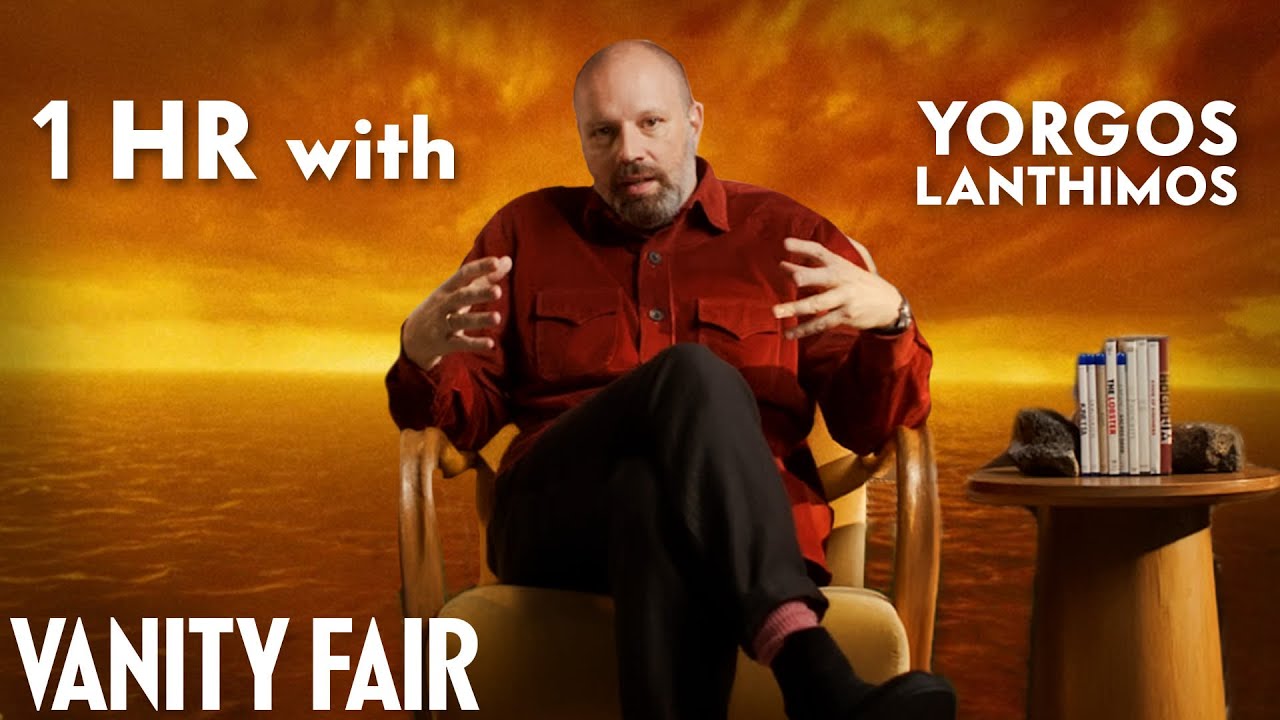
Yorgos Lanthimos & Johnnie Burn: Crafting the Sound of Bugonia
Added:Fundamentals of film sound design, including the distinction between diegetic (on-screen) and non-diegetic (off-screen) sound elements.
An understanding of Yorgos Lanthimos's cinematic style, characterized by absurdism, deadpan humor, and surrealism.
The basic workflow of post-production audio, particularly the roles of the sound designer, foley artist, and re-recording mixer.
Familiarity with the previous collaborations between Yorgos Lanthimos and sound designer Johnnie Burn (e.g., 'The Favourite', 'Poor Things').
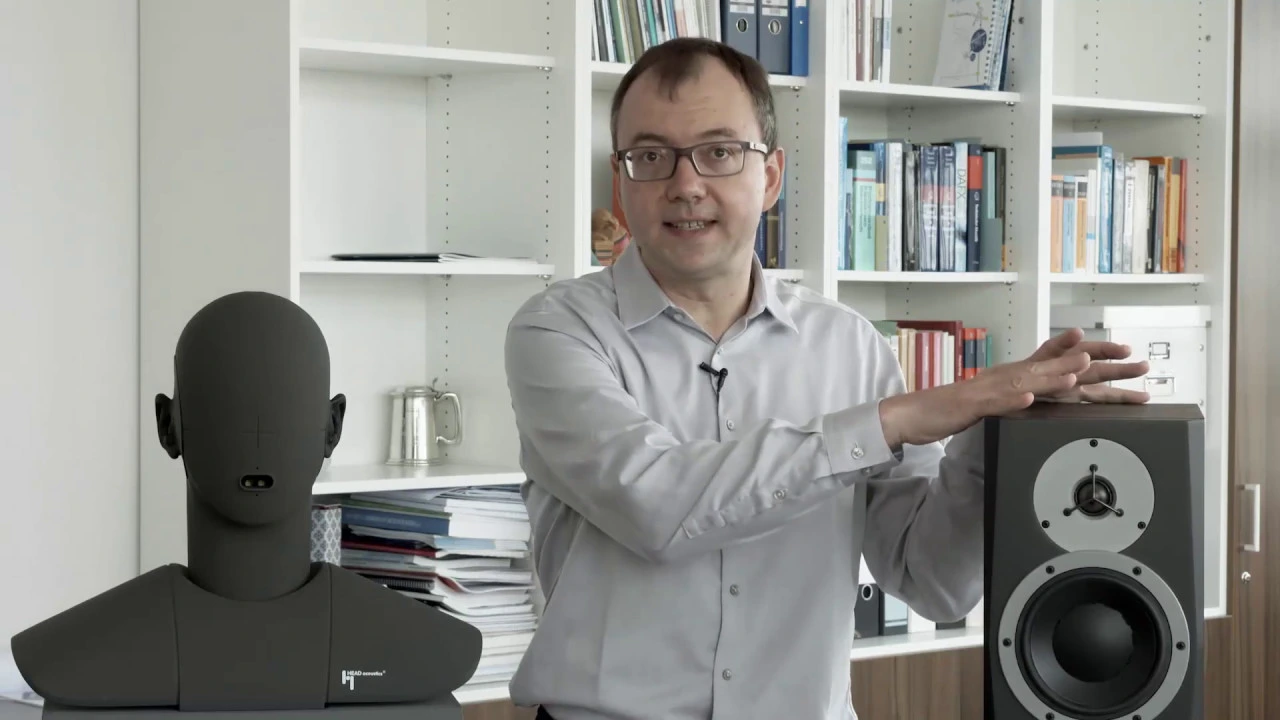
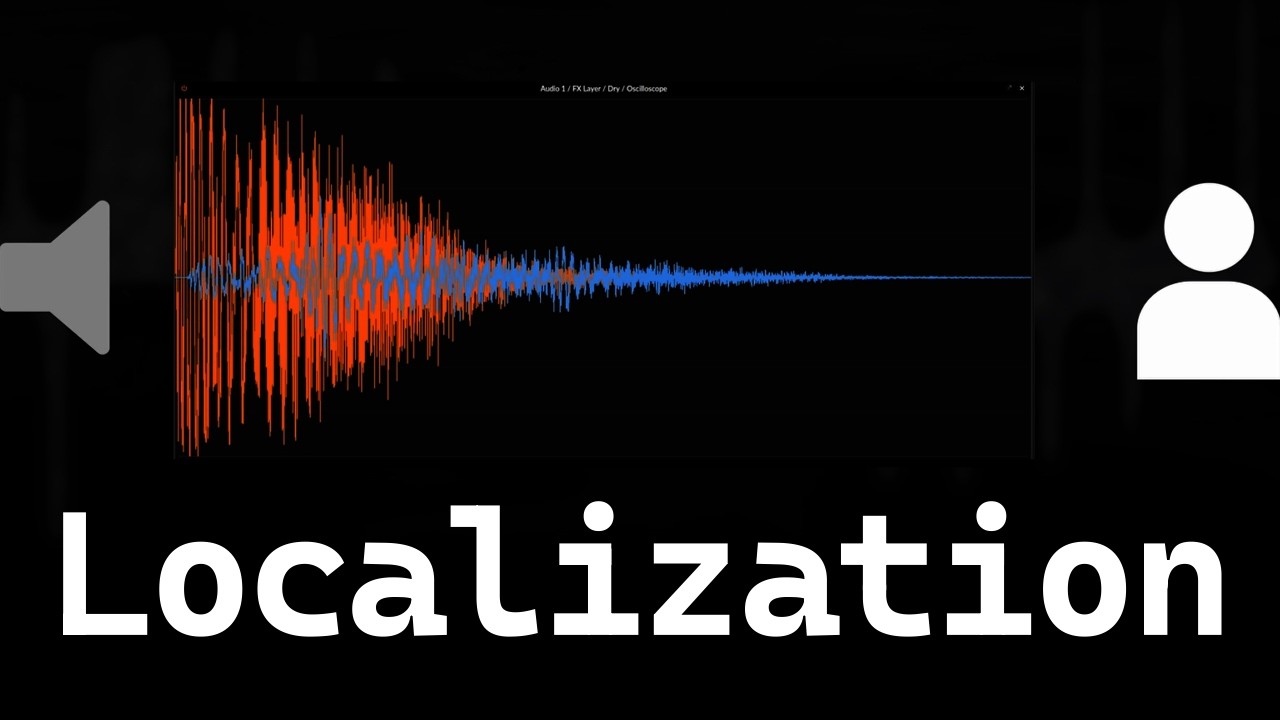
The study of psychoacoustics and how sound designers manipulate frequency and spatial audio to evoke subconscious emotional responses.
Comparative analysis of Johnnie Burn's minimalist and environmental sound design techniques in other acclaimed films (e.g., 'The Zone of Interest').
Practical exploration of creating contrasting textures in sound, learning how to blend hyper-realistic foley with synthetic or abstract sounds.
The concept of 'sonic world-building' in speculative fiction and sci-fi cinema, focusing on how audio establishes the rules of an altered reality.
450.6K views110likes45:20Original Release: 2025-11-04
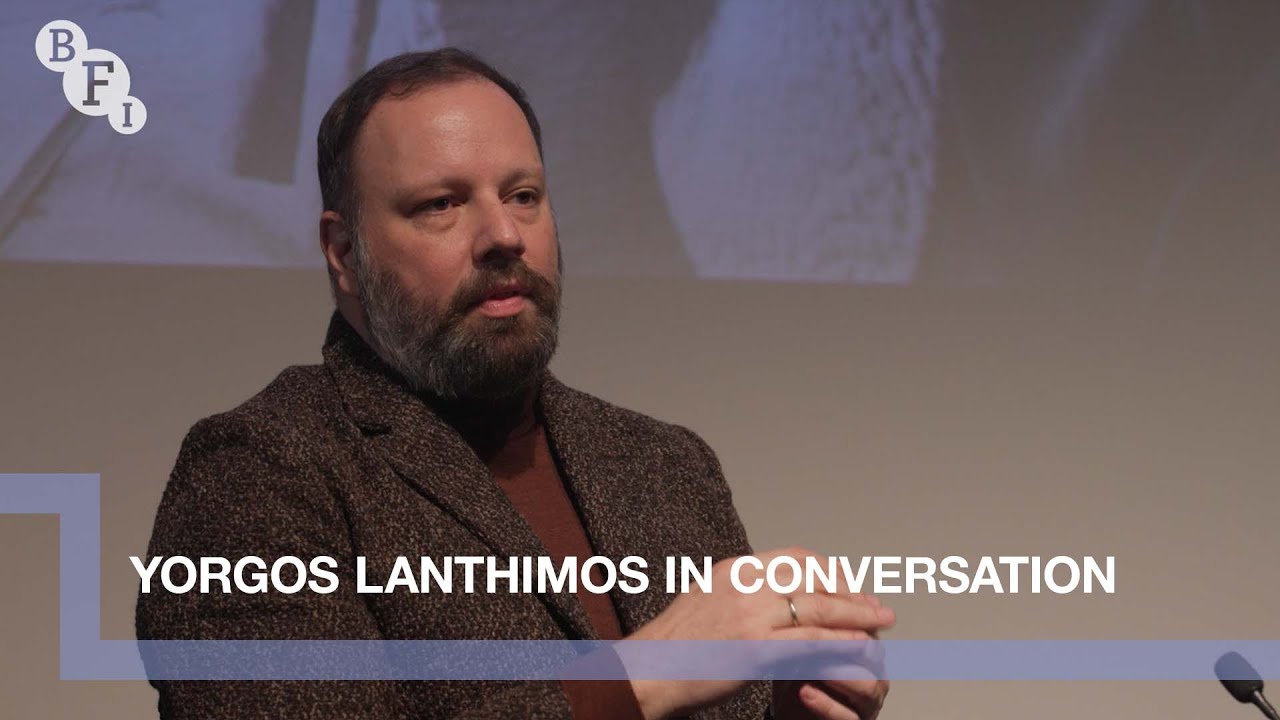
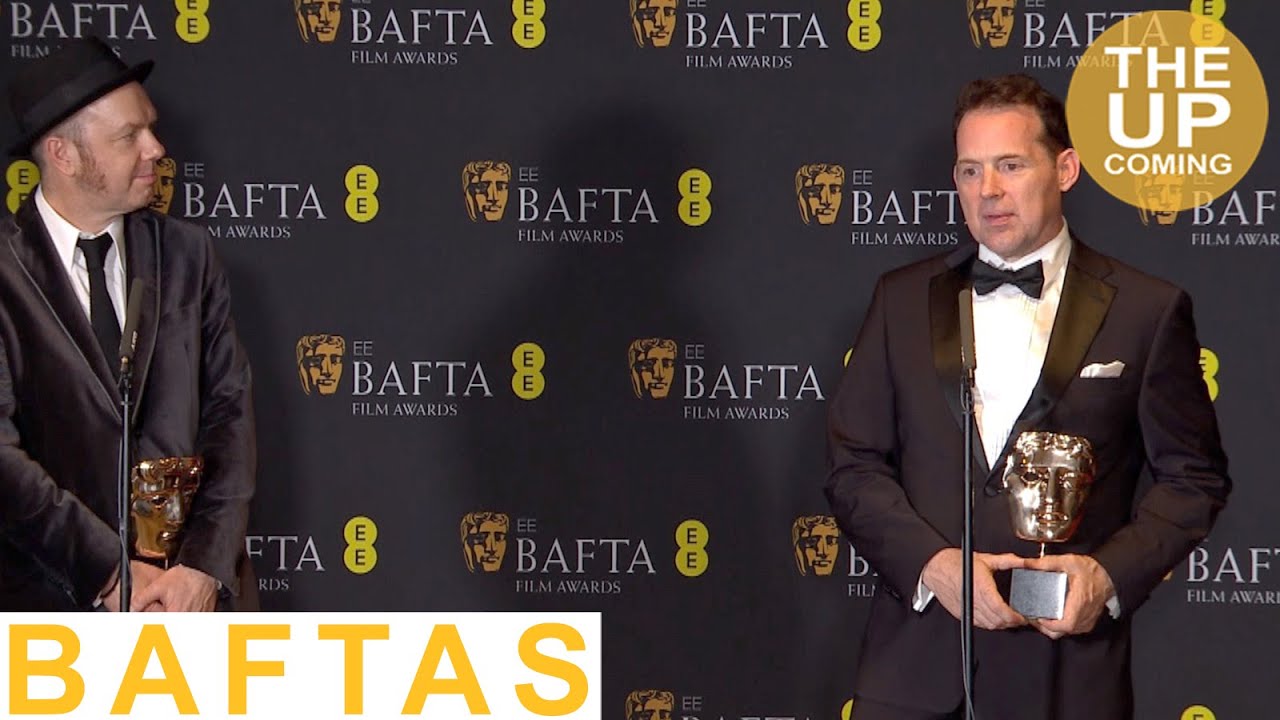
[music] Welcome to Dolby Creator Talks. This is a show about how artists use technology to tell their stories. And I'm your host, Glenn Kaiser. Today, we're thrilled to welcome fivetime Academy Award nominated filmmaker, Yorgos Lanthamos. He is here to talk about his latest film, Beonia. He's joined by the film's sound designer, supervising sound editor, and re-recording mixer Johnny Burn, who is returning to our show after winning his first [music] Oscar for the zone of interest. This is part one of our coverage of Beonia, and in a few days, we'll post our conversation on the film score with composer Jerkin Fendrix, which you will not want to miss. Now, before we get into this conversation, I must warn you that there are spoilers.
So, if you've seen Beonia, you already know that it's basically impossible to discuss this movie without giving some things away. So, if you haven't seen it yet, hit pause, head to a theater, preferably one with Dolby Atmos sound, and treat yourself to one of the most delightfully bonkers [music] movies of the year. Because of his busy schedule, Yorgos was only able to join us for the first part of the conversation, but then I was able to continue and get into some fun details on the track with Johnny.
Now, if you've seen it, you may already know that Beonia is a new take on the 2003 [music] Korean cult classic Save the Green Planet, which was adapted by screenwriter Will Tracy. So, that's where I wanted to begin by asking Yorgos what it was about the script that first captured his imagination and drew him and Emma Stone into the project. Here's director Yorgos Lanthamos.
>> Well, first of all, I wasn't aware uh of the original film before I read Will Trace's script. So my first, you know, encounter was just that script which I found incredible and uh I very quickly you know sent it to Emma Stone um the same night basically after I read it and um you know she felt the same. So very quickly we got involved. Um it's just that the first time that I received something that I feel is you know so complete and so uh exciting to you know almost go out and make it. Um and of course we did after that that we decided to get involved we did work with Will a little bit on the script just to tweak it to towards my sensibilities and you know my view version of vision of the of the film. Uh but it you know from the moment I read it, it was so entertaining and funny and you know explored really dark themes and uh suspenseful and you know I uh different to what I'd done before. So there's you know so many reasons why you know it excited me from the beginning. So, you two have worked together on several films over the past 10 years, uh, as I as I mentioned, starting with Lobster. Jorgus, I'm curious, what is it about Johnny's approach to sound design that keeps this collaboration going? And how did your work evolve, uh, over the course of this relationship and specifically on Beonia?
>> What is it, Johnny? Um, [laughter] >> it's hard to pin down.
>> It's hard to pin down. like it's I I think it's like there's there's a lot of people now that you know come back um and we work together again and again and I think you know when the first experience is positive um then you know it's kind of silly not to uh you know build on that relationship and develop it and um so you know you get to know each other better there's a shorthand you and then, you know, let people go on with their work and, you know, check in when they need you to or when you have to, uh, instead of being over their shoulder all the time. And that, you know, I think gives them confidence to try things. And um and I think that that was you know from the beginning I think I don't necessarily claim to know what you know the sound should be like or any aspect of the film really. Uh a lot of it is just experimentation and exploration and I think Johnny's you know um down with that like just try things out and let's you know look at them or hear them in this case and um you know see what feels right and then you know build that and explore that further. So I think every film is kind of a um discovery uh and process um and we both like that. I think I mean he can speak for himself but um so in this time again it wasn't so different.
I mean the film is different and you know the work and the sound and everything is is different but not the way that we approached it. It was again like, you know, here's the film. We've done so many, you know, I don't know, like do your thing and then I'll come in and, you know, look at it and then, you know, see what we got. I think Yos likes to choose people who understand the kind of films he's trying to make. And you either understand it or you don't. And and if you do, then you have a pretty good free reign to to not theoreticize, but to just experiment and and to to try and see what's going to work and make this film, you know, unusual and and avoid obvious tropes and and explore, you know, the narratives of the film, basically.
>> Yeah. So, Johnny, what at what point in the process do you get involved? Like, because you guys have worked together so long, do do you read the scripts? And the reason I the reason I asked this question, Jurgus, we sat down with Jeruskin uh Fenri earlier this week and he told us this crazy story that you basically you told him three words. You told him bees basement spaceship and sent him away to go work on the score of this. Do you do the same thing with Johnny or or do you do you actually get to read the script before you uh before the process starts?
>> Yeah, I do. Lucky I do read the script.
John is allowed.
>> I'm allowed. I'm in that gang. It was actually on this film. It was um particularly important that I was involved early on because um because of the choice of camera and and the Vista Vision, as you probably know, you know, is is not a super silent camera, let's say. And so, just on on the technical level of um you know, will we be able to use this camera and avoid ever having to do ADR, which is, you know, pretty sacras on. let's let's not do that. We'd rather lose the footage than have to try and make the actors back in that emotional space. Um, so yeah, on on that level I did, but also on on the level of allowing me time to experiment with with creating ambiences and and um, you know, moods and tones that that would become useful later.
>> Yeah, absolutely. Well, you brought up the Vista Vision, which I want to come back to a little bit later, but before we get into that, um, I just want to get into some questions about some themes and the way that the sound uh, supports the work. Yorgos, I I often feel like your work plays with a contrast of of very benal happen everyday normality and then this com combining that with intense surrealism. And of course, that opens up some amazing possibilities for very creative sound design. And from the beginning of the movie, I was really struck by the contrast of Teddy's world, which feels very organic, and then the very clinical precision of Michelle's world, especially in the office place, which feels like it's very sterile, hushed ambiances. Even I love her her clipped speech and that those stiletto heels. Um, there's a there's a great moment where she, you know, gives the the the the talk about the 5:30 memo to, you know, her secretary and then she leaves the office. And I wasn't necessarily the first time I saw the movie really clued into the ambiances of the office, but the moment she crosses that doorway and goes outside, the acoustic signature of that office completely changes.
>> The 5:30 thing. Uh-huh. Look, I know you sent the email already, but I need you to let everyone know that they are free to leave at 5:30 from now on, starting today. Okay. But do it in a way that's, you know, what we talked about.
>> Yeah. Of course, we need to send the message that we have a new culture here now where people should Yes, of course.
feel free to leave at 5:30 and be with their families. No one is going to be overworked like in the past. No more unpleasant incidents. But of course, it's not compulsory. And obviously, if people still have work to do, they should absolutely stay and continue to work. But it's not strictly enforced.
Although, we still do want to meet quotas. So, if we can do that with no pressure, just remembering, you know, we are running a business here. So, let your conscience guide you kind of thing.
Yeah. Good.
>> I'll definitely let them know.
>> Great.
New era.
Thank you, Corey.
>> Thanks, Tony. Feel free to leave early.
I mean, unless you're busy or you have things to do, but feel free if you can.
Up to you.
>> Cheers, man.
>> Your call.
>> Michelle's space is is a very controlled space. And that you know the first uh work that I presented Yorgos on on that environment was was busier and and uh and it was you know the process of experimentation with Yorgos that we redacted it and found actually you know the the less you put in the more it brings out her character and um and and you're right when you go outside you know there is less control of hers and the whole world comes flooding in you know and similarly I think you Teddy's space and and the environments of the basement and and all around the house are are more an expression I would say of of Teddy's head space or even to the point of how he thinks the world sounds his kind of paranoia. So um and but the process of of creating that is is certainly not you know any long conversations with Yorgos about how should we do this. It's it's I'll try something and then Yogus and I will workshop it and and find something that really just feels right when you're watching it, you know, and um and explore how to do that basically.
>> And is that is that experimentation process is that happening during your go while while you're cutting the film?
Johnny, are you off in your space kind of doing some preliminary sound design work and then feeding that to the picture department or what at what point does that conversation happen? In in this case, it happened all the all the period before before the picture was locked was rather busily bu spent removing camera noise and [clears throat] there was a lot of time on that. But but yeah, in in this case it was very much you know once the cut was pretty solidly locked. Um, so and that's a period of time when Yorgos had a lot more time to come and and sit and by that point we'd actually had everything in such a good space that we we sat in a lovely Dolby Atmos theater and and so my first presentation of of work to August was actually on a mix stage and hearing it, you know, as we would hear it, which was really interesting because it allowed us to um to enjoy rarifying things to the point that that small subtleties actually became quite important and it allowed us to to remove an awful lot of stuff given you know the volume that you hear things at on proper mixing. The tone of the film is so interesting to me and it's such a tricky thing to navigate in a film like this but I feel your visuals and sounds so intentionally to take some sometimes very disturbing moments and make them darkly funny. I think one of my favorite examples is, you know, when the the guys are abducting Michelle and there's that scene where, you know, you know, they tackle and take her down. But you actually show that to us from we're in the house in this indoor pool and watching it through these huge windows.
And so we're getting the sound through the glass, but also it's being it's being distorted by the the pool water.
And both times I've seen the film, the audience laughed at that at that moment, which is just a dark a dark moment. But tell us a little bit about the way you're using images and sound to kind of modulate that tone as we go through the film. Yeah, I think it's always like a a game of, you know, the different elements and how do you combine them or just by juxtaposing them or by like turning everything towards the same direction and at such a enhanced level that it becomes so over the top that the you know meaning of it changes and it might become funny although it's something extremely dramatic and dark.
Um, so I think you just need to find, you know, in every scene, in every situation, you know, how that can be worked in. And also sometimes it just works by justaposing scenes that are, you know, uh, radically different or, you know, when you cut from one shot to another shot in another scene. uh which also you know sound or music helps with that. Um, so it's like a constant kind of puzzle to try and find, you know, which are those elements that can kind of create a tone that's not necessarily expected by what's happening in the scene or, you know, again, as I said before, like reinforce it so much that it becomes something different or just leave it as simple as possible so that the next thing hits, you know, really hard. So it's uh I don't know like it's quite musical in a way like composing you know uh scene after scene or within the scene um try and combine all these elements and try and find a balance between them so that you achieve you know whatever it is the desired uh result.
>> I have to bring up I brought up the the conversation that we had with Jerusk Fendrix. composed this amazing score uh which is quite bold and powerful. Uh tell us a little bit about your the relationship between the score and the sound design in the film and how you're using those two elements in dialogue with each other. I think Jessin score really does hit some huge psychological moments and and I take Jess score as a lead and um and in many ways the the sound design is is working on the kind of background to that and to your previous question it you know the tone of it is is what is trying to present the world in a slightly less obvious way to how you might have otherwise imagined it. For example, you know, the the attack that we see through the swimming pool glass, it's paradoxical that, you know, to have it so quiet and subdued.
It it actually yet it still gives a very big reaction to the audience, but it's not the audience that it's not the reaction you would have if if you were viscerally in it. It's more aside of it and watching it and seeing the absurdity of it. So, and I think the whole way through I'm looking at what JK has done and trying to resonate that throughout the the previous and and the following scenes as the sort of either the foreshadow or the or the resonance of of what has happened. But so trying to do kind of a similar thing to score but but doing the sort of 5% version of it and leaving the big clanging stuff to Mr. Fendrix that he's very good at. Yorgos, um, our team on this podcast is a little obsessed with, uh, fictional languages that are created specifically for use in film and TV shows. Tell us about the approach of like creating the language uh, for the Andromedans.
>> Uh, yeah, I can tell you the first bit which was um, you know, I left it up to Johnny to come up with that. Uh I mean and I guess my idea was um I asked Emily to record the the dialogue as it was written in English and then you know my idea was I told Jon just you know take that you know kind of mess up you know the the the order of the syllables you know try and make new words from it and you know something interesting you know might come out. Um, of course, again, it's not that simple.
So, you know, he started with that instruction, but then, you know, of course, he did a much more complicated uh job that he can explain.
>> I think it was important to try and find something that that sounded unique, but that was it. It was taking Emily's recording and having worked on many films with with Emily and Yos. I have actually a large repository of, you know, of her recording of her voice. So, I had access to many syllables of her saying enormous amounts of of words. And over a period of a couple of weeks, I chopped something together that was a sort of a guide to um to what I hoped was really complex and tongue twistery, hard things to say and learn, but would come across as um um as interesting because clearly it is quite a the whole language is quite a mouthful. But if Emily could get to the point of saying it and it sounding very natural for her, you know, for those words to fall out of her mouth in that way, then then that would be the presentation of of alien because it would, you know, it's sounds weird but it's off the tongue sort of thing. So, so that and then after the actual performance was recorded, augmenting little bits and and just moving syllables around a little bit and maybe adding extra um consonants and just uh making it just sound so that it was familiar but um but slightly stranger than than you're used to.
Johnny, you mentioned uh presenting stuff to to Yorgos in a Dolby Atmos uh theater and um I you know I this is a really amazing specific and very subtle Dolby Atmos mix. Yorgos for you as a storyteller. I'm just curious what possibilities does having Dolby Atmos open up for you to uh to kind of take the audience on that journey? best yogas what does it >> I like it when it's done you know in a subtle way and not really you don't really recognize how you know it is used so uh it's not for an effect but more uh for empowering whatever you know is already um happening um so it's mainly that to not like take me out of it while I'm you know watching the film that it becomes powerful enough but like not um something that takes me out of of the film. So it's like a really uh delicate balance for me and what I can you know uh perceive and uh accept during that stage.
>> Yeah, I I I agree 100%. My my sense of the film is it is that it's you're using it very subtly. not something that pulls me out of the film at all, but at moments when you know something very heightened is happening like the electroshock scene.
>> Yeah, exactly.
>> Then you're using it to great effect.
>> That's that's a very good example. Yeah.
>> Yeah. And it and it really obviously stands out because it's so unique. But I think the um I think we definitely like the film to stay on the screen on the front wall and and you know if there are um if there are events happening behind us in in sound then that becomes a distraction and um but there are sort of certain rules outside of that that work like music very much does fill the room and I think having music around you is is not distracting from the film that you're kind of watching and I think in the ment the, you know, the subtle use of of um of hums and tones above us and and around us that are constant and don't make you think what was that new sound and turn around that provides a very claustrophobic effect and and then again as you said, you know, the big moments that where we can actually leap out because, you know, we're in subjective headsp space of Teddy's madness or whatever and and so it makes sense to do that. But yeah, so it is it's a very subtle Atmos mix but incredibly effective.
>> So Johnny, uh you know, this issue of the Vista Vision has come up several times in the in the conversation. So was this something like so did they did they come to you like during pre-production said like we're going to shoot the movie primarily with the Vista Vision camera.
This these things are old, notoriously noisy. I'm sure that this must have created a lot of issues for you. So how did you how did you deal with that challenge? So yeah, it was it was it was an issue and actually it was the day before the Oscars in 24 um in March, was it? And um Yorgos and Robbie Ryan invited me down to Panavision in Burbank to to come down and have a listen to the camera with Emily and Jesse doing a reading and and I'd record it and um and see what I could do and see if we could get rid of the noise. And I was like, "Wow, yeah, that is a noisy camera." and I got my laptop out and did the kind of work that I could do in noise removal and and I was like, "Yeah, you know, if so long as the volume of their voice doesn't drop too intimate or if the camera isn't It was the close-ups that were really quite problematic because the sound kind of almost come straight out the barrel, you know, into their straight into their microphone and and out their mouth." And um but yeah, I I kind of I suppose I would say I approved the camera because I was like, "Yep."
And I knew it was quite a responsibility because Yorgos just doesn't want to do any ADR. You know, it kind of will ruin a scene for him. So, so we agreed that this was not an insurmountable problem.
And then 4 months later I'm on the film set in um standing in the house and in Panovision in Burbank the walls were you know 40 ft away and on the film set the kitchen cupboards were right there and as you know sound you know you get an extra 2 or 3 dB off every surface and so suddenly what was a mellow camera became a noisy camera and I was really horrified and um yeah and it became a problem and I thought okay and did some more processing thought I can just about get away with it. And and then thought it'll be okay because I will in sound describe this as a very noisy kitchen with a loud refrigerator and you know and a loud extractor fan and those kind of things. And obviously to our previous conversation with Yorgos, we we we when we when I actually showed him the work in progress, um we actually removed all the kind of extraneous ambiences that that were distracting and and had a mechan mechanical were to them and everything.
And so I had absolutely nowhere to hide in terms of noise on dialogue because, you know, it is a starkly kind of empty film with some very bold choices in sound, very singular and and of very specific frequency. So without the kind of broad spectrum noise, white noise of a of a fan or or a camera to to hide the clicking of of the camera. Um, so yeah, so really that just meant an awful lot of painstaking work um on the dialogue to to remove the camera noise, particularly, you know, how people naturally trail off towards the end of a sentence um as the as the lung leaves the air as the air leaves the lungs. And and it's in that area of pretty much every single phrase that we had to kind of paint out the the camera noise in, you know, using isotope and spectral layers and things like that to to get rid of it. So yeah, it was it was a bit of a job.
>> So, but were you using just basically kind of the the off-the-shelf tools that we that we all know that you know to clean that stuff up or did you have to did you have to dive into any new kind of like AI driven uh technology to to to help clean this stuff up? I mean, we did we we used um we used AI on the high frequency part of the signal because we found that was very good at at cleaning up that and and it was intelligent enough to know to keep the Fs and the S's that that that are very soft in volume and have a very poor signal to noise ratio. And then in other layers we were using um you know common tools isotope and stuff to to but in the the where you can paint paint it out by highlighting it on a spectral graph kind of thing. So um it was definitely all the most modern versions of of that and AI and it took you know three or four different pieces of software to actually achieve the end result. Yeah. And was that happening at the dialogue editorial phase or was it pre were you in the dialogue pre-dub or when did most of that stuff happen?
>> Yeah, it was it kind of all had to be budgeted and it was in the end it was about 8 weeks of kind of restoration work on the dialogue. Fortunately, the the cut um you know the the choices that Yorgos and Blackfish made on on the picture edit actually stayed pretty much the same all the way through. There was occasional changing of takes, but but for the most part, we you know, pretty early on, like a few weeks into the picture edit, even with the with the first assembly, we we got started and and started cleaning it up. So, yeah, I think, you know, pretty much by time the picture was locked, we had most of the restor restoration work done because we needed as a team to move on to designing it, basically.
>> Yeah. I I I got to say, it's amazing.
You know, I was I was taking notes the second time I I watched the film and at some point I wrote down like the dialogue is so clean and to your point like especially in the in that, you know, in that basement, there's some pretty there's some long dialogue sequences and you got you got nothing to hide behind there. It's really just those two perform, you know, those performances that are and I thought the dialogue sounded fantastic. So, kudos to you and your dialogue editor and and whoever else touched those tracks.
>> Yeah, thank you so much. That's great to great to hear because yeah, we were certainly worried about it. That's for sure.
>> Yeah. Well, since we talked about sort we were talking about the the basement and and Teddy's world, Teddy's space.
Um, one of the things that I was just so struck by is the contrast between that and Michelle's space that we were talking about earlier. So, tell me about your approach to like Teddy's world and kind of what that house sounds like uh in in the film. For me, Teddy's world is is the world as Teddy sees it or the world as he hears it. You know, I think clearly, you know, it's his um it's his sort of belief versus reality. And so, in many places and the more Teddy's um paranoia grows throughout the film, the more distorted the the world becomes. And passing cars are actually more like spaceships. and and his um and he so we believe that he hears things in in in in the terms of his paranoid uh delusions basically and and so so yeah it was it was great fun to to take the film and start it really quite natural but um actually progress into a state where where things werecome becoming more unusually sci-fi bent I would say and particularly you know his basement is is his sort of wild and crazy claustrophobic expression of his paranoia. And um and consequently, you know, that world is built out of shifting tones that are all made up of what we imagine would be, you know, the refrigerator that was upstairs and humming gently on the floor and the light fittings and and his amazing contraption of electrocution and the space. But but these tones all gently shift and conspire to um and and they also have you know tonal discordance to them and and everything about them is is trying to very subtly uh paint the madness basically.
>> Yeah. I I wanted to talk with you about that because there were a couple of the of those sequences in in the the basement in particular where um and it was the second time that I saw the film in a proper Dolby properly calibrated Dolby Atmos room that I I really started to hear, you know, especially during those kind of interrogation sequences like, oh, there's some really interesting tonal work happening here.
Some, you know, some some sort of like low frequency, you know, kind of tone and buzzing that that was coming in there. So tell me about that and sort of like you know what what was what are those elements that I'm hearing and how did you kind of you know you would it was very subtle you would bring them in and then they would be there for for these moments of tension and then they would go away. It was it's it's really interesting work.
>> Can we have a dialogue please?
>> Don't call it dialogue. This isn't death of a salesman.
>> Okay. Can we talk please or are are you just going to >> We don't need to talk.
>> Yes. Okay.
>> Because I know exactly what you're going to say. You're going to say that I'm in some kind of internet induced autohypnotic feedback loop and and gatekeepers and and norms and all that weak hegemonic hor. But that is precisely the limp rhetoric that you've been instructed to counter the human insurgency with. That's the hypernormalized dialectic by which you've convinced seven and a half billion people that they're not your captives to keep us believing in these false institutional shyeliths.
>> You mean shibiliths?
>> That's what I said. You said >> yeah, whatever.
>> Sorry.
>> Yeah, it's interesting. It kind of almost works like um like really subtle, quiet, low volume underscore, you know.
>> It's almost Yeah, you're right. It's almost like score.
>> Yeah. And technically what's happening there is I'm taking a sort of a broadspectctrum hum that might be an air conditioning hum and choosing very specific musical frequencies with a very sharp curve on them. So I'm really angling at one or two frequencies which then really gives it a very tight m you know specific musicality because music is just a particular pitch and or a note is and and so I'm using that and then just twisting a knob to make it to make it shift around and riding the volume of that but very much being in Jesse's head space in Teddy's headsp space as I'm doing that. So um you know the matter he gets I'm shifting to the right and [clears throat] pushing the finger up and you know and but we were doing that with um many different elements. So which is why it has a complexity to it.
You know you you you hear tones that shift up and down in unison and then there are times when they will become a specific musical chord that that is very good at expressing you know fear for example. And then of course, you know, there are moments when it's not subtle at all. You know, you you you really you really had some opportunities to kind of uh to take the track to a pretty bold level.
>> Let me go big with the soundsscape.
>> You really did. Yeah. I'm thinking about the Electroshock sequence obviously and that's a it's a it's so disturbing and the sound design is such an important part of that of the kind of the horror of that sequence. So talk tell me about crafting that sequence and did you find that you went too far and had to pull back at a at a certain point? Like how did you figure out how did you figure out where to hit that right balance?
>> Oh when when the room started shaking we knew we were kind [laughter] at the right my teacup was rattling. Um, yeah, that's great because actually the first time I did that that scene and showed it to Yorgos, you know, it was quite full on and and he doesn't like things to come too far off the screen or be too surrounding.
But but here we were very much in Teddy's mad headspace. And you know, we we fully brought it out and you and I played something to Yos that was about half of what you heard when you watched the film. And Yogos said, "No, go for it. you know, do do it more. And actually, I was like, really? You're going to let me, you know, have loud sound design. And that's not the normal subtleties. And I think that's why it's so amusing and enjoyable is because, you know, the film does uh un, you know, let the let the whole thing go un untether the catches and just have loud sound and and extreme subbase. And it really works because you're in his headsp space. And it really works because of the incredible performance of Emma. and and her, you know, very difficult to hear reactions to that sound. But yeah, it was great fun. A lot of um Atmos objects and and an awful lot of LF going on there.
>> For sure. Yeah. Now, Johnny, I may be completely making this up, but is there is there any kind of sonic relationship between the bees and the the opening and the closing of the film and that tone that we hear when Teddy gets agitated and and even that that electroshock treatment? I feel like there's some commonality there. So I'm I'm a frustrated music, you know, I I began because in this whole thing as a sound engineer because I really love music and and I was, you know, born in the advent of digital music technology and I had a rim full of and so I'm not musically talented, but I do completely understand how music works. And for example, all the bees at the beginning of the film are a bee has a musical pitch because essentially the sound of a bee is a buzzing wing which just happens. But you can vary the speed of that and make it become the pitch of the music. And so the bees, if you listen cafe at the beginning, are working in concert with with Jerkin. And and so Teddy's headsp space was really just to have a homogeneiality about the about the soundsscape of the film. And um so those musical notes that that appear in the beginning of the film and the key in which Jerkin has predominantly written the score is very much the same thing happening with with Teddy's world. So So they're they're related because they're on the same album, shall we say? Yeah.
>> Okay. Good. Then I didn't just make that up. That >> No, it's they're all humming the same tune.
>> That's great. And so did you I know that Jeruskin went out and and composed you know the score and had you know a 90piece orchestra that he he he recorded with in London. Did you have those elements when you were doing the sound design to kind of react off to because I know he did it even before they before they shot. So um did that affect how you you know how you approached the sound design?
>> Absolutely. you know, I had the score very early on um and I had the the demo of the score um to work with which had all the kind of correct musicality but obviously just not the recordings and um Jesus wrote the entire score as I'm sure he told you off a forward brief from Yorgos and and when we were all working on poor things the film before Jesus was already working on the book all of us heads of department and actors could discuss how excited we were to start working on Gonia but every time Jerskin came in the room we were had to stay quiet and we couldn't discuss what we were going to do on the film. It was hilarious. Um, so he was not allowed to read the script or know anything about it, but but what he did do was write the entire score of the film before he'd seen a thing or knew anything about the script. And I was given that and and that from that I then spent a few months in, you know, when I had time between other projects making up these ambiences that would become Teddy's Madness and the outdoor spaces. So, um, so yeah, I didn't have the final score obviously because it wasn't recorded until a few weeks before we finished, but what I did have was, you know, the faximile that has all the all the the correct musicality in it. So yeah, that was really important to >> it's it it's such an interesting kind of thing that Urugos did to him to to get to get the score because the fascinating thing to me is the score is in such like the image the imagery is kind of benal in a way like you know you got these long sequences of Teddy just riding his bicycle around this kind of small you know very you know small town American kind of landscape. you've got this huge score going on and it and the contrast of what's happening visually and through the score was really remarkable to me.
>> Yeah. Yeah. No, it's extraordinary, isn't it? It's um I think um the the harder J skin goes over a banal seemingly benile image, the more that you extrapolate something really unusual from it. And I think that's a real essence to the whole Lanthamos film making thing. You know, don't don't make the obvious choice. And so, so yeah, where JKin music goes really big, you're forced to think about it in a more psychological way than a visceral way.
Obviously, it's visceral at times, too, like you know, the incredible dinner sequence, for example. But but but yeah, it's it's a wonderfully psychological score.
>> Yeah, I love that dinner sequence, the spaghetti and meatball sequence. Uh tell me tell me a little bit about that's another moment of of kind of very heightened emotional uh uh you know moment between between the characters. Tell us about that you know that sequence from a sound design perspective. So yeah, it Jessica actually wrote there there's the score ends up the the sequence ends up with this deep bassy thro that that is you know the crescendo of the scene and and the crescendo of of their antagonism and and headspace and so wait a second so that's actually that's Jerkin I because I wasn't sure like am I here is that is that a tonal element from Johnny or is that a score element from >> it begins as me and ends up being Jerkin. So, so because all the electrical hums and everything and and everything in in that um in their embryionic space is is is made to be commensurate with JK school. So that scene begins with um seemingly natural ambiences, although you are already slightly being led because they have a tonality to them. And as the conversation progresses and the meatballs become um more difficult the um the actually what happens although I don't think you're aware of it is that the natural sound completely drops out and it drops out over about 30 seconds and that forces you to be very focused and um uh and I think it it you know for as an experience it becomes slightly disarming because you because your senses are being removed. Um, and but yes, it it very by the time the score the scene culminates, that's JKin's throbb that takes us into Jesse running over the table [laughter] in a full attack mode. Yeah. So, there are some very jarring, surreal flashbacks, uh, which are presented in black and white, and we're not really sure if they're I mean, I felt like I wasn't really sure, are these real? Are these Teddy's kind of imaginations? and they're such stark contrast visually to what's happening in the rest of the picture. Uh, sonically, tell us about how you approach those flashback sequences and what you're doing there.
>> Yeah, I kind of saw them as sort of slightly slightly corrupted um old data backups that were perhaps somewhat unreliable and um so yeah, it was really important to to make them pop. You know, they they're black and white and so how do we do that in sound? And um and so they um they have a more natural ambience that is uh corrupted with static basically.
And so they I think they stand out because you Yeah, exactly. because you don't know what to trust in them because they the the ambience doesn't feel real even though it sort of seems like it is.
But yeah, the point was I mean they're basically they don't follow the same rules of tonality and musicality that all the other ambiences in the film do.
>> Well, before we wrap up, I you know, Johnny, you know, I I got to see uh Beonia at at the Tellide Film Festival um several weeks ago. And you even though you weren't there in in in person, you were definitely there in spirit. You had not one, not two, but three movies at Telluride. You had Beonia and you also had uh you know you did uh Khloe Xiao's remarkable film Hamnet this fall as well as Tuner which is all about a character who has a very specific hearing impairment issue and navigates the world through that. So you've just had quite an amazing year.
What is this what has this year been like for you? It must be must be very satisfying.
>> Yeah. No, it's been extraordinary. It it started with Trey Schart's Hurry Up Tomorrow and soon after that onto Danny BS 28 years later which was an enormous um sound design challenge and then yeah as you say then Hamnet Beonia and Tuna and I I've never been so darn busy. It's extraordinary but I've loved every minute of it and they're such different projects. I mean they all use sound so incredibly different and tuna was just wonderful to work on. I I at one point in my life I've had hyperusis, the same condition that the protagonist and did I did I was when I was um 17 years old I put a I wedged a water bottle under a tap in the kitchen the force it you know the and and I left it and I didn't realize but the the neck of the bottle had formed a seal with the with the with with the tap itself and I forgot and I left it for an hour and when I came back the bottle was only half full of water and the rest was there. And I thought that's weird because I left it there, but I don't remember leaving the tap off. So, why has it stopped? And when I touched it to remove the bottle, it exploded under the pressure of London ring main water pressure. And the whole thing blew up in my face. I was covered in shards of plastic and water. And soon, a few seconds later, realized I was profoundly deaf. I I was 100% could not hear a sausage. And um and I thought at that age, I was convinced that I was now deaf for life. And it was hideous.
It lasted about 20 minutes and I I went into my bedroom and I turned my speaker on and I played um I can't remember you know anyway I was playing like loud hip-hop and l CoolJ that was it and and I was feeling the speakers and I could feel them vibrate but I couldn't hear a thing and I was like wow I've killed my hearing and that was actually that event was what um made me realize I really loved sound and and I ditched my idea of going to university and and went and got a job as an apprentice sound engineer.
But anyway, whatever. The the point I'm saying is is for about six months after that, when my hearing came back, it was overly sensitive and and any loud sound was like really painful. And um so yeah, when I was offered that script by Daniel Roar, I was like, whoa, yes, please. I know what this is. Thank you.
>> Thank you so much for uh coming on the podcast and and giving us giving us a little time with your ghost and then I'm grateful to be able to get a little bit deeper into the woods with you on some of this stuff as well.
>> [music] >> Yeah, well, it's an honor to be talking about these wonderful movies. How lucky we are.
>> Many thanks to Yorgos Lanthamos and Johnny Burn for joining us on the podcast today. And an extra special thanks to our friends at Focus Features for helping us put the conversation together and providing those clips. Be sure to check out Beonia, now playing in theaters and in Dolby Atmos were available. We'll have links as always in our show notes. As I mentioned, we have another episode about this film with composer Jerken Fendrix [music] coming out in just a few days. So, be sure you are subscribed to us here at Dolby Creator Talks. We'll have that and even more conversations with artists and filmmakers about how they use technology to tell their stories coming up on all the major podcasting platforms, including the video version on YouTube.
You can find links for the podcast in our show notes, or you can simply search for Dolby wherever you get your podcasts. If you're curious to know more about what we do at Dolby Creator Lab, head on over to dolbycreatorlab.com.
There you'll find information about all of our programs. You can access the entire library of episodes of the show and you can sign up for our mailing list. [music] Until next time, this is Dolby Creator Talks. I'm your host Glenn Kaiser. Our producer and editor is Michael Coleman. Our executive producers are Amanda Schneider and Jack Ferry with additional editing by Matt Nixon. And our production coordinator is Karen Maro Keane. Thanks for [music] joining us.
>> [music]
Up Next
66:44
Black Swan Analysis: Horror Elements and Accessible Psychological Thriller
@BeyondTheScreenplay
9.6K views•2021-09-10

12:54
Triumph of Orthodoxy Icon: Byzantine Art & History Explained
@BenCallan
2.1K views•2024-08-06

9:49
FastAPI vs Flask vs Django: Choosing the Right Python Web Framework
@TechWithTim
302.5K views•2024-05-26

1:42
Game of Thrones Opening Credits: A Cinematic Analysis
@gameofthrones
46.3M views•2011-04-18
Related Study Plans & Knowledge Roadmaps
Structured learning paths in General & Interdisciplinary Studies
general-studies
Elevator Engineering: History, Physics & Cities
01From Hoists to Safety Brakes: The Dawn of Vertical Lift
02Hydraulic vs. Traction: The Engineering Physics of Elevators
03Modern Speed, Safety, and Algorithms
+ 2 more learning modules
12h5 modules
Explore Roadmap
general-studies
Rubber: Material Science, History & Geopolitics
01Origins of Natural Rubber & Mesoamerican History
02The Chemistry of Natural Rubber & Vulcanization
03The Geopolitics of the Rubber Boom & Colonization
+ 2 more learning modules
12h5 modules
Explore Roadmap
general-studies
Containerization: Evolution, Logistics & Trade
01Ancient Trade & Bulk Cargo: Amphorae to Barrels
02The Industrial Revolution & Cardboard Packaging
03The Containerization Revolution: Malcom McLean
+ 2 more learning modules
12h5 modules
Explore Roadmap
general-studies
Textile Tech: Evolution, Labor & Global Impact
01Pre-Industrial Textiles: Handloom & Cottage Industry
02Mechanization: The Spinning Jenny to the Power Loom
03The Factory System & Global Labor Transformation
+ 2 more learning modules
10h5 modules
Explore Roadmap