















A needle drop in movies refers to the strategic use of pre-existing popular music within a film, categorized into diegetic (music characters can hear, like on radios or jukeboxes) and non-diegetic (music existing outside the film's reality, functioning like a score) types, serving various narrative purposes such as revealing character perspectives, establishing time periods, creating emotional resonance, or providing ironic commentary on scenes.
Pop Music Needle Drops in Film: A Complete Academic Guide
Added:The distinction between diegetic (sound originating within the film's world) and non-diegetic (soundtrack/external) music.
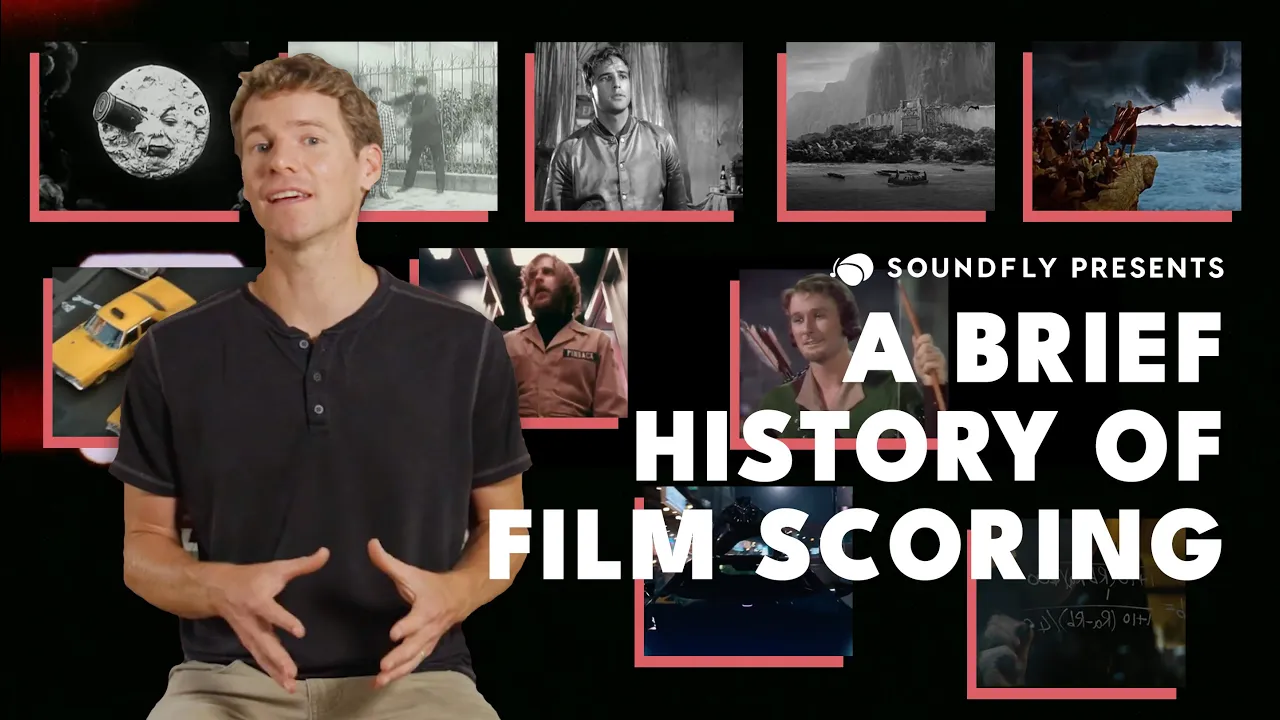
Basic principles of film sound design and the historical evolution of film scoring versus compilation soundtracks.
The concept of musical semiotics and how cultural associations of popular music influence audience perception.
The psychological mechanisms of nostalgia and emotional resonance triggered by familiar auditory cues.
The professional role of the Music Supervisor and the creative process of curating a film's soundtrack.
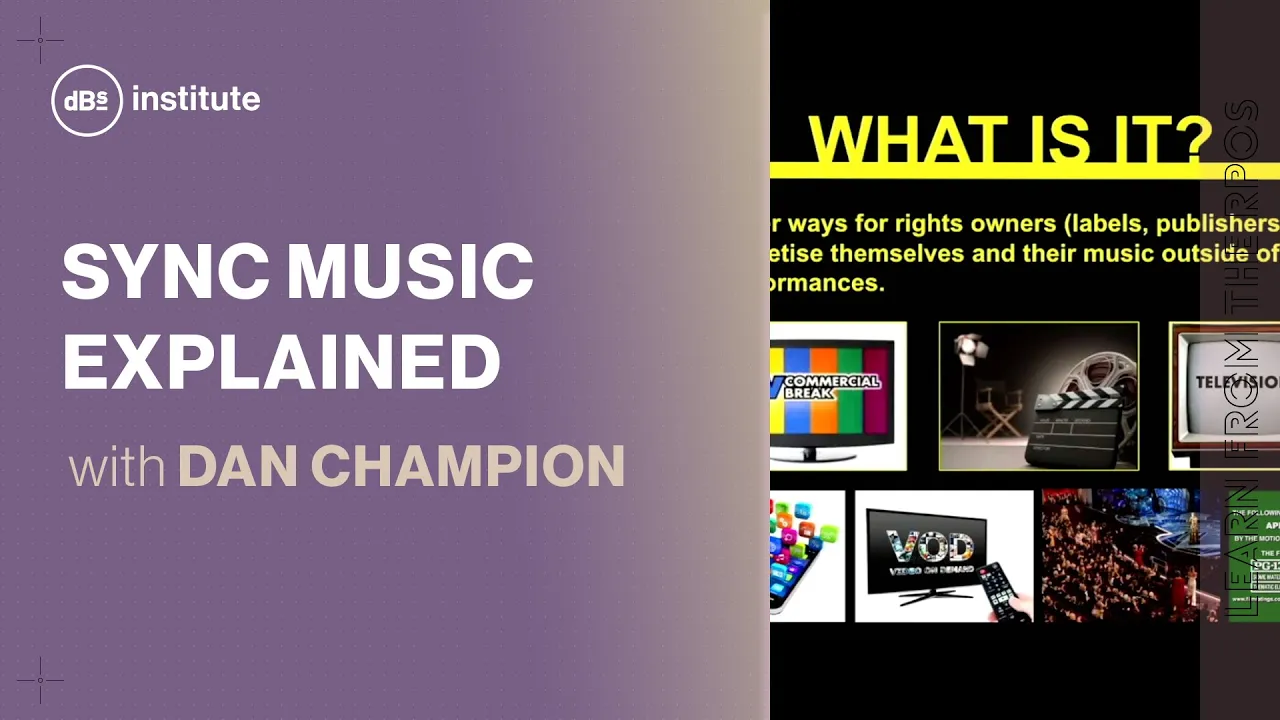
The legal, financial, and copyright frameworks governing music licensing and synchronization rights in cinema.
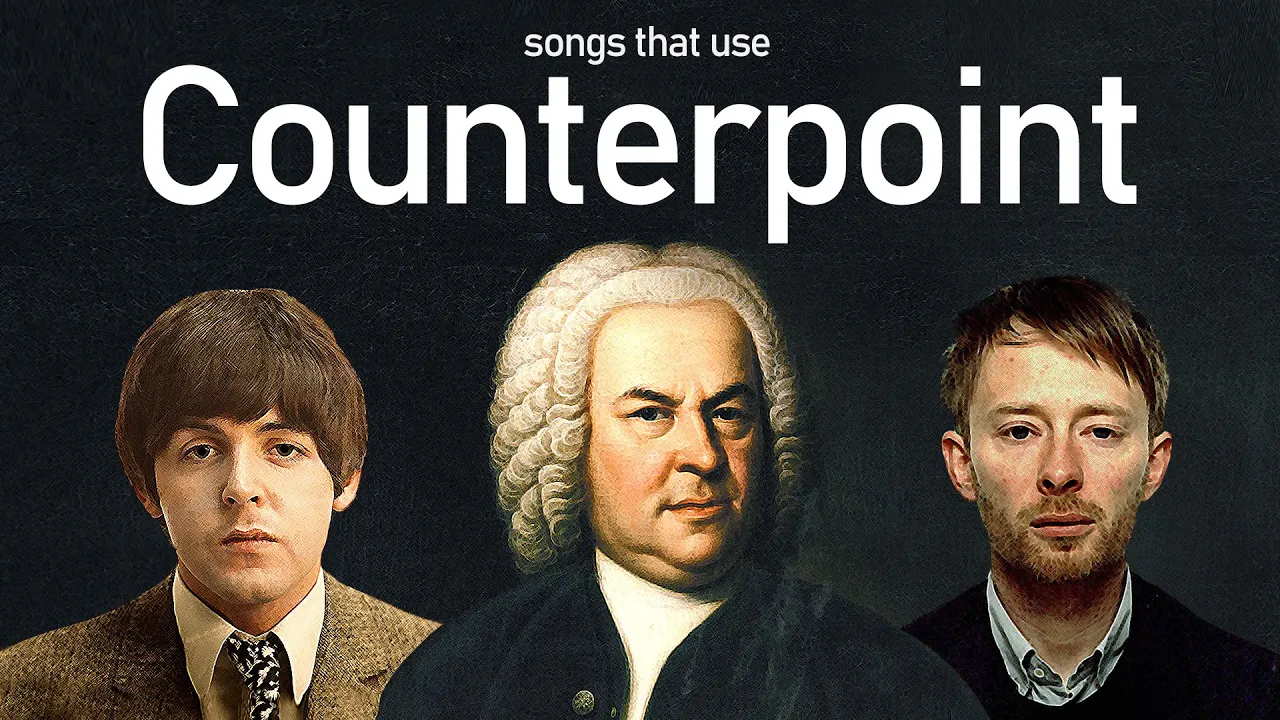
Advanced analysis of ironic juxtaposition and musical counterpoint, such as using upbeat pop music during violent or tragic scenes.
The study of anachronistic soundtracks and how modern music is used to reframe historical or period-piece narratives.
441K views15.8Klikes1:01:55Original Release: 2021-02-16
previously on patrick h willems this is charles people really seem to love the coconut patrick's been so focused on views and clicks and star meters thing on imdb it tells you how famous you are you and me are going to have to have a little conversation thank you to skillshare for sponsoring this video and helping to keep the lights on at patrick h willem's headquarters the newly times presents what's new in news seems the world is going nuts coconuts that is yes not since the discovery of pina coladas have americans been so enamored by these tropical fruits and what's the source of this commotion why this little fella here charlemania has swept the nation ever since this googly-eyed angel rolled off his palm tree and onto a moderately successful youtube channel people can't get enough of him he may be only four inches tall but charles is becoming a titan of tinseltown there are talks of a trial cartoon on disney xd an official charles mobile game and romance rumors galore with so many mountains climbed and kingdoms conquered it seems charles can do no wrong at the risk of editorializing if i had had the chance to work with charles and instead chose to move back to my hometown i'd be kicking myself right now i would probably pick up the bottle and never put it down why only the dumbest thick skulled [ __ ] would have to say no to that offer i should have killed that [ __ ] coconut when i had the chance all of the world is wondering with baited breath what's next for this hairy wonderboy what will he and his team think of next [Music] yeah these shoes have been missing for a full year now i'm here i've got it what did i miss oh i was just congratulating jake on his promotion say hello to our new vice chancellor of content jake here's your crown wow that was charles idea jake i thought you hated charles oh well we had a nice conversation over the holidays and smooth things over well that's good news and that's not all in q2 we are rebooting jake's politics corner it's gonna be a great year our star meter rankings keep climbing if we want to keep this momentum going we need to kick off 2021 with something big an essay topic so vast so nebulous that would seem impossible to cover in a single video but not for us you mean we're finally covering the resident evil franchise oh minions it's got to be minions what no come on guys i'm obviously talking about pop music needle drops in movies and speaking of music chloe here it is what is it our new theme song [Music] it's patrick's show take my hand and off we go [Music] just don't call it [Music] in this video i'm going to give many many examples of different kinds of needle drops in movies dozens and dozens of examples but i'm not going to list every single one ever because there are like hundreds of thousands and that would be impossible so if i don't mention your favorite one i'm sorry you're welcome to complain about it in the comments section but just know that i'm not going to read it this is a video about what we're calling needle drops as in the use of pre-existing popular music within a piece of cinema we are not talking about original scores composed for films and we are not talking about songs performed by the characters so no musicals no music biopics and sadly no purple rain for the past 60 years or so movies and tv have been packed wall to wall with pop music we're so used to it that it's easy to forget how strange the idea of it actually is when you're watching a movie the footage is all material shot just for that movie the score was composed and recorded just for that movie and then suddenly on the soundtrack a song comes on that was recorded 30 years earlier [Music] and you go hey i remember when that played at my friend's bar mitzvah these are found elements with their own history being dropped into an entirely new context and they often come with their own baggage the more famous the song the more associations the audience is going to have with it maybe they already associate it with a scene from another film and this puts a huge challenge on the filmmakers can they use the song in a way that transcends this baggage and then there's the big question why use an existing song that risks distracting the audience and taking them out of the moment instead of the more traditional film score that's way less obtrusive well we're gonna find out what i want to do here is create a system for categorizing every different function a needle drop can have we've got 60 plus years of songs and movies to look at and hopefully by the end of this we can easily categorize what every single song is doing and remember my system is built on hard irrefutable science so if you question these results you're just gonna make yourself sound foolish this will be like a guide for filmmakers to help them figure out what they want a song to accomplish what the best way to do it is and hopefully discourage them from making lazy choices in other words i really just want this video to convince people to never ever put sympathy for the devil in a movie again please in a 1995 essay film critic mark kermode wrote the relationship between rock music and movies is both long-standing and multifarious at its best pop music can inspire and enliven directors it can accompany counterpoint boost or ironically comment upon their visual work in a unique and sometimes spine-tingling manner it can create an instant period location establishing with just a few choice chords haunting vocal phrases are distinctive drum beats an authentically rich miliew from over five decades of social history perhaps more than any other art form pop music is a disposable transient product which reflects mimics and occasionally shapes the zeitgeist as such pop music can serve as a film's memory instantaneously linking it with its audience tapping into a nostalgic past or fixing the film firmly in the present okay so now that we've covered all that we need to step back a bit and ask ourselves an important question what is the purpose of film music anyway why not have every scene just be silent i'm not the guy to answer that question so i brought in an expert brian metolius our composer who recently wrote us that killer new theme song that's the million dollar question but to to that i posit another question which is have you ever watched something without it the film music acts as basically this invisible hand that is guiding you subconsciously how to contextualize what you're looking at emotionally or intellectually but it's like it's the subtext when you're reading a novel it's like telling you why you should feel this certain way about a character doing a certain thing or saying a certain thing when you when you don't have it you don't engage mentally or think about too hard what uh what what's being shown in front of you uh even silent movies when they were first made always had a piano player in front of the screen playing a score now the word score comes from sheet music when a theater got a reel it also came with sheet music it came with the score for that so whenever they would show the film they would make sure that their piano player had the score in front of them and would play along with the action so even before talkies and before there was a sound track the importance of music has always been there with film because without it it it just doesn't engage you in the same way okay so now as we start to categorize all needle drops the first thing to do is divide them into two major categories diegetic and non-diegetic in simplest terms diegetic means the music exists within the world of the film and the characters can hear it so this is diegetic [Music] non-diegetic means the characters can't hear it because it exists outside of the reality of the film so like this would be non-diegetic we're going to talk about non-diegetic needle drops first when a song is only there for the audience to hear it's essentially functioning like the musical score the difference is that while a score is generally meant to be somewhat invisible to add to the storytelling without drawing attention to itself we're meant to notice needle drops these are catchy pop songs right at the front of the audio mix so when there's a non-diegetic song right there for us to notice the next question to ask is whose perspective is the song coming from the first thing you should be asking yourself is well who's seen is this you know whose point of view is this scene from from a story standpoint it's really important that you understand x character's reaction to what is happening in this scene a lot of the time non-diegetic needle drops are there to take us inside a character's perspective and tell us what they're feeling the end by the doors at the beginning of apocalypse now puts us right into willard's head capturing his nihilistic hallucinatory state of mind these days in the royal tenor bombs immediately tells us how richie and margot tenenbaum are feeling as they see each other for the first time in years sometimes the lyrics do the heavy lifting in drive ryan gosling plays an emotionally stunted weirdo who just never really talks to people and then he meets his neighbors and helps them out and he takes them for a fun drive and actually starts to feel like how normal people are supposed to feel but it would be kind of weird if gosling suddenly said wow i feel like a real human being and a real hero so the soundtrack is there to do that for him [Music] in lost in translation the opening needle drop of girls by death in vegas captures the exhausted dreamlike state that bob is in as he arrives in tokyo and at the end of the movie when bob and charlotte say goodbye just like honey by the jesus and mary chain comes on the soundtrack to capture that emotion that hits them as they walk away and that sense of loss they both feel starts to kick in [Music] in boogie nights we enter scotty j's perspective as he checks out hot guys at the pool as you sexy thing plays on the soundtrack it's not subtle but it's pretty funny one of my personal favorite non-diegetic character perspective needle drops comes in edgar wright's the world's end in the opening scene we learn about how gary king is obsessed with his teenage years in the early 90s and what he wants more than anything is to return to that time and here one needle drop takes us through his entire thought process as the camera slowly pushes in on him loaded by primal scream from their 1991 album screama delica begins to play it begins with an audio sample from the film wild angels declaring we want to be free we want to be free to to do what we want to do and we want to get loaded and we want to have a good time as a smile slowly spreads across his face we can see gary's mind returning to that earlier period in his life and we realize the idea he's having and as he reaches his moment of epiphany the song kicks in the title appears and the story has officially begun so we have a song that the character obviously likes and associates with a specific time of his life that he wants to return to an audio sample in the song that represents what the character wants to do and the actual music capturing his emotional state that my friends is a good needle drop so now within the category of non-diegetic character perspective needle drops we have a subcategory one of the most common examples of this technique is an instance when awkward lame nerdy people who are usually white are feeling confident so the movie shows them walking in slow motion while a hip-hop song plays [Music] [Music] this was pretty funny when mike judge did it 22 years ago in office space the ironic disconnect between the music and the characters really worked i mean weird al made a whole hit song based on that concept but 20 years later it has been done so many times that it's just become a cliche that we should probably retire but look if we're talking about non-diegetic character perspective needle drops we gotta talk about how score says he does it [Music] no one is better at this kind of needle drop than famed marvel fanboy martin scorsese he's probably more associated with using pop music in movies than any other filmmaker except maybe tarantino who we'll get to soon while he's made movies with great traditional film scores like bernard herrmann's score for taxi driver many of his soundtracks are largely constructed out of existing pop music with an emphasis on rock music from the 60s and 70s now some people like todd phillips seem to think that all it takes to use music like scorsese is to throw a 70s rock song in your movie this is not the case to explain how scorsese does this we need to talk about the difference between objective and subjective perspective in filmmaking and treating this like a shrewd parent let me say that neither is better than the other they're both special in their own ways objective filmmaking is when the visual storytelling is portraying the story from the perspective of an omniscient observer simply watching what is happening and subjective filmmaking is when the visual storytelling is telling the story from the perspective of a specific character so the audience feels how the character is feeling scorsese is one of the masters of subjective filmmaking with his shot choices and camera movements and thelma schoonmaker's great editing he's able to put us in the shoes of the main character and a key part of that is the music he chooses so we all remember the iconic moment of robert de niro entering the bar in mean streets as jump in jack flash by the rolling stones plays on the soundtrack but it's easy to forget a key part of this moment the scene is told from harvey keitel's perspective the first 15 seconds of the song play over a dramatic push in on kytel and then it cuts to de niro this moment isn't about how cool de niro is it's about how kaitel sees him when most filmmakers make period pieces for the soundtrack they settle for simply picking the most popular well-known songs from the years the movie is set but that is simply where scorsese starts so let's look at goodfellas as far back as i can remember i always wanted to make a video about the music in goodfellas [Music] and i probably should have just made this whole video about that oh well too late to turn back now so the whole movie is told from henry hill's perspective and he's the one narrating it all so the music underlines his emotional arc in the early parts when he's just a wide-eyed young guy getting into the gangster business the music is all upbeat pop hits from the 60s like then he kissed me by the crystals as it goes on the pop gives way to rock and by the time henry is coked out of his mind and selling guns while being tailed by police helicopters the soundtrack has evolved into frenzied chaotic psychedelic rock music in a 1990 boston globe interview score says he explained that he chooses songs only if they quote comment on the scenes or the characters in an oblique way he's not going for the obvious pics that just tell us what we can plainly see on screen he's choosing songs that tell us something new about the story or the characters like take the piano outro from leila over the scene of all the mobsters being whacked [Music] in that song this comes at the end of a thrilling rock song and here it's signifying the end of the golden era the characters have been living through and look you can't talk about scorsese's needle drops without mentioning robbie robertson who has worked with scorsese since the 70s and helped select a lot of these iconic needle drops although according to my dad because he and marty were tight robertson got too much screen time in the last waltz at the expense of other band members like levon helm [Music] the term light motif comes from opera and refers to a short musical phrase associated with a person or place or thing in other words it's like a theme so the jaws theme is the light motif for the shark in star wars famous light motifs are the imperial march or princess leia's theme or yoda's theme and needle drops can also function as light motifs at the beginning of thor ragnarok led zeppelin's immigrant song is used as a light motif to represent thor being confident and awesome so at his peak [Music] and then thor loses his hammer and his confidence and the song is gone for the rest of the movie until the climax when he regains his confidence and rediscovers his power and the light motif returns the fact that this works so well makes it extra annoying that in infinity war in the big scene where thor arrives with his new hammer to save the day instead of playing immigrant song they just played the light motif for the avengers but look the problems with marvel's music is too big a conversation to get into here so i'll just say zeppelin rules and now let's shift perspective away from needle drops that come from the character's perspective and over to the ones that really come from the perspective of the director or you could say these are objective instead of subjective they're not tied to a character's emotional state they're coming from up above the storyteller using them to tell us something sometimes this is as simple as substituting them for a traditional score and using the song to create a mood or feeling like bittersweet symphony by the verve at the end of cruel intentions doesn't really have anything to do with how the characters are feeling and the lyrics about being a slave to money then you die are totally irrelevant to this story but the sound of it really captures the big melodramatic climax with doors being flung open and spinning cameras and helicopter shots so it works but more often this kind of needle drop ends up being really lazy yeah i had a chance to look at the green room setup and it was garbage charles is a guest on your show and you decide to put coconut milk in it how would you feel if you walked into your dressing room and it was filled with human blood well most people would hate it hold on a second chloe what's up i got james corden on the other line wow um i was wondering if you could help me with an assignment patrick gave me he asked me to compile every time sympathy for the devil is played in a movie he says if he listens to that song one more time he will quote go ballistic x versus sever which i think means kill me with a robot so what's your question where do i even start with that okay what you're gonna do is you're gonna open up an excel spreadsheet i use it all the time it's perfect for cataloging my favorite breakfast cereals what's your number one pick reese's puff cereal chloe it cranks up the volume on my taste buds listen i gotta go i am swamped trying to organize all of charles media appearances listen you got this there's nothing you can't do you really think so jake there's nothing i can't do i'm in new york these streets will make me feel brand new big lights will inspire you let's hear it for [Music] these are usually the kind of needle drops that make you roll your eyes they're often used as a way of world building to introduce the audience to a particular time or place so let's say the characters in a movie are going to london here are three clips from i swear to god three different movies now it may be hard to tell but if you pay really close attention to the lyrics of the song what it's telling us is that we're now in london robert zemeckis a filmmaker who has made many movies that i love is one of the worst offenders here the zemeckis approach to a needle drop is to find a song that is already extremely well known and then use it in the most literal way possible fortunate sun by credence clearwater revival is a song commonly associated with the vietnam war so in forrest gump he plays it over a scene introducing the vietnam war under the bridge by the red hot chili peppers is a song about drug use so in flight zemeckis plays it over a scene of a character using drugs this is also how you end up with something like the needle drops in captain marvel there is a running theme to all of them they're songs from the 90s sung by female vocalists which is fine but at no point do they tell us anything other than in what decade the movie is set they don't communicate what carol danvers is feeling or thinking she has no relationship with these songs they don't tell us anything about the characters they don't create any tone they're just there the one that everyone remembers is no doubt just a girl during the climactic fight scene and this is the only song that does seem to be intended to have some subtext to represent carol triumphing over the men who have underestimated her because she's a woman but the problem is that's not what is happening in the movie carol's gender doesn't really play a major role in this story in this scene she's breaking free from the control of the cree supreme intelligence which has taken the form of annette benning this isn't a case of a patriarchal system underestimating and oppressing her but that's how the needle drop wants us to feel it's trying to manufacture a triumphant girl power moment that just isn't there in the story and that's why it rings so hollow the whole soundtrack feels like a decision made during the editing process as opposed to something the filmmakers planned when they were shooting the movie it's trying to create another guardians of the galaxy without understanding why the songs in that movie work and yes we're going to talk about guardians soon and then there's something like suicide squad look a lot has been said about that movie's bizarre production where the movie was significantly reworked by multiple editing teams to make it feel closer to its upbeat pop music filled trailers and the result is a soundtrack that clearly cost a [ __ ] ton of money yet means absolutely nothing when it introduces a location in new orleans it plays house of the rising sun because it's a song that mentions new orleans for a scene where a character is portrayed as crazy it plays super freak and yes when it introduces a character who seems dangerous it plays sympathy for the devil these are like the that's chappy of needle drops it's the filmmaker pointing at a scene of the vietnam war and saying that's the vietnam war or a character who seems like a badass and saying she's a badass or a scene clearly set in the 90s and saying it's the 90s i know audiences can be dumb but they're not that dumb but look these kinds of needle drops are not inherently bad like any needle drop they just need to be chosen well take the use of the rolling stones out of time in once upon a time in hollywood it's non-diegetic and isn't being used to express any character's emotions or point of view it is being placed there by the storyteller as a sort of commentary on what is happening in the story assuming we're all aware of the real events the movie is based around we know that the story is leading to the massacre of sharon tate and her friends at the hands of the manson family we've spent the whole movie hanging out with these characters and having fun as they live their lives but now that's coming to an end as the song announces we are out of time that goes for all the characters rick and cliff's partnership and maybe friendship is about to come to an end they're out of time and if you want to add another layer to it the song is announcing that we're about to diverge from the actual historical timeline of events if time moves along a straight path then the story is going to step out of time into a new timeline it's ominous it's tragic it's bittersweet this is a great needle drop and yeah we're gonna talk more about tarantino soon before we discuss diegetic needle drops i have to mention one very special example this one scene in the movie hot rod where there's a needle drop that seems non-diegetic [Music] [Applause] but then suddenly it reveals that characters in the scene are singing the song and it becomes diegetic let's call this the non-diegetic but surprise it's a musical needle drop these are extremely rare but also extremely funny a strange phenomenon is that sometimes what's even more memorable than a needle drop in a movie is a needle drop in the trailer for the rest of my life i am going to associate black skinhead with the wolf of wall street our friction with mission impossible fallout or creep with the social network and none of those songs actually appear in the movies themselves trailers are such fascinating complex pieces of filmmaking that unfortunately there just is not room to talk about them in this video but if you want to learn more about how they work and how to make them you should check out the class the art of making video trailers by olaf defleur on skillshare skillshare is an online learning community with thousands of classes for creative and curious people of every skill level on topics like filmmaking illustration design music writing and many more even stuff like cooking most classes are under 60 minutes with short lessons that can easily fit into any schedule my schedule is absurd and i can still fit in skillshare lessons an annual membership is less than ten dollars a month but the first 1000 people who sign up at the link in the description right down there we'll get a free trial of a premium skillshare membership so you can take as many classes as you want during that time look it's the winter there's a pandemic going you're stuck inside it's going to be like two weeks or so until my next episode why don't you use that time to learn some new stuff and then there are diegetic needle drops [Music] what are you listening to amazing these are the ones the characters can hear the ones playing on car radios and juke boxes and in clubs and at school dances these can tell us about the setting of the film in the mark kermode essay i referenced earlier he quotes british film producer steve wooley who describes pop music as the cheapest form of period scenery as effective as the costumes and set design in american graffiti or once upon a time in hollywood are at establishing the time period the constant era specific music playing on the radio as characters drive around town does just as much heavy lifting but i think the most useful thing about diegetic needle drops is what it can tell us about the characters we learn something about the characters from what music they choose to listen to like what they put on when they're alone playing credence clearwater revival overseeing the vietnam war has been a cliche for decades but there's a way to use the band well since they're so associated with vietnam when walter listens to them in his car in the big lebowski it's telling us more about how deep his vietnam obsession goes a character can choose a song to send a message sometimes words just aren't enough so you need to turn to the dulcet tones of peter gabriel or a song can send a threat like in the warriors and i do mean the warriors here's a hit with them in mind or in the final scene of moonlight kevin puts a song on the jukebox to try to break through the walls that shiron is putting up hello the jukebox is a useful narrative tool because it's in a public place so characters are essentially picking a song for an audience if you happen to turn on pee-wee's big adventure halfway through you understand exactly who he is based on what song he puts on the biker bar jukebox the jukebox is also a way to establish a power dynamic as it gives one character control over the soundtrack [Music] and learning about a character's taste in music can tell us more about who they are and what they want like faye the girl at the snack bar in chung king express who constantly listens to california dreamin this concept is what the entire film baby driver is built around the main character is curating the entire soundtrack himself all the music is chosen by him to express how he's feeling at that moment and it centers the film entirely in his perspective [Music] this is similar to how the guardians of the galaxy soundtracks work all the needle drops come from the awesome mixes that peter quill's mother made for him they framed the whole movie from the perspective of this kind of dopey immature guy from earth who sees everything through the lens of late 70s early 80s pop culture and it grounds all the weird fantastical cosmic stuff we're watching in a language we understand [Music] and we can learn a lot about characters from how they react to music are they the kind of people who spontaneously start dancing in a convenience store or in a kmart [Music] it can tell us what kind of mood they're in and you can learn a lot about a character from their taste in music i really hate that kind of music in the film tommy boy the whole dynamic between the two main characters is established via their reactions to songs on the radio and recently a promising young woman uses a needle drop to show how the relationship between two characters is developing that they trust each other enough to admit that they both know all the words to the paris hilton song stars are blind and yes i had also forgotten that paris hilton once made music people's shared love of a song can bring them back together after a difficult time [Music] this is something cameron crowe really gets the cathartic power of the right song at the right time like the scene in jerry maguire where he searches through the radio to find the right song to sing along to to express how he's feeling [Music] okay this might seem like a weird thing to say but hear me out i don't think we appreciate how incredibly powerful a storytelling device the radio is it's like this otherworldly force that sometimes will decide to play the perfect song at the perfect moment and because this is just how movies work and the radio seems to play songs randomly we just accept it sometimes you've got a needle drop that could be really on the nose and kind of lame if it was non-diegetic like playing gimme more by britney spears over a montage in the movie hustlers but the movie makes it work by introducing the song diegetically as the main characters are buying an escalade they switch on the radio and the song comes on right there now this song becomes their anthem it means something to them everything is working out for them even the radio is giving them the perfect song so as it plays over the next scene it's telling us that they are in control or in one of the greatest scenes in 21st century cinema in magic mike double xl when big dick richie decides he's going to perform for the bored looking girl at the convenience store suddenly the radio gives him the perfect song i want it that way by the backstreet boys a song we may have dismissed back when it was ubiquitous in 1999 and we laugh when it starts to play because right that song and then we start to remember that this song is actually a [ __ ] banger and this scene that starts so silly becomes kind of awesome and sort of moving and triumphant and we realize this is a song fundamentally about desire which is what this whole movie is about and then richie says how much for the cheetos and water how much for the cheetos and water [Music] and we stand up and applaud right there in the theater it's a great scene a totally different version of this is in shawn of the dead when a needle drop comes at the least appropriate moment the characters are freaking out and trapped and being attacked by zombies and suddenly the jukebox switches on and don't stop me now by queen kicks in a horror scene is suddenly subverted by a song with the complete opposite tone and then obviously there's this [Music] other than scorsese there's probably no filmmaker better known for their use of music than quentin tarantino like say what you want about him he's way too into women's feet and the n-word but we can all agree that his soundtracks slap but other than picking cool songs what is so special about the way he uses them the thing about tarantino is that the vast majority of his needle drops are diegetic in his movies the characters are constantly listening to music they listen to the radio in the car they put on records at home they buy cassette tapes for younger viewers cassette tapes are those things that star-lord listens to music on in the guardians of the galaxy movies this shouldn't be significant but it is in countless movies characters just never listen to or think about music at all but we all listen to music regularly in our day-to-day lives when i wrote this part of the script i was listening to the score for the movie thief by tangerine dream and after i'm done shooting this i'll probably make myself a drink and put on parade by prince tarantino fundamentally understands how much a character's relationship with music can tell us about them it can tell us about their musical taste what kind of mood they're in what kind of mood they want to create when max cherry goes to a store to buy the dell phonics album that jackie brown told him about and then listens to it in his car that tells us something about what he's feeling [Music] and then you've got a scene like this one throughout all of reservoir dogs the characters are listening to a radio station called k billy's super sounds of the 70s so this whole violent crime drama is scored to 1970s pop music and these upbeat songs clash with the events we're watching revealing how banal all this crime and murder really is these are not mythic figures they're not romanticized gangsters they're just people like instead of scoring this scene of a cop tailing some criminals to dramatic thriller music tarantino does and so this to stuck in the middle with you using this song in this scene while it creates this unsettling tonal disconnect for the audience it tells us more about mr blonde what's most memorable about this scene is the way that he's having fun for him torturing and maiming a man is just a casual thing to do he's dancing and singing along as if he was just painting his garage or something the needle drop makes it clear what a sadistic psychopath he really is if you ask people to name their favorite needle drops in movies which i did recently on twitter to gather material for this video you're going to get a lot of mentions of ironic uses of upbeat pop songs during violent scenes score says he was doing this in 1967 with his very first film tarantino does it spoilers for the girl with the dragon tattoo but when stellen skarsgard traps daniel craig in his murder dungeon he puts on enya's orinoco flow maybe the ultimate example is patrick bateman in american psycho listening to pop music as he kills people with axes these songs throw us off balance it's one thing to watch an ugly violent scene but then to put a song over it that feels light-hearted and fun is jarring there's this tonal dissonance that sticks with us more than regular ominous music would when these murderers choose to listen to music when doing their murdering it reveals something about how ordinary inactivity this is for them this one isn't a murder scene but a great ironic needle drop comes in the movie ant-man when yellowjacket accidentally voice commands an iphone to play a song by the cure i'm gonna distinguish playing disintegration by the cure the moment grounds what is a pretty fantastical scene that's pretty much all visual effects and then the grandeur of the song played against these tiny characters in a briefcase makes the scene even funnier i'll say it ant-man underrated movie okay i know this is like the longest video ever but there's one more example i need to talk about because this one is special it's the set of needle drops in the raha jackson sequence in boogie nights so here dirk digler and his friends who are stressed out and high as [ __ ] show up to a drug dealer's house to try and scam him and reihod the drug dealer he puts on a tape of music and he keeps singing along to it [Music] and this gives him the control and power in the scene and it throws off dirk and his crew they're trying to focus but the music keeps playing just a bit too loud this guy keeps singing and all the chaos of it ramps up the feeling of anxiety to crazy levels it's this deranged suspenseful scene where jesse's girl is playing at full blast as these guys are trying to stay focused boogie nights as a whole is kind of a master class in needle drops since it has every different type there's diegetic ones non-diegetic ones character perspective director's perspective it's got everything and then on a totally different note there are those moments when the right needle drop hits a character in just the right emotional state and compels them to get up and dance like for rock around the clock in cold war [Applause] are in this world in bad education or love my way and call me by your name where elio spends most of the scene refusing to get up and dance instead just watching oliver dance until he finally gives in or modern love in movie song [Music] these moments are a catharsis these characters who have usually been dealing with some serious [ __ ] can just leave that behind and express themselves physically and as a couple french robots once said lose yourself to dance but the ultimate example arguably the greatest needle drop ever comes at the very end of claire denise beau travail apologies for the bed pronunciation it's about a french foreign legion soldier who spends the entire movie repressed frustrated and angry devoting his entire life to being a soldier completely unable to express any real feelings and then in the very final scene standing alone in a nightclub as corona's rhythm of the night plays he just lets it all out i wish i could just play the whole scene right here but you know copyright stuff so go go watch the movie seriously you have to see this scene okay is that everything at all are we done we're not done okay what's next anachronistic needle drops these are usually non-diegetic like in marie antoinette are django unchained [Music] since obviously those songs did not exist in the time the movies are set and people did not yet have a way to play recorded music these songs are a way of making the past accessible to modern audiences by presenting it to us in a language we understand even if the people lived in an extremely different culture they still experienced the same emotions that we do and that's what the needle drops express and then there's a special case like a knight's tale where the ancient sounding medieval music people are dancing to at a banquet turns into golden years by david bowie the characters aren't really listening to david bowie this is the movie kind of translating their music which feels to them like david bowie would to us it kind of blurs the line between diegetic and non-diegetic and speaking of needle drops that blur the line there is our final extremely important category songs that start diegetic but then become the score this is one of those perfect cinematic devices that doesn't really make sense but also makes so much sense that we never question it it begins with a song playing diegetically on the radio in a car or restaurant or at a high school reunion and we don't pay much attention to it since it's just quietly playing in the background and then as the scene reaches a dramatic peak often with an act of violence or a kiss the music rises up into the foreground as if it was non-diegetic some examples of this are under pressure in gross point blank [Music] our hurdy gertie man in zodiac or i wanna know what love is in [ __ ] a mall [Music] our ordinary world in laricky this is like a variation of when the radio happens to play the perfect song at the perfect time if it suddenly just dropped in non-diegetically at the climax of the scene it would seem jarring and make the moment laughable like that bizarre moment in it chapter 2.
[Applause] but when the song is diegetic it's like some sort of divine intervention the universe just knowing what song to play at this moment it makes the moment feel inevitable where we don't even notice the background music was signaling where the scene was going to go a good example is the climax of manhunter if it just suddenly started playing in a godda davita while willgram crashes through the window of dollar hive's house it might seem kind of weird like why this song but since the song was already playing in the house on the stereo it allows the movie to do this big over-the-top music moment since it's grounded in the context of the scene and since dollar hide the killer was the one who put that song on earlier in the scene it shifts the power dynamic toward him basically if it's diegetic you can kind of get away with almost any needle drop one complaint i've seen come up about needle drops in the past is the baggage they bring these are pre-existing elements that the audience may have a prior relationship with to be fair the same can be said of actors or even a director but sometimes knowing a song before it appears in a movie can actually add something to it this is a weird example but hear me out take the very final scene of the matrix neo has ascended to the god-like status of the one and a cool hard rock song plays as he steps out of a phone booth and flies into the sky it essentially functions as the score it's powerful and confident and let's be real it's cool as hell but if you're familiar with the song then you know it's called wake up and performed by a band called rage against the machine and it plays over the scene of a man who has woken up so that he can rage against the machines it's like a perfect button underlining everything we just watched unless it's a song created specifically for the movie needle drops are always going to be existing material with their own history that are being repurposed and as a filmmaker you need to be aware of the baggage that comes with a given song so when todd phillips decided to use rock and roll part 2 by gary glitter in a scene in joker i don't know maybe he should have considered that a portion of the audience would be reminded of the fact that the singer was famously imprisoned for possession of child pornography a less depressing but more common instance is that using a song might end up reminding the audience of other films that used it first this is one of the most baffling things to me about zack snyder's watchmen he fills the soundtrack not just with famous songs but famous songs that already appear in iconic scenes from classic movies so when he puts wagner's ride of the valkyries over a flashback to the vietnam war it just reminds us of how much better apocalypse now is and when he uses the sound of silence like it just makes us think of the graduate still there is no governing authority for this although maybe there should be biden call me but look if the song you're thinking of using is one that everyone already associates with another scene in another movie do you really want them being reminded of that when they're watching your movie no you don't it's not just that scorsese and tarantino and wes anderson are good at finding the right moments for needle drops a big part of it is that they pick songs that haven't already been used in a ton of movies already the main lesson here is don't be a suicide squad no one wants to be a suicide squad okay we are at the end and i know what about 65 percent of you are thinking why didn't he talk about all-star in shrek i'm only bringing this up because so many people responded to my twitter survey saying it was their favorite needle drop ever and i do not believe you look i saw shrek in theaters astro lounge by smash mouth is one of the first cds i ever owned and even i didn't care that much about it back in 2001.
it's fine it's a perfectly okay needle drop that you only remember because it became a meme and also i will admit that the sink at the beginning with shrek slamming the door open is pretty good but it wasn't even made for shrek it was a song made from mystery men at least ask about that movie come on [ __ ] i forgot to talk about the opening scene of trainspotting look look it's good enough that's good enough i think i think we covered most of them charles another video in the can i think this is gonna be our year [Music] my [Music] [Music] hello charles [Music] [Music] we did it patrick finally watched locke i couldn't have done it without you all relentlessly nagging him on twitter and for that i thank you but now in the wake of this victory where do we go next who do you send your next tweet to pressuring them to watch this movie yourself patrick said himself that locke was really good i really liked it i gotta say emma was right so there's really no excuse not to see it you too should watch luck and then tell me all your thoughts i genuinely want to hear them i like truly love this movie and i'm not doing this as a bit i just really really like it i know it's kind of my brand now but like [Music] [Applause] [Music] do [Music] [Applause] [Music] [Applause] [Music] [Applause] [Music] [Applause] [Music] [Applause] [Music] [Applause] [Music] you
Up Next
53:30
A Knight's Tale: Medieval Rock, History & Film Analysis
@Ladyknightthebrave
232K views•2020-05-16

20:12
Unfriended (2014) Screenlife Horror Film Analysis and Review
@theboredcyborg
372 views•2019-08-20
85:26
Film Analysis 101: A Complete Guide to Watching Movies Critically
@patrickhwillems
807.5K views•2023-01-31

4:00
Evolution of Darth Vader: Anakin Skywalker's Animated Journey Across Star Wars Films
@TellItAnimated
13.4M views•2019-03-30
Related Study Plans & Knowledge Roadmaps
Structured learning paths in Film Analysis
film-analysis
Sensory Cinema: Foley, Haptic Sound & Texture
01Introduction to Film Sound and Foley Artistry
02Micro-Sounds, Textures, and Extreme Amplification
03Haptic Audition and Film Phenomenology
+ 1 more learning modules
12h4 modules
Explore Roadmap
film-analysis
Breaking the Fourth Wall: Mockumentary & Satire
01The Invisible Wall: Basics of Cinematic Illusion
02Looking at the Lens: Direct Address & Character Glances
03The Mockumentary: Satire, Realism, and Complicity
+ 2 more learning modules
12h5 modules
Explore Roadmap
film-analysis
Analyzing the Long Take: Cinema, Space & Ethics
01Foundations of Film Grammar: Montage vs. The Long Take
02Choreography and Mechanics of the Simulated One-Shot
03Phenomenology of Film: Real-Time Spatial Continuity
+ 1 more learning modules
14h4 modules
Explore Roadmap
film-analysis
Anachronistic Music: Period Drama & Subversion
01Foundations of Film Sound and the 'Needle Drop'
02Traditional Authenticity vs. Revisionist History
03The Rise of the Anachronistic Soundtrack
+ 2 more learning modules
12h5 modules
Explore Roadmap