











![Conducción de Voces y Quintas Paralelas en Guitarra [Voicings p/ Guitarra]](https://i.ytimg.com/vi_webp/nQJ8iAqWhco/maxresdefault.webp)
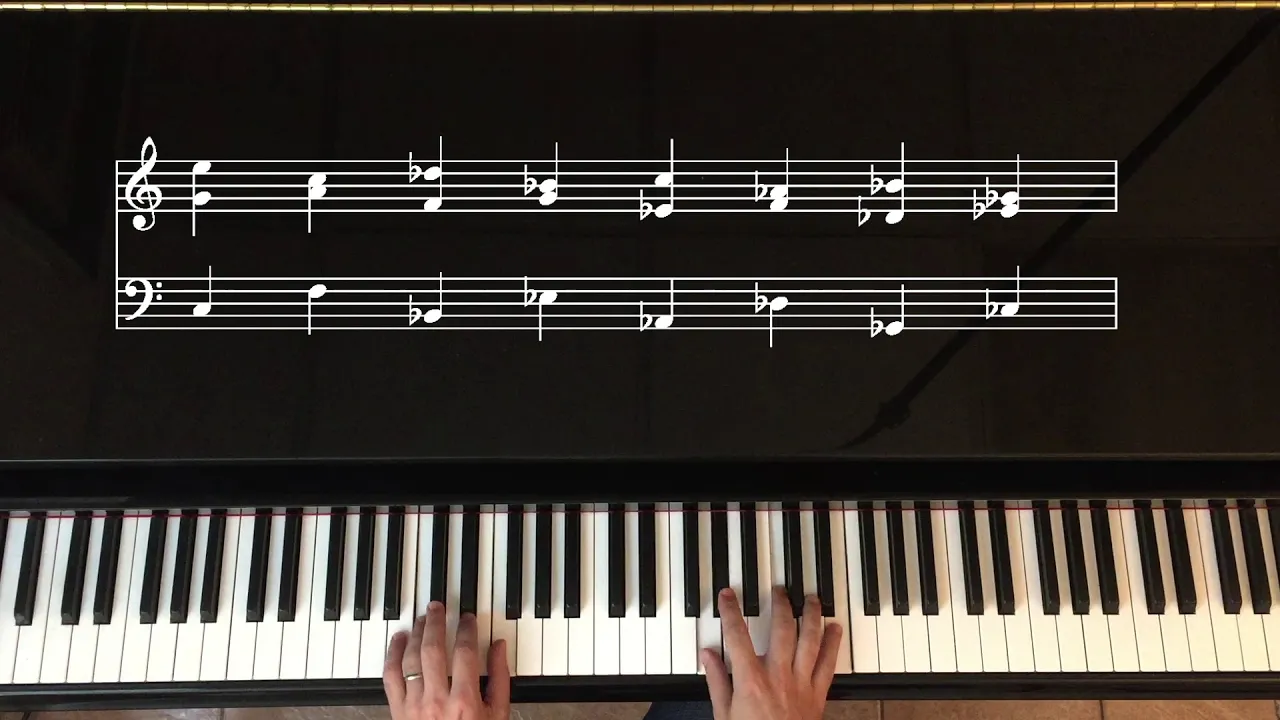
![How To Play CHORDS All Over The FRETBOARD [Voice Leading Explained]](https://i.ytimg.com/vi/LVNP01tVQTo/maxresdefault.jpg)
![The SECRET Formula To Writing STUNNING Ultra-Modern Chord Progressions [Harmony]](https://i.ytimg.com/vi/6N1KRVJXh80/hqdefault.jpg)
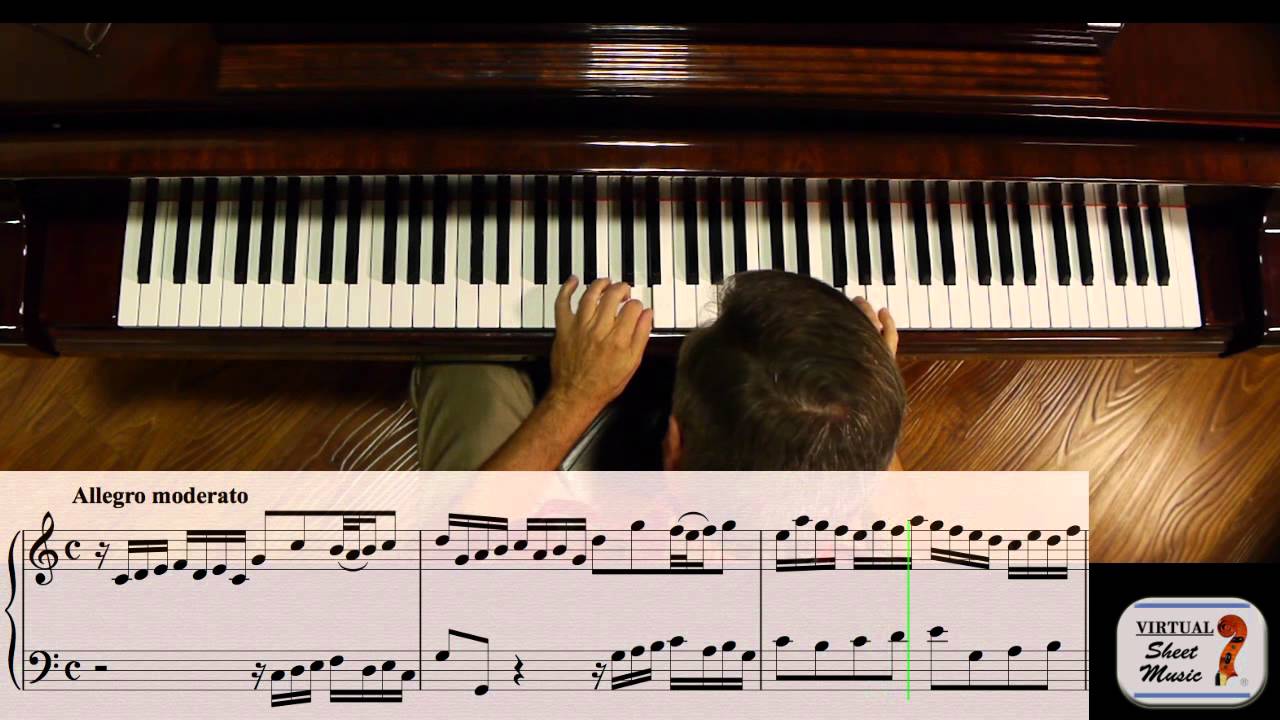
Counterpoint is a musical texture where two or more independent melodies interact to create harmony while maintaining their individual identities, commonly found in Baroque music but also appearing in pop and rock songs like 'God Only Knows' by The Beach Boys, 'For No One' by The Beatles, 'Supermassive Black Hole' by Muse, 'Paranoid Android' by Radiohead, 'Country House' by Blur, 'Scarborough Fair/Canticle' by Simon & Garfunkel, and 'One Day More' from Les Misérables; unlike homophony where all voices blend into one unified motion, counterpoint requires careful attention to avoid consecutive fifths or octaves, which cause voices to sound like a single unified line rather than independent parts.
Counterpoint in Pop Music: From Bach to Radiohead
Added:Basic music theory concepts, including intervals, scales, chord progressions, and standard harmonic analysis.
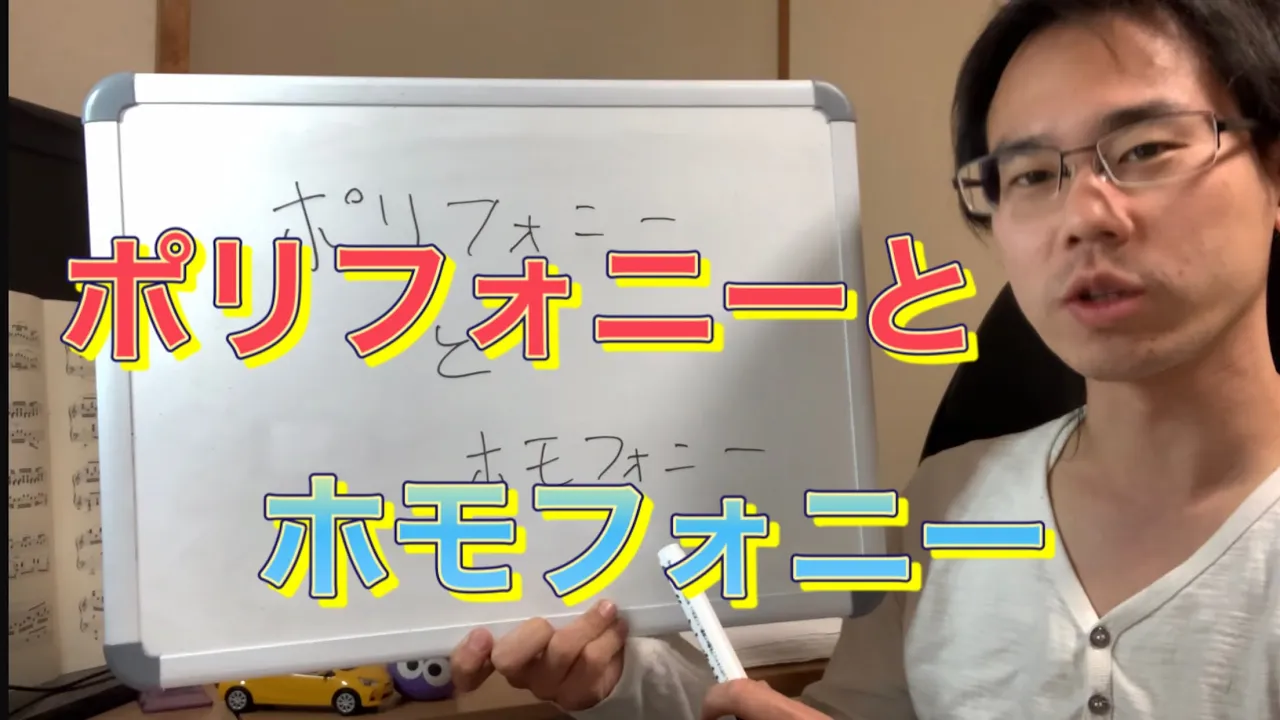
The structural distinction between polyphony (multiple independent melodies) and homophony (melody with chordal accompaniment).
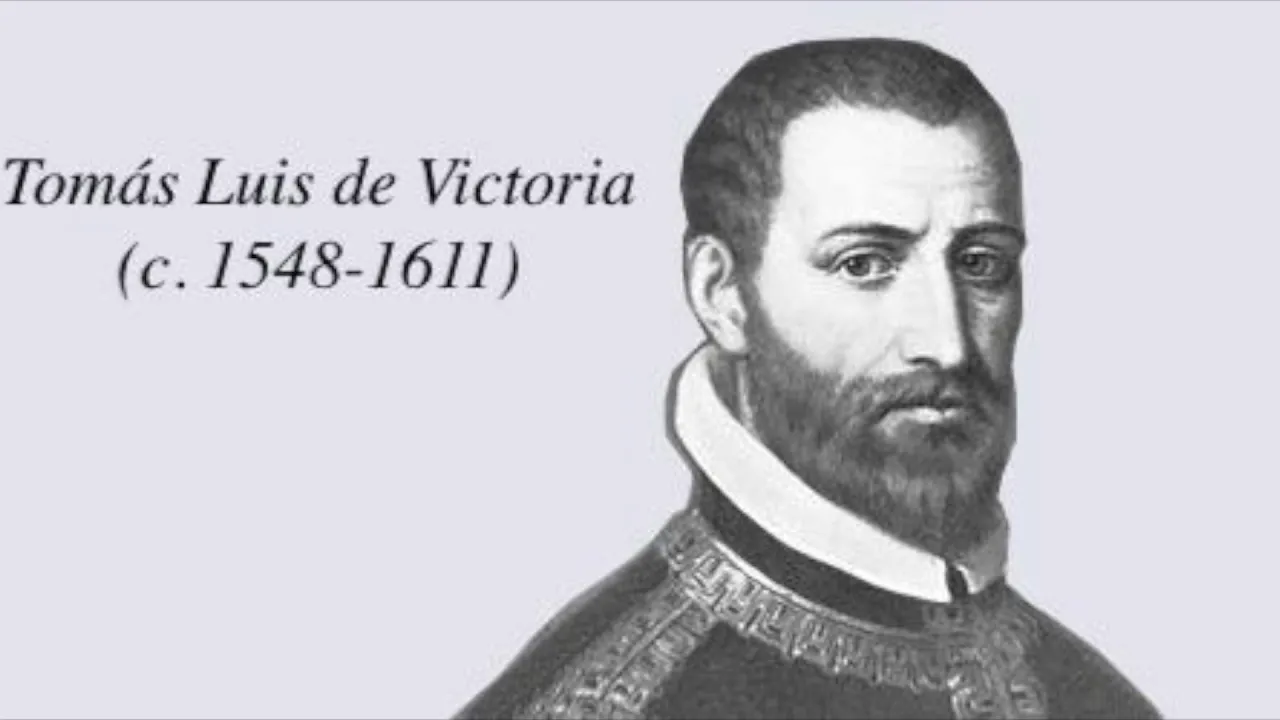
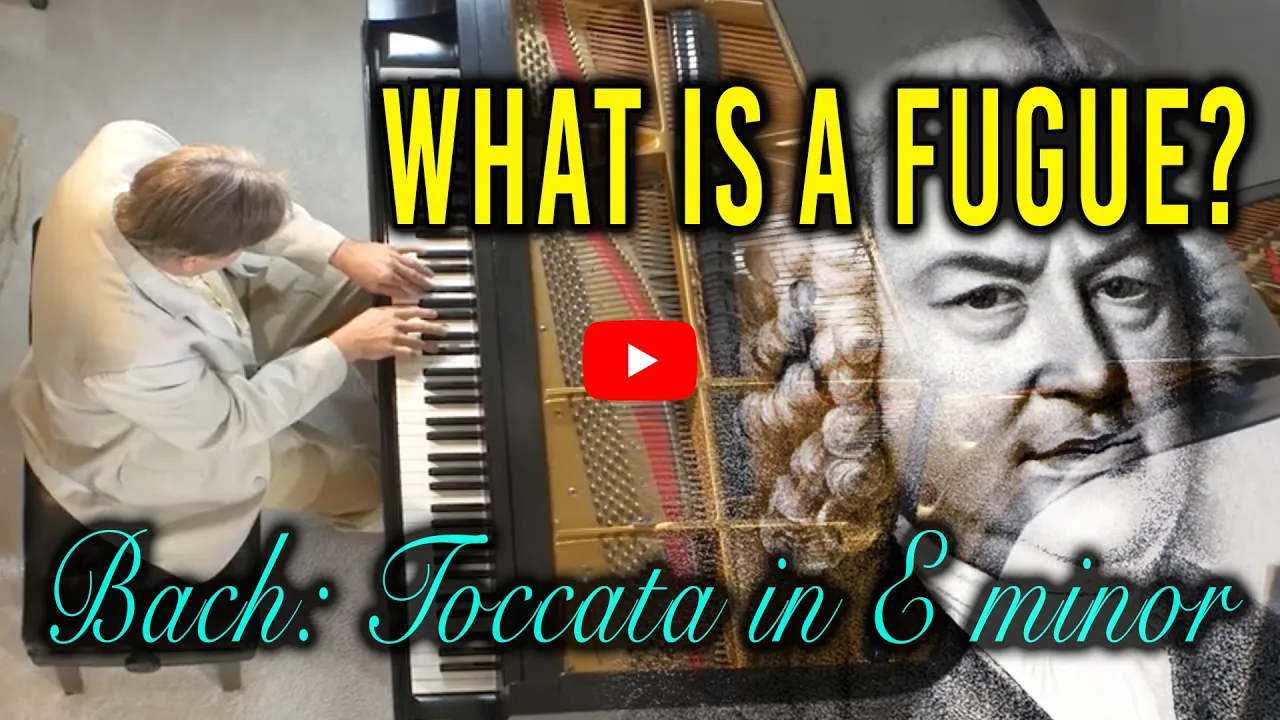
A foundational understanding of J.S. Bach's work, particularly the concept of fugues, canons, and two-part inventions.
Familiarity with standard pop and rock songwriting elements, including vocal melodies, basslines, and riffs.
The formal study of Species Counterpoint to learn the traditional rules of voice leading and melodic independence.
Arranging and composing original pop, rock, or electronic music using contrapuntal techniques like imitation and canon.
Advanced analysis of counterpoint in other modern genres, such as progressive rock, jazz fusion, and film scoring.
Practical applications of voice-leading theory to create more dynamic and independent keyboard or guitar accompaniments.
985.7K views26.5Klikes17:10Original Release: 2022-04-05
[Music] Counterpoint is a musical texture where each voice of the music each part moves with its own independent motion and contour and yet between the different voices we still get a sense of Harmony in this piece the music is built purely from just two Melodies an upper voice and a lower voice however even though the music isn't accompanied by any additional chords we still get a sense of Harmony in just the way that these two voices interact here's an example of three-part Counterpoint as you can see with additional voices the harmony can become far more sophisticated [Music] The Beach Boys were certainly fans of CounterPoint they would often layer their vocal harmonies into Beautiful contrapuntal [Music] Textures now unlike the bark pieces we heard before when Counterpoint is used in pop music the texture is rarely 100% contrapuntal 100% Counterpoint there will often be other harmonic instruments accompanying the Counterpoint ultimately diluting the texture for example although the vocal lines here in God Only Knows are interacting in Counterpoint the whole thing is then supported underneath by these chords if God Only Knows was pure Counterpoint like you might see in the barck era it would sound like this [Applause] as you can hear the texture becomes a lot more delicate and exposed we no longer have that rock solid harmonic support of the harsy chord or the other instruments meaning all sense of Harmony now comes from the interaction between the vocals this is a much more pure example of CounterPoint however of course there is nothing wrong with mixing Counterpoint with what we might call homophony and this as I mentioned before is the context in which we usually hear CounterPoint in pop and rock music homophony is a different type of musical texture whereas Counterpoint is when each voice has their own independent Motion in homophony we want quite the opposite we want all of the voices to blend together into one unified motion most popular songs will use homophony rather than Counterpoint more specifically what you might call Melody dominated homophony where we have one clear Melody on [Applause] top and all of the other in instrumentation is striving to create one homogeneous harmonic foundation for the melody to sit on top [Music] of now although the texture of most pop and rock music is probably best described as homophony or Melody dominated homophony we can find examples of CounterPoint of contrapuntal texture in pop and rock music a common use of CounterPoint in pop and rock songs is when two more Melodies that we've been introduced to during the course of the music are then layered on top of each other so we then hear them together creating a contrapuntal texture between them for example in the Song for No One by The Beatles we first get introduced to this verse Melody your day breaks your mind aches you find that all our words of kindness then a few bars later we get introduced to this second Melody played on the French horn and then later in the song these two now familiar Melodies get layered on top of each other creating Counterpoint between them if we consider the Baseline here to be a third Melody we could consider this a three-part Counterpoint your day breaks your mind aches there will be times when all the things she said will this technique is particularly satisfying because we've already been introduced to these Melodies individually we already know what they sound like so when we hear them interacting together in a satisfying way it's almost like we've seen two puzzle pieces come together another example is super massive black hole by Muse earlier in the song we get introduced to this [Music] melody then we get introduced to this second Melody melting in the and the Superstar sucked into the Super Mass these two Melodies are then layered on top of each other creating a two-part [Music] Counterpoint this is also a good example of combining homophonic writing with Counterpoint this melody here is harmonized in homophonic texture all of the different voices are working together to create the sense of one unified Melody which means even though this part is comprised of very ious vocal harmonies when combined with this other Melody we can consider it a two-part Counterpoint because this four-part vocal Harmony is acting as one unified voice one part another great example of CounterPoint in a rock song is the middle section of Paranoid Android by radio head it begins with this set of three voices two singing an octave apart from each other with the third weaving between them then on the second rotation they're joined by this [Music] [Applause] voice and on the third rotation the texture develops once again with this third separate vocal Melody joining the fry [Music] [Applause] [Music] and on the fourth and final rotation we get yet another voice adding into the texture [Music] [Applause] [Music] what I love about this sort of contrapuntal writing is that as you listen you don't necessarily latch onto one Melody as the main Melody your attention sort of begins to split between the different lines meaning that with each listen to the song you might actually get drawn to different Melodies in the same [Music] section one of my favorite examples of CounterPoint is Country House by blur blur used Counterpoint to develop each chorus of the song the very first chorus of of the song doesn't feature any Counterpoint it just features one main [Music] Melody however with the second chorus a second counter Melody is now introduced adding that layer of [Music] CounterPoint and then by the time we reached the final chorus yet another counter Melody has been added this time played on brass this means with each chorus we get something new to listen to building the energy of the song Simon and gaunle are well known for their beautiful vocal writing and perhaps one of their best examples of vocal Arrangement is their version of scarber Affair Simon and gar Uncle used Counterpoint to weave a new original Melody into the traditional tune of scarra [Music] fair on sned Brown without seam and bed clothes the child of the she be a true love sleeps on [Music] a and this use of CounterPoint actually introduces quite a dark irony to the song the innocent ancient Melody of scarra fair is Tangled in with cacal a scornful antiwar lyric written by Paul [Music] simonal Sage Rosary generals order their soldiers to kill all and to fight for they've long ago forgotten she'll be a true love of mine Counterpoint can also be really common in musicals it's a great way of hearing two different characters perspectives at the same time weaving their lines together into melodic Counterpoint for example One Day More from lame Miss ARA Begins by allowing each character one by one to sing a verse telling us about their individual situation these men who seem to know my crime will surely come a second time one day not live until today then as the song develops the different characters lines begin to layer over each other until the Melodies have created a deep interwoven web I join I will little secret and this interwoven contal texture then climaxes with all of the different lines suddenly unifying all for one unified lyric is the Judgment Day tomorrow we'll discover what our God in heaven has in store this is such a powerful moment musically and narratively the dense Counterpoint illustrates the conflicting and overlapping situations of each character but then the sudden moment of Unison dramatically underlines the one thing that all of these very different characters have in common that tomorrow they will find out what God has in store for them a particularly sophisticated form of contrapuntal writing is the Fugue a Fugue is a particular type of composition where we begin with an initial subject [Music] then once the first voice has completed this subject a second voice will now enter also playing that same subject however whilst the second voice is working its way through that subject the first voice will continue on on its own course developing a contrapuntal texture [Music] fugues will often have various voices each echoing their initial subject here in Bark's fugan G minor we've so far developed to the point that we've got a three-part Counterpoint played across the two hands of the organist but now the organist has to get his feet involved too to play yet a fourth Voice using the organs pedals and just like all the other voices this voice to Begins by reintroducing that initial now familiar [Music] [Music] subject you can almost think of a Fugue as a much more complicated round a round as I'm sure you'll remember from your childhood is when a group of people sing a Melody however different groups begin the melody at different times resulting in a far more elaborate contal texture than would get if you just sang it all [Applause] [Music] [Music] together dwn dwn [Music] the last thing I'd like to talk about today is what's commonly cited as a rule of CounterPoint which is not to write in consecutive fifths or consecutive octaves a Convention of composing Counterpoint is not to write consecutive fifths or even consecutive octaves what this means is Imagine we've written this three-part CounterPoint in this bar here these two voices are actually moving in parallel fifths with each note they're moving in the same direction with the same Rhythm and as you will hear the problem with this is that these two voices because of this parallel motion wind up sounding like one unified [Music] voice the problem with this is that with Counterpoint the whole idea is that each voice retains a sense of Independence we want each voice to interact in a pleasing way but we don't want them all to condense down into one uni IED Melody like they would in homophony and this is the problem with consecutive fifths or consecutive parallel intervals of any kind really at this point because the voices are now moving together in the same direction at the same rate we naturally perceive them as one unified voice rather than three independent voices ultimately destroying that contrapuntal texture so the whole thing about this parallel Fifth's rule is if you want to maintain your Counterpoint if you want to maintain that texture you need to avoid this type of of parallel motion for example we could fix this parallel motion here by adjusting the notes like this now all three voices retain that independent [Music] sound of course this isn't some rule it's just a convention a guideline that you should follow if your aim is to create this classic Barack style Counterpoint [Music] [Music] [Music] [Applause] [Music]
Up Next

63:34
Incorporating Non-Traditional Instruments into Church Worship Teams
@BaylorCCMS
201 views•2016-07-29

10:20
Mozart's Musical Dice Game Explained: History, Rules, & Fun
@webpianoacademy
5K views•2023-03-13

23:43
Negative Harmony Explained: Music Theory Guide
@DavidBennettPiano
96.2K views•2025-09-25
10:49
Understanding John Coltrane's Giant Steps: A Music Theory Analysis
@Vox
10.4M views•2018-11-12
Related Study Plans & Knowledge Roadmaps
Structured learning paths in Music Theory
music-theory
Composing Galant Music: Partimento & Schemata
01Foundations of Figured Bass and Keyboard Harmony
02The Rule of the Octave (Regola dell'Ottava)
03Galant Schemata: The Building Blocks of Form
+ 2 more learning modules
30h5 modules
Explore Roadmap
music-theory
Decoding Overtone Series: Tuning & Drone Music
01Acoustic Foundations: The Physics of the Overtone Series
02Tuning Systems: Equal Temperament vs. Just Intonation
03Microtonality and Spectralism: Beyond Standard Pitches
+ 2 more learning modules
24h5 modules
Explore Roadmap
music-theory
Impressionist Harmony: Scales, Planing & RPGs
01Foundational Music Theory: Keys, Intervals, and Seventh Chords
02Impressionist Color: Chord Planing and Parallel Harmony
03Whimsical Textures: Pentatonic Cascades and Whole-Tone Scales
+ 1 more learning modules
14h4 modules
Explore Roadmap
music-theory
Negative Harmony: Axis Reflection in Indie Pop
01Music Theory Foundations: Scales, Intervals, and Triads
02Functional Harmony and the Circle of Fifths
03Demystifying the Negative Harmony Axis Reflection
+ 2 more learning modules
16h5 modules
Explore Roadmap