










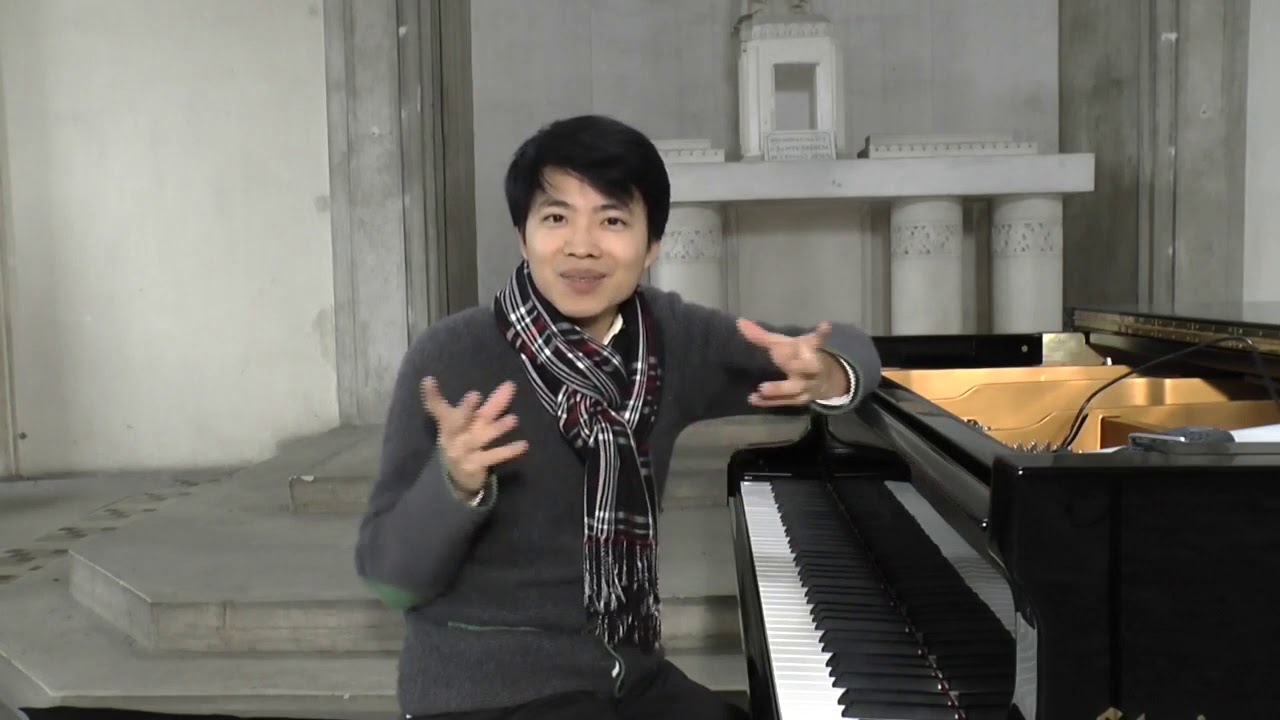




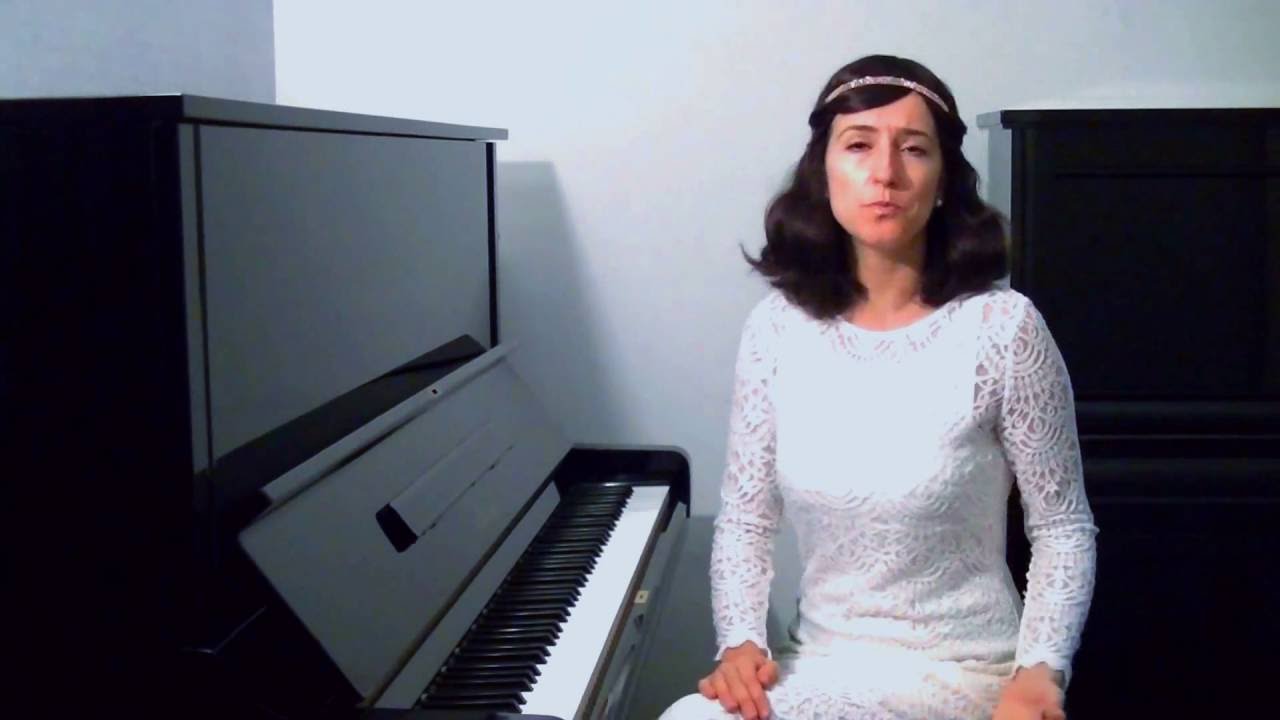
Bach's Two-Part Inventions are counterpoint pieces featuring only two melodic lines (subject and counter subject) throughout, where the performer's key task is to delineate these lines through phrasing and articulation rather than dynamics, since Bach did not specify phrasing in the score and both hands function as equal melody lines rather than melody with accompaniment.
How to Approach Bach's Two-Part Inventions: Piano Lesson, Part 1 (Robert Estrin)
Added:Basic keyboard proficiency and hand independence, allowing the student to play different rhythms and melodies in each hand simultaneously.
An understanding of musical texture, specifically the difference between homophony (melody and accompaniment) and polyphony (multiple independent voices).
Familiarity with basic music notation and score reading, particularly the ability to read treble and bass clefs at an intermediate level.
An introduction to musical phrasing and basic articulations, such as legato, staccato, and non-legato playing, which are crucial for Baroque interpretation.
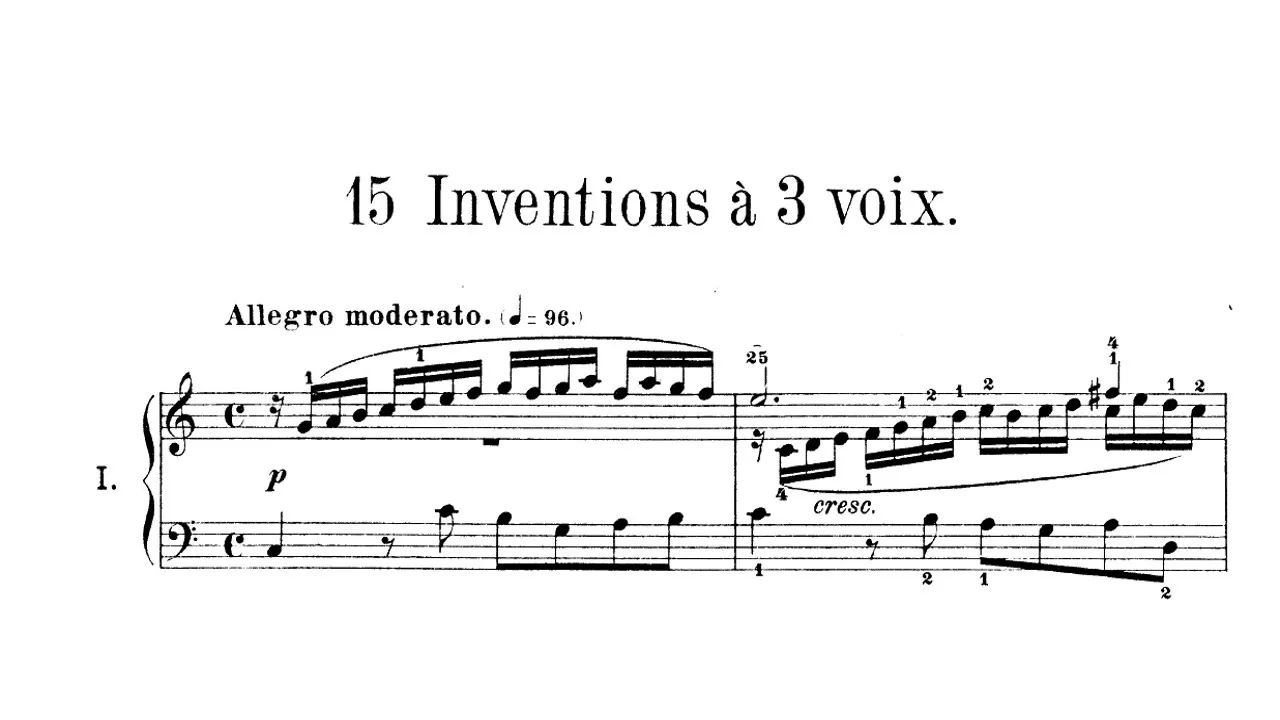
Transitioning to Bach's Three-Part Inventions (Sinfonias) to apply contrapuntal playing techniques to three independent voices.
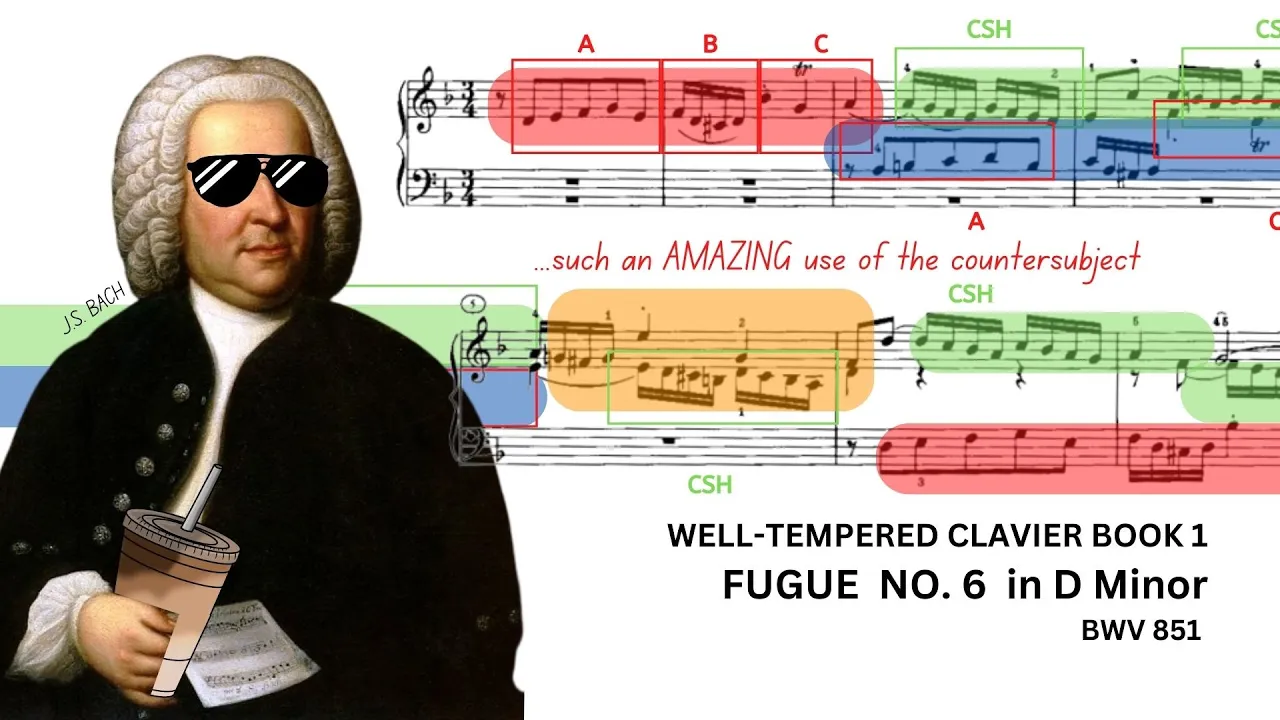
Studying the structural mechanics of fugues, including the concepts of subject, answer, countersubject, stretto, and episode, preparing for Bach's Well-Tempered Clavier.
Exploring Baroque ornamentation, including the proper execution of trills, mordents, and appoggiaturas in historical performance practice.
Developing advanced voicing techniques, such as emphasizing a specific thematic line while maintaining a softer, supportive volume in the secondary voice.
38.1K views553likes4:07Original Release: 2015-12-02
[Music] welcome to Virtual sheetmusic.com I'm Robert Estrin and today is the beginning of a series on how to approach boach two-part inventions these are masterful Works they're not very long and they're brilliantly conceived now what is a two-part invention first of all a two-part invention is simply Counterpoint with two different lines in other words there's never more than two notes playing a whole piece and yet it's an amazing composition it's built with a subject and a counter subject and it's being able to delineate the subject and the counter subject that makes these pieces Sparkle well how can you achieve that Dynamics is one way but perhaps even more important is by phrasing the two different themes differently from one another the subject and the counter subject so for example in the very first invention you have a subject it is [Music] this and you have a counter subject that's [Music] this and the entire piece is built upon just those two elements listen to how the very first section sounds like [Music] [Applause] [Music] now in this particular invention the subject and the counter subject are incredibly similar but what happens in just a few bars into it is just a fragment of the counter subject is elongated the eighth notes notice how I play them Legato in groups of notes with the last one being short this is how you can delineate the difference between them in fact the whole subject and counter subject are delineated by the phrase that goes slurring the whole subject and counter subject together this is how to bring it out now the beauty of Bach is that you could actually bring much of your own To The Music In other words there is no right or wrong if you wanted to play the phrasing completely differently no one could say that this is not accurate why because Bach did not write phrasing in in the inventions it's up to you how to delineate the lines the beauty is that you do not have melody in harmony as you do in later period music where you have obvious Melody like in a Mozart Sonata where you have a melody in the right hand and an accompaniment in the left hand [Music] the left hand merely being broken chords here everything is Melody so the secret is bringing out the melody wherever it occurs and try to delineate phrasing I'm going to demonstrate with some other inventions in future videos for you where the subject and counter subject are even more extremely different which provides a wonderful opportunity to understand the structure of this music thanks so much for joining me Robert eston here at virtual sheetmusic.com come [Music] [Music]
Up Next
35:56
Improvisation in the Tonal Landscape: A Masterclass with Dan Tepfer
@JazzDay
255.2K views•2025-04-30

12:54
Triumph of Orthodoxy Icon: Byzantine Art & History Explained
@BenCallan
2.1K views•2024-08-06

9:49
FastAPI vs Flask vs Django: Choosing the Right Python Web Framework
@TechWithTim
302.5K views•2024-05-26

1:42
Game of Thrones Opening Credits: A Cinematic Analysis
@gameofthrones
46.3M views•2011-04-18
Related Study Plans & Knowledge Roadmaps
Structured learning paths in General & Interdisciplinary Studies
general-studies
Elevator Engineering: History, Physics & Cities
01From Hoists to Safety Brakes: The Dawn of Vertical Lift
02Hydraulic vs. Traction: The Engineering Physics of Elevators
03Modern Speed, Safety, and Algorithms
+ 2 more learning modules
12h5 modules
Explore Roadmap
general-studies
Rubber: Material Science, History & Geopolitics
01Origins of Natural Rubber & Mesoamerican History
02The Chemistry of Natural Rubber & Vulcanization
03The Geopolitics of the Rubber Boom & Colonization
+ 2 more learning modules
12h5 modules
Explore Roadmap
general-studies
Containerization: Evolution, Logistics & Trade
01Ancient Trade & Bulk Cargo: Amphorae to Barrels
02The Industrial Revolution & Cardboard Packaging
03The Containerization Revolution: Malcom McLean
+ 2 more learning modules
12h5 modules
Explore Roadmap
general-studies
Textile Tech: Evolution, Labor & Global Impact
01Pre-Industrial Textiles: Handloom & Cottage Industry
02Mechanization: The Spinning Jenny to the Power Loom
03The Factory System & Global Labor Transformation
+ 2 more learning modules
10h5 modules
Explore Roadmap