

![LMMS - Tutorial for Beginners in 11 MINUTES! [ UPDATED ]](https://i.ytimg.com/vi_webp/RxufVnnHG60/maxresdefault.webp)
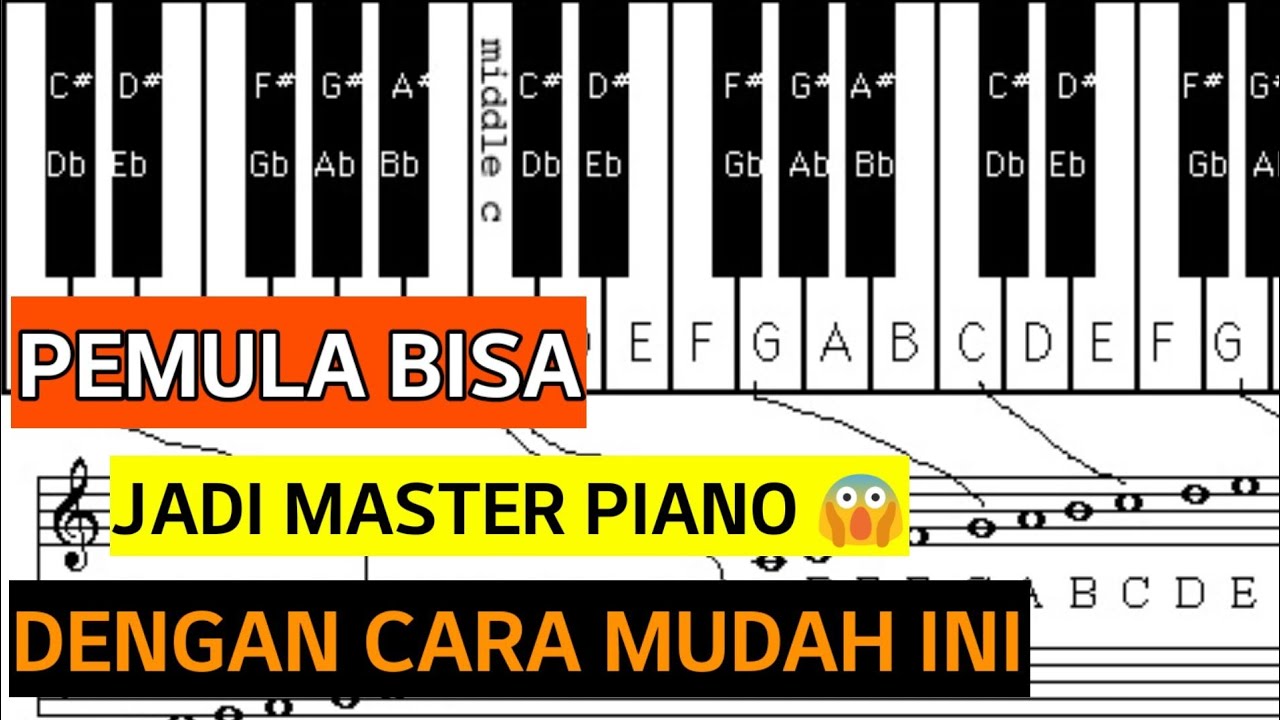


![[15] Nhịp trong âm nhạc là gì, vì sao phải biết nhịp - Nhạc lý Part 2](https://i.ytimg.com/vi/y_6u45oJrjc/maxresdefault.jpg)

![Rhythm & Timing - [Beat-Maker Fundamentals]](https://i.ytimg.com/vi/Gz8dCCUwaeE/maxresdefault.jpg)









![How to make Melodic Techno for Purified Records [Deviu Masterclass]](https://i.ytimg.com/vi/tA-Le9vRsVA/maxresdefault.jpg)




Music theory fundamentals for modern music production include understanding that music has 12 notes (white and black keys on a piano), scales are collections of harmonious notes (major scales sound happy, minor scales sound sad), chords require 3+ notes (major chords use root-third-fifth, minor chords lower the third by a half step), and chord progressions use Roman numerals (capitalized for major, lowercase for minor, circled for diminished) with common progressions in modern genres being 1-4-5-6. Practical production techniques include creating sub bass by removing the third and fifth from chords, using arpeggios for movement, and applying sidechain compression (typically 1/16th note) to create rhythmic pumping effects in tracks.
Music Theory Fundamentals for Modern Music Production
Added:Basic familiarity with a Digital Audio Workstation (DAW) interface, specifically how to navigate the MIDI editor and piano roll.
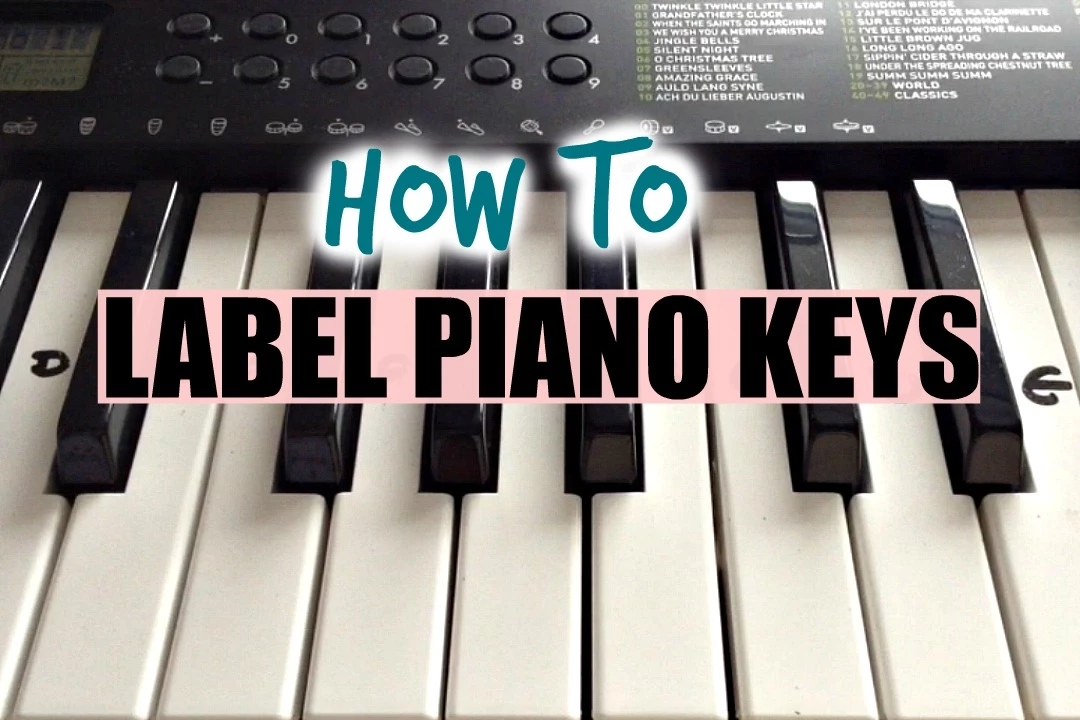
Understanding the basic layout of a piano keyboard, including how to identify white and black keys.
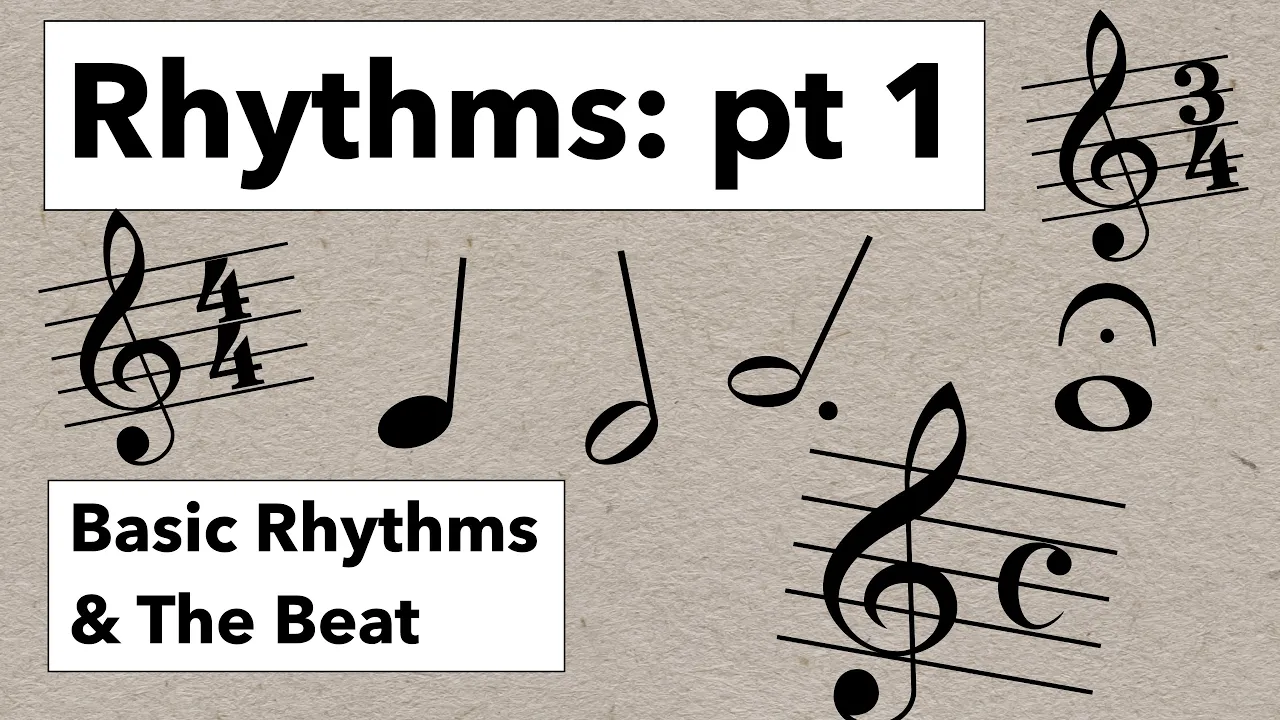
Fundamental concepts of rhythm, tempo (BPM), and standard time signatures, such as 4/4 time.
An introductory awareness of pitch (how high or low a sound is) and note duration.
Mastering chord inversions and voice leading to create smoother, more professional transitions between chords.
Exploring advanced chord extensions (such as 7ths, 9ths, and suspended chords) to add color and emotion to EDM and pop tracks.
Developing techniques for writing memorable melodies and counter-melodies that align with your chord progressions.
Studying song arrangement and structure, analyzing how harmony dictates the energy flow between verses, builds, and drops.
Applying sound design and synthesis principles to match specific chord structures with appropriate synth patches (e.g., pads, leads, and plucks).
185.1K views13Klikes10:23Original Release: 2019-07-08
so music theory can be very daunting at first there's a lot of concepts that are very overwhelming but for my experience unless you're like reading sheet music or composing concertos in like neo classical or contemporary music most of the stuff you really don't need to know so today I will just show you like the basic concepts if you're making mostly like modern music such as like pop EDM so whenever you like drawing your notes on your GIW have you ever noticed that there's a piano on this side basically this piano on the side is called the piano roll it's basically a display allows you to record or draw in your MIDI notes now piano roll doesn't only mean it plays piano sound it could play anything that you like depending on the plugin that you load up in your GIW like a violin or a drum kit or even weird sound such as this okay so looking at a piano keyboard layout in music theory there are twelve notes in music the Y Keys represent these letters and the black keys represent these letters and we call these letters notes each note has their own independent sound school scale is a collection of notes that sound good to go when played in the sequence and the most common types of scales using modern music are major and minor scales so let's take for example C major [Music] as you can hear c-major sounds happy major scales in general sound happy now if you want to make the scale minor it would take the third the sixth and the seventh and lower them a half a semitone and you would get your minor scale in this case this is C minor [Music] minor skills in general sounds sad and depressing ports are a collection of notes played together that's basically it now the requirements of a chord is you need three or more notes to be considered as a chord let's make a major chord starting in C so if we start at C as a root note and we want to make C major you need a third and a fifth so the third in the key of C would be e and the fifth note and the key of C would be a G so if we play it together that's a major chord it sounds happy flappy slappy now if you want to make it a Marta chord you would take the third lower it a half step then if we play it together you get your minor chord so chord progressions are succession of notes that are played in a harmonious way before we can understand chord progressions audre all the chords used in this C major scale also you'll notice there are Roman numerals on the bottom these Roman numerals start from one to seven we're not going to go into much detail on the Roman numerals but all you gotta know is a capitalized Roman numeral represents a major chord a lowercase Roman numeral represents a minor chord and a Roman numeral that contains a circle represents a diminished chord so this is all the chords that are available in the C major scale in modern music such as like future bass pops and pop trap you name it the most common numerals used in these chord progressions are one four five and six and their use in different variations you can mess around with these numerals or you can mess around with other numerals that aren't really commonly used it's up to your preference so now you kind of got an idea about how girls and chord progressions kind of work so how would we use these concepts when making it track so I'm gonna make like a small drop and before we actually start we first have to figure out our tempo I'm not gonna go into details about time signatures or tempos I'll be for another video so I'm just gonna assume you kind of know it I'm going for probably a porter Robson styles probably like 90 BPM I think it's a pretty good tempo already loaded up a piano patch and usually this is kind of like how I go about when making a track I usually like to start off with the chord progression before we can figure out a chord progression we first have to figure out what key are we gonna make this track in I'll go keep it simple I'm gonna stick with C major I'll gonna come up with like a poor progression [Music] and we'll see what happened and I'm gonna make some adjustments and quantize these notes because this is EDM [Music] as you can see all I'm using is just the one the 4 the 5 and the 6 chord and the way what I like to do when I'm making chords is I usually take the 3rd and make it an octave higher so instead of getting this to sound like this it actually sounds like this so that's our chord progression so we're gonna start and get our since I'm now gonna go into sound design this is not a sound design tutorial I'm just going to copy this and just paste it here this sounds alright but it kind of sounds kind of weak so what we can do we can add probably a another sock or I'll add a serum this time I'll just make like a simple saw chord and we could copy this one if it here and we can make this an octave lower you add some weight it still sounds a bit empty in the low end so what we can do is create a sub bass because this is EDM and usually what I do is I just copied the chords and I just remove the 3rd and the 5th on all the boards so I just get the root of the chord I just make this also an octave lower you're getting where this is going so if we heard all together [Music] of course the mix isn't well that's not what we're aiming for right now but the court sound very boring so here's what what we can do so let's just take the sylenth1 patch instead of cords let's make these into sixteenth notes we had the arpeggio turned off we're gonna turn this on okay now it sounds a bit moving because well this is what the preset is and now we're gonna add more notes I added more notes to the core to make it more interesting this is what it sounds like [Music] you see now it sounds a lot more better like if we heard it before [Music] so here are the core names for the cords that are used for this chord progression now if these names look very confusing don't really worry about it I'll give you some tests when it comes to making chords you take for example the C major chord if we add a seventh we would have a C major seventh chord and if we add a ninth we would have a C major 9 the same idea goes with a minor chord taking C minor for example we can add a seventh making this a C minor 7th adding a ninth C minor 9th we can also add a thirteenth making this a C minor 13th now taking the C major chord again we can also make this a suspension chord we can take this E and drag it to a D so if we play it we would have a CSS to the 2 standing for D being the second note in a C major scale now if we take this D and move it to an F if we play it we would have a CSS for or meaning F being the fort note in a C major scale a C 6 chord similar to a C major 7 chord all you're doing is adding a 6 now this dash line that you see on a chord in my chord progression that basically means an added 9 basically you're just adding a 9 to that chord so taking the c6 for example if we added a 9th you would have a c6 - 9 now it's getting somewhere I'm gonna add like a simple beat pattern a typical 4/4 beat if you know what I mean every snare will be on the second and fourth beat or each bar and every kick will be on the first and third beat for each bar and I'll just add like some ride loop of course if we want to make this more interesting we can add a side chain if you don't know what a side chain is basically matches citing as a volume knob is basically lowering the volume then raising the volume in a rhythmic way we can also control the rhythm using the right slider which allows you to control the amount of sidechain that happens if that sounds kind of confusing imagine the sidechain like your rhythmic no keep in mind our time signature is in four over four right now we're in the rate of 1 over 4 1 over 4 stands for a quarter note in music theory it takes four quarter notes to equal one bar so the plugin will continuously do the sidechain four times each bar and that will give you this sound [Music] we can change the raid let's say one over sixteen one over sixteen standing four sixteenth note in music theory it takes 16 notes to equal one bar so the plug-in will do the sidechain continuously 16 times for each bar this gives it a future bass C type of sound if you listen to it I hope this gives you insight of what music theory is and how it's used in making music I highly recommend you know basic music theory it'll be a lot easier to make music and you don't want to keep guessing a lot if you want to learn more about music theory there's a great course offered by melodic s-- I want to thank melodic for sponsoring this video blogs just released a music theory course goes more in detail on scales somatic scales pentatonic scales and core progressions you can find it in the link below for a little bit of time it's free so get it while you can do you want me to make more videos kind of like this let me know and I'll see you in the next video you
Up Next

8:45
Second Species Counterpoint Rules Tutorial | Music Composition
@musictheoryfundamentals
338 views•2024-10-25

10:20
Mozart's Musical Dice Game Explained: History, Rules, & Fun
@webpianoacademy
5K views•2023-03-13

47:36
Understanding Diatonic 7th Chords in Major Keys | Music Theory Tutorial
@GracieTerzian
54.7K views•2022-03-02
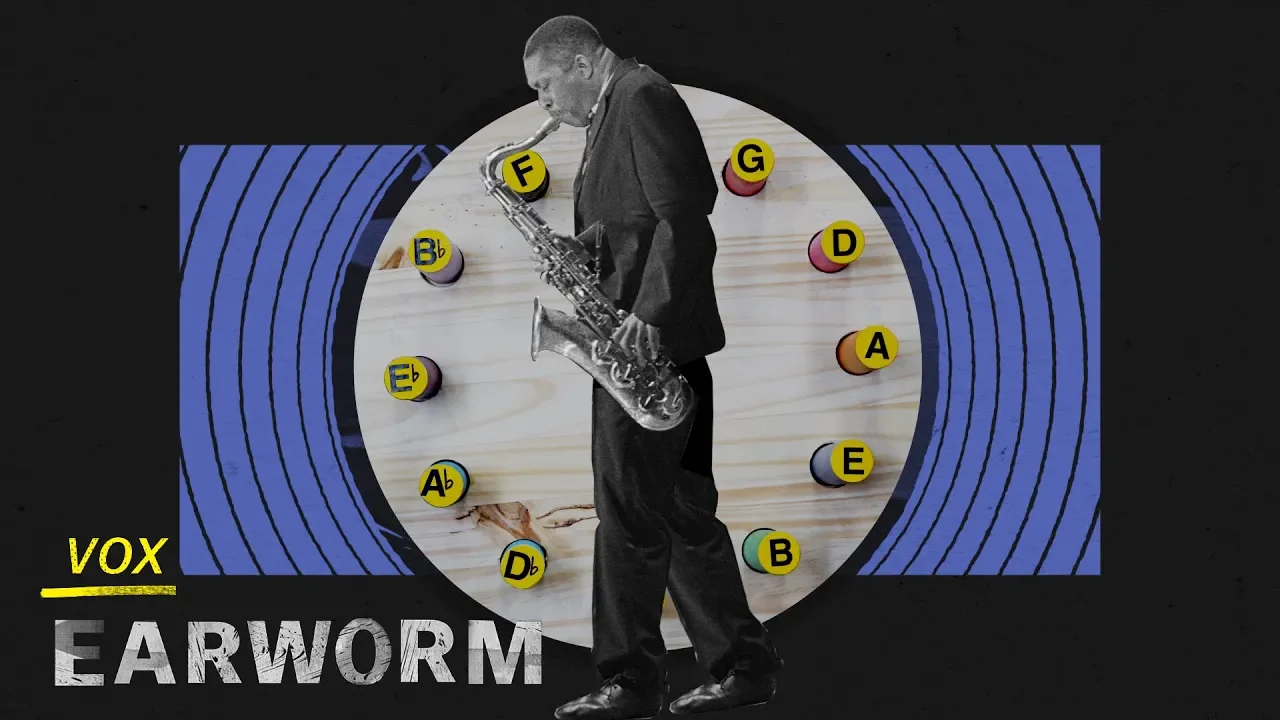
10:49
Understanding John Coltrane's Giant Steps: A Music Theory Analysis
@Vox
10.4M views•2018-11-12
Related Study Plans & Knowledge Roadmaps
Structured learning paths in Music Theory
music-theory
Composing Galant Music: Partimento & Schemata
01Foundations of Figured Bass and Keyboard Harmony
02The Rule of the Octave (Regola dell'Ottava)
03Galant Schemata: The Building Blocks of Form
+ 2 more learning modules
30h5 modules
Explore Roadmap
music-theory
Decoding Overtone Series: Tuning & Drone Music
01Acoustic Foundations: The Physics of the Overtone Series
02Tuning Systems: Equal Temperament vs. Just Intonation
03Microtonality and Spectralism: Beyond Standard Pitches
+ 2 more learning modules
24h5 modules
Explore Roadmap
music-theory
Impressionist Harmony: Scales, Planing & RPGs
01Foundational Music Theory: Keys, Intervals, and Seventh Chords
02Impressionist Color: Chord Planing and Parallel Harmony
03Whimsical Textures: Pentatonic Cascades and Whole-Tone Scales
+ 1 more learning modules
14h4 modules
Explore Roadmap
music-theory
Negative Harmony: Axis Reflection in Indie Pop
01Music Theory Foundations: Scales, Intervals, and Triads
02Functional Harmony and the Circle of Fifths
03Demystifying the Negative Harmony Axis Reflection
+ 2 more learning modules
16h5 modules
Explore Roadmap