


![[홈레코딩.1] 작곡의 시작 - 코드의 이해 (feat.Major and Minor)](https://i.ytimg.com/vi/YlQP9F8d1KM/hqdefault.jpg)






![Guitar Teacher REACTS: Tommy Emmanuel "Classical Gas" [Mason Williams]](https://i.ytimg.com/vi_webp/GwyXNZZei6E/maxresdefault.webp)






![[Aula Antiga #01] Improvisação 2 5 1 - Modos Gregos](https://i.ytimg.com/vi/CrGwMbQBWi0/maxresdefault.jpg)


This video teaches fundamental music theory concepts for keyboard players, including the circle of fifths (showing how keys relate with sharps and flats), major chord construction (combining a major third and minor third), diatonic triads in C major (I, ii, iii, IV, V, vi, vii°), chord inversions (root position, first inversion with third in bass, second inversion with fifth in bass), and voice leading principles for smooth chord transitions. The instructor emphasizes that understanding these theoretical foundations enables musicians to recognize chord progressions, identify chord qualities, and analyze complex musical pieces, particularly those from the 1970s era that frequently use sophisticated inversions and borrowed chords.
Music Theory on Keyboard Explained in 30 Minutes
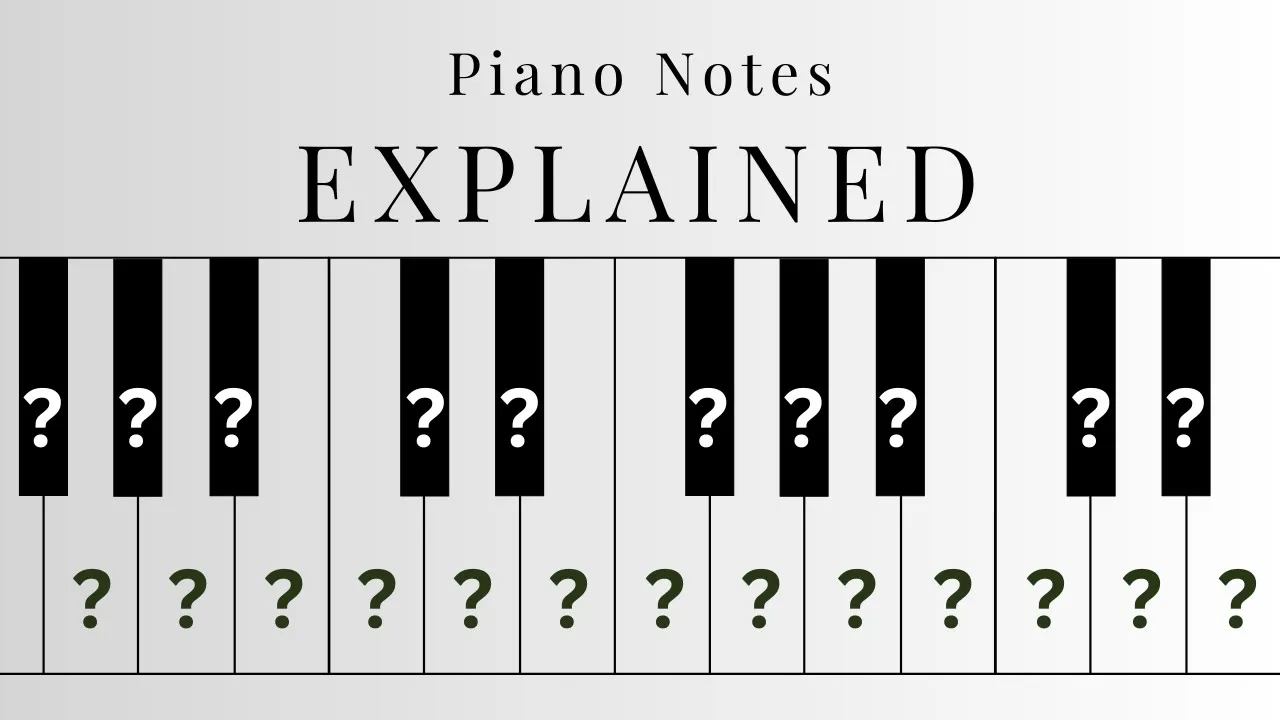
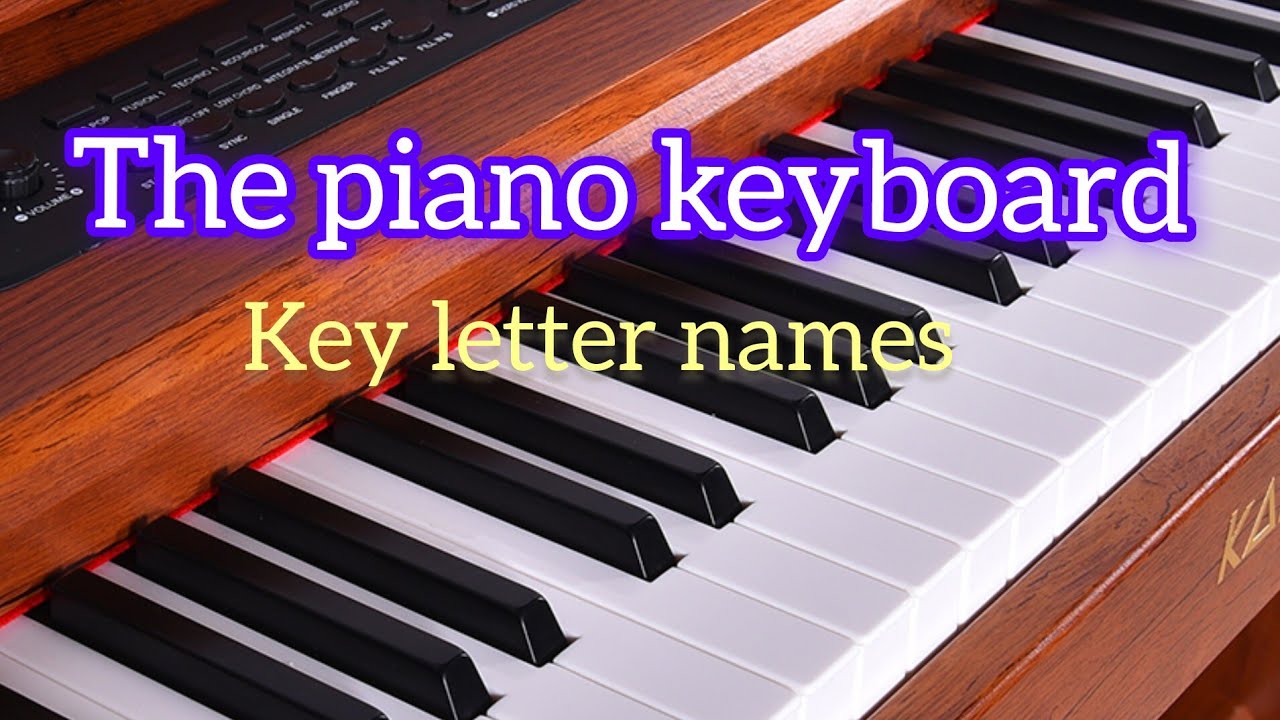
Added:Familiarity with the piano keyboard layout, including identifying the white and black keys and the names of the musical notes (A through G).
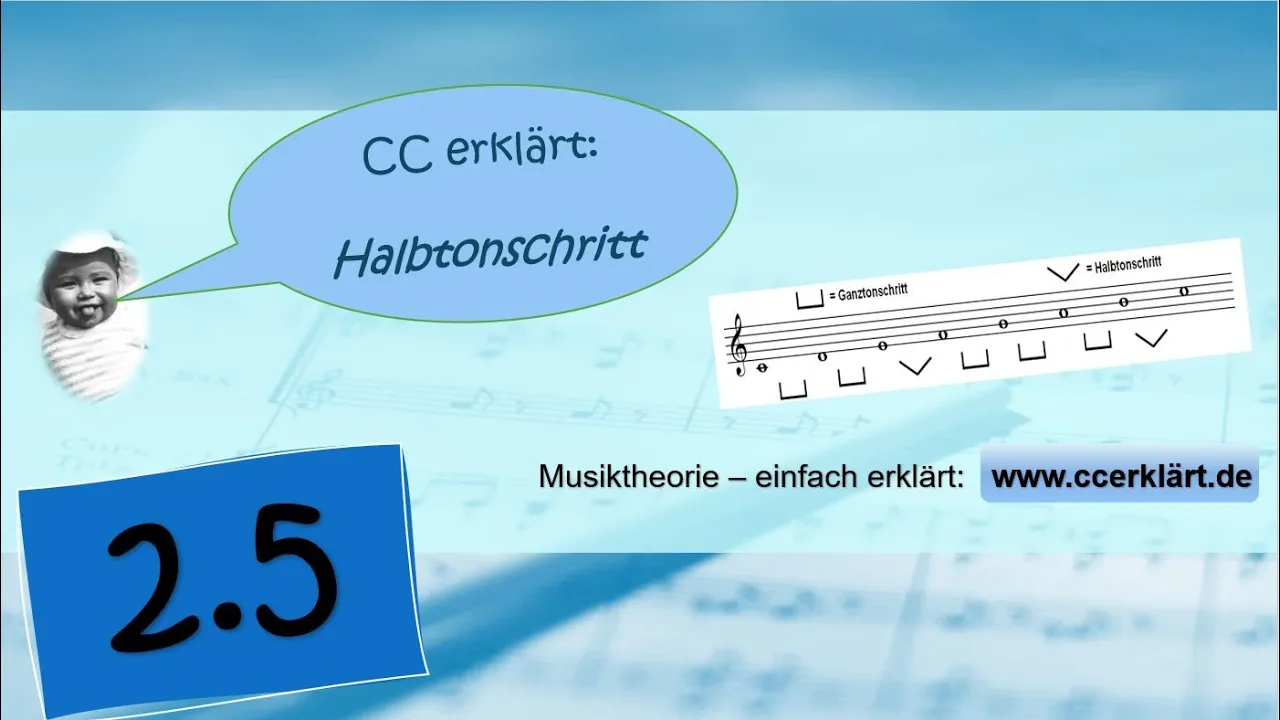
Understanding the concept of intervals, specifically the difference between a half step (semitone) and a whole step (tone).
Basic knowledge of accidentals, specifically how sharps (#) and flats (b) modify a natural note's pitch.
The standard piano finger numbering system (1 through 5 for each hand) to assist with scale and chord execution.
Exploring functional harmony and chord progressions using Roman Numeral Analysis (e.g., ii-V-I progressions).
Studying extended and altered chords, such as major/minor 7ths, 9ths, and suspended chords.
Applying voice leading and chord inversions to read and play from lead sheets or fake books.
Introduction to basic keyboard improvisation and arranging, using scales to construct simple melodies over chord progressions.
90.1K views4.7Klikes31:22Original Release: 2024-07-29
Everyone, you know, I went to go hit the stream thing. I was like, "Wait a minute. I don't even know how to do this anymore." Uh, it's been about a month since I've been on. I am postsurgery right now. Feeling great. Um, it's uh I'm two weeks postsurgery today and uh I have about four more weeks or so before I can kind of get back to regular activities. Although I'm out walking every day doing stuff and you know back to work making videos and um I really appreciate all the well-wishing from everyone between the the video I did the update video and the and the post I did here on um the community post and on on Instagram. Really appreciate it. It was very very nice of everyone.
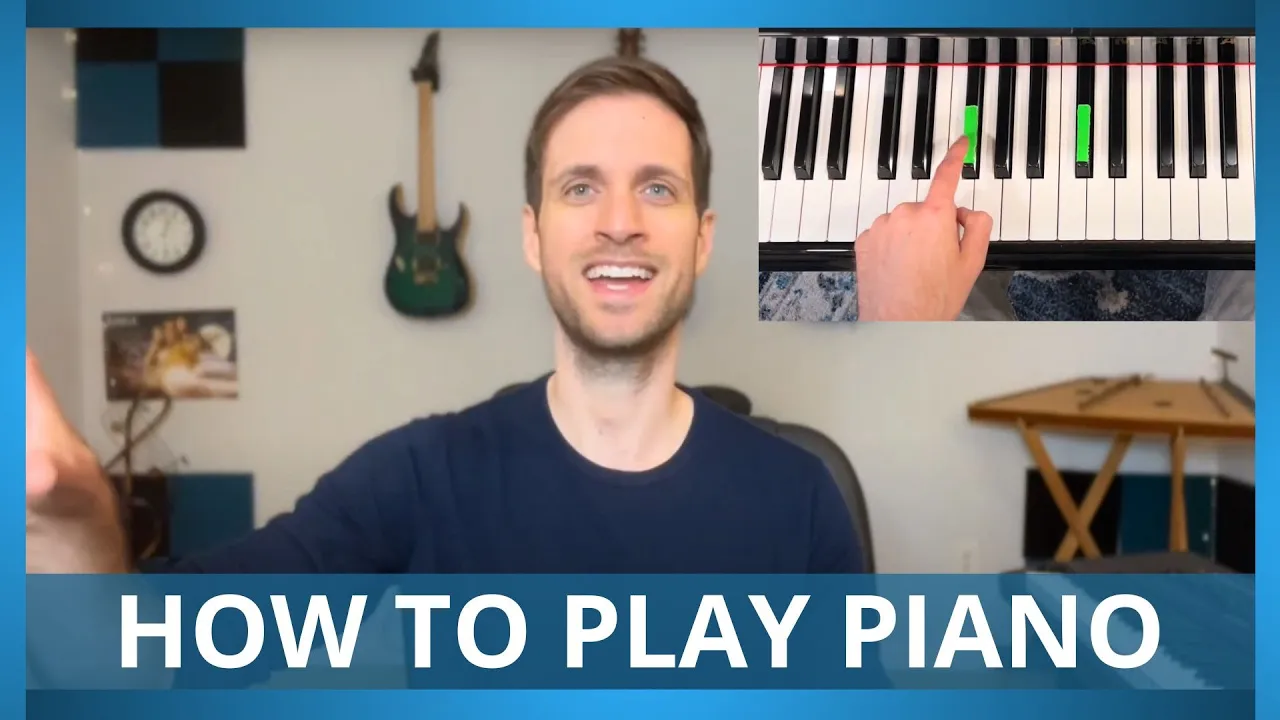
Uh today's live stream as you can see it looks kind of sophisticated here. I brought back this app, Cordy, that will show you chords here. And we're going to talk about music theory related to the keyboard. And it's the same music theory as guitar. It's just more fun and it's easier to visualize this thing. And all of this is related to the Biato bundle that I've brought back for sale due to its popularity for the next six days and eight hours through August 4th. And my biat bundle is my ear training course which is um actually my biatbook interactive which has hundreds of audio examples uh completely interactive 500page music theory textbook dozens of video lectures um much like today's thing is going to be a video lecture 500 pages textbook instruction along with guitar tab and notation examples and my ear training program is 80 plus videos I mean these are all video courses uh and that also has hundreds of interactive training modules. So, it'll train you kind of on some of the stuff that we're doing right now. If I play something like this and I ask you what is that interval? Well, all you have to do is look at the screen and it says perfect fifth.
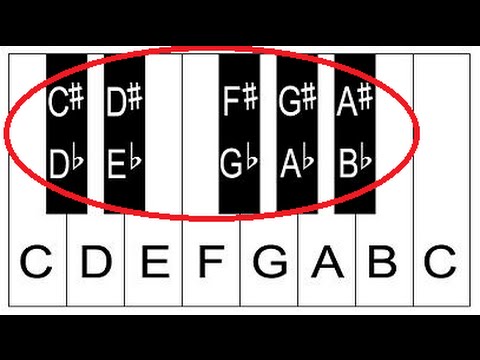
So, so if I didn't have that up there, you'd have to be able to listen to it and tell what it is. And that has a 20 uh sevenpage PDF. And then, of course, my two guitar courses, my beginner beginner guitar and my intermediate thing is my quick lessons pro. So that's uh that's what's on sale and related to what we're doing here today. Uh so what I wanted to do is I wanted to start with this circle of fifths. But um with the circle of fifths here, we're just going to start with a key. We're going to start with the key of C right here that has zero sharps or flats. And and um what does that mean exactly? Well, the black keys are the sharps and flats. So if I play these [music] notes together, all these notes are a C major scale. C, D, E, F, G, A, B, and then back to C. If I were to make it a G major scale, just to show you the difference, it has one sharp, G major here, and that's the note Fsharp. The sharps and flats come in a particular order. That's something to be memorized. That's in my BAT book interactive. As a matter of fact, it's the first chapter where it explains these things. Okay? G major scale is one sharp Fsharp. So if I start on G.
So it's G A [music] B C D E F sharp G.
So there's your F sharp. And then and then let me just do one in a flat key so you can see like B flat has two flats. B flat major. If I start on B flat here, and some of you may be like, I don't even know what note that is. Well, you'll learn these things. Uh, we'll go through this. Okay. So, B flat, C, D, E flat. So, there's the two flats [music] in the scale. B flat, C, D, E flat, F, G, A, B flat. So, that's B flat major.
We're going to just stick with C major for right now. Okay. Now, to build chords, we actually combine intervals. A major chord is a [music] major third on the bottom. So C and E and a minor third on top. [music] E to G. If I play al together, C E G. That's a C major chord.
Says it right there. And if you look at the staff, you see there on uh um I I don't know. I can't really point the st. The staff is right there. Right here where the staff is. If you see them, they're on adjacent lines, right? Uh, so I thought my hand would go in front of that thing, but it actually doesn't. So [music] C E G is a C major chord. Okay.
Now, let's talk about what the other notes in the scale are because it's kind of a different way to think about this stuff. If I play C E G, I'm only playing three of the seven notes. Well, what are the other notes in the scale? If I add this note D here, you get a C major. add two or add nine. If it was up here, that would be a C major. Add nine. Okay?
Because it's nine notes.
7 8 nine from from the root here. So that D is one of those extra notes of the chord that you could add. You could add the note F.
This would be a it says major F major 7 sus 4. That's just a C add four. C major add four. And then if I did this C major six, this is C major with the note A. That's the sixth note of the scale. That's why it's called the sixth.
The note F is called the fourth because it's the fourth note of the scale. So basically, this is all about counting, being able to count. These notes can be in any octave as well. If I uh played this note up here, that's nine notes away. That's a C with the added ninth.
This would be a C with the add 11. And this is a C with the added 13 there.
Really, don't go by the by the thing that says C major 6th right there because that's not accounting for the spacing. The way the program is written, it's written to just kind of condense things here. But okay. So, well, what about some other notes? If I had this note B, that gives me a C major 7 chord.
So those are the different permutations of C major. You have some other notes here, like this note here. That note there is a [music] sharp four. It says the uh the flat five. It's not really a flat five because I have the fifth G in there. So that's a C major with an added sharp four. Okay. Now, those are the extra notes uh that you can put on a C major chord. But let's talk about the different chords from the key of C major. It's very simple. If you just space them out in the same way, that's C major. The [music] two chord is D minor.
The three chord is E minor. The four chord is [music] F major. The five chord is G major. The six chord is A minor.
The seven chord is B diminished. And then we're [music] back to C major. Now you can see that all those chords are spelled out. C major, D minor, E minor, F major, G major, A minor, B diminished, C major. Those are the uh seven triads in the key of G. I'm in the key of C.
Now those particular triads uh will create chord progressions.
If I have 1 14 5 1, that would be a 1 14 51. You could have a two five one. Okay. So, I did something different on the five chord. I inverted it. I did the two chord, D minor. Then I did G major. See, it says G over D. This is a second inversion G major chord. Well, what does that even mean? What is an inversion? Okay, an inversion, these are things that you will learn from my ear training course, how to hear inversions.
Inversions are very important because you want to be able to move move smoothly from chord to chord with the least amount of jumping as possible. If I go like this, if I go one to four like that, that's a huge jump as you can see to go from C major to F major. But if I went like this, okay, so C major to F major, but this F major is in second inversion with the fifth in the bass. [music] Okay, what does that even mean? Okay, let's take a C major chord.
C major. That's called root position. If I take the bottom note and I move it up the octave.
So I go E, G, C. Everything good, Tom?
Uh, this is called a first inversion triad. So the third of the chord, the E, is the lowest note. Okay, I'll do it down here.
So you've got [music] root position first inversion and then second inversion with the fifth in the bass. So this is with the root in the bass [music] with the third in the bass and then with a fifth in the bass. Okay. Once you know these different inversions, if I go to F major, that's root position, first inversion, second inversion, G major, root position, uh, [music] first inversion, second inversion, and then I resolve back to my C. So, the idea is to move as little as possible from chord to chord. So 1 4 I could go up to here five to one like that. It sounds very smooth as opposed to jumping.
Okay. I could go one four and then five. This is a first inversion G major chord back to C major.
Okay.
The idea of voice leading is that you have the least amount of movement possible. That's what gives you these um uh there's a smoothness to it for lack of a of a better term. Uh where the voices actually move either uh in stepwise motion. So if I go C to F, these two [music] voices are moving up one scale degree each.
Um, [music] if I go C to G, those two are from C [music] to G, these two voices are moving down by by a step stepwise motion. But if I go one to four F major there, you notice the C is retained on both chords [music] because it's common to both chords. That's why it's called a common tone. So a common tone is a note that's common between chords. Okay. So, if I'm in um if I'm in the key of C and I start writing out chords, C major, C, E, G, um, D minor, D, F, A. And do it here. Let me write it like this real fast because it take me two seconds here. E minor, F major, G major, A minor, B diminished.
E, G, B, F, A, C, G, B, D, A, C, E, N, B, D, F. Okay, so there's these are the triads in the key of C major and the notes that comprise these triads. Now, any chord that has the note C in it, let's say if you go through and you say, okay, what notes, what chords in the key of C have the note C in them? Well, C major has the note C. F major has the note C. What else has it? A minor has the note C.
Those are common tones to those chords.
Um, what about the note F? What chords have the note F? Well, F major has the note F.
D minor has the note F. It's the third of the chord. Okay. B diminished has the note F. What about the note G here?
G has the note uh G is the fifth of C.
It's the third of E minor and it's the root of G major. So any note in the scale will appear three different times on three different chords, right?
So C is in C major, A minor, and um F major.
So these are called common tones. Okay?
So these are notes that you don't want that that don't need to move if you're going from one chord to the next. So if I'm going from C major to A minor, there's C major. The only note that needs to change because it has two common tones. C major and A minor have two common tones. C major has C E G. A minor has A C E.
Okay. So there are two common tones. So they do not need to move. Okay. Now uh what's interesting is that um once you understand this the uh the theory of these things and once you understand how to hear these different uh inversions of chords, you can learn to figure out songs really easily. even if they're real difficult. Okay. Um, one I think one of the most important things for me when I was first learning because a lot of the music I learned in the 70s had many different inversions in it. If I were to play like um um let me think a maybe I'm amazed by Paul McCartney. So it started on C. [music] I can't really sing because my voice [clears throat] is a little horseed.
Maybe I'm amazed at the [music] way man I cannot sing. [cough] [clears throat] [music] So the different inversions here we have C major, G over B. That's a first inversion chord. [music] D major and then A over C sharp.
It's I know it's weird. It says A over D flat. It's really A over C sharp. One of the things about chordy here is that it does not account for the correct diietonic. I'd have to set the mode actually, but be because this song actually changes keys here just in the first four chords. Um uh it there isn't a mode uh that is dietonic. What does dietonic mean?
Diatonic means all from the same key.
So, right off the bat, learning songs back in the 70s, you would need to know uh the relationships of chords and be able to hear inversions in order to figure things out. where I did a video where I talked about between 1965 and 2009, out of all songs that were number one on the Billboard charts, 25% of them, a full one quarter of them had key changes. Okay, we're not even talking about key changes. Since 2009, there have been no songs that hit number one that had a key change in it. Okay. But being able to hear when a chord is inverted is extremely important, especially when you start dealing with uh chords. Let's say you have a chord like um this beautiful chord here. [music] This would be an F major o C major over F.
[music] It says F major 7 sus 2, but it's really C major over F. You see G, C, E. It could be this.
Now, this is a common chord from the 70s. You hear it in Steely Dan. You hear it in Led Zeppelin. You'll hear it in Joanie Mitchell. These are, you know, all over the place you would hear these these types of voicings and stuff. and being able to recognize what they are was extremely important in being able to figure out if a song um did uh let's say a song went from that F major over C over F.
That was a very common move in Steelely Dan. So, I went from C over F to E7 sharp nine. Okay, you're like, E7 sharp nine? What does that mean? Well, if I take an E major chord with a seven, that's an E7, and the sharp nine. Well, what is the nine? The nine is some type of F. Okay. Well, the sharp nine in this case is the note G.
Okay. [music] Now, this stuff, it starts to get more sophisticated. That's a Jimmyi Hendris [music] chord right there. Although, it's not really voiced that way for Hendricks, but uh but this is a an E7, as you can see right there, E7 sharp nine chord. [music] That starts to get into a little bit more sophisticated theory, but the ability to hear these particular chords uh and the differences between them because they're when I hear Not not that much of a difference. I could go um like this to that. All right. So, they're spaced within [music] uh I mean basically just over an octave, right?
Um but it's like how do you figure these things out? How do you even know what they are? You have to learn a little bit of theory. And this is why I created my Biato book and my ear training course because they're completely interconnected. Understanding the theory on how uh chord progressions are built, meaning uh what's the difference between a 145 and a 2516 and a a four, you know, um a one major 3 major 4 minor 4 chord.
Right? So, if I'm going from C major [music] to a major third, a major 3 [music] to a major 4 to a minor 4, it's a minor uh [music] um minor play.
That's a lot of different songs. I made a video on that. That's uh you know, Radio Head Creep and it's the Holl's and it's Lana Del Rey. This is a very common chord progression. And it's one of the few chord progressions, at least the first three chords, that [music] you still hear in contemporary music.
Uh so, but that major three chord is a borrowed chord from a different key. But the ability to recognize that it's not the regular three chord, which would be E minor in the key of C. If I go 1 2 3, that's E minor, but that's E major. So that chord is not from the key of C major. That's why we call it a borrowed chord. But then it goes to the four chord. But this chord is also a borrowed chord. This F minor, back to C major.
But the ability to hear these things and instantly recognize what they are is I'll go back to those of you that have watched my channel for years. You need to develop a vocabulary of recognized sounds. And that's really what my ear training course is designed to do. What is the bass motion? Right? If I go ba or sorry [music] ba ba then ba ba.
Okay. So I sang C. Then I sang the note E, right? Then ba the note F and then ba still the note F and then back to C. [music] So, I'm using my ear to recognize the interval relationships of the bass notes. Once I've identified the bass notes, then all I have to do is identify the chord quality. Chord quality is whether it's major or minor or it could be, you know, when I did this chord, it could be a dominant seven sharp nine, you know, and you just eventually start collecting these things so that you immediately recognize it. So my my biato ear training method actually starts by doing intervals recognizing the intervals of an octave. So if I'm a note C to D, it's a major 2, major 3r, perfect fourth, perfect fourth, major 6, major 7 to a perfect eighth or an octave. Okay. Now there's other intervals there. You have the minor 2, minor third, then you have the the trionee or the sharp four or flat five, flat 6, flat 7. Okay, so those are all the different intervals related to the note C and being able to recognize them whether they're played harmonically, meaning at the same time, da da, C, E, or major third. You don't even need to know the note names. major third or C D flat or C uh minor 2.
That is called a melodic interval.
Harmonic interval is when it's played together. A melodic interval is is when it's played separately. Da da da da da da da da. [music] So, anytime I'm playing these things, before I play them, I instantly hear the intervals because I've been training this stuff for decades. And I used to teach ear training. And the way that my ear training course, which you can get through this, my BAT bundle, 99 bucks uh through uh for what is it? Six more days or so. Um it's uh 6 days, 7 hours, 45 minutes. It's on sale for for 99 bucks. All four of my courses, it's it's a $347 savings. my BAT book interactive, which is my theory video course, Biato ear training, which we've been talking about, and then my two guitar courses, my beginner and intermediate guitar courses. All of them together for 99 bucks. Open up another tab here and you can go purchase it then, but stay with the lesson here because this stuff is really important. Um, [clears throat] now I like being able to understand theory related to the piano. That's one of the reasons why we're using Cordi.
We're using this program today is because I think it's easier to visualize on the piano because the way the piano is laid out. Okay. If I um if I played these three notes here, C, Fsharp, G.
When you see that uh when you see those intervals, what you should be able to do is you should be able to go you should be able to go and and sing the notes uh before you play them. That's the ideal um that's kind of where you want to get to. Okay. So because the other side of that C F sharp G and then the other side of it is just somebody plays that and then you recognize that those are the intervals.
Okay. So the first thing to do though is to start I always start with the baselines in songs like whatever the baseline is once you figure out the baseline the bass notes figuring out the chord progression simple from that. Now, like I said, sometimes like maybe I'm amazed if I had the baseline da da da da da weird baseline, right? So, then you have to be like, okay, well, those are definitely inverted chords. You know, I was uh when I played my first band back in 1977 or so, uh my buddy Andy, who's a drummer, gave me a tape, and it had some really weird songs on it that were difficult to figure out. Long Distance Runaround by Yes. Don't Take Me Alive. I wouldn't want to be like You Allan Parson's project. And I have my video with Alan Parsons coming out when, Tom? This week, maybe. Yeah, probably probably this week. Um, uh, what else did we have on there? It was a really weird, uh, there was a triumph song on there. There was, uh, there was Zeppelin, what what is and what Should Never Be. There was, uh, um, what the triumph song was called Bring It On Home. It was some weird uh, some weird collection of songs. And I remember going over and uh his brother was John was an amazing guitar player, a few years older than us and stuff. And and I remember when I was playing the the Don't Take Me Alive thing. He's like, "How'd you figure that out?"
That's a Steely Dan Steelely Dan song that starts out with a very cool chord, which is a G7 sharp nine. Uh very weird voicing at the third fret on the guitar.
And then it goes into this Larry Carlton solo that's very sophisticated and frankly long distance runaround is really difficult to figure out especially since the two parts uh you got Rick Wakeakeman in one speaker and you have Steve how in the other speaker playing completely different parts that harmonize with each other that amazing songist Runnaround was the Bside of uh Roundabout I believe I may not be I think I'm right on that I think it was the uh but it's a beautiful song John Anderson song. And if you've seen my Giant Anderson interview, I actually asked him about Long-Distance Runaround because I love that. It's one of my favorite Yes. songs. But um uh but those are some of the songs that I learned in my first band in my first band practice.
Now, I didn't realize that these were hard to figure out. I just had a cassette that Andy gave to me. Here, here's your cassette. Nine songs. These are the songs we're going to work on.
and I just went and played with him, just guitar and drums because we didn't have a bass player and another guitar player yet. So, um uh now that being said, I already played the the cello and then the bass. So, I've been playing instruments for years.
I was brand new to the guitar, but but my ear was very developed for um I could read music and my intonation was was excellent on the cello and the bass. And because I was a bass player at the time, um having to tune with the full orchestra, so I played an orchestra every single day of the week. And as I'm playing my bass, you're constantly tuning the bottom notes of the chords.
You may be playing inversions like that. And so I recognize these things if I was playing Beethoven or if I was playing Bach or if I was playing Tchaikovski.
Um, I would recognize that, huh, that doesn't sound like it's the root of the chord. Now, I didn't know what the root was or anything. I didn't know anything about theory, but I recognized when things when it sounded like the chord was out of order. And these are the things that you need to be able to do for basic music theory. So like I'm saying [music] these inversions if I let me do it down here. Root position first inversion [music] with a third and the bass second inversion with a fifth and the bass. Now all this stuff are in my courses. Now there's some um the theory course my BA book interactives theory course and the um ear training course have a lot of overlap. Okay. One of them is the uh the theory course gets into far deeper things in theory. ear training course explains what you're hearing and teaches you to be able to hear these things, which is really important because you need to be able to recognize what you're hearing. So, I'm going to leave it there for today. [clears throat] As you can hear, my voice is still a little horse here. [cough] I appreciate everybody uh tuning in.
It's very weird to be back on after a month, but I feel great. Um, I'll be back regularly now every week and um, I have some really cool interviews coming out and some some really interesting ones coming up that you'll see uh, here within the next couple weeks. So, great to see everyone once again. Thank you for the wellw wishes and I'll uh, I'll see you guys soon. Take care.
Up Next

9:11
Chorale Style Voice Leading: I IV V Chord Progressions (SATB Tutorial)
@IanGreenPiano
3.5K views•2023-04-22

10:20
Mozart's Musical Dice Game Explained: History, Rules, & Fun
@webpianoacademy
5K views•2023-03-13
7:07
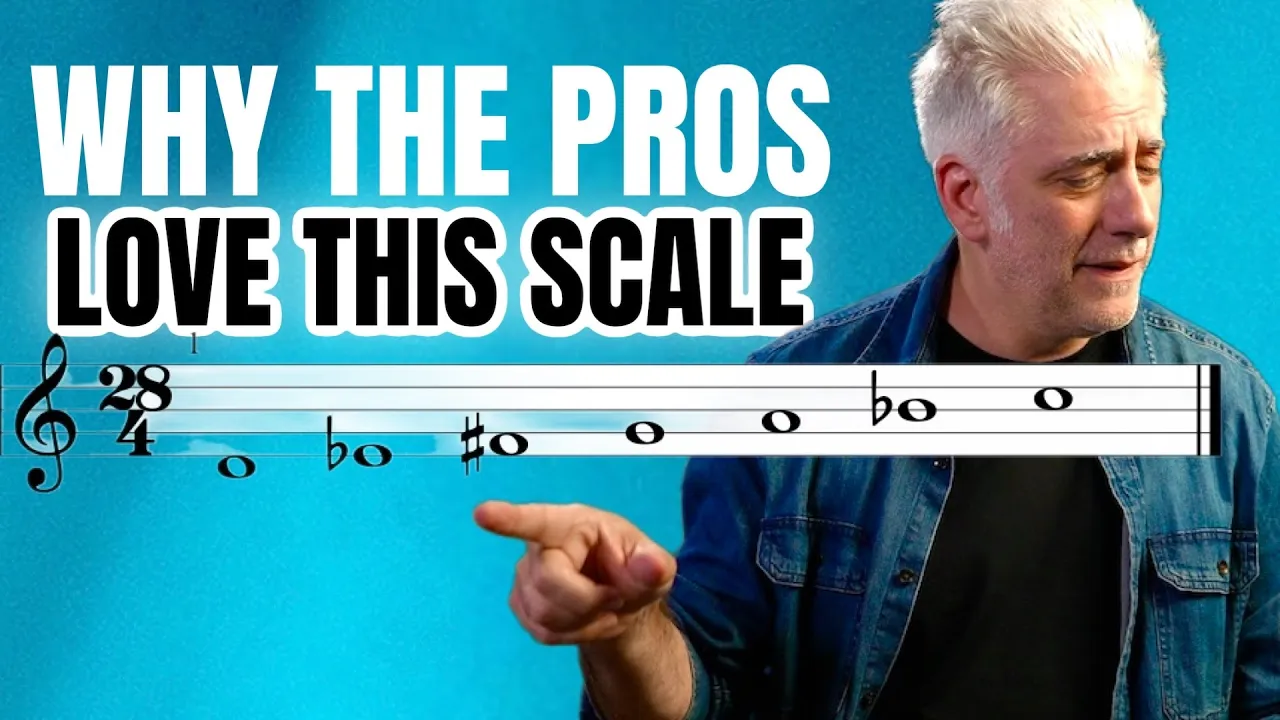
Unlocking Phrygian Dominant: Scales, Chords & Film Scoring
@RickBeato
360.6K views•2022-09-01
10:49
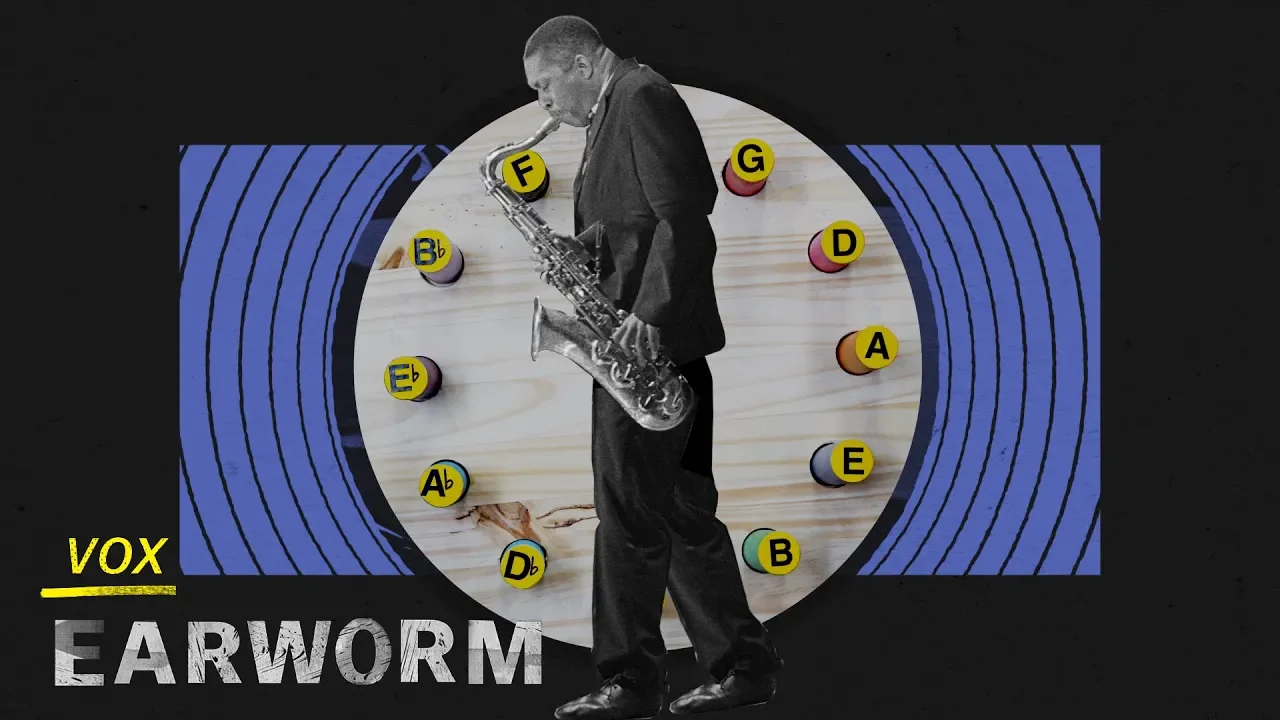
Understanding John Coltrane's Giant Steps: A Music Theory Analysis
@Vox
10.4M views•2018-11-12
Related Study Plans & Knowledge Roadmaps
Structured learning paths in Music Theory
music-theory
Composing Galant Music: Partimento & Schemata
01Foundations of Figured Bass and Keyboard Harmony
02The Rule of the Octave (Regola dell'Ottava)
03Galant Schemata: The Building Blocks of Form
+ 2 more learning modules
30h5 modules
Explore Roadmap
music-theory
Decoding Overtone Series: Tuning & Drone Music
01Acoustic Foundations: The Physics of the Overtone Series
02Tuning Systems: Equal Temperament vs. Just Intonation
03Microtonality and Spectralism: Beyond Standard Pitches
+ 2 more learning modules
24h5 modules
Explore Roadmap
music-theory
Impressionist Harmony: Scales, Planing & RPGs
01Foundational Music Theory: Keys, Intervals, and Seventh Chords
02Impressionist Color: Chord Planing and Parallel Harmony
03Whimsical Textures: Pentatonic Cascades and Whole-Tone Scales
+ 1 more learning modules
14h4 modules
Explore Roadmap
music-theory
Negative Harmony: Axis Reflection in Indie Pop
01Music Theory Foundations: Scales, Intervals, and Triads
02Functional Harmony and the Circle of Fifths
03Demystifying the Negative Harmony Axis Reflection
+ 2 more learning modules
16h5 modules
Explore Roadmap