![Соединение главных трезвучий лада. [Гармония. Урок 2]](https://i.ytimg.com/vi/7cTfPREBmF8/maxresdefault.jpg)











![Berg: Wozzeck (HQ) - 1970 film version [English Subtitles]](https://i.ytimg.com/vi/rHFFPyU41_0/sddefault.jpg)




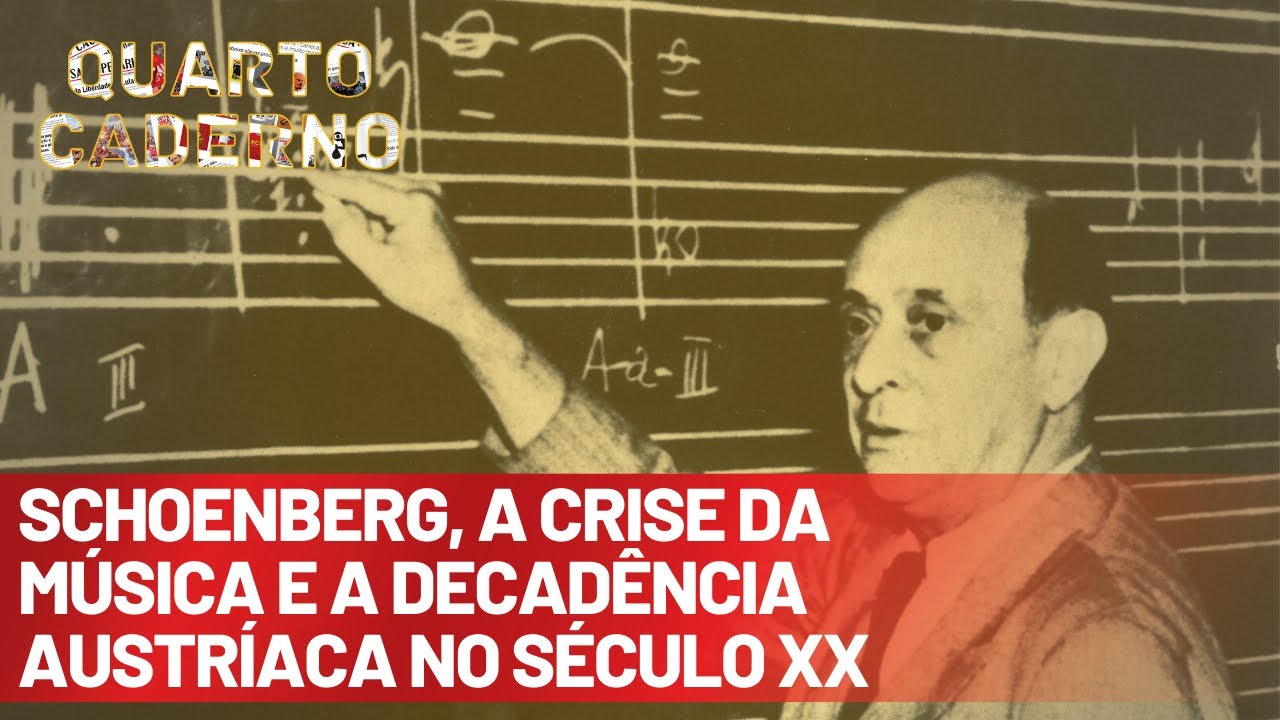
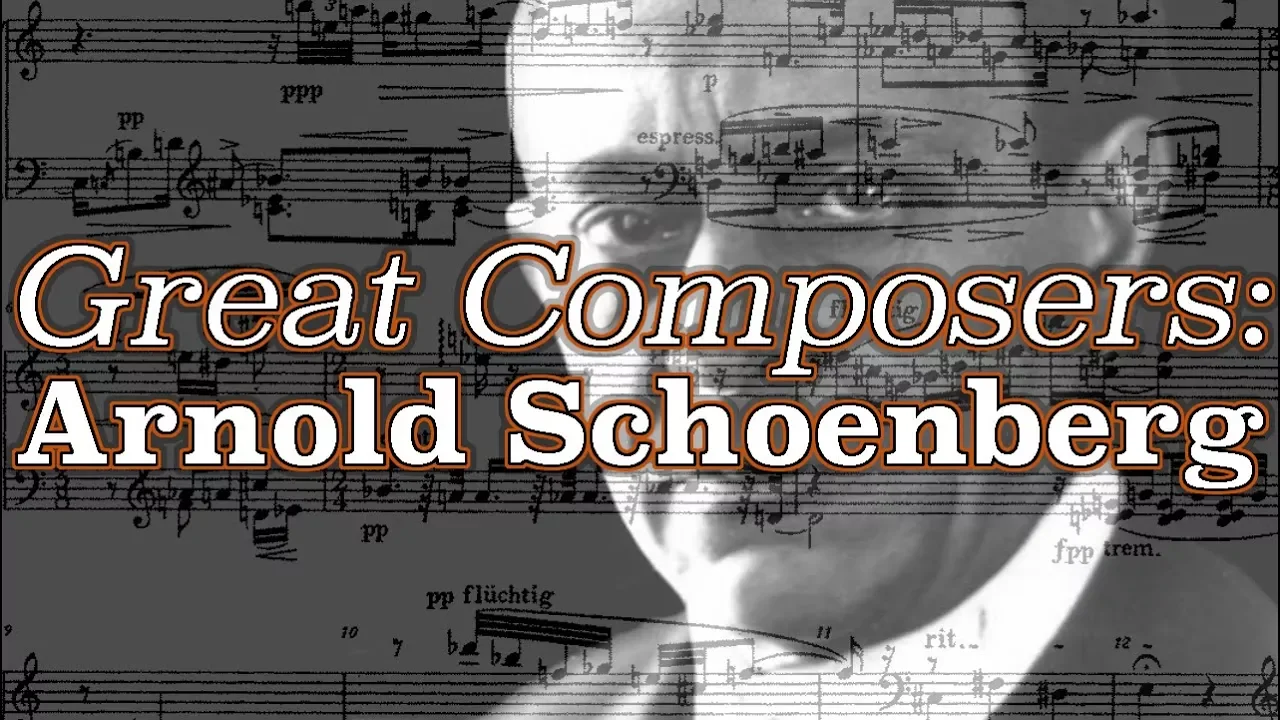
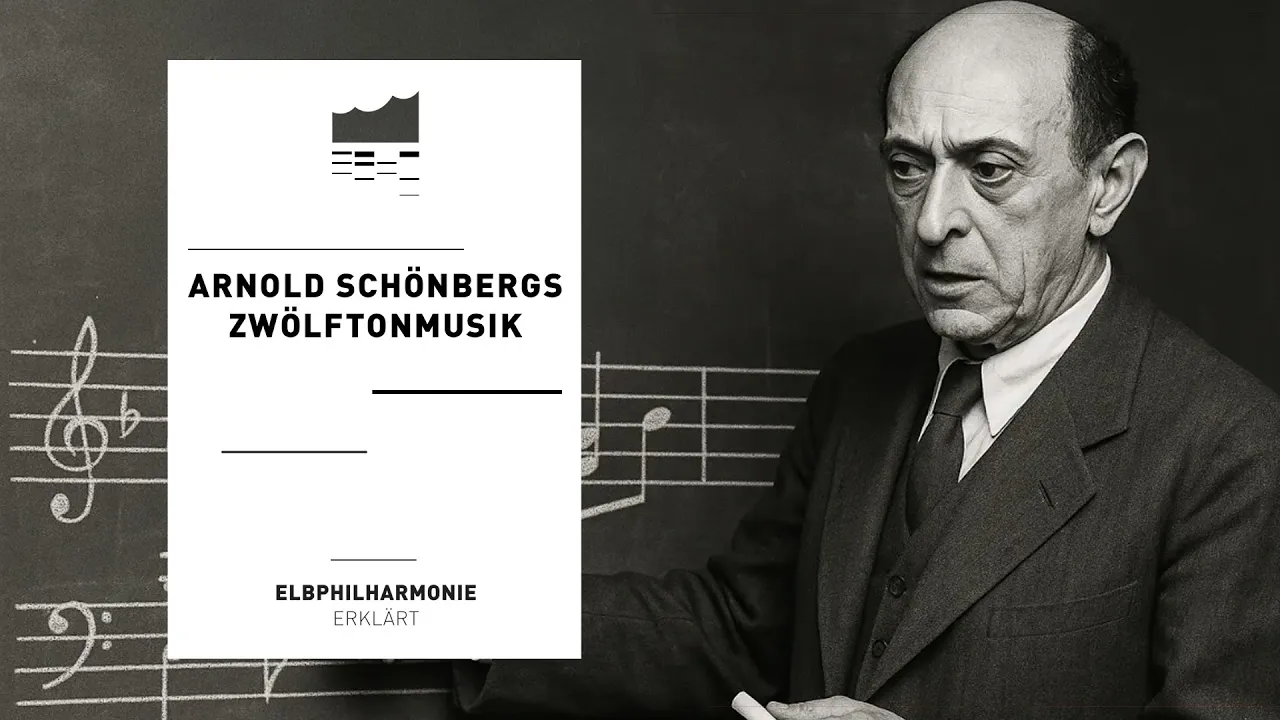
This video explores how music abandoned traditional tonality at the turn of the 20th century, tracing the revolutionary journey from Wagner's Tristan und Isolde through Schoenberg's twelve-tone system, as composers like Mahler, Strauss, Berg, and Webern navigated the psychological and cultural upheavals of their time, ultimately creating a new musical language that replaced hierarchical tonal structures with equal treatment of all twelve pitches.
Simon Rattle on Early 20th-Century Music: Tonality's Decline
Added:Understanding of traditional functional harmony, including key signatures, major/minor scales, and the tonic-dominant relationship of the Common Practice Period.
Familiarity with Late Romantic chromaticism, particularly how composers like Richard Wagner (e.g., Tristan und Isolde) and Gustav Mahler pushed tonal boundaries to their limits.
A basic awareness of the historical and cultural context of fin-de-siècle Vienna, including the rise of psychoanalysis (Sigmund Freud) and modernist movements in visual arts.
The core concept of Expressionism in art and literature, which sought to represent subjective, internal psychological states rather than objective reality.
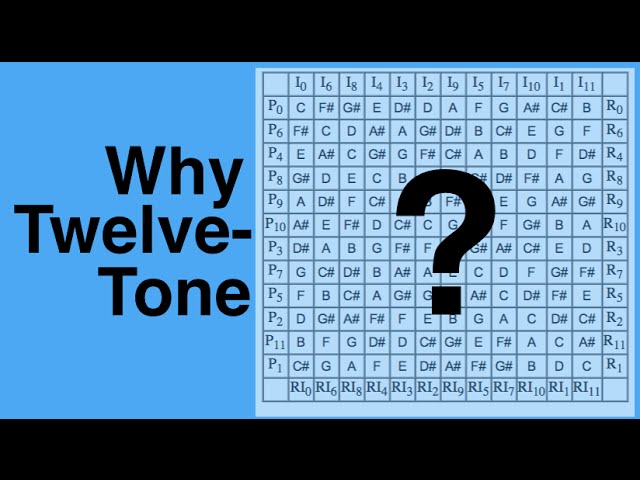
A deep dive into Arnold Schoenberg's development of the Twelve-Tone Technique (Dodecaphony) as a systematic replacement for traditional tonality.
Analysis of Alban Berg's opera 'Wozzeck' to observe how free atonality and expressionist drama function in a large-scale theatrical work.
An exploration of Neoclassicism (e.g., Igor Stravinsky, Paul Hindemith) as a contrasting, order-seeking response to the decline of tonality.
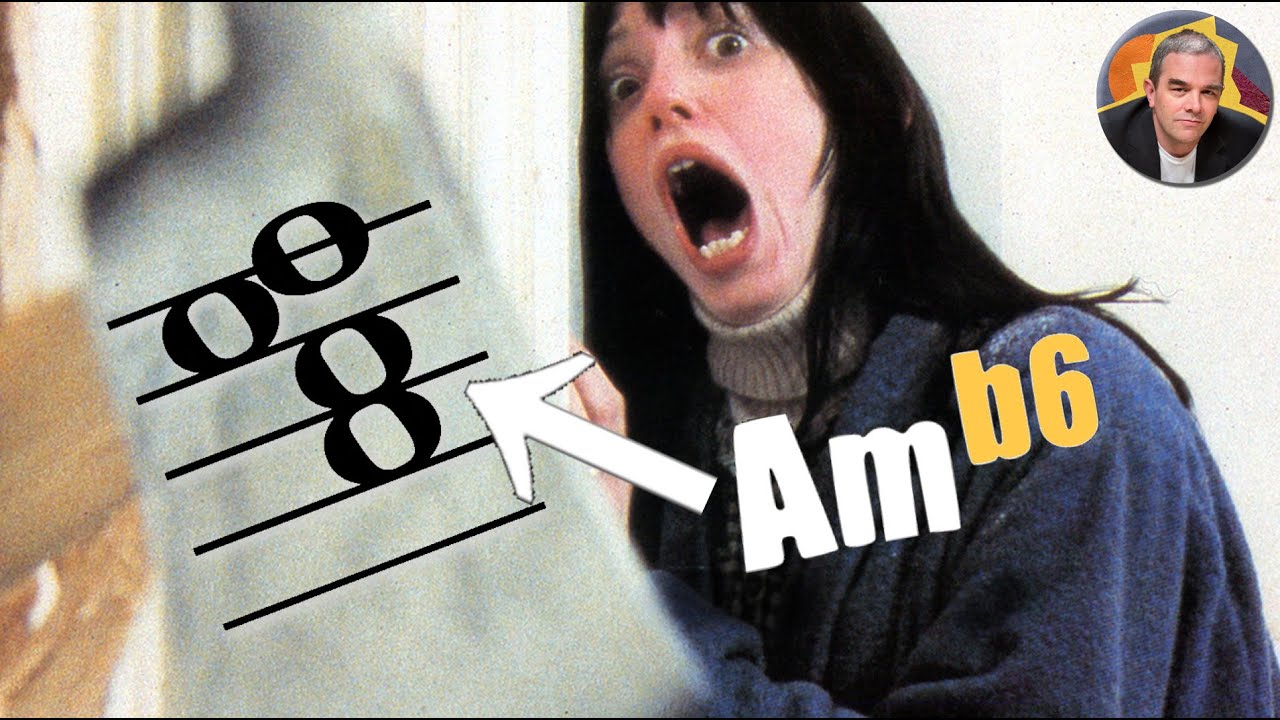
An examination of how 20th-century atonal techniques influenced modern film scoring, particularly in psychological thrillers, horror films, and avant-garde cinema.
18.3K views110likes51:08Original Release: 2012-06-16
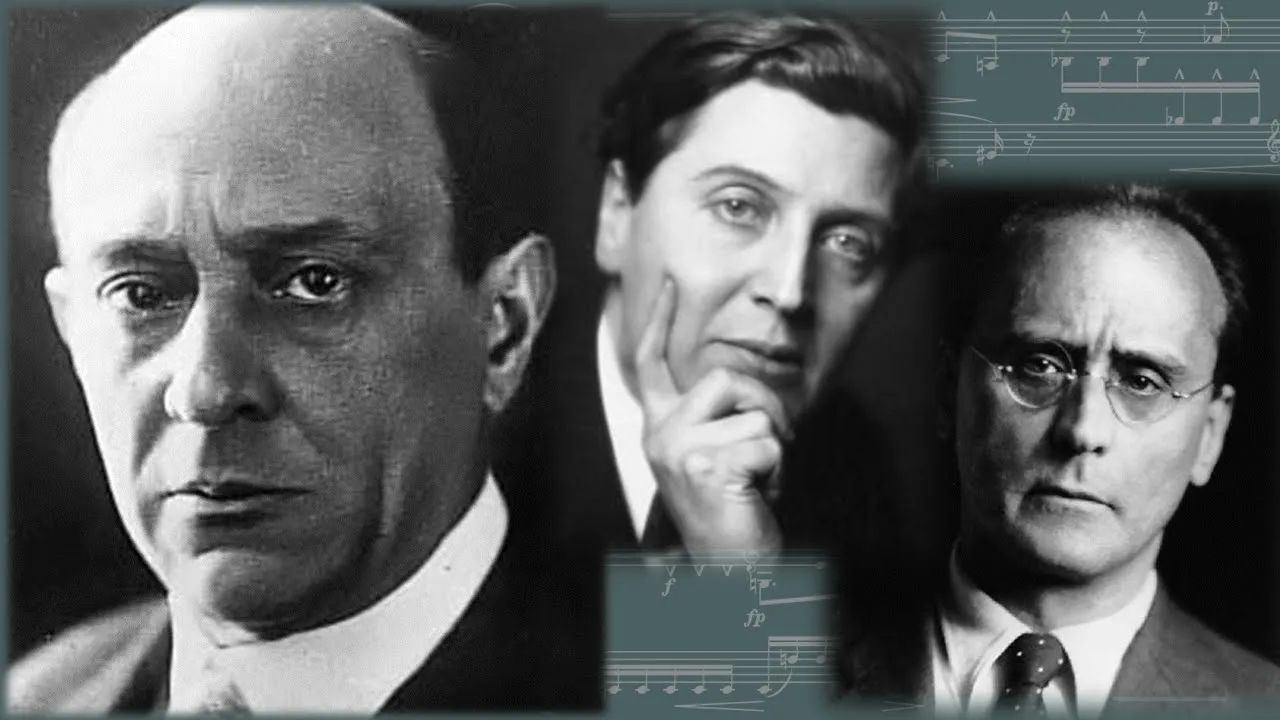
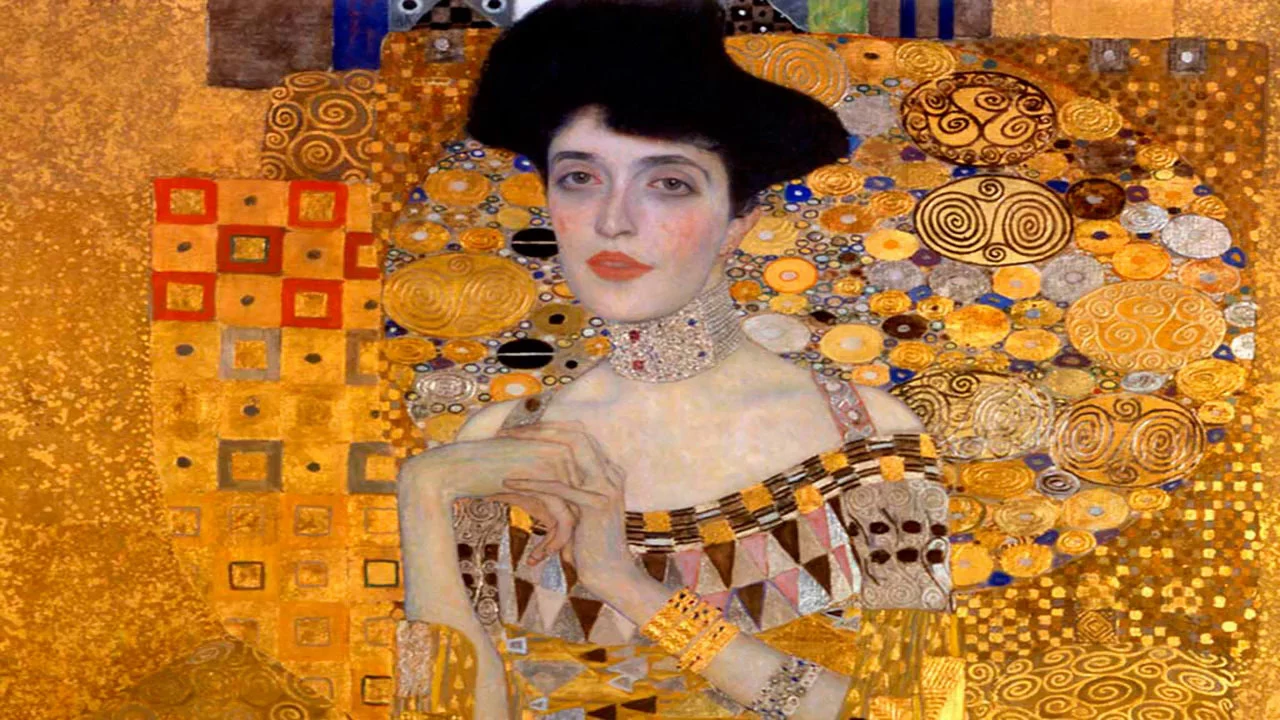
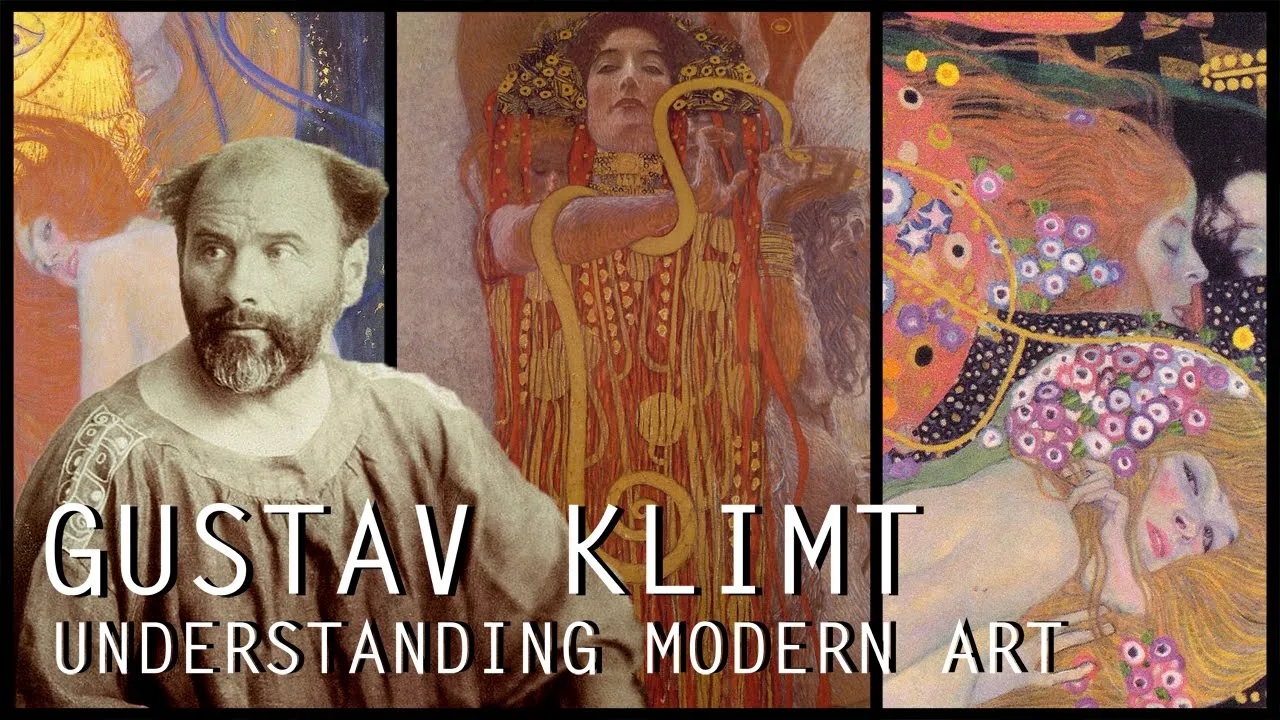
music can be unsettlingly prophetic like a kind of seismograph sensing the eruptions to come at the very end of the 19th century europe was wriggling uneasily out of its old skin and changing into something new more complex and much more dangerous at a time where all the old certainties of empire and the fixed social order were crumbling so music was leaving home it was abandoning tonality seemingly forever hey so you 1857 wagner tristan and isolde how was it that this chord and this release was to be a picture for everything to come tonality was as much part of its social time as perspective was a part of the structure of painting as the hierarchical social order was of its political time tonality that would mean a chord like this would have to resolve and return home to a cord like this with tristan and his older it was to be changed forever and we were to be adrift on a sea of indefinite tonality an opera that starts floating in the air quivering into being reaching a point of pain and not resolving except into a kind of uncertain release after tristan and his altar music was to be changed forever so it's the close of the 19th century we're in vienna and as ever decay smells sweet from our vantage point in history it's easy to see that vienna was a city in terminal decline but to the people living there it was not so clear it's hard to imagine also what a ferment of intellectual and artistic ideas were going on in vienna at this time vienna was then and remains to this day the most conservative city in europe indeed mala said when the end of the world comes i shall go back to vienna because everything arrives there 20 years too late the strange thing about vienna is the more conservative it was somehow the more ideas it produced the worse they treated the artists the more the artists seemed to flourish at the same time in the same city the painter klimt was at the head of the group called the viennese secession so-called because it had declared its independence from the old decorative arts and a group of talented writers including schnitzeler hofmann style and altenberg were working together in coffee houses writing bittersweet tales chronicling the immorality and shallowness of the life they saw around them in vienna too and mach and freud were dealing with new concepts of the personality with the concept of the unconscious with the powerful urges of sexuality there was a whole new way of thinking as though the carpet was being pulled out from under the old order the young composer arnold schoenberg was part of this scene he was completely imbued with all the ideas of romanticism but with a kind of ready-made skill and ability in form in orchestration in harmony in melody that's almost unthinkable today it's deeply ironic that this man who was to become the standard bearer of ostrogermanic contemporary music would really have liked to continue to compose traditionally however schoenberg felt himself pulled as if by some gigantic centrifugal force towards progress as a follower of the world that wagner had bequeathed him he felt that he had absolutely no option but to move forward almost without thinking he'd shown how far music could go if it went away from its home of tonality when he wrote transfigured night it was put in for a competition one of the jurors said something which actually was not a compliment but was very shrewd he said it was as if someone had taken the score of tristan and zolda while it was still wet and smudged it all over transfigured night begins in the characteristic home of d minor the home of darkness of forests of confusion in all the works of this period it ends in a shimmering transfigured d major but in between it goes on a harmonic journey of such tortuous complexity that the jury were not even willing to recognize that it was a harmonic possibility the point in question started with these two chords innocuous enough these two chords were not supposed to have existed now they seem no great problem to us today but in fact in the whole piece you can hear tonality stretching so much that is actually out of shape we begin to be lost for composers like schoenberg faber begg the idea of moving away from tonality was not destroying some time-honored law but it was a way of moving forward and it was a way of a new type of strength vabon talking later about this time was very very eloquent he talks of the idea of once again flying away from earth but staying close enough to earth as a baby bird will to be safe but gradually gaining strength and power and daring if very simply moving from the certainties of a chord and the certainties of a scale like c major which seems so simple so natural to us we move to a world where there's not a hierarchy between tones where there's not the home base the dominant back to the home base but where all 12 tones are equal kinds of democratic musical order we're then in the 20th century schoenberg's inspiration for transfigured knight was a narrative poem by his contemporary ricard daimler it's typical of its time in its fevered expressionist intensity a woman is alone in a forest she's pregnant she meets her lover and tells him that she's carrying a baby which is not his and in true romantic fashion the tension is released in the man's acceptance of this saying that this child in your womb will become transfigured and it will become the child of our love by this miracle all the music we're playing in the first part of this program is to do with night all the first part of the 19th century the whole idea of the forest was of something spiritual of something healing something nurturing where you went to refresh yourself at some unnamed time the end of the 19th century the forest becomes full of psychological dangers of psychological fears the night becomes a place where shadows are everywhere where you can be possessed by the power of the unconscious one of the loyalist supporters of schoenberg and his radical experiments was gustav mahler it's very obvious now looking back that mala is an absolutely central figure not only to vienna but to all of classical music in this century he was not only a transitional figure he was also an enabler an inspirer in all the art forms around him his music is both full of a profound nostalgia for the past and an intense modernity of outlook milo's seventh symphony again is a piece of the night it's a journey through the night to a garish provisional dangerous day now the very central movement of this the third movement is marked shattenhuft which is shadowy and it's a nightmare we're somehow hearing echoes of all the music for the previous 200 years but torn up as if through a faulty memory this is music which has lost its balance and although the harmony is very clear there is the feeling that the ground is collapsing under our feet so this being vienna it's hard to know who is conservative and who is radical and these concepts can change very rapidly once again we don't know exactly where we are when the architect adolf loose said in almost a prayer please shake us out of our complacency and comfort he could have had nothing more apt in mind than strauss's electra it is still one of the most disturbing pieces ever written it could not have been written by a person who was a profound philosopher it had to be written by a person who was pragmatic who was opportunist and who could reflect clearly what was going on around him almost without thinking it's a reactive piece rather than a thoughtful piece and one of the great themes of this time was the crazy woman now this is not just a misogynistic idea but another reflection of the strength of the unconscious in electra we see a psychotic dangerous woman who wants to pull everything into herself the image of the all-destroying all-devouring harpy kletemnestra has murdered her husband agamemnon who is the father of elektra the opera is concerning elektra's revenge when we see clytemnestra she is in an almost drug-crazed panic she is having the archetypal nightmare of turn of the century vienna but taken to an extreme and taken to a kind of close-up that is still uncomfortable to watch me is machines strauss in his brilliant instinctive way had blazed a path for a whole new school of music almost without thinking he'd shown how far music could go if it went away from its home of tonality elektra must have seemed very radical at the time and maybe it was obvious to strauss what a frightening and lonely place this outer space of free tonality was he was never to return to it and it was left to arnold schoenberg the reluctant revolutionary to go even further to be even more radical but also to give some sense of order and foundation to this strange new world when we come to schoenberg's five pieces for orchestra we're in a sea of indefinite tonality the first of them is called premonitions and it always gives me the feeling of being in a kind of musical haunted house in which all the images coming at you are from paintings by ergon sheila already all the trademarks of the new music are there just as in sheila's work the angular lines and great wide leaps the stretchings and the sudden feeling of obsessive repetitions most alarming of all even in the time of freud is the sense that this music has erupted fully grown straight from the composer's subconscious and it's a dangerous nightmare world so throughout the closing years of the 19th century one of the great themes running through all the arts is a yearning for death a yearning for oblivion schoenberg's remembrance he's doing the same thing as tristan and his older but it's doing it from the other side of a psychological ocean once again it's returning to d minor with endless yearning but it's returning to the memory of a home which can no longer be in this piece i can hear schoenberg's doubts and fears his obsessive concern with the dark and lonely road he was following and his regret and nostalgia for the 19th century romanticism he left behind throughout the movement there are little expressive moments like little shavings from the workbench of tristan and his older but repeated compulsively like a mantra what i find particularly touching is the way that at the end of the movement all these things have been combined like a kind of treasured but jumbled and torn up memory you might grasp at on the edge of sight and feeling but which has in truth already vanished forever imagine an artist in the middle of the sea of all these possibilities producing staggering art but without the feeling of a foundation a discipline to work in it was left again to schoenberg to try to find a way to replace tonality to replace harmony to try to find some frame in which people could work because in fact the logic of complete freedom leads to the mad house we talked before of the idea of democracy in tones losing the losing the seven tones of the diatonic scale and replacing them with schoenberg realized that there had to be some way to manipulate these notes which would give an inherent structure to the piece so if one was to take these notes at random these 12 notes and reorder them for instance so that all of the 12 notes are sounded before any other notes can be played immediately there is a structure now to start off with this seemed like a very onerous burden this tone row but as vabon said this wasn't a problem it was actually salvation for them if you take away harmony you take away the ears reference points it becomes more and more difficult to write music that lasts any time at all and to start off with composers like vayburn found that once they had played the 12 notes what else was there to do it was like a perfect little gem hung in the air what else was there to do the row i played before actually comes from the fourth of his five pieces for orchestra this was up to that time still the shortest piece of classical music that had ever been written it is exactly 19 seconds the row is played only three times but once again these notes which were can be put together to form magical combinations so the first 12 notes sounds and this is essentially whisper music it's like a japanese haiku where there are only a certain number of syllables possible but with which you can express profound truths in the music of vapen with all its simplicity economy and crystalline perfection once not only talking about the events that we hear it's the spaces between the notes that have almost as much expression as the notes themselves so do foreign do so um alban begg became schoenberg's pupil in vienna in 1904 when he was 19 was around the same time as fabian both of them followed schoenberg through all his journeys and explorations and in every sense he was to them teacher and mentor and inspiration in some ways begs works are even more closely organized than those of schoenberg and vaden he has proved to be really the humanizing force in this music in using the 12-tone row for instance he wanted to find ways in which the human ear could pick up ancient echoes of harmony manon gropius a daughter of marla's widow alma mala and the architect falter gropius died at a tragically early age berg adored her and was shattered by the news he decided to write a violin concerto in memory of an angel in writing the piece berg more than ever wanted to communicate the depth of his feeling and to do this he provided the 12-tone system with a romantic face now choosing the order of 12 notes was always a very personal thing and he chose these 12 notes now the first thing we can hear in the notes is that it is full of common chords and major and minor chords full of bitter sweetness and at the end there's a little tail which is two things it's a tritone three whole tones together what was called in medieval times diabolus in musica the devil in music but it is also the first three notes of bach's chorale it is enough lord if it be thy will a great memorial corral in the last movement the inevitable collision of bach and contemporary music seems at first to be a shock but very quickly we come to realize that in fact this is a timeless music and it becomes full of poignancy and wonder uh this is music that stinks of the terror and anguish of its time berg was not only writing a requiem for a young woman that he loved dearly but in a deeper sense a requiem for a culture which was disappearing around him the culture that had given him birth um the culture had already begun to disintegrate in 1914 when europe was engulfed by war in 1916 the last vestiges of the old world disappeared with the death of france joseph emperor of austria-hungary by 1918 austria-hungary had suffered over seven million casualties the shock wave of this cataclysm continued into the 1920s with revolution and civil unrest the anti-semitism which had been so rife throughout mahler's career and on had now been elevated to the status of a political system in february 1933 just four weeks after hitler became chancellor of germany berg went to munich to judge a music competition it was carnival time and he wrote to his wife these two sentences the whole town and all its inhabitants are quite drowned in carnival din masks and confetti and on top of that the news of the reichstag fire dancing on a volcano in 1938 the austrian people willingly forfeited their independence and welcomed adolf hitler to vienna alvin berg was dead arnold schoenberg a victim of jewish persecution had fled for america anton webern stayed and survived the worst of the war only to die in 1945 accidentally shot by an american soldier you
Up Next

14:29
Arvo Pärt 'Cantus in Memoriam Benjamin Britten': Musical Analysis
@StrateleStudios
1.6K views•2024-02-25

37:28
Music Theory Lesson 13: Part Writing/Voice Leading
@ChristopherBrellochs
48.8K views•2016-10-16

47:36
Understanding Diatonic 7th Chords in Major Keys | Music Theory Tutorial
@GracieTerzian
54.7K views•2022-03-02
10:49
Understanding John Coltrane's Giant Steps: A Music Theory Analysis
@Vox
10.4M views•2018-11-12
Related Study Plans & Knowledge Roadmaps
Structured learning paths in Music Theory
music-theory
Tintinnabuli: Pärt's Counterpoint & Composition
01Music Theory Foundations: Intervals and Triads
02Fundamentals of Counterpoint and Voice Leading
03Arvo Pärt and the Spirit of Holy Minimalism
+ 2 more learning modules
16h5 modules
Explore Roadmap
music-theory
Composing Galant Music: Partimento & Schemata
01Foundations of Figured Bass and Keyboard Harmony
02The Rule of the Octave (Regola dell'Ottava)
03Galant Schemata: The Building Blocks of Form
+ 2 more learning modules
30h5 modules
Explore Roadmap
music-theory
Decoding Overtone Series: Tuning & Drone Music
01Acoustic Foundations: The Physics of the Overtone Series
02Tuning Systems: Equal Temperament vs. Just Intonation
03Microtonality and Spectralism: Beyond Standard Pitches
+ 2 more learning modules
24h5 modules
Explore Roadmap
music-theory
Impressionist Harmony: Scales, Planing & RPGs
01Foundational Music Theory: Keys, Intervals, and Seventh Chords
02Impressionist Color: Chord Planing and Parallel Harmony
03Whimsical Textures: Pentatonic Cascades and Whole-Tone Scales
+ 1 more learning modules
14h4 modules
Explore Roadmap