





![Writing Exotic Music with Phrygian Dominant- 5th mode of Harmonic Minor [MUSIC THEORY - SCALES]](https://i.ytimg.com/vi_webp/aCZezZf9bi0/maxresdefault.webp)








![Learn "Fade to BlacK" Intro Solo with Scales, Theory, and Breakdown [METALLICA]](https://i.ytimg.com/vi/1z4p0AFQnGo/sddefault.jpg)

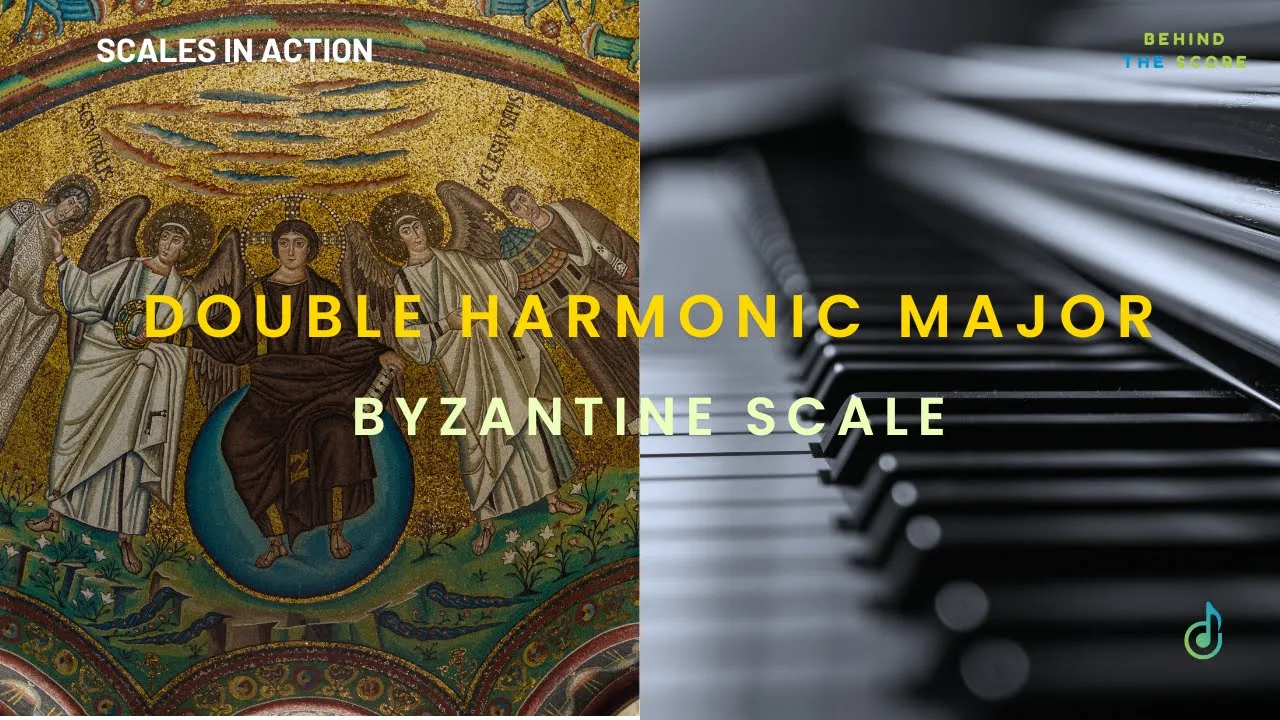


The Phrygian Dominant scale (also called Phrygian Major) is a seven-note scale with a distinctive sound that combines elements of both minor and major modes, making it particularly effective for creating dramatic, tense, or exotic musical passages. In the key of D, the scale consists of the notes D, E-flat, F-sharp, G, A, B-flat, and C, featuring a characteristic flat second (E-flat) that gives it its unique character. This scale is widely used in metal music for its aggressive sound but is equally valuable in jazz, Spanish-influenced music, and film scoring for its dramatic and atmospheric qualities. The scale's triads include D major, E-flat major, F-sharp diminished, G minor, A diminished, B-flat augmented, and C minor, which can be extended to seventh chords such as D7, E-flat major 7, F-sharp diminished 7, G minor major 7, A minor 7 flat 5, B-flat major 7 sharp 5, and C minor 7. Musicians can use this scale for improvisation over dominant seventh chords by alternating between related seventh chords like D7 and E-flat major 7, creating rich harmonic textures that bridge metal and classical styles.
Unlocking Phrygian Dominant: Scales, Chords & Film Scoring
Added:[Music] that's tools 46 and 2. the scale that it's using is one of my favorite in music and it's called the phrygian major or phrygian dominant scale in this case it's in the key of d so it would be the notes d e flat f sharp g a b flat c d or one flat two major third four five flat six flat seven root now this scale is used in metal a lot this is really a perfect example of it but it's also used in things like jazz in spanish sounding music but it's really an underutilized scale it's especially great for things like film composing so what do you do with this scale well i wrote a piece for this it's using only these seven notes of d phrygian major this is more like a film scoring piece but it really gives you an idea of what you can do with it that's not just metal sounding that actually sounds like modern classical or film scoring music let's check it out [Music] [Applause] [Music] [Music] [Music] the triads from the scale are d major e flat major f sharp diminished g minor then a diminished b flat augmented my favorite chord because it has a flat and a sharp in it b flat d f sharp it's the only chord that has both a sharp and a flat in it and then c minor and then back to d major now if i extend those out to seventh chords the first chord is a d7 that's why people call it phrygian dominant because that's a dominant seventh chord then the next chord is e flat major seven and then the three chord is going to be an f sharp diminished seven then g minor major seven is a four chord the five chord is a minor seven flat five the sixth chord is b flat major seven sharp five the seven chord is c minor seven then back to d seven you can also use it when just improvising over a d7 chord take two of the seventh chords in there let's say d seven and e flat major seven just alternate them and e flat major seven let's go back and forth between them great sound here's another example using the piano in d phrygian major you can get an idea of what the lines would sound like in that scale [Music] do [Music] [Music] [Music] [Applause] [Music] [Music] all of this can be found in my new biato book interactive which is my beato book web-based interactive music theory course that has video lessons video lectures and audio examples of everything in the book if you bought a previous version of it go and upgrade at the autobook.com otherwise you can find them all on my rickbeato.com page thanks for watching
Up Next
Mastering Chord Extensions: A Comprehensive Piano Guide
@PianoWithJonny
57K views•2023-04-07

Mozart's Musical Dice Game Explained: History, Rules, & Fun
@webpianoacademy
5K views•2023-03-13
Phrygian Major Scale: Neoclassical, Flamenco, and Jazz Uses
@RickBeato
192K views•2020-07-13
Understanding John Coltrane's Giant Steps: A Music Theory Analysis
@Vox
10.4M views•2018-11-12
Related Study Plans & Knowledge Roadmaps
Structured learning paths in Music Theory