

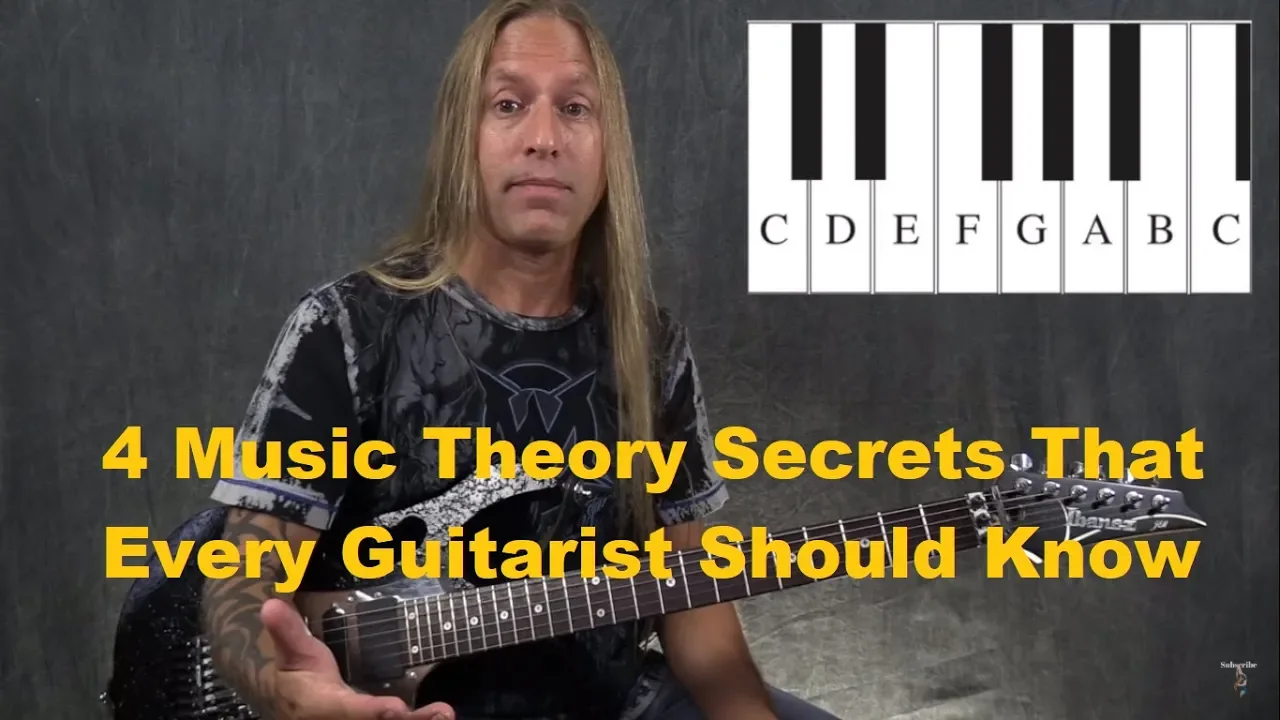

















Music theory fundamentals include understanding intervals (the distance between notes, such as minor second, major third, perfect fourth, perfect fifth, and octave), which form the building blocks for constructing chords and scales. The four basic triad chords are major (1-3-5), minor (1-flat3-5), diminished (1-flat3-flat5), and augmented (1-3-sharp5). The major scale follows the pattern 1-2-3-4-5-6-7, while natural minor is 1-2-flat3-4-5-flat6-flat7. The circle of fifths organizes the 12 musical keys and their sharps/flats, enabling musicians to identify keys and construct scales and chords in any key. Understanding these basics allows musicians to communicate about music, analyze chord progressions, and perform in any key using the Nashville numbering system.
Music Theory Basics: Intervals, Chords, Scales & Keys
Added:your life am i alive hey everyone wait let's wait for people to tune in i'm carol's talking right now yup okay your life hey everyone i'm rick piatto today on today's live stream we have a little whiteboard presentation which i'm calling the biato basics of music theory these are things that i think everyone should know um i had some videos out what every pro musician needs to know about music theory this is really what every amateur person and pro need to know about music theory um if i were to start breaking this down by topic the first thing that you do and it's in my beato book which you can find i have a new digital version of my book out and the first thing i cover when i was thinking about writing this book is like what do you cover first you cover intervals right intervals are simply the distance from one note to the next now intervals are important because they build chords they build scales and all music theory and western music are based in on intervals so these intervals if you don't know what they're called that's the first thing you need to know what they're called and what they sound like okay now there's things like doubly augmented intervals and and doubly diminished and all these things but there's really just a basic set of intervals to know okay because we don't need to get in we're not learning music theory when you start to get into these more complex things it's when you're taking theory courses and you're in keys and you have chords from firewood keys and things like that and you get some odd intervals like you get augmented six and everything we don't need to talk about that but there are two types of intervals there are melodic intervals and harmonic intervals melodic intervals are played separately like in melodies and harmonic intervals are played at the same time right so if i take my guitar here and i go like this that is a melodic interval happens to be a minor third but if i play that's a harmonic interval i played them at the same time like in a chord okay so what harmonic and melodic intervals do you need to know what intervals you need to know the unison okay which is uh uh this unison is the same note if i play two notes on the guitar like this unisons aren't on every no not on every instrument there's a unison there i'm playing this note a bit out of tune uh but that is a unison okay the next interval is the minor second and use a small m to denote minor and use a large m for a major that's a major second so minor second major second minor third major third then you have perfect fourth p is perfect then you have the augmented fourth this is the only augmented interval to know augmented fourth and i'm gonna put diminished fifth the small d is four diminished the capital a is for augmented minor six major six minor seven major seven and then you have your perfect eighth which is also your octave okay these are the intervals you really need to know yeah you don't even need to know that all right you just need to know these when i say know them i mean know them and the way you know them is by reciting them uh i made my kids do this right when i was teaching them intervals i said minor second major second minor third major third perfect fourth augmented fourth perfect fifth minor six major six minor seven major seven octave or perfect eighth okay so you have these different types of intervals you have minors and majors and you have perfect intervals and you have augmented and diminished the reason i use the augmented and diminished i call that as the sharp four or the flat five uh so that you're familiar with all the different types minor major augmented diminished and perfect yes forgetting perfect fifth did i forget perfect fifth oh sorry look at that thanks carol perfect fifth thanks everybody major six minor seven major seven there we go sorry about that so our perfect intervals right are the perfect fourth perfect fifth and the perfect eight is your octave um so these are what are used to build chords intervals like this they're also used to build scales so um knowing what they sound like is another thing that comes down to ear i have training ear training course that i've been working on for about the last year or so and the first thing that you teach people is how to hear intervals now intervals are take practice and there's many different ways to learn how to hear intervals but you have to learn them both melodically and harmonically now we're not going to get into that right now because that's that's a whole um uh 13-week course in itself how to hear these things but i want you to know what these basic interval names are and how to construct chords and scales to start okay so once you memorize these interval names right and know that well we'll get into how what these how these intervals are used then we talk about chord construction that's the next thing chords the chords chords you need to know first there's really uh basic four sets to know major minor diminished and augmented and then there's some other these are triads three note chords major minor augmented diminished now i wrote them in that way for a specific reason because the major and augmented are related and the minor and diminished are related um so the formulas major is one three five one to three is a major third three to five is a minor third you're saying well that doesn't make any sense well if you're talking about the scales that they come from this is how people refer to them they refer one three five for major one three sharp five for augmented okay so you're augmented is one three sharp five this tells you what the difference is between augmented and major augmented has a sharp five so it's a different sound if this is a major chord like this say a major one three five one to three is a major third and three to five is a minor third augmented would be one three sharp five okay major augmented okay now minor is i know many of you might say oh this is really easy one flat three five okay and diminished is one flat three flat five now if you know these let me play them for you again a minor would be a c e one flat three five or a to c is a minor third c to e is a major third now between the outer notes is a perfect fifth um the diminished is one flat three flat five so here's minor here's diminished okay so you got major augmented minor diminished now those of you that watch my channel hear me talk about things like lydian triads and phrygian triads well let me just explain those really quickly um these ideas are based off suspensions okay so many of you that if you play an instrument you'll see something called a sus 4 a sus 4 would be 1 4 5 okay in the key of c would be c f g well i also have another thing i call a lydian triad i just do l y d for lydian that's one sharp four five okay so the lydian triad comes from the lydian mode so if you were to take a sus4 chord that's a d sus4 okay it has the notes d g a but if i played this that would be a d lydian triad one sharp four five d then you have g sharp and a okay so that's a lydian triad well off the sus2 chord because many of you have seen sus2 says two is one two five we also have the phrygian triad which is one flat two five so these are related to the sus2 now if you play the guitar you'd probably play this chord that's a d sus2 chord okay so b one two five d e a okay if i did a phrygian triad it'd be one flat two five because it's from the d phrygian scale it's the first note the second note which is a flat two and the fifth note of the scale okay these are basic sounds to get used to and know the formulas of now scales are just an outgrowth of these intervals okay those are chords and you're going to say well what about seventh chords and stuff well we're going to talk about that in a second our basic scale that we're going to talk about here to start with is the major scale if we use our numbering system here and relate it to the major scale the major scale is just one through seven okay that would be let's say we're in c major c d e f g a b c okay anything i do to that scale will alter it and create a different scale but this is the major scale now when i took those notes from the triad i took the first third and fifth notes that's where this one three five comes from okay minor scales let's say i take just a natural minor scale one two flat three four five flat six flat seven the natural minor scale okay this is natural minor the natural minor scale is also called aeolian this major scale is also called ionian they have modal names right but they're the same thing the minor scale the natural minor scale has a flat third so when i taught you the formula for a minor chord it was one flat three five if you take a minor scale and you take the first note the third note and the fifth note of the scale you will get a minor chord minor triad okay this is how these chords are built they're built from scales now there are many modes to know but the first modes you need to know are simply the modes of the major scale but in order to do that you really need to know about keys because they're these things are all related you can't have one thing without the rest we'll get back into this and talk about seventh chords and stuff after but i want to talk about keys because you need to know your keys in order to know what notes are in each of the scales okay so there's a thing called the circle of fifths you take a circle it's cool because there are 12 keys now some people will say there are 15 major keys and 15 minor keys a good friend of mine says that has a video out on it but i like to stick with the basic 12 because it's just like a clock you divide it up like that put a couple things like that in between each one and you got your 12 keys c g b a e b f sharp g flat d flat a flat e flat b flat f now i did them in a particular order it's called the circle of fifths okay c is on top because it has zero sharps and flats this is the sharp side this is the flat side one sharp is g two sharps is d three sharps is a four sharps is e five sharps is b six sharps and six flats are f sharper g flat f sharp has six sharps g flat has six flats d flat has five flats a flat has four flats e flat has three flats b flat is two flats f has oops one flat okay this you have to memorize you have to memorize it in this order this way and this way so you have to know c g d a e b f sharp or g flat d flat a flat e flat b flat f and go backwards c f b flat e flat a flat d flat and so on and so forth now these sharps and flats tell you how many sharps or flats you have but they don't tell you which ones there's a thing called an order of sharps and an order of flats okay the order of sharps and the order of flats are exactly in reverse order and actually follow this very nicely uh the first sharp that you have so here's your order of sharps you have f sharp c sharp whoops c sharp it's hard to write like this g sharp d sharp a sharp e sharp b sharp okay one two three four five six seven okay the order of flats is just the opposite go here start to be you go b-flat and do them in reverse order e-flat a-flat d-flat right we're here g-flat c flat f flat one two three four five six seven now if you look at this chart in the q g you have one sharp well it's the first sharp f sharp if you have two sharps you take the first two f sharp c sharp if you have three sharps you take the first three f sharp c sharp g sharp same thing with flats if i'm in the key of e flat that has three flats well take the first three b flat e flat a flat if you have five flats it's b flat e flat a flat d flat g flat right you take the first five one two three four five those are how these keys work you have to memorize this chart and know how many sharps and flats are in each key if you don't know that then you really can't understand how chords work in chord progressions okay you can understand maybe in a few keys but when you start getting into these keys with a high sharp or flat count it becomes very difficult okay so once you know this you can construct any major or minor scale so if i want to know how to what notes are in a d major scale i think of my chart right i say i write out the letter names from d to d and i go d e f g a b c and then there's d and i say there's two sharps in this key okay the first one is f sharp the second one is c sharp i know that because on my chart on my circle of fifths chart there are two sharps because i've memorized it and the first two sharps are f sharp and c sharp that's d major so if i want to know what a d major chord is you take the first note the third note of the scale and the fifth note and that gives you a d major chord okay now there happens to be all a bunch of other chords that come from the key as well these are how keys work there's always a chord built off every single note in the scale sometimes there's multiple chords when you get into things like the melodic minor scale or harmonic minor scale i'm not going to talk about that right now but uh in the key of d there are seven chords your one chord these are called the major chords in the key of d is one four five d major is one you go to the fourth note of the scale g major is four go to the fifth note scale which is a and that's five these are all three major chords if i took the notes uh g b d okay then i would know that's a g major chord if i did a c sharp e you get an a major chord this is how this works so in every major key one four and five is major two three and six are minor uh so that would be e minor uh f sharp minor is three and d minor is six so two three and six are your minor chords and your seventh chord the chord built off the seventh scale degree is diminished just a diminished triad and that would be a c sharp and use a little circle to indicate diminished this you need to memorize if you're in nashville and somebody says oh it's one four five six like every country song is you know it's the d chord g chord a chord and b minor chord that's one four five six that's how chord progressions work okay so in order to know this stuff you have to know intervals you have to know how chords are built you really could just learn the the cycle of fifths and the scales and then figure out those other things from that right but if i were to go through this and say okay let me just do this d i'm gonna go d major i'm gonna put a little minus here for e minor put a little minus for f sharp minor that's major this is minor and that's diminished there so i just made these are all the triads in the key of d major triad obviously is a three note chord we also have seventh chords okay i can make put a seventh on each one of these so to do that you would take you have to keep numbering these things uh for example the on the one chord the seventh chord is a major seventh how do i know that i go take the first note third note fifth note and seventh note d f sharp a c sharp gives me a d major seven chord okay so there's a formula for seventh chords in a major key one and four are our major seventh one major seven four major seven um so these are seventh chords oops sorry and these are things that need to be memorized one and four major seventh five is a dominant seven okay uh two three and six or minor seven this is how you do it you write lower case roman numerals and the chord that's built up the seventh scale degree is actually half diminished or minor seven flat five we do that half diminished or we can do minor seven flat five you'll see it both ways but it's a half diminished chord so these are the seventh chords in a major key so if i were to look at this and say okay the one chord then would be d major seven the four chord would be g major seven right one and four major seventh the five chord is is the seventh is a seventh chord dominant seven so that'd be a seven your two three and six or minor seven so this would be e minor seven f sharp minor seven b minor seven right i just put sevens on these right here just like that i go major seven here major seven uh major seven dominant seven and then uh i go minor seven flat five there now i've just made these are now all the seventh chords those are the seventh chords of d major okay once you know these then you understand how basic progressions work okay now occasionally you'll have chords that are borrowed from other keys you have things called secondary dominance we're not going to get into those there's secondary diminished seventh chords there's chromatic mediant chords there are many different types of chords that are borrowed from other keys that can be used in progressions but that's not basic music theory that you need to know now the other thing you need to know is what key are you in when you see a chord progression because this is really important because probably a lot of you if you're a soloist or something you're like what key am i in you know if i have a chord progression like this um let's see here uh b flat c f d minor okay does anybody know what key that is i know carol knows is anyone answering carol yeah what's that okay how do you tell that what's the quickest way to tell that well there's a few different things if you have three major chords you can say okay which key has these three major chords well there's only one key that has f c and b flat and it's f major okay but there's another thing you can look at and say well if you have two major chords that are a whole step apart typically that's the four and five of a key so you look for little things like that as clues into what key you're in so this is the four chord this is the five chord and then you say well is this the one yes it is well chord is this it's the six chord okay now how do i know that well if i take the key of f f major is one chord g minor is the two chord a minor is a three chord b flat majors the four c major is the five d minor is the sixth chord and then e diminished is the seventh chord so you got one two three four five six seven okay now this is stuff that you need to memorize well you wouldn't know this was f major unless you knew your circle of fifths because that is the first key in a flat direction from c major it was right next to c major your keys if you look at your circle of this chart here you get c you got g and you have f those keys you got one sharp there and one flat there this is your flat side this is your sharp side okay i won't know what key i'm in if i don't know what all the uh key signatures are or what notes are in the keys of these of these uh uh scale of these chords if you don't know your scales you're stuck so you have to know intervals and scales from the scales you can build your chords okay you don't have to get into any sophisticated stuff we don't have to talk about modes or anything like that these are basic music theory concepts that everybody should know now there's another thing when you get into seventh chords there's another way really easy trick to uh figure out what key you're in if i have a progression like this and i'm going to use some seventh chords these are a bunch of seventh chords or you're like well what key are we in here okay if i look at this i'm like well i don't know what key this is in well yeah there's one thing to look for you always look for just a straight seventh chord and see if there's a seventh chord anywhere in here in this progression well there's two seventh chords that that means it's not minor seven it's not major seven it's just a straight seventh chord so right here boom that's a seventh chord and right here g7 those are seventh chords now because there's only one seventh chord in every major key that's the key that you're in that e flat 7 only comes from the key of a flat and this g7 is only in the key of c okay so i've figured out i'm an a flat major here and i have modulated the d to c major here but i don't know where the modulation took place unless i go through and do the analysis well if i know my seventh chords in the key of a flat major i know this is the sixth chord i do a minor because it's minor with a seventh minor seven this is the two chord this is the five seven right like we talked about this is one major seven one major seven and this is four major seven now this d minor seven chord is not in the key of a flat how do i know because the note d is not in the key of a flat it's d flat so i'm like ah that's probably from another key well i look at that g7 i said well is d minor seven from the key of c yes it's the two chord the five chord two seven five seven and one major seven so if i were to solo on this i know that i'm in a flat major there and i know i'm in c major here that's the shortcut for figuring out what key you're in look for the dominant seventh chords where there's a dominant seventh chord unless it's a secondary dominant seventh chord which you're not going to talk about you know what key you're in it's a fast way to figure it out you can figure it out in two seconds you just scan the thing if you're looking at a chart you just scan it and you're like okay well that's a five chord well i know that that's the key we're in all you have to do is know that it's the fifth note or it's a perfect fifth above the tonic okay so these are what i would say are the basics of music theory you don't need to know the melodic minor scales really you don't need to know harmonic minor you don't need to know the harmonic major you don't need to do the double harmonic major if you want to be a pro you need to know those if you want to go into film scoring you need to know those things right but for if you want to jam with your friends and be able to communicate and you say well why do i need to know music theory well music theory is just a way to talk about music when you're not at an instrument okay you can describe things that you want to analyze or you can tell somebody over the phone or you can get on the gig and say hey man we're in the key we're in we're in this key and you go what key is that this is old school uh symbol i was talking with a buddy of mine the other day i got on a gig one time new year's eve was like 1985. and um had this old piano player i didn't know any of the tunes this guy was probably 90 years old i was playing bass filling in for somebody and the guy goes like this and then starts playing like what is it and i'm hunting around and following him and everything i'm playing the tune some weird standard i never heard next song comes up he's like i'm like what is that playing i'm following along i was like okay next song comes up he goes like this and i go that must be flat because the first one was two flats and it was in b-flat major and the second one was in three sharps that's a major right sounds like wait a minute that's me short and flat so this was b flat and then boom by the third tune i hit that b flat on the downbeat and the guy looks at me he's like yeah man you got this okay so that's why it's important to know these things these are ways to communicate without even talking just by doing that you know so if you go to nashville like i've done and i've not only been to sessions there but i've written songs that got downloaded sessions you have a session leader and i've produced stuff that that we brought session players in you have a guy that is the leader of the session and he writes a chord chart out using the nashville numbering system which is this it's just the roman numeral but they just call out call them out as numbers oh it's a six two five one four in eight flat okay everybody's got it that's that's the tune and then he writes out a a chart with a couple rhythmic things if there's a couple upbeats and then you just know what to play because you know that and everybody on the gig knows what those chords are in every key that's how the nashville numbering system works it's the same system it's this is a way for all the musicians to communicate and know what kind of parts to play and what notes to play in your solos what notes to play when you're doing a little picking pattern or something and you know you're on a c major chord right and you know you're gonna you might play something in that you know play something if it's d minor you're gonna play that right if it's g major you got that f major to c major so i follow along with the chord chart by knowing what notes are in the keys what are the chords in the keys and where are they on your instrument right there is your basics of music theory those are the biato basics of music theory now if you buy my biato book you'll find all of this in chapter one it starts out with intervals how you name intervals it shows you that you know the intervals are a the distance from one point to another from one note to the next and talks about the span of letter names and the number of half steps involved but um but these are pretty basic principles to understand but they need to be memorized any questions carol um anything not right now okay i mean send some questions in guys if you guys have questions have they been asking questions as we've been going yeah along the way but you kind of answered them along the way too i can't answer them yeah oh some people are asking about uh codes is there a discount code for the book today ah tricky tricky there is no discount code for the book because not everyone has upgraded the book yet so anybody that's bought the book uh you need to write to me because on monday there's we're not gonna do any of the upgrades anymore so uh if you've bought the book send me send it to my gmail rickbiota1 gmail.com um and you can pay what you want for the book for the upgrade we're on version 2.2 or 2.3 actually we're gonna post um but uh the new biato because 461 pages is that right carol 461 461 461 pages of of knowledge uh so there is no discount so it's uh it's how i'm able to make my channel and not have it sponsored by anyone and do these things like what makes this song great and not get paid on any of the views for it because they all get demonetized like my stp one from last night so it feeds my family and that's why i sell my book it i don't do patreon i don't believe in patreon if you buy something from me gets if you're going to donate money get something for it you know but you're free to donate to on my channel there's a donate button uh so anyway so that's uh any other questions carol uh people are asking about merchant ear training okay the merch is gonna happen any minute merch is going to happen uh we're almost ready to launch so um we're finishing the designs and aaron has built out the merge thing on the website i think it's actually might even be on there or the tab is on there but it's not hooked up to anything yet but it's already been built so i would say that merch probably by the end of this week the merch will be up there ear training course we're working on uh that's going to be a while you know the the the biato book 2.0 took from january of 17 till um what april almost of uh of this year so that's uh what 15 months it took for that i mean it's this is really time consuming that your training course so it's very exhaustive like the be auto book but my thing is i want you to only have to buy one thing that's why that's the only thing i sell on on the website is my book really and then my record and then my um i have a couple courses that i sell too uh but your training course is gonna be a little little bit of time carol anything else um i mean there are some questions about the things we you talked about okay yeah uh can you talk a little about secondary dominance oh that's too complicated but i'll talk about next okay i mean we could also like save it up for nick's live stream well i'll talk about secondary dominance uh for a uh for a second here so secondary dominant chord is a dominant chord that that belongs to one of the chords other than the primary dominant in a key okay so let's say we take key of c major i'm going to write out the triads c major d minor e minor f major g major a minor b diminished now the primary dominant chord in this is g7 okay this is your primary chord because it belongs to the key so there is no um that that's the secondary dominant there is no secondary dominant force because there is a primary dominant but d minor has a secondary dominant which is a7 the reason a7 it's a fifth away from d minor okay and it's the five chord in the key of d minor d harmonic minor right or d melodic minor um so that is called the five seven right dominant seven of two five seven of two these are secondary dominance second dairy dominance or secondary dominant seventh chords the e minor seven its secondary dominant is b seven that's the five chord in the key of e minor so you call this a five seven of three this is c7 this is five seven of four right because it's the five seven of the four chord you gotta know i i should have written this out this is one chord two chord three chord four chord five chord five seven six chord and the seven chord all right g7 its secondary dominant is d7 okay that's called the five seven of five it's five seven of five seven and then the last secondary dominant here is e7 that is the five seven of six there is no secondary dominant chord that goes with b diminished because b diminished is an unstable chord so there's no natural chord that resolves or that is a fifth away from that that would uh that would have this as its tonic these are like mini tonics okay it's almost like you're in if you had a progression c a7 d minor g you'd say well a7 is not in the key of c a minor is in the key of c so what is that a7 doing there is that a secondary dominant and you say is that well what's the chord after it the two chord is after it so you got one you have five seven of two this is how you find them to two to five okay there's your secondary diamond it's not really a modulation but it's related to the key of d minor it's almost like a momentary modulation to d minor but since it's only one chord you wouldn't call it a full fledged modulation okay so that's how these things work if i had a b7 going to e minor that would i know it was a 5703 so that's the basic concept of secondary diamond gourds so i think we're all good for today do we have any other questions that i need to get to um i i told them to email them to you that uh that could be like a suggestion for our next um live streams yeah go to my forum go to forum.rickbiatto.com uh if you have suggestions for live streams make up a uh um uh make a thread for it and put your suggestions in there so thanks everyone for watching we'll see you later you
Up Next

Understanding Secondary Dominants in Guitar Music Theory
@Samjamguitar
51.2K views•2022-01-14

Simon Rattle on Early 20th-Century Music: Tonality's Decline
@theclandestinum
18.3K views•2012-06-16
Unlocking Phrygian Dominant: Scales, Chords & Film Scoring
@RickBeato
360.6K views•2022-09-01
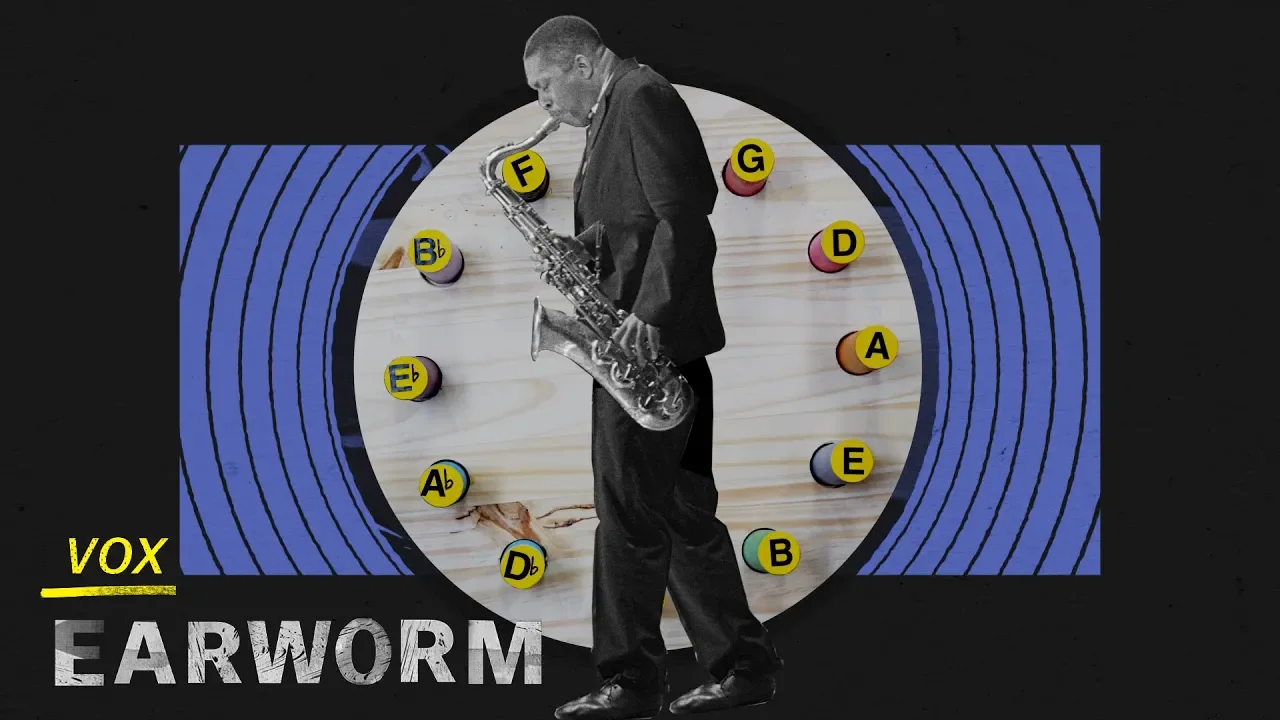
Understanding John Coltrane's Giant Steps: A Music Theory Analysis
@Vox
10.4M views•2018-11-12
Related Study Plans & Knowledge Roadmaps
Structured learning paths in Music Theory