





















![Cara Cepat Menguasai Chord 9,11,13 [UNTUK PEMULA]](https://i.ytimg.com/vi/R8-sbo0dedU/maxresdefault.jpg)

Music theory is built upon fundamental concepts including the musical alphabet (A-G repeating in octaves), the chromatic scale containing twelve half-steps, and scales constructed using specific patterns of whole and half steps (major: W-W-H-W-W-W-H; minor: W-H-W-W-H-W-W). Intervals measure musical distance between notes, with major intervals becoming minor when lowered by a half step, and perfect intervals remaining unchanged. Chords are built by selecting every other note from a scale, with major and minor triads differing only in their middle note. The circle of fifths organizes keys by showing how accidentals accumulate when moving up by perfect fifths, while modes derive from major scales by starting on different degrees and applying specific alterations to scale degrees.
Music Theory in One Hour: Comprehensive Animated Guide to Chords, Scales and Keys
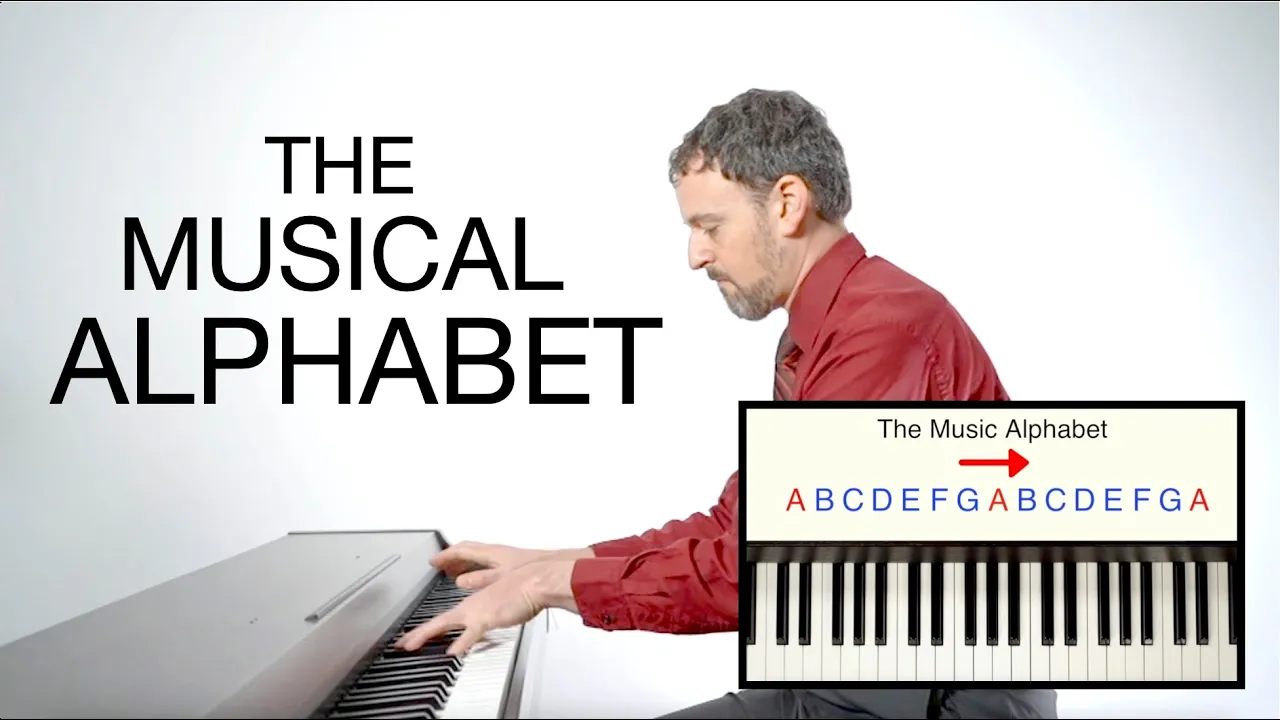
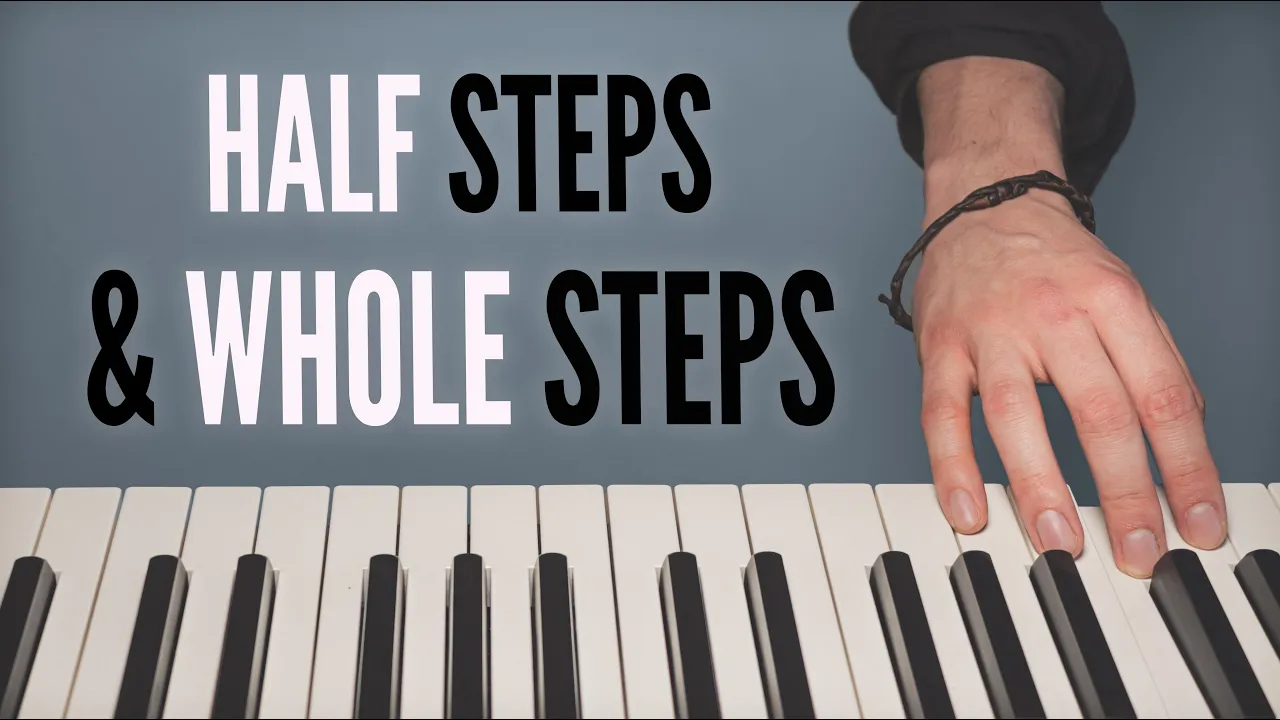
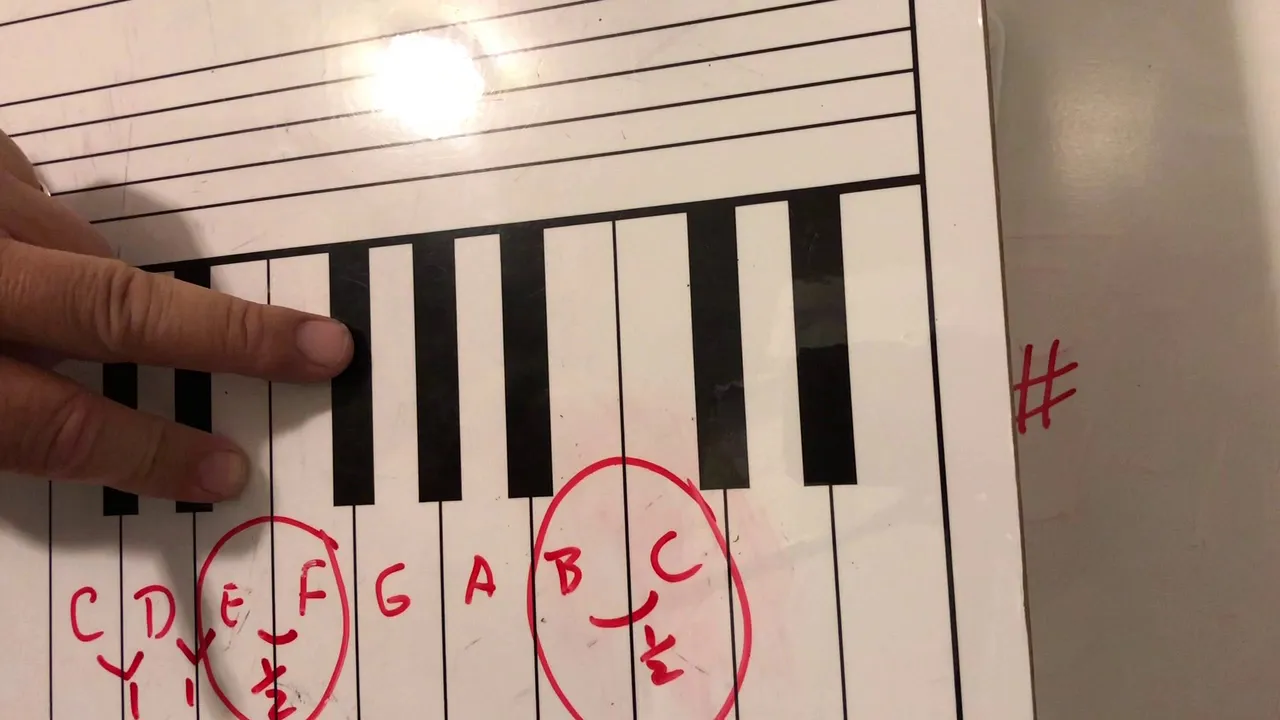
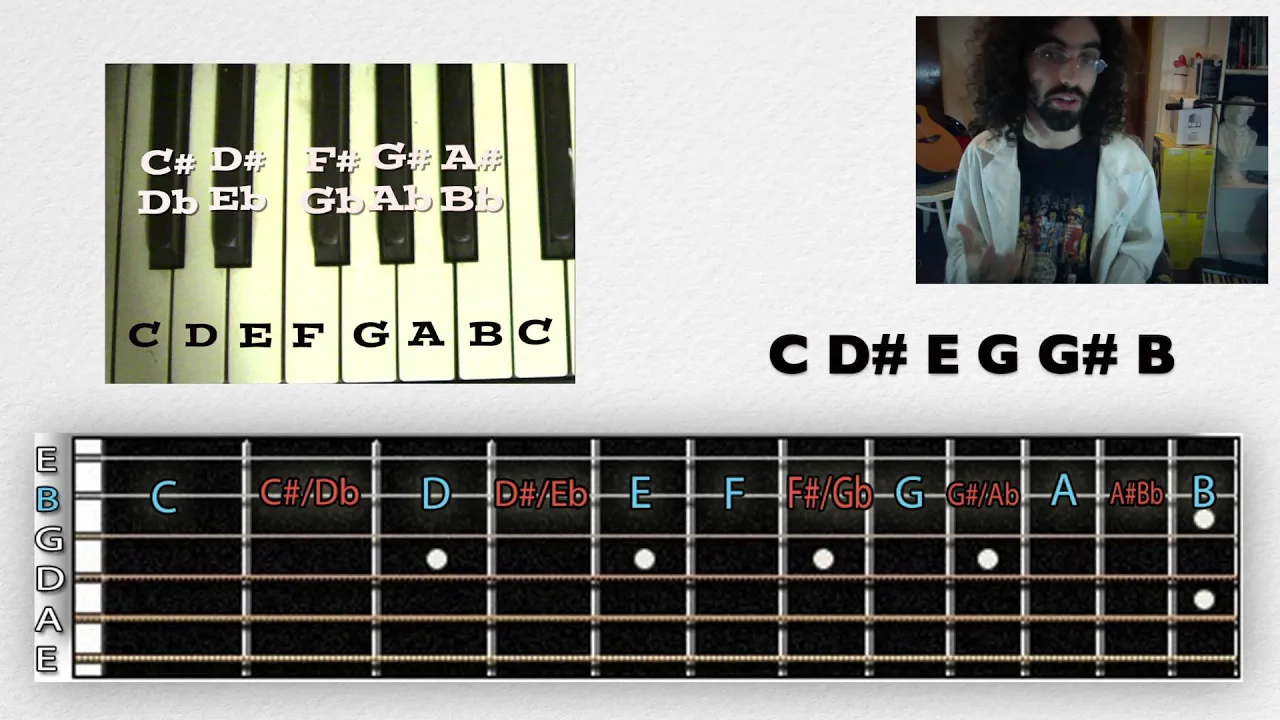
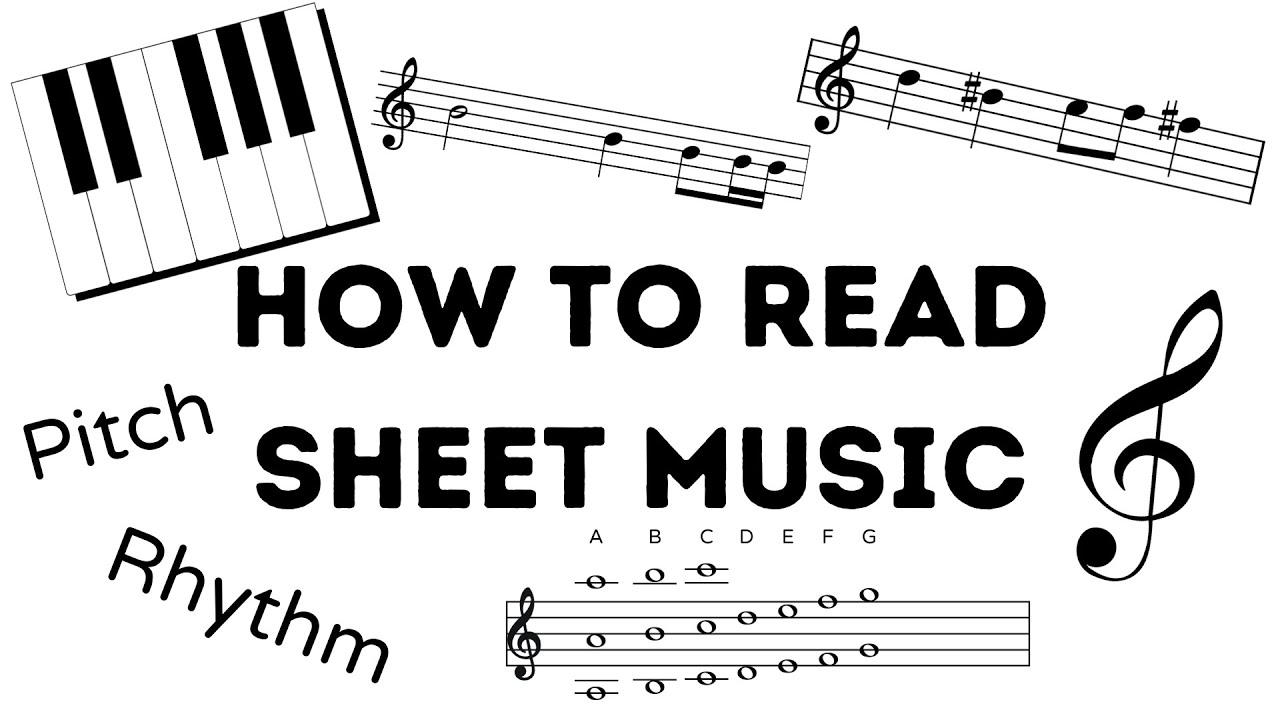
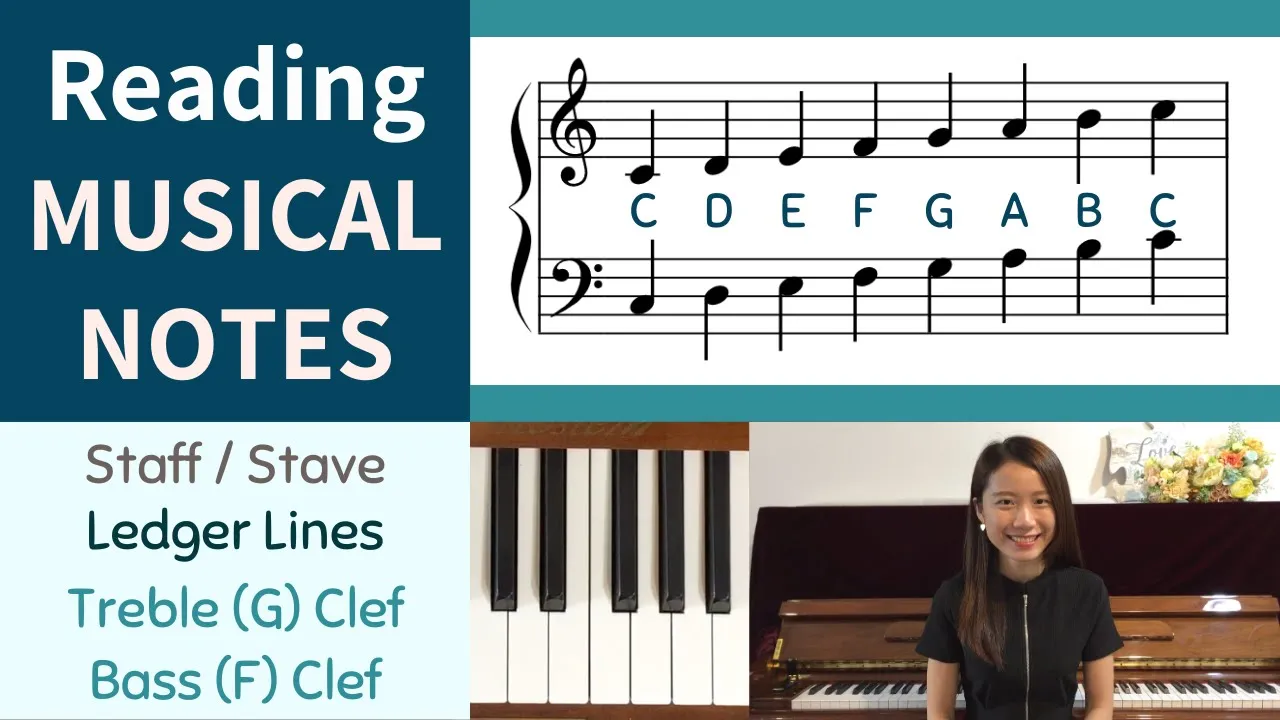
Added:[Music] hi welcome to music theory in one lesson this is our musical alphabet [Music] you may be asking yourself why there are different spacings between each note that introduces the idea of musical distance which is extremely important in music the answer is quite simple there are more notes than what i initially put on the screen let's take a look at what's called our chromatic scale much better to the next the distance of one half step let's take a listen to each note one after another [Music] there are actually two ways to spell this alphabet using sharps and also using flats flats are shown below the sharps in a sharp and a b-flat yes they are the same note that sounds ridiculous now but later in the course you're going to learn that this is very useful and practical let's take a listen to the same chromatic scale note by note [Music] one more thing to keep in mind is that this alphabet will repeat in both directions essentially into an affinity but we generally limit how far that alphabet goes take a listen to our alphabet in two octaves an octave basically just means where the alphabet repeats [Music] scales are incredibly important in music and they really need to be thoroughly understood that being said they are also incredibly easy a scale basically is just a pattern of whole and half steps we're going to build what is called the a major scale but first let's take a moment to think about that name a major a will be our starting note and major will be the pattern we will cover other patterns later in this section the major pattern goes as follows starting on a whole step to b whole step to c sharp half step to d whole step to e whole step to f sharp another whole step to g sharp then another half step brings us back to a again take a listen to the a major scale [Music] pretty simple right next we're going to build the f major scale that is the major pattern starting on the note f f whole step to g whole step to a half step to a sharp whole step to c whole step to d another whole step to e and another half step to f you're going to notice something peculiar about this scale we have two forms of a and no b well let's do this whole exercise over again but this time let's use that version of the chromatic scale that we spelled with flats f whole step to g whole step to a half step to b flat there's our b whole step to c whole step to d whole step to e and another half step to f now let's take a listen to this scale [Music] major is not the only scale type that we're going to use next let's examine the minor pattern starting on the note a so starting on a whole step to b half step to c whole step to d whole step to e half step to f whole step to g and another whole step brings us back to a so our pattern now is whole step half step whole step whole step half step whole step whole step whereas the major pattern was whole step whole step half step whole step whole step whole step half step different patterns give us different notes this being the minor pattern is the a minor scale if we were to take this pattern and start it on d we would have d minor let's take a listen to the a minor scale now [Music] in this section we're going to further explore scales by looking at the idea of scale degrees scale degrees sound like they are very very complicated and difficult but they aren't just like everything else in music theory quite simply the note that you start on an example i had our a minor scale that note a is our one the note right after you guessed it is two that's our b three four five six seven and back to one it's pretty simple the note you start on is a 1 and the rest fall in line next let's make the harmonic minor scale this is pretty simple you just sharp the seven but let's talk about sharping and flatting scale degrees really fast in this case the seven is g so we'll just make it g sharp but in other scales we have flats so if you need to sharp a scale degree that has a flat you don't put a sharp after it the sharp just cancels out the flat it's really important to think of sharps and flats as operators the sharp will raise the given note by a half step the flat will lower the note by a half step but that does not mean sharping a b flat will make a b sharp in fact it'll just make a regular old b on the screen you'll see both the a harmonic minor and a natural minor scales anytime in music you run into the word natural that's really just code speak for normal or regular not sharp not flat as it occurs from the original pattern notice the g sharp in the harmonic minor scale that is our sharp seven now let's take a listen to this scale [Music] now let's take a listen to what is called the melodic minor scale this one is a little bit different than the harmonic minor because it is different on the way up than the way down first on the way up you're going to sharp the sixth scale degree and the seventh scale degree giving us at least an a minor f sharp and g sharp after that on the way down you're going to play the natural minor scale as it was originally derived let's take a listen to this scale [Music] intervals are just a measurement of musical distance first let's take a look at the c major scale shown on the screen with its scale degrees above it and examine each distance c to d is a second c to e is a third c to f a fourth c to g a fifth c to a a sixth and c to be a seventh c to c is our octave oct the prefix meaning eight but if you were to examine the c minor scale you'll see that we have seconds thirds fourths fifths sixth and sevenths but the notes are different so we are going to need multiple interval types in order to describe these intervals what we have are major integrals minor intervals augmented diminished and perfect [Music] let's start by examining all of the intervals in our c major scale we will then compare these notes and intervals to the c minor scale and begin to name the intervals first c to d this is what is called a major second as you can see from the chromatic scale below a major second is built off of just one whole step also notice that the major second belongs to both c major and c minor this interval not will not change between the scales the next one however will this one c to e is you guessed it a major third but notice that c to e flat is a half step smaller than c to e this is what's called a minor third and that could have something to do with why this is called the minor scale but what is really important here is the logic that this introduces anytime you have a major interval and you want to make it minor just lower the higher note by one half step making the overall distance from the first note to the second a half step smaller this works for all major intervals if you make that distance one half small one half step smaller it will become a minor interval let's take a look at c to f [Music] c to f is known as a perfect fourth notice that this perfect fourth belongs to both major and minor next we're going to take a look at c to g [Music] this is called a perfect fifth also notice that this belongs to the minor scale as well in fact each major and minor counterpart assuming they have the same starting note or root note will have their major second perfect fourth and perfect fifth in common and of course the octave the other intervals are the ones that vary between the two scales next let's take a listen to c to a this belonging to the major scale of course is a major sixth since we have to differentiate between major and minor here they are not the same between the two scales let's take a look at what is in the minor scale an a flat now knowing an a flat is a half a step lower than a we have lowered the size of that interval by a half step essentially turning that major interval into a minor interval and it also goes to show that this new minor sixth c to a flat belongs to the c minor scale next let's take a listen to our seventh [Music] my astute students probably would have guessed that this is a major seventh which is completely correct now examining the minor scale we move down to a b flat that being a half step smaller than the previous interval is a minor seventh now i would like to examine the chromatic scale which is our scale done entirely in half steps and look at how each interval progresses to the next so starting on c and going up to d flat we have a half step this is called a minor second knowing that a minor interval is one half step lower than a major it goes to follow that c to d is a major second c to e flat our minor third bringing it up a half step c to e our major third next c to f perfect fourth c to g flat is a very special interval called a tritone we will be discussing this in its own section next c to g a perfect fifth c to a flat a minor sixth c to a a major sixth c to b flat a minor seventh and c to be a major seventh of course we have c to c our octave after that [Music] as you will find out in this course intervals have different functions so now we need to take a look at a bit of a more theoretical application of these intervals first let's start with our major interval and alter it to minor here we have a c to an e [Music] next let's lower that e to e flat giving us our minor third next we're going to lower that e again but we're not going to lower it and call it d we're actually going to call it e double flat yes i know that that's a little bit strange but now it becomes what's called a diminished third and it will actually act differently because of this fact calling it a d would make it a major second and then it would act like a major second just like with our chromatic scale there are multiple ways to spell things in music and in fact most of the things you're going to run into will have more than two names but always remember the name will imply the function let's go the other way with this interval c to e our major third well if you make that an e sharp and yes i know that's silly because that's really an f but make it an e sharp we now have an augmented third so looking at the logic of this major a half step larger will make it augmented a half step smaller will make it minor and a half step smaller further will make it diminished perfect intervals work essentially the same here we have c and g our perfect fifth if we lower that g to a g flat we go directly to diminished and if we raise it to a g sharp we go directly to it [Music] the logic any perfect interval lowered by a half step is diminished any perfect interval raised a half step is augmented melody is also quite simple the most important thing to keep in mind about melody is that we use scales as our building blocks melody is quite simply a single line of music you can imagine someone humming or someone singing even playing a single line on the guitar this defines melody later we'll talk about harmony which is basically multiple melodies played at once that work together first let's derive the f major scale and create a melody first our root note of f [Music] then a whole step to g a whole step to a a half step to b flat whole step to c whole step to d whole step to e and another half step brings us back to f [Music] next you'll see the scale we just derived f major listed with its scale degrees a melody is fairly easy to sculpt out of our scale for the purposes of this series i'm not really teaching artistic taste i'm more or less teaching you how to spell things out it will be up to you to figure out what you like to hear with that being said let's pick a couple scale degrees and piece together a melody we're going to start with f hour one we're going to move to b flat our four we're gonna go ahead and play that b flat twice then it'll move down to a hour three c hour five and then back to one [Music] next let's take the c major scale and play the same succession of scale degrees you'll see the c major scale labeled with its scale degrees above it one four four three five one this produced a similar sound just starting on a different pitch now let's try it using a minor one four four three five one when you use a scale to build a melody or chord progression that's called playing in a key so our first example was in the key of f major then the key of c major for our second example and a minor for our third chords like everything else in music theory are quite simple and they're just based off of patterns the first chord we're going to build is called the a major chord and you guessed it it's built off of the a major scale which you now see on the screen with its scale degrees chords are incredibly simple to build you take the root note in this case a and then you do every other note until you have three notes for triads there are other chords that have more notes than three this section is focusing on what's called a triad this triad is called a major take a listen [Music] this works exactly the same when you use the a minor scale which is the same thing as saying as in the key of a minor this pattern is movable to all scales so if i wanted a b minor chord all i have to know is the b minor scale next let's take a look at the key difference between major and minor chords on the screen transposed over the chromatic scale this time you see the a minor chord as well as the a major chord notice the only difference is that middle note our c and c sharp if you remember when we were talking about intervals we pointed out that the 2 4 and 5 remain consistent between major and minor scales as long as they start on the same root note in this key a this is also reflected in these chords the spacing in the chords give it its flavor [Music] this relationship holds true for all major and minor triads if you have a major triad you want to make it minor just lower that middle note by a half step this also works the other way around making minor into major you raise it by a half step now we're going to work through chord progressions a chord progression is pretty simple we're going to be building multiple chords based off of the same scale then we're going to be progressing from one chord to the next in this example we're going to use a major which you'll see on the screen arranged four times in a grid like pattern above it are the scale degrees let's build our first chord you've probably guessed what that chord is going to be that is our a major chord in this case we're going to call it our one chord because quite simply it's built off of the first scale degree chords when named in context of their scale are generally named for the root note in this case a or our first scale degree let's build a chord off of the fourth scale degree d we're going to do this the same way we're going to take every other note after the root note so we have d f sharp and you'll notice we've kind of run out of room here but a does come after g sharp so we'll use a and it's totally fine to use the one back there at the beginning as long as we recognize that 4 is our root take a listen [Music] next let's use the second scale degree to build our next chord this would use the notes b our root the second scale degree d and f sharp again just taking every other note until we have three take a listen [Music] our next chord is going to be built off of the fifth scale degree e g sharp and again we're out of room so after g sharp is a and that's not you know every other note so we'll actually have to take the b so let's take that b as well now let's take a listen to the whole progression [Music] there are a multitude of ways to play a chord progression like this and something that's really fun is to take a look at these types of grids and pull some melodies out of them i'm going to set up a three-part harmony using this chord progression between a cello a viola and a violin the cello's line will be in red and he'll take up the notes to the left the viola will be in green and davio will take the notes in the middle and the violin will be in black and it will take the notes to the right i'm going to have the first melody play then the first two than the first three [Music] let's take a closer look at the roman numerals we used in the last video remember we were using the scale a major and we had the chord 1 4 two and five first i'd like to point out that two is lowercase that just means it's minor and logic would lead us to uppercase meaning major which is actually the case so let's take a look at these chords over the chromatic scale and examine the spacings which are what make them major and minor [Music] notice that the two chord which is minor has a note in the middle that is a half a step closer to the root in terms of musical distance this should remind you of our intervals section remember if you want to take a major third and make it minor you just lower it a half step it works the same way with chords so if you take a major chord and lower that middle note a half step you'll get a minor chord it's also important to note that this pattern holds true for all major scales so in all major scales the 1 is major the 2 is minor the 3 is minor the 4 is major the 5 is major the 6 is minor the 7 is what's called diminished and we'll cover that later minor scales also have their own patterns of roman numerals so if you build chords based off of a minor scale instead of a major the 1 will be minor the 2 will be diminished the 3 will be major the 4 will be minor the 5 will be minor the 6 will be major the 7 will be major let's take a listen to our chord progression using the a minor scale instead of the a major scale then we're going to use a couple different scales after that [Music] the tritone is an incredibly interesting as well as dissonant interval the tritone comes in the form of either an augmented fourth or a diminished fifth let's take a look at the c major scale above the chromatic scale [Music] notice our tritone c to f sharp lies between the fourth and fifth of the c major scale so if we took our perfect fourth c to f and augmented it a half step we would get an augmented fourth or if we took our perfect fifth c to g and spelled that f sharp as a g flat we would have a diminished fifth this is just the same interval really just spelled two different ways another way of looking at the tritone is to take any note and just quite simply go up three whole steps thus the word tritone three whole tones the tritone serves as a function it's extremely unstable sound wants to move and either note will either move outwards or inwards let's take a look at the chromatic scale again and examine the two ways that this tritone can resolve [Music] in both cases the interval resolved where each note moved opposite of the other so if the root note moved down then the upper note moved up or if the root note moved up the upper note moved down [Music] another interesting note about the tritone is the fact that it is perfectly symmetrical first notice that from the first b to the next is six whole steps or whole tones and the tritone consists of three of those b to f notice that on either side b to f or f up to b we have the same amount of distance whereas all of the other intervals if i were to go from b to c sharp for example there's a different amount of distance on either side of the interval on the screen you will see the c major scale notice our tritone b to f is circle in black and belongs to this scale in fact all major scales and actually all scales and modes contain one tritone first we're going to examine the tritone contained in c major and then we'll point out tritones as we move through the rest of this course so knowing that the tritone likes to resolve we have a clear path to resolution here there's a half step on either side of this tritone let's take a listen to the resolution and then experiment with what kind of chords we can build with the scale degrees that the tritone leaves us [Music] on the screen you'll see the c major scale also i've circled the c and e after our tritone resolved it left us with c and e on the first line it's easy to complete the one chord by taking c e and g on the second line we can actually use the a as our root doing every other note from a gives us a c and since we've run out of room here you know the next note up from c is d and the note after that is e so that gives us a c and e for our six chord in this section we're going to examine more chords and now we're going to actually examine their functions so the first chord we're going to look at is called a diminished chord we're going to get there by starting with a b major chord b d sharp and f sharp if you want to derive this chord on your own just write out the b major scale and do what we've done before taking every other note from b next as we already know to make b minor we're going to lower that d sharp down to d b d f sharp now to make diminished we're just going to take the f sharp the fifth of that chord and we're going to lower it to f natural notice that we have that tritone from the last video here and we know that tritone resolves to c and e so let's resolve this b diminished chord to a c major chord [Music] sounds great that is the function of the tritone within that diminished chord and this tritone is actually found in other chords let's take a look at dominant chords on the screen you'll see the c major scale please note that i'm actually starting this scale on the fifth scale degree and you'll see the scale degrees labeled up top there we are going to build our dominant chord in this key so first off a dominant chord is built off of the fifth scale degree and we're actually going to take four notes instead of three so let's do every other note until we have four notes as you can see we have the b and f our tritone again and a very clear resolution so the b wants to move a half step to c and the f wants to move a half step to e so let's take a listen to this chord also note the seven over by the roman numeral quite simply if you look below the scale if we pretend g is our quote-unquote new one just for a moment we'll notice that we have a seven up top there any time you see a number in subscript to these roman numerals that indicates the intervals above the lowest note or our base note next let's examine the major 7 chord notice we are now using the g major scale and we're actually going to be using the one as our root note here so just like the dominant seventh chord that we just built we're gonna every other note from the base which is our g until we have four notes this chord does not have a tritone in it and it has a much different sound than the dominant seventh chord you would notate this one one major seven because our root is g the one the root of the chord notice that we have a major seventh in this chord from the g to the f sharp whereas the other chord where we had an f natural we had a minor seventh knowing that taking a major interval g to f sharp and lowering it a half step makes it minor next let's examine what is called the sus 4 chord the sus 4 chord is quite simple it's it's another three note chord just like our original triad except you trade that three for guess what the four thus sus four take a listen [Music] sus two chords work basically the same way take that three and switch it out for a two take a listen [Music] next let's examine augmented chords augmented chords act kind of like diminished chords except instead of lowering the third and then the fifth we're actually just going to raise the fifth so using the g major chord we're going to take that d and raise it up a half step to d sharp and that gives us an augmented chord [Music] next let's examine chords with notes added on past the octave so remember at the beginning of the course i mentioned that sometimes when you come back up to the one an octave later you call it an eight and you actually call it an eight so that the numbers past it can be called numbers greater than eight so two is now nine three is now ten and so forth let's take a look at a 1 9 chord in g major quite simply we're just going to add an a in but this a is going to be an octave above that bass note take a listen [Music] now let's say we call it a flat nine chord well that would just mean we take that nine and we flat it take a listen this logic can be used to make 113 chords flat 13 chords and so forth any number above 8 can be added however you will not often see a 10 chord because 10 is the same as 3 and 3 already belongs to the chord so you won't actually specify an extra note unless it does not belong to the original chord regardless of its octave let's examine diminished chords with sevenths added on to them first we're going to start off with g minor you'll see the scale on the screen and also the g minor chord is circled we're going to add the seventh of this scale onto the chord so now we have a minor seven chord simple next to make that minor chord diminished we're going to take the fifth and we're going to lower it a half step giving us g b-flat and d-flat this is a diminished seventh chord but it's only half diminished to make it fully diminished we're going to have to take that seventh and lower it's still to an f flat now you might think that's strange because e and f there's only a half step and really there's no such thing as an f-flat but in this case theoretically we have an f-flat because e would be six over g and we we could not call it a seven so what we have is our third the diminished fifth as well as the diminished seventh a diminished seventh being a half a step smaller than the minor seventh inverting an interval is pretty simple essentially you take the lower note of the pair and you make it the higher note so you move it an octave higher let's use the c major scale to display this we have c to e our major third let's take that c and move it up an octave now we have something that sounds different [Music] this is actually a minor sixth if we were to pretend that the e is our new one you'll see that that c is actually 6 notes above the e and i happen to know that in the e minor scale we have the note c it follows that all major thirds become minor sixths in fact every interval has a kind of partner all major intervals will become minor thirds will become sixth seconds will become sevenths fourths will become fifths and vice versa all right let's invert some intervals starting with a major second we're going to use the c major scale so c to d is our major second if we invert that d to c well our major interval should become minor and our second should become a seventh so let's check the d minor scale for this minor seventh since d is now our technically our root as you can see it in fact does belong to the d minor scale inverting our major second gave us a minor seventh now let's take the minor third d to f and invert it so our minor should become major and our third should become a sixth a minor third to a major sixth let's check the f major scale f being our new root for our major sixth f to d as you can see that relationship holds true now let's invert our fourth using this f major scale we get f to b flat our fourth now perfect intervals when they are inverted remain perfect so we should get a perfect fifth out of this one let's try it using the b flat major scale we see that we have a perfect fifth between b-flat and f so that inversion works too [Music] next let's invert a major sixth b-flat to g is our major sixth so if we take g and now make that our root note using the g minor scale you'll see that our major sixth just became a minor third which holds true to the relationships we have previously examined [Music] lastly we're going to invert our minor seventh here in the g minor scale so g to f is our minor seventh remember minor sevenths belong to the minor scale if we make f our root note and check the f major scale for a major second we'll see that our minor seventh minor became major seventh became a second inverting chords is pretty simple it works very similar to inverting intervals you take the lower note the bass note and you move it up so that it's no longer the lowest let's take a look at the c major scale as well as the c major chord our first triad this is what's called root position it's actually not inverted at all but if we take that c and we move it up an octave higher the e will now be our base note [Music] the numbers on top represent the scale degrees and the numbers on bottom represent the distance from the base note so e is now our base note here and it's still the third scale degree also notice that the roman numeral one now has a six next to it this is how you represent first inversion and the six is actually simple it's kind of the same concept as a seven chord but there is an interval of a sixth from the base note e to c being six when we do second inversion we're also going to take the e and move it up an octave now our one has a four and a six take a listen [Music] next let's invert a seven chord let's invert the five seven in this key notice we're building this chord off of the fifth scale degree first let's take the g and move it up an octave [Music] notice we have a sixth and a fifth above the base next let's take that b and move it an octave up when you put a seventh chord in second inversion you're going to label it a four three of course because we have four and three over the bass note now let's put this in third inversion where we move the d up an octave and the seventh of the chord is now the bass note in this inversion we have a 4 and a 2 and our f is in the base the circle of fifths shown on the screen here is actually quite simple starting on c we'll take the c major scale we'll move to g because g is the five of c then we move to d being the five of g a which is the five of d then e which is the five of a then b which is the five of e and so forth and eventually it'll take us all the way back around to c i'd like to start by deriving the c major scale which you'll see here on the screen now we're going to take a look at what happens when you derive a scale a fifth up from there so our five became our new one that's always going to happen being a scale of fifth above using that fifth as the root note but also notice that what was once our four the f is now sharp and it became the seven that's going to happen every time i go to the next scale up in the circle of fifths the five of g is d so let's take a look at the d major scale notice just like last time what was once a 4 our c is now sharp and it's the 7 a c sharp we also kept the f sharp from the last scale the five of d is a so let's take a look at the a major scale notice our 4 in d which was g is now sharp as the 7 and a we also kept our f sharp and c sharp we're going to keep each sharp as we gather them and we're going to gather them one at a time the 5 of a is e so let's take a look at the e major scale you'll notice our 4 which was d is now our 7 as d sharp and we kept the accidentals from before next we're going to move to the 5 of e which is b notice our 4 which was a and e is now our a sharp which is 7 in b and we've kept the accidentals from before let's move on from b to the 5 of b which is f sharp now our 4 which was e and b is now e sharp in the key of f sharp now i know e sharp is kind of silly because that really is just an f right but if we spelled it as an f we would have two f's and no e so we're going to spell it as an e sharp which actually is a half step below f sharp moving up to c sharp our old four which was b is now sharp b sharp and it's the same concept now we have all of our sharps and if we were to move further we'd start getting double sharps and that's just a headache so let's not do that we're going to actually rewrite c-sharp as d-flat and take the d-flat major scale now we have a much more manageable scale so the five of d-flat is a flat and if we derive the a flat major scale that 4 is going to be sharped and it will become the 7 but notice that the flat is just cancelled out so we don't get a g sharp we get a g natural then the 5 of a flat is e flat and again the 4 which was our d flat is now a d it being sharped the 5 of e-flat is b-flat and again our 4 is now our 7 and it's been sharped so we get from a flat to a natural the 5 of b-flat is f and of course the 4 is now the sharp 7 so our e-flat becomes an e next our five is c and that's right where we started thus the circle of fifths this introduces us to the most important thing key signatures key signatures will always tell you what accidentals belong in each scale so first let's start off with the order of sharps f sharp c sharp g sharp d sharp a sharp e sharp and b sharp it's helpful helpful to use an acronym to memorize this i used fine classical guitarists demand accurate execution because there's a million of them on the internet use whichever one you like so in order to figure out the key signature of any given key take its root note so in this case let's say at the key of d and go a half step lower you get a c sharp that c sharp will be the last sharp that you see in the key signature so the the key of d has an f sharp and c sharp if we pick e and go down a half step we'll get d sharp f sharp c sharp g sharp d sharp okay let's take a look at the order of flats if i want to find any key signature for a flat scale so a scale with any sort of flat root note let's use b-flat for this example i'll find b-flat on my order of flats and that will be the second to last flat that i see so i'll gather b and e flat so if i wanted to do this with a flat i'd have b flat e flat a flat it being the second to last then d flat the only exception to these two tricks is the f major scale which contains only a b flat and since it's the odd man out that one's kind of easy to remember when playing or composing music you don't always use the same scale the whole time in fact it's very common to to borrow from other scales so let's start by using what's called the secondary dominant it's pretty simple um what happens is if you want to create more pull towards a chord that isn't necessarily your one chord you're going to borrow a tritone from another scale and use that resolution to pull you to that chord on the screen you'll see c major chord progression with all of the right inversions labeled next to the roman numerals [Music] we're going to want to create more pull towards our five chord for whatever reason be it artistic or just as an exercise in order to do that we're going to make a tritone resolve to our g chord and we're going to take that tritone from the g major scale the tritone in the g major scale is f sharp and c let's go ahead and put that f sharp and c in the ii chord and see what happens the f sharp and c circled in black here will resolve to g and b the f sharp going a half step up and the c going a half step down listen to the resolution now they wouldn't resolve to other notes because the notes on the other side of these notes are more than a half step so if we went f sharp down to e that's a whole step and c up to d that's a whole step as well so these things resolve by a half step take a listen to the whole chord progression [Music] beautiful also notice that the two's roman numeral has changed to 5 7 of 5.
and that works pretty simply d being the root note of that 2 chord is actually the 5 of g which happens to be the 5 in our key so if we were to pretend g is our new one just for a moment d would be the five so the five of five creates a pull to the five and it does so by using the tritone from the 5 g major scale now let's harmonize a melody that borrows from another key as opposed to creating a tritone for this purposes of resolution you'll see our melody c d e flat d borrows e flat from c minor so we're in c major but we're borrowing one note from c minor the e flat let's make that e-flat harmonize with an e-flat major notice the flat 3 roman numeral that roman numeral is capitalized so we're going to be using e flat major the easiest way to derive this chord without thinking about it too much is to say okay e flat major chord that means i'm going to build it off my e flat major scale at that point all i need to do is think about my e flat major key signature which has a b flat an e flat and an a flat so taking every other note from the e flat we have e g b-flat i'm going to go ahead and fill in the rest of the notes of this chord progression take a listen [Music] another way to modulate or borrow is to use a common chord between two keys and use it as a pivoting chord so if you look at the diagram on the screen you'll notice that the first two rows are c major and the second two rows are g major so we're actually trying to switch keys all together this is referred to as modulation so in order to do that we're going to use a chord that is common between both keys and in this case that would be e minor there's a couple other common chords but e minor is the one i'm picking so by using e minor as our three chord in c but our six chord in g we're going to pivot to the key of g major and then do the b minor chord which does not belong in the original key of c major take a listen modes are pretty much just as simple as everything else they're different kinds of scales but they're very easy to derive so the easiest way to derive modes is based off of key signatures so if i think about my g major key signature it tells me all of the notes in g major and we have one f sharp in that key signature so if i start and end on a different note other than g i'll be playing modes on the screen you'll see all of the modes names listed next to the scale degrees that they start on the first one g ionian is another example of how we have multiple names for things in music this is really just the g major scale just a much older name for that scale take a listen [Music] the next mode the dorian mode is called a dorian because it's the dorian pattern starting on a take a listen next the phrygian pattern this one is b phrygian b is the third scale degree in phrygian is the mode you get when you start on the third scale degree of a major scale take a listen [Music] next my personal favorite which is lydian starting on the fourth scale degree in this case c so we get c lydian take a listen [Music] next is mixolydian starting on the fifth scale degree this would be d mixolydian and actually mixolydian is very popular in the blues style [Music] on to aeolian which actually is the same as natural minor so this is e aeolian but you'll find that is exactly this is exactly the same as e minor take a listen [Music] next a very dark mode locrian this is f sharp locrian locurin will always start on the seventh scale degree of any major pattern take a listen [Music] as you can see it's pretty easy to figure out any mode based off of key signatures but it's also very very very helpful to understand how to alter a major scale to become a mode so if i'm playing in c major and i want to switch to c dorian for example there is something i will need to do to that scale to make it dorian and i can't necessarily go find the right key signature if i have to think quickly so let's take all of the modes that we just observed and then compare them to the major scale starting on the same root note we're going to leave ionian and aeolian out because these are just major and minor and we already know how to derive major and minor scales but for the other modes let's take a look at what we alter in order to get a mode from its major scale so first let's to take a look at a dorian first notice a dorian is on top second a major is below in order to make a major a dorian we will have to flat the three the c sharp to c natural as well as the seven the g sharp to g natural so to take any major any major scale and make it dorian seven when you compare b phrygian to b major you'll notice that you have a flat 2 c sharp to c natural flat 3 that d sharp down to d natural as well as a flat 6 and a flat 7 the g sharp and the a sharp being flatted down to natural each as well so if you flat the 2 3 6 and seven you will get the phrygian mode in lydian you'll see that you have a sharp four that f being raised up to f sharp for our mode mixolydian starting on the fifth scale degree we have a flat seven in this case that's c sharp coming down to a c natural and finally with locrian we see that we have to flat the 2 the 3 the 5 the 6 and the seven this is by far our most heavily changed mode which is why it has such a dissonant sound don't forget to text i love ilovemusic24222 to receive your free music and guitar ebook or visit music and guitarlessons.com for more awesome lessons you
Up Next

Understanding the Three Minor Scales and Their Diatonic Chords (2024 Guide) - Piano Tutorial
@GracieTerzian
655.6K views•2021-09-20

Mozart's Musical Dice Game Explained: History, Rules, & Fun
@webpianoacademy
5K views•2023-03-13

Understanding Diatonic 7th Chords in Major Keys | Music Theory Tutorial
@GracieTerzian
54.7K views•2022-03-02
Understanding John Coltrane's Giant Steps: A Music Theory Analysis
@Vox
10.4M views•2018-11-12
Related Study Plans & Knowledge Roadmaps
Structured learning paths in Music Theory