







![¿Quiere TOCAR el Piano en la Iglesia? | Acordes Mayores / 5ª / 8ª | 🎹[1]](https://i.ytimg.com/vi/iAwKH8XOVcQ/maxresdefault.jpg)


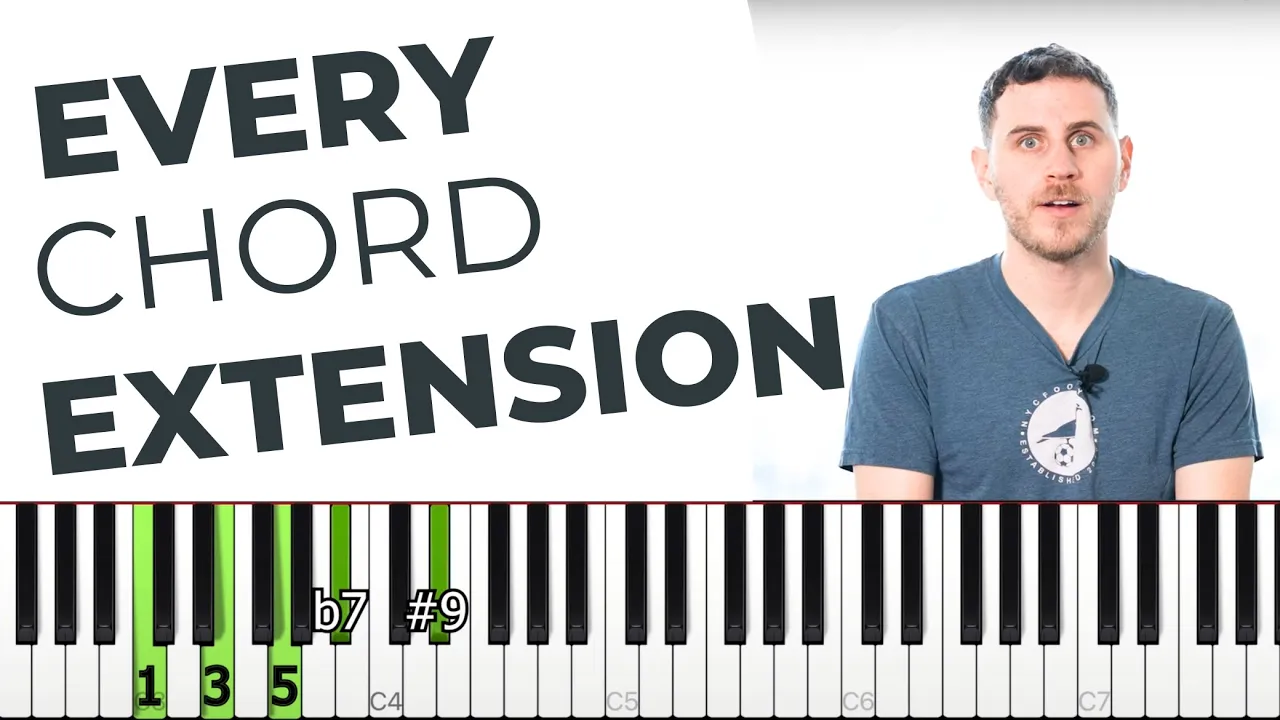






Chord extensions are specific notes (the 2nd, 4th, and 6th scale degrees) that can be stacked on top of seventh chords using tertian harmony (stacking thirds) to create beautiful, rich, and colorful piano chords; there are five essential chord types (Major 7, Minor 7, Dominant 7, Diminished 7, and Half-Diminished) each with specific compatible extensions (Major 7 uses 9 and 13, Minor 7 uses 9 and 11, Dominant 7 uses 9 and 13, Diminished 7 uses 9 and 11, Half-Diminished uses 9 and 11), and these extensions can be applied to chord progressions in various musical styles including pop and jazz.
Mastering Chord Extensions: A Comprehensive Piano Guide
Added:Understanding of major and minor scales, including interval relationships and key signatures.
Proficiency in constructing and playing basic triads (Major, Minor, Diminished, Augmented) on the piano.
Familiarity with standard seventh chords (Major 7, Minor 7, Dominant 7) as the foundation for extensions.
Basic knowledge of piano keyboard geography to quickly locate root notes and intervals.
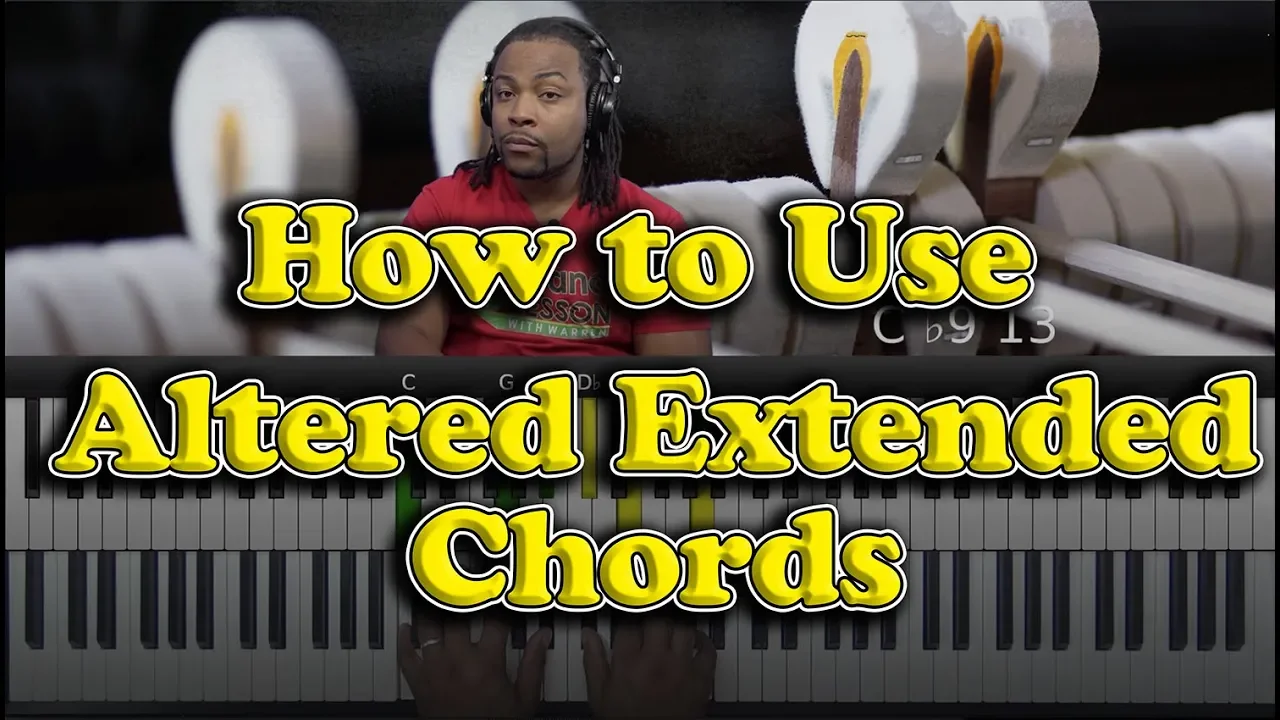
Exploring altered chord extensions (such as flat/sharp 9ths, 11ths, and 13ths) for complex jazz and neo-soul textures.
Learning advanced chord voicings, such as rootless voicings, quartal harmony, and drop-2 structures.
Applying voice leading principles to transition smoothly between extended chords within a progression.
Improvising melodies and solos over extended chords using corresponding scales and modes (e.g., the Lydian mode over major 9#11 chords).
57K views2.8Klikes16:02Original Release: 2023-04-07
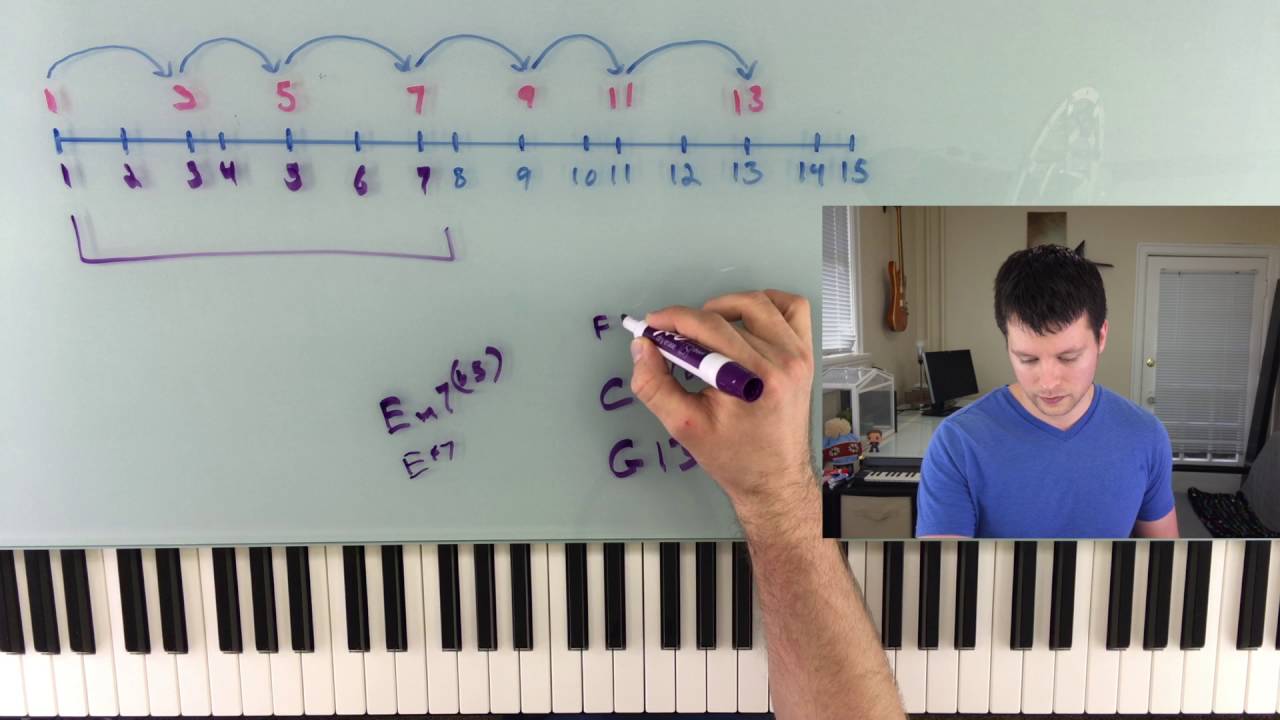
do you want to play insanely beautiful chords at the piano but you're not sure where to start well most students think that Pro pianists have this special gift where they can just hear these beautiful chords and play them but the truth is that most propionists use a very specific system called the chord extension system to take ordinary chord progressions like this and make them sound like this so in today's lesson you're going to learn everything that you need to know about the chord extension system I'm going to show you what chord extensions are how to use them on the most common chords plus how to apply them to almost any chord progression so let's go ahead and dive in so let's start with the basics chord extensions are specific notes that you can add to seventh chords to make them sound beautiful rich and colorful as an example you could take an ordinary C major chord and make it sound like this with chord extensions in fact you can use chord extensions on any chord progression to make it sound beautiful as an example what if you had a C major going to a minor and then D Minor going to G major well here's how the exact same chord progression would sound with chord extensions foreign doesn't that sound so much more beautiful and interesting now you might be thinking that I'm just playing these random notes but that couldn't be further from the truth I'm actually using this chord extension system which is a very simple four-step system which I'm going to show you next but before we do this if you're enjoying the video please hit the like button and if you're new to the channel be sure to subscribe for more videos just like this all right step one to playing chord extensions are to learn the three chord extensions which are the second fourth and sixth notes of the major scale so if you take a C major scale one two three four five six seven your chord extensions are the D the F and the a however we don't call them the second fourth and sixth because chord Extensions by definition are notes stacked on top of a chord and here's what I mean when you take a chord like a C major you you might notice that all of the notes are a third apart this is called tertian Harmony or tertiary Harmony which means you build chords by stacking third intervals and this is the case for all four of your main Triad types so major chords have two thirds minor chords have two-thirds diminished chords have two-thirds and augmented chords have two thirds now if you continue stacking thirds on top of a chord this is how you end up with your chord extensions and here's what I mean if you take a C major chord and you stack another third that comes from the c major scale foreign you end up with a B which is the seventh note of the scale so we call this a C Major seven now if we stack another third we end up with a d which is a ninth interval away from the C so we call this a C major nine and if we stack another third we get an F which is 11 notes away from the root so this is called the c major 11 and finally if we stack one more third we have the a which is a 13th interval from the C so this is called a C major 13. and this is why we call them chord extensions is because we're stacking notes on top of our original chord or extending the chord up now as a quick note if I were to stack one more third on top of the a I'd end up with the c which is the root of the chord so the highest chord extension that you can have is the 13. now remembering the 9 11 and 13 can sound very intimidating and it can be very challenging for students new to this concept so here's a little trick if you want to play the 9 the 11 and the 13 you can think of them as the 2 4 and 6. so if you're trying to figure out these notes maybe on a G chord well one two three four five six so the 9 11 and 13 are 2 4 and 6. now in just a minute I'm going to show you how to use your chord extensions on all of the most common chords that you'll encounter but before I show you this there are two very important notes that you need to know about chord extensions first if you want to add a colorful note to a c chord like the D you would not call this the nine you would actually call this an add two and the reason for this is that when you call something a nine it implies that the seventh is present in the chord in other words an add two just means you're adding the second note to a major chord and a 9 means you're adding a note to a seventh chord second you generally label an extended chord by the highest extension in the chord so let's say you have a C Major seven and you want to add the nine and the 13 to the chord and you might play this chord like this it's a really beautiful c chord well you would call this chord A C major 13 chord even though you have two chord extensions present in the chord in this case calling it a C major 13 chord implies the presence of the ninth extension now not all chord extensions need to be present in highly extended chords like a C major 13. for example you could play a C Major seven and just add the 13 and it would still be called a C major 13.
notice in this case that there's no nine there's no 11 and it's still called a C major 13. and you could also omit or take out other notes like the fifth of the chord is a very common note to remove and this would still be called a C major 13 chord by the way I wanted to mention that you can download the lesson sheet music that you're seeing up here on the top left of your screen and you can also change the key of this entire lesson with the click of one button with our smart sheet music so I'll put a link to all of that below all right now that you understand what chord extensions are the next step is to make sure you know the five most common chords that you'll use in chord progressions and popular styles of music so this is a quick review of the five chord types and then I'll show you which extensions you can use on each of these chords the first chord is a C Major seven chord this comes from the c major scale and it is purely stacked thirds the second chord is a C minor seven chord It's A Minor triad on the bottom and we're gonna to take the seventh note of that major scale and we're going to Flat it so it's a flat 3 flat 7 chord the third chord you need to know is a dominant seven chord it's basically a C major chord on the bottom with a flat seven on top the fourth chord is a diminished seventh chord for this chord we have all minor third intervals and you could think of this as a flat three flat five and a six or if you want to be technically correct it's actually called a double flat seven and the fifth chord that you need to know is what's called a half diminished chord or a minor seven flat five chord this one has the flat third the flat Fifth and the flat seven now the great thing is if you know how to play these five chord types you'll be able to play 99 of chord progressions in the Jazz Blues Gospel Funk Soul r b Styles and so many other styles alright next I'm going to show you which extensions you can use over each of these core types and then finally at the end we're going to put all the chords together in some sweet chord progressions so stay tuned for that all right for Major Seventh chords the two chord extensions that you can use are the ninth and the 13th now a quick trick to remembering this is to go to the missing notes of the major scale and you can play the second and sixth and they're the same notes so how do you play the 9th and 13th chord extensions in an interesting way well here are three common chord voicings that you can use to make these sound really beautiful and by the way a voicing just means the order of the notes and how you spread them out on the piano so the first voicing has the third on the top and it sounds like this super beautiful C major nine the second voicing has the fifth on the top and it sounds like this super beautiful C major 13 it includes both of our chord extensions and finally if you want to put the root on the top the a here's one of my favorite voicings okay this is a C major nine because it includes all of the notes of C Major seven plus the nine now there are alternate versions of these chords for example on that last chord you could play it like this and use the 13 or you could do it like this and do a really big cluster chord there are all kinds of possibilities and combinations with these chords so have some fun with them and experiment make up your own voicings that you like next we're going to look at minor seventh chords and the two chord extensions that generally sound really good on minor seventh chords are the nine and the eleven and if you can't remember this you can simply go back to the missing notes of the major scale and it's the two and the four all right here are three of my favorite voicings to use on minor chords the first one has the third on the top and it sounds like this [Music] super beautiful gorgeous C minor chord and this is called a C minor 11 because it has all of the notes of C minor seven plus it has the nine and the 11. okay the second voicing has the fifth on the top and I like to play it like this get kind of a crunchy cord this is called a C minor nine because it has the notes of C minor seven plus the nine and the third chord has the root on the top this is a crunchy one check it out okay this has a lot of cluster in it this is a C minor 11 because it has all of the notes of C minor seven plus the nine and the eleven hey I hope you're enjoying this lesson and I just wanted to mention if you want to do a deep dive on this topic of chord extensions and you really want to understand how to use them on all types of chords you want some exercises to master them and all of your keys you want to learn even more voicings for these chords plus how to use them on the most common chord progressions so that you really build confidence with these chords then check out our full length course on chord extensions I'll put a link to that below alright next let's look at dominant seventh chords and the two extensions that work on dominant seventh chords are the nine and the 13 or you can think of them as the two and the six and here are three common voicings the first has the third on the top and it sounds like this super crunchy C13 cord it's a C7 with a 9 and a 13 in it the second voicing has the fifth on the top and I like to play it like this okay this is a C9 because it has the C7 plus the nine in it and finally we're gonna play a chord with the root on the top this is one of my favorites and it sounds like this okay this is called a C13 because it has all the notes of C7 plus the 9 and the 13. all right next we're going to look at diminished seventh chords and the two chord extensions that work on these chords are the nine and the 11. here are three of my favorite voicings on these chords the first one has the third on the top and it sounds like this okay this is a c diminished 11 because it has the 11th in the chord the next one we're going to put the fifth on the top or the flat five and it sounds like this okay this is a c diminished nine and the third one has the root on the top and I like to play it like this okay this is a c diminished nine all right one more chord type and then I'm going to show you how to use these chord extensions on chord progressions the last chord is your half diminished chord or your minor seven flat five chord and the two chord extensions you can use on this are the nine and the 11. here are three of my favorite voicings this one has the third on the top and we call this a C minor 11 flat five or you could call it C half diminished 11. the second voicing has the fifth on top or the flat five and we play it like this okay this is called a C minor nine flat five or C half diminished nine and the third one has the root on top and I like to play it like this okay this is called a C minor eleven flat five or a c half diminished 11. all right we are in the final step number four and in this step I'm going to show you how to use these chord extensions on some really cool chord progressions so the first progression is a pop chord progression we're going to use C major up to F major a minor down to G major and here it is with extensions [Music] basically on the C chord I'm using a C major nine on the F major I'm using an F major 13 on the a minor I'm using a beautiful a minor 9 and then on the G I'm a g 13. now what about our other chords the diminished and half diminished chords well these are chords that you'll typically see in a minor chord progression so let's look at a minor chord progression you'll typically see in the jazz style we have C minor seven down to a minor seven flat five that's a six chord and then a D minor seven flat five it's a two chord and then instead of going to a five chord we're going to use a related chord called a b diminished and this will lead us back to the first chord the C minor seven all right and here it is with the chord extensions [Music] so on the C minor I'm using a C minor 11 I have the nine and Eleven on the a minor 7 flat five okay I've got the nine and the eleven super beautiful and then on the D chord okay this one has the 9 and 11 on it and then this one I love okay this is that b diminished but I'm using the 11 in it hey thanks for watching and if you enjoyed the lesson please let me know in the comments also be sure to check out piano with johnny.com we have over 1 000 step-by-step lessons for all playing levels where you'll learn your favorite songs Styles and how to improvise at the piano thanks for watching and I'll see you in the next one
Up Next
24:11
Mastering Jazz Piano Chord Voicings: A Complete Guide
@PianoWithJonny
147.3K views•2022-03-04

10:20
Mozart's Musical Dice Game Explained: History, Rules, & Fun
@webpianoacademy
5K views•2023-03-13
22:22
Essential Daily Jazz Piano Exercises for Improvisation
@PianoWithJonny
568.4K views•2023-02-10
10:49
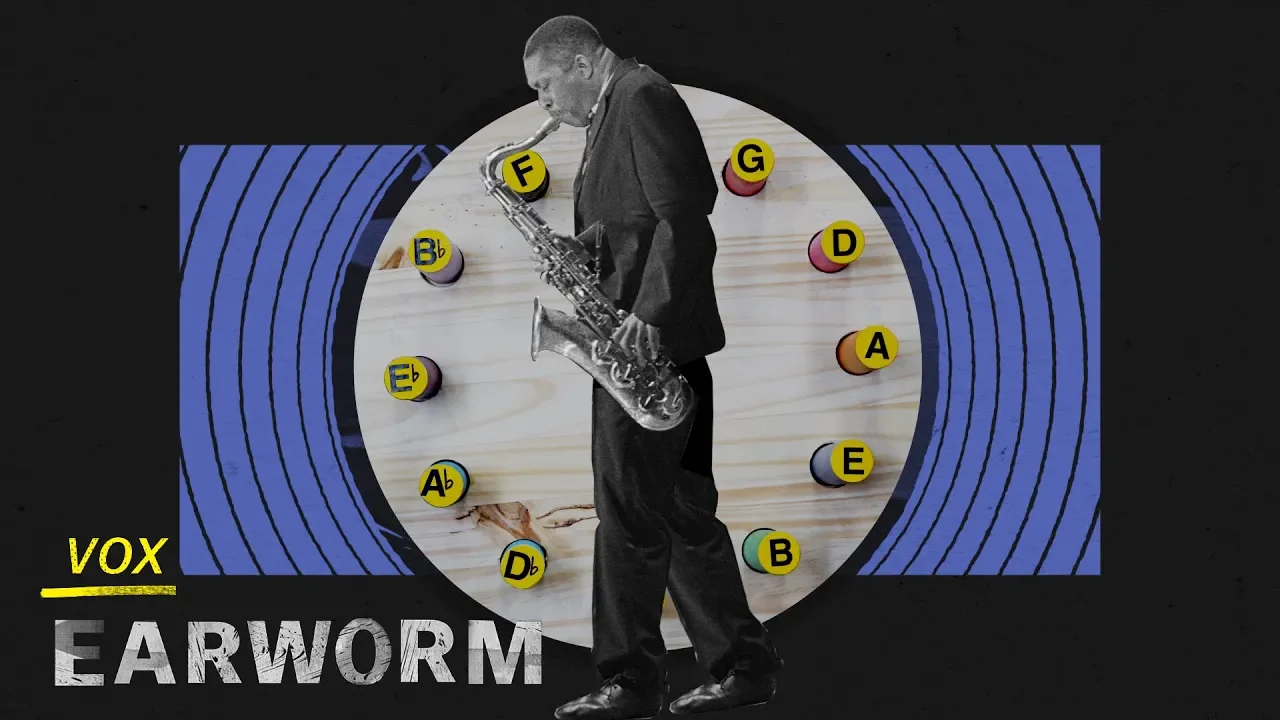
Understanding John Coltrane's Giant Steps: A Music Theory Analysis
@Vox
10.4M views•2018-11-12
Related Study Plans & Knowledge Roadmaps
Structured learning paths in Music Theory
music-theory
Composing Galant Music: Partimento & Schemata
01Foundations of Figured Bass and Keyboard Harmony
02The Rule of the Octave (Regola dell'Ottava)
03Galant Schemata: The Building Blocks of Form
+ 2 more learning modules
30h5 modules
Explore Roadmap
music-theory
Decoding Overtone Series: Tuning & Drone Music
01Acoustic Foundations: The Physics of the Overtone Series
02Tuning Systems: Equal Temperament vs. Just Intonation
03Microtonality and Spectralism: Beyond Standard Pitches
+ 2 more learning modules
24h5 modules
Explore Roadmap
music-theory
Impressionist Harmony: Scales, Planing & RPGs
01Foundational Music Theory: Keys, Intervals, and Seventh Chords
02Impressionist Color: Chord Planing and Parallel Harmony
03Whimsical Textures: Pentatonic Cascades and Whole-Tone Scales
+ 1 more learning modules
14h4 modules
Explore Roadmap
music-theory
Negative Harmony: Axis Reflection in Indie Pop
01Music Theory Foundations: Scales, Intervals, and Triads
02Functional Harmony and the Circle of Fifths
03Demystifying the Negative Harmony Axis Reflection
+ 2 more learning modules
16h5 modules
Explore Roadmap