















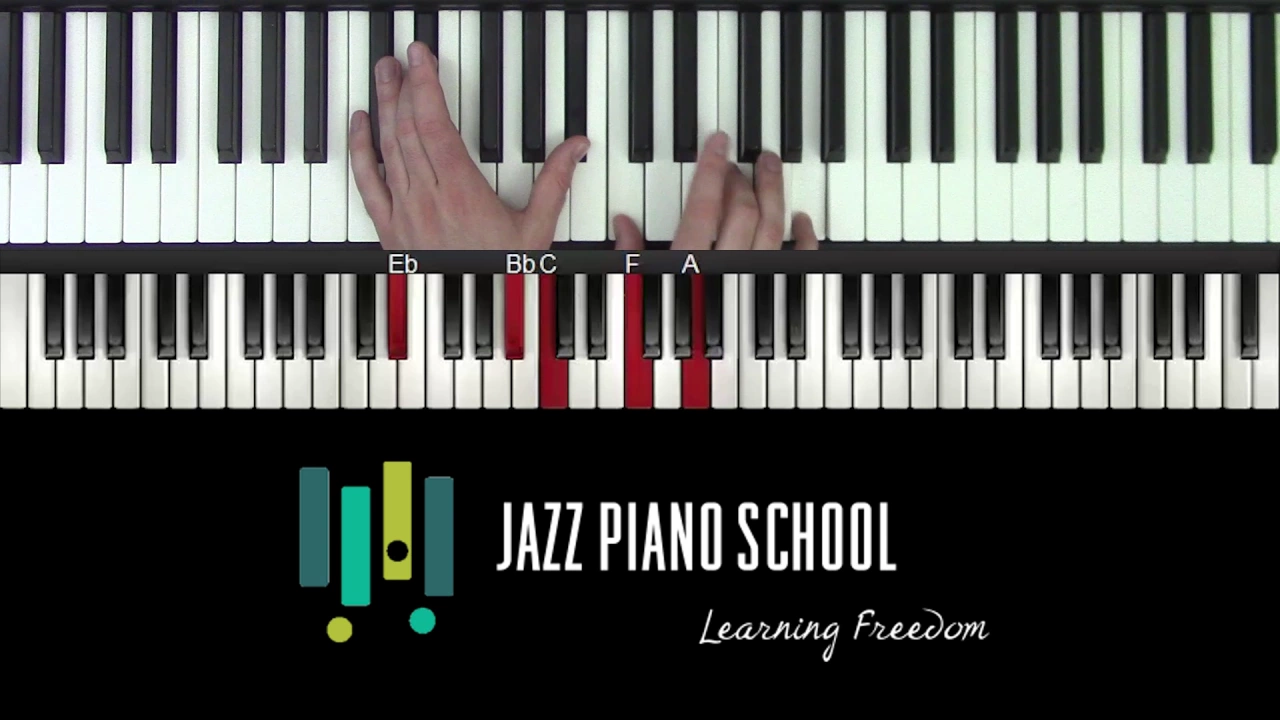


Jazz piano chord voicings are techniques for arranging chord tones on the piano keyboard, with six essential methods: (1) Chord Shells use only the root and third or root and seventh for simplicity; (2) Guide Tones emphasize the third and seventh as harmonic anchors; (3) Rootless Voicings substitute the ninth for the root and add extensions; (4) Block Chords create a full sound with octaves and three middle chord tones; (5) Drop 2 Voicings transpose the second-highest note to the bass; (6) Quartal Voicings build chords primarily using fourth intervals. These voicings can be applied to any jazz tune like Autumn Leaves by distributing chord tones across the keyboard in different textures and patterns.
Mastering Jazz Piano Chord Voicings: A Complete Guide
Added:Basic construction of seventh chords (Major 7th, Minor 7th, Dominant 7th, and Half-Diminished).
Understanding of the ii-V-I chord progression, which is the foundational harmonic structure of 'Autumn Leaves'.
Familiarity with basic intervals (specifically 3rds and 7ths) and fundamental keyboard geography.
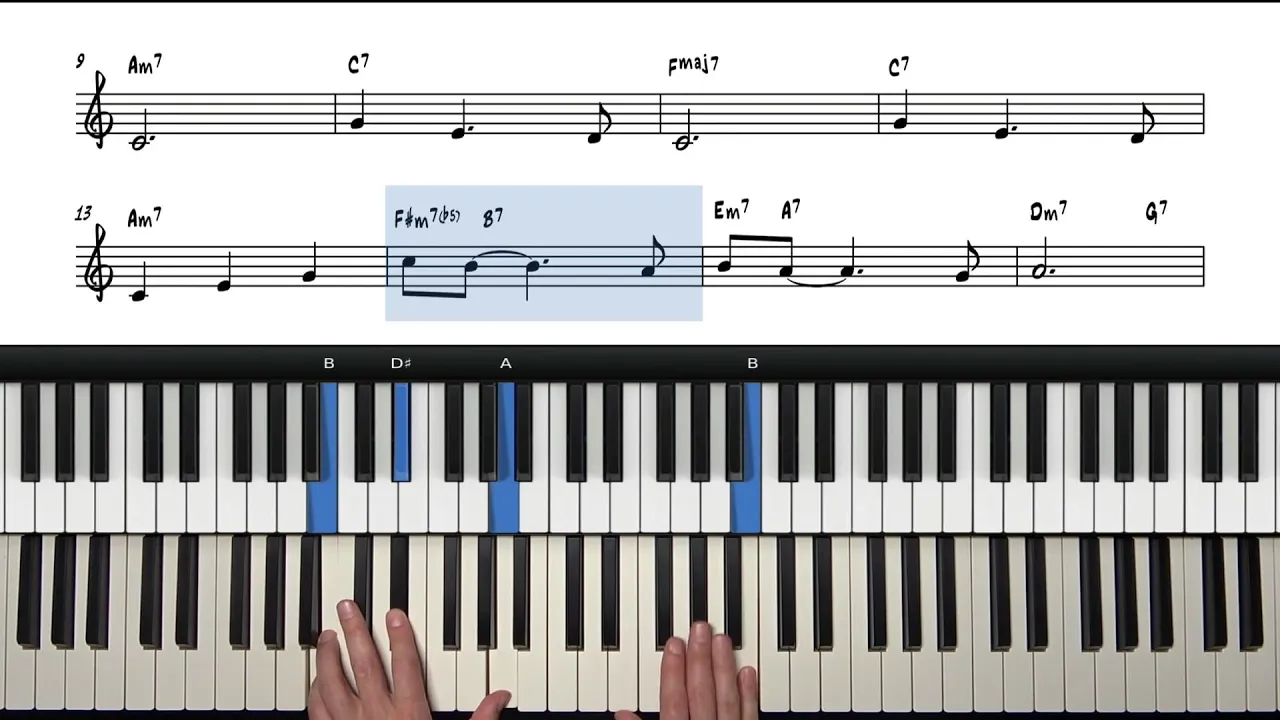
Ability to read lead sheets (melody and chord symbols) at a basic level.
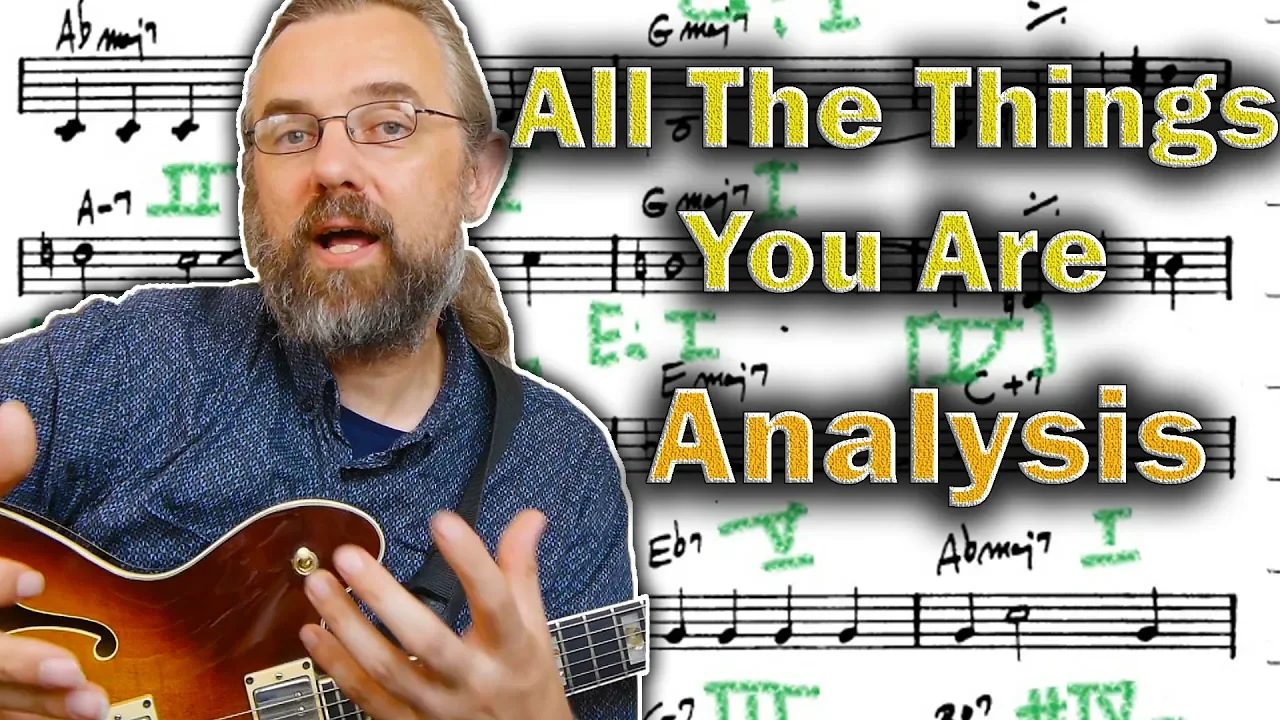
Applying the six voicings to other jazz standards with more complex harmonic structures (e.g., 'All The Things You Are').
Integrating extensions (9ths, 11ths, 13ths) and altered dominants into the learned voicing structures.
Developing left-hand comping rhythms and patterns while improvising right-hand melodic lines.
Exploring Upper Structure Triads (USTs) for more advanced, modern jazz piano textures.
147.3K views5.6Klikes24:11Original Release: 2022-03-04
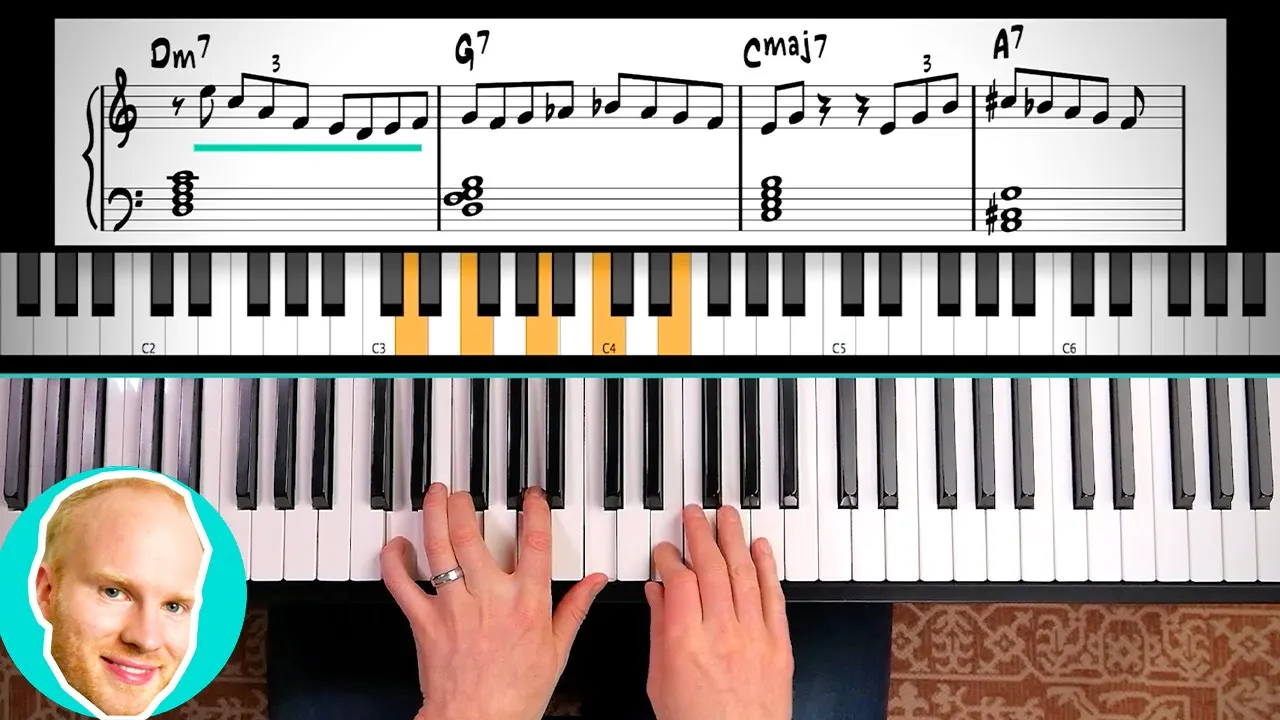
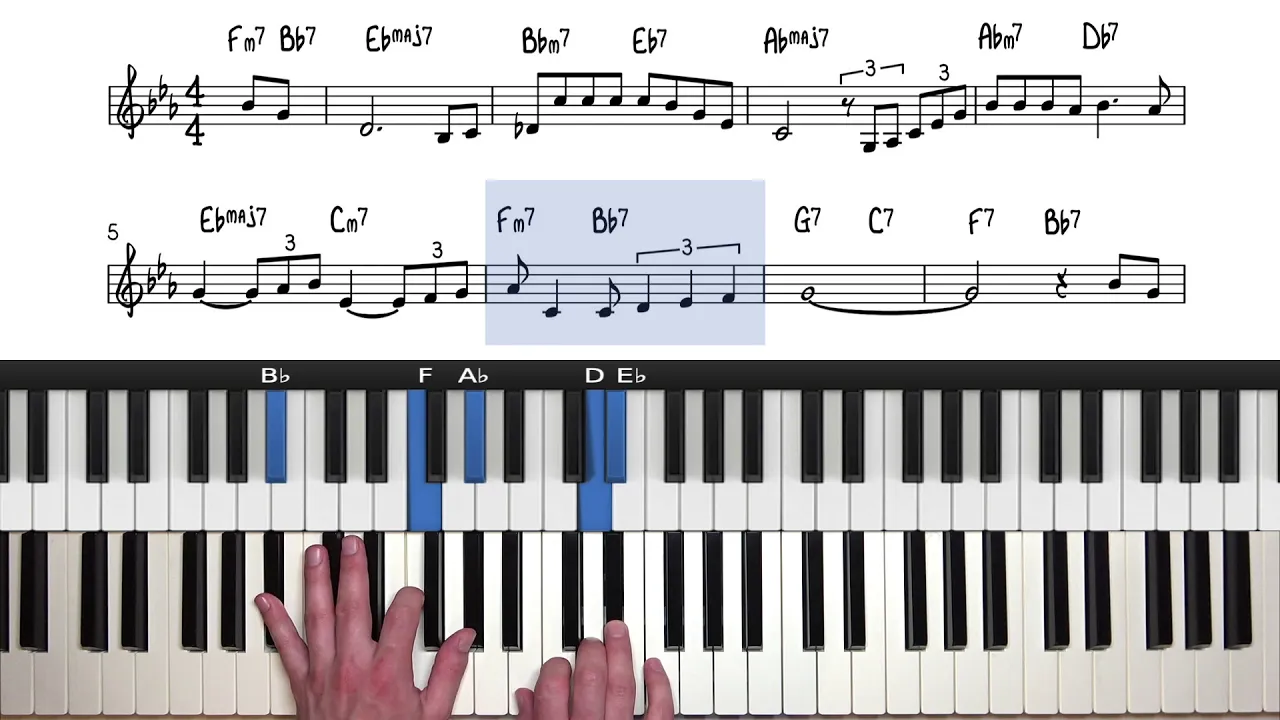
[Music] all right my friends in today's lesson you're going to learn everything that you need to know about jazz piano chord voicings now you might be thinking johnny what is a chord voicing well a chord voicing is simply all the ways that you can play a chord in the jazz piano style and there are six essential jazz chord voicings that you really need to know if you want to play jazz piano so in today's lesson i'm not only going to show you these chord voicings but also how to apply them to any jazz tune so let's go ahead and dive in all right so for this lesson we're going to use the classic jazz tune autumn leaves i'm briefly going to go over the chords and the melody just for the a section and then we're going to use these chords and this melody to demonstrate the various chord voicings that you can use to play this tune okay so the tune is in the key of e minor right first chord a minor seven second chord is a d7 okay these are all the basic chords that you would see in a lead sheet if you played the tune there's our g major seven we've got like a c major seven f sharp minor seven flat five then we have a little b7 and then we end on our e minor seven okay so these are kind of the standard chords from autumn leaves and then you would repeat this section all right before i teach you voicing technique number one if you're enjoying this lesson please hit the like button and if you're new to the channel be sure to subscribe for more videos just like this all right now that you've learned the basic chords now you can actually voice the chords in an interesting way so before i teach you voicing technique number one let's talk about what a voicing is and you know the first chorded arm leaves is this a minor seven chord well a voicing is basically how to take the notes from this chord and distribute them on the piano for example i can play the chord like this or i could play it like that right that's a very different sound or i can play it like that right or i can play it like that so a voicing refers to the texture of a chord you can have an a minor seven chord with a very thin chord texture or you can play the same chord with a very thick chord texture a voicing could also refer to the notes that you add to a chord like an a minor seven for example you could play the a minor seven with all the standard notes or you could add the nine or you could add the eleven all right so these are all different voicings of an a minor seven chord there's my a minor nine here's my a minor and so there's lots of different notes that you can add to chords to create different voicings all right let's talk about voicing number one technique this is the simplest technique so if you're a little more on the beginner side of playing jazz piano this is the technique for you so i'm going to play what it sounds like and then i'm going to break down this voicing it's actually a really really simple technique so what am i playing well these are called chord shells and a chord shell is like a partial chord meaning we're not gonna play all of the notes from the chord instead we're only gonna play two notes from the chords so they're really really easy to play now there are two options for chord shells the first option is to play just the root and the seventh of the chord okay and i tend to put it down here really really nice sound and then the second option is to play the root and the third of the chord okay so root seven and root third chord shells so how do you apply this idea to the tune autumn leaves well it's actually really simple we have our lead in line and instead of our big a minor seven chord we just play the root and the seventh down below and it sounds great that sound beautiful and then here's the really cool thing on the d7 chord if you just go to the root and the third it's really close by you see that there's the d7 right there then we go to our g major seven well check it out the root and the seven are right here so it's a really easy way to maneuver between chords because each chord is going to be really close to the next chord now notice that we're following this root seven pattern to a root third pattern as we progress through the chords okay so chord shells almost always will follow root third root seven root third root seven if you're following a progression like the one in autumn leaves which is called a cycle of fifth chord progression now if you want to master your chord shells check out our chorus chord shells and guide tone exercises in this course you can master all of your chord shells for all of your keys and play them in a bunch of different ways so i'll put a link to that below alright voicing technique number two is called the guide tone technique and it sounds like this so what the heck am i playing well these are called guide tones and they're actually really simple to play so what's a guide tone well if you take the first chord which is a minor seven there are two notes in this chord that are the most important notes the notes are the third and the seventh of the chord and we call these the guide tones because they guide the chord from one to the next okay so there are basically two ways to play the guide tones in your left hand option one is to play the third and the seventh of the chord so we play it like this and option two are to invert those notes so to take the seventh and put it on the bottom and play it like this and you'll really appreciate this chord if you jump from the root up to the guide tones right so that's option one and then option two is going to be there now one way to remember each of these voicing techniques is to remember the rule behind the technique and here in the lesson sheet music on the top left of your screen you might notice the rule for guide tones well it's pretty simple the rule for guide tones is to play only two notes from the chord which is the third and the seventh or the seventh and the third so how do we actually apply guide tones to autumn leaves well it's pretty simple there are basically two ways to play guide tones the first way i'm going to show you is the easier way and that is if you're playing with a band or a bass player who's laying down the bass or the root note in this case you do not need to play the bass note but you can simply play the guide tone [Music] all right so what exactly am i playing well you have the lead in line on your melody first chord is a minor seven so for this chord we're going to play the guide tones which are the seventh and the third of the chord and if you're not sure how to figure out your guide tones just go back to your original chord there's the third and the seventh and then i'm just playing the second option where i invert the chord down okay so we have then the d7 is right there isn't that cool so between these chords i only have to move one note and this is the beauty of guide tones is that often times you only have to move one note between the chords and so it's a very efficient way of moving in between the chords okay so we have guide tones g major seven there's the guy tones right the seventh and the third of the chord again if this does not pop out at you as the guide tones just play the original chord and you'll see the third and the seven okay so g major seven to the c major seven there's the three and the seven of the chord there's the three and the seven or the seven and the three of the f sharp minor seven flat five chord there's the b7 and then the three and the seven of the e minor seven chord now i put a note down here that you'll use this approach if you're playing with a bass player but you can use this approach if you're playing solo piano the trick for this is you'll want to play the root and then jump up to the guide tone okay so if you want to play it like this you can do it but you got to jump to the chord tones does that make sense by the way if you want to do a deep dive on guide tones you want to learn how to use them in tunes check out our course play lead sheets with shells and guide tones in this course i show you how to use both shells and guide tones on eight of the most common chord progressions in jazz music so i'll put a link to that below alright voicing technique number three is what i think to be the coolest voicing in jazz piano and it sounds like this [Music] all right so what the heck am i playing well now i'm using some really cool chords in the left hand called rootless voicing chords okay and here's how a rootless voicing chord works if you take your first chord which is an a minor seven what you wanna do is you wanna get rid of the root okay so we call this a rootless voicing there's no root and instead of playing the root we're gonna substitute it for the note just a whole step above the root the b which we call the nine in jazz and we call it the nine because we're stacking thirds up from the root one three five seven nine so we get rid of the root and we play the third the fifth the seventh and the ninth and this is the first rootless voicing three five seven nine now there's an alternate way that you can play this rootless voicing and that is to put the seventh on the bottom so we take that g and we put it down here and we take the b and we put it down there as well okay and now we have a really cool kind of crunchy sounding a minor seven chord so the rule for rootless voice and chords is written right here you want to substitute the nine for the root in your chords whenever possible by the way i wanted to mention that the lesson sheet music you're seeing up here on the top left of the screen is downloadable and printable you can also change the key of this entire lesson with the click of one button with our smart sheet music plus this lesson comes with six downloadable backing tracks and i'll put a link to all of that below so how do we apply our rootless voicing chords to autumn leaves well we're gonna bring the melody up the octave to give some room for our rootless voicing chords there's our first chord a minor seven there's our d7 chord isn't that cool so we're just dropping that g down to an f sharp if you're curious where we get this chord from it comes from a d7 we get rid of the root we put the nine in there and there's one other little thing we do on our rootless voicing chords for dominant chords we get rid of the fifth and we put in what's called the 13. okay don't worry if this is confusing for you it will make sense over time as you're exposed to these chords okay ah there's our beautiful g major chord and again this comes from a g major seven get rid of the root put the nine in there and we're going to invert the notes down okay so and then the c major seven there it is right three five seven and nine here's our lead in line next chord f sharp minor seven flat five there it is and for this chord we're actually going to break our rule and we are going to play the root in this chord and you might be wondering johnny why don't we play the nine well i actually just don't like the sound of the nine on a minor seven flat five chord okay so this is one of the exception chords when i'm playing a minor seven flat five chord or a half diminished chord i do play the root in the chord it kind of stabilizes the chord a little bit okay next one very cool b7 chord and again it's a very close by right and this comes from our b7 get rid of the root put the nine in substitute the fifth for the 13. okay and then we land on our e minor seven chord and again play the rootless voicing like this okay there's a couple little tips for playing your rootless voicings if you're playing with a band all you need to do is play the chords because you have a bass player playing all the roots but if you're playing solo piano then i recommend that you jump from the root up to the rootless voicing chord does that make sense another really fun thing to do with rootless voicing chords is to play what i call the big band sound this was a style of piano played by jazz pianist red garland and he was basically using rootless voicings in his left hand but in the right hand he'd play these big octaves on the melody and then he'd often times add a chord tone in the middle of the melody so if you want to play in this sort of red garland or big band style then you'll use the rootless voicings with the big octave melodies in the right hand by the way if you want to master your rootless voicing chords including playing them in all 12 keys plus how to use them on the most common chord progression in jazz check out our rootless voicings courses i'll put a link to those below alright voicing technique number four is called the block chord technique and it sounds like this [Music] doesn't that sound amazing now this is a style of piano that was made popular by the pianist george shearing so if you want to listen to more tunes in this style check out george shearing so how do you play block chords well it's actually a really simple idea we're going to take this melody and we're going to play an octaves [Music] and then we're going to fill that melody with three notes in the middle all right so now instead of this we have that all right so we're gonna look at the first chord in the tune which is a minor seven and how do you voice that c melody using a block chord well we're going to make this an octave like this and then we're going to fill with three notes in the middle and for this we're just going to use the chord tones from an a minor 7 chord that is a block chord and it has a very thick kind of texture because we've got the melody here and three notes in the middle so this is a really nice voicing to use if you want kind of that classic jazz sound so the rule once again for block chords it is a five note chord you've got the octave on the outside plus the three notes in the middle all right so how do we actually apply this to autumn leaves well we start with our lead in melody and we fill in with the chord tones so here's our e minor seven there are the three notes in the middle melody and octaves on the outside same notes in the middle then our next melody note again we're just playing the chord tones from the chord e minor seven a minor seven just using some chord tones in the middle d7 simple d7 chord same notes in the middle melody's moving up and then for this one i like to use the e instead of the d you could play like that but the e is the ninth and it just sounds a little more interesting okay g major seven this is really nice again melody is the b for this one we're going to use our g major seven chord tones fifth seventh and ninth and then i like to move these down a little third movement there making this a g6 chord then our c major seven chord or c major six they're substitute chords i turn this into a c6 chord and we just walk it up c major seven a little movement there from the six to the seven back to the c6 f sharp minor seven flat five again just the melody there chord tones in the middle okay it's a beautiful sound on the piano okay b7 ooh isn't that nice okay again we're just walking up the melody there chord tones in the middle on a b7 same chord tones in the middle and then here's that b7 with the nine again you could just put the root in if you wanted but i like the nine a little bit better and then finally e minor seven again it's just a simple e minor seven chord chord tones in the middle and then we walk it back up same thing as before by the way if you want to master your block chords including learning them in all 12 keys plus how to play them on the most common chords in jazz check out our block chords course i'll put a link to that below alright voicing number five technique is called the drop two voicing technique and it sounds like this so what the heck am i playing well it's actually a really simple idea what i'm doing is i'm taking my block chords that i just taught you and i'm dropping the second note from the top the d down to the bottom so i'm putting it right there and the way to think of this is when you have a block chord the top note is voice number one it's like soprano and then voice two alto right tenor uh baritone and bass right one two three four five so you're taking the second voice and you're dropping it to the bottom and therefore we have the drop two sound so you're gonna do this on all of the chords so first chord e minor seven there's the drop two right same thing and then for this chord there's the drop two again this just comes from the e minor seven there's the second voice and it gets dropped down okay a minor seven there's the drop two we're just dropping the a down d seven we're dropping this c down voice two melody's moving up and then for this guy we're dropping the nine down which we played earlier here and now it's going to the bottom okay g major seven there's the first starting note and then the second one i like to drop the seven down to the six then our c6 chord there's the drop two we walk this up there's the seventh drop down there's the c drop down there's our f sharp minor seven flat five dropping the f sharp down b seven dropping the seven down here same thing and then for the b7 we're gonna drop the nine down there that c that c sharp and then we're gonna land on the e minor seven there's the drop two just dropping the e down and then we repeat the same thing by the way if you want to master your drop two chords you can in our drop two voicings course i'll put a link to that below all right voicing technique number six is the most challenging technique and this is called the quartal voicing technique which sounds like this [Music] all right so what the heck am i playing well basically for this voicing technique you're going to build your chords in primarily fourth intervals okay so for example we come in with our melody [Music] okay this melody note c we're going to play an a minor 7 but we're going to build it in as many fourth intervals as possible and currently the a minor 7 is primarily built in third intervals so the way that we do this is we actually turn it into a minor 11 chord right this is an a minor 11 chord and now from here i can build a chord with the c on the top using these notes okay check it out here's a fourth down that's the seventh of the chord there's a fourth down that's the 11 a fourth down that's the a a fourth down that's the e right isn't that amazing so we're playing an a minor seven chord we're adding the nine and the eleven and then we're playing fourth intervals down the piano and you get this really kind of cool modern jazz sound all right so how do you actually apply this to autumn leaves well first chord e minor seven we're going to play it as an e minor 11 chord and distribute fourths down the piano see that melody moves up and then for this guy we want to redistribute our fourths right e minor 11. if you don't know an e minor 11 chord there it is e minor 7 e minor 9 e minor 11. okay so there's the e minor seven a minor eleven isn't that beautiful and then ooh isn't that cool okay this is that d7 spread out in primarily fourth intervals you do have a little third there that's okay you can have a third in these chords you just primarily want fourth intervals that moves up there's your fourth and then this is a kind of interesting way of playing a d7 chord but you do achieve a lot of fourths with this uh voicing here okay g major six nine primarily fourth intervals down the piano then the c6 chord mostly fourth intervals down the piano this is a c69 fourth intervals okay do you have a third there that's okay and then a c six nine once again oh beautiful f sharp minor eleven with a flat five okay again it's just f sharp minor seven flat five and we're adding the 11 to it again getting lots of fourth intervals down the piano and then the b7 this is beautiful right b7 lots of fourth intervals that moves up and then same voicing we had on the d chord but now it's on the b chord right and then finally e minor seven we're gonna play it here all fourth intervals and then we walk it back up by the way if you want to master your quartal voicings including learning them in all 12 keys plus how to use them over the most common chords in jazz check out our quartal voicings essentials course i'll put a link to that below hey thanks for watching and if you enjoyed the lesson please let me know in the comments also be sure to check out pianowithjohnny.com we have over 1 000 step-by-step lessons for all playing levels where you'll learn your favorite songs styles and how to improvise at the piano thanks for watching and i'll see you in the next one
Up Next

6:45
The Overtone Series in Orchestration: A Composer's Guide
@ScoreCircuit
90.9K views•2023-07-17

51:08
Simon Rattle on Early 20th-Century Music: Tonality's Decline
@theclandestinum
18.3K views•2012-06-16
16:02
Mastering Chord Extensions: A Comprehensive Piano Guide
@PianoWithJonny
57K views•2023-04-07
10:49
Understanding John Coltrane's Giant Steps: A Music Theory Analysis
@Vox
10.4M views•2018-11-12
Related Study Plans & Knowledge Roadmaps
Structured learning paths in Music Theory
music-theory
Tintinnabuli: Pärt's Counterpoint & Composition
01Music Theory Foundations: Intervals and Triads
02Fundamentals of Counterpoint and Voice Leading
03Arvo Pärt and the Spirit of Holy Minimalism
+ 2 more learning modules
16h5 modules
Explore Roadmap
music-theory
Composing Galant Music: Partimento & Schemata
01Foundations of Figured Bass and Keyboard Harmony
02The Rule of the Octave (Regola dell'Ottava)
03Galant Schemata: The Building Blocks of Form
+ 2 more learning modules
30h5 modules
Explore Roadmap
music-theory
Decoding Overtone Series: Tuning & Drone Music
01Acoustic Foundations: The Physics of the Overtone Series
02Tuning Systems: Equal Temperament vs. Just Intonation
03Microtonality and Spectralism: Beyond Standard Pitches
+ 2 more learning modules
24h5 modules
Explore Roadmap
music-theory
Impressionist Harmony: Scales, Planing & RPGs
01Foundational Music Theory: Keys, Intervals, and Seventh Chords
02Impressionist Color: Chord Planing and Parallel Harmony
03Whimsical Textures: Pentatonic Cascades and Whole-Tone Scales
+ 1 more learning modules
14h4 modules
Explore Roadmap