Arabic Maqam: Microtones, Tetrachords & Fusion
Learning Goal:
Master the foundations of Arabic music theory, transition from Western 12-Tone Equal Temperament (12-TET) to the 24-Tone Equal Temperament (24-TET) system, and understand how scale fragments (Ajnas) form complete Maqamat. Apply traditional modulation patterns (Sayr) and technical microtuning workflows (such as MTS-ESP, Scala, and Ableton Microtuner) to produce cohesive world-fusion tracks that blend microtonal elements with modern Western electronic production without harmonic clash.
- Prerequisites: Basic familiarity with any Digital Audio Workstation (DAW) and standard Western music theory concepts (major/minor scales, intervals, and basic chord progressions).
- Estimated Total Study Time: 14 Hours
Module 1: Foundations of Arabic Music & Microtonality
This module establishes the foundational acoustic and cultural differences between Western tuning systems and Middle Eastern microtonal systems. You will study how Western music standardized around the 12-Tone Equal Temperament (12-TET) system, why this system strips away microtonal nuances, and how the Arabic 24-Tone Equal Temperament system divides the octave to introduce quarter-tones. Additionally, you will explore the regional adjustments made to these microtones within Persian, Turkish, and Arabic traditions.
Recommended Videos
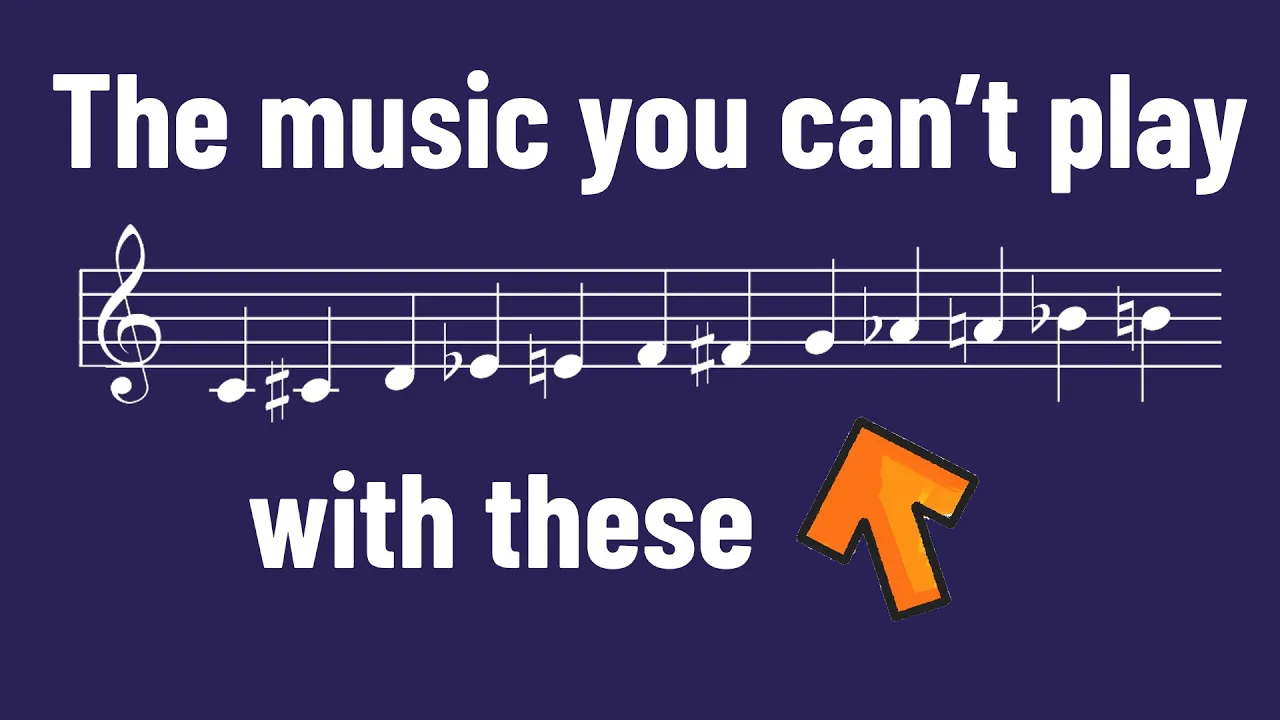
- Why this video is valuable: This video serves as an ideal acoustic primer. It details the math and history of Western 12-TET, explaining the compromises made to achieve equal temperament. It contrasts this with the Maqam system, highlighting the expressive necessity of "neutral" notes (such as the neutral third) that lie in the cracks between piano keys.
- Knowledge Checkpoint:
- Understand why 12-TET compromises natural harmonic intervals for key transposition.
- Explain how a "neutral" interval functions as a midpoint between major and minor.
- Identify how standard notation fails to capture microtonal pitches.

- Why this video is valuable: This lecture provides a comprehensive cultural and musicological look at Maqam. It outlines the emotional states (Tarab) associated with different Maqam modes, explains how neutral intervals are perceived by ear, and acts as an in-depth transition from Western classical structures to Middle Eastern improvisational foundations.
- Knowledge Checkpoint:
- Define the concept of Tarab and its relation to Maqam performance.
- Distinguish between a simple mathematical scale and a culturally active Maqam.
- Recognize the role of vocal production and ornamentations in defining microtonal pitch.
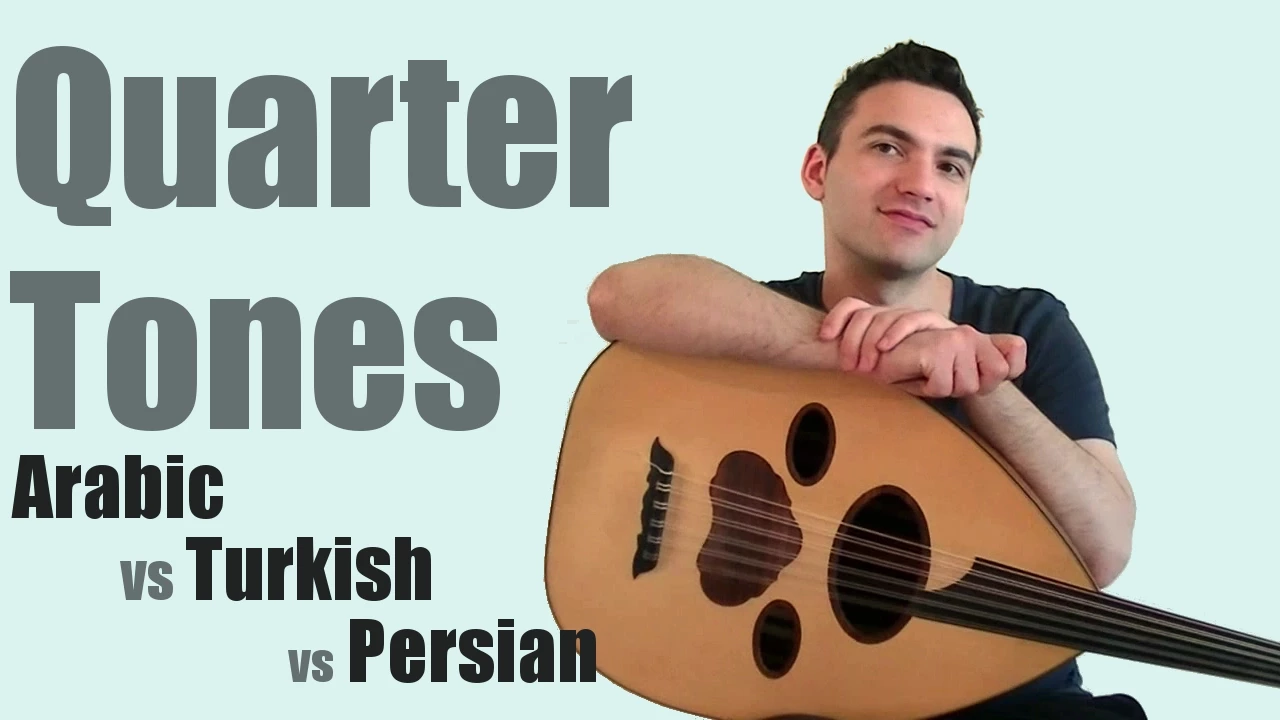
- Why this video is valuable: A quick but crucial comparison that addresses regional differences. It demonstrates how Persian (Abata), Arabic (Maqaam), and Turkish (Makam) music utilize slightly different tunings and inflections for structurally identical scale paths (like the quarter-flat on note E), which is a vital distinction for world-fusion producers aiming for authenticity.
- Knowledge Checkpoint:
- Explain the variation in pitch adjustments for the E quarter-flat across Turkish, Persian, and Arabic traditions.
- Identify how regional instrument setups (like fretless ouds vs. fretted saz/tanbur) accommodate these fine-tuning discrepancies.
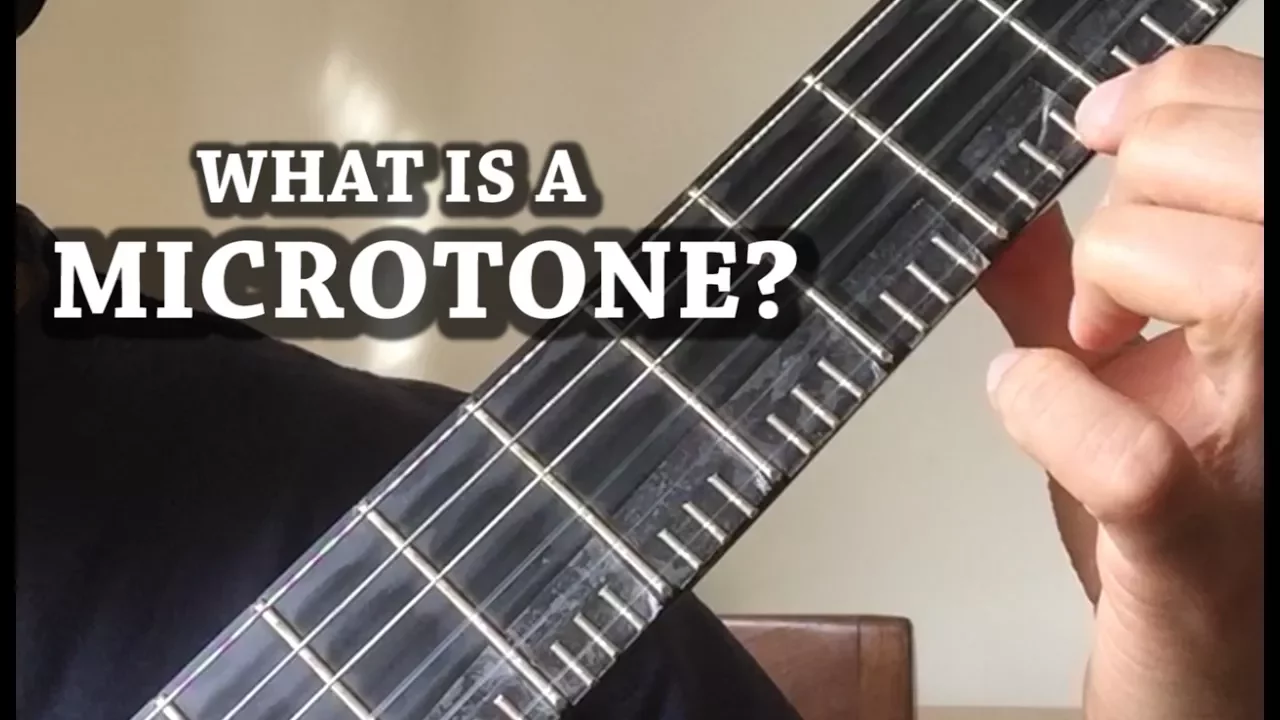
- Why this video is valuable: This video focuses on the precise vocabulary of microtuning. It explains concepts like the "comma" (Koma)—the tiny pitch divisions used in Turkish and Arabic systems—and details how intervals smaller than a semitone are measured in cents.
- Knowledge Checkpoint:
- Define a "comma" (Koma) and explain how it divides a whole step.
- Calculate cent deviations (e.g., standard quarter-tone = 50 cents flat/sharp).
- Understand how microtonal systems divide octave space outside equal temperament.
Module 2: The Building Blocks: Tetrachords and Ajnas
To understand how complete Maqam scales are built, you must first master their atomic units. In Arabic music theory, scales are not viewed as single octave-spanning runs, but rather as combinations of 3, 4, or 5-note melodic fragments called Ajnas (singular: Jins). This module details how different Ajnas (such as Rast, Kurd, and Hijaz) are characterized by their internal interval formulas and how they are joined together to form complete Maqamat.
Understanding the Visual Assembly of Ajnas (Pedagogical Supplement)
Because video tutorials rarely show these units on a single, clean visual canvas, study this core structural layout:
Maqam Rast (C-rooted scale) [ Jins Rast (Lower) ] + [ Jins Rast (Upper) ] C - D - E(1/4 flat) - F + G - A - B(1/4 flat) - C (1 - 3/4 - 3/4 - 1 steps) (1 - 3/4 - 3/4 - 1 steps)
- Jins Rast: root, major 2nd, neutral 3rd (approx. 150 cents up from 2nd), perfect 4th.
- Jins Hijaz: root, minor 2nd (flat), augmented 2nd (sharp 3rd), perfect 4th (characterized by its wide, exotic step).
- Jins Kurd: root, minor 2nd, minor 3rd, perfect 4th (matches the first four notes of Phrygian).
Recommended Videos

- Why this video is valuable: This tutorial analyzes Jins structures using stringed instruments to show visual finger patterns. It highlights how minor adjustments to spacing transform a Jins from Western-style intervals to microtonal Arabic configurations.
- Knowledge Checkpoint:
- Define the term Jins and explain how many notes typically make up a single Jins.
- Differentiate between a trichord (3 notes), tetrachord (4 notes), and pentachord (5 notes).
- Explain how two Ajnas are linked (disjunct/separated by a whole step vs. conjunct/sharing a pivot note).

- Why this video is valuable: Johnny Farraj (creator of MaqamWorld) delivers an elegant lesson on Jins Bayati, one of the most expressive and widely used tetrachords in Arabic music. He demonstrates how melodies move inside this specific interval set and where the melodic gravitational pulls lie.
- Knowledge Checkpoint:
- Spell the intervals of Jins Bayati starting on D (D, E-quarter-flat, F, G).
- Identify the tonic (root) note and the secondary "tonic" or dominant focus note in Jins Bayati.
- Sing or audibly identify the characteristic 3/4 step interval of Jins Bayati.
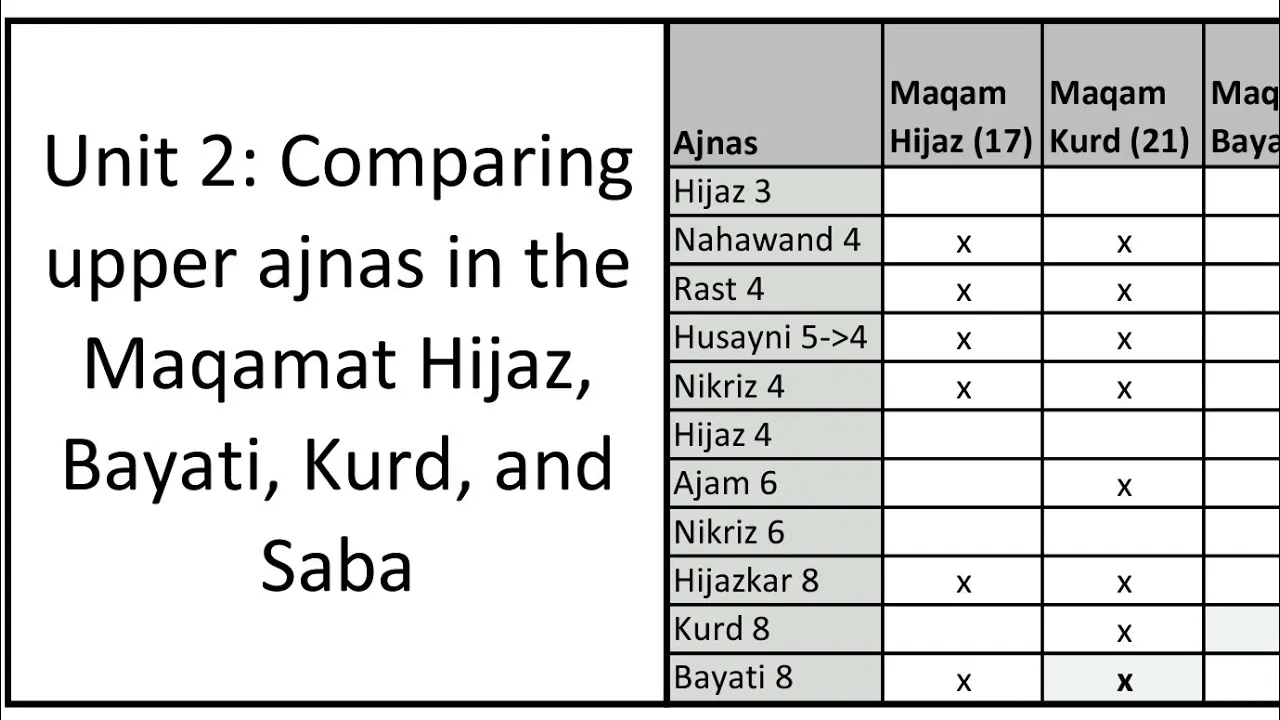
- Why this video is valuable: This review lesson compares four major scales (Bayati, Hijaz, Kurd, and Saba) by showing how they share and exchange lower and upper Ajnas. This visual and analytical breakdown helps you understand how altering a single Jins changes the scale's entire mood.
- Knowledge Checkpoint:
- Contrast Jins Kurd with Jins Hijaz based on their emotional color and step sizes.
- Explain how Maqam Saba utilizes a unique, diminished-feeling overlapping Jins.
- Map out the shared notes between a Bayati scale and a Kurd scale.
Module 3: Maqam Pathways and Traditional Modulation
In the Arabic tradition, a Maqam is not merely a static collection of notes; it is a pathway for melodic development, known as Sayr. Melodies must ascend, peak, and descend following specific regional rules. This module covers how traditional improvisers map out their melodies and how they transition naturally from one Maqam to another (modulation) by pivoting on shared Ajnas.
Recommended Videos
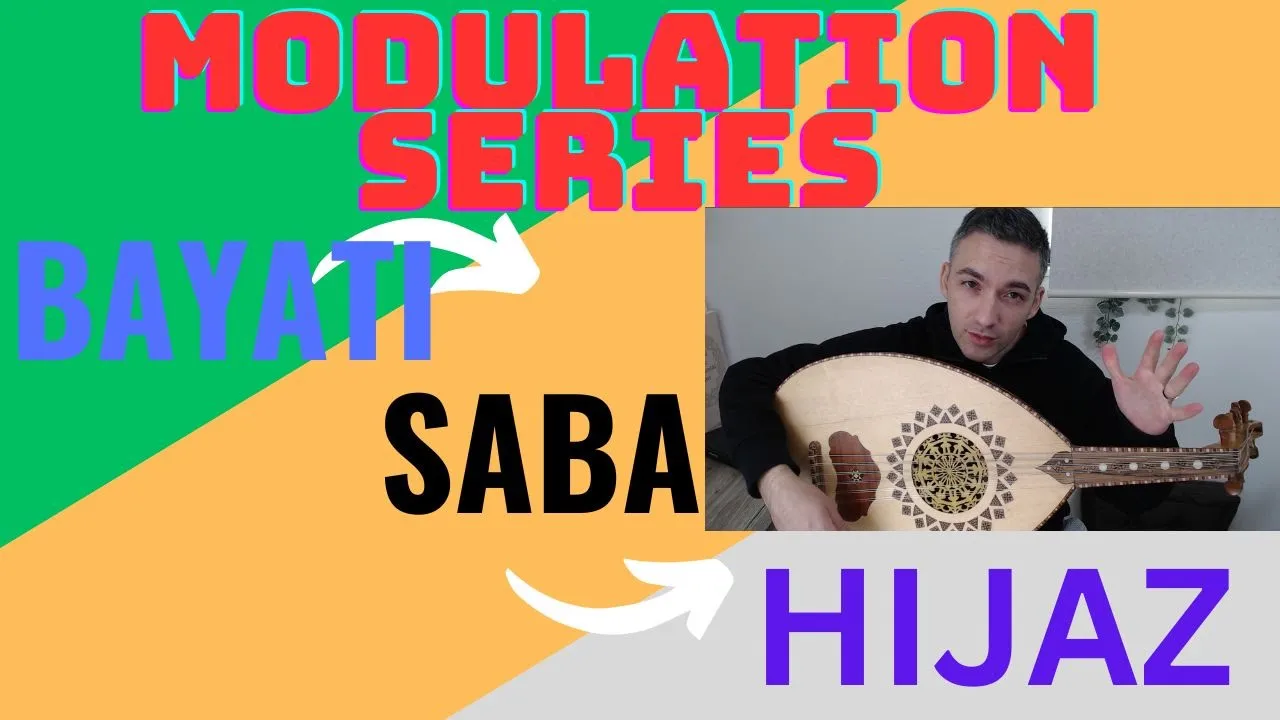
- Why this video is valuable: This video demonstrates a masterclass-level modulation sequence. It shows how an Oud player navigates smoothly from Maqam Bayati, pivots into the deeply melancholic Maqam Saba, and then transitions into Maqam Hijaz by using shared notes as bridges.
- Knowledge Checkpoint:
- Explain the musical "pivot points" used to transition from Bayati to Saba.
- Identify which note changes when moving from Saba to Hijaz.
- Describe how to resolve a modulated phrase back to the primary scale root (the Asas).

- Why this video is valuable: This guide outlines the developmental stages of practicing and internalizing a Maqam's pathway. It moves systematically from raw scale memorization to identifying dominant pitch centers, navigating modulations, and ultimately performing open improvisation (Taqsim).
- Knowledge Checkpoint:
- List the early levels of internalizing a Maqam before attempting to improvise.
- Define the term Taqsim and its relationship to formal compositions.
- Explain how identifying "resting notes" dictates the flow of a melody.
- Why this video is valuable: Mazen Lawand bridges the gap between Eastern melodic improvisation and modern jazz harmony. He demonstrates how to use pitch bending and string techniques on contemporary instruments to capture the fluid pathways of Maqamat.
- Knowledge Checkpoint:
- Explain how Western string techniques (e.g., bending, sliding) can emulate the continuous pitch fluidities of Maqamat.
- Describe the harmonic "tension and release" points when applying jazz chords behind a Maqam.
Module 4: Microtonal Production in Modern DAWs
To produce modern Arabic world fusion, you must configure your digital production environment to support tuning systems outside the standard 12-TET. This module addresses technical workflows for setting up microtuning across various platforms. You will learn to map MIDI controllers for microtonal playback, utilize Ableton Live's native microtuning tools, and implement cross-platform solutions like the MTS-ESP suite and Scala (.scl) tuning files inside other major DAWs.
Recommended Videos
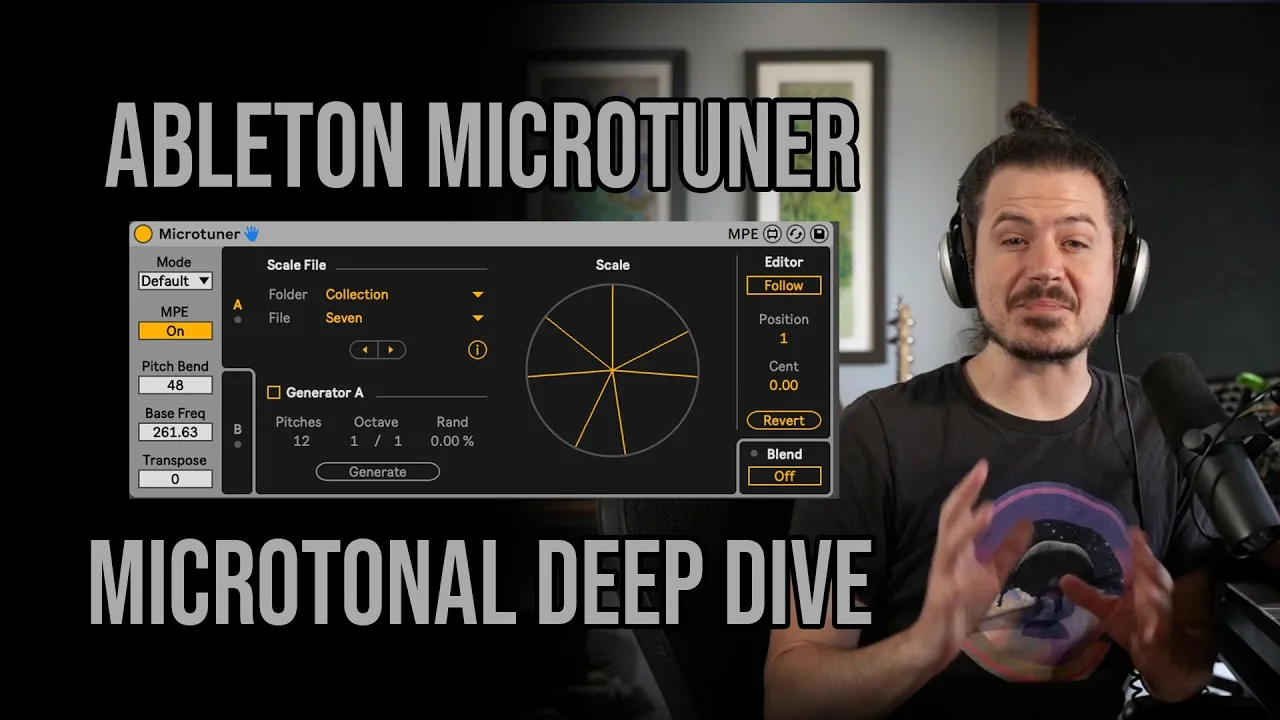
- Why this video is valuable: This is a definitive tutorial on using Ableton Live's Microtuner Max for Live device. It demonstrates how to import Scala (.scl) files, design custom microtonal scales, and set up your MIDI keyboard so that black keys or specific white keys play precise quarter-tones.
- Knowledge Checkpoint:
- Install and load the Microtuner device onto an Ableton MIDI track.
- Configure custom scale generator maps within Ableton Live.
- Successfully map a physical MIDI controller so that scale degrees reflect 24-TET intervals.

- Why this video is valuable: This video showcases how modern DAWs handle universal, cross-platform microtuning. It introduces the MTS-ESP standard (developed by Oddsound in collaboration with Aphex Twin), demonstrating how a master plugin can dynamically microtune all active software instruments in a session simultaneously.
- Knowledge Checkpoint:
- Explain how the MTS-ESP plugin standard bypasses native DAW 12-TET limitations.
- Understand how Scala (.scl) and tuning (.tun) files are loaded into compatible software synthesizers.
- Describe the process of linking a master microtuning plugin to secondary synth channels.

- Why this video is valuable: An excellent technical explanation of MIDI limitations regarding microtuning. It explains why standard MIDI messages default to 12-TET and how producers must bypass this by sending pitch-bend messages per MIDI channel (using MPE principles) to achieve stable microtones.
- Knowledge Checkpoint:
- Explain why standard MIDI note messages cannot natively send microtones without pitch bend modification.
- Describe how Multi-Channel MIDI or MPE (MIDI Polyphonic Expression) can assign unique pitch-bends to individual polyphonic notes.
Module 5: Synthesizing World Fusion: Arabic Scales Meet Western Beats
Blending microtonal scales with Western functional chord progressions presents a major harmonic challenge: Western chords are built on standard major and minor thirds, while key Maqamat (like Rast or Bayati) rely on neutral thirds (exactly halfway between major and minor). Playing a standard Western major chord under a neutral third melody results in severe, muddy acoustic clashes.
This module outlines the production strategies to resolve these conflicts:
- The Drone/Modal Framework: Stripping away dense tertiary chords in favor of perfect fifth (power chords) or octave drones, allowing the microtones to soar without clashing.
- Contextual Avoidance: Using standard minor progressions (like Kurd or Nahawand) for backing instruments while reserving quarter-tone inflections strictly for lead melodies over tension chords.
- Harmonic Synchronization: Mapping standard chord tones that match the non-microtonal notes of the Maqam, leaving the quarter-tone pitches as unharmonized passing tones.
Recommended Videos

- Why this video is valuable: A highly practical guide explaining how classical Arabic wind instruments (the Ney) play alongside Western chord progressions. It breaks down exactly which Maqam scales can sit comfortably over Western minor chords (such as using Bayat or Saba over E minor backing tracks).
- Knowledge Checkpoint:
- Identify which Maqamat are compatible with a standard Western E minor backing chord.
- Select appropriate scale degrees to resolve a phrase when playing over a Western minor triad.
- Explain how a performer dynamically adjusts intonation depending on the underlying harmony.
- Why this video is valuable: This video serves as a solid reference track for electronic fusion. It demonstrates how traditional vocal hooks and oriental synth leads are integrated with deep house drum patterns and sustained sub-bass lines, showing how to maintain a clean low-end while highlighting microtonal elements.
- Knowledge Checkpoint:
- Analyze how a sub-bass line is simplified to avoid clashing with microtonal melodies.
- Identify the production techniques used to sit traditional woodwind or vocal samples cleanly in a modern dance mix.
- Why this video is valuable: This beat walkthrough demonstrates modern commercial world-fusion. It illustrates how traditional string structures (like a Turkish violin section) can be layered on top of highly syncopated dancehall/reggaeton rhythms.
- Knowledge Checkpoint:
- Describe how to layer high-frequency microtonal string phrases over percussive, low-frequency dancehall beats.
- Identify the syncopated rhythmic interactions between a Middle Eastern darbouka pattern and a standard Caribbean dancehall snare drop.
Course Map
This flowchart shows the recommended learning order and dependencies across the five modules.
Key People Index
- Johnny Farraj (via abushumays): Creator of MaqamWorld and co-author of Inside Arabic Music. Farraj is one of the premier educators translating oral Arabic music traditions into visual, systematic curricula for Western-trained musicians.
- Sami Abu Shumays: Author of Inside Arabic Music. His focus is on analyzing the structural assembly of Ajnas, defining melodic gravity (Sayr), and analyzing regional stylistic variations.
- Simon Shaheen: A Palestinian master of the Oud and Violin. Shaheen's cross-cultural works with Qantara represent a historical benchmark for classical Arabic and Western jazz-fusion.
- Mazen Lawand: A pioneering keyboardist and teacher who bridges traditional Maqam phrasing with contemporary jazz synthesizer pitch-bending techniques.
Final Self-Assessment
Complete this checklist to verify your mastery of the curriculum:
- I can clearly explain the difference in size and division between a Western semitone (100 cents) and an Arabic quarter-tone (approx. 50 cents).
- I can spell the scale degrees for Jins Rast, Jins Bayati, and Jins Hijaz.
- I can identify whether two Ajnas are joined conjunctly (overlapping) or disjunctly (separated by a step).
- I can describe the concept of Sayr (melodic pathway) and explain why a Maqam is more than just a scale.
- I can identify the shared "pivot notes" used to modulate from Maqam Bayati to Maqam Saba.
- I can successfully set up a software synthesizer to receive microtuning adjustments via Ableton Microtuner or the MTS-ESP suite.
- I can explain why standard MIDI notes require pitch-bend-per-channel (or MPE) configuration to play stable polyphonic microtones.
- I can describe three distinct production strategies for layering microtonal melodies over Western backing tracks without causing acoustic mud.
- I can explain why a neutral third note clashes with a Western major triad chord and how to resolve this by converting the chord into a perfect fifth (power chord).