

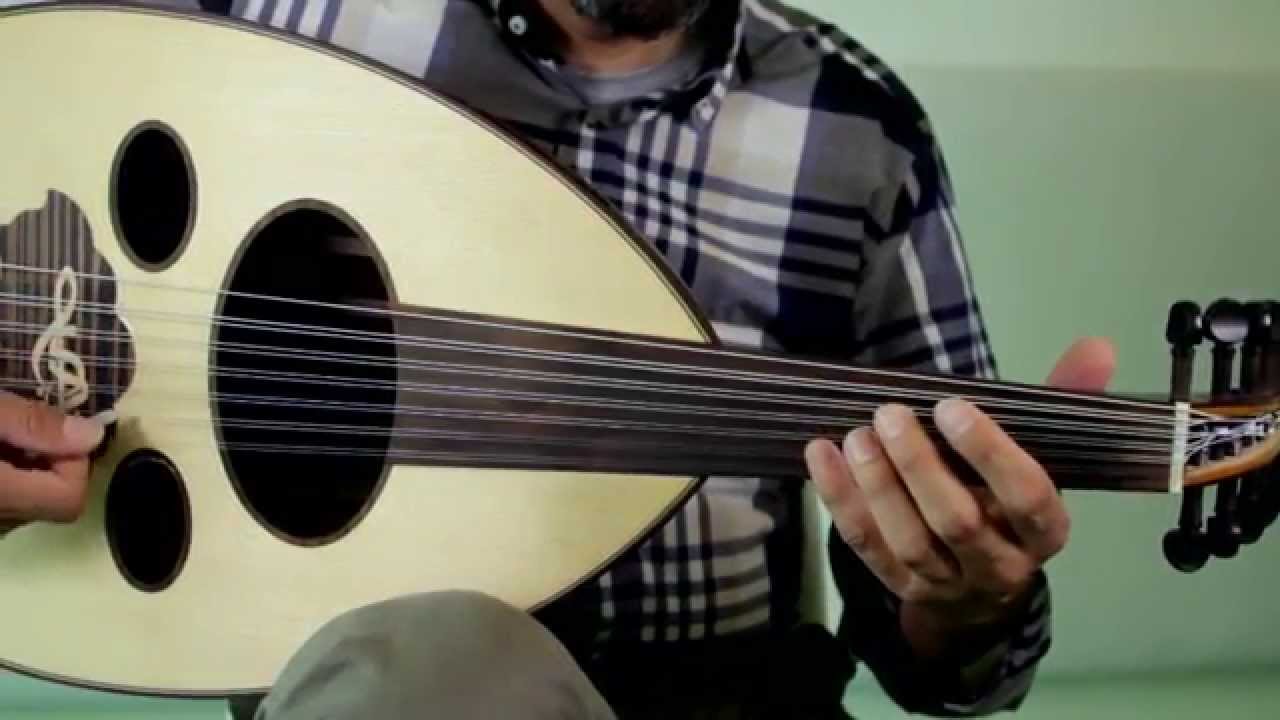
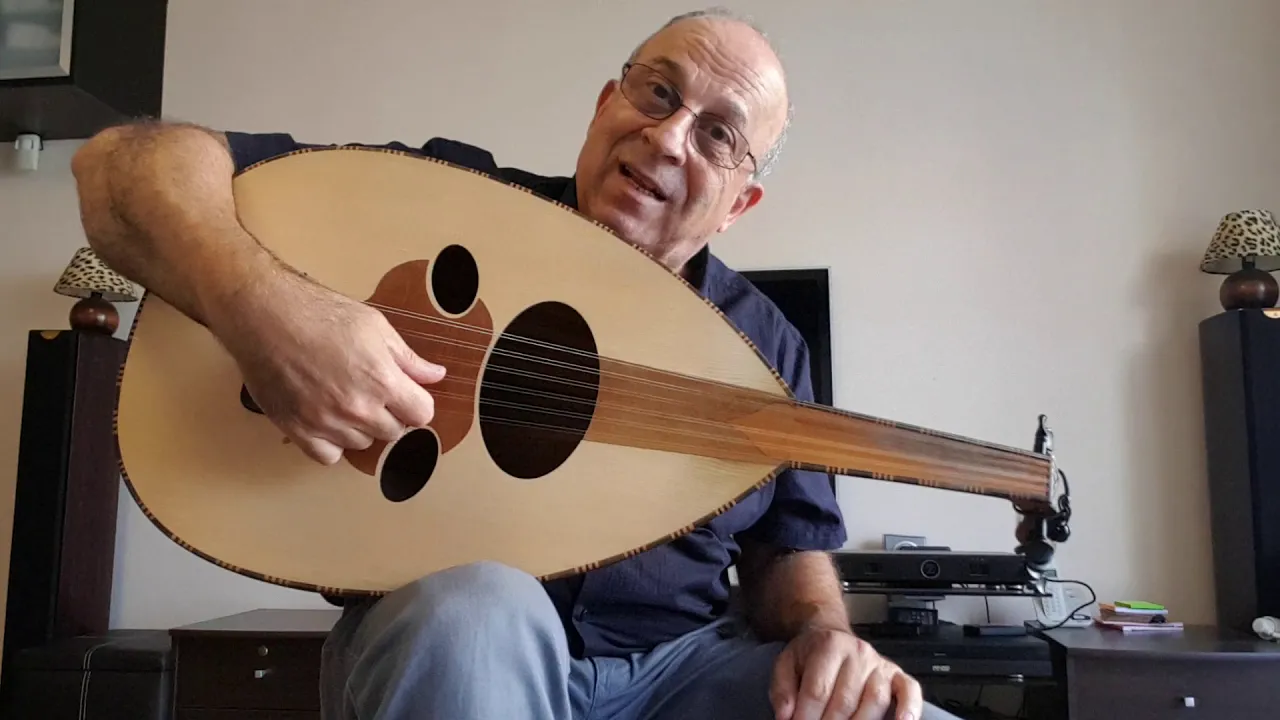















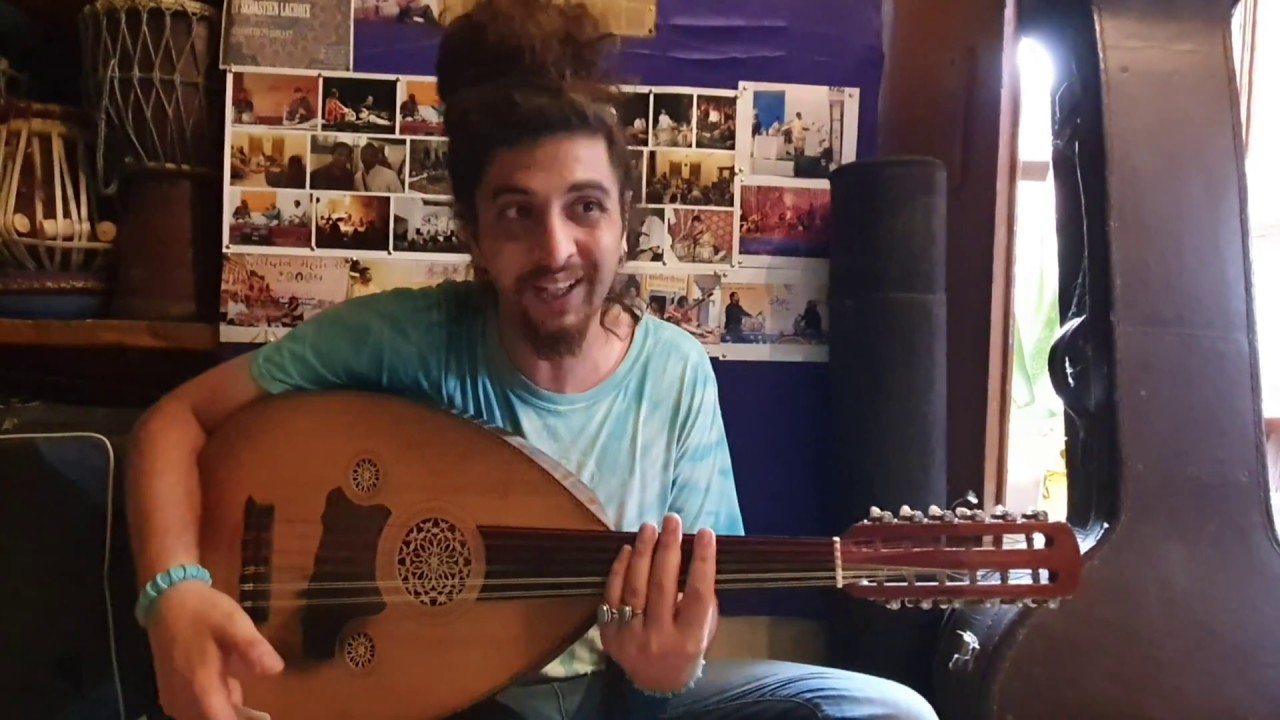
In traditional Middle Eastern music, quartertone tunings differ between genres: Persian quartertones are generally flatter than Arabic and Turkish quartertones, while Turkish quartertones tend to be the sharpest; Arabic quartertones fall in between these two extremes, with the Abata/Makam/Maqaam scale (D-E quarter flat-F-G-A-B flat-C-D) serving as a common reference point where the quartertone appears on the second note.
Quartertones in Persian, Arabic, and Turkish Music: A Comparative Guide
Added:Familiarity with the anatomy, tuning, and fretless playing technique of the Oud.
Basic understanding of the concept of modal music systems, specifically Arabic Maqam, Turkish Makam, and Persian Dastgah.
A foundational grasp of Western interval theory (whole tones and semitones) to serve as a point of contrast for microtonality.
Understanding the concept of cents as a unit of measure for musical intervals.
In-depth study of the Turkish Arel-Ezgi-Uzdilek (AEU) system and its mathematical division of the whole tone into Holderian commas.
Advanced mastery of 'Taqsim' (instrumental improvisation) using the specific microtonal inflections of each regional tradition.
Exploration of ensemble dynamics, focusing on how fretless and adjustable-pitch instruments (like the Ney, Kanun, and Violin) align their intonation in performance.
Ear training exercises specifically designed to identify the minute pitch differences (in cents) between Persian Koron, Turkish Koma, and Arabic Quarter-tones.
198.1K views4.5Klikes5:19Original Release: 2015-05-16
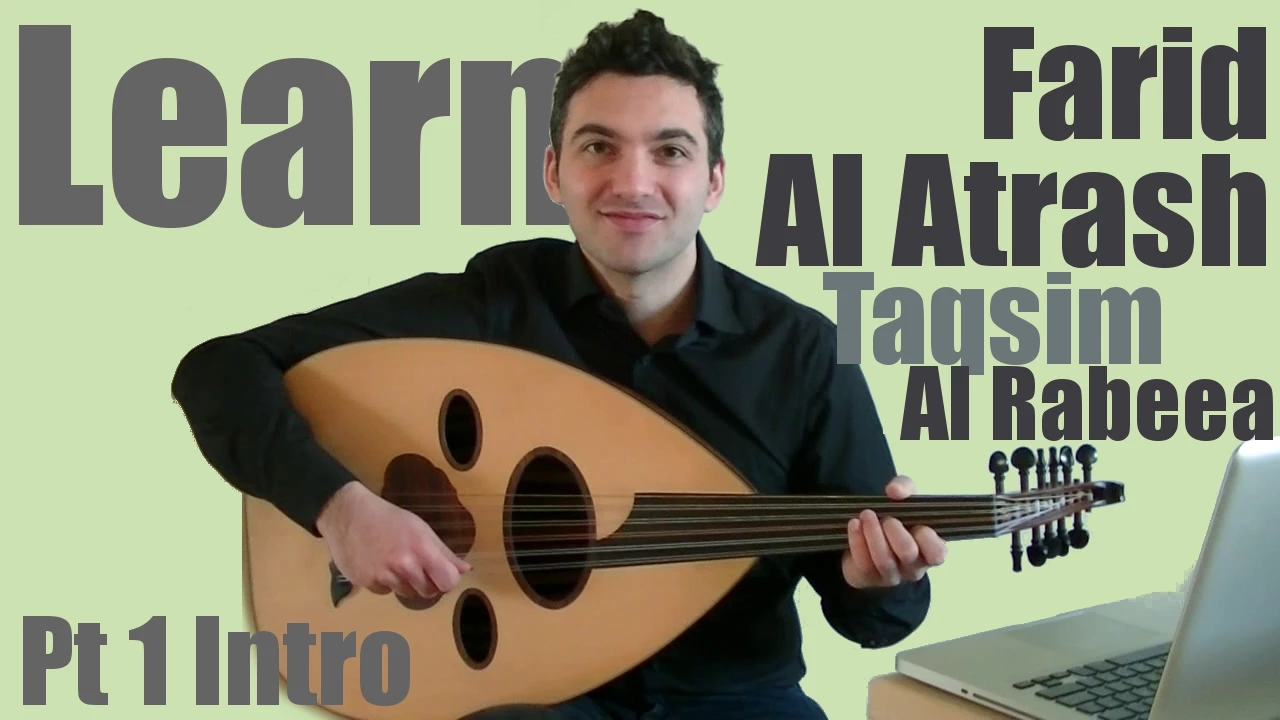
[Music] hey this is neid from UD for guitar today you're going to learn the difference between Persian Arabic and Turkish quarter tones now I didn't start listening to Arabic and Turkish music until about eight or nine years ago up until that point I was always listening to Persian traditional music but when I did start listening I noticed that the quarter tones between Arabic and Turkish and Persian music were a little bit different now I've got a simple rule for you to follow so that you can help differentiate and remember the difference between Persian Arabic and Turkish quter tones Persian cordones tend to be flatter than both Arabic and Turkish cordones Turkish cordones tend to be sharper than both Arabic and Persian catones and Arabic tonality is somewhere in between this is not a perfect rule but I think it's generally true let me give you a little demonstration it's going to be really hard to tell the difference but bear it with me here in Persian music we have a scale called abata it's equivalent in Arabic and Turkish music is makay and mamak the scale goes d e quarter flat F G A B flat c d the quone is the second note in the scale e qu flat this is what it sounds like in Persian music this is what it would sound like in Arabic this is what it sound like in Turkish each one is a little bit sharper now depending on who plays this it will sound different in varying degrees but a general rule is that the Persian quarter tones are a little bit flatter than Arabic and Turkish and Turkish ones tend to be the sharpest now let's listen to the scale here's abuat [Music] MTI Turkish makam bti [Music] mamak [Music] Aba [Music] makay Turkish MTI with [Music] shock [Music] the difference is really subtle but it is there and this is really important for UD players because we have all the flexibility in the world to play our quarter tones flatter or sharper and depending on the genre of music you're playing this would be important to remember I want you to listen to two different songs one is played by an Arabic Ensemble and one is played by a Turkish Armenian Ensemble it's B both the same song they're playing but with slightly different quarter tones now just for fun here's my challenge to you in the comments below tell me which one is using flatter quter tones and which one is using sharper quter [Music] tones [Music] thanks for watching if you want to get the answer to this question just go to udri ar.com quartertones and while you're at uer guitars.com don't forget to check out our other premium Ood Learning Materials like the Foundation program and the mom master program thanks and see you next [Music] time
Up Next
13:49
12-Tone Equal Temperament and Global Tuning Systems
@DBruce
109K views•2019-02-01

10:20
Mozart's Musical Dice Game Explained: History, Rules, & Fun
@webpianoacademy
5K views•2023-03-13

73:20
7 Levels of Learning Maqam: Oud Masterclass
@OudforGuitarists
8.7K views•2021-02-15
10:49
Understanding John Coltrane's Giant Steps: A Music Theory Analysis
@Vox
10.4M views•2018-11-12
Related Study Plans & Knowledge Roadmaps
Structured learning paths in Music Theory
music-theory
Composing Galant Music: Partimento & Schemata
01Foundations of Figured Bass and Keyboard Harmony
02The Rule of the Octave (Regola dell'Ottava)
03Galant Schemata: The Building Blocks of Form
+ 2 more learning modules
30h5 modules
Explore Roadmap
music-theory
Decoding Overtone Series: Tuning & Drone Music
01Acoustic Foundations: The Physics of the Overtone Series
02Tuning Systems: Equal Temperament vs. Just Intonation
03Microtonality and Spectralism: Beyond Standard Pitches
+ 2 more learning modules
24h5 modules
Explore Roadmap
music-theory
Impressionist Harmony: Scales, Planing & RPGs
01Foundational Music Theory: Keys, Intervals, and Seventh Chords
02Impressionist Color: Chord Planing and Parallel Harmony
03Whimsical Textures: Pentatonic Cascades and Whole-Tone Scales
+ 1 more learning modules
14h4 modules
Explore Roadmap
music-theory
Negative Harmony: Axis Reflection in Indie Pop
01Music Theory Foundations: Scales, Intervals, and Triads
02Functional Harmony and the Circle of Fifths
03Demystifying the Negative Harmony Axis Reflection
+ 2 more learning modules
16h5 modules
Explore Roadmap