




![The Simple Theory Of JAPANESE Music Scales [Pentatonics, Guitar]](https://i.ytimg.com/vi/7o8zKMrj9P0/sddefault.jpg)












![Sami Yusuf - En al-Ándalus [جادك الغيث] #classicalcrossover #worldmusictraditions](https://i.ytimg.com/vi/HZ_j9qlmdSI/maxresdefault.jpg)


Learning a maqam (musical mode) requires progressing through seven levels: (1) memorizing the notes used in the mode, (2) understanding the jins (tetrachords) that create specific qualities, (3) identifying the most important notes like the tonic and tetrachord endpoints, (4) learning typical melodic development patterns (sayer), (5) understanding common modulations between modes, (6) learning repertoire pieces in that mode, and (7) being able to sing the mode from memory. This systematic approach moves from superficial note knowledge to deep musical understanding.
7 Levels of Learning Maqam: Oud Masterclass
Added:Basic Oud playing mechanics, including standard tuning, fretless fingerboard navigation, and proper risha (plectrum) technique.
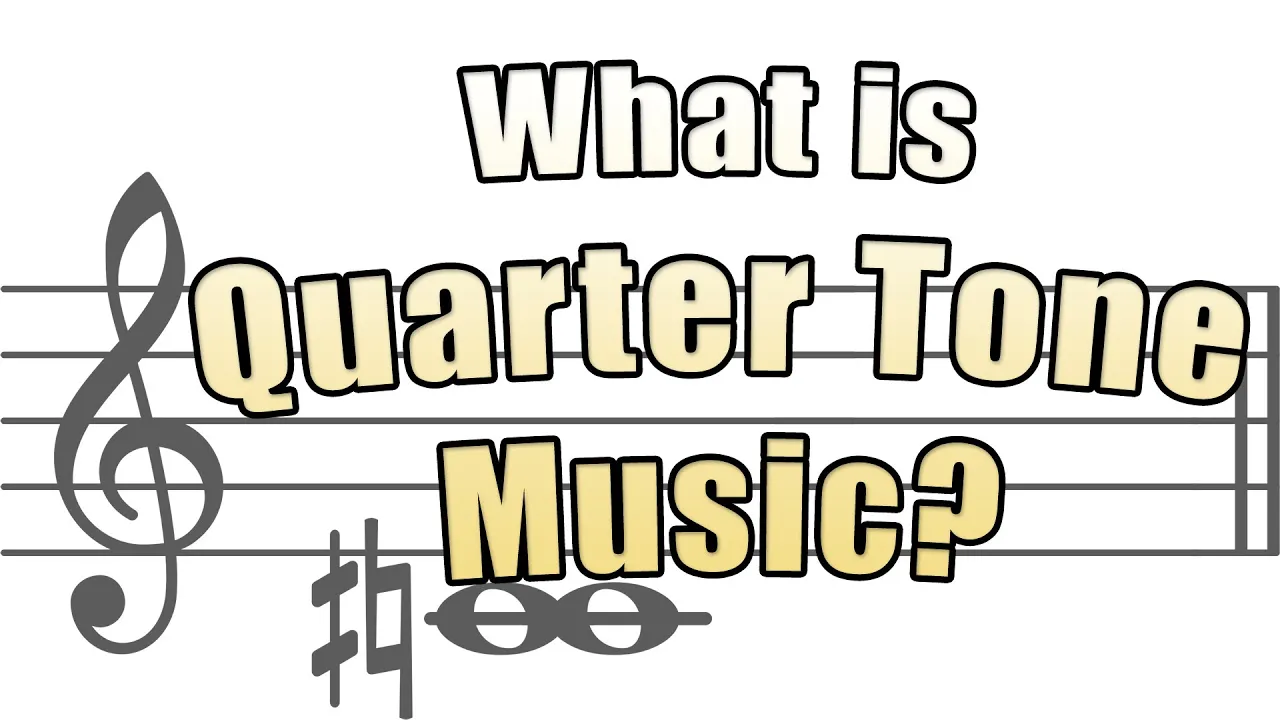
An understanding of microtonality, specifically quarter-tones (half-flats and half-sharps) used in Middle Eastern music.
Fundamental Western or Eastern music theory concepts, particularly intervals, scales, and the structure of tetrachords and pentachords.
Aural familiarity with the core sound and aesthetic of Middle Eastern musical traditions.
Mastering the art of Taqasim (systematic, semi-improvised instrumental solos) using the rules of melodic development (sayr).
Advanced modulation techniques to transition smoothly between distant and complex maqam families during performance.
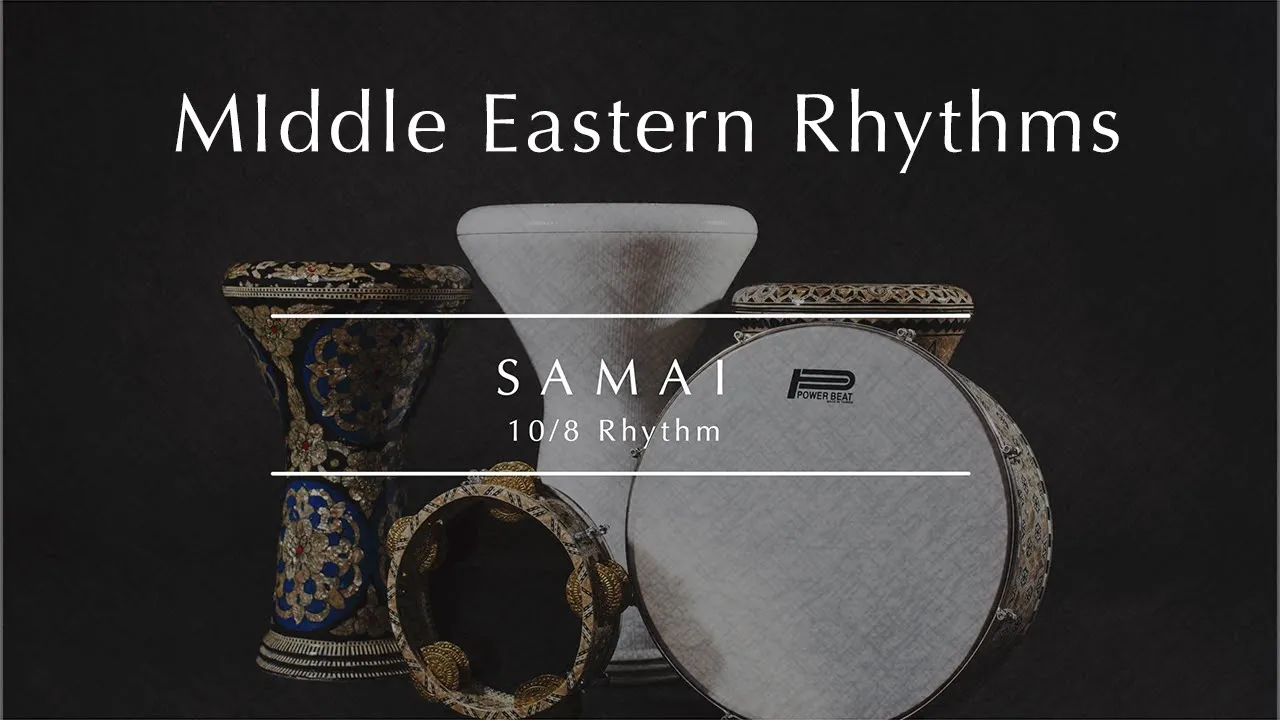
Study and performance of classical Middle Eastern instrumental and vocal compositions, such as Samai, Longa, and Muwashah.
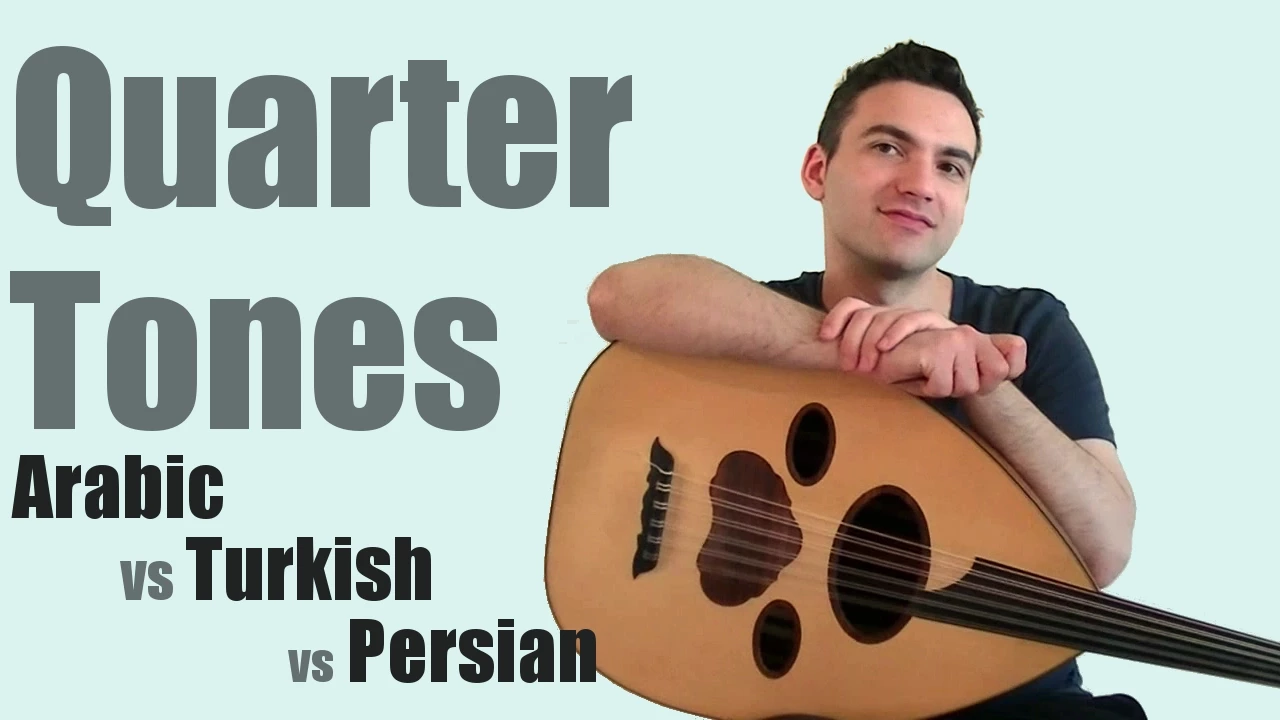
Comparative analysis of regional maqam traditions, exploring the differences between Arabic, Turkish, and Persian microtonal tuning and nomenclature.
8.7K views305likes1:13:20Original Release: 2021-02-15
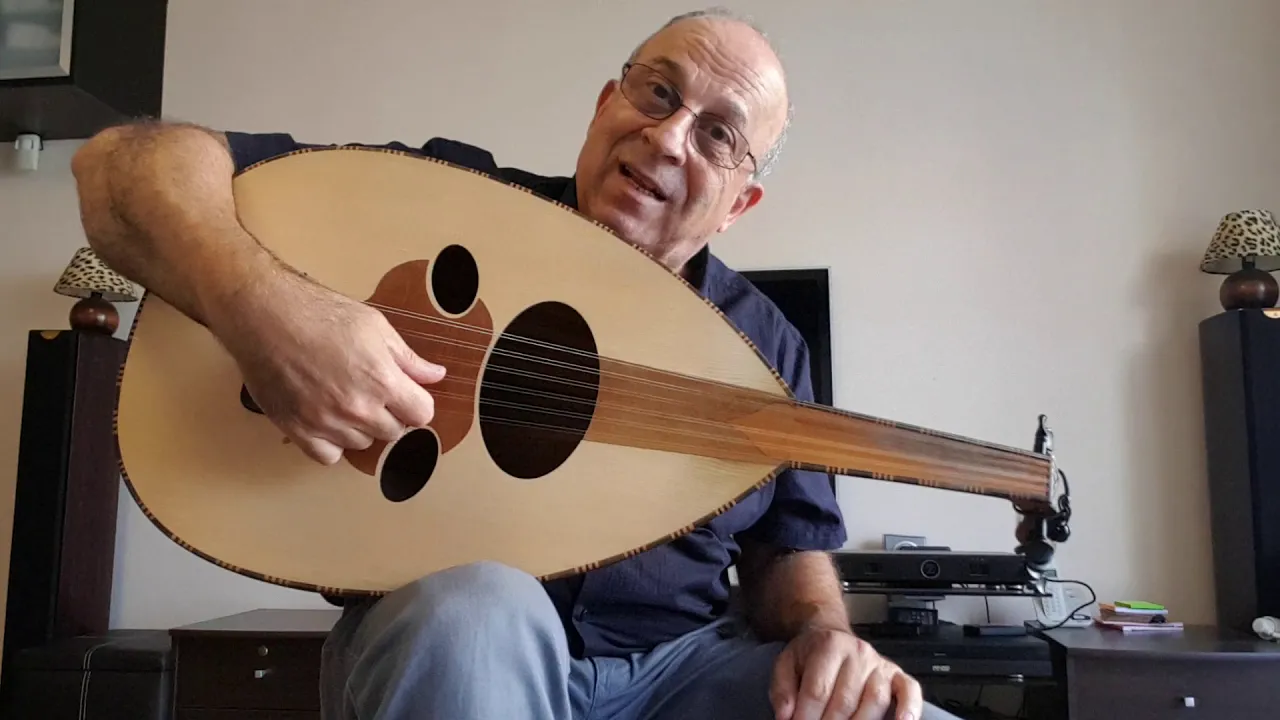
[Music] hey guys uh let me know where you're all from how long you've been playing the ud in the chat let me know and uh just enjoy the music [Music] [Music] [Laughter] [Music] [Music] all right uh let me know where you're from how long you've been playing the ud today we're going to talk about takasim and makams makamat i'm going to take off my effect here i've got an effect on for the ood music all right take that off so that doesn't bug you while i'm talking all right we're all set here that was a little uh improvisation in uh and we're going to talk about seven levels of learning in makon today and i'm going to show you some examples uh from all these different levels that we can look at together kind of explore let me know if you have any questions i'm really excited about um this uh this little webinar because um i get to talk about things that i really enjoy and i hope you guys will learn a lot and uh yeah so seven levels of learning uh on makam and i want to tell you a little background background about me i'm my first music that i learned was iranian music persian traditional music and so my background my lens that i look through everything whether i'm playing or looking at turkish music arabic music i look at it through the lens of persian music because that's what i'm most familiar with so a lot of my influences my foundation is in persian music and so a lot of my uh improvising that i do is highly influenced by my background and that's going to be the same for you whether you're a blues guitar player and you're learning the ud or a jazz trumpet uh player uh that's that your background is going to influence you so um keep these things in mind um when you you know hear my takaseem if you hear something that's unfamiliar it may be because um that's coming from my influences and so i'm over the years i've tried to absorb some of the nuances of arabic takaseem turkish toxin and so my my influences are a little bit of a mix and that is you know one of the things that every musician is going to have to um deal with and you know learn and learn to adapt with when as they're developing as a musician uh yes so hello everyone thanks for joining me from the united states pennsylvania australia new hampshire that's great let me know how long you've been playing the oot for um it helps to know uh how long you guys have been playing for so that you know i don't uh if i can provide you with enough background um yeah so please let me know how long you've been playing the loot for okay let's get started first i want to go over these seven levels seven levels of learning and become and we'll we'll try to go through this very systematically so the very first level the very first level is learning the notes that you use the set of values that you use in a macam so for example in we have a certain set of notes that we use in the macon usually it's seven or eight notes [Music] c or do re e flat [Music] and then on the way up usually we use b natural or c bakar and then do on the way down we usually use b-flat [Music] so learning the notes is the first level now this is very superficial so for example you can get a theory book and it can tell you what the macomb is okay it's these notes but you may not know what to do with those notes so it doesn't give you the complete picture it also doesn't tell you the relationship between the notes because the second level of learning amakam is going to be learning the jins or the tetrachords in farsi it's called dong and this is a small set of notes usually three notes four notes or five notes that has a certain quality a feeling a mood so the setup the set of notes that you use in a macam you will they'll be you can break them apart and you can break these apart and identify certain notes either three or four notes that create this quality so for example in makam nagawan we have jins or tetrachord nahawanda and these four notes characterize have a character [Music] then above that we have g and we have a hijaz tetrachord or jins a flat b natural c and sometimes it turns into uh accord gins on the way down when we use b flat so learning these will help you identify the qualities that are there then that brings us to the third level the third level is learning what notes are the most important in the makon like the tonic or in arabic it's called in farsi you'd know it as shahed and usually the other notes that are important are going to be the endnotes in a jins so for example so this is the first note the tonic of nahuwan [Music] so this is kind of like the note that is always in the background it's like a drone if you type if you if you put a drone on this note do or c then what you have you can create an improvisation over this drone and will sound very consonant very harmonious then you have other notes in omakom that are important the fourth note is sometimes important [Music] and the reason why the fourth note is important is because it is at the end of the jins the end of the the small tetrachord that you have now sometimes the fifth note is the end of the jins if you have a five note tetrachord this is sometimes called the dominant in western music and there's different terms for it every culture kind of has its own terms for these for these things so these notes the fourth and the fifth are usually where another tetrachord or another jinse are going to occur so for example so we have this tetrachord [Music] then the next tetrachord starts on g so we have we can divide up the eighth notes of the mccomb into these smaller sets these building blocks we like to call them and when you put them together you create a different color so for example let's go to something easy like like uh aja on ando on c so for this what you can do is if you start let's say on the high octave you start a different note instead of playing e natural let's say you played e flat [Music] then you've changed the gins that starts on the tonic so we have do [Music] c major and the main genes and jinx ajam which we have in c major [Music] are these four notes that's the quality of these notes if you change one of the notes from let's say e natural to e flat then you have a completely different quality so the mood changes the feeling changes and this is very important to to learn in that's the third level these first three levels you can learn quite a lot about a macam in these three levels so that kind of covers the important notes in each macam different notes have different importance and it gets it can get very detailed and very complicated so let me just answer a question before i continue is there equivalent for macomb nahawand in persian music the closest thing we have in in persian music is alvarez behaves in a similar way to makam nahaland so you have this this character here this e flat they differ a little bit in the way that they develop the melody of course and uh some of the like nahand is is quite flexible with the amount of chromatic modulations you can create and uh but asvan is not so flexible like that you know um the the tetrachord the focus is on on the dough that's the shot head and then as you go below the shot head you have to have a a quarter flat there la quran we call it and it goes down to soul but it always comes back up this way now in the hawaiian the difference is that you can descend that way with the b flat and do this jin's court we call this so we have half step from seoul to lob the mall it's a half step then we have a whole step from la [Music] and then we have a whole step from b flat this is jin's chord so uh you have different things there but the the feeling of mahmud and the feeling of of oz are very similar so that's i would say that would be the most equivalent is the timing and the sustain important to the macomb i'm not sure what you mean about timing in the sustain so if you could elaborate on that i'd love to answer so in the meantime as you get your questions down let's talk about um the level four the next level of learning will come is learning the typical melodic development that a macomb has so this might deter this might determine different flows and how the scale progresses how the melodies are developed this is also called in arabic and turkish seer and say is very broadly defined as melodic development but it is it is very it is very deep and complex and there's many levels to say here and melodic development so it's something but now i want to give a few examples of this so i'm going to play for you some tunes some pieces that are very well known in the arabic tradition as well as the turkish tradition these tunes are samai instrumental pieces that most proficient arabic musicians know these they know these they're part of the repertoire and i'm going to show the notation we're going to talk about this is where seiyer comes into importance so we're going to talk about why seir is important and what some of the differences is so you may be familiar with the makam called makombayati it starts on d [Music] this is a little taste of makambayati and uh this is a lot of music is composed on this makon so we're going to look at some other macaums which share the same notes most of the same notes as makambayati but they're actually given different names and this is going to tie into how melodic development is very important when differentiating macombs all right so let's look at these i'm going to show you these on the screen okay okay so we have some macams that and pieces that are very well known in the arabic tradition the first one which we know this is an egyptian piece is samaya bayati by ibrahim al-aryan okay i'll play this one for you and you can see it here just make sure my screen is good you guys can see everything and i'm going to talk about the the melod the melody and the development so [Music] listen [Music] okay so that's um the samai bayati al-ariyan very typical arabic piece instrumental samay that everybody knows and i want to point out to you that the melodies they start around g you can see it here and this is very common when you hear farid al-atrash taksims you often hear this melody [Music] landing on that g this is very important in makambayati so this is in reference to this the melodic development where the melody starts and you can see if you if you it starts at g develops and develops and keeps going it uses some notes around la and c or a and b [Music] and then eventually goes to the teslin and the melody ends on the tonic the beginning of the makam which is d because whenever you you see makambayati written out on notation it's always written like this let me find it for you i have a cheat sheet here you often see it like this um starting on d e flat f g a b flat c and d okay so we always write it out that way why do we start on d because that is the like the the tonic the beginning of the of the of the scale the backbone home home base of it but the melodies tend to start around g and focus on g so that's important now listen to another makhan which shares the same notes let's go to makam hosseini hosseini is often played alongside makambayati in taksim sometimes you'll see takasim they'll call it taksim bayati hussaini or something like that now watch how the melody develops here [Music] so [Music] so now the difference between makambayati and mokham hussaini hangs out around a the fifth the fifth degree and often uses b quarter flat in the from in the higher tetrachord and then focuses on a so you'll have melodies focusing on this note eventually developing and developing and developing and then what happens it changes to b flat and comes down develops a little bit more develops and develops and develops and eventually resolves on d the base the base area so we have a different a different melody melodic pattern melodic development here focusing around the fifth note [Music] so you have melodies that kind of circle around there [Music] and eventually they resolve on the roots d so these are known as this is known as a descending and ascending macomb and this is very important in turkish music these kind of things so let's look at another one this is another really well known samaya instrumental that's known in by many arabic musicians and let's look at the melody here now again very similar to both bayati and hussaini [Music] so [Music] so very interesting development here now the reason why it's called is because in old times this note the d that we have up here in the higher octave that was the name of the note so it starts there the melodic development begins in the high octave and eventually comes down and resolves on d here the low octave so that's why they called it makamahire it's got a different it got a different melodic development so that's what differentiates these and let's go back to hosseini the note law that we have on the ud here this would have been known as the note the note name would have been hussaini and that's why this is called hosseini because the melodic development starts here this is very important for the maquam so these things are very important in turkish makhan but in arabic music these things are kind of a bit more liberal liberal and so there's a bit more freedom involved with uh melodic development and say so you see different things in in arabic music as opposed to turkish music arabic music is a bit more free in the development and changes over time but in turkish music the development seems to be very standard and so there might be different modulations you'd hear in different macaums like for example now i want to show you finally oshaq is another term another macam that we have in turkish music but this is sometimes lumped in with bayati and because it's very difficult these kind of things have been blurred over time and as they came into the arabic tradition i think you know some of the details and the way that they were performed in turkish tradition kind of got lost or changed or and so this is sometimes oshak is sometimes lumped in with makambayati but i want to point out what's different about mokombayati and oshak let's look at this melody now [Music] so [Music] made a mistake there in the last end of the tussling um so this one makon ushak hangs out in the base area you can see how the melody develops here and it doesn't develop the higher tetrachord until later in the tuslin and it then resolves around here so it starts out here [Music] and it'll eventually go up and it'll resolve there it doesn't start out middle of the middle of the scale you know it starts out in the home base area around here so these these mccombs all four of them are based on d traditionally and because of our instrument they're they're based on d but they have different starting points and all have the same endpoints but that's part of the thing uh part of the factor of saiyr is the starting point and how the melody develops another aspect of the saiyar is the um is the type of typical modulations that you're going to encounter in these different makomat so that is level four of learning amicom so another thing is learning what notes are important we had in level three so you gotta ask yourself your these questions like what notes are paused on um for example uh like let's see in makambayati often flat is paused on we hear that all the time especially in arabic tunes like nas also other tunes this b-flat you also hear it in in [Music] he'll play like this kind of thing and then he'll pause on a before coming back to g you'll come do this kind of thing so these different notes that are paused on more than others can have some effect on the say here the melodic development so you have to kind of ask yourself these questions when you're listening to a tuxeme what note is this guy hammering on the most you know you'll hear you got to watch for those kind of things because it gives you clues to how to develop your own taksim and then what creates the character of this tuxen of omakan okay so now i want to go to level five level five after you've learned these four levels level five is learning the common modulations that you hear from time to time in different macomb so in arabic practice for example in makambayati we have a few really easy modulations that are you often hear so for example [Music] this is just the scale and you can easily modulate to make sabbah [Music] and the reason for this is that you have so many notes in common with mohamed sabha and makambayati we've the only note that changes is the the the g the soul we no longer play soul on the open string we play it g flat or you can call it f sharp whatever you want to call it but that's the note that's important that that becomes changed and so this is a very easy modulation another easy modulation you hear in makambayati is when we change the tetrachord on soul on g and we go add a hijaz tetrachord [Music] this is also known as makambayati shuri this is like a modulation to me the way i look at it is that this is a modulation we start out somewhere and when we change it's a modulation so that's how i kind of reason rational rationalize it is that it's a modulation i'll show that to you again [Music] then on g now instead of playing a natural b flat c d we play a flat and b natural so for example in a toxin you may hear something like this [Music] so you may hear that change sometimes we'll pause on the f and then we'll go [Music] and we can change at that point we change around the g that's like our our pivot uh point it's like a junction in the highway that you can turn off you always turn around on the g note but you can use f as a helper because it changes the quality and kind of helps the ear the listener kind of anticipate or expect that it changes happenings that's what pausing on notes is important for it helps the expectation change [Music] so those are some examples of um typical you have to learn the typical modulations that occur and the sixth level of learning a mocom well would be to learn some of the common repertoire for example in makambayati learn the famous songs that are that are played in makambayati like nura yanura fairytale trashes salunia these kind of pieces help you create for yourself melodic develop melodic vocabulary that you can use in your in your toxin and in your improvisations uh one tip that uh that i have for people is to take a melody you know from a piece and use that as a framework for your improvisation so for example uh let's see here uh go to samai bayati just bring it down here so we have this melody i'll bring it up on screen okay so we have here so take that melody and now take it apart how is it developing ask yourself what's going on there's a longer pause on g and then it goes down to d and goes back up to g and then goes down to d [Music] there's a little pause on e [Music] and then you can end up on d [Music] you can elaborate it and create and change it however you want but you can use that melody that you learned in this piece to help you develop something create something so that's a tip that i that i want you to give a try like take a piece that you know really well in a macabre and then try to take apart the melody yourself play it a different way experiment have fun with it and see what kind of things you can create so now i want to get to the seventh level of um learning in makon so the seventh level of learning in macomb is to be able to sing a song a sing the makon so this what this does is if you're at this level where you can just you know okay sing uh this makam for me sing makam nahawan then you can do it then you've learned the mukham really well um i can try to do that for you right now but you have to like get into the mode of of nahon i gotta choose a note to start on let's see [Music] foreign so like if i can think of it and get the image of the melody in my head then and i can sing it then you've pretty much mastered a mocom or you know it really well at least i think i started on d because i was playing in d so i had that d note in my head [Music] so i i was actually playing or singing the hawaiian starting on the d note so i transposed it in the way that i sang it that's another location where you could play makam nahuwan the thing that makes as opposed to another macam is the melodic development so these kind of things are transposable they can start on different notes but it's how they develop and where they start where they end that's what makes difference with macomb sometimes especially in the turkish tradition but i don't know how you know strongly these things are adhered to in arabic traditional music um it's different from in different regions all right so that's a little example of seven levels of learning of macomb so i want to answer any questions that are coming up i also want to give you a heads up that the next question is like how do you go from level one to level seven and that's an important question there's many ways to go about it like for one you could go online and memorize all the you know notes in the comm but unfortunately that's only level one that's only the superficial you know the aspect of learning of a com are the notes what notes are they and where do you play it on the hoot you lose the melodic development aspect of it then from there you have to learn the jins and how the jins relate and how that works is somebody needs to really explain it to you and and kind of show you where they they go together you have to look at it you have to see okay here's jin snhwand here's jin chord they go together where do they go together what note do they start on and so forth let me give you an example of this now so for example here come rust [Music] let's see here what we got okay so for example here this is a good example starting out maca in a let's say you want to do a modulation from ajam on c and you wanna then um you want to ah there's a mistake here i see uh you want to go to bayati on g there's a little mistake here i gotta correct um this would be g and then you'd have a half flat or b flat and then you'd have c so let's say you're doing that i got to bring this up on the screen okay here we go so let's pretend this is g for uh learning purposes this is a this is a mistake it should be a g here so ajam on c this is one tetrachord one jins and then if you add the ati on g on g here you can do a modulation [Music] but you have to do it in such a way that's convincing and sounds good you have to do it right i didn't do a very good job there this is kind of like a theoretical kind of modulation that you can do [Music] so this is a this is an example of what kind of traps you can fall into what i did here was instead of going from uh hong kong it was easier for me to go into ajam on on f because what i did from the uh from g i changed the note to a natural and then it started to sound like on f [Music] so these are the kind of things you have to struggle with and figure out as you're learning how to tuck steam how to do modulation and stuff like that so it's really hard to get to know these kind of things and to get exposed to all these different levels but one thing that you can do is you know take lessons and learn the repertoire and then have a teacher help you learn the mccombs together and this process of doing call and answer between your teacher you can learn all the makamat this way as well this is how i learned persian music so with my teacher took private lessons and learned got myself up to where the level where i was playing some songs in the in the different uh then description to learn improvisation do call and answer with your teacher he starts a melody you try to copy it this is kind of like ear training so that's one thing you can do and that's one thing that i do with my students my private lesson students and another option that you have is to learn it systematically with like a an actual learning program i this month i'm doing a promotion on the macomb mastery program one of my pro programs which go through um all the mccombs well not all the macombs of course but all the basic macombs um and i want to share with you a little bit about that how it works um how it goes through it systematically it may not be for you um if you know most of you are beginners are only learning the wood for a little while it might not be right the right time for you to learn this but if you've been learning the ood for like six months to a year this might be something that you'd be interested in so i want to show you how it kind of works and i'm adding in some free limited time free other extra resources some bonuses this month that will help you learn some other mccombs deeper and and get you exposed to some of the things that you can do on the um so if you want to hear about it i have something another cool video for you that i that you can get sent to your email it's a private video so it's only for you who sign up for the newsletter most of you are probably already on the newsletter but i want to show you uh where it is and how to get on the newsletter right away so that you can so that you can learn about the promo and also get a free video where i show you some cool modulations in makam nahal okay so i'm going to put this in the chat here here we go so sign up if you already haven't if you haven't already signed up for the newsletter that's where you can sign up for it and you'll get a link to a video of a private video this is a video that i made for uh one of my taksim students in the step-by-step tuxedo program i thought this video i could reuse it and send it to you guys if you're interested in seeing some of the chromatic modulations that are typically played in macomb so this is like a completely private video so sign up for it if you want to check it out and you'll also get on the newsletter list and you'll hear about the promo that i'm doing this month on the macomb mastery program so i want to go through show you a little bit about what's in the macomb mastery program how it works and all that kind of thing so i'm going to share the screen right now with you let's see here okay for some reason it's not working all right one second okay here we go maybe this will work okay so this is what the macomb mastery program looks like on the inside we have module 1 2 3 4 5 6 7 8 9 10 11 12 13 14 15 16 17 18 and uh so this is all the mccombs that we go through we look we focus on the jins we learn the jins in each maca in each macam how they work together and i show you common modulations that you can learn in these so you can see this this video here is just an introductory video but if you go to makamahijam one you can see it here this is what the video looks like this video is eight minutes long and we've got ear training also in included in the macomb mastery program the ear training is included in the highest tier package and that this is how you can learn how to sing the macombs so that you get them ingrained in your brain so this is an important uh factor that's going to take you to level seven of learning uh a macam so you can see you have the downloads here how to use the ear training audio tracks these kind of things and so you can see this video here let's go to makam na hawan so these introduce to you them comes in a straightforward and systematic way and how to play them on the hood now this moon video is 10 minutes long and uh it also shows you systematically this is one of the easiest macons for western people because it's like c major and then nahuan then it gets more difficult and we add the quarter tones as we go so you can see here on the side we go through the becomes from an easy difficulty to a more complicated difficulty and then we get into some of the mccombs that are um a little bit more challenging that that where the gin the jins changes in one uh in one area of the macan and so we can see some of the common modulations more in detail when you go to for example module 10.
and so these are some of the things you can learn in the macomb mastery program so this uh you can see this video is a very long one 28 minutes long because there's a lot of content there that you can that you can work through and get the idea for now this month i i want to add in some bonuses so if you sign up for the newsletter next weekend uh from uh from the 26th i'm sorry the 19th 19th of february till the 21st i'm gonna be adding some free bonuses into the um into the macomb mastery program if you enroll in it and one of them is the sayer for taksim rast well these are three taksim that simone shaheen has played and they're published on youtube and simon shaheen i think is a great example of of a performer so i use his tuxemes as a taxing for study to study his melodic development at that point in time you know these things go and come in and out of fashion so these things can change over time and they can change from region to region and from person to person from player to player so i have these three bonus things that are going to be included in the macomb mastery program uh one of his ras taksim and his uh takasim nahuwand and his takasim hijazkar court so you can learn these his sayer for these and some of the examples and another cool thing that's included in this is a guide so a guide to that very um to that very uh sayer and that tuxedo that he plays so i'll show you what this looks like and get a hint of what it looks like and so it runs you through how it works and the notes and how they are shows you what notes he pauses on and why and what happens after so this is sayer for makam nahawanda's demonstrated by simone shaheen you can get some of the idea here and you can follow the tutorial this is a 20 minute 20 minute long video of where i guide you through the the taksim and the the sayer guide so this is one of the bonuses and then another bonus that i'm going to be adding is the modulation tool pack so this is going to have the modulation cheat sheet that i showed you where's that that show to you in a second here so we've got that here this is a modulation cheat sheet for makam ajam these are very common macaums that you have and it can show it'll show you the overlapping jin so this is something you can print out and you can you can use it um in your when you're you're thinking about doing a tux seam or you're practicing or you want to see something visual to help you okay where the notes and what notes am i doing how can i do this better or maybe you'll be listening to a tuxedo and you want to kind of see what's going on these are some guides that some cheat sheets that you can use to follow along and then i've got another video here which is the fl i call it the flat note u-turn modulation technique this is another 20-minute video showing you how you can you can modulate in a certain way by flattening a note on the hood so this is a good this is good content that i'm going to be adding for free only for a limited time um on the 19th to the 21st um when you purchase the macomb master package only that weekend only so if you want to hear about that and learn more about mccombs then you can sign up for the newsletter at the link there and i'm gonna answer any of your questions you have in the chat now so thanks for bearing along with me and listening along so really happy that you guys join me here today let's see if i can answer some of the questions you got going on here okay let's see so yeah your question uh timing and sustain important to the macomb i mean when you jump to the shot head do you wait um yeah so there are there are different notes that you pause on um and these are kind of learned through through hearing and repetition copying through your teacher or copying a tux tuxedem you can learn these kind of things also following the sayer guide that i have in in the bonus material can show you what notes are paused on and how they're paused on and what to do after so these kind of things are important and they're hard to you know describe they kind of they have to be done with the instrument in hand and you have to try it out you have to copy and you have to get that you have to start from a place of copying and then doing it yourself and elaborating on it being creative so yeah there it is important what notes you pause on and how you do it all right okay how can i train my pinky for quarter notes and trills uh that's a good question um let's see here so you really just have to start by identifying your fingers so for example one thing you can do is if you get in the first position where you have playing c c sharp with your first finger d e flat and then f uh e natural what you can do is isolate each finger play like this playing very slowly making sure that your fingers are staying on the string as you go up the notes and that your finger is practicing stretching then what you can do is you go forwards and backwards [Music] then what you can do is go like this do repetitions [Music] so you'll see how that will really work out your pinky fingers get faster do it faster and faster just keep practicing that but take breaks let your hand stretch you know and take a rest get back to it try it again you can do it on any note you know another good one is starting on a with your index finger b flat with second finger and then c c and b and the the fourth finger on c the closed c position and then uh the b flat with your first finger just do this do it slowly practice [Music] that's how you do it that's one way that you can exercise the pinky finger all right next question okay what persian songs do you know in makam bayati uh so in uh in persian music uh we'll have um makambayati is more like uh alvaza abuata um there's a lot of pieces in in in abuata and uh pieces off the top of my head i haven't practiced any in a long time but there's lots um what can i think of ah let's see gosh i can't think of any pieces off the top of my head that are in abu atta so sorry i'm blanking out um all right uh from the comments from you feel like their names and when i imagine i'm a coma imagine the sounds that comes with it and the fingerings before i start practicing yeah listening and playing that's great keep doing that so yeah when it comes to rhythm that's another topic completely they work there's so many rhythms and so you have to learn a rhythm one by one you have to learn a song in a particular rhythm and you have to learn how to count it properly and it's complicated there's there's so many rhythms but it takes time i would recommend learning focusing on one piece in a particular rhythm learning it really well and then then go to another song which is in the same rhythm learn that piece and then learn it really well and the rhythm will come to you more naturally when you hear that rhythm next you'll be able to groove along with it it's difficult it is very difficult you have to get exposed to a lot of repertoire i myself i don't i i'm not uh i don't know all the arabic rhythms um and my approach to rhythm is very different than arabic players because of my persian music background we look at everything mathematically with numbers and not so much uh you know we not so much with the names of the rhythm and and all this and and what emphasis the doom is and where the emphasis of the tech is we look at everything a bit more mathematically with the number how many beats are there in a in a cycle and so forth um so yeah i don't know myself all the rhythms so i'm still learning myself we are all still kind of learning another thing about takasim is that you know if you enroll in the macomb mastery program it's called the macomb mastery program but you're not going to master all the macaums by going through the material you're going to have the foundation that makes it possible to master these macaums and it takes time it takes a lot of time i myself i'm always learning i'm always learning new things i've got a lot of development that i need to do myself um so you know i'm in the same boat as you guys when it comes to these things but there are ways that you can take shortcuts and get ahead and so that's why you know i develop these programs because i think they're useful to making some breakthroughs let's see here as you place familiar pieces do you find yourself taking small rhythmic liberties with the phrasings yeah i always do that you probably heard that when i was playing the samayas so one of the beautiful features of middle eastern music is that you can play a piece depending on your mood you can flatten a note a little bit depending on your mood to some degree for example in makumbayati this b-flat this b-flat it's not the b flat you're going to find on a piano because it's a bit flatter [Music] you can even sometimes in a tuxedo you can be a little liberal with the pitch and you if you want you can flatten it a little bit and sometimes that can create different nuances so when it comes to melody you can do some of that to some degree within some boundaries there are some limitations how much you can do that and also with elaborating on the melody so with the rhythm changes that you were talking about so there's so many ways that you can play a melody for example this [Music] you can syncopate it it becomes something different you can elaborate and this is what we do when you get to an advanced level on in music and on the ood you can do these things and you can experiment with what works you can syncopate the rhythm and you can do all these kind of things that are not like the notes on the page now the notes on the page are in arabic music they're just a guide they only give you half of the story and that's how they should be used um i myself when i write music i try to write all the ornamentations in but it's not always possible um so yeah we do take our liberty with the phrasings um but you always gotta stick to the there's always a juicy essence of the melody you have to stick to the essence of the melody uh within that parameter all right can you play a piece called elahi and we have dash d i can play you dash d on uh on the persian version of dash d i don't really know the iraqi performance of of dashed how it's how it really works but i'll uh play for you a little bit of dash d it's very very close to makan husseini too because we stop on the fifth [Music] [Music] so [Music] so this is the persian style of playing all right if there's any more questions happy to answer can i make a request to play makam from dude before you leave this live session what do you mean um dude not really sure what you're referring to if you could elaborate um can quran recitations be a good source of learning mccombs sure why not okay i'll read that later let's see here okay all right if there's no more questions that's a time all the time that i have i hope you'll sign up for the newsletter uh so if you're not already on it and i hope that you like this video please like and subscribe as usual and i'm gonna put the link again for the for the newsletter here so you can get another free video here it is and i will also put it in the description oh yeah i also want to mention um uh if you are interested in taking good learning seriously um please check out my my wood lessons page um i'll show you what it's all about you can check out everything out there i'll show it to you one second where did it go here it is okay you can check out my food lessons here on this page [Music] right now i still have some some time slots left if you're serious about learning food and going deeper maybe you want to kind of brush up on your skills maybe learn some specific repertoire in specific mccombs or even if you just want to learn how to improvise and improvise in in style that you know that i can that i can teach um and develop melodies practice this we can do like call and answer kind of thing in our lessons and develop this practice of calling an answer this will train your ears to help you copy the melodies that i show you um there you know there's no limit to what melodies you can really create um and so you can learn a lot just by doing this call and answer thing this is kind of the old school this is kind of the old school method of learning and i do teach that with some of my students especially when they're at the level that they can kind of learn these things but you may not be there yet but if you're interested in taking a lesson here and there or doing something regular you have my lessons link so you can check that out uh jose i'm not so good not so quick at reading farsi unfortunately you know i grew up in i grew up in canada i've never set foot in iran unfortunately i learned all the music outside of iran and i grew up around iranian family iranian community in in canada so um you know i'm very close to iran but unfortunately i've never been there i've never been there yet um i didn't study go to school to learn farsi i learned it all myself um and so you know i'm a little slow but the no the thing i know the most about iran is the music i grew up listening to the music and and that's that's really my identity is really joined in with uh irani so you know i can't read your messages very quickly i'm like a third grader when it comes to reading farsi so bear with me so i don't uh so i play a piece from do the dude that's a one of my favorite cds i don't know i don't know um the you know all the music all the way through um but i really love the test nif now that uh album is all in um dasgon naval [Music] so naval is really interesting too because um it ends on the on the g the that's the the home base [Music] similar to makambayati sometimes but it's very different the way that we develop mental melody let me think if i can [Music] i can't remember the piece now but um yeah i really love that album it's one of my favorites but i've never really practiced seriously any of the songs on ud unfortunately so yeah anyway that's all the time for me i gotta go have lunch now thank you guys for joining me today um i hope you'll check out the free video that i have when you sign up for the newsletter uh do check it out and uh let me know if you have any questions anytime by email i'm always uh happy to answer any questions and uh have a good one all right see you guys bye you
Up Next
15:07
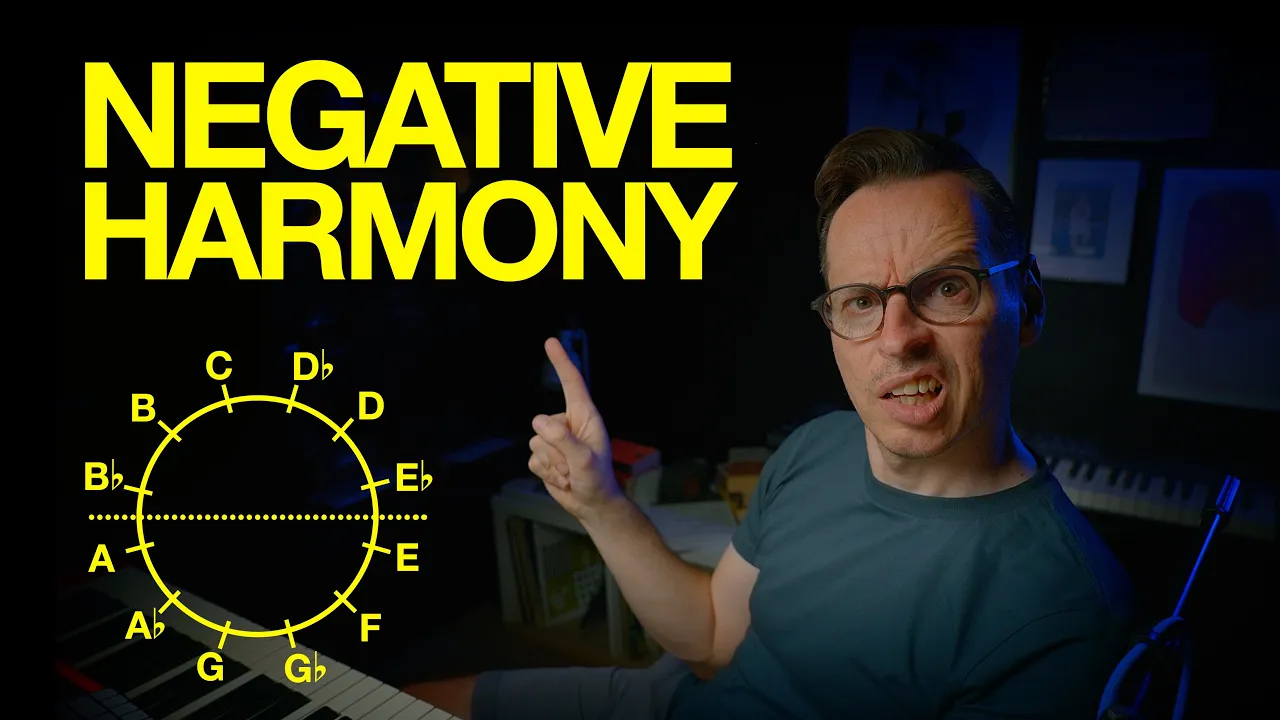
Negative Harmony Explained: A Simple Guide to Inversion Theory
@michaelkeithson
57.3K views•2024-08-18

10:20
Mozart's Musical Dice Game Explained: History, Rules, & Fun
@webpianoacademy
5K views•2023-03-13
3:08
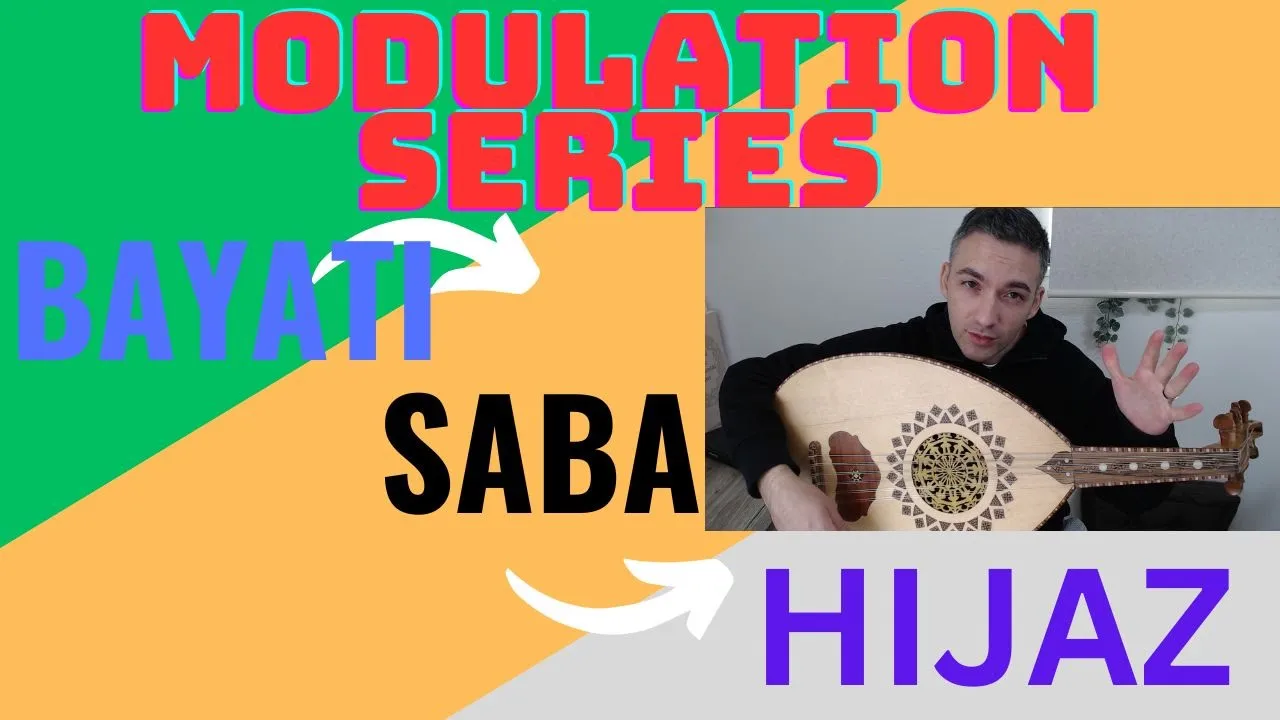
Modulation Techniques: Maqam Bayati to Saba to Hijaz
@OudforGuitarists
2.8K views•2024-03-18
10:49
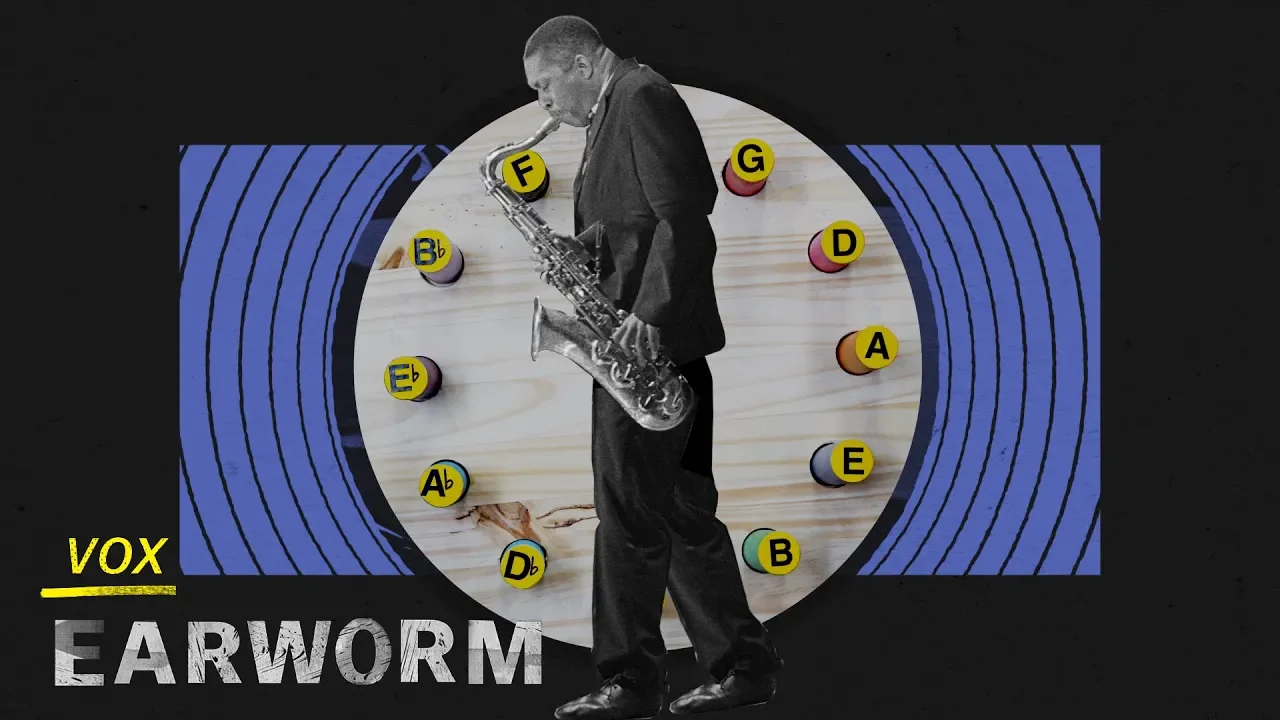
Understanding John Coltrane's Giant Steps: A Music Theory Analysis
@Vox
10.4M views•2018-11-12
Related Study Plans & Knowledge Roadmaps
Structured learning paths in Music Theory
music-theory
Composing Galant Music: Partimento & Schemata
01Foundations of Figured Bass and Keyboard Harmony
02The Rule of the Octave (Regola dell'Ottava)
03Galant Schemata: The Building Blocks of Form
+ 2 more learning modules
30h5 modules
Explore Roadmap
music-theory
Decoding Overtone Series: Tuning & Drone Music
01Acoustic Foundations: The Physics of the Overtone Series
02Tuning Systems: Equal Temperament vs. Just Intonation
03Microtonality and Spectralism: Beyond Standard Pitches
+ 2 more learning modules
24h5 modules
Explore Roadmap
music-theory
Impressionist Harmony: Scales, Planing & RPGs
01Foundational Music Theory: Keys, Intervals, and Seventh Chords
02Impressionist Color: Chord Planing and Parallel Harmony
03Whimsical Textures: Pentatonic Cascades and Whole-Tone Scales
+ 1 more learning modules
14h4 modules
Explore Roadmap
music-theory
Negative Harmony: Axis Reflection in Indie Pop
01Music Theory Foundations: Scales, Intervals, and Triads
02Functional Harmony and the Circle of Fifths
03Demystifying the Negative Harmony Axis Reflection
+ 2 more learning modules
16h5 modules
Explore Roadmap