Demystifying Negative Harmony: Utilizing Axis Reflection and Gravity-Inverted Chords to Create Unexpected Harmonic Shifts in Indie Pop Arrangements
Learning Goal: By the end of this curriculum, you will understand the theoretical foundations of Ernst Levy's negative harmony, perform axis reflection calculations across keys, convert standard diatonic progressions into their gravity-inverted counterparts, and execute smooth voice leading transitions to implement unexpected, moody harmonic shifts within modern indie pop arrangements.
Prerequisites
- None. This curriculum is designed to guide a student from absolute music theory fundamentals to advanced chromatic and symmetrical reharmonization techniques.
Estimated Total Study Time
- 16 Hours (incorporating video lectures, active keyboard practice, conversion drills, and digital audio workstation songwriting assignments).
Module 1: Music Theory Foundations: Scales, Intervals, and Triads
To invert harmonies across an axis, you must first master the constructive elements of music theory. This module establishes a core understanding of major and minor scales, intervals (the musical distances between notes), and triad constructions.
Why this video
This animated guide quickly and intuitively breaks down the foundational blocks of music: intervals, scales, and keys. It provides the visual scaffolding necessary for identifying scale degrees, which is a vital prerequisite before attempting symmetrical inversions.

Why this video
Intervals represent the exact distance between pitches. Because negative harmony relies on reflecting intervals in the opposite direction from an axis, having a rock-solid grasp of semitone distances (minor thirds, perfect fifths, major sevenths) is absolutely essential. This video clarifies these measurements thoroughly.

Why this video
Triads are formed by stacking specific intervals (major and minor thirds). This lesson focuses on the construction of major and minor chords on a keyboard, allowing you to visualize how chords are physical shapes that can be structurally inverted.
Knowledge Checkpoint
- Memorize the half-step formulas for constructing major scales (W-W-H-W-W-W-H) and natural minor scales.
- Identify any interval (e.g., minor 3rd, tritone, perfect 5th) by its semitone distance on a keyboard.
- Construct major, minor, and diminished triads starting from any root note.
Module 2: Functional Harmony and the Circle of Fifths
Before introducing negative harmony—which alters standard harmonic expectations—you must understand how traditional diatonic chords relate to one another in a key and how they are classified using functional Roman numeral analysis.
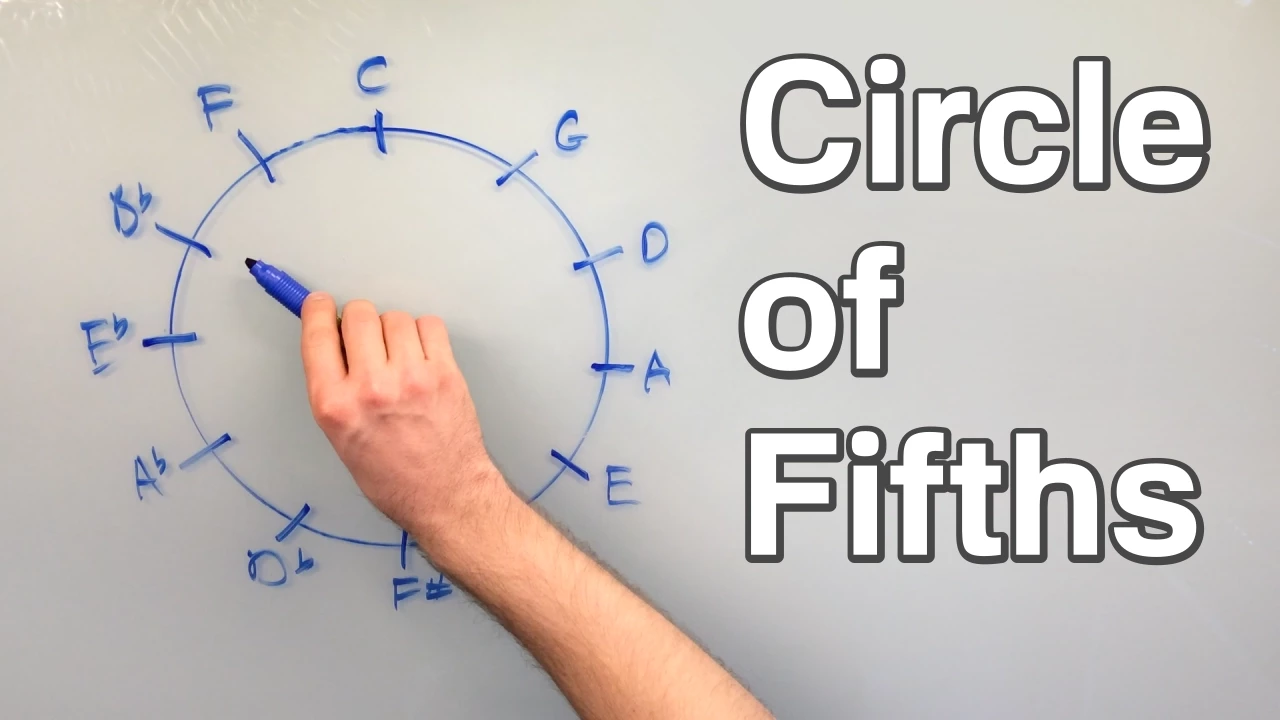
Why this video
The Circle of Fifths is a visual cheat sheet for understanding key signatures, sharps, flats, and relative minors. It also serves as the spatial diagram upon which the negative harmony axis is drawn. Michael New provides the clearest, most concise explanation of its structure.
Why this video
This video explains "functional harmony," classifying chords into Tonic (rest), Subdominant (departure), and Dominant (tension/resolution) functions. Understanding chord functions is critical because negative harmony preserves these emotional roles while transforming the chords themselves.

Why this video
This video moves beyond standard memorization to show you how to apply the Circle of Fifths practically in composition. It bridges raw music theory with real-world chord progressions, laying the groundwork for key exploration.
Knowledge Checkpoint
- Draw the Circle of Fifths from memory, including major keys on the outside and relative minors on the inside.
- Determine the Roman numeral functions (I, ii, iii, IV, V, vi, vii°) of chords in any major key.
- Explain why a V7 chord naturally resolves back to the I tonic chord using the concept of tension and release.
Module 3: Demystifying the Negative Harmony Axis Reflection
Negative harmony—conceptualized by theorist Ernst Levy and popularized by multi-instrumentalist Jacob Collier—is based on the idea of harmonic polarity. By drawing a mirror axis directly between the tonic and the dominant of a key, every pitch, scale, and chord can be reflected into a "darker," gravity-inverted equivalent that shares the same functional magnetic pull.
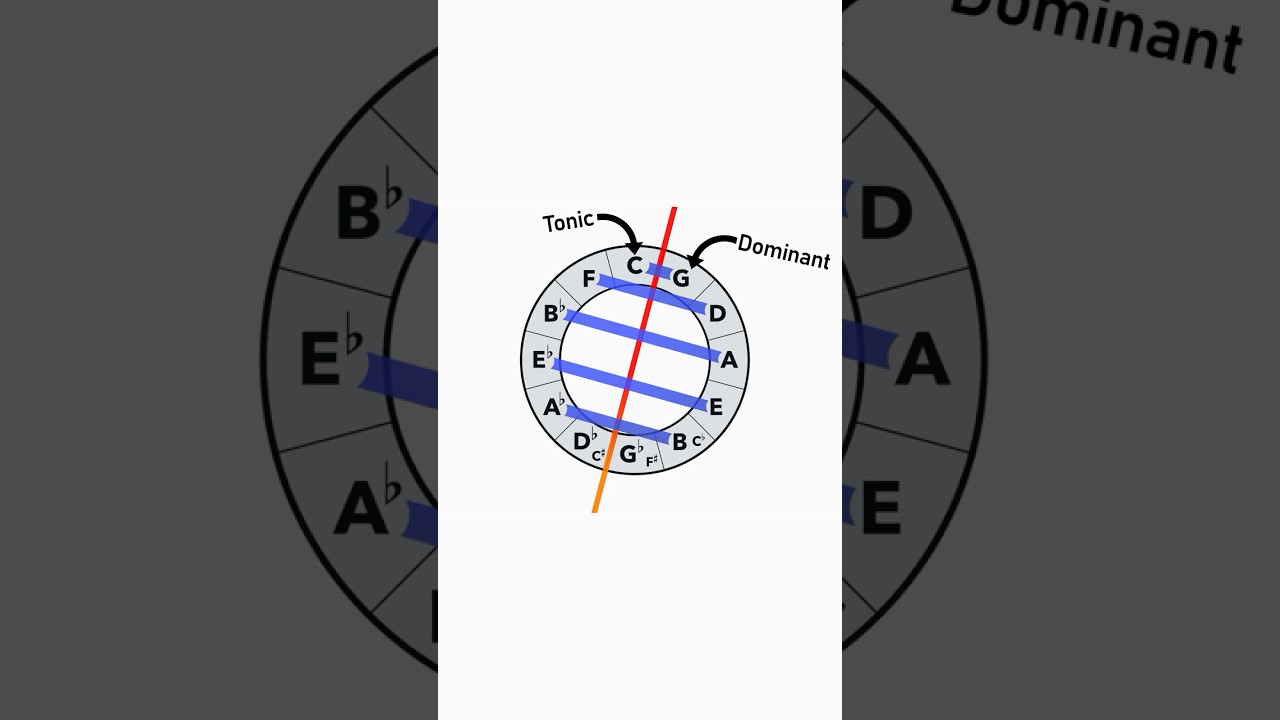
Why this video
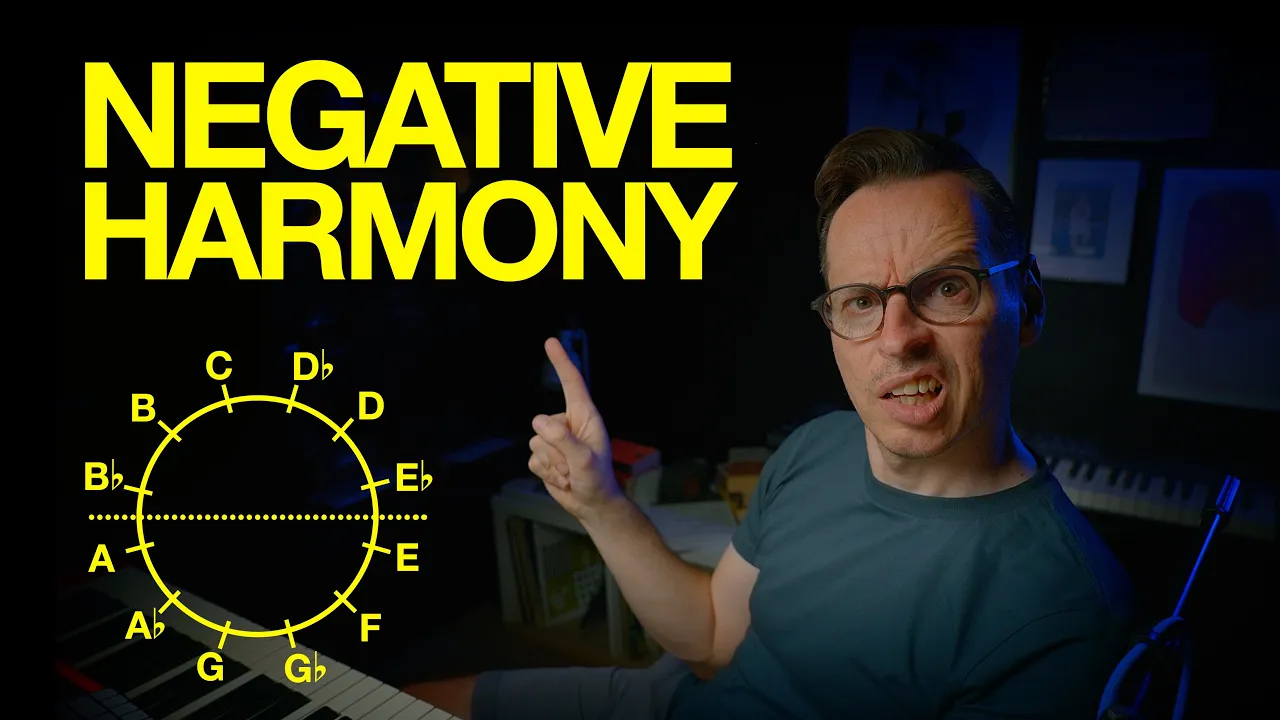
David Bennett provides a stellar, incredibly fast primer on the physical geometry of negative harmony. You will see how the axis of reflection is placed exactly halfway between the tonic (1st) and the dominant (5th) scale degrees, transforming major structures into minor-leaning mirror images.
Why this video
To truly understand the theory, you need to go deep. This comprehensive video explores Ernst Levy's concept of polarization, tracking how melodies and chord functions behave when reflected across the tonic/dominant axis.
Why this video
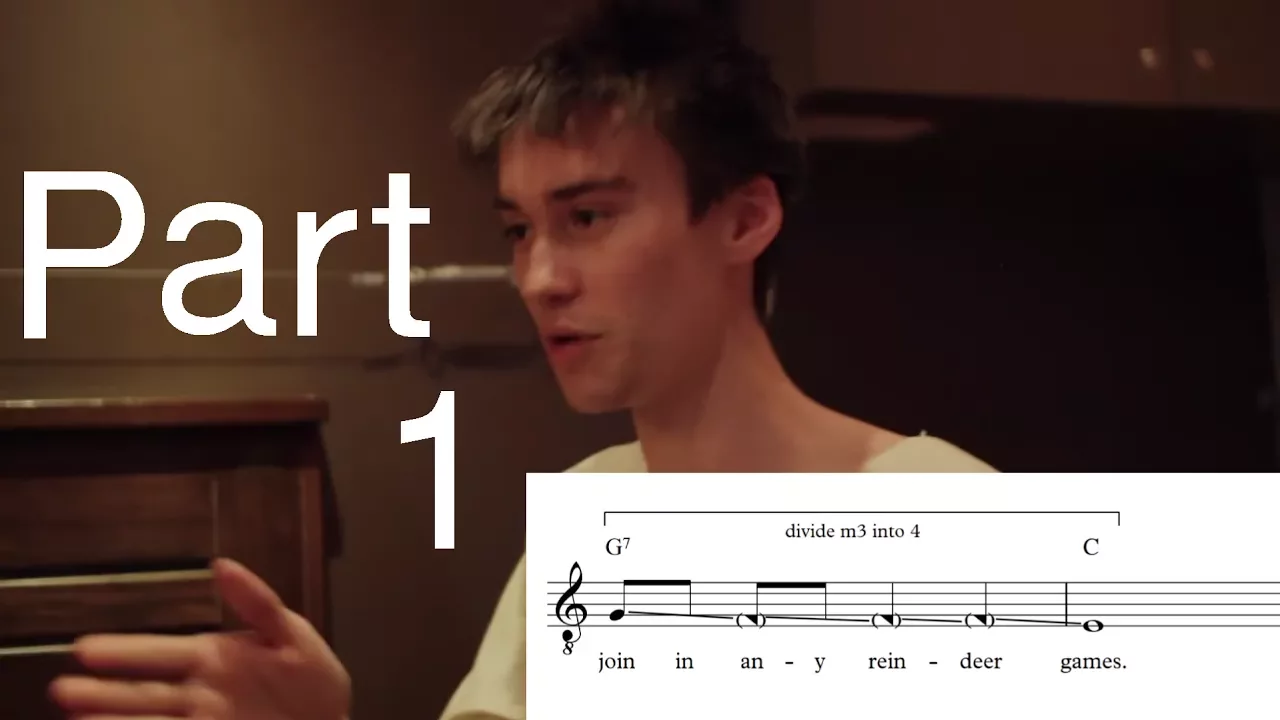
This interview clip features modern music virtuoso Jacob Collier explaining Ernst Levy's core thesis. It demonstrates how "positive" (overtone series) and "negative" (undertone series) forces balance each other, providing the psychological and creative mindset required for this technique.
Knowledge Checkpoint
- Locate the negative harmony axis for any key center (e.g., in Key of C, the axis sits halfway between C and G, which splits the space between E/Eb and B/Bb).
- Map out the 12 chromatic pitches to their reflected mirror pitches in the Key of C major.
- Explain how a major key's natural positive "brightness" shifts into a gravity-inverted "wistful" minor space when reflected.
Module 4: Negative Harmony Chord Conversions and Voice Leading
Note: This module has been renamed to focus on practical chord calculation, keyboard conversions, and smooth voice leading techniques to bridge academic theory with real-world arranging.
To use negative harmony in arrangements, you must learn to map individual notes of a chord across the axis of reflection, translate the resulting pitches into new chords, and smooth out the transitions using voice leading.

Why this video
This video is the perfect step-by-step practical manual. David Bennett manually tracks standard chord transformations note-by-note (such as a dominant G7 transforming into a minor-sixth Fm6). This provides an exact roadmap for calculating your own chord conversions.

Why this video
Calculating negative harmony note-by-note can be slow. This tutorial teaches a reliable shortcut based on interval distances from the tonal center, speeding up your ability to calculate negative chords on the fly.
Why this video
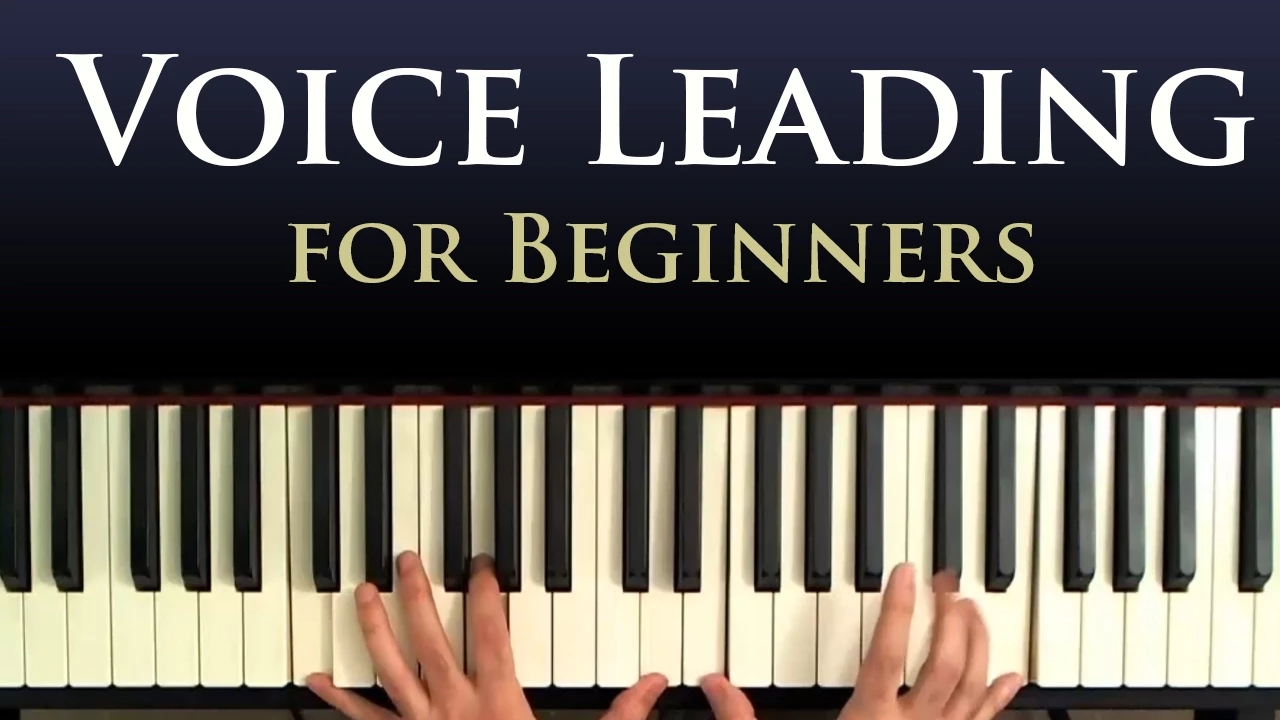
Negative chords can sound jarring if you leap across the keyboard to play them. This video teaches voice leading: keeping common notes stationary and moving other notes by small intervals (steps). This is the secret to introducing negative chords smoothly into a song.
Why this video
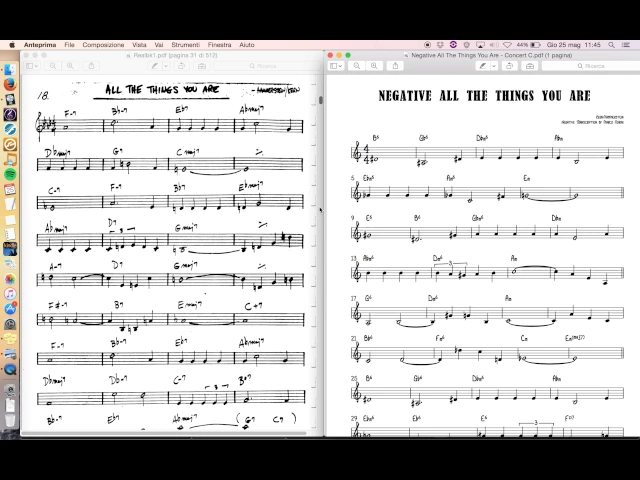
This lesson brings voice leading and negative harmony together. It analyzes how standard progressions (like jazz/pop standards) resolve beautifully when voice-led into their negative counterparts, showing how negative voice leading mirrors positive voice leading.
Knowledge Checkpoint
- Perform a manual conversion of a
I - IV - V - Iprogression in C major into its negative equivalent. - Demonstrate on a keyboard how a
V7toIresolution (G7 to C) maps to aiv-6toIresolution (Fm6 to C) under negative harmony. - Re-voice a converted chord progression on the piano or in a DAW to ensure no voice leaps more than a whole step.
Module 5: Creative Indie Pop Arranging and Unexpected Shifts
Acknowledge Review Gaps: While the video pool has fantastic theoretical materials, it has limited direct coverage linking negative harmony directly to indie pop production or bedroom-pop synthesizers. This module bridges this gap by combining pop songwriting structures, vocal reharmonization mechanics, and indie-pop production styling.
To apply negative harmony to indie pop, you will replace predictable chord progressions (such as the ubiquitous I - V - vi - IV) with subtle negative harmonic substitutions. This introduces moody, nostalgic tension beneath bright, catchy melodies.
Why this video
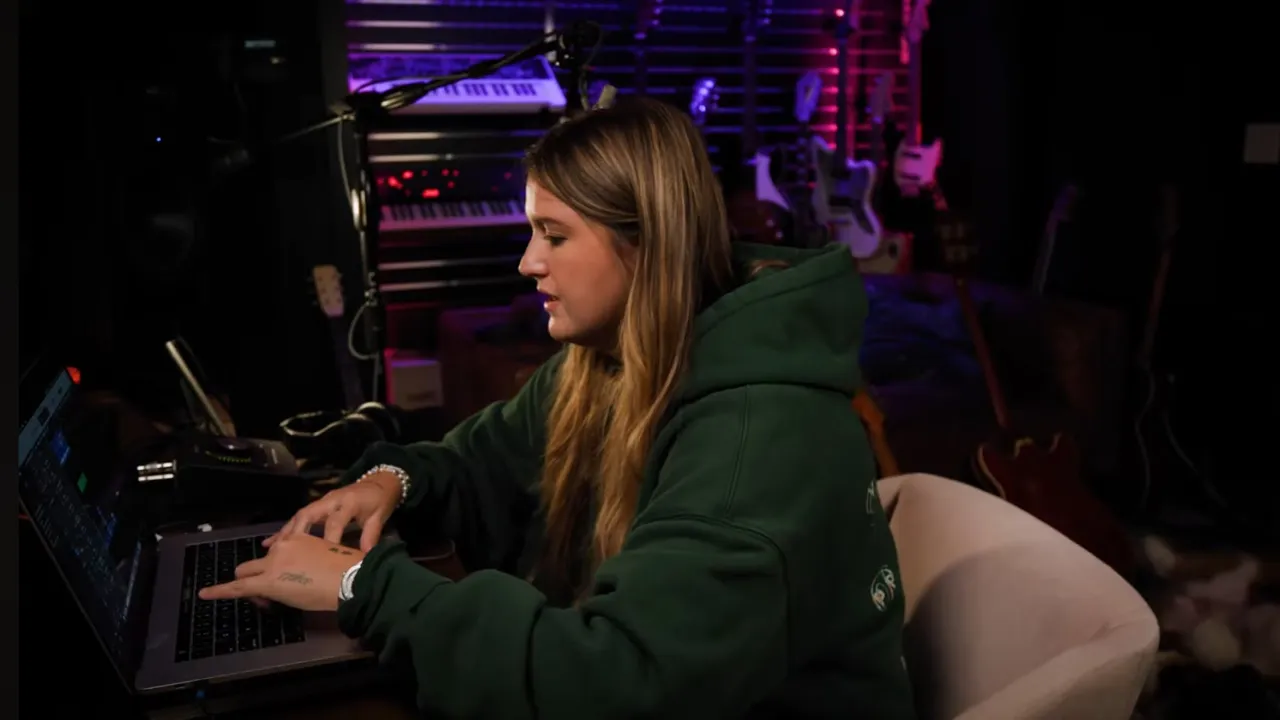
Chelsea Cutler represents the benchmark of modern indie-pop production and songwriting. This video introduces you to the organic songwriting workflow, chord selection, and synth aesthetic of bedroom pop, providing the musical canvas onto which you will paint negative chords.

Why this video
Adam Neely takes Carly Rae Jepsen’s massive pop anthem and completely reharmonizes it. This is a masterclass in how a simple, soaring pop vocal can be paired with unconventional, rich harmony to completely change its emotional context.

Why this video
This seven-level guide breaks down how to take any simple melody and apply increasingly complex harmonies beneath it. It provides a methodical framework for keeping your vocal pop hooks highly accessible while pushing the boundaries of the backing instrumentation.
Step-by-Step Conversion Walkthrough: The Indie Pop I - V - vi - IV progression
Because indie pop frequently relies on the classic I - V - vi - IV progression, here is how you can use the principles in this module to convert it in the key of C Major:
- The original progression:
C - G - Am - F - Axis in C Major: Sits between C and G.
- Map the notes of each chord across the axis:
- C major (C - E - G) reflects to C minor (G - Eb - C).
- G major (G - B - D) reflects to F major (C - Ab - F).
- A minor (A - C - E) reflects to Bb major (F - D - Bb).
- F major (F - A - C) reflects to Eb major (Bb - G - Eb).
- The resulting Negative Progression:
Cm - Bb - Fm - Eb. Notice how this transforms a bright, optimistic progression into a melancholic, retro-sounding synth-pop sequence.
Independent Study Search Queries (To Bridge the Production Gap)
To further develop these production techniques, search for these terms on YouTube:
- "Bedroom pop synth sound design tutorial" (to build warm, analog synth patches to play these chords).
- "How to write a vocal melody over negative harmony" (to practice keeping vocal lines diatonic while chords shift beneath them).
Knowledge Checkpoint
- Record a simple, catchy 4-bar vocal hook over a standard indie pop major progression.
- Replace at least two chords in that progression with their gravity-inverted counterparts calculated from the key axis.
- Program a soft, warm polyphonic synthesizer patch (using a square or sawtooth wave with lowpass filtering) to play these converted chords. Ensure smooth voice leading in your MIDI editor.
Course Map
Key People Index
- Ernst Levy (1895–1981): A Swiss music theorist, composer, and pianist. He introduced the concept of "harmonic polarity" and the undertone series in his seminal work A Theory of Harmony (1985), which laid the foundation for modern negative harmony.
- Jacob Collier (1994–Present): A multi-Grammy-winning British multi-instrumentalist who popularized Levy's negative harmony theories in contemporary music culture, demonstrating how these concepts can be used in modern vocal arranging, jazz, and pop music.
Final Self-Assessment
Complete this comprehensive self-assessment to verify your mastery of negative harmony in indie pop arranging:
- I can confidently construct and identify all major, minor, and diminished triads on a keyboard or guitar.
- I understand functional harmony and can label diatonic chords with Roman numerals based on their tonic, subdominant, or dominant behavior.
- I can identify the exact placement of the reflection axis in any of the 12 musical keys.
- I can explain the theoretical difference between the overtone (positive) and undertone (negative) series.
- I can map all 12 notes of the chromatic scale to their negative equivalents across a designated key axis.
- I can manually translate a standard four-chord progression into its negative harmony counterpart.
- I can write and voice-lead chords smoothly so that adjacent chord tones move with minimal physical distance.
- I can produce an indie-pop style track in a DAW incorporating synthesized chord arrangements that use negative harmony substitutions.
- I can write and record a catchy pop melody that sits cohesively over a gravity-inverted chord progression.