

![The MUSIC NOTES: Brilliant Explanation [Names, Sharps (♯) & Flats (♭)]](https://i.ytimg.com/vi_webp/VP5svVxOEok/maxresdefault.webp)





![VOR- & VERSETZUNGSZEICHEN - Klavier lernen - Theorie-Basics [3]](https://i.ytimg.com/vi_webp/OyyNKPRceTQ/maxresdefault.webp)





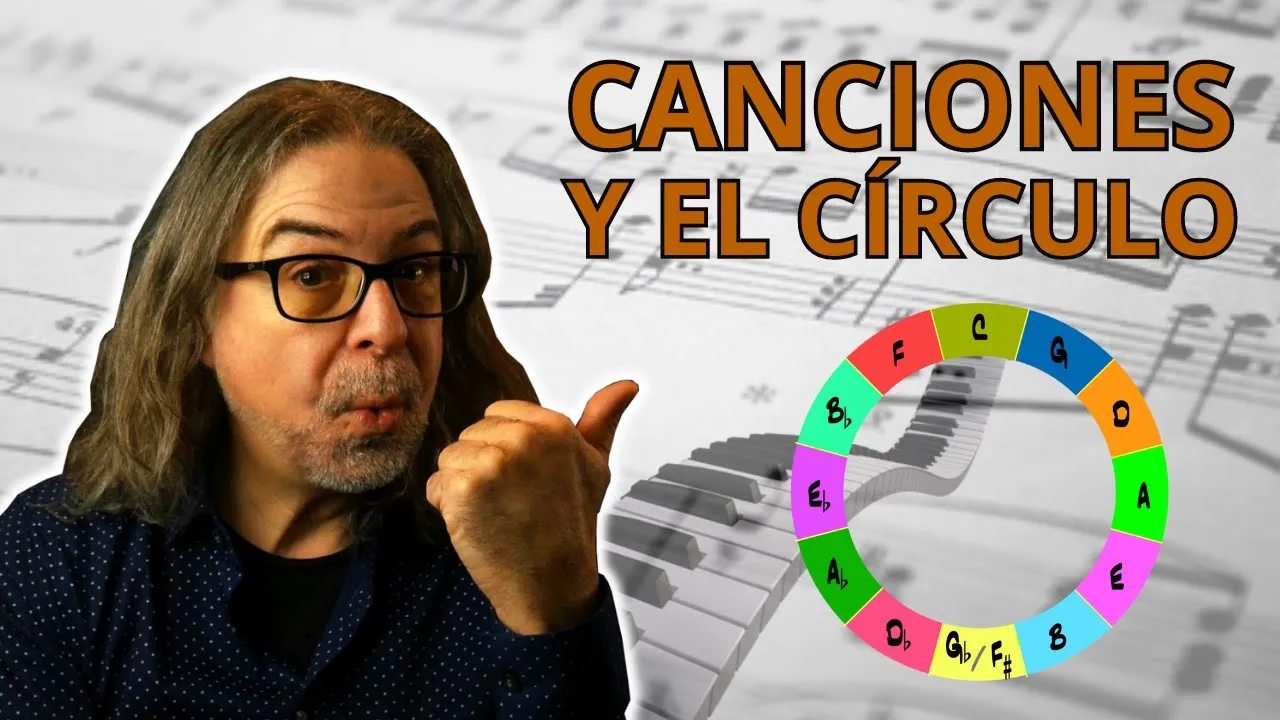








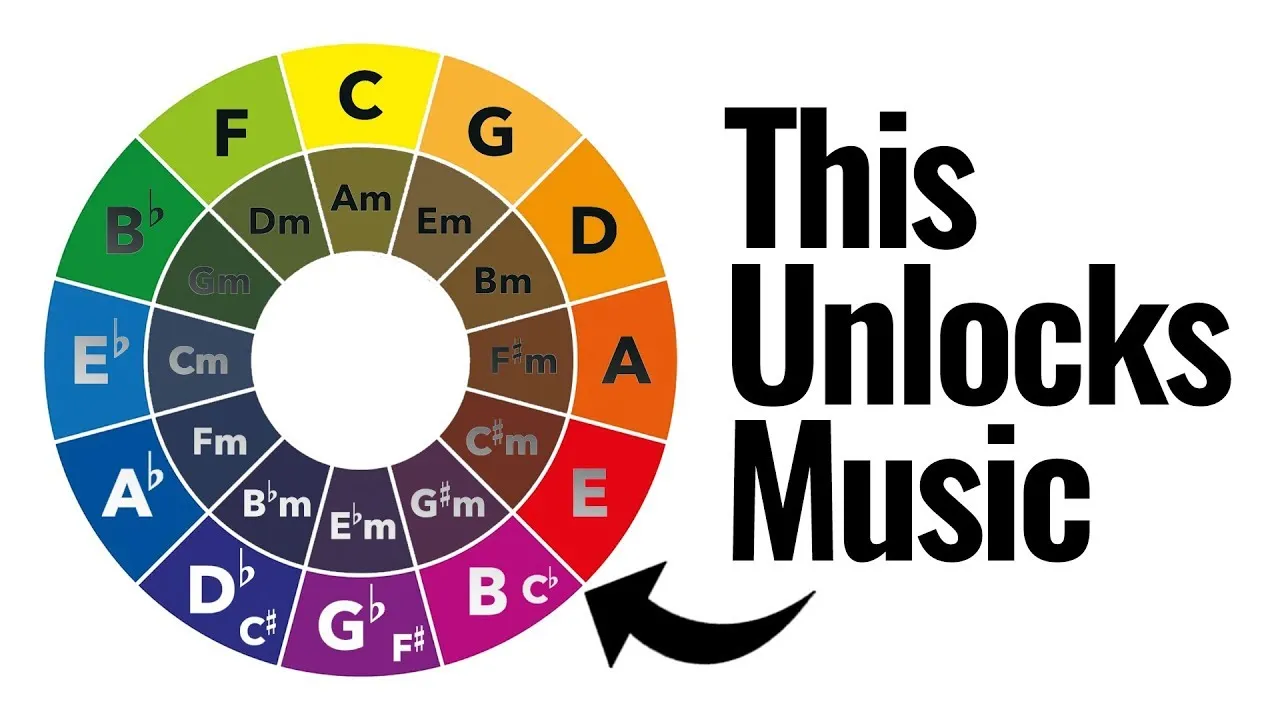
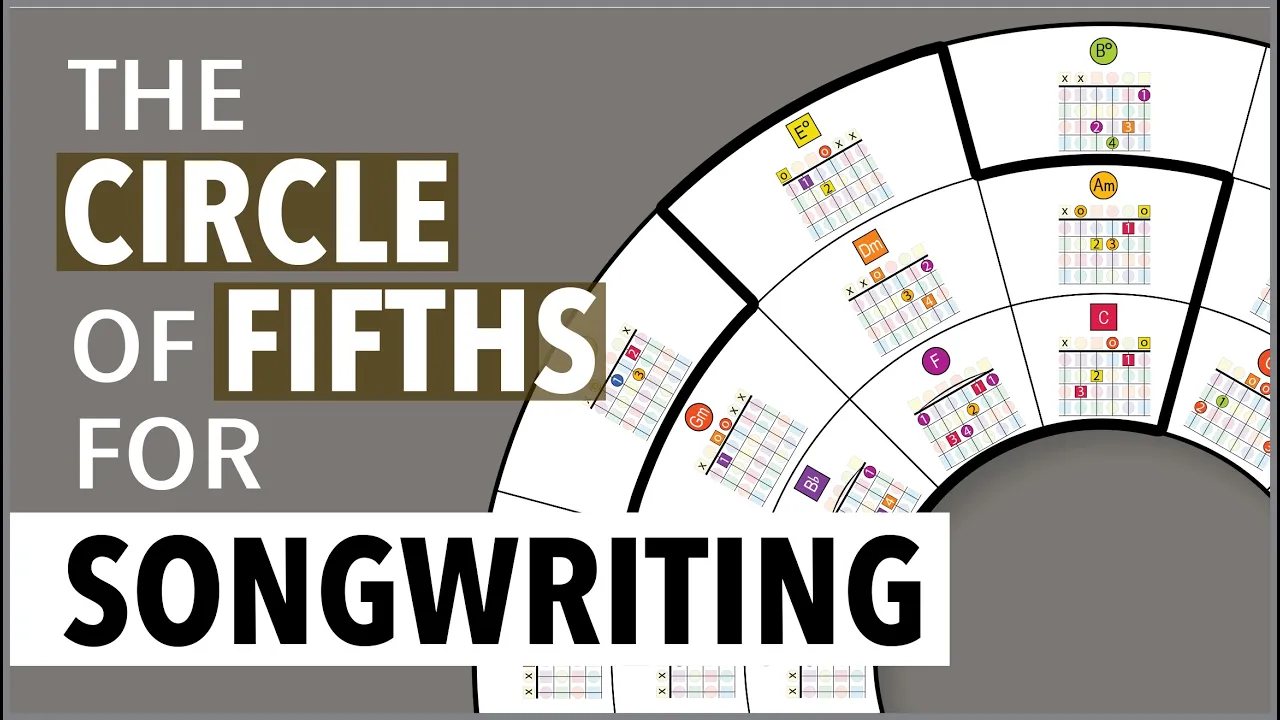
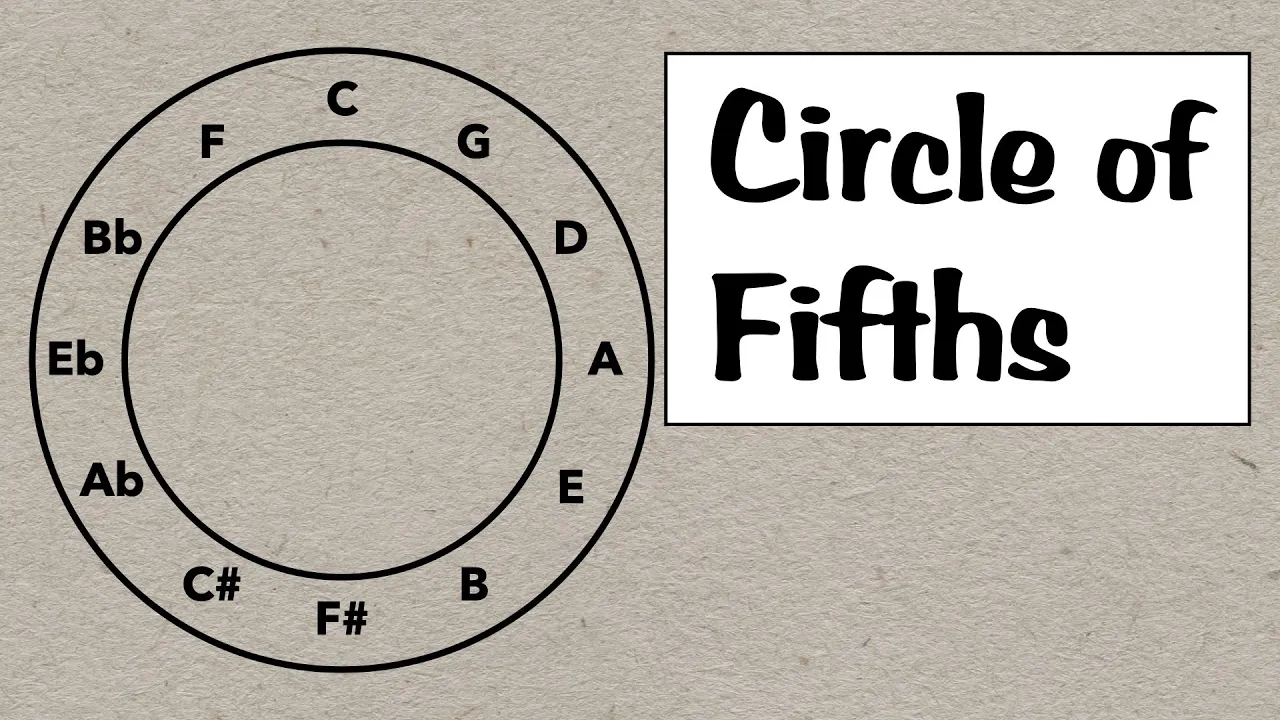
The Circle of Fifths is a powerful visual tool for musicians that can be applied in seven practical ways: (1) determining the notes in any major scale by identifying the key's position and applying the appropriate sharp or flat pattern; (2) figuring out how many sharps or flats are in a key signature; (3) visually understanding how close different key signatures are to each other based on shared notes; (4) finding the relative minor key by moving three spaces clockwise; (5) identifying the diatonic chords of a specific key by looking at adjacent keys on the circle; (6) understanding the important relationships between the tonic (I), subdominant (IV), and dominant (V) chords; and (7) transposing music by moving all chord roots the same number of spaces around the circle.
How to Use the Circle of Fifths: 7 Applications in Music Theory
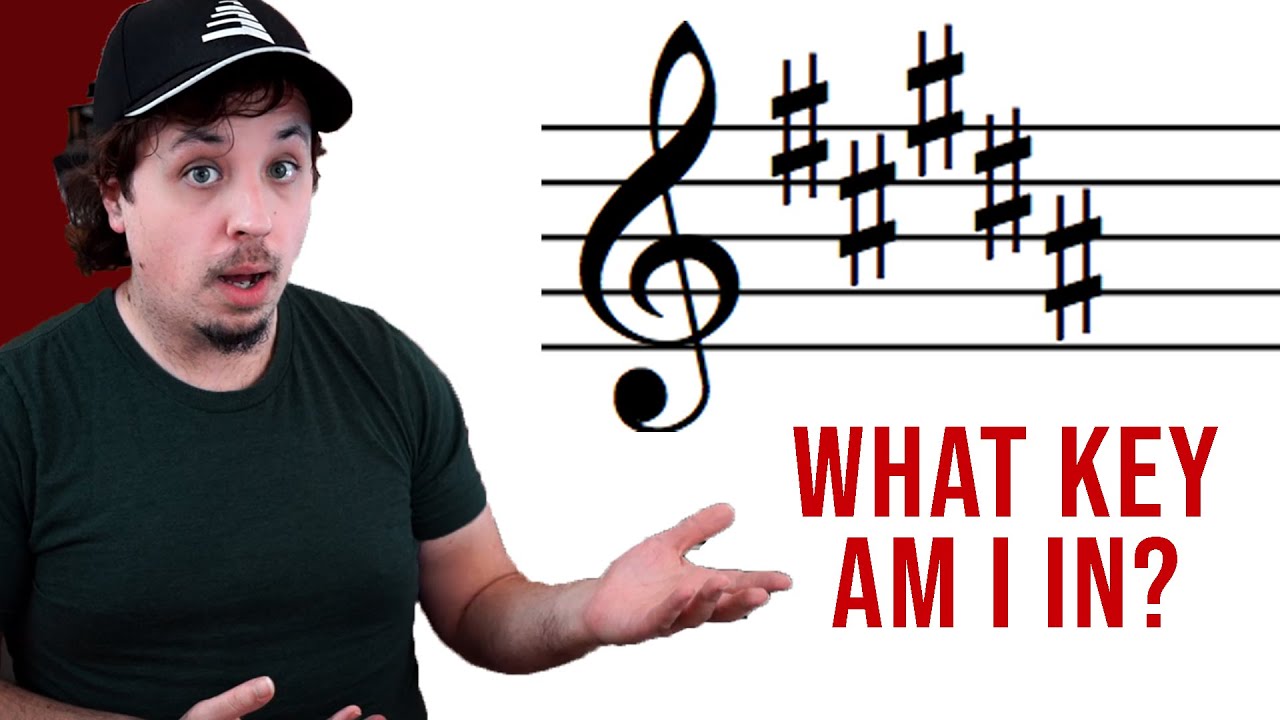
Added:a couple of months ago i made a video about the circle of fifths and i got a lot of comments on the video from people asking how can we actually use this or how can i apply the circle fifths to music so in this video i'm going to go over seven different ways that you can apply the circle of fifths to music or something you're playing if you haven't seen that video i strongly recommend you watch that one first because i go over a bunch of things in that video that i'm not going to go over in here you should really watch that one before watching this one so i will put the link to that video in the description below and let's continue on so first let's quickly talk about what the circle of fifths is its full name is really the circle of fourths and fifths but since that's sort of a mouthful for people to say it often gets shortened to just the circle of fifths or the circle of fourths okay so what is the circle fifth it's a very cool visualization of the 12 pitches in western music and when we arrange them in this specific order around a circle some very interesting patterns emerge the letters written around the outside of the circle can represent a few different things they can represent notes chords major scales or major key signatures and sometimes you'll see the circle of fifths written with chord names on the inside of the circle and those on the inside are representing the relative minor scales relative minor key signatures or relative minor chords so we are going to go over seven different ways that you can actually use a circle of fifths in music and you're playing number one the circle of fifths is a great way to figure out your major scales if you don't have them memorized when i was first trying to memorize my major scales the circle of fifths really helped me out since it tells us how many sharps and flats are in each scale and which notes are sharpened and flattened by having the circle fits memorized i was always able to figure out what the notes were in every major scale before i truly had those scales memorized of course the goal is to have our major scales on instant recall so if somebody says hey what are the notes in any major scale you can say without any hesitation e f g sharp a b c sharp d sharp right but before you get to that point it's helpful to be able to at least just figure out the names of the notes in each scale on your own even if it takes a minute that's such a better way to figure out the notes than just simply googling what are the notes in an e major scale you'll never memorize them if you just do it that way it's really important to actually work through it in your head or on a piece of paper every time you want to remember the names of the notes in a scale and even though there are a few different ways you could figure out the notes in your major scales for instance moving up in half steps and whole steps i still think that using a circle of fifths is the best way because it's really going to be helpful to have a strong visualization and understanding of the circle of fifths in your brain for other reasons in music too which i'm going to go over in the six other reasons in this video every time you have to think about this circle and visualize it it's going to sink more and more end and it will just make you a better musician so here would be the steps i would take if i were trying to figure out the notes in a major scale using the circle of fifths okay first i would just think about the circle fifth and think about where e flat is on the circle and when you first start out you'll probably have to draw this circle of fists on a piece of paper really quickly every time you do it which is totally fine but as you get more and more familiar with it you should just start to try to create it in your head because it's actually very beneficial to try memorizing it in your head and visualizing it in your head there's something to that but when you start out do it on a piece of paper that's great so you're looking at the circle either in your head or on a piece of paper that you've just drawn out and you think okay e flat is at the nine o'clock place on the circle right which means it has uh let's see one two three flats in it right and the first three notes in the order of flats are b flat e flat a flat therefore an e flat major scale would be e flat f g a flat b flat c and d if you have no idea what i just did or what i was talking about then i know that you did not watch my other circle of fifth video so go watch that right now because i break this down into much greater detail and then come back again the link for that is in the description below okay number two it's a great way to figure out how many sharps or flats are in a key signature now if you're reading a piece of sheet music that has the key signature written in the music you can already see how many sharps or flats are in the key signature so this isn't necessary but if you were playing a chord chart for instance that didn't have the key signature written in or if you were playing something without any sheet music and maybe someone just said to you hey we're going to play this song in the key of b major you need to know how many sharps or flats are in that key so if that person said hey we're playing in the key of b major you can stop and think about the circle fifth in your head envision where is that b on the on the circle right and you'd say okay it's at the five o'clock place right so that means it has one two three four five sharps in it and you can just think about your order of sharps which is f c g d aev think about what are those first five notes you're going to have an f sharp c sharp g sharp d sharp and an a sharp and then you know the notes in a b major key signature and why is this helpful if you're just trying to play something by ear well if you know which notes are sharpened or flattened in the key signature and the melody is pretty diatonic meaning that the melody uses a lot of notes that are connected to the key signature then it's going to be much easier to figure out the notes in the melody if you already know what are the sharpened notes in that key signature again if that confuses you please go watch my other circle fits video where i really break it down in more detail number three it visually shows you how close certain key signatures are to each other so we're going to be thinking of these letters on the outside of the circle as our major key signatures okay and i can see that you see how this key of c major it's very close to the key of g major right it's also very close to the key of f major however it's really far from the key of f sharp major right and so what it means when i say that they're close is that they literally have many more of the same notes in common with each other and more chords in common as well for instance notewise the only difference between the key of d major and key of g major is that the key of d major has a c sharp while the key of g major has a c natural the only difference between the key of g major and the key of c major is that the key of g major has an f sharp and the key of c major has an f natural otherwise they're they have the same notes the key of b flat major for instance has a lot of notes in common with the key of e flat and f and even c and a flat and stuff and when we get further away you know the key of e major has very few notes in common with the key of b flat because with the circle fits we can really truly visually see that they're actually quite far apart from each other so this is a really cool visualization for us and why is it important to know how close certain key signatures are to one another well if i were playing a song in let's say the key of c major it's very common that when you're playing in a certain key signature you borrow chords that are from the key signatures that are very close to it so if i'm playing in the key of c you're probably going to find some chords that are in the key of g or the key of f as well because they blend so well together because they have a lot of the same notes in common i really like to think of key signatures as geographical locations and the circle fist really sort of lays that out for you that you can really imagine these as different different places in a space and for instance if i'm playing a song in the key of g major and i i borrow some chords from the key of d major or maybe sort of move to the key of d major temporarily in the song it doesn't feel like i've made this like great shift in fact you probably wouldn't even notice it uh if you were listening to it very very easily it sounds like if i'm you know in manhattan i'm just sort of going to brooklyn or queens or somewhere pretty close by it has the same kind of feel right whereas if i'm going from g to the key of d flat it's going to sound like i'm going from manhattan to india or to pakistan or to china or some place really far away and you can really hear it in the music and that can be a cool effect to shift to a different key signature that's really far away you know you'll feel it in the music that you're being taken to this sort of strange foreign place and that can have a very powerful effect so it's really cool to be able to see here on the circle fist visually how close and how far apart these key signatures really are from one another okay number four it can show you the relative minor key signature relative minor scale or relative minor chord i really don't want to spend a lot of time in this video talking about relative minor because i made a whole video just about relative minor and i will link that in the description below as well and in that video i talk all about what it is and how to use the circle of fifths to find it as well but if i were to give a very brief description of what relative minor means relative keys are two key signatures one major and one minor that have the exact same notes in them so for instance the key of c major and the key of a minor have the same notes in them the key of c major is c d e f g a b the key of a minor is a b c d e f g you notice that they both have no sharps or flats in them they have the exact same notes they just are starting in different spots that's what relative keys are and with our circle of fifths you can always move over one two three spaces with the major keys to figure out what the relative minor key is for instance in the key of c major one two three i get to a so a minor is my relative minor key signature of a c what's the relative minor of g right so if this is key of g major we move over one two three i get to e so the relative minor of g is e minor okay what about the relative minor of d major what's that i move over one two three i get to b so b minor is my relative key what about uh the relative minor of a flat right i'm gonna keep moving this direction so one two three f so it's f minor is my relative key okay what about the relative minor of e flat one two three i get to that c right so c minor and so with the circle fifths you know our relative minor keys are written on the inside and the major keys are written on the outside i'm not going to write the rest of the man because i would rather you just watch that relative keys video instead but you can see how i just move over three spaces clockwise and i get the relative minor key and why is it useful to actually know what your relative minor is well there's a lot of reasons but just to think of one off the top of my head if i'm in the key of c major for instance it's good to know that my relative minor key is a minor so we can go back and forth between those two keys very easily and that can be a very helpful tool if you're writing something so you can always look to the relative minor key borrow some interesting stuff from there and use it in the relative major key number five this one is quite cool so the circle of fifths actually can show you what the diatonic chords are of a specific key signature if you don't know what diatonic chords are i made a whole video about that which again i will link this one as well into the description below so go watch that sorry i know i'm linking so many videos in the description below but i really i actually specifically made a lot of those videos so that then i could make this video so go watch those and this is sort of like a culmination of all those things basically diatonic chords are the family of chords that are connected to a specific key i'm going to really quickly show you how you can find those diatonic chords with the circle fifth so in order to do that i need to write in my relative minor keys on the inside of the circle so i'm just going to do that really quickly for just a few of these so let's say i'm in the key of c major okay so this is the one i'm focusing on and i want to figure out what the diatonic chords are in this key so the major diatonic chords are going to be the chords next to it and this this one in the center so f major c major and g major those are going to be my three major diatonic chords and remember how i said we can use all these letters on the outside and on the inside to represent chords well so here's an example of how we're using these as chords so we have an f major chord c major chord and g major chord okay then on the inside uh my d minor a minor and e minor are going to be the minor diatonic chords in this key signature and then b minor the one that's right here is going to be a it's technically a diminished chord a diminished is a type of minor chord if you don't know what that means i have a video about triads i will link that as well sorry i'm linking so many videos but i would rather you go watch that and then come back to watch this so now i could write out my diatonic chords in the key of c major right so the one chord would be c major the two chord is going to be the d minor okay because c d minor we're going up in the scale c d e f g right we're going to go in alphabetical order so c d minor okay then what comes after d minor then e minor the c d e so e minor is the third chord okay then the fourth chord is going to be f major right so f then the fifth chord is going to be g right c d e f g so g major a minor is going to be our sixth chord a minor and then b diminished is going to be our seventh chord so b diminished little circle is a shorthand for diminished so our diatonic chords are c major d minor e minor f g a minor and b diminished cool so it's always it always follows his patterns so no matter which key signature you're choosing on the outside the diatonic chords are always going to be surrounding that key signature which is pretty cool and diatonic chords are really important and helpful to know for so many reasons go watch that video i have on diatonic chords if you want to know why number six it's great for knowing how to move up or down a fifth or up or down a fourth so what do i mean exactly let's think about a scale or key signature let's think about our c major scale so the key of c major we start with c then we go c d e f g right g is the fifth note in that scale another name for that fifth degree is the dominant so if you hear people talking about the dominant they're talking about that fifth degree so the relationship between the one and the four and the one and the five are incredibly important and actually the relationship between the one and the five is probably the most important relationship in all of music and if you know your circle of fifths well you'll have a better internalized understanding and memory of these relationships between one and four and one and five and the reason why the dominant is so powerful is because it really leads us back to the home base of one so it really creates a lot of tension for instance if i'm in the key of c major just listen to this this is my home base i just played a c major chord okay now if i play the fifth degree chord or the dominant chord it sounds like this so when i play that chord suddenly there's a lot of tension and it feels very unresolved right so this fifth degree really wants you to come back home to the one and so it's a really strong example of creating tension and then resolution and really that's sort of what's going on constantly in music you know why does music sound good um why does it sound exciting or you know there's i mean there's a bunch of reasons why it could sound good and exciting but when you really boil down what's happening harmonically is that we're constantly creating these moments of tension and resolution so when i play that that's g7 chord and then i go back to the c i feel sort of tension and resolution right it's very common that before a c chord you have a g chord very often that you're gonna have the five chord written before the one chord it's not always of course there's you can put any chord in front of that c chord but it's just something that you're going to see happening in all kinds of music all different genres why is it good to know this well it's good to start recognizing these relationships in the music that you're playing so that you can begin to identify them better whether it's by your ear or just by reading it that when you see you know one and a five or when you hear it you'll recognize it and i identify it as that now the fourth degree is important um it's called the subdominant and the the point of the subdominant is that it leads us to the dominant so bear with me so if i'm this is i'm still in this key of c if i go to the sub dominant which is that f chord so f is my the fourth degree of c right so if i'm thinking about my c major scale c d e f right it's the fourth note in the scale i'm going to play that f major f major chord f major chord really wants to lead me to the dominant right so that's why it's called the sub dominant if you listen it really it really sounds like it wants to go to that dominant chord and then the dominant leads us back home to the one chord again so you're gonna come across this relationship between one and four and one and five in music very often so it's good to know what it is so what does this have to do with the circle well as you remember this is called the circle of fourths and fifths so it's literally what's in the name of the circle so perhaps this is the most important usage of the circle but what's happening is that when we move clockwise okay so this direction we're moving up in fifths okay and when we move this direction we're moving up in fourths okay so what do i mean by that if i'm in the key of c major and i'm moving up i'm ascending to a g so i'm getting higher c d e f g right i get to the fifth note which is g so now think what's the fifth degree of g so we'll think about our g major scale g a b c d ah the fifth degree is d and look right there see it's d now the fifth degree of d is a right so d e f sharp g a fifth degree is a so lo and behold it's the next one in the circle and as we keep going up it works all the way around even when we're you know even even a back at the end when we're going from f to c again right so when we're ascending we're moving up in fifths and when i say ascending i mean we're getting higher so i'm going c d e f g right i'm not going c b a g i'm not going down from c i'm going up from c so i'm playing notes that are getting higher going c d e f g going up so we're ascending in fifths okay now if i go this direction i'm ascending in fourths okay so what do i mean by that let's look at that key of c major again so i'm let's say i'm starting on a c major scale so i've got my c and then i want to move up to the fourth degree of c is going to be c d e f right c d e f the fourth degree of c is f and look it's right there the fourth degree of f is b flat the fourth degree of b flat is e flat the fourth degree of e flat is a flat so we keep we move up and ascending fourths counterclockwise and we move up in ascending fifths clockwise now i don't want this to confuse you too much but when we move descending so when we're going playing one note and then moving down getting lower so we'd be like playing a scale backwards then when we move this direction we're moving in descending fourths and then we move this direction we're moving in descending fifths so what i mean by that is if i'm starting on this c okay so i'm going to start on this c and i want to go down to i want to go down a fourth okay so i'm going to go one two three four i get to the note g i played c b a g i'm just going down the scale backwards but now i'm going down descending not ascending and so that one two three four so now the g is a fourth down so if you think about it c if you just think about the note c if i move from c up to g it's actually a different distance than if i move c down to g okay so this is an important concept to understand i'll show you on a keyboard as well okay so if you just look visually at the piano here's my c and if i move up to g or down to g do you see how this is a bigger distance than this is right this is a bigger distance than this so that's why they're not the same they're not the same interval so when i'm going from c up to g i'm moving up a fifth when i go from c down to g i'm moving down a fourth okay and see look one two three four five i'm going up up to the fifth note in the scale so that's my fifth and if i go down i go one two three four i went down just four notes so hopefully that's not too confusing i'm actually gonna planning on making um a video very soon about intervals so we'll go into more detail about this um in that video but it's important to understand this um that when we move between two notes it really does matter if it's ascending or descending because it's going to be a different distance between those two notes if you're ascending or descending so basically when we move clockwise we move in fifths ascending and fourth descending and when we move counterclockwise we're moving in fourths ascending and fifth descending i know that might be a lot to soak in right now don't worry about it too much if you don't even want to think about the descending stuff right now you don't need to for now you could just think about the fifth and fourth ascending so count clay if you move clockwise it's fifths ascending if you move counter clockwise it's fourth descending first just think about that don't worry about the descending right now but it is good to know both all right now we're at the last one number seven you can use a circle of fifths to transpose music if you're transposing something just a half step or maybe two half steps this wouldn't be the best way to do it but if you're transposing a song a big distance um this could be a very helpful tool okay for instance let's say i'm taking a song um and the chords in the song are uh so these are my four chords a minor f g seven and c so let me show you what it sounds like so i'm playing a minor f g seven and c so let's say i want to transpose the song up a fifth okay so i'm gonna make the entire song a fifth higher so i'm going to find the root of each of these chords on the circle so it doesn't matter what what type of chord it is doesn't matter if it's a minor chord a sharp 11. it doesn't matter what as long as you keep those other details the same if you're just changing the roots okay and i i'm i want to make soon a video that's all about transposing but i will go over briefly right now so what's the root note of the chord a minor the root is just a okay so where's my a on the circle here's my a so if i wanted to move this chord up a fifth all i need to do is move it up a fifth like that i just move it one one over clockwise right because remember when we go like in this clockwise direction we're moving in ascending fifths so i move it up i get to e so i would just turn this chord into an e minor so i'll write that right here e minor okay now what about my f chord i want to move that up a fifth as well it's just an f major chord so i'm going to find f on the circle here's f i move it up a fifth i get to c okay so the next chord is going to be a c what about g7 i wanna move that up a fifth two so i find my g and move it up a fifth and it's d so d7 cool what about my c i wanna move that up a fifth well here's my c move it up a fifth i get to g so that'll just be g major so now if i were to play this little chord progression a fifth higher okay it would sound like this e minor c d seven and g [Music] and just so you know this would work with melody notes as well not just chords anyway something that's cool about transposing is we could we could shift these chords to any key signature we wanted or move it higher or lower however much we want to the only thing we have to do is we have to make sure that we move every single chord or every single note in the song the same amount so you just have to shift everything the same amount so what i mean by that is you know when we when we transposed it just now we were moving everything up exactly one-fifth right but let's say i wanted to transpose these chords to another key and i don't know i don't know exactly what it is or how far away it is but i just want to i know that i like it when it starts with the instead of an a minor which starts with a g minor okay i like i like how it feels when it starts on a g minor um it moves it to a key that's nice for my singing voice so i wanted to i want to move it to that key okay maybe that's all you know so i know i'm gonna i know i'm gonna first change it to a g minor okay but let's let's see let's use our circle fifth to transpose the rest of the chords okay so let's first find our a the root a so here's my a and here's the g i moved to get to get from a to g i had to move it two spaces counterclockwise right so i go a to d to g to get to that g minor so if that's what i did i just have to do that with all these chords now so for instance my next chord is an f so i'm going to find f and i'm again going to just move it counterclockwise to two spaces so i'm going to go b flat and then e flat so that means my next chord is going to be an e flat major so g minor e flat major then my g7 chord okay the root is g so here's my g again i just have to make them all consistent so i'm gonna move that one two two spaces counterclockwise i get to f so i'm going to play f7 and then my last chord is c so here's my c i'm gonna move that one also counterclockwise two spaces so one two i get to b flat so now i just transposed it to a different key so now if i were to play these chords it sounds like this g minor e flat f seven b flat cool so yeah the circle fifths can be a very cool tool to use for transposing because as i said we can as long as we shift everything the same amount of spaces in either direction then it's cool so i hope you found this video helpful i have some worksheets that are available on my patreon i have all kinds of music theory worksheets and practice sheets they're all printable pdfs on my patreon i also have lots of ukulele chord charts as well i will link all the videos i mentioned in the description below thank you guys so much for watching if you've made it this far in the video and you haven't subscribed to my channel yet already please do i post one new video a week and i would love to have you here if you like this video please give it a thumbs up and leave a comment or if you have any questions as well thank you guys so much for watching and have a wonderful rest of your day or night
Up Next
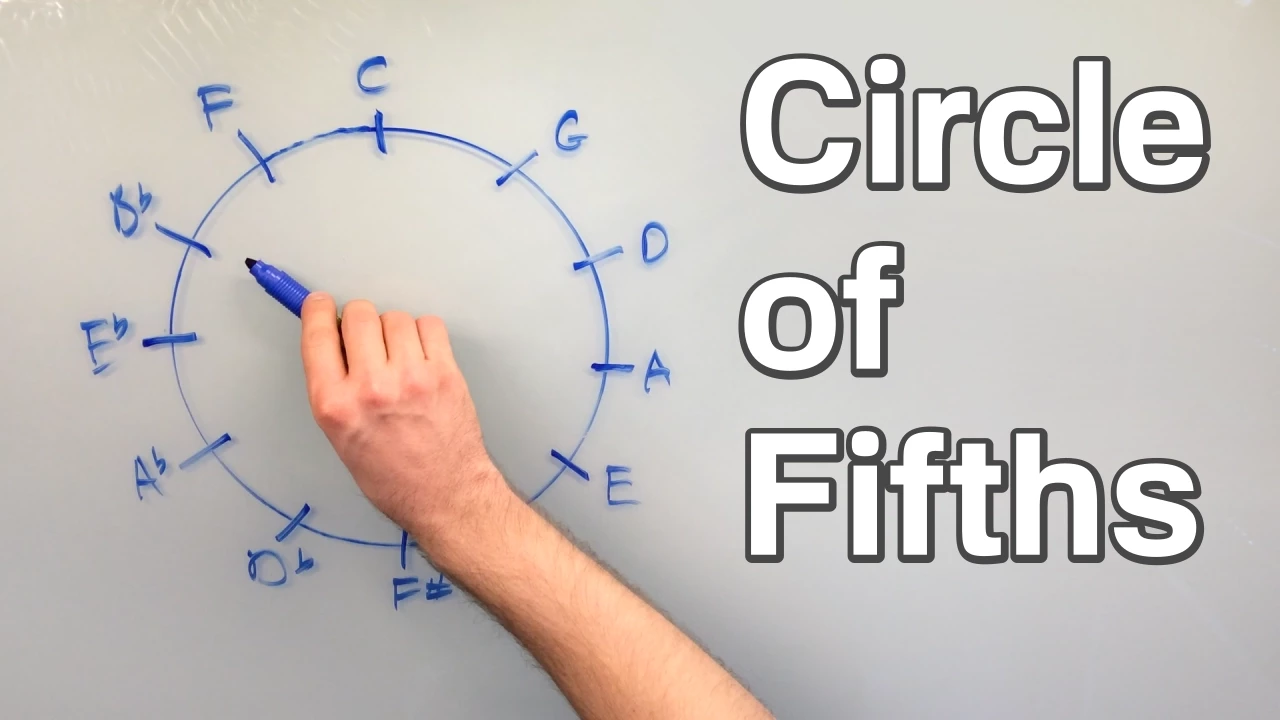
Circle of Fifths: How to Apply It in Music Theory
@MichaelNew
6.3M views•2015-03-13

Mozart's Musical Dice Game Explained: History, Rules, & Fun
@webpianoacademy
5K views•2023-03-13
Intervals in Seventh Chords Explained | Music Theory
@GracieTerzian
72K views•2021-07-18
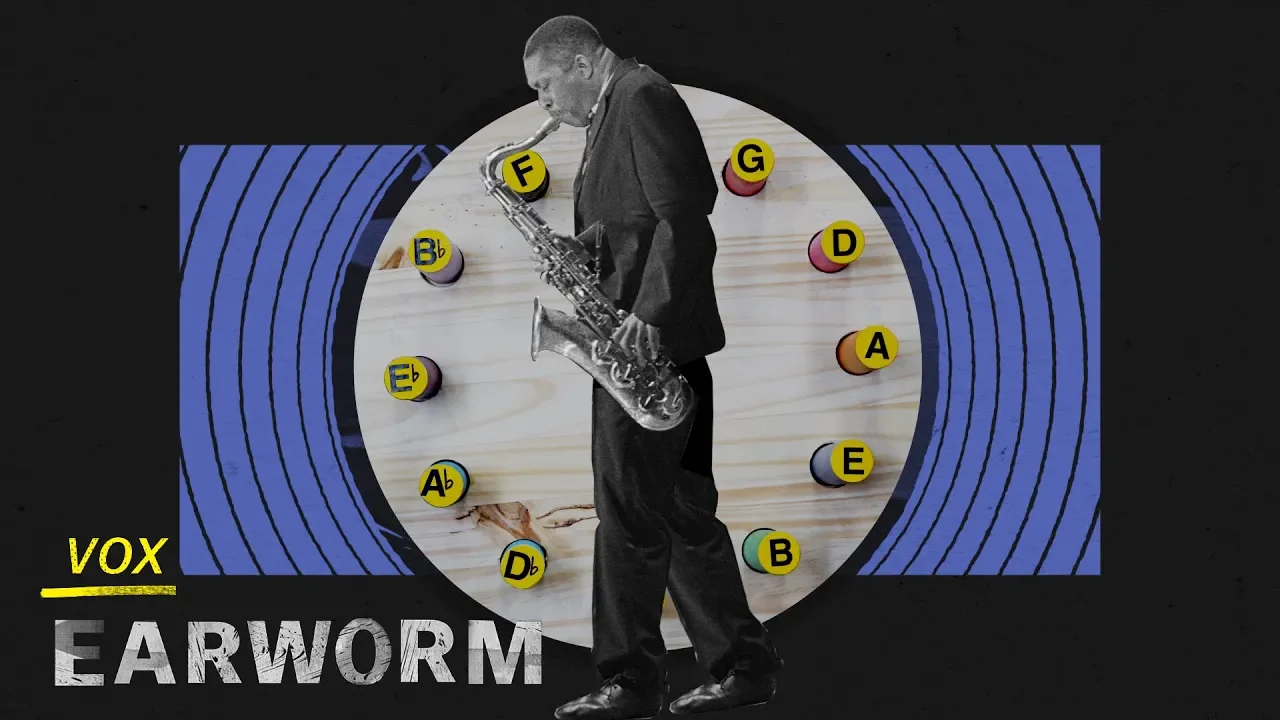
Understanding John Coltrane's Giant Steps: A Music Theory Analysis
@Vox
10.4M views•2018-11-12
Related Study Plans & Knowledge Roadmaps
Structured learning paths in Music Theory