























![[Nhạc lý] Năm bước để chuyển hợp âm thường thành màu sắc hơn bằng nhạc lý](https://i.ytimg.com/vi/Mr85Voj3ArQ/maxresdefault.jpg)

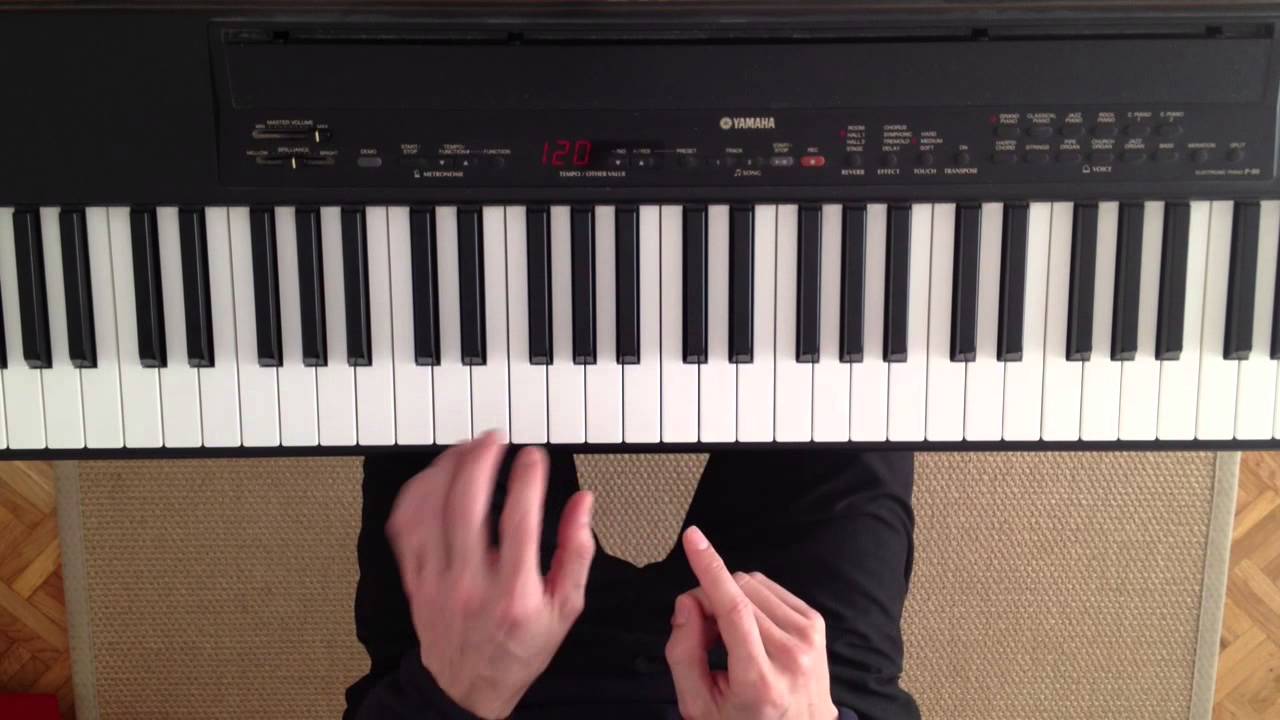
Major and minor chords are built using triads—three-note chords formed by combining specific intervals. A major chord consists of a major third (4 half steps) followed by a minor third (3 half steps), while a minor chord reverses this pattern with a minor third followed by a major third. Alternatively, major chords can be constructed by taking the first, third, and fifth degrees of any major scale, and minor chords are created by lowering the middle note (third) of a major chord by one half step. Understanding these two approaches allows musicians to build major and minor chords anywhere on the piano.
How to Build Major and Minor Chords on the Piano
Added:Familiarity with piano key names (A through G) and basic keyboard geography, including identifying white and black keys.
An understanding of half steps (semitones) and whole steps (tones) and how they represent distance on the keyboard.
A basic conceptual understanding of what an interval is, particularly the concept of a 'third'.
Familiarity with the basic formula and structure of a major scale.
Mastering chord inversions (root position, first inversion, and second inversion) to allow for smoother movement between chords.
Exploring other triad variations, specifically diminished and augmented chords.
Learning to construct four-note seventh chords, such as major 7th, minor 7th, and dominant 7th chords.
Applying chords to basic progressions (like the I-IV-V-I progression) to accompany melodies or play from lead sheets.
61.8K views1.4Klikes15:44Original Release: 2014-10-14
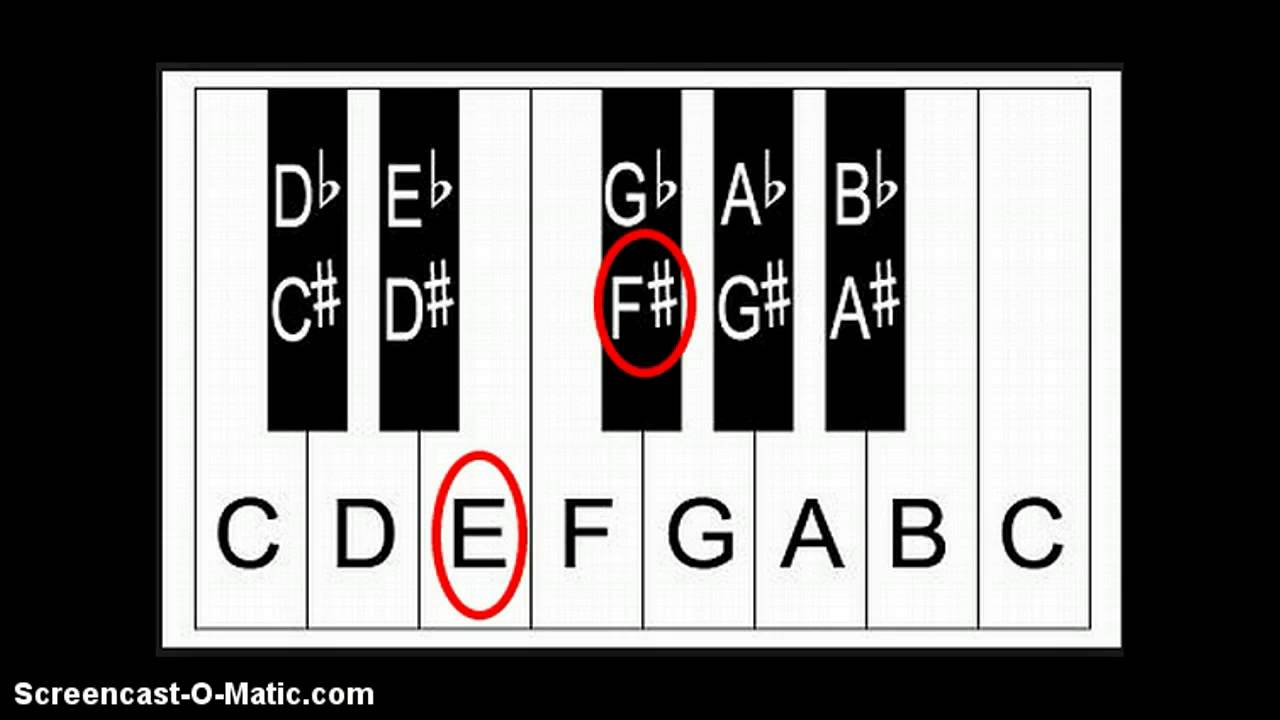
[Music] hi my name is Warren mcferson and welcome to another video tutorial on piano and music theory in today's tutorial I would like to talk about major chords and minor chords and how you can build them anywhere on the piano and the two ways in which you can approach building a major chord or a minor chord all right so let's take a look okay so the basic chords that we'll be looking at today are called Triads and I will be focusing on two Triads the major Triad and the Minor triad and in this tutorial I'll be showing you how to construct these Triads anywhere on the piano first thing you need to know is your major scales if you do not know your major scale I suggest you check out my videos on major scale and the major scale fingering because everything is derived from the major scales I cannot stress how important it is to know your major scale very well it will only help you to learn the other topics and the other advanced stuff with chords quicker when you know your major scale really well okay so let's work in the key of C for a minute so this is a C major scale now if we take the first degree of the scale the first note of the scale we call the first degree the third note of the scale we call the third degree and the fifth note of the scale the fifth degree so the one the three and the five that is a major chord and it's the c major chord so basically the rule is if you take the one the three on the five of any major scale that will give you a major chord and chords or Triads get their name from the first note of that chord and Triads are basically three note chords C major let's try test this uh Theory let's go to F [Music] major if we take the first first or the first degree of F major the third degree and the fifth degree we get the F major chord let's go to G [Music] major again if we take the first degree the third degree and the fifth degree we get the G major chord and if you notice a pattern Here chords are buil by just skipping every other note wherever you go you just skip every other note now that is a minor chord and we will get to that in a bit but let's try this uh pattern on a black key for example B flat major [Music] scale again if we take the first degree the third degree and the fifth degree we get B flat major scale now that is just one way of learning major scale by taking the first the third and the fifth from the scale and you get the chord now the other way that you need to learn how to build major scale and this way is very important is by using intervals if you don't know intervals or need a refresher on intervals I also have made a tutorial on that so you can check it out now a major chord let's go back to C Triads are broken down or can be broken down into [Music] two3 and again a third for example in the key of C is from this note to this note from C to e or four half steps 1 2 3 four so the distance between a third or major third to be more specific is four half steps the distance between a minor third is three half steps so a major chord is broken down into a major 3D and a minor third four half steps 1 2 3 4 and the minor 3D 1 2 3 1 2 3 so the rule is a major 3 plus a minor 3D gives you a major Triad or a major chord let's look at F major it's the same thing a major 3D because a major 3D has four half steps and the minor 3 three half steps so major 3 plus minor 3 combines gives you a major Triad we go back to B Flats the same thing 1 2 3 four half steps gives you a major third 1 2 three half steps gives you a minor third major 3 plus minor 3 gives you a major Triad and that's how you build a major Tri you can go anywhere and try that formula let's take a random key like f first thing you need to know is you need a major third followed by a minor third so if we count four half steps 1 2 3 4 that's so a major third if we count three half steps 1 2 3 we get F Shar major Triad now it's very important to note and I covered this in my tutorial and interval that when you are counting interval you cannot go 1 2 3 4 cuz that's not counting intervals that's counting notes counting interval you have to first move then count one cuz we're counting the distance 1 2 3 4 because if you go 1 2 3 4 1 2 3 you're going to end up with some weird stuff like that and it's not going to sound right also the other clue to know if you have the right notes you need to see a sort of symmetric stack of thirds you know it should look a certain way on the piano when playing a major Triad or even in A Minor triad so if it doesn't look something like that or if it looks something like this or like that then you know okay I have the wrong notes let me take a look at that major 3D plus minor 3r gives you a major chord major Triad now minor Chords it's very easy to get to a minor chord take a major chord and by lowering the third or the middle note a half step going to the left we get a minor chord c e flat G so if we have a major chord by simply lowering the third of that chord and the third is always the middle note you get a minor chord you hear the difference minor major has a sort of brightness to it set of sort of liveliness minor has a certain dull sound and so you want to practice your major chords in your minor chord so you get used to the sound and you can identify them early by just hearing them it's not good enough just to know them theoretically you want to be able to hear them cuz music is all about hearing so you want to be able to identify major chord minor chord but it's also just as important to know how they're built how they're structured what's the sort of theory behind what makes a major chord and what makes a minor chord so if we go back and try F F major by simply lowering the third going to the left we get F minor major minor let's go to B flat again and try that B flat major major 3 minor 3 lowering the step the uh third a half step we get B flat minor chord and so you see how it's easy to switch from minor to Major and from major to Minor by just shifting one note either raising it from a major to make it m uh from a minor to make it major or lowering it moving to the left to make it minor so I spoke of uh Triads can be broken down into 2/3 major chord is Major 3 and a minor 3 when you have a minor chord it's just the Reversed it's now a minor third 1 2 3 half step combined with a major third 1 2 uh sorry 1 2 3 4 1 2 3 4 so major 3D sorry minor 3r + major 3 gives you a Minor triad minor 3 plus major 3 gives you a Minor triad major 3+ minor 3 gives you a major trial so these are things you want to practice minor major and that's how you build a try it major or minor anywhere on the keyboard major F major F minor F major F minor E major E minor so the two ways in which you can build Triad is either from the scale by just picking up the first degree the third degree and the fifth degree you go to D major pick out the first degree the third degree and the fifth degree of the scale and you get a major chord and again if you want to make it minor you simply lower the third a half step go to the left to the immediate note and you get to minor if you have a minor chord and you need to make it major simply raise the Third going to the right to the next note and then you'll hear the sound so these are the two ways you want to practice your major chord know them um based on the scale but also know them individually being able to randomly just build a major or minor chord anywhere without thinking about what scale It's associated with um in my future tutorials I will talk about the structure of the major scale and the chords derived from the major scale for a quick example C Major D Minor E minor F major G major a minor B diminished I'll also do a tutorial on diminish and augmented Triads and show you just how the major scale has a certain pattern where the one four and five are major second three six are minor seven diminish but again I will do tutorials on those individually so for now practice the sound of your major chord and your minor chord until you can uh hear them distinctively you're listening to a piece of music on the radio and you can go ha that's a minor chord right there that's a major chord right there you want to know them arly all right well thank you for watching this tutorial and continue practicing and have fun with it have a good evening
Up Next

12:28
Neo-Riemannian Theory for Epic Chord Progressions
@SoundTheoryAcademy
3.2K views•2024-07-11

10:20
Mozart's Musical Dice Game Explained: History, Rules, & Fun
@webpianoacademy
5K views•2023-03-13

47:36
Understanding Diatonic 7th Chords in Major Keys | Music Theory Tutorial
@GracieTerzian
54.7K views•2022-03-02
10:49
Understanding John Coltrane's Giant Steps: A Music Theory Analysis
@Vox
10.4M views•2018-11-12
Related Study Plans & Knowledge Roadmaps
Structured learning paths in Music Theory
music-theory
Composing Galant Music: Partimento & Schemata
01Foundations of Figured Bass and Keyboard Harmony
02The Rule of the Octave (Regola dell'Ottava)
03Galant Schemata: The Building Blocks of Form
+ 2 more learning modules
30h5 modules
Explore Roadmap
music-theory
Decoding Overtone Series: Tuning & Drone Music
01Acoustic Foundations: The Physics of the Overtone Series
02Tuning Systems: Equal Temperament vs. Just Intonation
03Microtonality and Spectralism: Beyond Standard Pitches
+ 2 more learning modules
24h5 modules
Explore Roadmap
music-theory
Impressionist Harmony: Scales, Planing & RPGs
01Foundational Music Theory: Keys, Intervals, and Seventh Chords
02Impressionist Color: Chord Planing and Parallel Harmony
03Whimsical Textures: Pentatonic Cascades and Whole-Tone Scales
+ 1 more learning modules
14h4 modules
Explore Roadmap
music-theory
Negative Harmony: Axis Reflection in Indie Pop
01Music Theory Foundations: Scales, Intervals, and Triads
02Functional Harmony and the Circle of Fifths
03Demystifying the Negative Harmony Axis Reflection
+ 2 more learning modules
16h5 modules
Explore Roadmap