


















Neo-Riemannian Theory provides a systematic framework for understanding how triads relate to each other through three basic transformations (P - Parallel, R - Relative, and L - Leading Tone Exchange), enabling composers to create epic chord progressions like those in The Lord of the Rings and Star Wars by navigating the Tonnetz diagram to connect mediant-related chords with minimal voice leading.
Neo-Riemannian Theory for Epic Chord Progressions
Added:Understanding of major and minor triad construction, including intervals and inversions.
Familiarity with standard functional harmony, Roman numeral analysis, and the circle of fifths.
Basic principles of voice leading, particularly the concept of parsimonious (smooth, minimal-step) voice leading.
A foundational grasp of chromaticism and interval measurements in semitones.
Exploring compound Neo-Riemannian transformations, such as the Slide (S) and Nebenverwandt (N) relations, as well as chain transformations.
Applying Tonnetz geometry to analyze and map more complex harmonic structures, like seventh chords and extended chord voicings.
Analyzing modern cinematic scores (e.g., the works of Hans Zimmer, John Williams, or Danny Elfman) to identify and deconstruct chromatic triadic progressions.
Implementing Neo-Riemannian voice-leading concepts in modern DAW environments, MIDI sequencing, and algorithmic music composition.
3.2K views200likes12:28Original Release: 2024-07-11
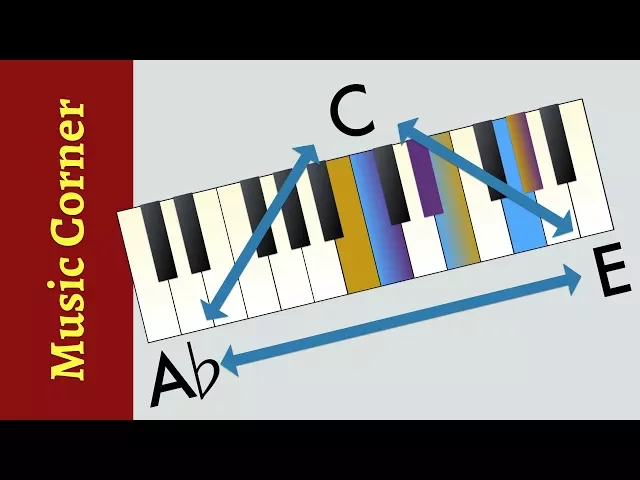
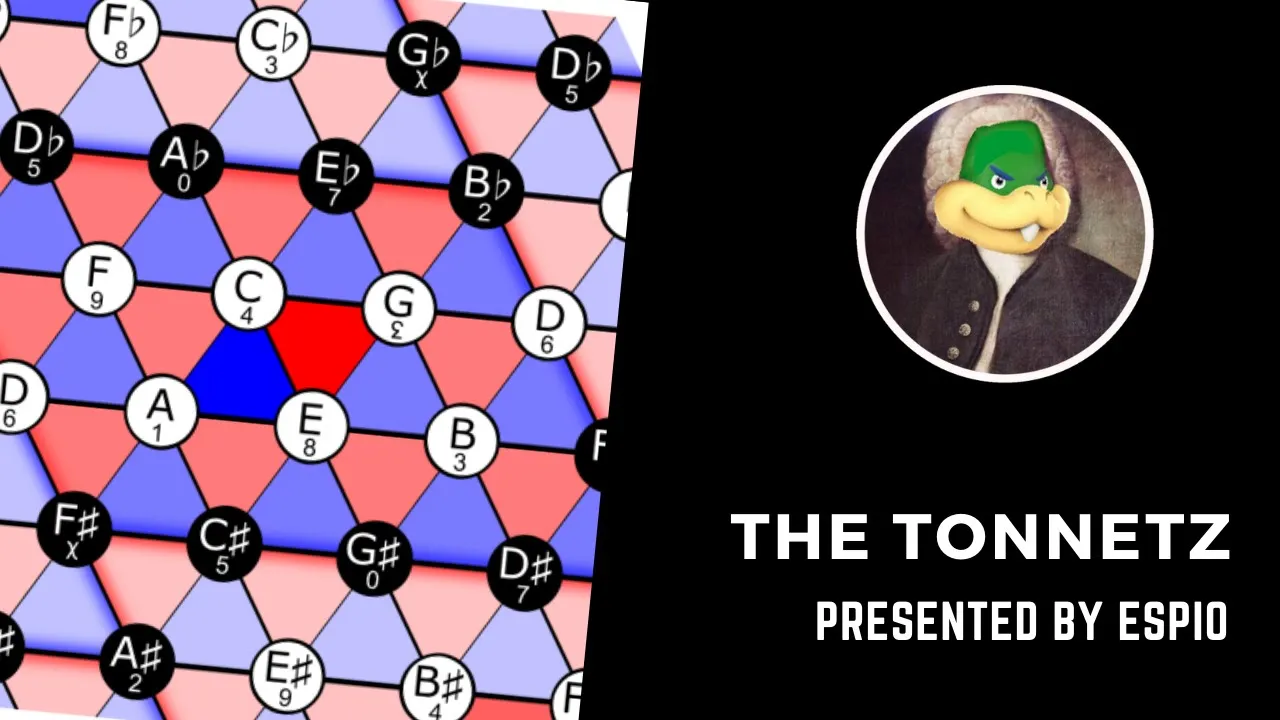
hey everyone welcome to today's video today we're going to jump into some neor Romanian Transformations it's a bit of a mouthful but it's a really cool theory that explains some of the most epic chord progressions that we've heard in film music and classical music and all kinds of stuff we're going to look at some examples from film music but then we're going to talk about the theory and eventually get to the point where we can start using Neo ranian Theory to write our own epic chord progressions so let's get into it now the first thing I want to do is play a couple examples you may recognize these let's take a [Music] lessen ah I love it the fellowship theme from The Lord of the Rings this is such an iconic chord progression and it moves from the major Triad uh major one chord to the major flat three chord which is a third away from the home chord for C major uh let's listen to it one more time CU I think it's just so [Music] cool okay we're going to come back to that and we're going to tell talk a little bit about how those chords are related but let's take a listen to another kind of similar example but um also very familiar [Music] oh I love this one so menacing this one takes the minor one Triad and it moves from wider one to minor Flat 6 which is really cool it's such a distant Harmony but it's perfect for capturing the menacing quality of Darth Vader so both of these examples are examples of cords that move back and forth to what's known as a chromatic median and this is the kind of basic uh music theory concept that we have to understand before we get into what neor Romanian theory is so let's take a listen or let's take a look at chromatic median median relationship chords and see what all that means okay so first of all let's talk a little bit about median related chords if I take a chord like C major and I keep two pitches in common but move to another Triad E minor which has e and G as common tones those two chords are said to be related by median relationship uh medient just means like they're related by third if we wanted to use just one tone in common then we call that a chromatic median so moving from C major to E flat major has one common tone that g is in common with both of those chords call that a chromatic median relationship okay so let's rewind just a little bit neor Romanian theory is the subfield of music theory in which music theorists are looking at the ways in which Triads are related to other Triads actually some theorists have taken this to like other dissonant Harmony so it does extend beyond just Triads but we're going to talk about kind of the Baseline music theory in Neo ranian Theory which takes Triads and shows how they're related to each other through three basic types of Transformations Neo ranian theory is named uh after Hugo ran who was this German music theorist kind of at the end of the 1800s um and these theories are based on some kind of music musicology work that he did but updated and kind of a little bit more refined so we call it Neo reman Theory so NE Romanian theorists have basically systematized the way in which Triads can move to other Triads through really minimal voice leading in fact when we looked at medians a minute ago we saw that median related chords have two common tones so only one of the tones need to move and even chromatic medians have one common tones so that leaves two other tones that have to move but these are like minimal voice in that happens between one chord and the next so the basic Transformations that take uh one chord to another chord with only one note having to move are as follows we have the parallel transformation or P transformation and this one's the easiest it's like when we just take any Triad and we move it to its parallel major or minor so for example we have C major the P transformation takes us from C major to C minor uh only one tone moves and it moves by half step and the root stays the same so C major to C minor is a p transformation a minor to a major is a p transformation that's the parallel transformation okay so let's talk about the second kind of transformation which is the relative transformation or R transformation this takes us from a major to A Minor triad or from a minor to a major Triad by moving One Tone a whole step so for example from C major to a minor those two keys are relative so this is the relative transformation by moving one pitch a whole step Okay the third transformation is something that's called the leading tone exchange or the L transformation this one's really cool if we go from C major to E minor we basically swap out the root of C major for its leading tone B and we're we now have E minor um when we're trying to go from A Minor triad to a major Triad with the L transformation we actually take the fifth of the Minor triad and move it up a half step so think about C minor uh if we're going to move that through an L transformation we take the fifth G up a half step to a flat and if we have C minor to a flat and so this is the L transformation this works in kind of reverse of the root movement as the r transformation does when we move from a major Triad to A Minor triad through the L transformation The Root moves up a third and when we go from A Minor triad to a major Triad the root moves down a third three different Transformations the P transformation R transformation and the L transformation and these are are the only Transformations that are needed for moving to any median related cord okay so let's talk about this cool chart called the tonet uh which is German for tone Network this is a really cool chart that shows all of the Triads that we have and it places them kind of in relative position to all of the Triads that they are related to through one of these Transformations so let's take a quick look at this this chart here okay so let's first say that on this chart every triangle is what we kind of want to orient our eyes to um all of the so red or pink triangles those are major Triads and you can see that Each corner of the triangle is a different note of that Triad so look at C major for example we have c e and G uh that are all forming the corners of that C major Triad minor Triads are all in blue and so you can see uh C minor here which has c e flat and G and those are on the corners of this minor triangle the blue triangle okay so the other cool thing about this chart is that each triangle has three sides to it right and each side of that triangle shows a different neonian Transformations so let's go back to C major and what we can see here is that if we wanted to do the parallel transformation we would move up from C major immediately over to C minor and so when we move from like a red triangle up to a blue triangle through that horizontal line that is the P transformation the r transformation is moving kind of down to the left so we have ceg here and we see if we move through that side on the lower left hand side of that triangle we get to the relative minor Triad of C major a minor and so that leaves us with the leading tone exchange which moves us down to the right C major moves to E minor through that through that side of the triangle all right so this is all kind of summarized on the bottom left of your screen here you can see those different relationships as they uh as they appear between red and blue triangles between major and minor Triads so one thing is that all of these relationships show median relationships if we want to show chromatic median relationships then we use combinations of these Transformations so maybe we'll do p and then R and we get different kinds of Transformations that way Remember The Fellowship of the Rings theme which goes from major one so C major to Major flat 3 E flat major so let's see what the shortest distance is between C major and E flat major on our tonet chart here so I see C major and if we wanted to go to E flat major which is kind of up to the right of that first we have to do a parallel transformation C major to C minor and then we do a relative transformation C minor to E flat major and so those two chords are then related by a PR transformation all right so how do we use this kind of cool theory for writing our own epic harmonic progressions well one way that we could do this is by looking at our tonet chart and actually just trying out different chord progressions as they appear on the page so the first one I'm going to do is kind of just start with C major and I'm going to move over to the right on the tonet chart so we're going to move from C to E minor then it goes to G major then to B minor and so on I really like that harmonic progression and you can see that if you use this kind of technique to make your harmonic progressions then you get Triads that are actually pretty distantly related to each other but they are related through the voice leading which I think is kind of exciting it makes those chords sound related even though they're pretty distant from each other in terms of where they are in the scale okay so now I want to give you a challenge try this out on your own take a look at this chart I've linked to the Wikipedia page that I found it on right below so you can see it for yourself and try to like navigate your way through this chart by different combinations of Transformations and I challenge you find a really awesome chord progression and put it in the comments I will look at it and I think that would be really cool for us to share some of those different chord progressions thanks so much if you enjoyed this video please give it a thumbs up and remember to subscribe because I am making a video every single week on a different music theory topic that can help you be a better student and a better composer thanks for watching we'll see you next time
Up Next
1:22
The Tonnetz: Euler's 300-Year-Old Map of Musical Harmony
@reuben_levine
2.2M views•2025-05-18

10:20
Mozart's Musical Dice Game Explained: History, Rules, & Fun
@webpianoacademy
5K views•2023-03-13

47:36
Understanding Diatonic 7th Chords in Major Keys | Music Theory Tutorial
@GracieTerzian
54.7K views•2022-03-02
10:49
Understanding John Coltrane's Giant Steps: A Music Theory Analysis
@Vox
10.4M views•2018-11-12
Related Study Plans & Knowledge Roadmaps
Structured learning paths in Music Theory
music-theory
Composing Galant Music: Partimento & Schemata
01Foundations of Figured Bass and Keyboard Harmony
02The Rule of the Octave (Regola dell'Ottava)
03Galant Schemata: The Building Blocks of Form
+ 2 more learning modules
30h5 modules
Explore Roadmap
music-theory
Decoding Overtone Series: Tuning & Drone Music
01Acoustic Foundations: The Physics of the Overtone Series
02Tuning Systems: Equal Temperament vs. Just Intonation
03Microtonality and Spectralism: Beyond Standard Pitches
+ 2 more learning modules
24h5 modules
Explore Roadmap
music-theory
Impressionist Harmony: Scales, Planing & RPGs
01Foundational Music Theory: Keys, Intervals, and Seventh Chords
02Impressionist Color: Chord Planing and Parallel Harmony
03Whimsical Textures: Pentatonic Cascades and Whole-Tone Scales
+ 1 more learning modules
14h4 modules
Explore Roadmap
music-theory
Negative Harmony: Axis Reflection in Indie Pop
01Music Theory Foundations: Scales, Intervals, and Triads
02Functional Harmony and the Circle of Fifths
03Demystifying the Negative Harmony Axis Reflection
+ 2 more learning modules
16h5 modules
Explore Roadmap