![베이스기타 기초 - 베이스기타 기본 코드 잡는 법, 메이저와 마이너 3화음 음정 관계 강좌 [베이스의선율]](https://i.ytimg.com/vi_webp/eedj8LVyRlU/maxresdefault.webp)

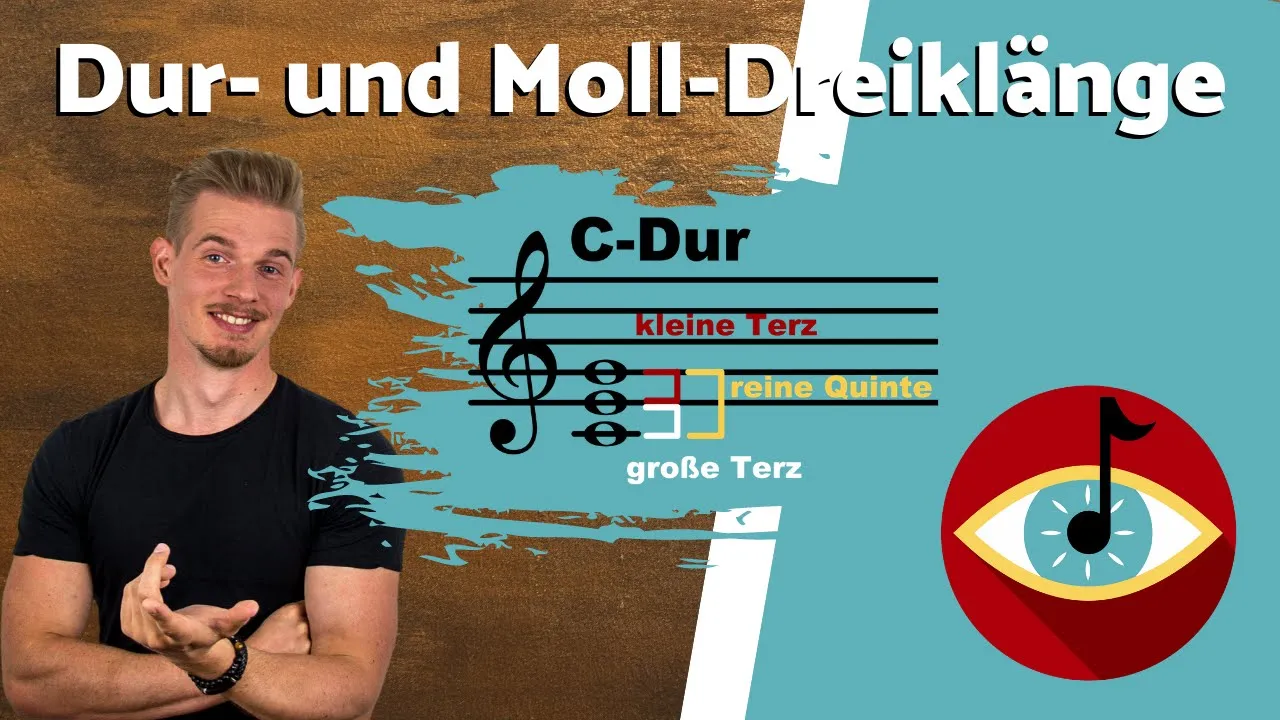
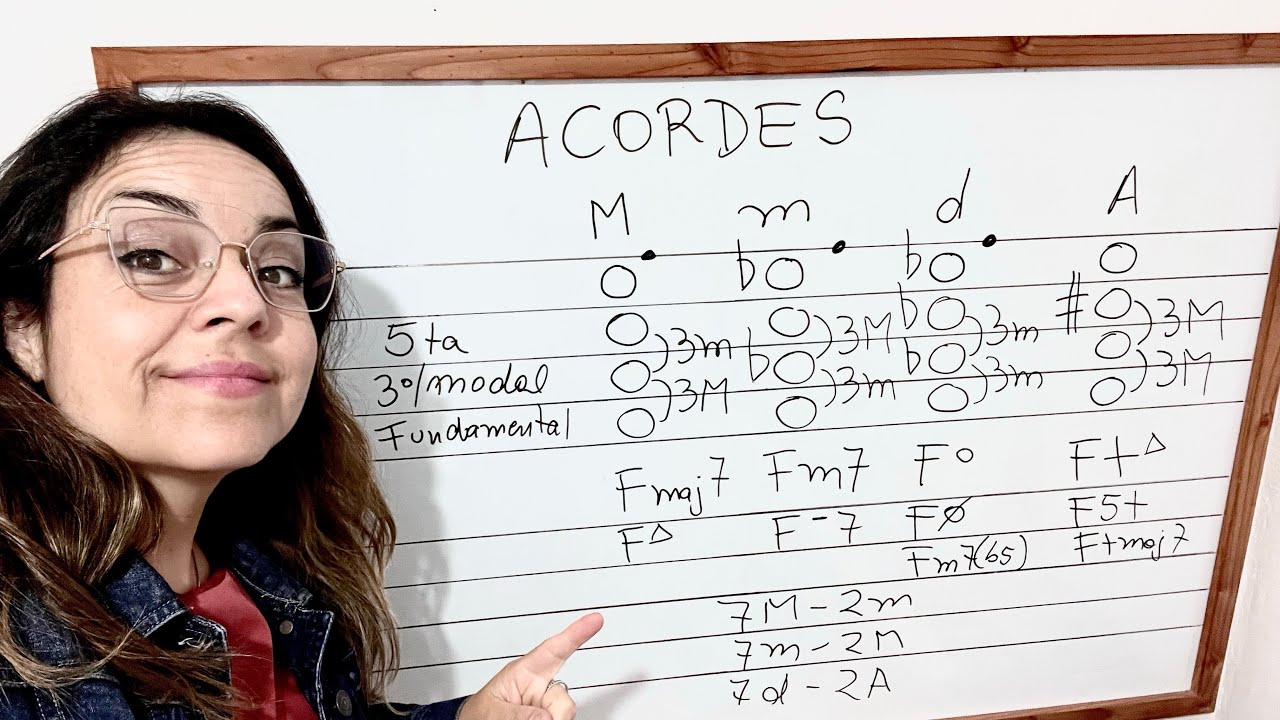













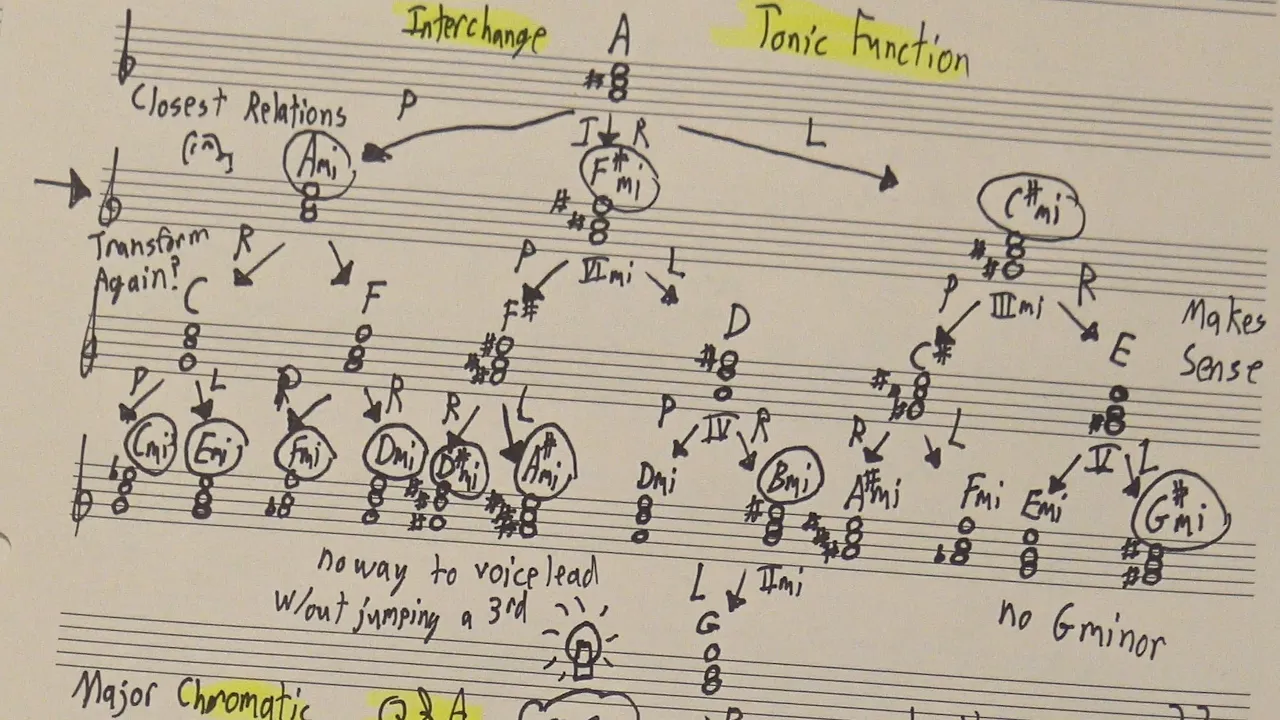

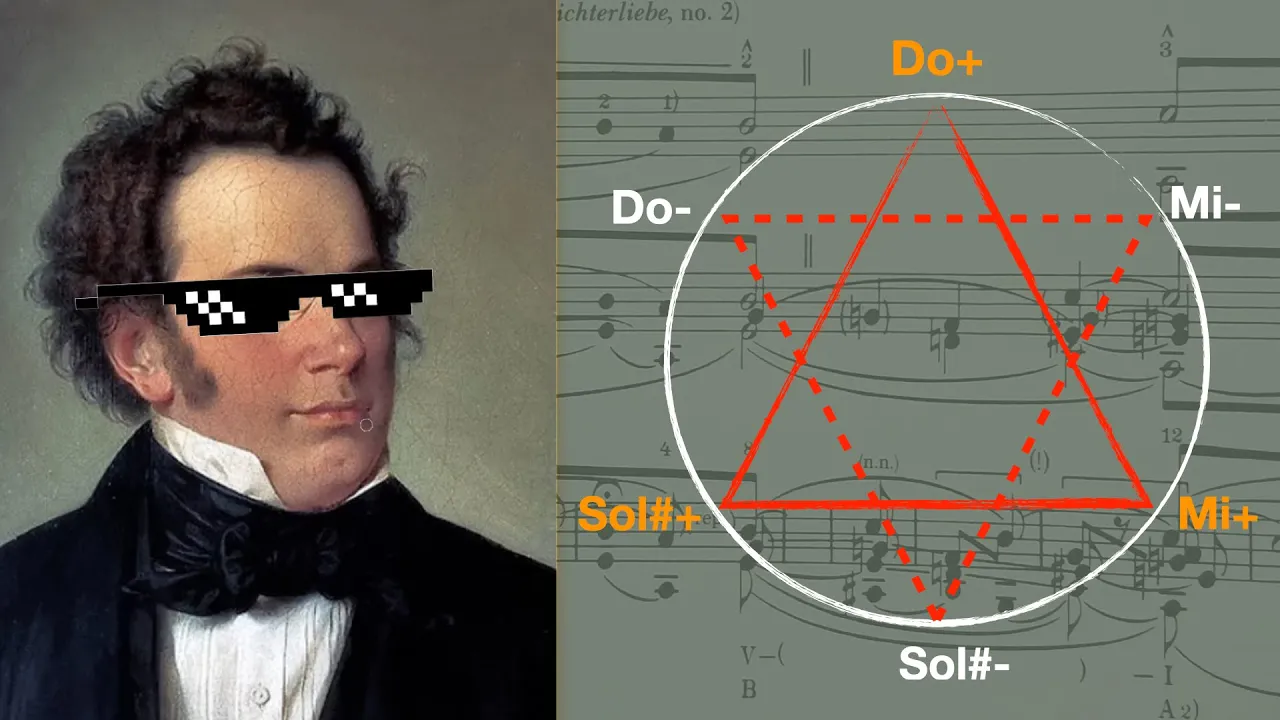


Neo-Riemannian theory, developed by theorists including David Lewin, Richard Cohn, Henry Klumpenhauer, and Brian Hyer based on Hugo Riemann's harmonic dualism, provides a system for analyzing triadic relationships without reference to traditional tonal key centers. The theory uses three basic invertible transformations (P for parallel, R for relative, and L for leading-tone exchange) that convert major triads to minor triads and vice versa while maintaining maximally smooth voice leading. Secondary transformations (N, S, H) extend these operations, and Uniform Triadic Transformations (UTTs) offer an algebraic shorthand using plus/minus signs and numerical values that add to 12 to represent any triadic relationship. This analytical framework is particularly suited for studying music that uses tonal harmonies without functional tonality, such as works by Strauss, Wagner, and Schnittke.
Neo-Riemannian Theory: An Introduction to Triadic Transformations
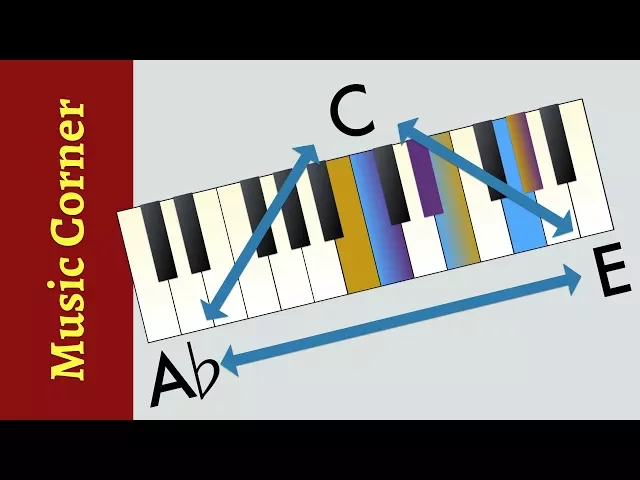
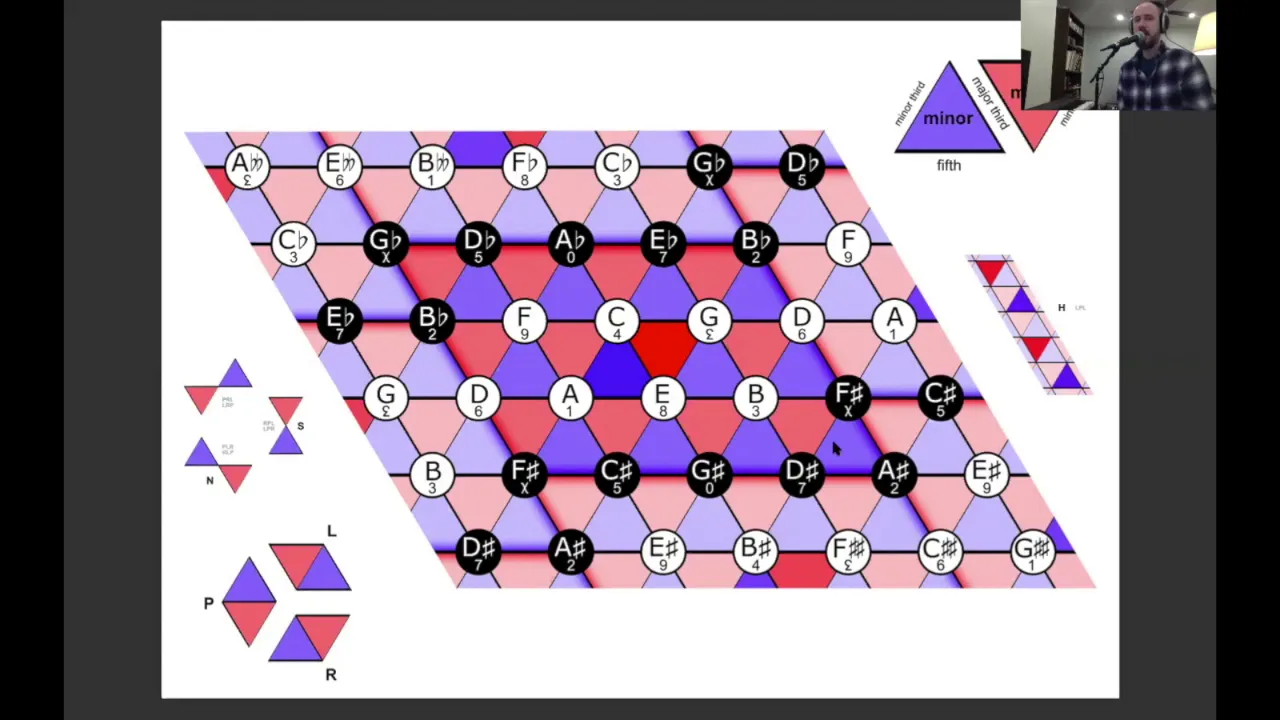
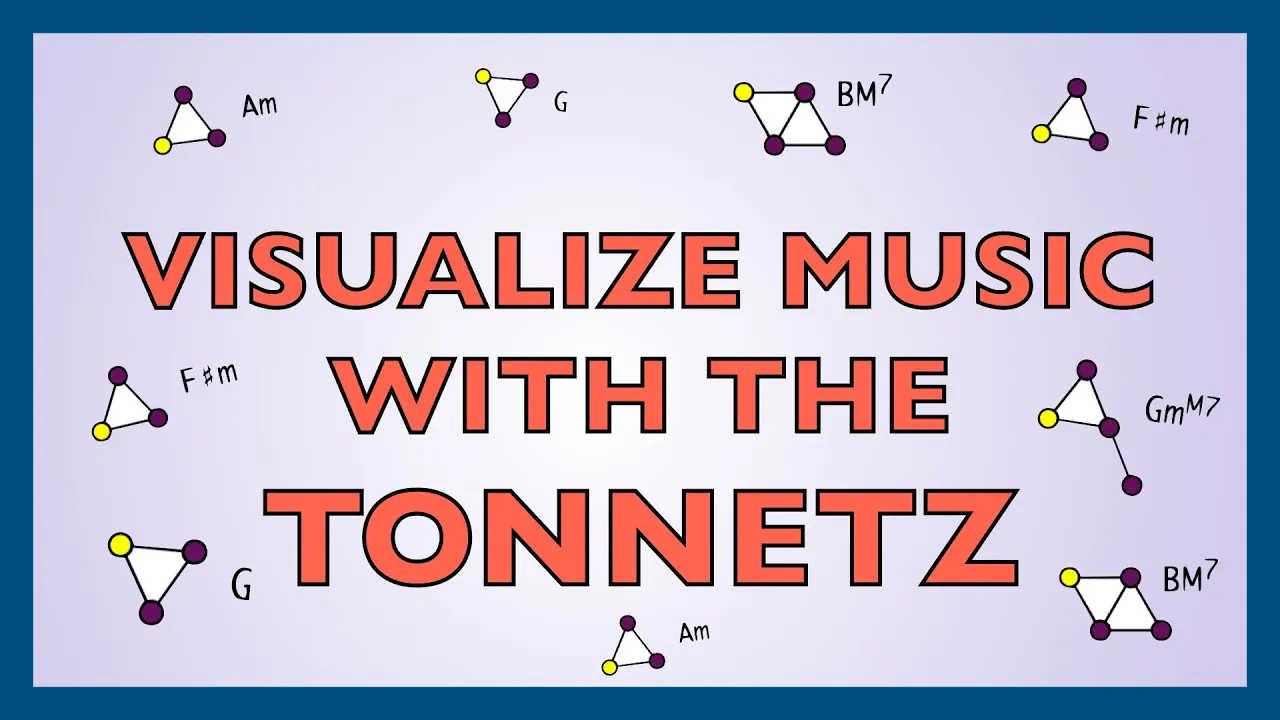
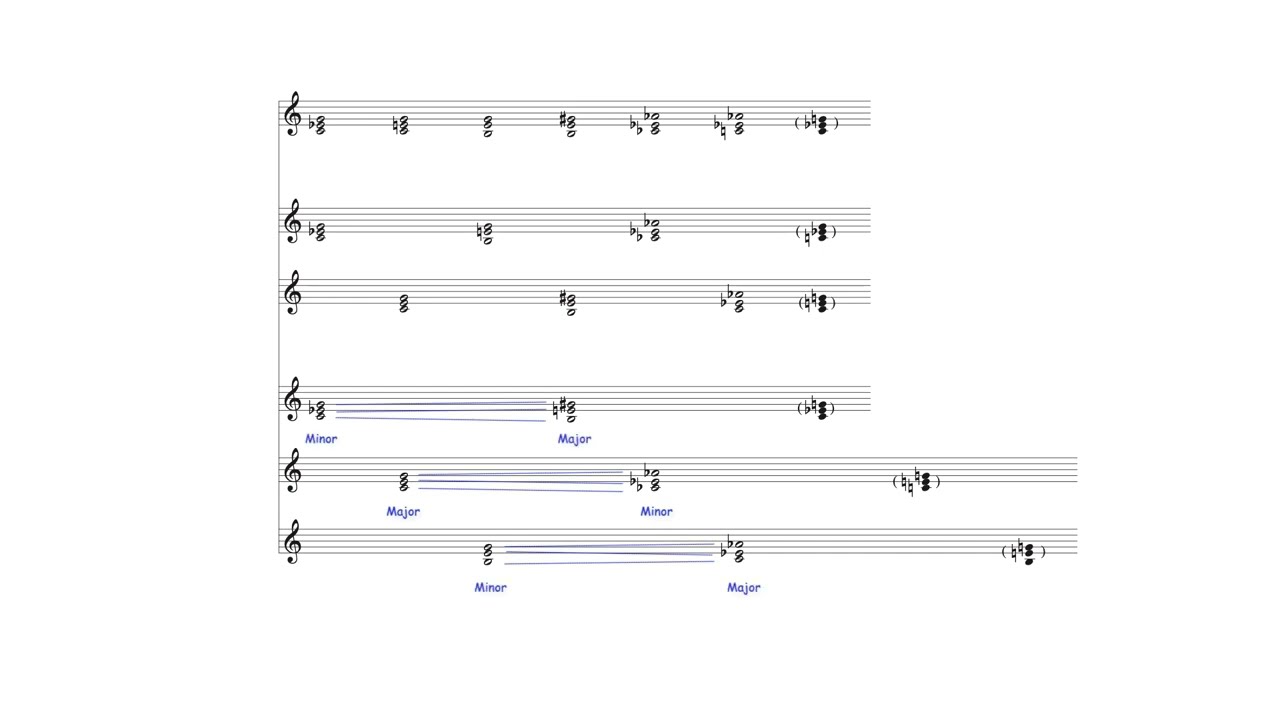
Added:[Music] [Applause] anyone studying western music theory will be introduced to the concept of harmonic functionality the idea that chords in a piece of tonal music may be categorized into three groups tonic subdominant and dominant this was one of the many theoretical innovations many of which we used today by the german music theorist and musicologist hugo riemann riemann was interested in a wide variety of theories and among these was the idea of harmonic dualism dualism takes the idea that the major triad emerges naturally from the harmonic series and inverts the series to explain the minor triad harry parch did the same thing to get his otonality and utenality concepts riemann would later disavow the notion of dualism as an explanation for the minor scale but the idea that minor is an inversion of major stuck around 20th century pitch class set theory did the same thing by looking at the intervals of both chords and if you're familiar with the idea of negative harmony it has a lot of overlap if you build a major third and then a minor third up from c you get c major but you build the same interval pattern down from c and you get f minor in this theory the root of the chord isn't necessarily what you'd expect or even track c major can be represented by c plus because you're building up from c but f minor building down with those same intervals from c can be represented as c minus imanian theory is a branch of musical analysis that's devoted to understanding a gap between traditional tonal harmony on one side and complete atonality on the other composers of the late romantic era like to play around with triads the surface level component of tonal organization without adhering to the underlying substrate that is where do triads come from i mean the harmonic series sure but ultimately their function in tonal music is to express what key you're in and where in that key you were so to use triads without key was novel it's like you took all the sounds present in the language and then you randomized them and there's only so far you can take this concept before composers began wondering well if we're no longer concerned with ki why are we limiting ourselves to the sounds of that language if the precepts by which those sounds were derived that is key in tonality was no longer playing an active role this is where atonality and then the 12-tone system and other forms of musical structure began to emerge but there was this middle period where triads were still around but tonality wasn't this left some of the most orally compelling music the late 19th and early 20th centuries that is composers who use tonal harmonies without using functional tonality without substantive literature on how we can analyze and understand it this is strauss this is wc this is rimsky-korsakov this is wagner no small names based on the work of hugo riemann a group of theorists including david lewin richard cohn henry clumpenhauer and brian heyer came up with a set of operations that may be performed on triads of different qualities without regard for overarching tonal organization it takes minor and major triads as operary constructions that mirror one another in interesting ways so it is perfect for taking a look at music that uses triads without reference to key this is an example of a kind of music theory that is trying to analyze trianic atonality people think that atonality just means music that is intentionally dissonant but this is a case from a technical perspective any music that does not comply with common practice tonality is atonal [Music] because nirimanyan analysis makes neither presumptions nor predictions about the peace from which a given excerpt is pulled it is unmoored from having to explain everything in its purview in the context of an entire piece instead triads are related only to themselves in their surrounding immediate context through a series of operations that take major chords and transform them into minor chords or vice versa riemann's writings on harmonic dualism find footing in these operations which are entirely invertible invertibility in these operations is the key component if you begin with a triad of one quality and perform one of these operations to get a triad of a different quality performing that same operation on the second chord that you get will just give you your original chord again so only minor and major are able to work in the system you're not going to find diminished or augmented chords anywhere these basic operations to convert major into minor and vice versa are p r and l so if you've gotten to this point in the video you probably already know the concept of parallel and relative chords and keys we already think of these concepts dualistically right if you have a major key you can have a parallel minor and you can have a relative minor while in a minor key you can have a parallel major and a relative major it's not possible for a minor key to have its own relative minor or a major key to have its own parallel major so p and r they stand for parallel and relative they're familiar operations just keeping two common tones from a starting major chord and replacing one note with one a step away l stands for light on vexil which is a german term translating to leading tone exchange this operation replaces the root of a major chord with the note a half step below it the leading tone like the other two this is a dualistic operation because this is not a more familiar theory term you might think that you started in c major and performed l to get e minor you could just perform l again and get g augmented and then b major and so on but this doesn't work because the exchange needs to be as dualistic as p and r no augmented chords allowed l and p are functions that exhibit a property known as maximally smooth voice leading the idea here is that the best possible voice leading has a as many common tones as possible and b the voices that move should move by as little as possible in order for it to be maximally smooth you need to move it by half step so r with its whole turn motion is smooth but it's not as smooth of voice leading as the other two because two notes stay the same as these operations unfold the interval that they create will be maintained he will always retain the perfect fifth r will always retain the major third and l will always retain the minor third these functions retain two common tones but what if we expand these functions to include voice leading where there is only one or no common tones [Music] these are known as secondary transformations because they take the basic transformations and apply them in certain orders you can think of the basic operations as sort of the lowest common denominators and so there are many many possible secondary functions but the ones that are the most commonly used in the literature are in which stands for neben favant a german word that roughly translates to secondarily related which preserves the root of a major chord and takes the other two notes just up a half step there's also s for slide where the mediant of a chord is preserved and the outer fifth moves in parallel motion and there's also my personal favorite h which stands for the hexatonic pole no common tones are preserved in this one h relates to the hexatonic scale which alternates half steps and minor thirds you can think of this as kind of related to the whole tone scale but just where one of the augmented triads has been displaced by a half step so starting on c the notes that you need to get a hexatonic scale would be b e flat and a flat which can then be inharmonically spelled as a flat minor the opening of rayfond williams c symphony starts with an h relationship so when you take a triad and it's h-related triad you will get a hexatonic collection and because they're only 12 notes there are only four discrete hexatonic collections what's missing in near imanian analysis is the tonal dominant tonic relationship which makes sense because this wasn't designed to analyze music that used tonal cadences [Music] the dualistic nature of these neorimony operations with these letters standing for these little machines that swap back and forth between two chords of different qualities and specific ways means that it's possible to construct a shorthand for any relationship between two chords that you want to define even arbitrarily christopher siegel to analyze alfred schnitke's use of triads defines m as the relationship between a major triad and a minor chord a minor third up nier riemannian analysis can look incredibly beautiful as chords can be connected in a lattice called the tonets where everything is connected to everything else so while you can define m as p r and p arranged in that order unless you're getting from point a to point b using those operations most of the time composers aren't doing that there has to just be a better way of talking about these things rather than using an unstandardized system of secondary relationships using capital letters so near-imanians have come up with an efficient shorthand called uniform traumatic transformations or utts as offered up by julian hook in 2002. a utt consists of three elements there's a plus or minus sign and then two numbers which usually add up to 12.
the plus or minus tells us if we keep the mode or swap it for the other the first number tells us how many semitones to transpose it up if the input is major and the second how many semitones to move it up if the input is minor the utt is sort of like an algebra function you input something in this case a triad and the utt will tell you exactly what you're supposed to do with it all nirimanian transformations can be mapped as utts reason these two numbers have to add up to 12 is to make them reversible the m function can be represented as minus three nine it flips the incoming triad and then moves it up three half steps if it's major but a minor chord will switch to major and go up nine half steps working in a sort of base 12 system here because you only got 12 notes if these numbers do not add up to 12 or if there's a positive sign they can create chains of quartz this is how you can reverse engineer the circle of fifths for instance each and every one of the romanian utts are charted in hook's 2002 article where he defines all dualistic utts along with their riemannian names how you get to them using the basic transformations and other columns that categorize pretty much every previous attempt at organizing these relationships what pops out here are the schritz and the vexils which stand for step and exchange schritz have positive utts which means that they create chains of chords so using the gigan light tone shrit which translates to step against the leading tone the quality of the chord is preserved and c major moves up to d flat major but applying the gigan light on straight a second time leads to d major then e flat major and so on this allows us to measure the furthest possible point away from the input chord totally we think of the tritone as the biggest tonal shift and you might think the h relationship we looked at earlier was pretty wild but according to this table the gigan quint vexel which transforms c major into b flat minor in back is the furthest any two chords can be it's the only relationship where you need five basic relation steps to get from point a to point b this makes it the tonet's pole it is the furthest possible point on this lattice structure away from whatever you've defined your starting point as going any further into niamanian theory would involve a deep dive into a lot of very complicated looking mathematical equations there are proofs and intimidating diagrams but this is just an introduction so we're going to have to stop here and ask ourselves a final question why isn't this more commonly taught when most people learn about neorimanian theory their response is that the system is incredibly elegant and beautiful but that it's not a branch of theory that gets taught a lot certainly not before grad school and they wonder why and the answer to that is more than the fact that academia and academic music theory in particular is resistant to changing what they've been doing for hundreds of years maybe the neo-romanian theorists aren't all dead the issue has to do with the limits of near-imani in theory more than anything else when you compare neo-imanian operations to heinrich schenker's theories you'll find that they're really narrow in scope when it comes to what they can explain but schenger's theories are concerned with the totality of a piece of music shinker proposed a sort of music theory equivalent of a theory of everything whether you think his theories are valid is irrelevant it's the scope it's the audacity of a theory that's the selling point the same goes for roman numeral analysis pitch class set theory etc they can explain what happens not just moment to moment in a piece but over the course of an entire long work and that's just not what near imani analysis is about these theorists focus narrowly on certain inexplicable passages in certain pieces to explain how they work niramani in theory proposes no overarching system of what's happening globally this thinking is still in its infancy and it just hasn't had enough time to take root and develop in time it may become a core part of the theory curriculum i certainly hope so i wouldn't be making a video on it if i didn't think it was interesting part of it may be a need for more music that uses near-imanian concepts over the course of a whole piece and not just in unusual moments or voice-leading idiosyncrasies the theory is stuck analyzing leftover scraps of music that can't be better explained in other ways using other theories reading the analytical literature makes me think i'm in dereliction of my duty as a composer like we gotta go out there i'm gonna write some nerimania music and we gotta keep our music theory people employed yeah [Applause]
Up Next
Analyzing Hexatonic Cycles in Classical Music Theory
@decipherguitarandmusictheory
1.3K views•2022-09-22

Mozart's Musical Dice Game Explained: History, Rules, & Fun
@webpianoacademy
5K views•2023-03-13

Spectralism Explained: Music Theory, History, and Key Composers
@ClassicalNerd
69.3K views•2022-09-05
Understanding John Coltrane's Giant Steps: A Music Theory Analysis
@Vox
10.4M views•2018-11-12
Related Study Plans & Knowledge Roadmaps
Structured learning paths in Music Theory