















Mozart's Musikalisches Würfelspiel (Musical Dice Game) was an 18th-century composition method that used chance operations to help musicians overcome creative blocks by randomly selecting pre-composed musical phrases from a template, demonstrating how systematic combinatorial approaches enabled even musically untrained individuals to create unique compositions while revealing insights into the harmonic structures and compositional patterns of the Galant style.
Mozart's Musical Dice Game Explained: History, Rules, & Fun
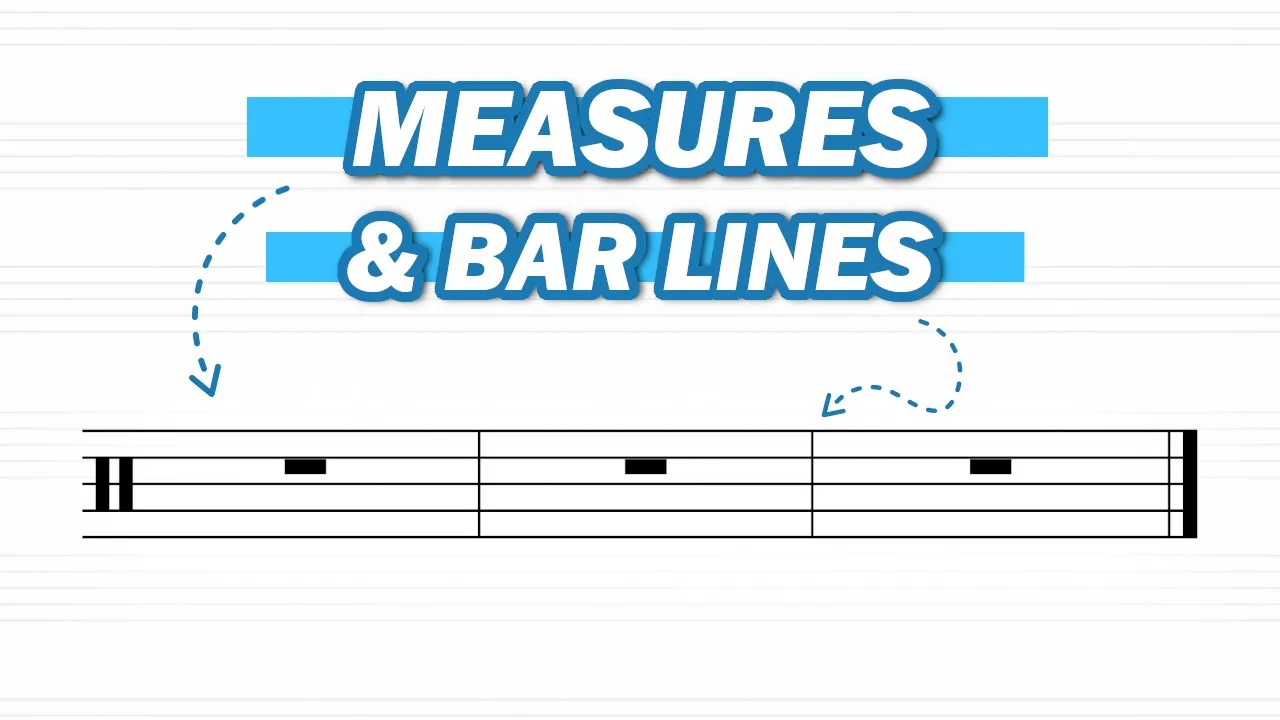
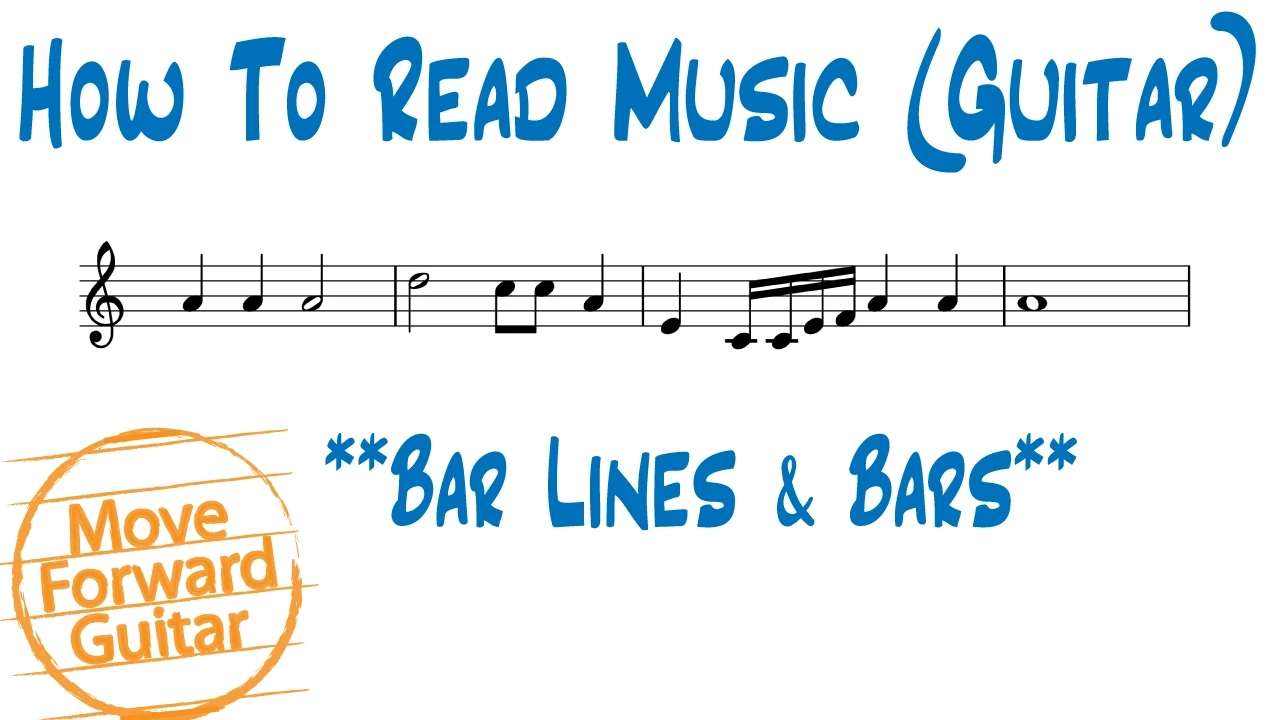
Added:Basic understanding of music theory notation, specifically bars, measures, and musical phrases.
Familiarity with Classical-era musical forms, especially the standard structure of a Minuet and Trio.
Fundamental concepts of diatonic harmony, such as cadences and tonic-dominant chord progressions.
Elementary probability and combinatorics, specifically understanding random distribution and independent events like dice rolls.
Exploring 20th-century aleatoric (chance) music, including the philosophies and works of composers like John Cage.
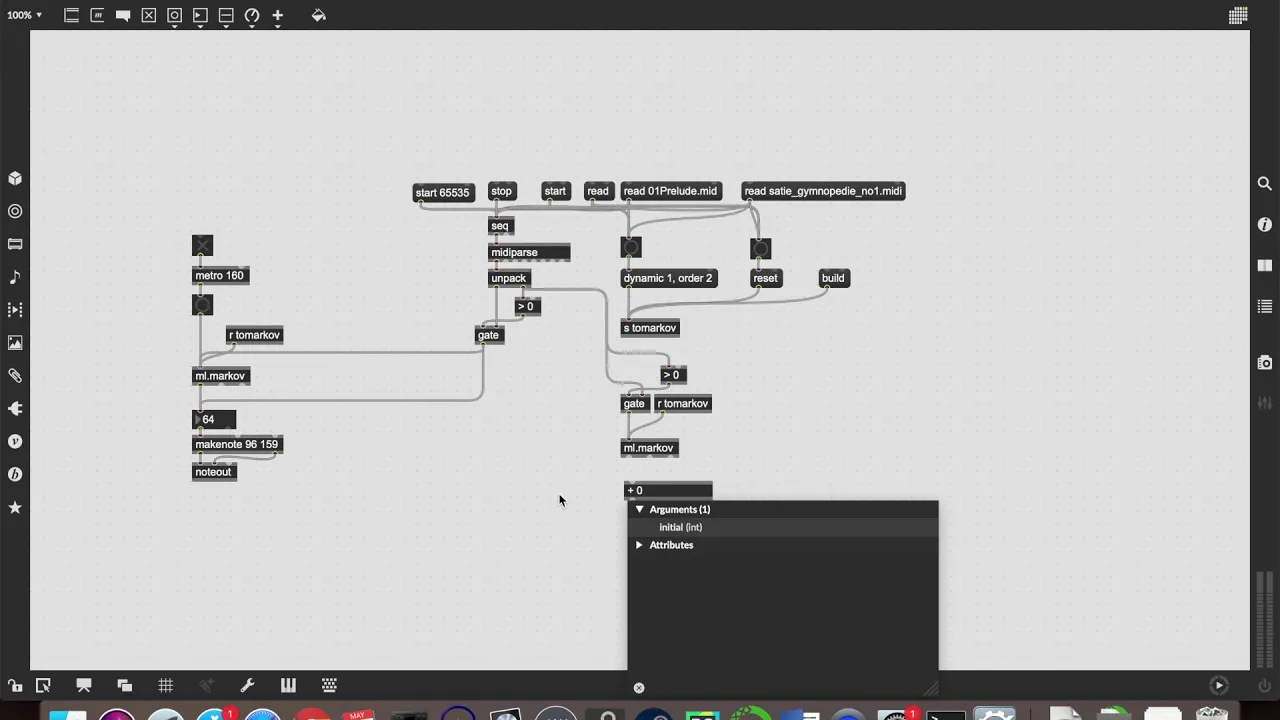
Introduction to algorithmic and generative music composition using programming languages like Python or Max/MSP.
Studying Markov chains and modern artificial intelligence models applied to automated musical style imitation.
Analyzing historical precedents and contemporaries of Mozart who used mathematical systems, such as Johann Philipp Kirnberger.
5K views0likes10:20Original Release: 2023-03-13
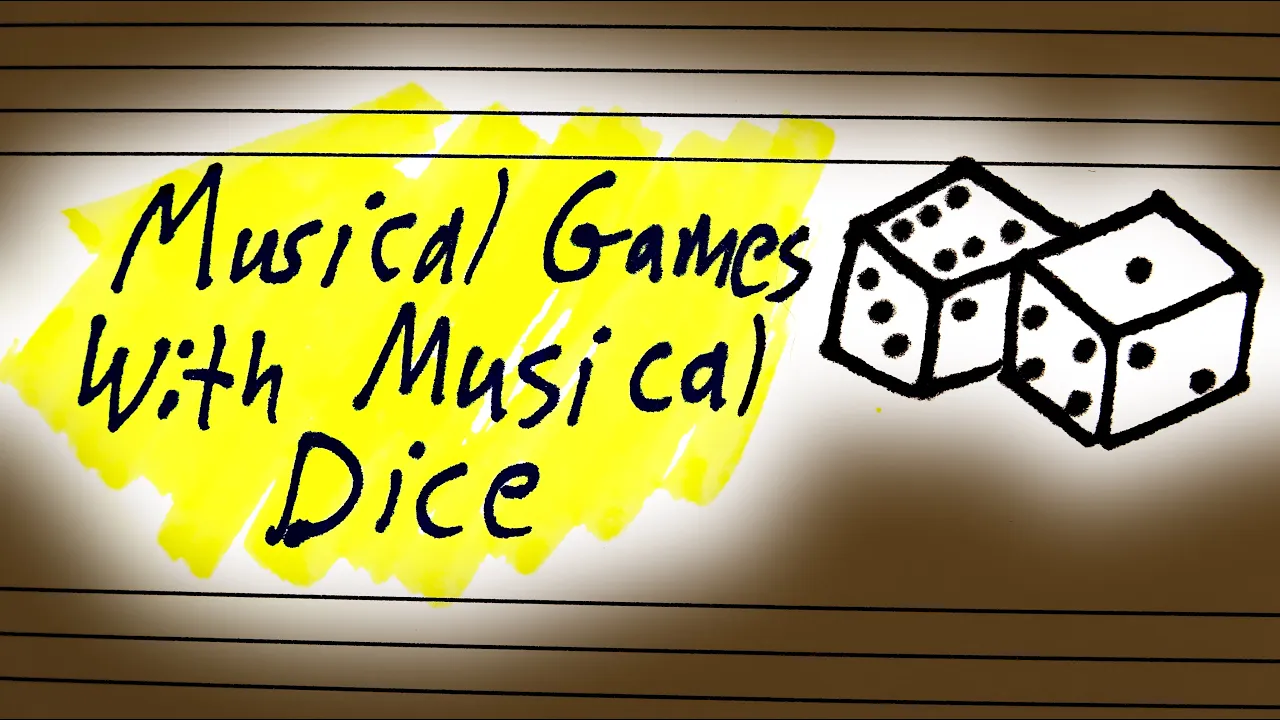
you want to dance the mask you must service the composer do you ever find yourself stuck when trying to create a new piece of music or you would not know how to start today we are going to explore a fun way to overcome composer's block or start composing music without knowing much about the process in this video we'll take a deep dive into Mozart's musicalishes a beautiful Spiel also known as the musical dice game we will learn about its history how to play it and how this game could help you create unique pieces of music in a fun and entertaining way [Music] how did composers manage to be so productive and that they didn't have a computer with the adventure of artificial intelligence we can think of a similar system to create music today or at least to create sketches and musical ideas for a composition but this might be a subject for another video now let's go back to the 18th century when a unique Trend emerged in Europe it involved the use of certain templates to compose music and the consequence was the creation of the Musical die skin dice games remind me a bit of the way my parents are used to teach their students how to read and write sentences my parents were Elementary School teachers and they used to give their students some words on cards and the students had to combine them in a way that made a sense then they had to read the sentences they had to created and then they had to write them down and have fun with sometimes really hilarious sentences that they not that much sense now the musical dice games provide you with ready to use sentences in which you just need to switch things around and you switch the words around to get a new composition in this case the words are measures these games enabled even the musically illiterate to create a beautiful musical Pieces by using prefabricated Parts selected through the use of chance operations this emerged specifically from the type of compositions that were popular at that time composers used well-established schemas and patterns to create what we know today as the Gallant style the popularity of such games in the 18th century was a manifestation of the Age of Reason like today the trend was toward explaining all events through scientific investigation and this practice dependent on new developments and the fields of mathematics and science the dice games were based on the principles of permutation or the rearrangement of elements and combination or the addition and substitution of selected elements this is called as combinatoria which is the systematic rearranging of materials in as many ways as possible under given conditions from 1757 to 1812 at least 20 musical dice games were published in Europe some in multiple editions and multiple languages King burgers there are let's say to give minuetan and Polynesian companies my German is failing here Johan Philippa kunberger said the alright minuetzen and Polynesian companies was the first publication of this kind and it inspired other composers to create their own musical dice games one of the most famous musical dice games is probably malted musical Spiel now it is important to note that Mozart's authorship of the game is not certain but it was common during the gallon style to use certain schemers to compose music and so Motors bill is a fascinating insight into the harmonic structure of the music in the 18th century it's interesting to see how composers might have used chance operations to be very prolific and create a piece of music in a matter of hours I think so show me this game allowed anyone to create a waltz or a sort of minuets by using Daiso to determine which measures to use the game consists of a 272 measures of music that are divided into 16 different musical options to play the game you would roll two dice and consult a table like in kimberger's game to determine which musical option to use in this section we'll demonstrate Mozart's musical dice game and you will create a walls in a matter of a few minutes for this we'll use a replica of the original game published by Mozart's publisher and our composer will be our host who has no prior knowledge of music composition foreign step two grab two dice step 3 roll the dice and use the numbers to determine which measures of music to you step four write down the measures in the order that the dice dictate [Music] step 5 perform your Unique Piece Of Music thank you that's the beauty of the Musical die skin takes away the pressure of composing music from scratch and it allows you to focus on the creative process so without worrying so much about the technicalities and I will add step six and if you do not like the piece of music you created start changing things around while maintaining the harmonic and Main melodic structure for example you could change the order of the measures or even add your own variations to the game it's that simple and the best part is that you can modify the score according to your own taste and wishes making it each piece of music could truly truly unique [Music] foreign [Music] systems cover all Aesthetics and styles and periods with some open-ended variants offering an alternative to the fixed never changing compositions that Define the musical limits for most of us non-specialists may be disappointed that composition includes seemingly arbitrary and inspired formal methods and systems of calculation however what we should see here is that calculation has been part of the western musical tradition since ever the human mind works in learning schemas and patterns and now don't forget to like And subscribe to our channel for more interesting videos about music and its secrets and if you end up composing a piece of music using this particular game we'd love to hear it please share it with us in the comments section below thanks for watching and see in the next video bye foreign [Music]
Up Next

15:03
What Is Partimento? Historic Improvisation Explained
@cedarvillemusic
17.7K views•2020-03-20
16:05
Double Counterpoint Schemata in Partimento Practice
@en-blanc-et-noir
11.8K views•2020-08-16

47:36
Understanding Diatonic 7th Chords in Major Keys | Music Theory Tutorial
@GracieTerzian
54.7K views•2022-03-02
10:49
Understanding John Coltrane's Giant Steps: A Music Theory Analysis
@Vox
10.4M views•2018-11-12
Related Study Plans & Knowledge Roadmaps
Structured learning paths in Music Theory
music-theory
Composing Galant Music: Partimento & Schemata
01Foundations of Figured Bass and Keyboard Harmony
02The Rule of the Octave (Regola dell'Ottava)
03Galant Schemata: The Building Blocks of Form
+ 2 more learning modules
30h5 modules
Explore Roadmap
music-theory
Decoding Overtone Series: Tuning & Drone Music
01Acoustic Foundations: The Physics of the Overtone Series
02Tuning Systems: Equal Temperament vs. Just Intonation
03Microtonality and Spectralism: Beyond Standard Pitches
+ 2 more learning modules
24h5 modules
Explore Roadmap
music-theory
Impressionist Harmony: Scales, Planing & RPGs
01Foundational Music Theory: Keys, Intervals, and Seventh Chords
02Impressionist Color: Chord Planing and Parallel Harmony
03Whimsical Textures: Pentatonic Cascades and Whole-Tone Scales
+ 1 more learning modules
14h4 modules
Explore Roadmap
music-theory
Negative Harmony: Axis Reflection in Indie Pop
01Music Theory Foundations: Scales, Intervals, and Triads
02Functional Harmony and the Circle of Fifths
03Demystifying the Negative Harmony Axis Reflection
+ 2 more learning modules
16h5 modules
Explore Roadmap