









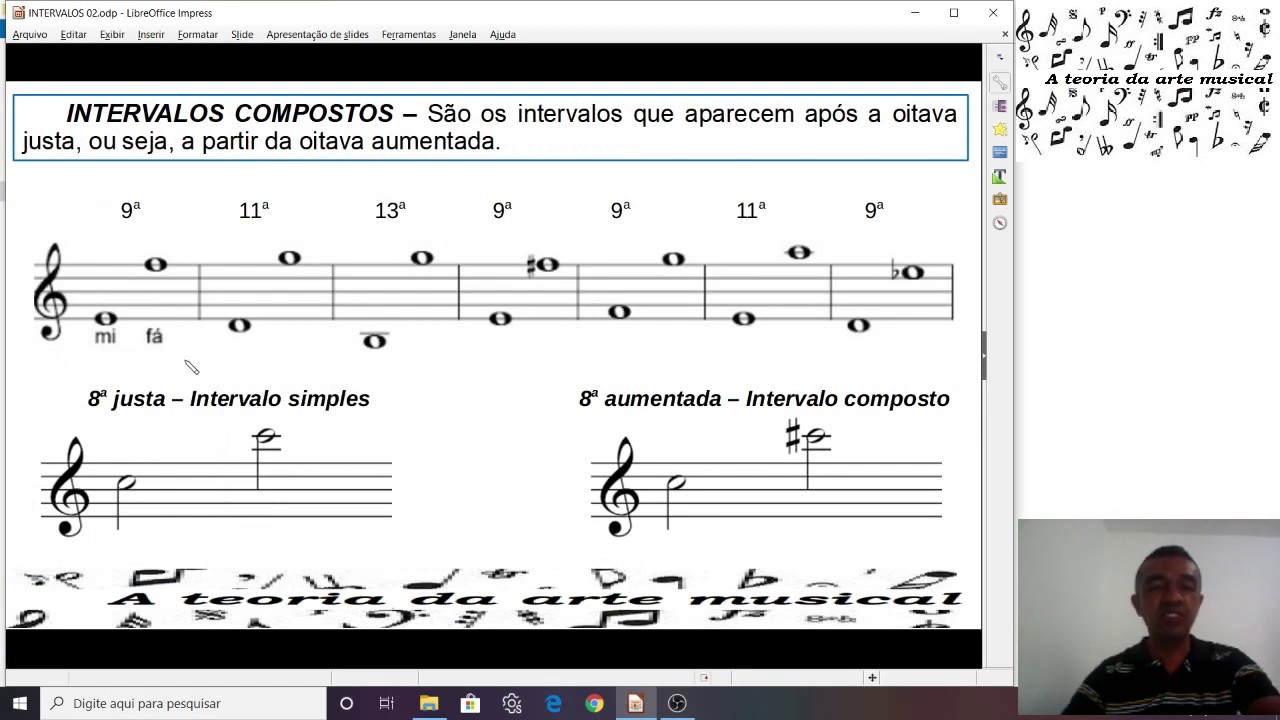


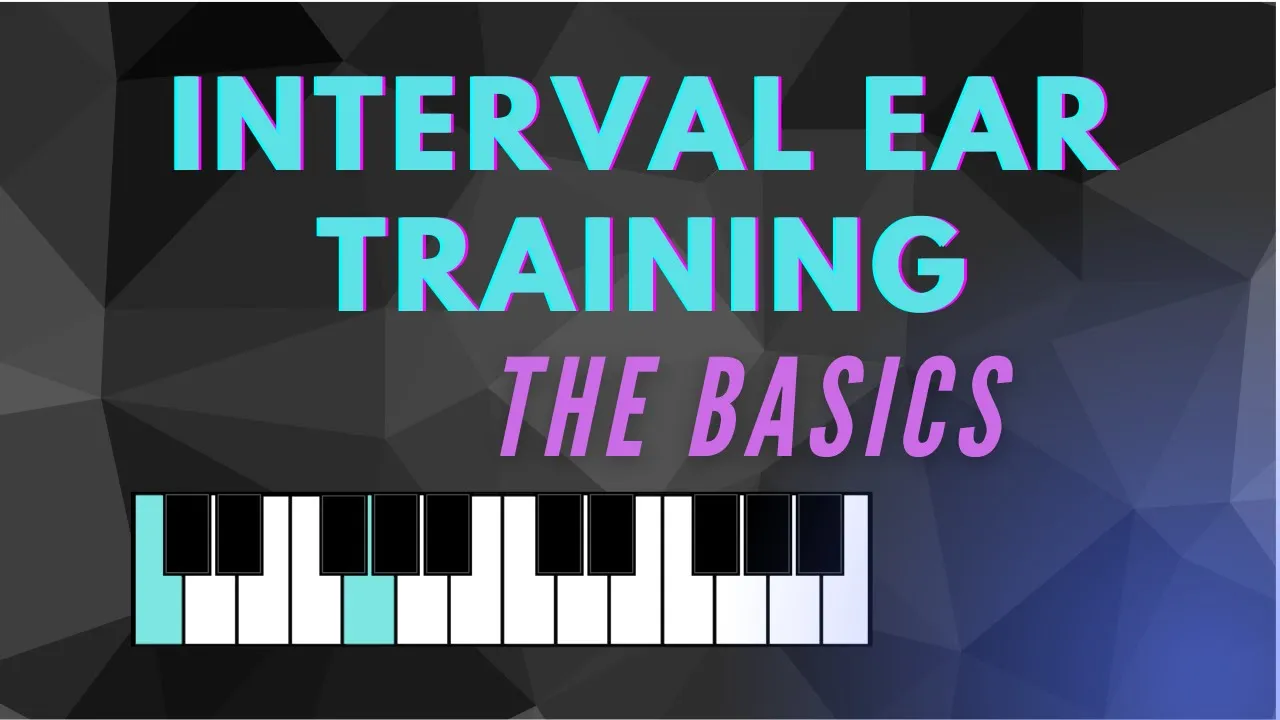


Musical intervals are distances between notes measured by letter classes (A-G) and semitones, with major/minor intervals indicating larger/smaller sizes (e.g., major second = 2 semitones, minor second = 1 semitone), while perfect intervals (fourths and fifths) have fixed sizes of 5 and 7 semitones respectively; augmented intervals are expanded beyond standard sizes and diminished intervals are contracted below standard sizes, with the tritone serving as both an augmented fourth and diminished fifth depending on context.
Musical Intervals Explained: Music Theory Fundamentals Guide
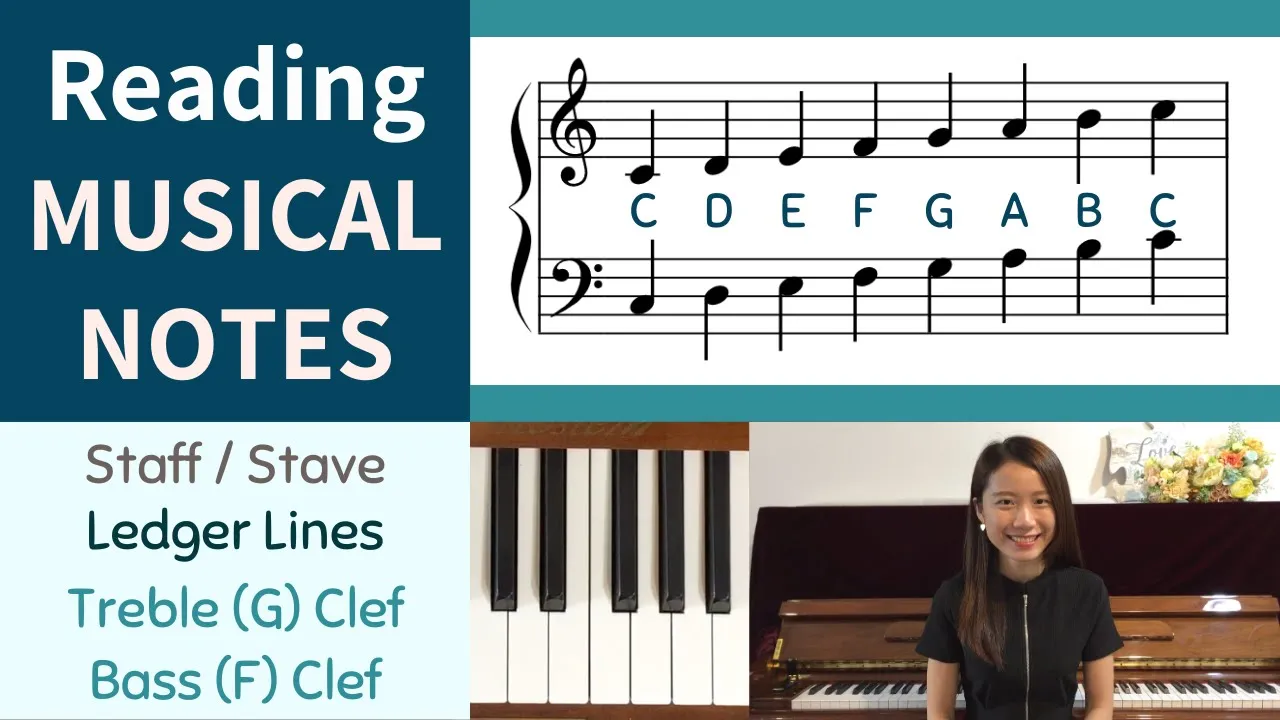
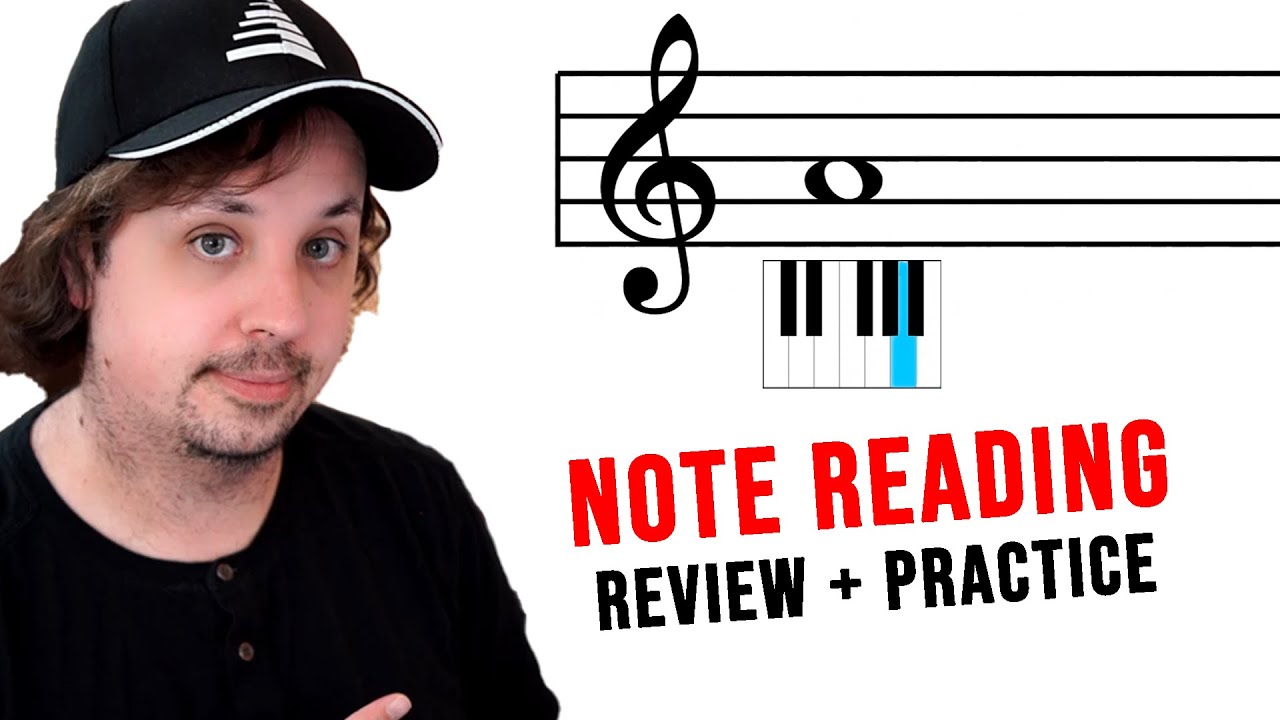
Added:Understanding of the musical alphabet (A through G) and basic note identification on the treble and bass clef staves.
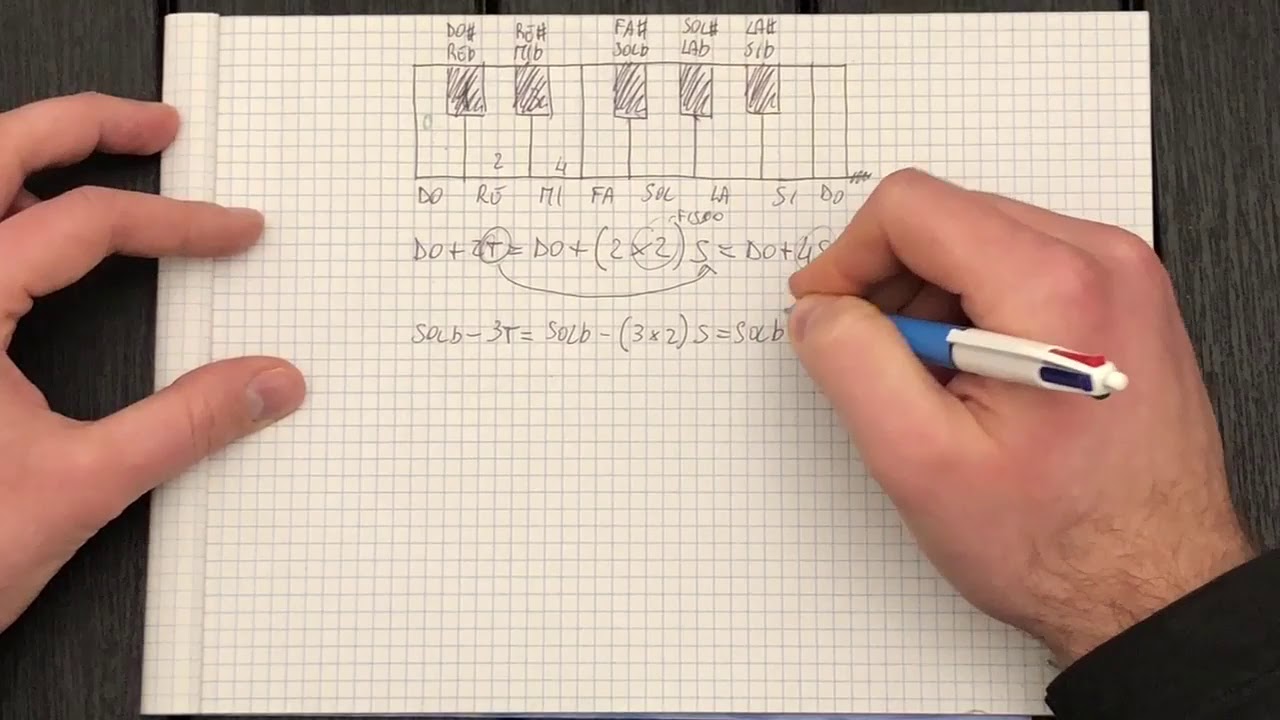
The concepts of half steps (semitones) and whole steps (whole tones) as the basic units of distance between pitches.
Familiarity with accidentals, including sharps (♯), flats (♭), and naturals (♮), and how they alter pitch.
Basic familiarity with the layout of a piano keyboard, which helps visualize physical distances between notes.
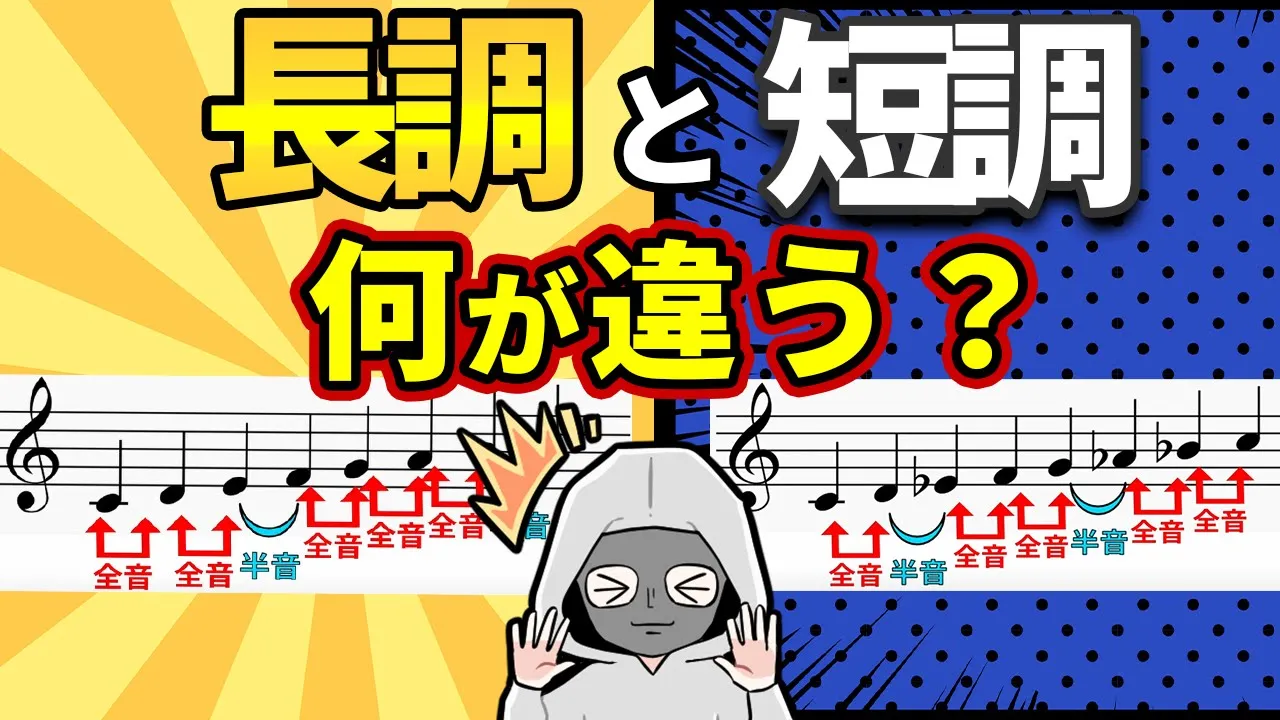
How to construct and identify major and minor scales using specific sequential patterns of intervals.
The construction of basic triads (major, minor, diminished, augmented chords) by stacking intervals of thirds.
The concept of interval inversion and how to calculate the inverted quality and size of any given interval.
Practical ear training techniques to identify, sing, and transcribe different musical intervals by ear.
71.9K views4.7Klikes12:40Original Release: 2024-08-28
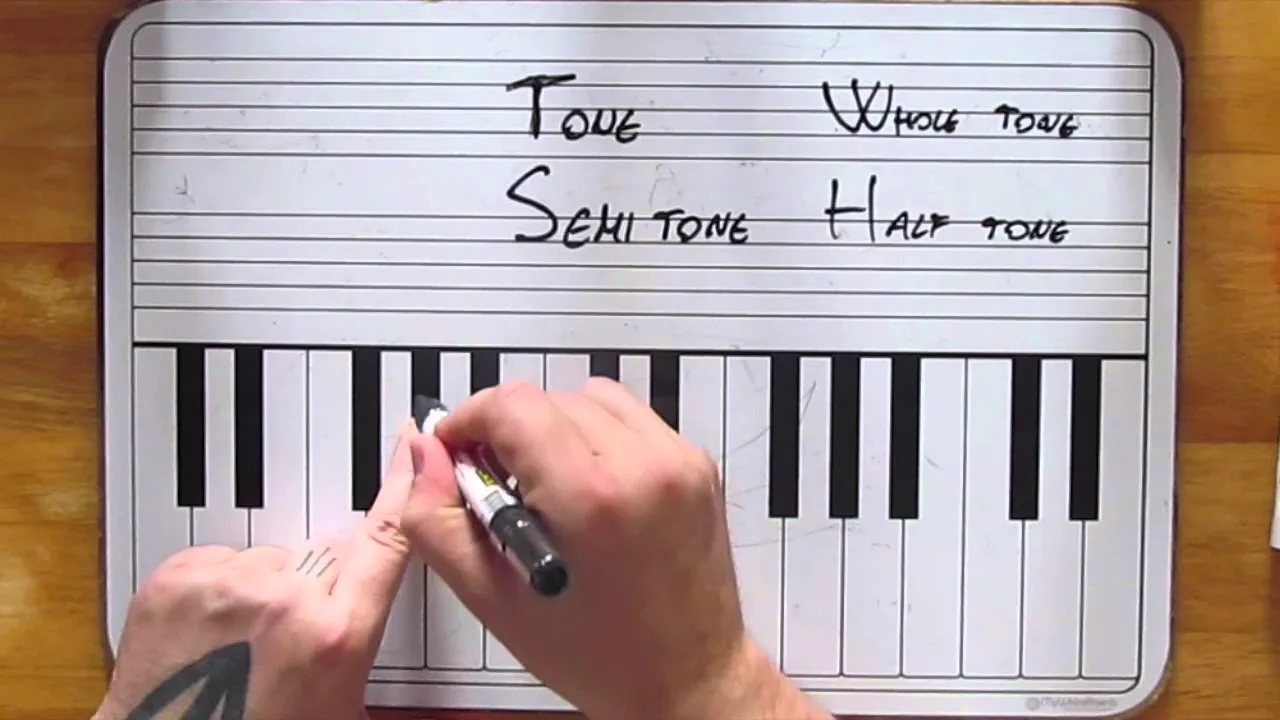
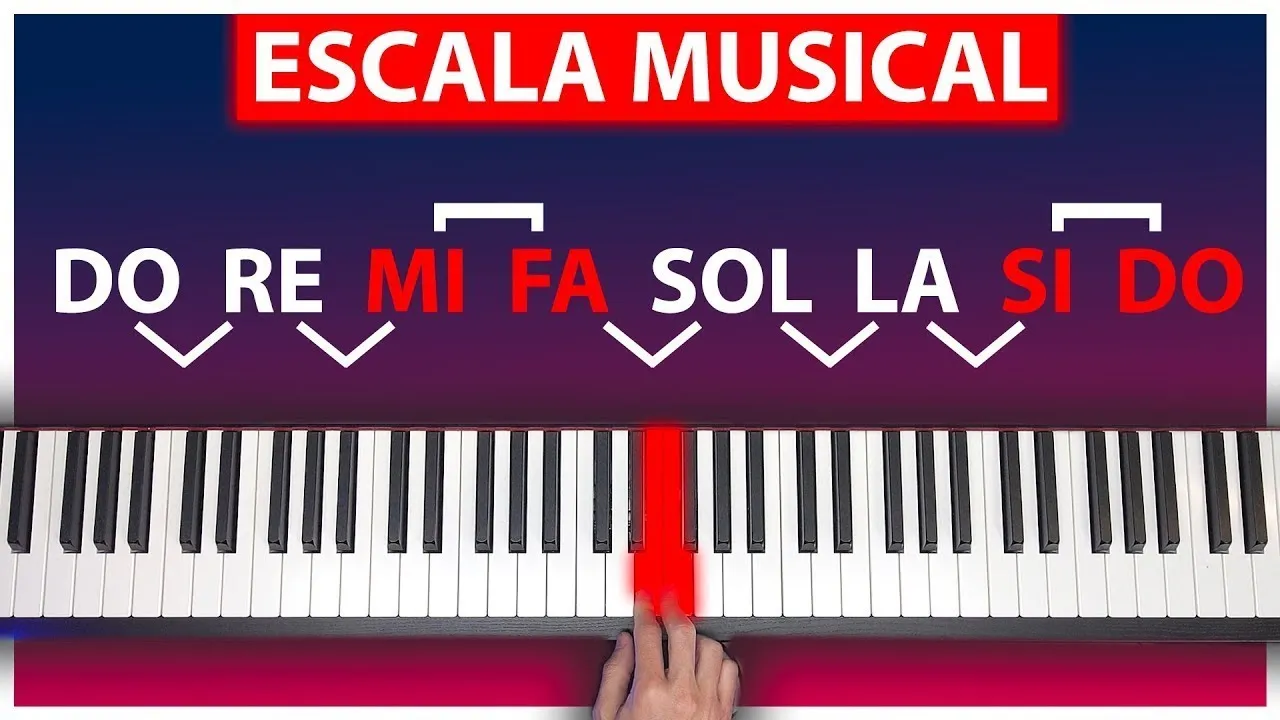
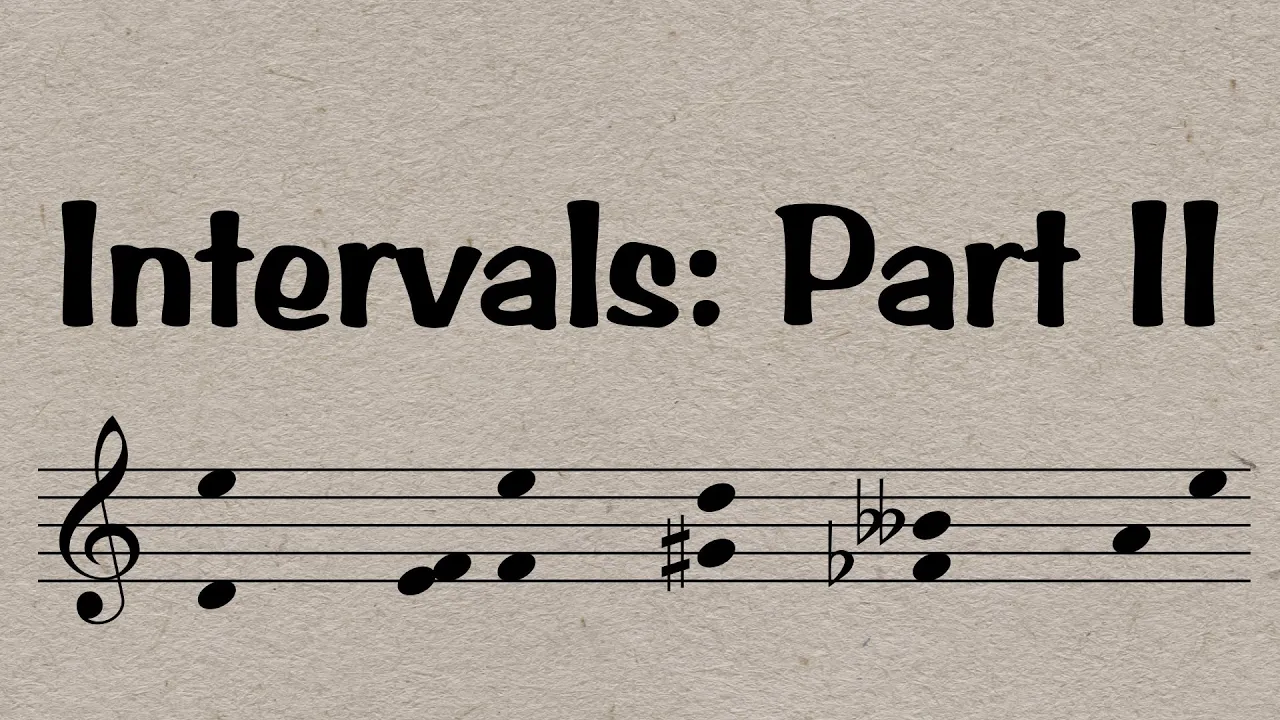
I'm Jake lizo and this lesson is going to be a comprehensive guide into musical intervals if you're a music student taking formal classes you'll have to have this stuff mastered because you will be quizzed on it and if you're just a self-taught musician who's trying to learn more about music theory on your own I highly recommend you learn this stuff early on and correctly because a lot of advanced Theory Concepts become a lot easier if you just simply know the proper way to measure and name your intervals but I just have to warn you and I'm not going to sugarcoat this I really think this is as difficult and as frustrating as music theory will ever get because it's a little bit boring and you can't take these Concepts immediately and start having fun with them and making music with them which is what the entire rest of my channel is all about you learn a music theory concept you write music with it despite that threatening introduction I have made this lesson as easy to digest as possible and if you check the video description below you'll be able to click on a link that takes you to chapter 3 from my chord progression codex once you're there you'll be able to review everything I'm about to teach in this lesson and you'll even be able to learn more about intervals and scale degrees all on your own but we have a lot to get to so let's get started I'd first like to just clarify that an interval is a musical distance notes can be very far apart on our fretboard or on our piano or they could be very close together no matter the distance we can give it a name and sometimes we can give it multiple names I think some of the simplest intervals you can learn are the most popular ones and the most common ones and we'll begin with this mixed bag of easy popular casual intervals to begin we have the half step which is also called the semitone moving up in half steps means I'm just moving up to the next possible note so here's a moving up semmit tones or half steps up at a time sounds like this we also have the whole step which is also called the whole tone this is two half steps or two semitones so moving up in whole steps on a piano and a guitar looks something like [Music] this another very popular interval is the octave this is just the same note but higher and specifically it's 12 half steps higher so here's a fifth fret a and if I move up 12 Frets to the 17th fret I get another a a very quirky interval that I want you to know is the trone you can break this word down as meaning three tones so if I start on an A and move up three whole tones I get a distance of a trone I know it's an alarming sound but it's a popular interval and we'll need to know that name for the rest of this lesson lastly is a this is a distance of zero so it's two identical notes that aren't different in any way and those are the easy popular intervals you can use those phrases at any point in time there's no restrictions on when you can't and can use those words but it's time to get into the heart of the matter which is this chart of 12 intervals you will need to know this backwards and forwards but I think the worst thing you could do right now is just try to memorize it what we're going to do instead is really focus in on just these two intervals the minor second and the major second if we can understand how these are built then a lot of the rest of this chart will just magically unfold for us automatically and we can build even more intervals that aren't even visible here take note that all of our intervals all include some reference to a number right we have seconds thirds fourths fifths Sixth and sths all these numbers are measuring the distances between letter classes in music we only have seven letter classes a b c d e f and g different notes can share a letter class so we could have a G sharp and a g flat and a g natural but they all share the letter class of G now you need to know that when we're talking about seconds all we're talking about is the distances of letter classes so if we start on any letter class and then move to the second letter class afterwards that is a musical second so for example if we start on the letter Class A and move next door to letter Class B that's a musical second same thing with starting on B and moving up to C that's a musical second but let's take a look at these seconds on our piano and we'll see that they're actually not the same size A to B is a distance of a whole step B to C is the distance of a half step what that tells us is that there's two different sizes of seconds seconds can come in big size or small size and in English and in Latin we use the word major and minor to describe bigger or smaller I wish I had known this earlier that everything in music theory about major and minor really tracks back to big and small intervals I could have saved myself a lot of headaches if I had just known that early on but anywhere we go through our letter classes anytime we do a second we're going to end up with one of these two sizes we're either and end up with something that's a whole step or a half step away that's why we have two main sizes of seconds the major second and the minor second if you understand that you also understand the entire deal of thirds a third is just when we start on a letter class and move over to the third letter class doing that will always give us a distance of three semmit tones or four semmit tones which we would call the small third or the big third minor third or major third sixths work the exact same way so if I move over to the sixth letter class I'm either going to get something that's eight semmit tones or nine semmit tones and sevenths are always 10 semmit tones or 11 semitones away but now we have to discuss the fourth and the fifth and these operate on different rules the fourth doesn't come in sizes big and small the fourth is just perfect it comes in one size for right now for right now we're only going to think of it as being a perfect fourth and what you'll see is if we start on a letter class and move over to the fourth letter class it'll pretty much always be five semitones right if I move from C to F you'll notice that's five semitones and four letter classes so we call that the perfect fourth but there is one spot here on my natural letter classes where it doesn't quite work out if I start on the Note F and try moving over to the fourth letter class what you're going to see is it takes me to B and this isn't five semmit tones like it should be it's actually six this is actually a trone so f2b right now we'll just call it a trone but it is a type of fourth we'll learn more about that in the next part of the lesson and fifths work out pretty much the same way you can only have a perfect fifth you can't have a major fifth or a minor fifth just the perfect fifth for right now and this happens pretty much any time we move over to the fifth letter class so if I started on a for example and move over to the fifth letter class it takes me to e the distance between those is seven semmit tones and we call that a perfect fifth but this doesn't work out if I start on the note B traveling to the fifth letter class from B takes me to F and once again you'll see this actually adds up to being a trone so B to F or F Tob is a trone so that's the deal with fourth and fifths right now they only come in perfect sizes and the trone right now only has one name of the trone however we could call this trone a type of fourth or a type of fifth you just saw that it sometimes occurs as a type of fourth or type of fifth if we want to get into naming it correctly though we're going to have to learn a little bit more music theory what we need to learn now is the diminished and augmented intervals these are ways of growing or shrinking intervals beyond their standard sizes so let's take a look at a second for example C to D we know that it's a second CU it's right two letter classes it's the bigger of the seconds so it's a major second but what if we wanted to measure C to D sharp well it's still a second but we can't call it a major second because we already know that that's only supposed to be two semmit tones and now this takes up three semmit tones we also can't call it a minor third even though minor thirds technically take up three semmit tones what we're supposed to call this interval here is an augmented second you can think of augmented as just being extra big and we can augment all of our intervals but it doesn't make sense to augment a minor interval remember minor just means smaller if we want to make that bigger it just becomes major then we can start using augmented after major but this is helpful because we can augment perfect intervals we can augment the fourth and we can augment the fifth that means that this distance of f to B that we explored yes it's a trone but more formally we call an augmented fourth because we can't call it a major fourth we've taken the perfect forth and we've grown it Beyond its standard size and the opposite of augmenting something is diminishing it that means shrinking the interval smaller Beyond its standard size so let's look at the distance from B to D this is a type of third because it's three letter classes it's a small type of third it's a minor third because it only takes up three semmit tones but what if I wanted to find out the distance between b and d flat well it's still a type of third but it's smaller than a minor third so we call diminished third and that's also what we would call this distance that we saw earlier from B to F that was five letter classes but it was smaller than a perfect fifth so we call it a diminished fifth instead so what this means is this trone has two different names augmented fourth or diminished fifth depending on what context you're using it in and now that you know augmented and diminished we can finally learn the rare exotic and annoying intervals that occasionally pop up and you'll probably get quizzed on in your theory tests we can continue this process of augmenting an interval by just doubly augmenting it it and trip augmenting it so before We examined the distance of C to D and then we augmented it by calling it C to D sharp but we could also augment it again and call it C to d double sharp yes d double sharp is a thing but you would actually write it with this little X notation and if I ask you to measure the distance between c and d double sharp technically the answer would be a doubly augmented second and conversely if I gave you these two notes b and d double flat and ask you to measure the distance between them well it's clearly a type of third but it's smaller than thirds are supposed to be and it's smaller than diminished thirds are supposed to be so this is a doubly diminished third take a look at this one we've got two C's right you know that this is called a Unison but what if we have C to C sharp well now we have an augmented Unison C to C double sharp well that would be a doubly augmented Unison now truthfully you're rarely going to encounter these but occasionally they do crop up so it's just important to know but fortunately that's as complicated as it's going to get for this lesson what I do want point out is that there are way more intervals than what we've discussed but a lot of them you'll be able to figure out on your own and those are ones that extend past the octave so the 9th the 10th the 11th the 12th you could keep going up this works on the same PR principles of moving through your letter classes but you'll notice it just all repeats ninths and seconds end up being the same thing thirds and tths end up being the same thing so for us it makes sense to just stop here once we've hit our octave I also need to clarify that these intervals really only apply to Western 12 tone temper ment there are other tuning systems out there that have completely different naming conventions and systems so we haven't touched any of that stuff but I need to encourage you to quickly learn your scale degrees because I think that working with scale degrees is infinitely easier than working with intervals and it's so frustrating to me that intervals are taught first and so important to music theory and scale degrees are kind of secondary because for the modern musician I think scale degrees are just easier and more easy to talk about and there's less of this let's put it this way there's no doubly augmented Unison when we talk about scale degrees we would just call that the two but in addition to learning scale degrees I also highly recommend you work with these intervals in Reverse descending intervals and find their complement to the octave so if you take a major second for example and then move it down an octave while the new interval you've created ends up being a minor 7th that is the complement to a major second and it's worth kind of studying those interval Reflections or interval inversions and their complements that's part of chapter 3 that's in my chord progression codex I do discuss that stuff right there and lastly you definitely want to be training your ear on these things and it's important to note that your ear does not care about what you call it your ear doesn't know the difference between a minor third and an augmented second those are the exact same notes on a keyboard so ear training you get to throw away all these stupid old-fashioned rules you get to just focus on the sound of the interval and not necessarily the name but that's going to do it here for now I hope you like this video I hope you found it educational and informative if you appreciated the this video please thank my patreon supporters for making it possible they're the only reason I can post free lessons on the internet without putting ads in the middle of them they have my appreciation and I hope they have yours as well so if you'd like to support this channel you can join them over at my patreon or you could just like And subscribe this video leave some comments below or head over to my website and consider picking up the full version of my book the chord progression codex and check out the other stuff I have for sale there too I've got a music theory poster a music theory and songwriting course and a course for rhythm guitar players so thanks for watching and I'll see you next time n
Up Next
58:30
Arvo Pärt's Sacred Minimalism: Compositional Techniques Explained
@miltonline
70.3K views•2020-04-01

51:08
Simon Rattle on Early 20th-Century Music: Tonality's Decline
@theclandestinum
18.3K views•2012-06-16
9:57
Phrygian Mode Explained: Third Mode of Major Scale Theory
@SignalsMusicStudio
625.9K views•2018-10-03
10:49
Understanding John Coltrane's Giant Steps: A Music Theory Analysis
@Vox
10.4M views•2018-11-12
Related Study Plans & Knowledge Roadmaps
Structured learning paths in Music Theory
music-theory
Tintinnabuli: Pärt's Counterpoint & Composition
01Music Theory Foundations: Intervals and Triads
02Fundamentals of Counterpoint and Voice Leading
03Arvo Pärt and the Spirit of Holy Minimalism
+ 2 more learning modules
16h5 modules
Explore Roadmap
music-theory
Composing Galant Music: Partimento & Schemata
01Foundations of Figured Bass and Keyboard Harmony
02The Rule of the Octave (Regola dell'Ottava)
03Galant Schemata: The Building Blocks of Form
+ 2 more learning modules
30h5 modules
Explore Roadmap
music-theory
Decoding Overtone Series: Tuning & Drone Music
01Acoustic Foundations: The Physics of the Overtone Series
02Tuning Systems: Equal Temperament vs. Just Intonation
03Microtonality and Spectralism: Beyond Standard Pitches
+ 2 more learning modules
24h5 modules
Explore Roadmap
music-theory
Impressionist Harmony: Scales, Planing & RPGs
01Foundational Music Theory: Keys, Intervals, and Seventh Chords
02Impressionist Color: Chord Planing and Parallel Harmony
03Whimsical Textures: Pentatonic Cascades and Whole-Tone Scales
+ 1 more learning modules
14h4 modules
Explore Roadmap