





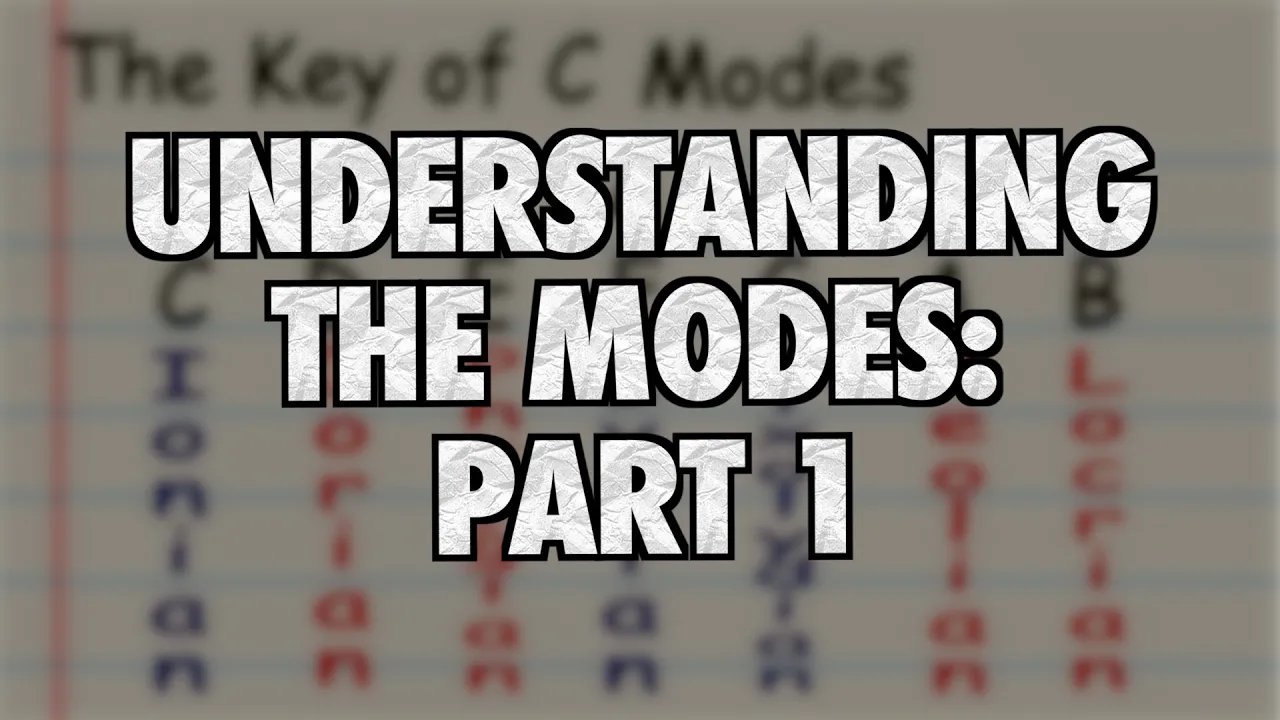
![6 Ways To Use Modes On Bass [Finally know what to do!]](https://i.ytimg.com/vi_webp/gUVMbs7CUt8/maxresdefault.webp)
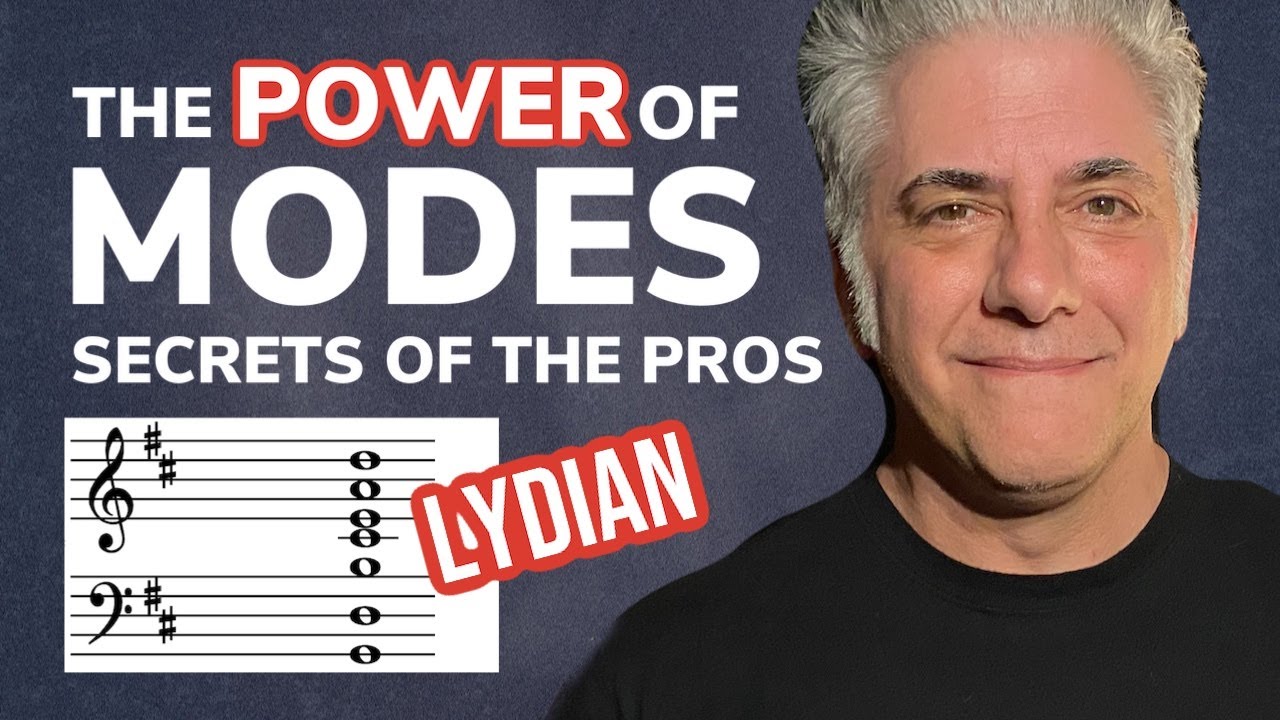





![Writing Exotic Music with Phrygian Dominant- 5th mode of Harmonic Minor [MUSIC THEORY - SCALES]](https://i.ytimg.com/vi_webp/aCZezZf9bi0/maxresdefault.webp)


![Demonstrating The Modes of Harmonic Minor [MUSIC THEORY / SCALES]](https://i.ytimg.com/vi/qk8uobP4uJE/maxresdefault.jpg)

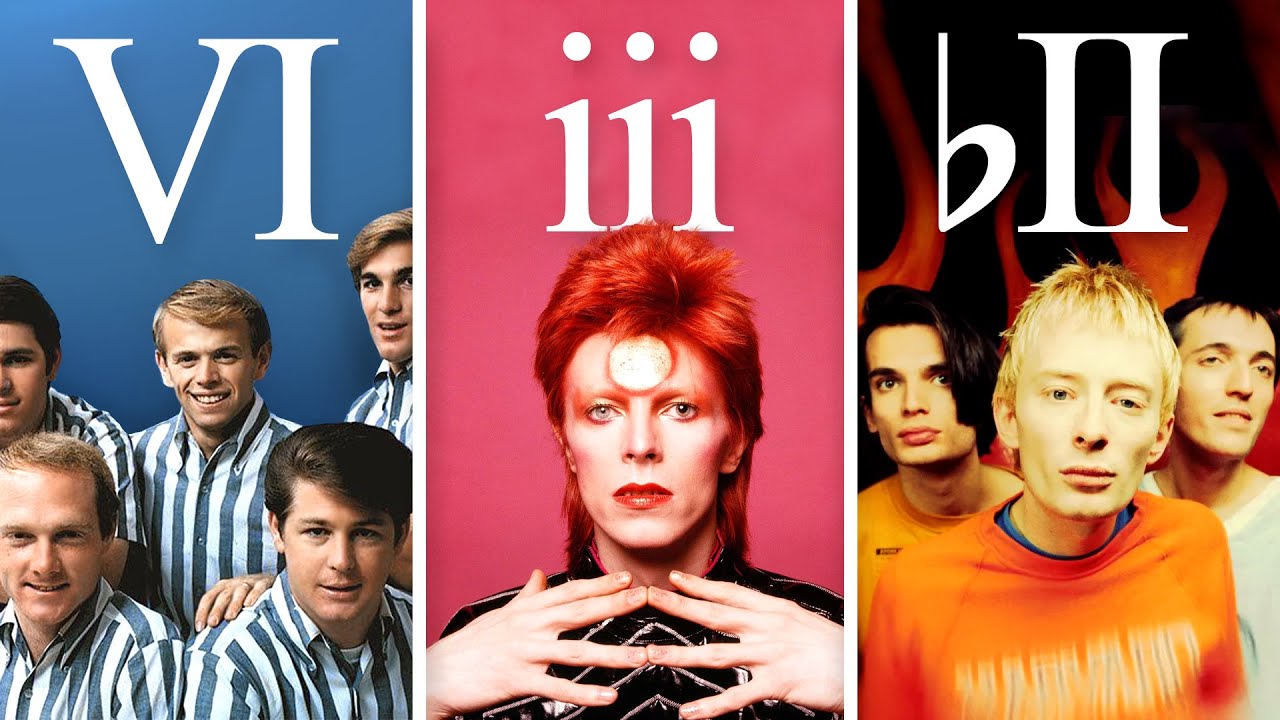

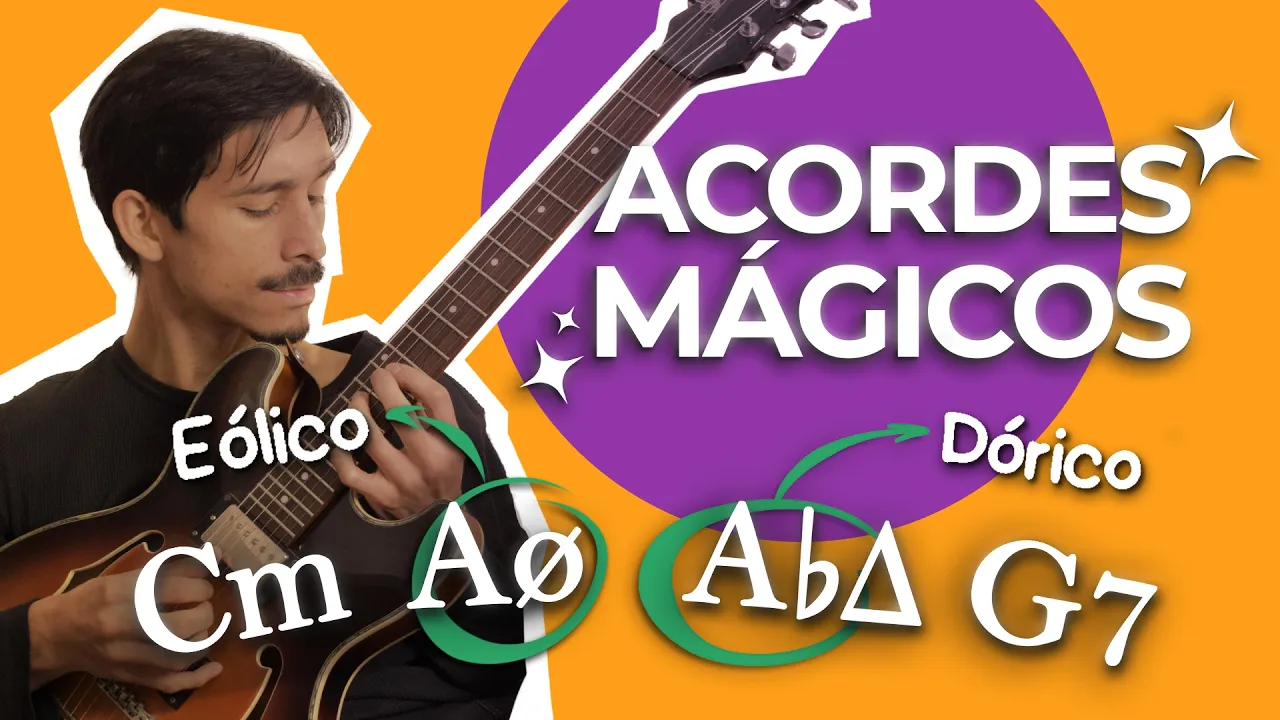


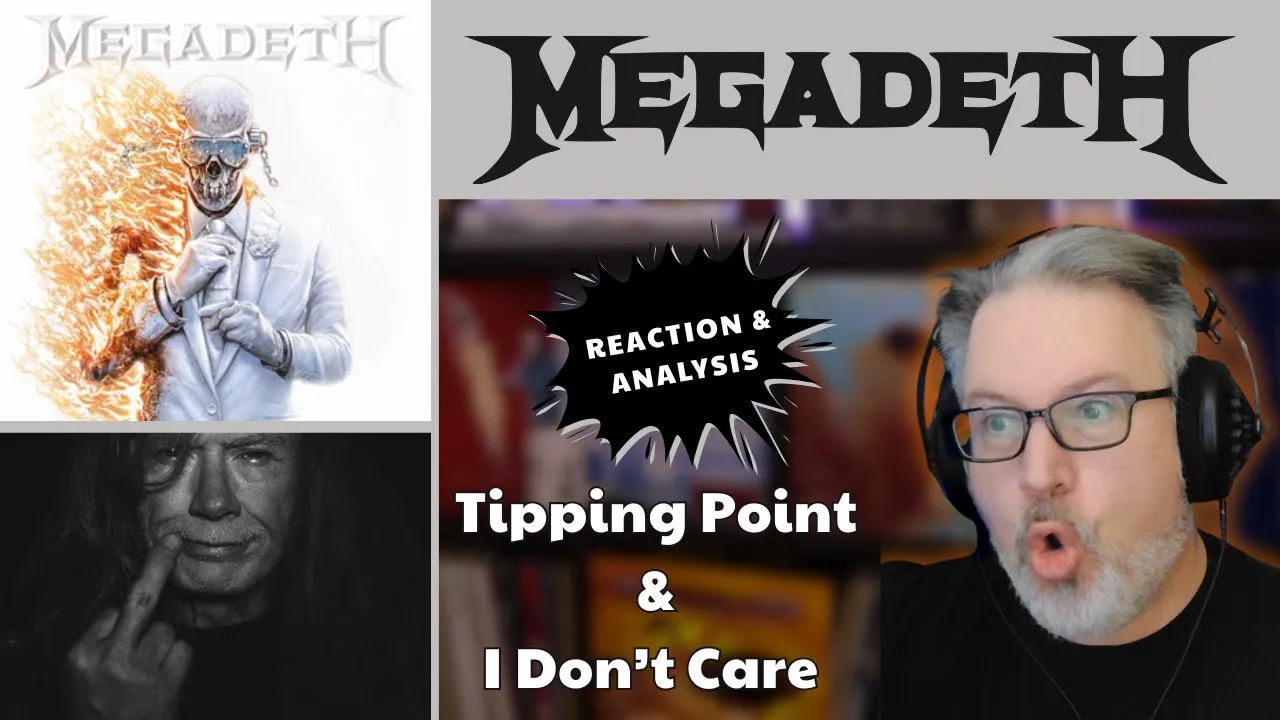
The Phrygian mode is the third mode of the major scale, constructed by flattening the second degree of a natural minor scale, creating a distinctive dark and tense sound characterized by the minor second interval between the tonic and supertonic; it features chords including i minor, II major, III major, iv minor, V half-diminished, VI major, and vii° minor, and is commonly used in metal, electronic, and dark music genres to create eerie, mysterious atmospheres, with notable examples found in Megadeth's 'Symphony of Destruction' and Missy Elliott's 'Get Your Freak On'.
Phrygian Mode Explained: Third Mode of Major Scale Theory
Added:Understanding the construction and interval pattern of the Major Scale (Ionian Mode).
Familiarity with basic music intervals, specifically half-steps (semitones), whole-steps, and minor/major thirds.
The general concept of musical modes and how they derive from a parent scale.
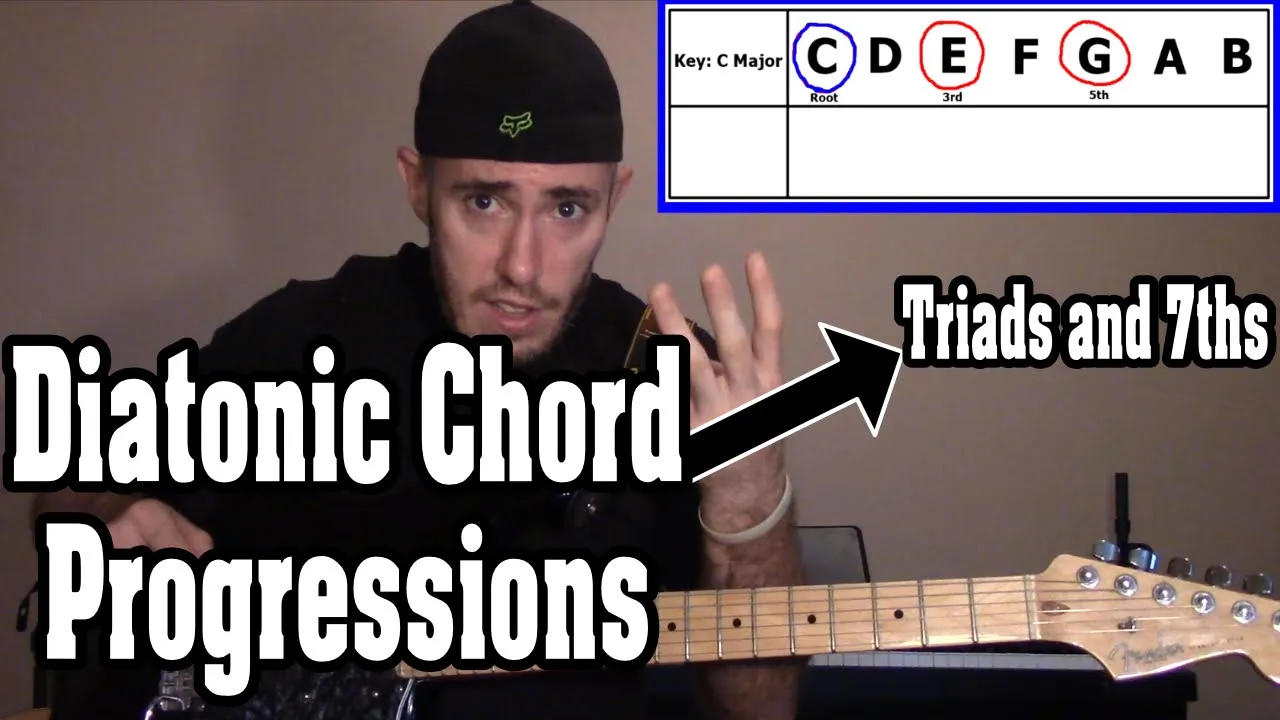
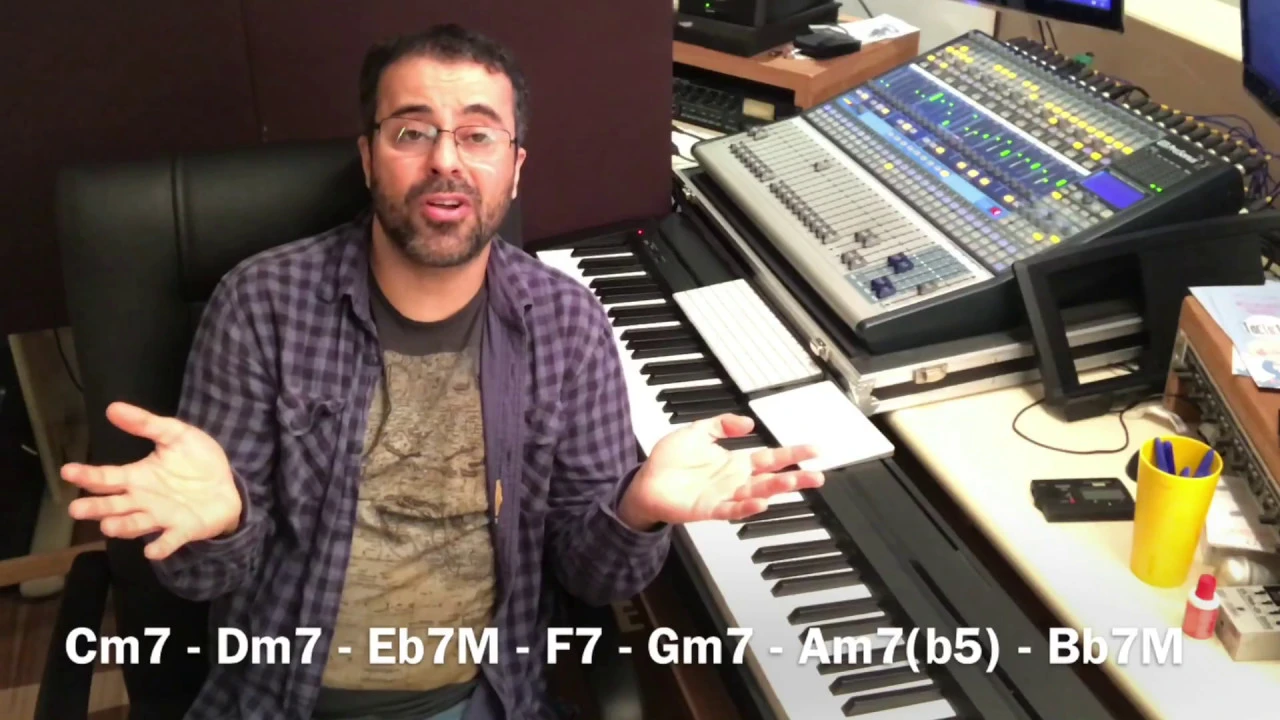
Basic knowledge of diatonic chord construction (triads and seventh chords within a key).
Exploring the remaining modes of the major scale, such as Lydian, Mixolydian, and Aeolian, to compare their tonal colors.
Studying the Phrygian Dominant scale (the 5th mode of the harmonic minor scale) and its use in flamenco, metal, and Middle Eastern music.
Learning the concept of modal interchange, specifically borrowing chords from the Phrygian mode (such as the flat-II major chord) in major/minor compositions.
Analyzing classical, film score, and contemporary rock/metal pieces that prominently feature Phrygian melodies and progressions to understand real-world application.
625.9K views23.2Klikes9:57Original Release: 2018-10-03
hey I'm Jake Lizzio and in this video we're gonna talk about the Phrygian scale what is it and how do we build it and where have we heard this before in actual music and then we'll also talk about what we can do as composers to get the most out of the scale and really kind of enjoy some of the awesome flavor that's imbued into it so let's get started Phrygian is really easy to understand if you already know what a minor scale is so all we have to do to make a Phrygian scale is take a minor scale and then flat that 2nd note and the example we'll do is a I'm gonna build a Phrygian and I want to start by thinking of a minor a minor is just ABCD if I take my 2nd note which is B and if I flat it then I have a B flat C so pretty simple scale to be able to build if you compare it to minor if you compare it to major I want you to think about the scale degrees we have a 1 a flat 2 of flat 3 maybe you can hear already Phrygian has got a dark sound to it you hear the tension that exists there in my root in my flat 2 right there there's a lot of nastiness right there that's like the jaws theme song is just back and forth between a a minor 2nd like that so having that to kick off our scale is gonna really color everything we do in Phrygian and I want you to listen to some of the examples of where Phrygians actually used I can't give you full examples of songs that are in fridge again that doesn't really commonly happen and I couldn't find any examples of it but it's pretty frequent that we use little bits of the scale or little sections that are in Phrygian because it has such a dark quality to it the first example I'll give you is from symphony of destruction by Megadeth the riff there sounds like this so that the e Phrygian we're using an e and F and a G and our tonal center right there is e we've also got the notes B and C surrounding there so all the notes of the Phrygian surrounding right there focusing on e also Missy Elliott has a song called get your freak on and the main riff there is one two three and four one two three four and that's an F to a G flat to a see so I've got a root a flat two and a fifth now that's only two three different notes so I mean that's not enough to spell out a whole scale but if you listen to the other notes in that track there's some synth layers that come in and even some of the vocal layers it all adds up to being an F Phrygian and it gives it a really dark creepy sound notice that even the imagery in that music video none of its bright or cheery it's all really dark spooky Halloween stuff a lot of electronic music started using Phrygian and the flat two specifically to kind of create a darker feel the early example I could find of this is an awesome song called never come back by cast product it's got that classic early cheesy synth line in Phrygian and it really gives it this like comically dark sound and later on I started hearing this crop up more in psychedelic trance that flat 2 creates a lot of anxiety and tension used by bands like astral projection or Shpongle the example I'm going to give you is a song called searching for UFOs we've got the weirdness of that flat 2 to kind of add a little bit more interest into what would normally be a dark psychedelic trance song now a lot of people use the song wherever I may roam by Metallica as a reference refrigerator and although that song does have a lot of Phrygian going on in it there's so many notes that they use in this game that it's hard for me to this call it free via Metallica has a tendency to use a lot of notes and I think in this on these like all twelve so it's not fair just to call it Phrygian they do kind of start encroaching upon Phrygian dominant which we'll talk about a little at the end of this video so that's where we've heard it in actual music but I want to give you a little bit of advice on what you might be able to do to write your own music with it I want to figure out the chords of this scale and to do that all I need to keep in mind is that this is a mode of the major scale Phrygian is the third mode which means that all the notes I played they came from a major scale which major scale did they come from well I'm gonna ask myself what what major scale has a is the third note and the answer is F so all the notes I played came from F major all the chords I'm gonna play come from F major so if I know the chords of f major which you probably should know at this point in time if I figure out the courts of F major all I got to do is play those chords just starting on the third chord and I've got my notes of a Phrygian or my chords of a Phrygian however I'm gonna rewrite the order of them I'm also gonna rewrite my Roman numerals so I can see that my tonic is minor I can see that my 2 chord is a flatted two chord and that its major and that helps me figure out these chords I'm gonna have a minor as my first board I'll have B flat major C major my 3 D minor for my fear ie half-diminished will be my 5 my 6 will be F major and my 7 will be G minor now when I'm riding in Phrygian I really advise you stay on the route always kind of hang out on your tonic today that's gonna be a if I hang out on it for a long time and maybe bring in that flat move cord and start maybe getting a little bit of that Phrygian sounds about I don't want to wander too far from my one layer develop because if I hang out on that before that D minor that sounds great but it's gonna all of a sudden sound like my time right doesn't D minor sound like home now and I'm trying to avoid that I want a minor to sound my phone so I'm gonna stay here on a minor I'm gonna surround it by notes of a fridge again and I'm always gonna if I leave chords I'm gonna come back to a mine or really solidify that point as my home chord so those are the chords of Phrygian and like I said I really try to focus on the 1 the 2 and the 7 and just by keeping that in mind I should be able to start creating some Phrygian madness already since it's so dark naturally I think some low-hanging fruit to pick would be like let's write like a demonic in toning chanting style resurrection theme something to like awaken an underground beast that's laid dormant for centuries like co2 Lou so I should be able to just maybe pedal some low bass notes on whatever my tonic will be I haven't written this yet but I'm I'm thinking probably the lowest note I can sing is maybe a D so maybe I'll pedal on a D and then on top of that and then a higher octave I'll start singing notes of D Phrygian and maybe I'll pick some Latin some Latin words that you know evoke some crazy symbols of the the awakening beast maybe do it backwards and reverse and add a lot of reverb I should be able to get something really dark really nasty and something that really kind of accents all in the darkness of that Phrygian scale [Applause] [Music] now there's really nothing happy about the scale at all so I think it would be fun what if we took happy birthday which is supposed to be a a joyous and congratulatory song what if we like rearranged the melody and the chord of happy birthday so it was in a Phrygian key instead so try to keep the melodic movement the same obviously keep the rhythm and the words the same but if we change all the notes to Phrygian what would that sound like [Music] now I have to mention to you that Phrygian has a very popular variant called Phrygian dominant if you take the 3rd note of my Phrygian scale which was C and if you raise it to make it a C sharp then all of a sudden I have the freaking dominance and you can hear this has even more of that exotic foreign flavor to it and I'll do an entire video on Phrygian dominant one of these days I love the scale it's a mode of harmonic minor so if you know harmonic minor already you can already start dabbling with Phrygian dominant and it's just got such a cool exotic flavor to it we hear a lot of different bands compose with a Dream Theater and tool but it is closely related to Phrygian and I figured I'd have to bring it up in this video so I hope this gives you a little insight as to what Phrygian is all about and why you might be interested in learning it it's a really cool sounding mode and there's a lot of options if we started going on the acoustic instead and I started playing extended chords I can actually get some really dark jazzy sounds out of this as well it doesn't all have to be like demon worshiping music or really you know dark dirge music you can get a little color out of there depending on how you arrange it and the instrumentation that you use [Music] so if you like this video you can thank the folks over at my patreon page who are supporting the productions of these videos you can join them over on my page I've linked to it below in the description but if you can't do that that's fine just like subscribe share these videos with your friends and I'll plan on seeing you next time [Applause] [Music]
Up Next
10:12
Phrygian Major Scale: Neoclassical, Flamenco, and Jazz Uses
@RickBeato
192K views•2020-07-13

10:20
Mozart's Musical Dice Game Explained: History, Rules, & Fun
@webpianoacademy
5K views•2023-03-13
23:15
Andalusian Cadence: Composition Techniques in 5 Styles
@SignalsMusicStudio
555.9K views•2022-01-03
10:49
Understanding John Coltrane's Giant Steps: A Music Theory Analysis
@Vox
10.4M views•2018-11-12
Related Study Plans & Knowledge Roadmaps
Structured learning paths in Music Theory
music-theory
Composing Galant Music: Partimento & Schemata
01Foundations of Figured Bass and Keyboard Harmony
02The Rule of the Octave (Regola dell'Ottava)
03Galant Schemata: The Building Blocks of Form
+ 2 more learning modules
30h5 modules
Explore Roadmap
music-theory
Decoding Overtone Series: Tuning & Drone Music
01Acoustic Foundations: The Physics of the Overtone Series
02Tuning Systems: Equal Temperament vs. Just Intonation
03Microtonality and Spectralism: Beyond Standard Pitches
+ 2 more learning modules
24h5 modules
Explore Roadmap
music-theory
Impressionist Harmony: Scales, Planing & RPGs
01Foundational Music Theory: Keys, Intervals, and Seventh Chords
02Impressionist Color: Chord Planing and Parallel Harmony
03Whimsical Textures: Pentatonic Cascades and Whole-Tone Scales
+ 1 more learning modules
14h4 modules
Explore Roadmap
music-theory
Negative Harmony: Axis Reflection in Indie Pop
01Music Theory Foundations: Scales, Intervals, and Triads
02Functional Harmony and the Circle of Fifths
03Demystifying the Negative Harmony Axis Reflection
+ 2 more learning modules
16h5 modules
Explore Roadmap