












![Spiegel im Spiegel - Arvo Pärt [Tipps und Tricks] #klavierlernen #pianotutorial](https://i.ytimg.com/vi_webp/x8f8oEmK1MM/maxresdefault.webp)





![SEMINARIO DE COMPOSICIÓN POR AURELIO TELLO, AÑO 2002 [PARTE 2]](https://i.ytimg.com/vi/1u81cqTVpyY/hqdefault.jpg?sqp=-oaymwEmCOADEOgC8quKqQMa8AEB-AH-CYAC0AWKAgwIABABGHIgUig1MA8=&rs=AOn4CLDcvM3ICEcYQ0OhanE7DTEkoaBAjQ)

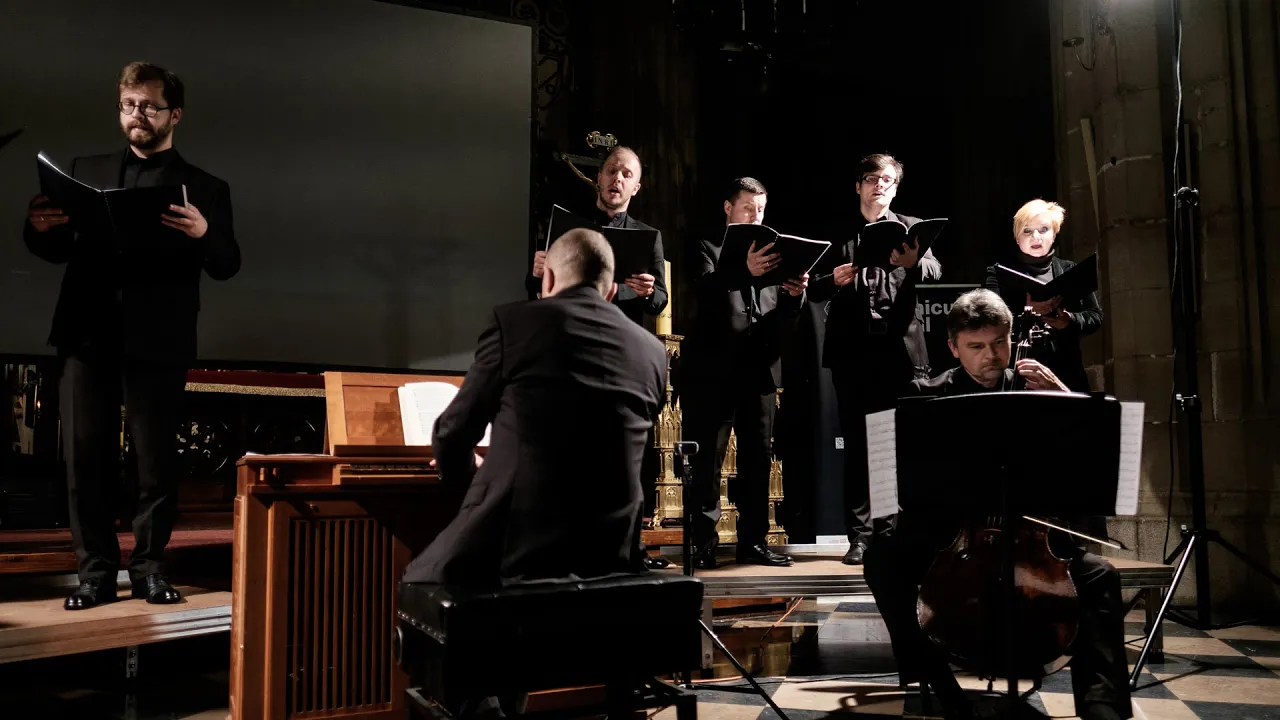
Arvo Pärt's sacred minimalism employs a revolutionary technique called tintinnabuli (bell-like sounds), where a hidden harmonic voice (T-voice) plays the nearest note below each melody note from a triad, creating profound beauty from simple materials; this approach challenges traditional harmony-melody relationships by giving equal importance to both voices and unfolding harmonically alongside the melody rather than serving as mere background.
Arvo Pärt's Sacred Minimalism: Compositional Techniques Explained
Added:Understanding of basic diatonic music theory, including triads, scales, and voice-leading principles.
Familiarity with the history of Western minimalism and how it differs from traditional academic serialism.
Basic knowledge of Renaissance polyphony and Gregorian chant, which serve as major historical influences on Pärt's spiritual aesthetic.
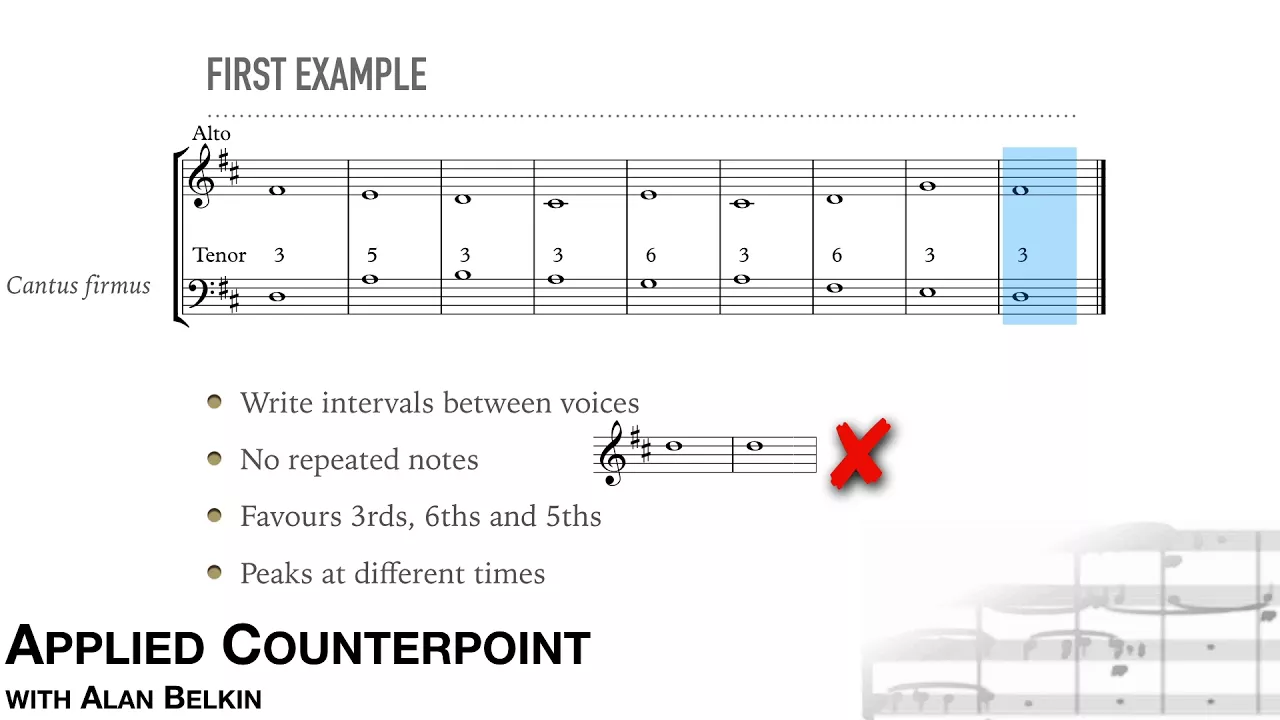
An introductory understanding of species counterpoint, specifically how two independent musical voices interact harmonically.
Practical application of the tintinnabuli technique by composing a short, two-voice pedagogical exercise pairing an 'M-voice' (melodic) with a 'T-voice' (triadic).
In-depth score analysis of Arvo Pärt's seminal works, such as 'Spiegel im Spiegel', 'Für Alina', or 'Tabula Rasa'.
Comparative analysis of 'Holy Minimalism' by studying contemporary composers like John Tavener and Henryk Górecki.
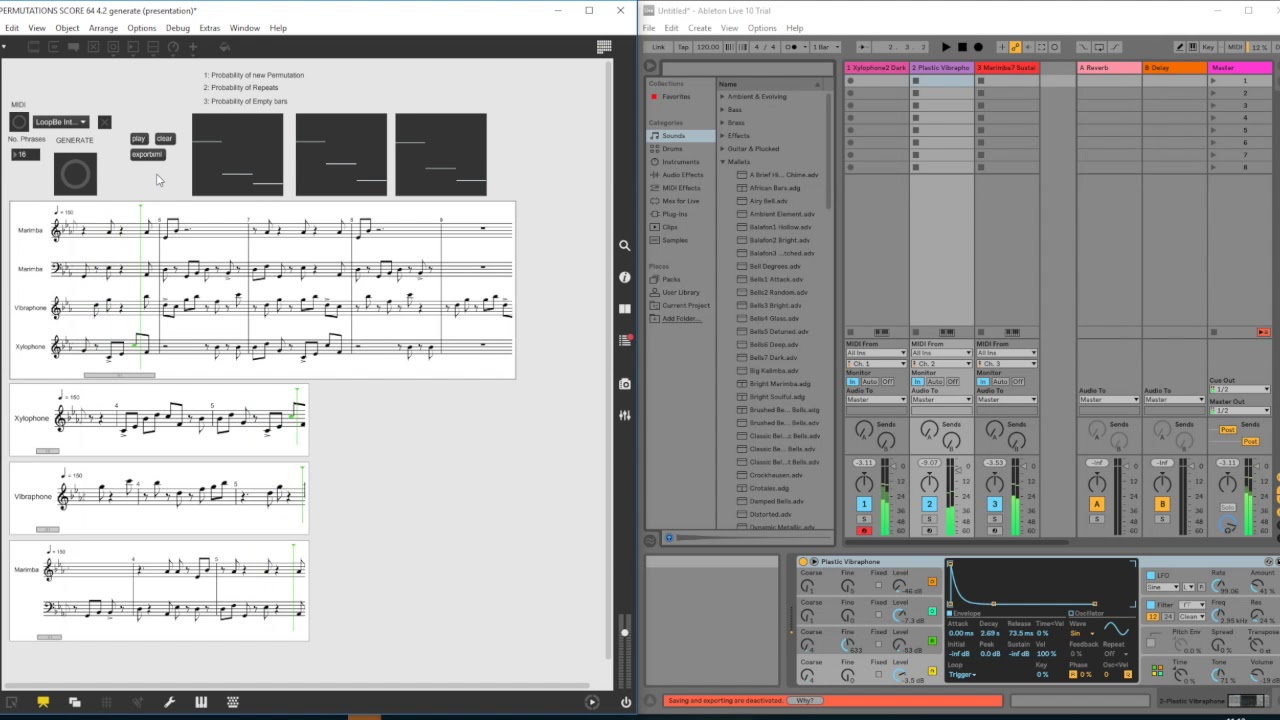
Exploration of algorithmic and mathematical musical structures, focusing on how permutation and mirror forms are used in modern generative composition.
70.3K views3.1Klikes58:30Original Release: 2020-04-01
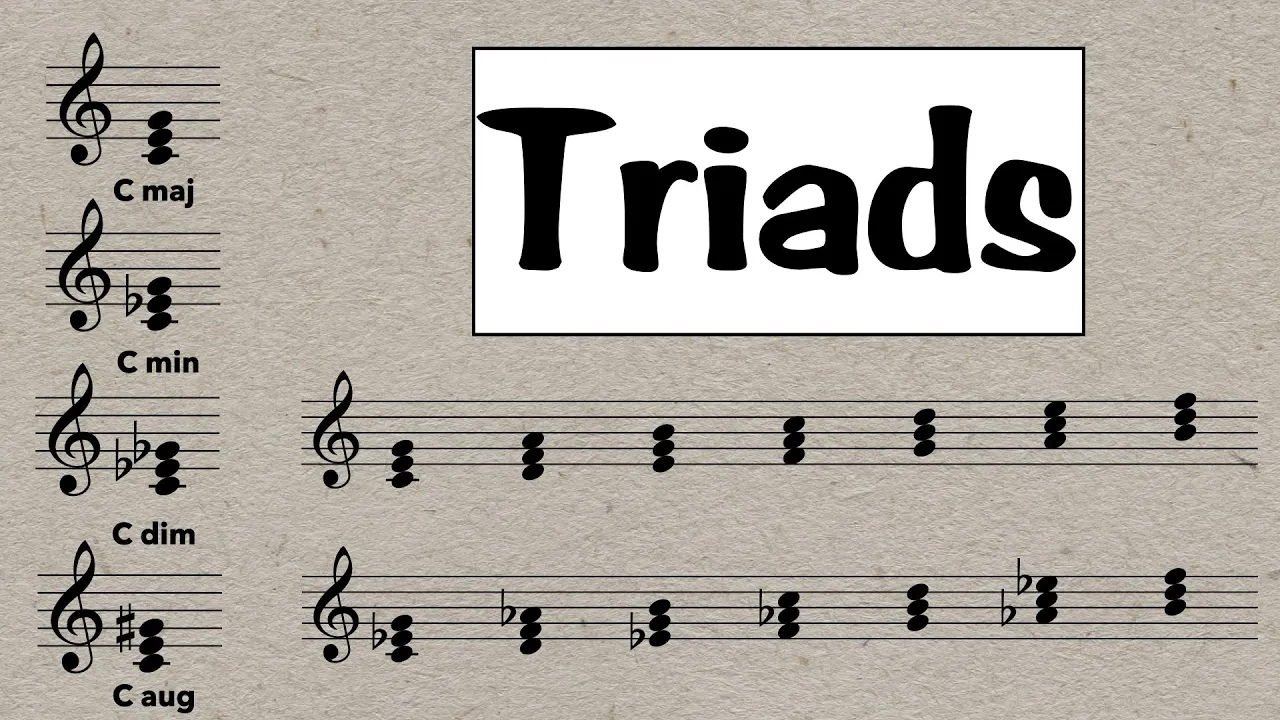
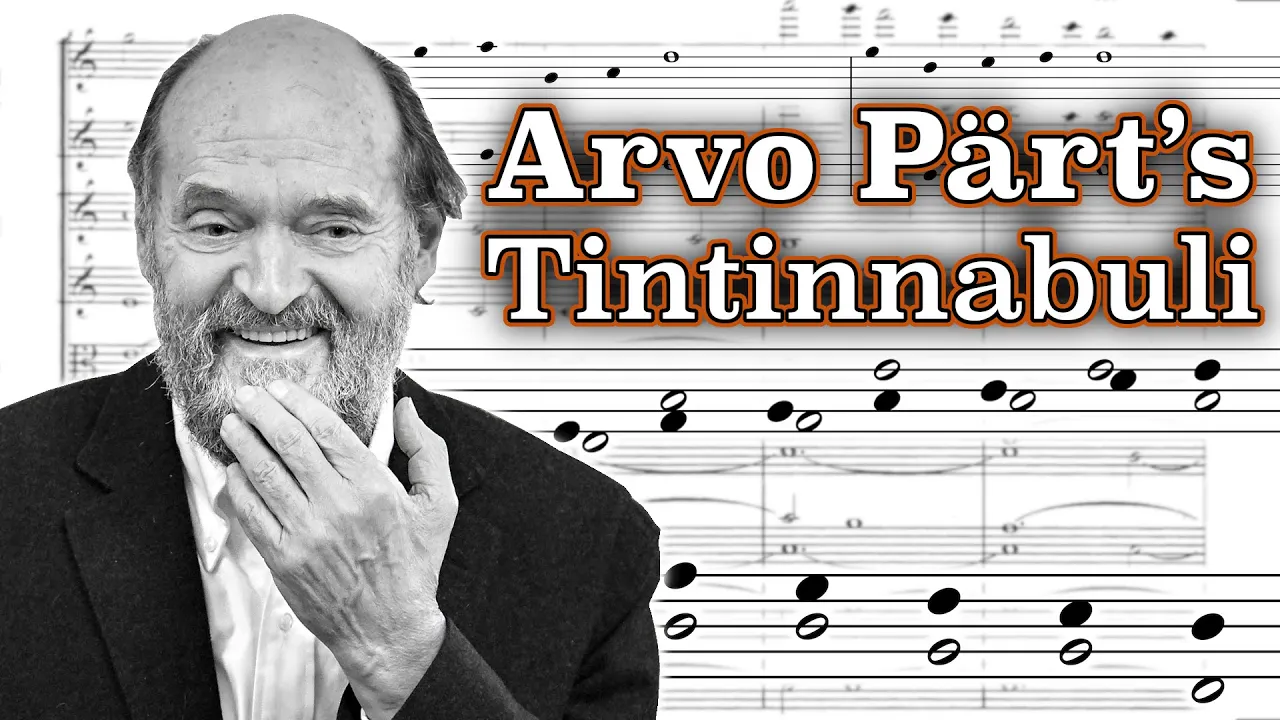
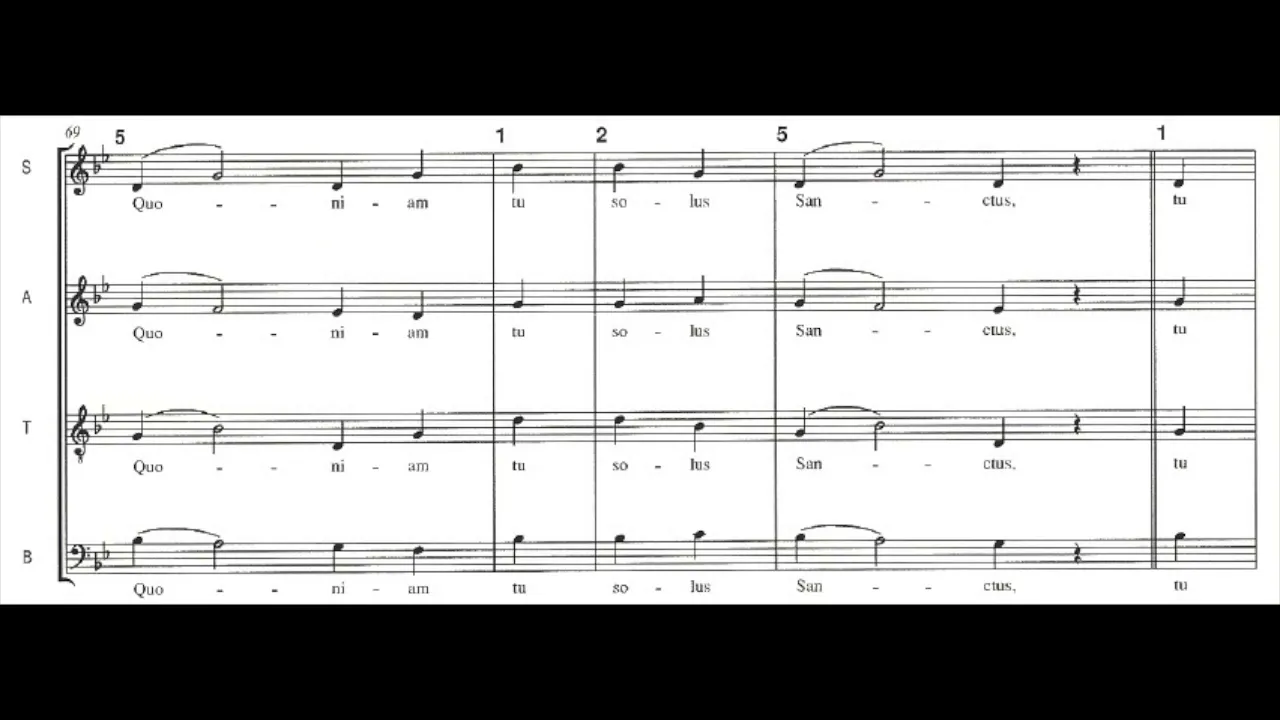
welcome to this lecture on arvo pets sacred minimalism if you haven't encountered alphabets beautiful music before you're in for a real treat other pet is a Mustaine Ian minimalist composer but actually came from a serious score which would be very surprising to you if you have ever heard any of his music however once we dig beneath the surface of it we'll realize how these worlds are actually connected if you want to go very deep I recommend the Cambridge companion to our faux pet for this lecture I'm going to give you an overview of what I think are the most fascinating compositional techniques that you can adopt and adapt in your own work so you may well have heard of his technique known as Tintin our Bali which we'll look at in detail later but this technique is just one of many that he uses in his music and is actually part of his evolving style and it's really worth getting it over of your voice it needs to see how they're connected and their common themes I see as music as possessing various features a very contemporary tonality that doesn't mean modernist dissonant and Tommy quite the opposite actually but he uses familiar major and minor scales in a way that is completely divorced from functional harmony in fact his music is deceptively illegal in this way permutation is an important part of his music we should be looking at and also the idea of balanced forms palindromic structures multiplication pieces are very limited in terms of the motifs that are used sometimes almost naively so but somehow he manages to pull a huge amount of expression from them structurally his works can be thought of as being self completing and that there's a logical idea that is completely realized and in so doing you also get this idea that it could continue forever glimpses of the infinite other pets music might be characterized as being on the one hand incredibly simple and the other having this subtle perfect twist that makes it uniquely expressive in 62 beast Solfeggio is nothing more than a rising C major scale not only that but the choir actually sing the solfege notes [Music] me far so I'll see dough and they repeat leaves until the piece is done where is the twist well firstly it's Hakka 'td that means that the melody is distributed among the different voices so the Ray Eva so not only that it is octave displaced if it was played out like this [Music] it'd be too predictable to be expressive but simply by [Music] displacing the octaves you get these really beautiful cluster e chords his soft clusters you would know from intervallic landscape [Music] this produces a work of profound beauty from the simplest means [Music] those simple this piece should give you ample opportunities for compositional ideas you could use any scale ascending or descending or take a arpeggio for example and distribute it both in terms of octaves and in terms of instrumental group also if we take a look at the structure here I've highlighted by the seeds there's also a dynamic shape to hold these we'll see here I've sort of mapped out how that scale is repeated and though very simple you can see this variation in terms of who starts the scale the ordering that occurs there's actually quite a bit of a structure here you might notice this ascent happening another ascent across this way it's an ascent in terms of voice not necessarily register and you can say that though these curves that occur we gain a hidden pattern below this simple surface although alphabets music can sometimes be very long they can generally be represented very simply in fact he often sketches an idea for the piece with just one image here for example is his 1977 piece of us because of the instrumentation has a very ancient feel it's based around one motif that repeats with subtle variations across the ensemble like the growing branches of a tree [Music] it was about this time in the late 70s when other pets started developing a wealth of compositional ideas and this one piece and this one piece Sarah was 90 years old really sowed the seeds of many of his later ideas here's the sketch for it and you can see some sort of clock like permutation occurring perhaps representing time ticking away interspersed between the organ and vocal sections there was a really simple and a dramatic interlude you'll notice that there are three low notes and a high one arrest and that's repeated repeated and repeated and then the next permutation where the high note happens here that's repeated four times then on the second of the set and finally on the first of the set this repeated these four motifs the first time plays four of these motifs then three then two and then one it takes a long time it's quite a challenging listen but without this sort of sense of completion that our pet was working through we would never have his later works and so you can see here the power of seeing an idea through movement to contains a stroke of sheer genius it's built around eight melodic notes really simple as is characteristic a Aeolian [Music] and these are set to a 12 unit rhythm which lasts 11 beats [Music] you'll notice that 8 and 12 aren't the same number so the melody and the rhythm don't exactly line up if you've seen my lecture on Schillinger you may remember this as mellow rhythmic phasing or parametric divorce or some of the terms we were throwing around for it essentially you can create new melodic material by running the melodic notes through the duration and have them go out of phase now this is how it's sort of done you'll see that the pitch numbers 1 2 3 4 5 6 7 8 repeat and go against the durational values 1 through 12 so we have 1 2 3 4 5 6 7 8 and pitches 1 2 3 4 5 6 7 8 in pitches and 8 again and then we have 2 groups of 12 to create 3 variations essentially of the melody this would have been a clever thing to do and would have sounded beautiful but what pet does that it's nothing short of genius the issue here is that as this is laid out although we have 12 durations and 8 melody notes in terms of duration we have pitch 1 starting the first set and pitch 5 the second set so we have basically two versions of this duration another way to think about it in terms of pictures we have 1 through 8 starting with duration 1 and this one starts with curation 9 and the last one starts the duration 5 so we have three versions of the pitch melody but remember I said I'll repair the lights to complete things so this isn't what he does this is what he does he runs through the durations exactly as you expect one two three four five six seven eight times the pictures run in order one through eight one two three four but then instead of moving to five he repeats the last melody note so this duration set starts with melody note 4 runthrough gets to seven instead of moving on to 8 again repeats that last melody note two beats with two five repeats with five eight repeats three repeats and six repeats why well let's look at this in terms of the duration sets the first generation sets starts with pitch one the second with pitch for remember was five last time you know hypothetical situation then seven then two five eight three and six every melody note gets to start a durational set so we have a completion here none of them repeated either so we pull out the maximum musical material from this simple idea and it's utterly wonderful how he worked this out I really have no idea because I though it's sort of simple maths I just couldn't fathom this that he knew that if he repeated it it would somehow complete but that's what he did movement six reveals yet another compositional idea here the organ is playing dyads two note chords the top voice plays ABC the bottom voice plays te ABC [Music] these out here a BSc where does the variation come well on the next repetition these notes are rotated we start with a DB move onto EC and come back to ad be ca it's shifted forwards by three places what happens next b c d e a so we've shifted forward yet again again by three places three again and three again completes our cycle so we have all our notes ad b ec represented here in those cycles it does it to further times which repeats the patterning of 1 & 2 yeah so far so beautiful but where's the extra twist the extra twist happens in these bold and notes and there's the D is bold here than C D c-d-c twice and D again some kind of nice structure here what does the bald mean it means that note is sharpened so here we're moving out of diatonic harmony it creates drama but there is a powerful structure to which notes change again this mirror form and sense of balance throughout in the same year Alva Pett composed this piece it's the setting of a sacred text for choir and organ and the text has words obviously with the number of syllables and what he does is he creates melodies by having simultaneously ascending melodies and descending melodies like a fan furthermore the length of a sense in the sense is determined by the number of syllables in each word so a short syllable words would fan out just a few militant notes and a longer word would extend further so this would be the simple version and it would be great we have a top line that would go [Music] and a bottom line that would descend [Music] and so a one syllable word would be this and a two syllable word would be and three [Music] and so on and again that would sound lovely and beautiful but here's a subtle brilliant twist the issue with this Fanning is that we'll get a lot of unison beginning every word would be like that and a lot of these and so we would have a very limited set of intervals throughout the text what pet does is this the top voice is always ascending and starts on that b-flat depending on the length of the word the lower voice ends on F it doesn't start on a particular note it ends on a note so for a one syllable word it would be b-flat an F but for a two syllable word it would be b-flat C at the top and G F at the bottom [Music] so to repeat the top line always starts on the B flat the bottom voice however always ends the sequence on an F you can see this ffff is always at the bottom of this what that means is we don't get so many repeated intervals in fact we get every possible interval represented very quickly so it's rich in a harmonic implication it's so elegant and beautiful has this really wonderful tumbling effect furthermore remember I said that there's a completion and a sense of the infinite in his music well what is the longest word in this text it has seven notes seven notes be flat C D E flat F G a the next would be B flat again it's complete and again we have E flat DC before a G F complete and what's lovely is that they cross they start to cross each other so you get this lovely joyful play in the voices what's very interesting about the approach here is that normally we write a melody and fit text to it and as the verses change we adjust them so that the melody works but here it's completely flipped syllable dictates the melody and since each verse is a different set of words we get this lovely variation here's a layout of the number of syllables in each word with each of the 13 verse numbers so there's a built-in variation furthermore pet arranges this so there is a lovely shape to the piece this represents which voice is used for each of the verses the first verses are The Sopranos the last verse has all of the voices and there are some beautiful structuring here this would be a really good arranging idea you see what your resources are and then you make a complete shape so you're not working from one bar to the next you have this design in place [Music] quietly radical nature of other pets music obliges alternative analytical approaches for example in salim from 1985 one motif using the notes EF BCD is repeatedly played against another EF G sharp a B and the bass variation occurs by how many of these notes are used in the top part so a vector approach like used in intervallic landscape is a useful tool in highlighting the variation throughout the piece for example here 2 3 0 to 1 this implies there are two E's three FS no B is to seize and 1 D in this motif the whole piece is described by this vector changing [Music] one motif with multiple versions depending on which notes are used and how often there are also various techniques which again create this formal structure throughout again the shows how our very limited set of musical material can create a dramatic and comprehensive yes [Music] another beautiful feature in other pets work is the use of what might be described as expanding mirrored waves take this example from triodion one top melody a a b-flat a AG forms an upward and then Dan would wave which expands higher above the a and lower below that a the lower voice does the opposite moving in opposition so these are expanded waves mirrored forming a unique and beautiful counterpoint [Music] a related idea occurs in Most Holy Mother of God here you can see that a very broad register used in the first phrase all the way from an f-sharp down to an e [Music] then the next phrase starts on the F sharp above that e and only reaches the e sharp here then from that C sharp a D slightly more constrained register this time falling is used back up to the D and finally we have an up and down wave occurring in a yet narrower register so these show the register and the direction of travel so the melodic skeleton if you will can be described as a contracting register and wave-like formation although many of our pets works occupied just one key area at times he has a very inventive use of modulation the Beatitudes from 1990 shows just this a series of phrases occur in different key areas with no conventional functional devices or movements [Music] what's happening in this gorgeous series of phrases is that these key areas are being implied F minor D flat B flat minor F D minor B flat and then G minor E flat C minor G E - see it's quite hard to discern immediately how they are connected but if you look closely this first line here all the major and minor keys or chords which contained the note F that's what links these six this would be familiar to you from NRT study then all the major and minor chords that container G contain an a B and a C sharp if we were to present this as a tonic it would look like a beautiful circle one two three four five six and then the next phrase occurs here seven eight 10 11 12 and moves on until it fills out the entire tonight this is highly diatonic locally but almost serial in its completion of all the key areas here we come to the most celebrated of other pets techniques Tintin habla this highly effective approach is instantly recognizable in his music although very accessible it's highly radical in how we treat melody and harmony his music in the last 40 years has used Tintin ably in all sorts of ways but here's the first advert example from 1977 again so what's going on here well the top voice the melody which we'll call the M voice from now on it's very simple stemless melody in B minor C sharp d e f sharp would hardly be simpler the other voice plays in the same rhythm [Music] but a simpler version will call this the tee voice the Tintin a bleep voice Tintin habla incidentally refers to Belle like sounds and relates to Estonia and Tallinn our pets home town which has a huge know of church bells ringing and this technique creates a sort of Bell like ringing sound what's happening is that for every melody for every M voice there's a t voice occurring as if triggered by it but what note is played follows a very simple roll all of these notes are from a B minor triad and what happens is in this case the nearest note to B minor below it is plays so for a C sharp the nearest note in B minor is a be same with a D the nearest note below it is a B once we get up to the nearest note below it is a D that's why we get these seconds occurring f-sharp shirring triggers D such as F sharp Eve Kriegers D then when this D in the melody we play Abby below and for the final be the nearest note below is f sharp this deceptively simple idea challenges a fundamental concept that we have about harmony and melody that is rarely questioned we assume that sort of harmony exists as this background and we play melody notes the important bits on top but this creates far more balance first of all the harmony has an equal role to melody and secondly the harmony is not described immediately from the outset it unfolds carefully and quietly with the melody so simple but so beautiful in for Alina a nearest note below is used in the M voice we can call this first position inferior then nearest his first position and inferior meaning below the melody note but I've repaired the uses a number of approaches the first position above a note or second position above it or the first person position below or second position below it or even alternating in a wave-like form around the notes so for example if we take and a Olien scale the first position above it would give this sort of sounds to position two above it for an a you get an e for a B also do as soon as you play a C and so on the first position inferior he gives us an e he gives us an A he gives us a deeper to see a two positions below it he gives us C B it was e C gives us a again he gives us a [Music] he gives us a F gives us C and he finally gives us C and we can even alternate below above below above below above above [Music] so one might think of tintin rbailey as being like a hidden harmonic voice that exists alongside the melody notes so for every melody note there's a nearby Tintin table it's never the same one hence the ringing sound so for example if we choose the nearest one above this note a triggered this note here it's like this eternal presence and in fact I've repaired has some deep philosophical ideas about the M voice and the T voice the melodious was humans and the T voice is God's eternal presence and if you pick a different key let's say we'll take the fur Elina b-minor first position inferior [Music] and pet users major keys also let's take C major get these gorgeous harmonies that are diatonic but not twee [Music] here are some selected examples of Tintin our billion other pets works the opening of litany has a clear E minor T voice occurring and what's beautiful is its defiant a leading tone still triggers the nearest voice above we get this gorgeous sir candle harmony [Music] you here are some more examples to see how the idea is expanded generally we think about T voices being in the same key as the melody but they can somewhat vary for example in this piece use the G sharp alongside this T tried as we saw in litany also so we have room for dissonance in other works / actually changes the t voice so we have a 5 1 5 1 occurring beneath it so that harmony can actually change and we can even have some sort of mixed voice here here we have a Phrygian dominant scale against an E minor T voice [Music] and the opposite occurs a minor against emajor [Music] beautiful unusual scales can also be used such as this e Lydian harmonic minor against an E minor triad creating a gorgeously interesting melodic harmonic texture [Music] furthermore T voices do not have to occur at the same time as the M voice they can be thrown forwards in time backwards I'm not sure but essentially they don't have to coincide and we'll see that later and this creates beautiful possibilities many of these concepts disgusts come together in this one seminal work as is characteristic of arvo pet it is essentially very simple in fact at its core this is just a descending a minor scale AAA Olien so the key signature is a minor and there's not a single accidental how does this transform into a significant and expressive work well as ever there are these brilliant twists to this simplicity let's start by looking at violin one you can see this is a a G a G F a G F II you may notice that this is what might be called an unfolding pattern its descending scale but it doesn't go straight down it plays the first of the notes than the first two first three first four first five in fact it continues in this manner tumbling down further and further always coming back to that top a and reaching further down until it eventually reaches this target C which it's its end goal and it stays there till the very end of the piece there's a couple of things that make this interesting though remember that mellow rhythmic decoupling that occurred earlier here we have the same thing we have this descending unfolding pattern but also this consistent long-short long-short rhythm that occurs so sometimes that top a occurs on a long note and sometimes a short note depending on how many depending on how many notes there are in the descending sequence so we have something like [Music] in addition to this pattern you'll notice that violin one is divided into two parts this lower part plays the same rhythm but a different note as you might notice this is the T voice first position inferior a ee below it as soon as this reaches the e this drops down to a C so that same pattern is enriched by a T voice [Music] so what else is happening here well in the second violins you'll notice that we had gain we have a a G a G F and it continues a G F II it's the same unfolding pattern but everything is doubled in duration even the beginning rests three beats become six and this first long note is not a minim but a semibreve and this is not a crotchet but a minim so we have what's termed a pro Latian cannon it's a cannon but one that stretches the material onwards so we have this descending pattern happening twice at different speeds and of course this second violin melody is accompanied by its own t voice again first position inferior that plays underneath it this pattern continues until it too reaches its target here it is descending and ascending and the target note is hit here to say violin one has already hit it see so we have an A and a C delivered what about the rest of the orchestra well you guessed it the violas don't wait three beats or six they wait twelve meets before entering so they've doubled again they had the same pattern a a G a G F but this time twice as low as these which is twice as slow as these so they have a very slow unfolding pattern that has a target of its own [Music] that's where it's hit this e so we have see a a minor triad completed that is held until the end of the piece the cellos follow the exact same concept not waiting three six or twelve but 24 beats before they enter and this time the opening a doesn't last a minim or semibreve or a brief but a double breve note and these continue till they to finally the double basses have to wait a full 48 beats before they enter and this is the length of that first a the cellos of course accompanied by their own t voice first position inferior throughout the double basses come in a full 48 beats later stretched yet again and that first a lasts this long so they have an incredibly slow geologically slow pattern and that eventually hits their target note and yes again they have their internally voice so what's beautiful is this long short this doubling is echoed across the pronation cannon I call this an ISO logic piece it's just one basic idea which is long short that is spread across in multiple ways even down to the Bell introduction where the gaps are long and short between the bells and what's beautiful about this Bell tone is that it's struck throughout tolling in memory of Benjamin Britten and it's played once at the end but the Bell has a fifth harmonic overtone which sounds like a major third beautifully flat major third or in tune depending on your point of view and that acts as a beautiful Piketty third to end this wonderful piece finally let's look at our votes most celebrated peace Spiegel M Spiegel this manages to do a rare thing in that it is both perfectly accessible and has crossed into the popular sphere and maintains strict process rules and integrity with his compositional system it's hard to imagine that this piece is entirely a processed piece and again it has some strokes of genius within it it's entirely in the key of F major and it's full eight and a half minutes doesn't deviate from that at all and yet it maintains a profound interest we'll start with the piano part which is deceptively clever the piano sustains these upward arpeggios throughout accompanying these long notes in the violin let's take a closer look at them although major and minor triads are so important to our pet system here they in fact acts as a way of breaking up conventional harmony for example when the violin plays in F the piano is accompanying with an F major triad which makes sense you have the F the melody notes as an octave up and then it's a third above it and we'll get an F major triad when the violin plays a G what you would expect is this a G minor triad just following upwards and that would have sounded fine but here's what our prepared does that makes this piece so special the outer two notes of the piano part are as expected but the middle note is in fact it internally on F it's the nearest note below this one they're highlighted in yellow here so instead of getting this chord we get [Music] so so beautiful and a note is harmonized as you'd expected but a b-flat d-flat is gonna be here in the melody in the piano part the third up and what note goes in between the nearest note below this one in yellow which is here and that's what everyone loves about this piece are those moments so instead of a harmonization that sounds like this we get this [Music] continuing up [Music] so to recap the altitude voices of the piano are in sixths diatonically and the middle voice is a first position inferior from the top note on an F major triad so that means if we have a F the middle note is the nearest yellow note below this one this continues so you can test this throughout the piece for example here you have a b-flat in the violin so you get a b-flat note at the top of the piano chord there's a third above it here and that middle note is always going to be an F a or C whatever is nearest to this so b-flat gets this gorgeous concoction and if we take another melody note here F we have F here a third up there and there's a C to the nearest F major note if major triad note it below that AG would have a G an octave up on the piano the b-flat a third above from it and the intervening note is the nearest note in an F major triad below this one so you get this lovely chords and mirrors which is the nearest F major triad note below that you'll also see these medium super high and super low extra notes these are always fa or C and I think they are basically thrown forward tint anomalies from the bar before at some point I haven't worked out yet I'm sure there's a pattern to it it's quite hard to tell because you have many choices from where it could come but knowing our faux pet there is probably a perfectly logical explanation for every one of these so that explains the accompaniment in the piano part but what about the melody itself well if you scroll through the score the violin just plays in long notes from F major G a then rests B flat a then rests F key a rest C B flat an arrest g f e a and rest and so on this might feel improvisational or even a meandering but of course there is a deep pattern at play and it is hinted at in the title of the piece let's look at those melody notes more closely so if we write the notes out this is what we get the first thing to notice is that these phrases separated by rests get longer and longer and longer until the final one things might be clearer if we lay out the notes this way a acts like some sort of Centrepointe like the surface of water and then there's activity either side of it let's look at those phrases the first phrase starts on G before returning to a the second starts on B flat and comes down to a the third goes F G a so already we can see that the melody goes either side of that a Centerpoint but as you progress you'll notice that the direction of travel switches also getting further away from the center point in either direction but flipping the direction of travel so we go below the line above the line below above but away and then towards away and towards spiegel and spiegel means mirror in mirror and that's what we get and that's what we get a reflection around the center a point and also a reflection in terms of melodic direction in fact the entire piece can be summarized like this a center a point with a mirror melodic notes on either direction but also a mirror this way we travel in one direction first then the other one direction then the other mirror in mirror and here's the formula for the accompaniment I hope you enjoyed this lecture and found an appreciation for the beautiful music above a pet
Up Next
16:37
Understanding Triads, Chord Construction, and Progressions in Music Theory
@LessonsOnTheWeb
80.1K views•2013-06-25

51:08
Simon Rattle on Early 20th-Century Music: Tonality's Decline
@theclandestinum
18.3K views•2012-06-16

47:36
Understanding Diatonic 7th Chords in Major Keys | Music Theory Tutorial
@GracieTerzian
54.7K views•2022-03-02
10:49
Understanding John Coltrane's Giant Steps: A Music Theory Analysis
@Vox
10.4M views•2018-11-12
Related Study Plans & Knowledge Roadmaps
Structured learning paths in Music Theory
music-theory
Tintinnabuli: Pärt's Counterpoint & Composition
01Music Theory Foundations: Intervals and Triads
02Fundamentals of Counterpoint and Voice Leading
03Arvo Pärt and the Spirit of Holy Minimalism
+ 2 more learning modules
16h5 modules
Explore Roadmap
music-theory
Composing Galant Music: Partimento & Schemata
01Foundations of Figured Bass and Keyboard Harmony
02The Rule of the Octave (Regola dell'Ottava)
03Galant Schemata: The Building Blocks of Form
+ 2 more learning modules
30h5 modules
Explore Roadmap
music-theory
Decoding Overtone Series: Tuning & Drone Music
01Acoustic Foundations: The Physics of the Overtone Series
02Tuning Systems: Equal Temperament vs. Just Intonation
03Microtonality and Spectralism: Beyond Standard Pitches
+ 2 more learning modules
24h5 modules
Explore Roadmap
music-theory
Impressionist Harmony: Scales, Planing & RPGs
01Foundational Music Theory: Keys, Intervals, and Seventh Chords
02Impressionist Color: Chord Planing and Parallel Harmony
03Whimsical Textures: Pentatonic Cascades and Whole-Tone Scales
+ 1 more learning modules
14h4 modules
Explore Roadmap