









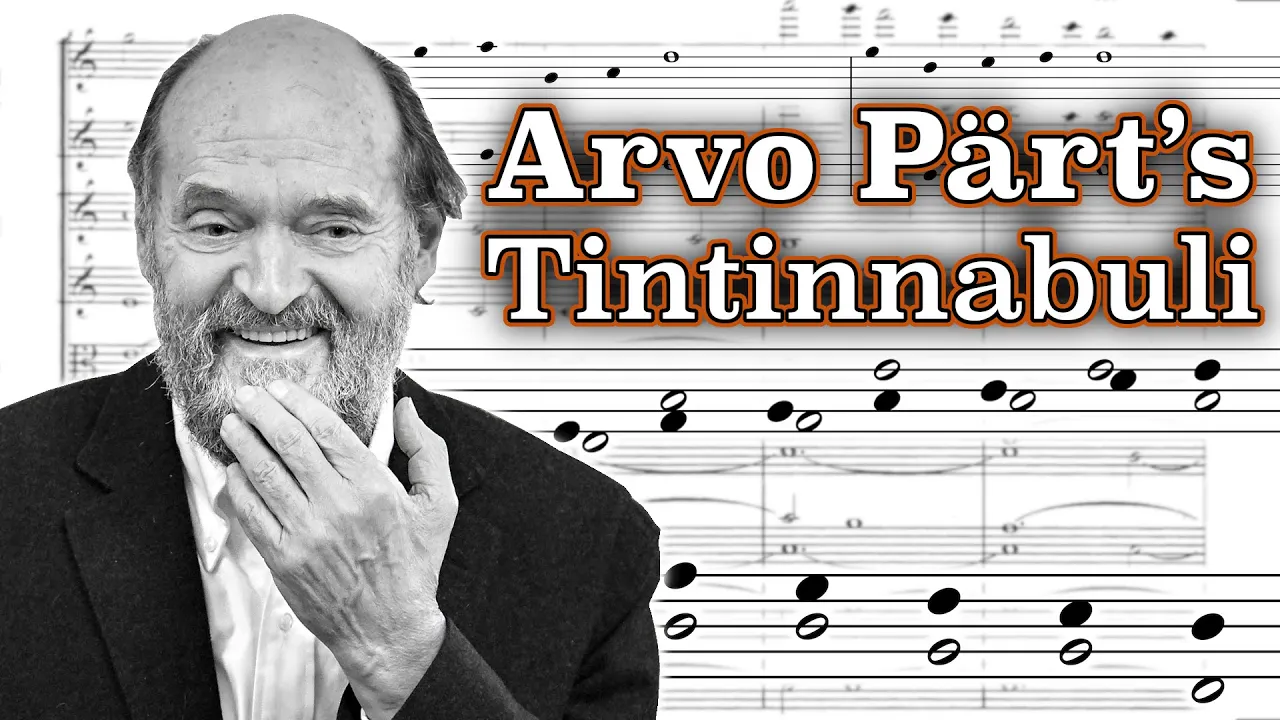





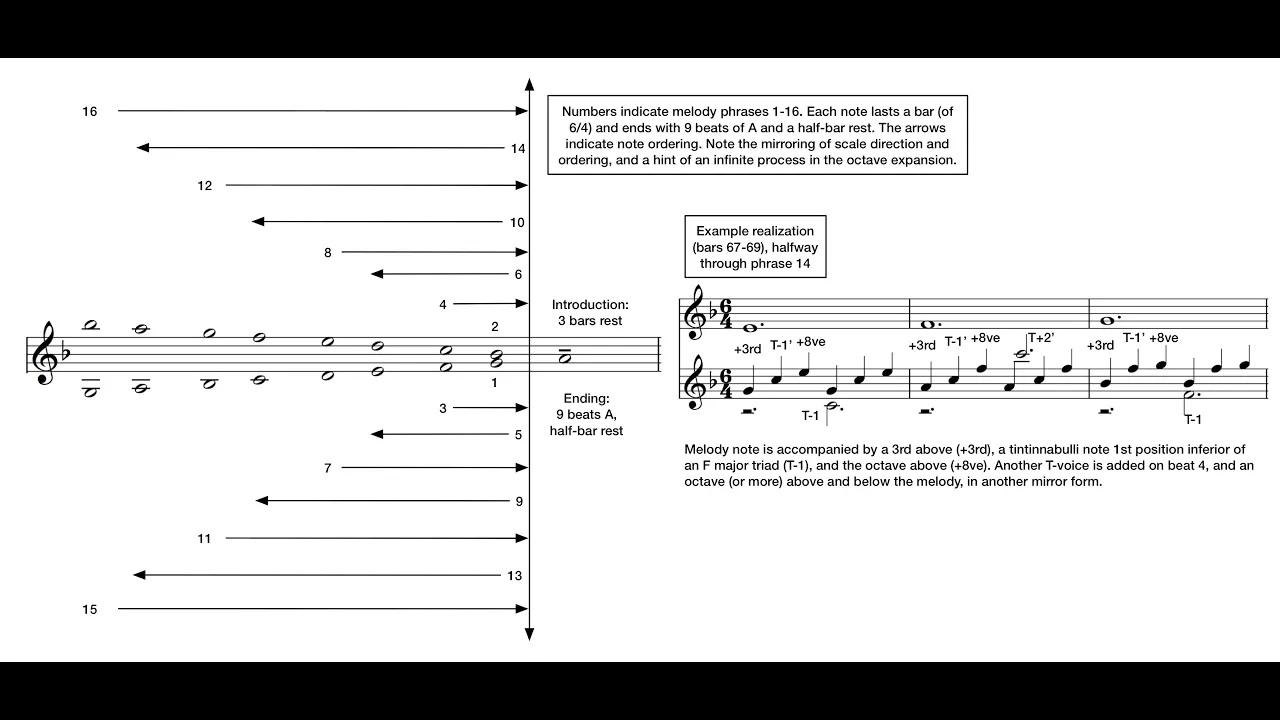


Arvo Pärt's tintinnabuli style is a minimalist compositional technique that uses two types of voices—M-voices (built from scale segments oriented toward a central pitch using four melodic modes: descending/upward toward or away from the central pitch) and T-voices (limited to the tonic triad)—to create music that feels simultaneously ancient and modern; the technique involves systematically building layered structures where additional voices branch from existing ones, often using parallel motion, and can be enhanced with rhythmic displacement to add harmonic complexity while maintaining the fundamental simplicity of the underlying system.
Composing with Arvo Pärt's Tintinnabuli Technique: A Practical Guide
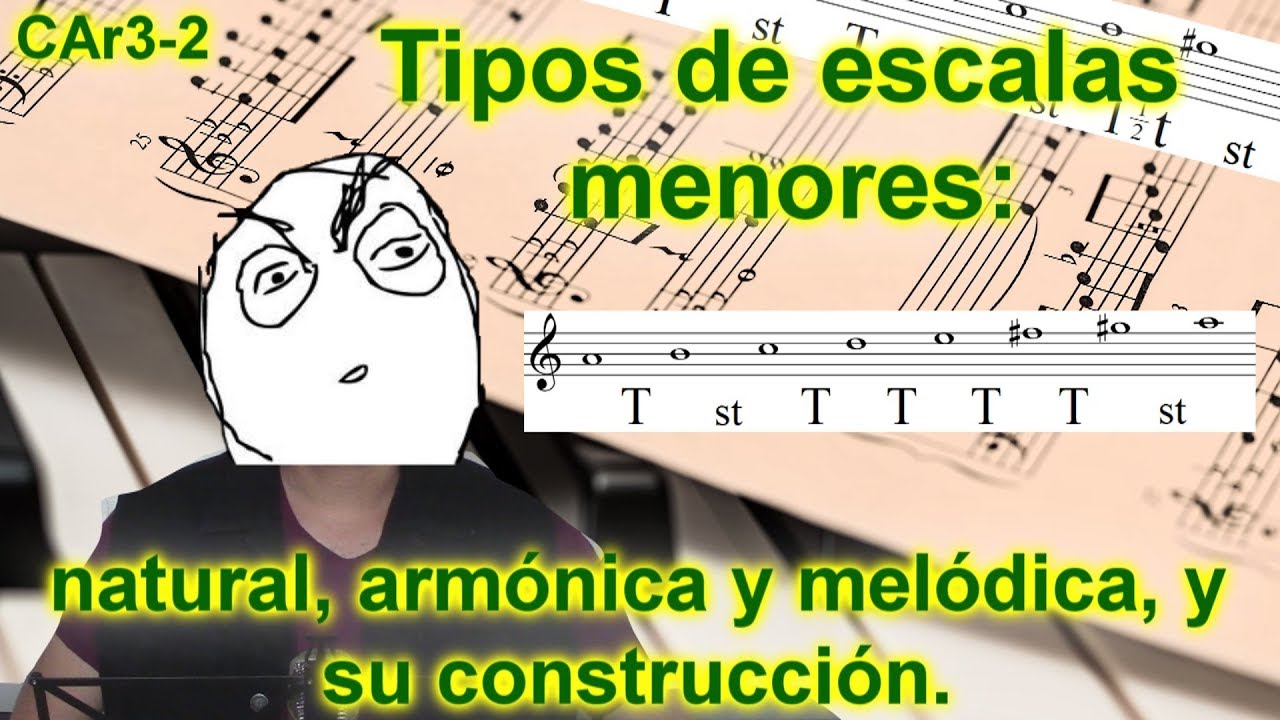
Added:Understanding of diatonic scale structures, particularly natural minor and major scales, which form the basis of the melodic voice (M-voice).
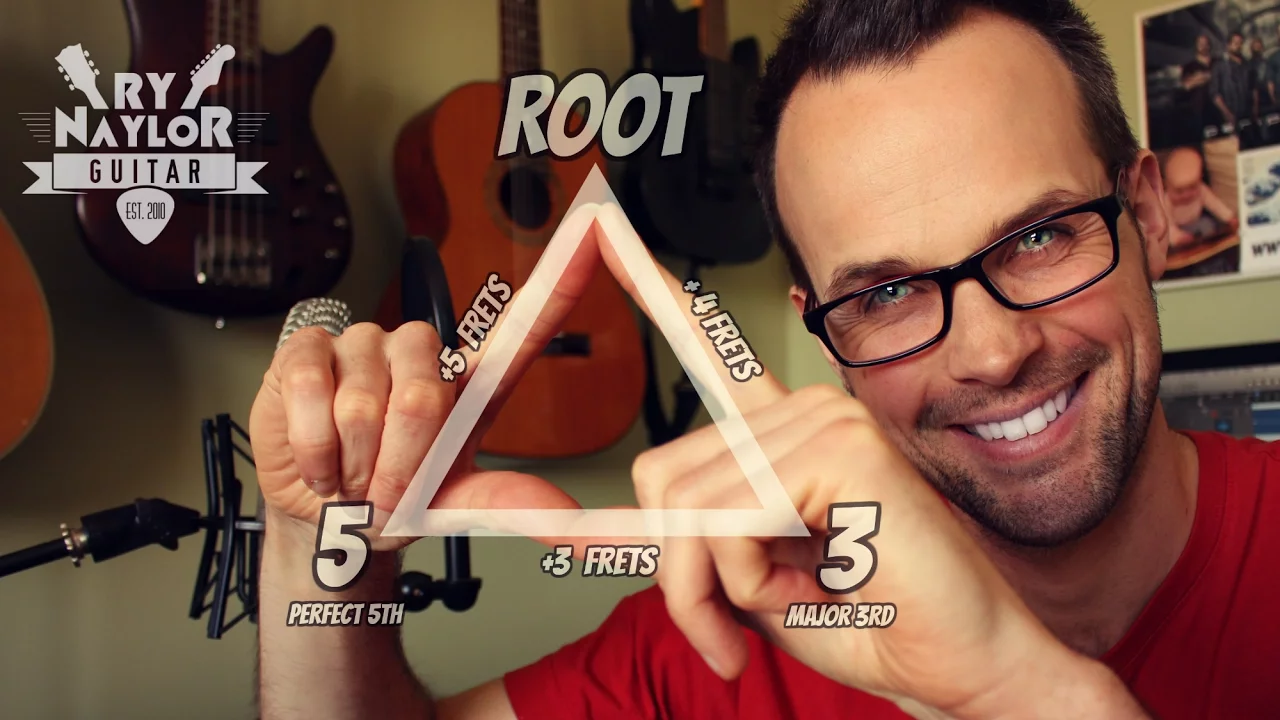
Familiarity with basic triad construction and inversions, which are essential for constructing the tintinnabular voice (T-voice).
Fundamental concepts of counterpoint and voice-leading, specifically how two independent musical lines interact harmonically and rhythmically.
Basic knowledge of J.S. Bach's chorale style and traditional harmony, to fully appreciate the context of the Bach recomposition.
In-depth analysis of Arvo Pärt's landmark compositions, such as 'Für Alina' and 'Spiegel im Spiegel', to observe tintinnabuli in professional repertoire.
Exploration of advanced tintinnabuli variations, including multi-voiced textures (3-way or 4-way voice pairings) and complex rhythmic rules.
Study of the broader 'Holy Minimalism' movement, comparing Pärt's techniques with those of John Tavener and Henryk Górecki.
Application of tintinnabuli constraints to original compositions, film scoring, or electronic ambient music to evoke meditative and cinematic atmospheres.
80K views4.4Klikes27:39Original Release: 2023-11-18
have you ever wanted to make music sound simultaneously ancient and modern to feel both simple and deep this is the aesthetic produced by arvo's tinab style I'm going to explain fundamental concepts and give you a practical toolkit for composing without getting bogged down trying to be comprehensive because I want you to be able to make music as soon as you finish watching this [Music] video [Music] [Laughter] [Applause] [Music] St I've taught about arvo par style in a college course on techniques used by composers in the 20th century and to make this video I took my material from that course and improved it by adding audio mockups and animation so that you can see in real time how the music relates to its underlying structure this is more than an introduction to P's Theory though I'll show you nuances for composing regarding instrument register ways you can go beyond an underlying seven note scale and how to use rhythmic delay to add harmonic complexity at the end I'll also explore how parr's music might reorient the way you think about other music and I'll show you how I recomposed Bach's Cello Suite number one in the style of AR V let me start with an overview of arvo per style tinu nabell structure before getting into the details for what each voice voices there will be two types of musical voices M voices and T voices an M voice is made up of scale segments whereas T voices will only use members of a tonic Triad officially T here is for tinabell but you can remember the t as in tonic Triad an M voice functions as a structural origin of all other voices either directly or indirectly each T voice is going to Branch out systematically from some mvo if you add a second mvoice it will relate to the first mvoice usually in parallel motion and additional T voices can also Branch out from it to write the first envoice we need an underlying scale to move through and a tonic Triad to provide some orientation for each line we write minor keys are a bit more common in parot music so I'm starting with an a minor scale and an A minor chord as our substrate with this chosen melodic lines of an mvoice will all be segments from an A minor scale and each segment must Orient itself in relation to a central pitch taken from the tonic Triad we can change the central pitch in a piece but for now let's make our Central pitch the tonic a for arvo per there are four orientations of a scale segment to a central pitch and he calls these melodic modes in relation to the central pitch a scale segment may go down and toward the central pitch up and toward the central pitch it can also move up and away or down and away when writing an mvoice you should try to think in terms of some systematic or symmetric design but the specifics are up to you in this example with the central note a I've written segments which are all in the mode of descending toward the central pitch but I made a simple system so that segments will increase in size from one note to two to three Etc ET if we choose instead to use ascending away as our mode we'd have this we could also do the same but alternate between descending toward the central pitch and ascending toward the central pitch and end up with this creating symmetry like this underlies the composition spegel IM spegel by mirroring segments from different modes and gradually increasing the size of the segments in that piece the underlying scale and triat are F major but the central note still a notice how segments gradually increase in size while cycling through the different modes starting at the segments of three notes the segments move up and toward then down and toward the central note then they increase in size and move away from the central note they continue to grow while alternating pairs of segments move toward and away from the central note notice also here the lowest note G in the M voice corresponds to the lowest note available on the violin thinking about range of instruments is an important consideration when defining the system you want to put in place because you're going to apply this system onto real instruments with their own practical concerns arvo par often picks keys and structures to correspond with the limits of an instrument's range the example here comes from a duet for violin and piano but there's an arrangement of this same piece for solo organ in that version It's transposed into C major so that the lowest bass notes correspond to the lowest keys on the organs manual and almost the entire span of the pedal board let's have a look at another mvoice design found in P's music which I've transposed to a minor the M voice has individual phrases each of which starts and ends on a different member of the tonic Triad then lines start and end on different pairs pairs of notes from the Triad there's balance here after motion upward through notes of the Triad to get to the high tonic pitch we get every pair of notes downward to rest on the lower tonic pitch working with a text offers yet another possibility for structuring an M voice each syllable of a word can determine a segment's length you don't have to do this but this is precisely what occurs arvo de profundis in that piece each syllable gets one note so each word defines the length of a segment if a word has two syllables it'll Define a segment of two notes of the scale whereas a word of five syllables defines a segment with five notes let's see an example with a text I'll use something Latin to keep things sounding sacred but you could use any language using Google translate I came up with this in this case the number of syllables in each word is respectively 3 1 2 5 1 and 3 if I pick the mode that ascends away from a central note we end up with this melodic line let's hear this example of cabic text setting I've put in some organ accompaniment which incorporates T voices and in the next section I'll show you how to write those [Music] in order to write a t voice we need an M voice to tether it to let's have our M voice be a complete iteration of the a minor scale first go going up and then coming back down to where we started I should point out that even this has some structural balance to it I've created an idea to go seven steps up and away from the central note a then I wrote a symmetrical response that goes seven steps down and toward our Central pitch a t voice essentially has two rules you may only use notes of our tonic Triad and those notes should relate to an mvoice in some patterned way since I've picked a minor our t- voice will then only use the pitches a C or E let's have a look at four possible relationships or positions that a TVO might occupy in relation to our mvoice the TVO can be the first available node of the Triad above the mvoice it can be the first available note below the mvoice it can be the second available note above or it can be the second available note Below in these examples I'll notate the T voice with with diamond not heads which to me seems fitting as the t- voice reminds me of natural string harmonics when a t- voice is the first available pitch above or below I'll call this a close position in contrast to an open position which would be further away to make actual music we come up with a way of activating and expressing an underlying structure of MN voices arvo's minimalist piano piece for Alina has just one M voice and one t voice but a good starting point is probably to use three or four underlying voices since I haven't yet explained how to write a second mvoice let's add two t voices to our mvoice that went up and down the a minor scale and use that as an underlying structure one t-o will be the closest position above and the other will be the closest position below to make this into a piece of music we need to pick what instruments or voice types will Express the structure and come up with a patterned way of expressing the structure parr's variations for the healing of arka uses this exact structure for its variations but each variation is a different way of elaborating the same structure at the piano in the first variation all three voices are expressed in a single line with a rhythmic pattern of short short long it starts with the upper T voice and then moves to the lower T voice before holding the M voice for twice as long a nice touch is that holding the notes of the mvo longer makes that line easier to hear and there's an even more beautiful subtlety when the mvoice reverses Direction and goes down the scale the pattern flips as well so that the pattern begins from the lower T voice instead of the upper [Music] one [Music] that's just one way to elaborate the underlying structure per demonstrates other options in the other variations of that piece let's try out another example of creating a structure and turning it into something musical I'm starting with an mvoice pattern of segments that decreases in size from four notes to three to two and then to one such that each segment corresponds to a different one of our modes though admittedly the last segment won't have any motion to or from the tonic since it's only one note but it continues the pattern now let's add two t voices above the mvo I've started with one t voice in the first position above and the second one will be a member of the tonic Triad above the first T voice before activating this into music I want to compose a second phrase way that demonstrates how parr's music can create layers of symmetry I'm still cycling through all four modes but this time I started with the descending mode toward the central note instead of away I want to build symmetry into the second phrase by having the T voices occur below the mvo instead of above I'm going to make this phrase in the style of an Acappella Coral piece like arvo's Magnificat this time each singer will correspond to an M or t voice of the underlying structure and I want to add another layer of symmetry in how I choose which singers take which part one of P's Hallmarks in Coral writing involves pairing up combinations of singers so that when the full chorus finally comes together it represents a culmination of these pairings in my example so far I only have two phrases of structure to work with but it's enough for me to demonstrate the idea I'll make each half for a different pair of singers the first phrase will be for tenor and bass and the second half when the T voices go below the mvoice I'll write that for soprano and Alto and we now have another layer of symmetry between the two phrases to generate some interest I've added a rhythmic pattern of longer notes corresponding with the beginnings and ends of each scale segment in an mvoice I'm still indicating the roles of M and T Voice by putting the T voice into Diamond note heads in the score and mvo segments are shown with slur lines since this is still a sketch I don't have Dynamics bar lines or text but you should be able to hear the layers upon lay layers of structure and symmetry that I'm building in if I were composing this with a text I'd probably want to take that into consideration from the beginning as I build up the underlying [Music] structure [Music] to get a nice Lush and complex harmonic fabric we can add a second mvoice which is related to the first one by moving in parallel T six or thirs since my example is already written for voices in close position let's make another mvoice that is close to the rest of the notes by setting it just a third away to continue the systematic symmetry I've begun I think the new envoice should lie below the base part in the first half but then when the positions invert the new envoice can now be above the suprem line we have a thicker texture with more branches and Reflections from the original M [Music] voice [Laughter] [Music] the last example had M voices a third apart but it also works really well to have parallel tenths between your primary and secondary M voices this is a very frequent Construction in arvo's music because there's enough space to fit another voice in between if you want to I'm going to make the next example for solo organ so I'm switching to E minor this is strategic because I have a structure in mind already and I want the lowest note of my structure to correspond to the lowest note of the organ per frequently makes underlying structures that will match the lowest range of instruments we saw this once already when the lowest note of the M voice for spegel imle corresponded to the lowest note of a violin I'll start with a pattern of scale segments for the primary mvoice which I'm planning to put into the left hand of the organist a secondary mvoice which will go into the pedals is going to be a tenth below it the right hand can take two t voices in open spacing above the primary mvoice you don't have to choose an open position like I did but whatever relationship you choose you have to stick with it as I built my underlying structure I was thinking about more than just the lowest notes on the instrument I strategically designed the system for my mvoice so that there would be a climactic high point around 2/3 of the way through the piece to me this provides some aesthetic balance it feels like it builts up to something and still had some time to settle down after since I've already planned out the instrument I only need to decide on some Rhythm for this I'll put the M voices on downbeats and arpeggiate the T voices but you're free to try out another time signature arhythmic pattern as long as your choice for rhythm and meter stays consistent let's hear how this [Music] sounds [Music] [Music] [Laughter] I think this sounds pretty good it's a texture that's simple enough to improvise with but it might also be a little bit too simple notice for example that whenever an M voice has a particular note that entire measure will be the same as any other measure which has the same note in the mvoice what I have here is a piece that evokes parot at a local level but maybe doesn't create quite enough depth and variety over the course of the piece I'll show you two great ways of adding more variety and depth one way is to go beyond a seven note dionic scale for your underlying structure a common way to achieve this is to do something with raised and lowered versions of scale degrees six and seven in your structure if you're using a minor scale you might opt for a change in scale to correspond with different sections of the piece or you might only raise these notes for lines that Ascend to Tonic what I'll demonstrate here is to only raise scale degrees six and seven in the lowest register of the lowest voice I'll start by sketching out a new structure this time in c minor with the intention of of later working it into a four-part coral work my mvoice can go into the alto with the pattern of alternating descending and ascending segments now I'll add a t- voice above and below in open position using only members of the C Minor triad we can make the base a second mvoice I'll write it a tenth below my alto mvoice now we're ready for the extra spice I'm going to raise scale degrees 6 and seven but only in my lowest voice we have an underlying structure with a little more complexity which is great but when we elaborate this into a piece of music I want to show you how to create even more variety so that measures with the same pitch in the envoice won't all end up identical like in the last organ piece I made I'm going to incorporate a pattern of rhythmic displacement so that some notes will stretch out into the following measure then each voicing of a measure will depend not just on on the note of the mvoice in that measure but also on the material preceding it with the underlying structure I already have I'll make a sketch for satb choir without text and add in rhythmic displacements of the T voices so that each note lasts three beats followed by AR rest my M voices will stick to down beats to reinforce a 44 meter but I'll delay the T voices consistently by two or three beats so that those notes hold into the following measure blending the consecutive sonorities into a Cascade of suspensions there will be a lot more variety overall and notice how there will even be a voice overlap when the base has its big leap up to a flat because the tenor will still be holding G from the previous [Music] measure [Music] l [Music] so [Music] oh [Music] I'd like to close by showing you how this material can give you a new perspective on on existing music have a look at this example from Box's famous Cello Suite number one in G major the cello arpeggiate notes to convey a sense of three-part Harmony on most days I would describe this as a simple progression of tonic predominant dominant occurring over a repeated bass note but today after going through this material maybe it sounds a little different if we change our mindset from ostrog German tonality the upper voice B CB can also sound like of an M voice away from and back toward a central note of B in G major I could hear the motion of d and e as another M voice moving in parallel six and maybe that little lower neighbor under C isn't so much a lower neighbor as motion to a member of the tonic Triad having M voices a sixth apart and filling in between with a member of the tonic Triad is what arvo does in the piano part toegel imel I want to make a little homage to Bach and parrot by taking that opening measure of Bach's Cello Suite and continuing it in the style of arvo perrot I can set some systematic parameters which could have given rise to the texture of box opening measures and then follow through with some of the textures and processes found in parrot's spegel IM spegel not everything here will sound exactly like parrot and I'm okay with that since this homage will be more about finding inspiration than precisely imitating I'll make the upper line the primary M voice the middle line can be a t voice in open position below it and I'll have the lowest voice as a second mvoice in parallel tense to the first mvoice just like in my last two examples in the style of spegel egel I'll make our M voice articulated in Long notes on a string instrument but since this is drawn from box Cello Suite I'll make the line for cello instead of violin to evoke spegel IM spegel I'm going to have the piano left hand Express the second M voice only on down beats so that on beat 3 it can play an additional TVO pattern related to the mvoice by alternating between twinkling highs and rumbling lows in arvo par style I'm specifically setting this up so that the pattern will push toward the extremes of a piano's range if you want to hear this I've done that in a separate video where the four melodic modes are each represented by branches of a fractal-based tree and you can see the path and symmetry of the mvo as light moving along those [Music] branches [Music]
Up Next
17:58
Arvo Pärt's Für Alina: Tintinnabuli Technique Explained
@AnyOldMusic
5.9K views•2021-03-30

51:08
Simon Rattle on Early 20th-Century Music: Tonality's Decline
@theclandestinum
18.3K views•2012-06-16

47:36
Understanding Diatonic 7th Chords in Major Keys | Music Theory Tutorial
@GracieTerzian
54.7K views•2022-03-02
10:49
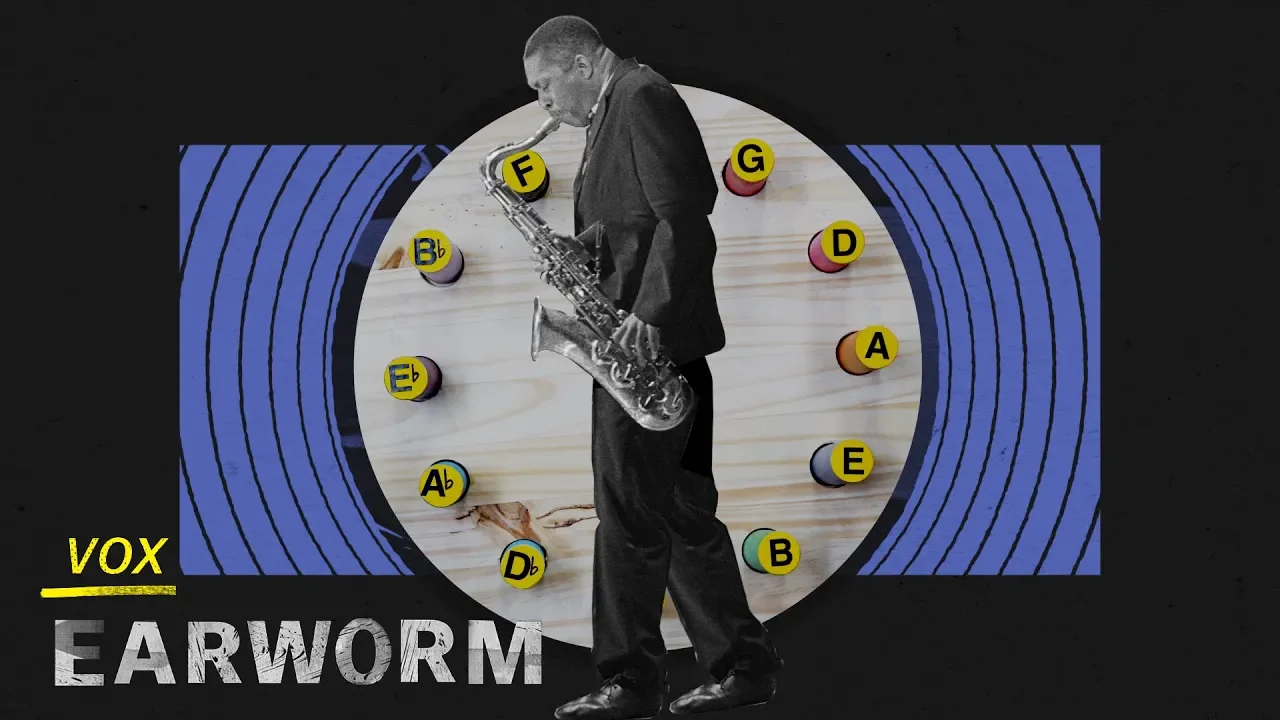
Understanding John Coltrane's Giant Steps: A Music Theory Analysis
@Vox
10.4M views•2018-11-12
Related Study Plans & Knowledge Roadmaps
Structured learning paths in Music Theory
music-theory
Tintinnabuli: Pärt's Counterpoint & Composition
01Music Theory Foundations: Intervals and Triads
02Fundamentals of Counterpoint and Voice Leading
03Arvo Pärt and the Spirit of Holy Minimalism
+ 2 more learning modules
16h5 modules
Explore Roadmap
music-theory
Composing Galant Music: Partimento & Schemata
01Foundations of Figured Bass and Keyboard Harmony
02The Rule of the Octave (Regola dell'Ottava)
03Galant Schemata: The Building Blocks of Form
+ 2 more learning modules
30h5 modules
Explore Roadmap
music-theory
Decoding Overtone Series: Tuning & Drone Music
01Acoustic Foundations: The Physics of the Overtone Series
02Tuning Systems: Equal Temperament vs. Just Intonation
03Microtonality and Spectralism: Beyond Standard Pitches
+ 2 more learning modules
24h5 modules
Explore Roadmap
music-theory
Impressionist Harmony: Scales, Planing & RPGs
01Foundational Music Theory: Keys, Intervals, and Seventh Chords
02Impressionist Color: Chord Planing and Parallel Harmony
03Whimsical Textures: Pentatonic Cascades and Whole-Tone Scales
+ 1 more learning modules
14h4 modules
Explore Roadmap