




![Medieval Music [Music History]](https://i.ytimg.com/vi_webp/4keEyZ7LFq8/maxresdefault.webp)






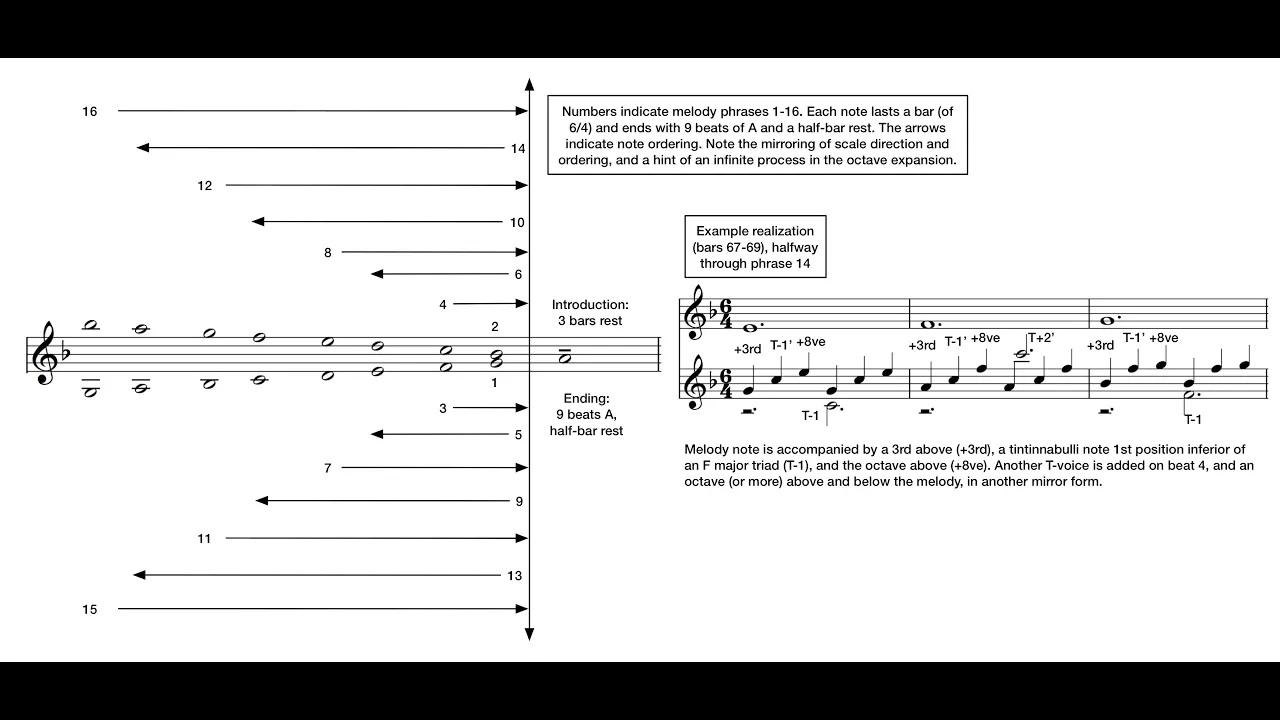






Tintinnabuli is a compositional technique developed by Arvo Pärt that draws inspiration from the overtone series of church bells and medieval organum, characterized by two voice types: the m-voice (melodic voice) which can use any notes of the diatonic scale, and the t-voice (tintinnabuli voice) which is restricted to notes of the root triad; in Für Alina, Pärt maintains strict counterpoint rules using only similar and oblique motion without contrary motion, creating a climactic moment at bar 11 by switching the voice positions from inferior first to superior second position, while the piece exhibits structural symmetry with phrase lengths following a palindromic pattern (2-3-4-5-6-7-8-7-6-5-4-3-2).
Arvo Pärt's Für Alina: Tintinnabuli Technique Explained
Added:Fundamental music theory, including diatonic scales, key signatures, and the structure of major and minor triads.
The basics of traditional counterpoint and voice-leading rules, particularly the relationship between a cantus firmus and counter-melodies.
An introductory understanding of medieval music history, specifically plainsong (Gregorian chant) and early polyphonic organum.
The physical acoustic properties of sound, particularly how bells produce complex overtones and decay.
Analysis of Arvo Pärt's more complex, large-scale works using the tintinnabuli method, such as 'Spiegel im Spiegel', 'Tabula Rasa', or 'Passio'.
Study of the 'Holy Minimalism' movement, comparing Pärt's spiritual aesthetic with contemporaries like Henryk Górecki and John Tavener.
Practical compositional application, involving writing an original short piece using strict M-voice (melodic) and T-voice (tintinnabular) algorithmic rules.
In-depth research into spectralism and other late 20th-century compositional techniques that focus on the physical properties of overtone systems.
5.9K views216likes17:58Original Release: 2021-03-30
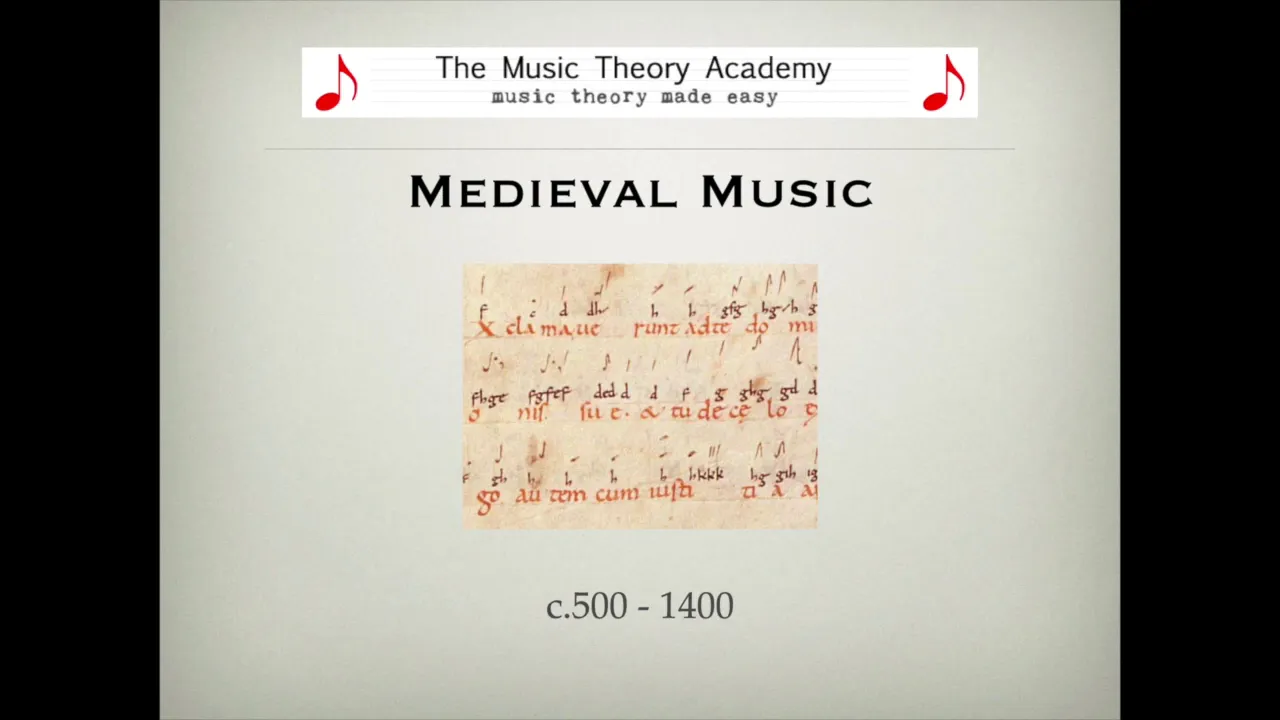
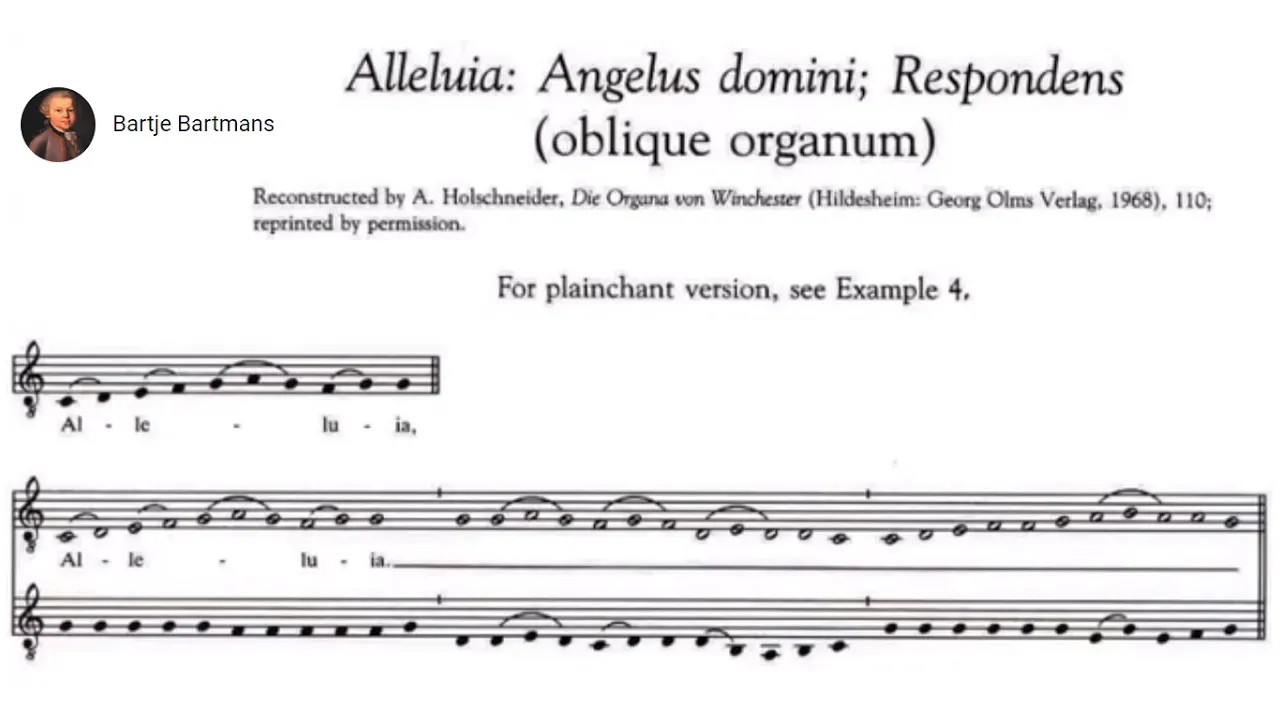
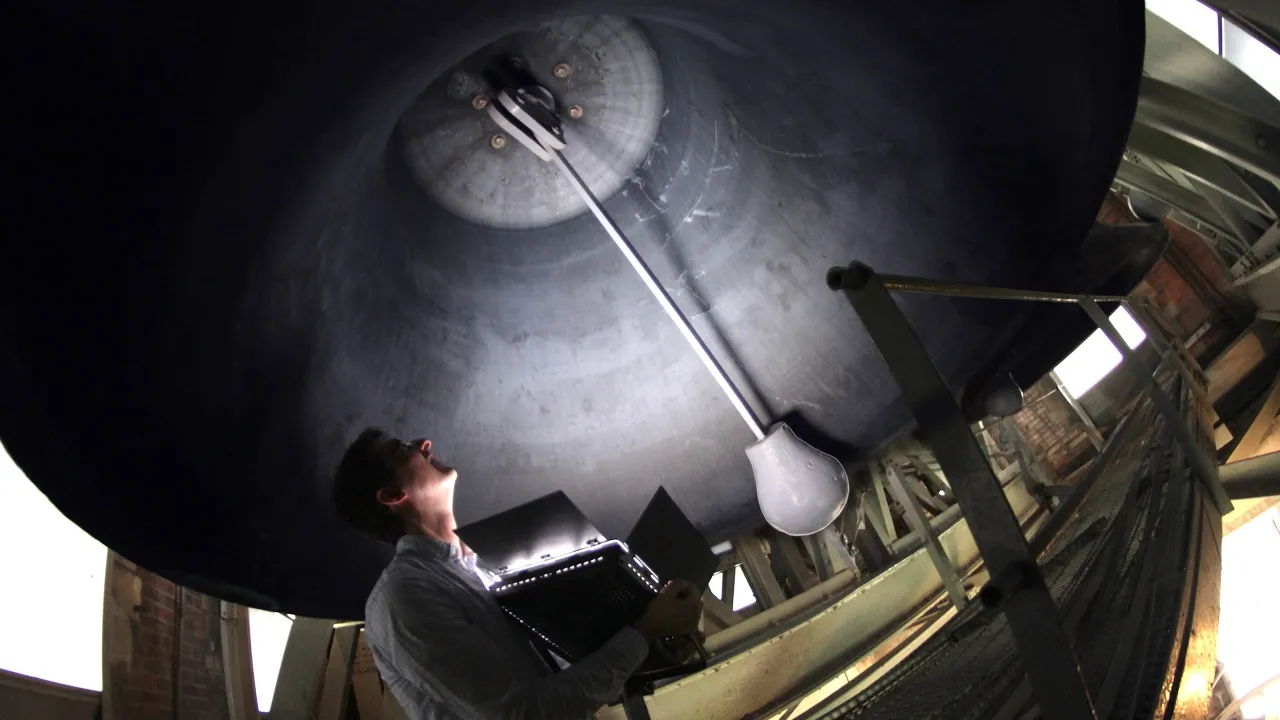
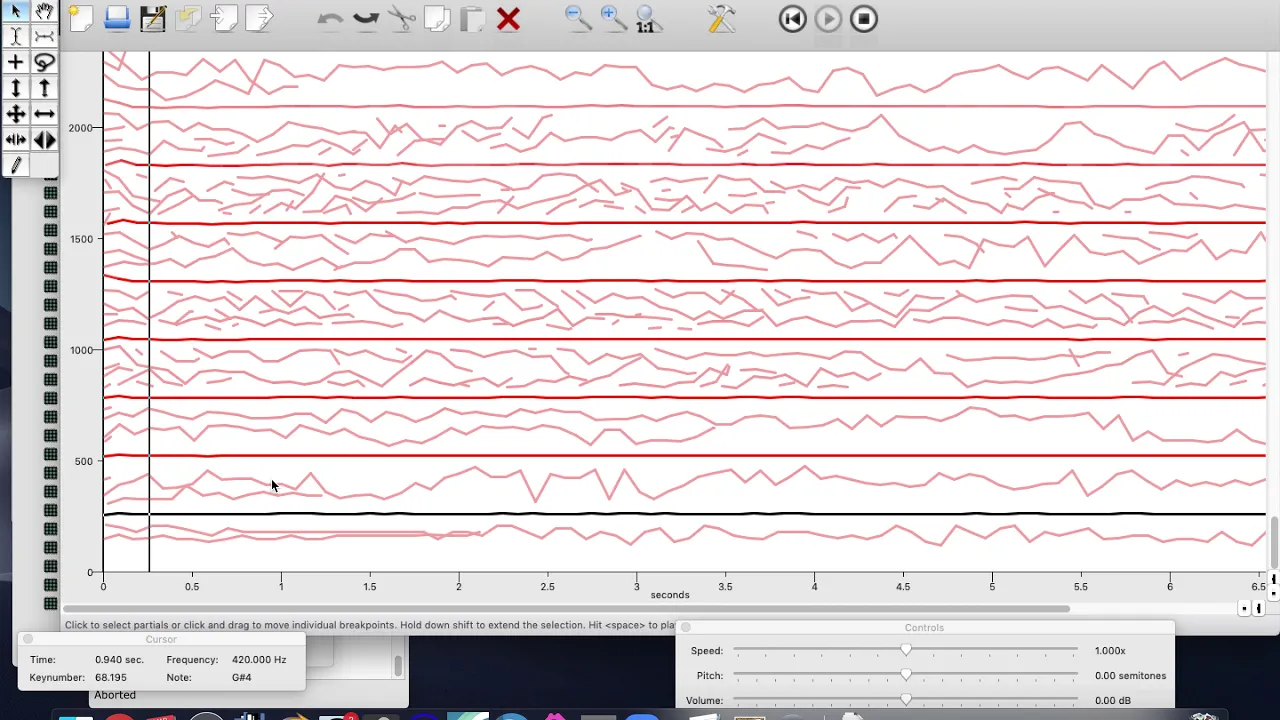
that's george from any old music in this video i want to investigate the compositional technique used in arvo pertz furulina one of the earliest works to use his trademark style of tintana bali i think furulina is a fantastic study in this style of composition therefore it's a great starting point to explore and learn the techniques of tinternably and arvo pet in analyzing furulina and discussing tintinabali we will learn about restricted creativity and how we can source inspiration from musical and sonic influences for example the origins of tinternably lie in a mixture of medieval organem and the overtone series of well tuned bells uh european world tune bells these influences each impose restrictions on texture and harmony slash tonality in tintin arbole or styles of music pets music in the video therefore we'll discuss the following uh tinternably its origins in the overtone series of bells and how this relates to furulina organum and how this relates to furlien organic plain chant the rules of counterpoint the rules that is of counterpoint in thirulina um and the symmetry of structure through the number of notes within the phrases as it increases and decreases through the piece the structural symmetry that creates starting with tintana blue then its relationship with bells and ferrulina tintanably as a compositional technique um in part originates from the overtone series of harmonically tuned bells tintana balum i think from which tintanobully derives roughly translates from medieval latin into little bell looking at the overtone structure of a european well-tuned church bell therefore seems like a good starting point this is because we can then draw broader parallels between tinternably and furulina on screen i present a figure from a dissertation on pets tinternably music which i'd recommend searching for i'll put a link in the description below as we can see in this image there are several tones however the most important of these excluding the fundamental tone are the hum tone tears quintin nominal these are important tones because they are the most prominent and give the bell it's distinctive timer and sound there are more overtones above those ones so what's so special about the overtone series of bells well we perceived the timbre of instruments through how they produce their fundamental note and emphasize upper harmonics the relationship between those two things is vital as well for instance when playing an instrument the pitch we hear is the fundamental tone however within this note instruments tend to produce other less audible pitches these less audible pitches are known as harmonics or overtones um the total variance of the audibility between each of these harmonics in other words how these instruments emphasize certain upper harmonics above the fundamental is what gives an instrument its distinctive timbre or sound harmonics and overtones produced by instruments tend to be restricted to the harmonic or overtone series however in the case of the bell its structure is very different but the first few partials of the harmonic series are the octave perfect fifth and perfect four the bell emphasizes the minor third which is the tears uh the perfect fifth which is the quint and the nominal the octave furthermore as we've touched upon the belt produces a hum tone which is an octave below uh the fundamental so what's so significant now about the bell's overtone series in relation to tintinably and furulina um knowing that it's different you know the typical overturned series well the unique overtone structure of bells is crucial to tinternal being verlina through the emphasis on the root and minor third relationship in the bell as we've seen this comes in the form of the tears the ts is a minor third relationship between the fundamental tone and the first harmonic tinted normally is a style known for its solemnity which frequently uses minor modes furthermore the technique involves a relationship between two voice types one voice type is free to use pictures of the diatonic scale which is often a minor minor scale or mode the other voice typically uses only notes of the triad of the relevant key usually that trial is you know the root triad of the key which is frequently minor ferolina is a composition that deploys the tintana billy technique and is in b minor throughout the minor third and root relationship is the core characteristic of defining a mode or triad as minor moreover the composition uses two parts the m voice and the t voice the t voice only uses notes of a b minor triad additionally infer alina pet further emphasises a relationship with the overtone series of bells by opening the piece with a low double octave this effect is reflective of the hum tone that bells produce dom tone is a pitch that gradually resonates underneath the tone of the bell after it's been struck moreover the decision to engrave the pedal tone on a third stave below the piano's left hand is reflective of church a church organ music that you know has a pedal staff so i've established a relationship between uh the overtones series and uh tinternably infer alina how the obviously the minor triad that emerges in overtones um has affected the tonality of a lot of tinted heartblue pieces and furlina specifically which is in a minor mode but what about other influences um well another influence on furlina and tim tanabeli is that of medieval organum and plain chant the use of the phrase tintinably itself holds greater significance to the style of ferlina's composition as i've said it is a medieval latin term while neither pastiche nor an artistic revisiting similar to satan like neoclassicism the technique evokes the sound of medieval sacred music such as organum and plainchant while being more codified and prescriptive feralina reinforces the plainchant connection not only in its use of musical texture and tonality or modality but through the way it is engraved what i mean by this is how it appears visually on the score as a piece of sheet music in the video that i'll link below you might note that how there are no stems on the notes furleena's notation is a reflection of this as is the omission of time signatures the use of bar lines is similar too although the organum composition below has longer phrases and uses a tick style bar line probably to denote breaking points breathing points firolino is particularly reflective of early organum and medieval music where polyphony and counterpoints start to emerge organum often used two voices a melody in a compliment voice unlike later counterpoint techniques that emphasized country and oblique motion organum was much freer it frequently used similar and parallel motion furulina is remarkable as it only uses two voices in similar and oblique motion there is some parallel motion but this is limited due to the restriction of the left hand which we will come on to there is no contrary motion in the entire piece pet's disciplined exploration of tinted anaboly is the reason for this which we will now discuss moving on to the rules of counterpoint in tinternably and furulina in the earlier section i briefly mentioned the concept of two voices the m voice or melodic voice and the t voice or tinternably voice inferolina the m voice is in the right hand or treble part and has the freedom to play notes of the b aeolian or natural minor scale while the t voice can counter point notes by playing notes only of the b minor triad that's the limitation of the t voice it can only play notes of the of the root triad at least in this instance the distinction and relationship of these voices will become important as we dive deeper into the compositional technique of furulina startlingly the counterpoint of furulina is exclusively in similar parallel and oblique motion the result of this is a pair of voices that never move in opposite directions in other words they don't never move contrary in contrary motion this likely comes as a confluence of other restrictions for example the tonal implications of having the t voice occupy the root triad means that while dissonance and consonants cannot exist harmonic tension does not it does exist but to a lesser extent furthermore pet avoids the octave in unison at least in ferollina country motion with the restrictions of the voices would likely have led to you know an octave or unison the omission of conscious emotion comes from what seems to be an aesthetic restriction that pair imposes on himself in analyzing and discussing pet's work musicologist paul julia identifies a series of relationships that can occur between the m and t voices one of these is the distance between the two voices as in the notes that they have and the span between them and these are referred to as first or second position the second is a relationship between voices that are either defined as superior or inferior i'll now explain these a little further the concept of a first or second position comes from the distance between the voices what defines the distance is the presence or non-presence of a triadic tone between the two voices as we have established pair avoids octaves and unisons in furulina and restricts one of the voices to notes of the b minor triad the result of this is two positions when one considers voice relationships as well the first position is where the m voice is as close as it can be to the t voice without being the same pitch furthermore in the first position there should not be another triadic tone available between the two voices sorry to interject here but i felt my explanation the second position wasn't quite up to scratch so i just thought i'd edit it quickly now by speaking here basically second position where first position had no available triadic notes between two two parts in second position there should only be one note available if there's two notes available um two triadic note size between t and m voice then something's gone awry uh or like the as we'll come on to the relationships probably shifted the easiest way of visualizing this is to link first and third of the root triad in furulina this would be the b and d if you imagine the top line the d is the m voice this means the note can move down a step without the positions of the voices changing however if we moved it upwards by a step the distance becomes a second position the reason for this is because a new triadic tone has become available between the two pitches the d itself between b and what is now e on the m voice therefore to maintain the position we would need to raise the t voice upwards from b to d to try and demonstrate the positions and their relationships more clearly i've presented on screen a series of harmonizations on bar eight uh the longest bar in for alina using different positions and relationships labeling each one note how for the superior relationships the t voice is positioned above the invoice also how in first position when transposed into a closer octave there is no space to put a different triadic tone between the two voices likewise there is only space for one triadic tone in the t voice in the second position examples if we combine the relationship and positional definitions we have just learned we can make some important observations regarding ferrulina's counterpoint as we've said already it avoids the use of country motion however the reason for this may lie in pet's decision to maintain an inferior first position relationship between the voices throughout the composition excluding one small point i'll come on to assuming that we transpose the two octaves to within an octave of one another as the right hand is an octave higher this means there is never a triadic tone between them putting them in first position also the t voice never goes higher than the m voice meaning it remains in an inferior position using these restrictions on the counterpoint pair creates a climactic moment in ferlina through the breaking of his counterpoint rules at bar 11.
the t voice drops to a c sharp this is notable in the obvious sense that the t voice leaves its restriction of only performing tragic tones however it is also hugely significant as it is the only point in the piece where the position becomes an inferior second rather than a first position inferior in other words the t voice remains in a position lower than the m voice but there is another possible triadic note between them both or is it superior i might leave this in i've just had a thought there that i thought this was inferior but it might actually be superior just trying to figure out whether it would be superior second will be superior seconds we've got the d still oh my i'll have to change that on the website as well um in the article so pad doesn't actually break the rules which i've actually come to realize uh through making this video i made slime a mistake that i'm gonna have to edit in the article pet still creates a climactic moment though in that he not necessarily breaks rules but uh switches the voices uh so that the tintanomaly voice ends up in the in the upper part in a superior position on in in the right hand on the upper stave in bar 11 while the m voice momentarily goes to the left hand this creates the only point in the piece where uh we move from inferior first position which is throughout the piece rest of it the counter point and moves into superior second position further accentuates this moment with a comma and break in the piano sustain pedal just after he switches the voice relationships and position furthermore in the build up to this section there are several uses of the dissonant minor ninth or compound minor second interval which uh while we might not think of this as being a climactic in the sense of a tchaikovsky finale there is a sense of shape and punctuation to this passage of the music draws attention or builds this climate not through dramatic change but subtle smaller changes in introducing the greater intervallic dissonance the harsher dissonances that we've not really had in this piece um they bring something fresh to the ears and what is a obviously a highly restricted piece of composition and that builds towards the switch of relationship and position the different way of reaching a climax lastly i want to highlight the symmetrical structure of pats furulina from bar too if you look at the score of ferlina and begin to count the notes of each bar or phrase you might start to notice a pattern emerge if we ignore the final bar is a palindromic or non-retrogradable sequence the numbers go up sequentially to eight two three four five six seven eight um and then count down in the same pan backwards uh eight seven six five four three two um if we read the sequence backwards is exactly the same however if we include the final bar it starts to raise questions is this the end in the recordings i give on the article there's two different ones both the performers or the uploaders i think it's performer uploaders actually on youtube they both record the uh pieces by looping them one of them does it once plays ferolina twice through whereas everyone loops it several times the performers have clearly identified this sort of floating infinite quality to the piece of music and want to emphasize it so in this video then we've established several techniques that we can take and reapply to our writing of a tinternable piece or more widely these are that inspiration lies in all forms and you know can influence a composition in many ways pair appears to have been influenced either consciously or subconsciously by religious and medieval music and sonic stimuli restriction can also lead to you know ingenuity and clarity pat restricts himself quite extensively by the use of various uh rules in tintinabali last point is that playing with these rules and using them completely maybe even imposing them uh more rigorously in certain points than releasing them in other sections as paired does in switching his voice for one moment in the entire piece the point position and relationship as we've spoken about you know he creates great shape to it what is a small piece of music at least conceptually if you've enjoyed this video then subscribe click the little bell icon like and give us some feedback or questions below in the comments section i've been george marshall at any old music i hope to see you again soon thanks for watching
Up Next

37:28
Music Theory Lesson 13: Part Writing/Voice Leading
@ChristopherBrellochs
48.8K views•2016-10-16

51:08
Simon Rattle on Early 20th-Century Music: Tonality's Decline
@theclandestinum
18.3K views•2012-06-16

47:36
Understanding Diatonic 7th Chords in Major Keys | Music Theory Tutorial
@GracieTerzian
54.7K views•2022-03-02
10:49
Understanding John Coltrane's Giant Steps: A Music Theory Analysis
@Vox
10.4M views•2018-11-12
Related Study Plans & Knowledge Roadmaps
Structured learning paths in Music Theory
music-theory
Tintinnabuli: Pärt's Counterpoint & Composition
01Music Theory Foundations: Intervals and Triads
02Fundamentals of Counterpoint and Voice Leading
03Arvo Pärt and the Spirit of Holy Minimalism
+ 2 more learning modules
16h5 modules
Explore Roadmap
music-theory
Composing Galant Music: Partimento & Schemata
01Foundations of Figured Bass and Keyboard Harmony
02The Rule of the Octave (Regola dell'Ottava)
03Galant Schemata: The Building Blocks of Form
+ 2 more learning modules
30h5 modules
Explore Roadmap
music-theory
Decoding Overtone Series: Tuning & Drone Music
01Acoustic Foundations: The Physics of the Overtone Series
02Tuning Systems: Equal Temperament vs. Just Intonation
03Microtonality and Spectralism: Beyond Standard Pitches
+ 2 more learning modules
24h5 modules
Explore Roadmap
music-theory
Impressionist Harmony: Scales, Planing & RPGs
01Foundational Music Theory: Keys, Intervals, and Seventh Chords
02Impressionist Color: Chord Planing and Parallel Harmony
03Whimsical Textures: Pentatonic Cascades and Whole-Tone Scales
+ 1 more learning modules
14h4 modules
Explore Roadmap