
![Arturia Pigments 3 Overview [Extended Version]](https://i.ytimg.com/vi/kWQtZp7jO6U/maxresdefault.jpg)













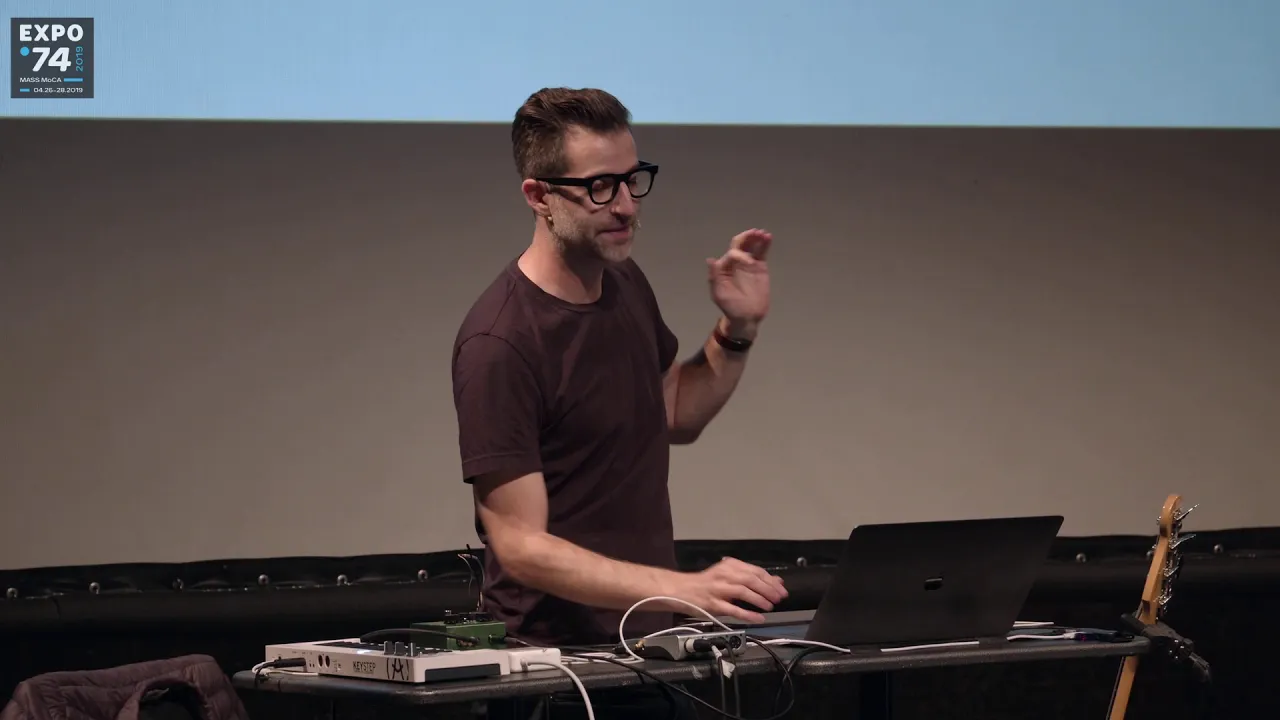
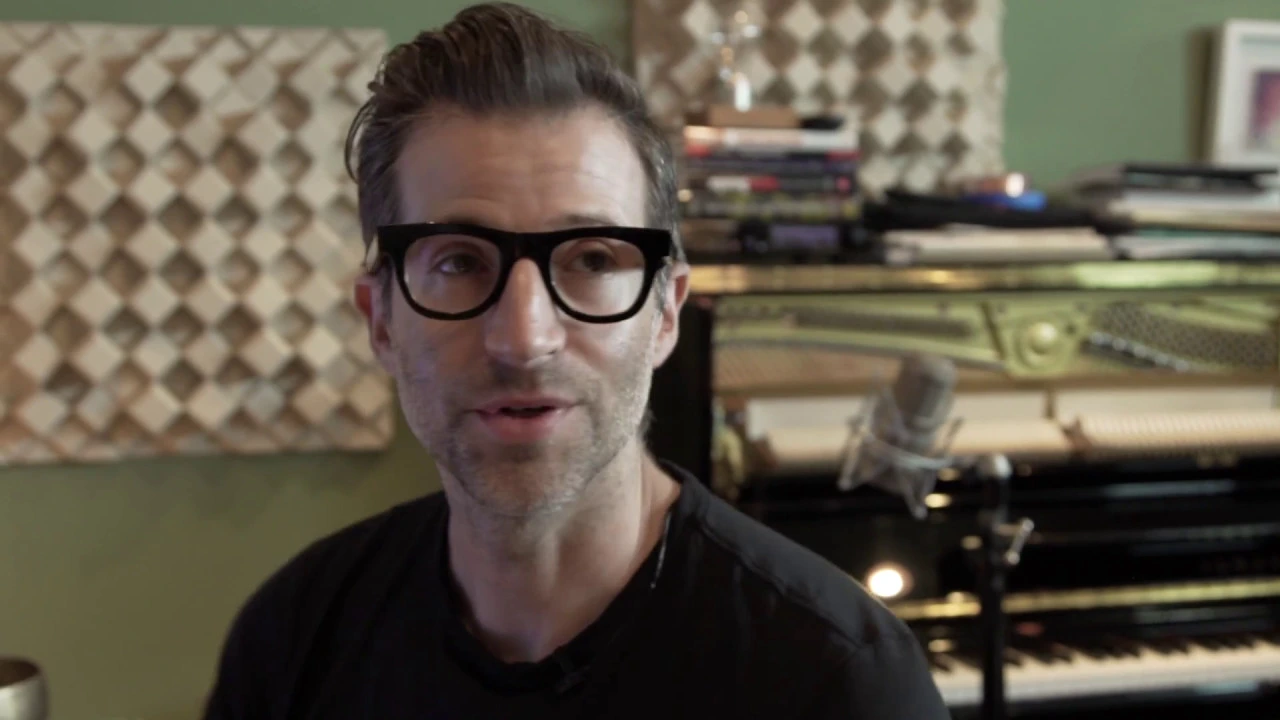


Spectralism is a 20th-century compositional approach that explores the natural properties of sound, particularly the harmonic series and overtone spectra, using acoustic analysis and music technology to inform choices in harmony and orchestration; it emerged from predecessors like Wagner, Scelsi, and Varese, and developed into two major branches—the French school (represented by Grisey and Murail) which focused on scientific acoustic study, and the Romanian school (represented by Radulescu) which emphasized spiritual theatricality—before evolving into post-spectral approaches that use the overtone series as a reference point rather than the sole compositional framework.
Spectralism Explained: Music Theory, History, and Key Composers
Added:The physics of sound and acoustics, specifically the harmonic series, fundamental frequencies, and overtones (partials).
Basic music theory concepts, including intervals, pitch-class sets, and the difference between equal temperament and just intonation.
An overview of early 20th-century classical music developments, particularly serialism, dodecaphony, and the move away from traditional functional harmony.
Familiarity with standard orchestral instrumentation and timbre, as spectralism heavily manipulates instrumental colors to mimic acoustic phenomena.
In-depth analysis of seminal spectral works, such as Gérard Grisey's 'Partiels' or Tristan Murail's 'Gondwana', to see how acoustic analyses are transcribed for orchestra.
The study of computer-assisted composition (CAC) and software tools developed at IRCAM (such as OpenMusic or Max/MSP) used for spectral analysis and sound synthesis.
Exploring 'Post-Spectralism' and how contemporary composers integrate spectral techniques with other styles, such as minimalism, electronic music, or sound art.
Practical application of spectral techniques in original music composition, utilizing microtonal notation and advanced orchestration to synthesize complex timbres acoustically.
69.3K views3.1Klikes38:31Original Release: 2022-09-05
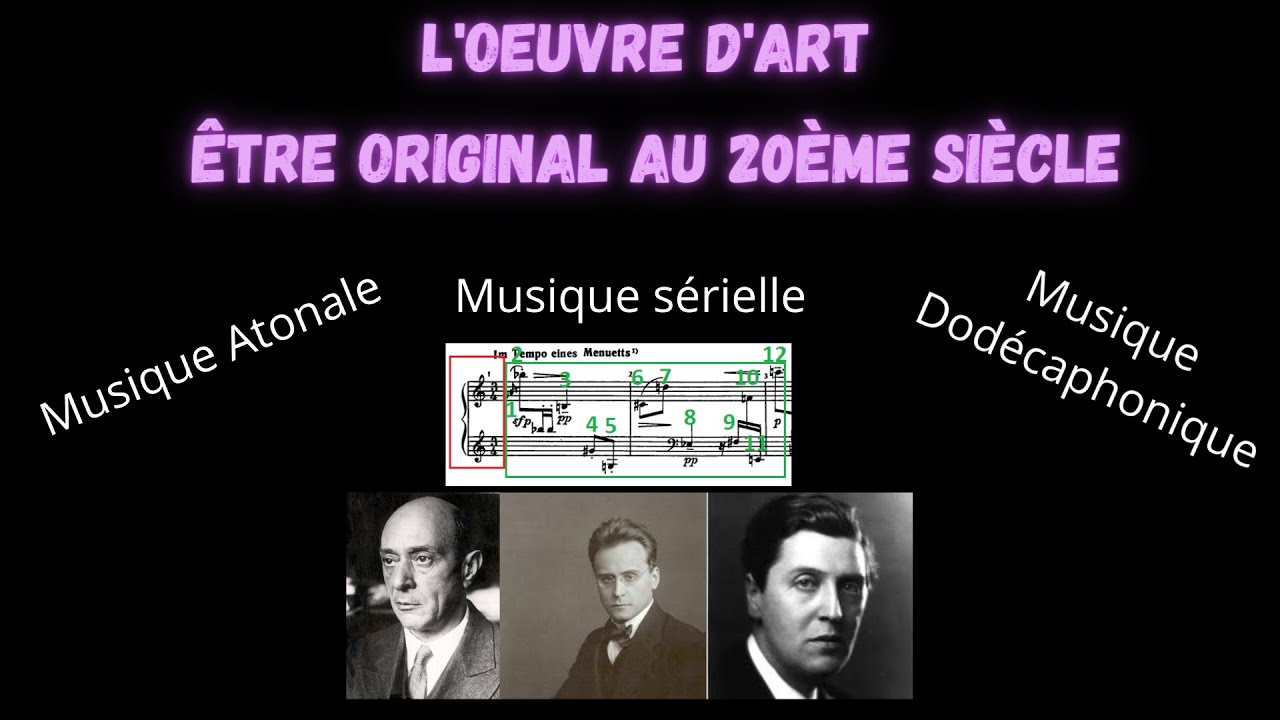
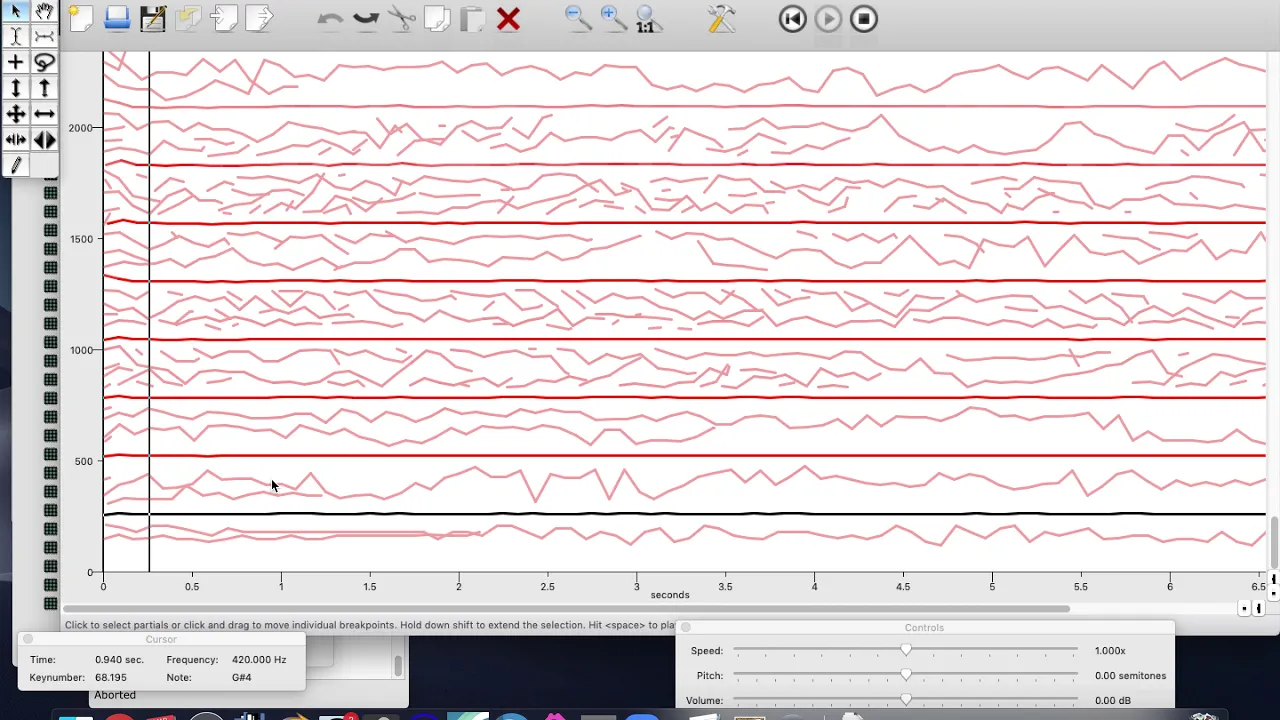
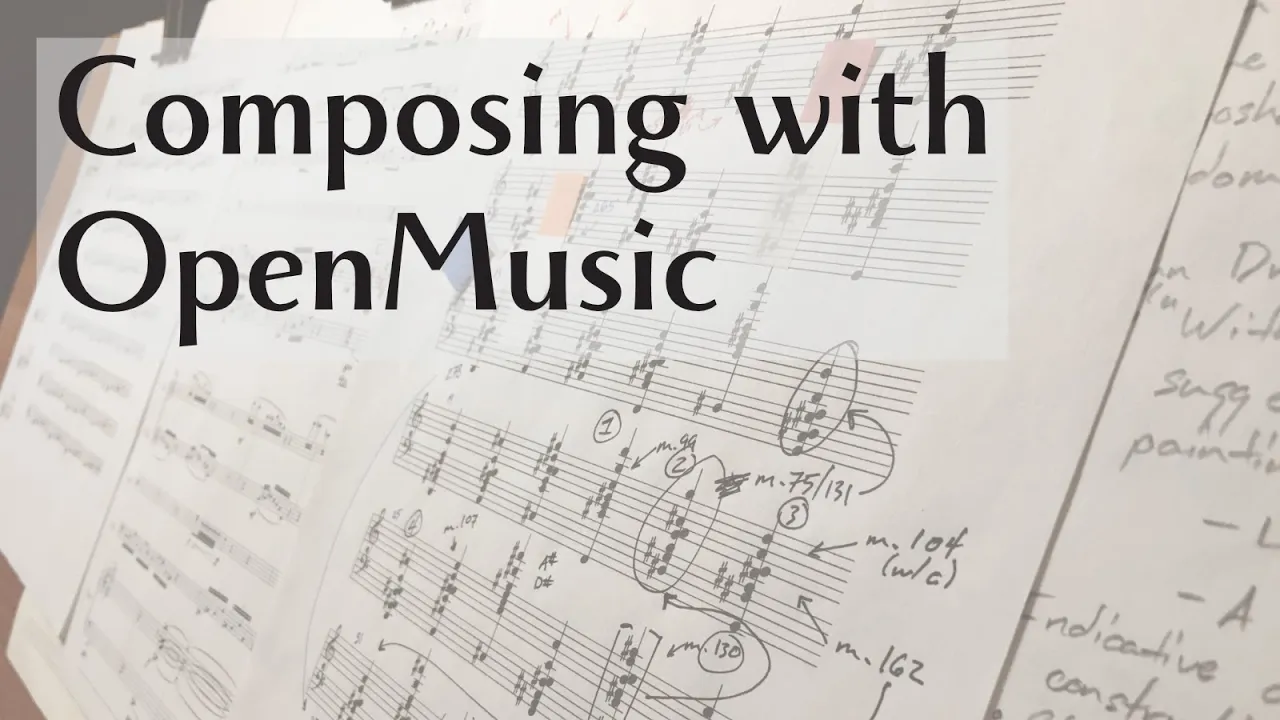
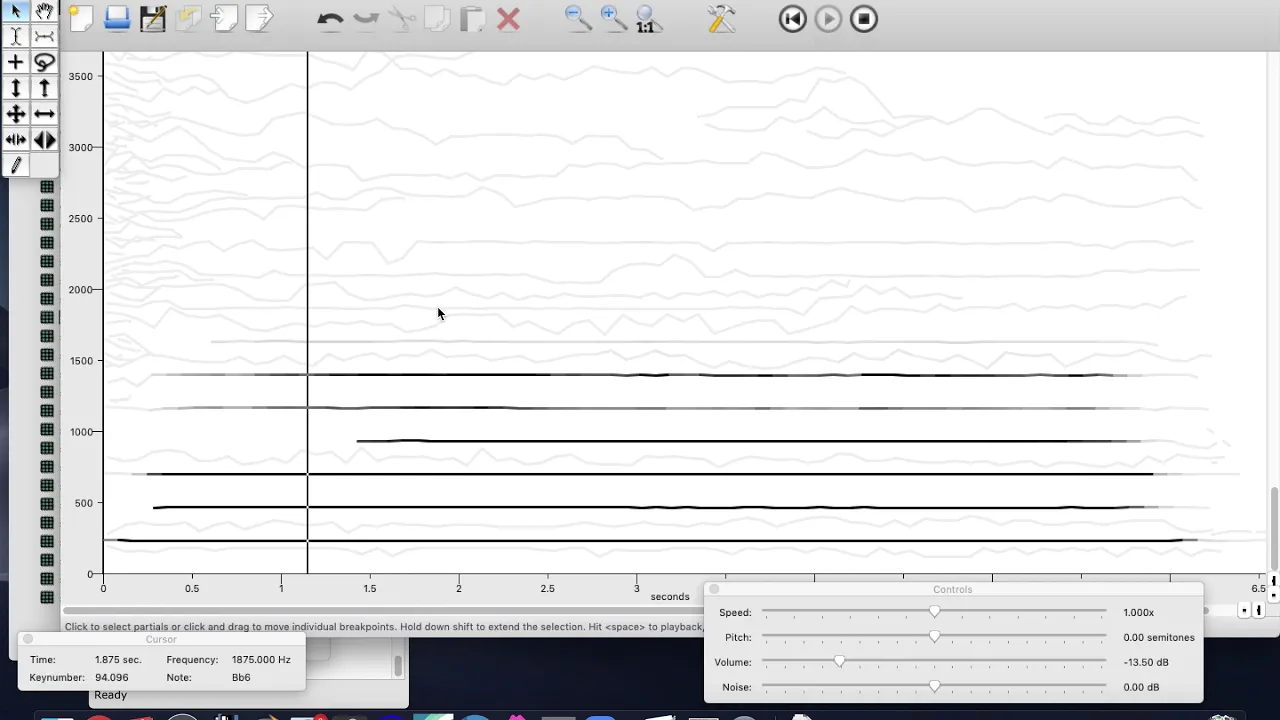
[Music] [Applause] spectralism explores the natural properties of sound itself this is a distinguishing feature between spectralism and other strands of musical thinking in the 20th century composers were either concerned about the relationship between notes or were willing to seed control over all or parts of a composition to either performers or to other kinds of random chants spectralism is instead about sonority about the physical realities of sound especially in terms of the harmonic series the study of acoustics and using music technology like frequency amplitude and ring modulation to inform choices in harmony and in orchestration unlike other schools of thought be they large or small like the downtown or uptown new york school new complexity or even the american minimalist scene spectralism is a lot more diffuse if you ask a just who the important names and spectralism are you're probably going to get a core handful of names but you're also going to get a lot of other names that'll change between musicologists depending on who you ask while this is true for all of these different movements it's especially true in spectralism that there's no clear defining line as to who's into or out of the club spectral composers vary as to the degree of allegiance to pure overtone based composition the name even comes from the idea of the fundamental and its overtones as the full spectrum of a sound this spectrum also determines the timbre or tone color which is the element of music that distinguishes a horn from a violin or my voice from yours spectral composers love manipulating timbre a landmark use of this technique is gerard griezes 1975 composition patial for an ensemble that begins by filling in the overtones of a low trombone e the result is a blurring of lines between harmony and timbre [Music] now the result doesn't really sound like a huge trombone and it's not supposed to all the acoustic instruments he uses to fill out the spectrum create their own overtone series this piece intensifies the tromboniness but doesn't seek to replicate the trombone in itself instead as grize put it spectral composition is about the internal structure of sound to accurately reflect this internal structure spectral composers will often call for unusual playing techniques microtonal inflections and string scorditura that's retuning the instrument in a specific way in order to achieve accuracy in hitting specific overtones this is why many spectralist scores will have unusual accidentals the result is a music that often looks far more dissonant than it actually is spectral composers are not one trick ponies because a spectral composer is a composer who uses these spectral techniques and this is one of the things that blurs the line between spectral and post spectral composers you'll often find the finnish composer kaya sarayajo included in a discussion of spectralism but for me her music includes so much other stuff along with spectral techniques that i've always heard it as just one technique in her arsenal to say that her music is spectralist is i think really reductive saryaju is interested in exploring various axes in her music such as setting up a continuum between sound and noise this has a philosophical link to spectralism as we're going to see in this video but it definitely falls in the post-spectral camp composer jonathan harvey compared such composition techniques to semiotics these studies of symbols and signs that operates on a deeper level than linguistics for harvey harmony and timbre were the same thing music has to exist in time but things like harmony and timbre lie outside of time so music that relies on these phenomena heavily will operate differently than music that is thought of in linear time harmony can be subsumed into timbre he wrote and according to spectral composer olivia tedores spectral composition of timbre serves two purposes one is to create a new pitch system based on the overtone series the other is to reproduce by means of acoustic instruments the structure of certain timbres in other words to attain on a higher level a mega timbre that evolves in time pitch and timbre are no longer separate concepts but different aspects of the same phenomenon this can be done in multiple ways she has nine categories and i'm sure you could come up with more james donaldson writes that linking musical elements previously considered separate is central to spectral thinking rather than creating a hierarchy of parameters the relationship between two rarely associated elements is fundamental to spectral form so how exactly did we get here building music from a single sonority have been a point of interest for rick hold wagner whose massive multi-day opera ring cycle begins with an e-flat held for several minutes well over a hundred measures of music it's a proto example because wagner was also setting the scene for four whole nights of opera [Music] other important precedent includes arnold schoenberg's theories of considering acoustics when constructing eternal harmony as well as jatinto chelsea's exploration of the inner life of single notes chelsea was to put it kindly not exactly the most normal of dudes and he would literally play the same note on the piano over and over for like days on end just to get over a breakup and he wrote this just buckwild set of orchestral pieces called four pieces on a single note which showed how a piece could have dramatic weight and logical structure while offering primarily timbral variations on a single pitch for each movement [Music] independently the danish composer partnered experimented with orchestrating spectra in his pieces iris and voyage into the golden screen both from the late 1960s [Music] edgar varese who spoke of his music as multi-dimensional crystals is also important to spectralism's embrace of the sound object and harry parch extensively used the harmonic series to derive his signature 43-tone unequally tempered scale other important ancestors include paul hindemith's 1942 book the craft of musical composition olivia macian's interest in how resonance affects the timbre and the piece shtimmung by carl heinz stockhausen wow [Music] spectral technique offered composers a way to meaningfully and audibly construct their music in time tonal music is teleological which is a fancy grad school word for goal oriented in the classical sense this is how form is articulated through key area swap the ideas of key area for fundamental and spectral composers can offer insightful analyses of their own work in surprisingly tonal terms heinrich schenker's work could even be adapted here as his form of analysis shows hierarchical structures that govern the background of entire pieces spectralism offered a way out of the dense dissonances of serialism by radically reorienting music in an extremely consonant direction nevertheless the terms consonants and dissonance are for lack of a better term a social construct james tinney's a history of conscience and dissonance charts this pretty well grizze in 1982 cited the cultural ambiguity of these terms as a predicate for replacing them with the concept of roughness in spectral terms any sound consonant within a spectrum that is aligned with the particular overtone series is smooth and the further you get away from that the rougher it sounds if some of these concepts sound a bit like minimalism to you you might be onto something minimalist composers also created works that slowly unfolded in which the processes were very evident listeners and in pieces like partiel and much of the spectral repertoire this also holds true the difference is a focus on acoustics and somewhat of a happenstance of geography while you can find spectralist and minimalist composers from all over the world spectralism tends to be seen as more of a european thing and minimalism tends to be more u.s centric this is very much a generalization but it's also why a composer like james tinney who i'd call an outright spectral composer like dude literally wrote pieces with spectral in the name is nonetheless seen as something of an outsider to this tradition but on both sides of the atlantic both schools of thought were fueled by a desire to get away from serial structures and figured out the way to counter short dissonant and dense was to create pieces that were long consonants and with audible processes the very term spectralism was coined in 1979 article by hugh dufour about a decade after the term minimalism first came into use spectralism is highly malleable and adaptable as a composition technique so it's proved to have a lot of legs it's a major trend from the latter half of the 20th century up through the present day its international reputation was established when core members of the french spectral school including grize were invited to the elite summer new music courses in darmstadt germany i dare say that in all the techniques and trends from the past 50 years it's the one that's proven to have the highest level of variety and with that in mind let's get into some more specifics [Music] two significant strands of spectralism are both in the european continent although i'm talking about these in terms of two particular countries bear in mind that there's a lot of cross-pollination and many influences from all over the place and a lot of composers obviously exist in other countries as well but if we're talking about the major branches of spectral composition i'd argue and as of many others that there are only two major branches and we begin by talking about the french school whose major spectral composers include tristan mirai and the aforementioned gerard grise was born in june 1946 and initially went to germany before returning to study with the esteemed olivia macian with whom he shared a deep love of non-western musics he was not nearly as tied down to the fringe tradition as some other composers he was born very close to the border with switzerland and he loved a swath of multinational late romantic music that contemporary tastes found kind of schlocky composers like sibelius and yanachek after studying germany with carlheim stockhausen grizzay's formative experience came after winning the coveted pre to rome he mirai and some others founded the ensembl tener grise closely studied acoustics and wanted to write music that was informed by the study predating paschal by a year was the seven player period which in turn would come to form two pieces of a mammoth six-piece 90-minute cycle called les espacetique the cycle took 11 years to write from start to finish and it would take another 11 before the full cycle would be performed in total and each piece is also built around the same low e spectral pieces can be long and they can be process oriented but it doesn't mean it's not highly charged and it's in a totally different manner from the then dean of french composition pierre boulez as an heir to the academic and serial tradition boulez was concerned with generating pieces from tiny fragments of material whereas grizze was more interested in the whole first than the details later but he say was launched into fame on partiel which established him as a sound after composer and lecturer for the rest of his career gise's importance to spectral composition specifically with les espace acoustic is underlined by john croft who wrote that it is the one and only spectral work one cannot go beyond it meaning of course that everything else in the spectral world is grise plus something else for iannis sonakas les espace acoustique was the fulfillment of schoenberg's idea that pitch is nothing but tone color measured in one direction so how exactly does this piece work well paschal opens up by building up the odd numbered partials of a low trombone e approximated by the quarter and sixth tones as necessary to get close to the true harmonic series as the piece unfolds this fundamentalist partials slowly get further and further out of whack until you reach a chord that's highly dissonant or in grizzes words has reached a high degree of roughness augmented by the introduction of playing techniques that produce noise along with pitch grizze died suddenly in paris in november 1998 of a burst aneurysm the 52 year old left behind almost all major works the last of which translates to four songs to cross the threshold to the end he showed new paths forward for spectral technique in that piece he took all the odd-numbered partials and compressed them down into a single octave to create a 16 note scale which could then be used melodically grizze initially shunned melody but as spectral technique evolved he and others were trying to find spectrally informed ways of writing it he didn't fulfill little incidental commissions nor did he have time for anyone who called him a spectralist he shared this antipathy with his old friend tristan mirai mirai was born in the northern port city of the hove and also studied with messian in paris mirai is much more involved with music technology he spent six years at irkam developing the software patchwork and consistently turns towards synthesis techniques like amplitude and frequency modulation to inspire his spectral scoring synthesized sound does not have the same inherent overtones as an acoustic instrument which can then be exploited mirai's best work contrasts synthesized sounds with their acoustically rendered counterparts if grizzes work is true on adulterated spectralism then mirais shows us how its possibilities may be thought out in the electro-acoustic realm according to jonathan harvey spectralism and electronic music could not have developed without the other and mirai frequently explores these ramifications basic frequency modulation takes two frequencies the carrier and modulating waves which can then be added or subtracted from one another to create some and difference tones which can then be used to generate more harmony you can just repeat this process as many times as you want and you're going to get more notes every time this is one of many techniques that spectral composers can use to create inharmonicity which is basically their version of dissonance the more inharmonic a sound is in relation to a fundamental the more grizze would call it rough another spectral technique which is another layer of weirdness and abstraction away from how it started is to take the physical shape of a wave and blow it up to proportions where you can actually trace it onto the page itself you can take a sign sawtooth or square wave and you can use that to create a melodic shape greece uses this in pieces like 1996's vortex temporum while significantly more abstract than simply orchestrating an overtone series the principle that everything about a work is derived from the properties of a sound does remain intact we should note here that some acoustic instruments do not have spectra that align with the harmonic series and these have held special interest for spectral composers bells for instance do not ring with the same spectra as many other instruments jonathan harvey used this idea in his 1980 piece moto espalango divos vocal which is based off the overtones of the great tenor bell in winchester cathedral [Music] also from 1980 is mariah godwana which also orchestrates out bell-like sounds [Music] this was two years before blizzay and mirai both began working at arkham where mirai produced desi integration composed in the early 80s in what would become the fashionable arcane style fusing synthesized sound with an ensemble mirai's work integrates the electronic sounds in an electro-acoustic masterpiece [Music] it's kind of hard to talk about grizze and neras separately because of their aesthetic and research interests and how they overlapped and intertwined this integracion spurred grize into thinking about how we could make his music more melodic more full of gesture and still being faithful to the spectral process but making things sound more exciting and fast moving but grize didn't like the term spectral as we've talked about before he preferred the term liminal to describe spectral music working on the idea that spectral composers were working in an in-between space between any two given parameters the idea of liminality has gained a new and frankly unsettling meaning in the internet age but for grizze it was an exciting thing to link concepts and exploit things like the ambiguity between harmony and timbre fusing them together blurring those lines the core members so to speak at the finch spectral school coalesced around the ensembly tenere including the namer of the movement the aforementioned he would do for as well as mikhail levinas both of these composers grew away from grize mirai's more pure spectral approach but before trying to fuse spectralism and serialism dufour likes the idea of pitches folding into and out of timbre but he also cites serialism's freedom of articulation as something that he wanted to keep he was going to throw the baby out with the bathwater similar to the work of jonathan harvey a milton babbitt pupil diesel's objection to the term spectralism was pretty much why most composers don't like group labels he thought it was just reductive spectralism is not a system he once said it's an attitude mirai has been even more straightforward there is no such thing as spectral music he said only spectral methods or spectral techniques the french spectralists have had an enormous impact on the following generations of french composers this generally takes the form of using spectral sound objects and then contrasting them with non-spectral sound objects sonorities which can be as simple as say the minor triad which isn't in the overtone series in any meaningful capacity and has had theorists scratching their heads as to how to try to explain it philippe irel in 2001 noted that the postgres a generation didn't concern themselves with spectralism's impact on harmony because this had already been fully explored rather spectralism's implications for melody for rhythm for form implications which are still being worked out to this very day but why this sort of melody phobia well mirai in 2000 noted that he was afraid of returning to past melodic cliches the reintroduction of melody demanded its complete reworking melody was a very non-spectral idea and slowly it's been folded back in as spectral technique has evolved now true to what i said earlier what i've been calling french spectralism has also found footing in germany especially in cologne where followers and students of carl hein stockhausen founded a group and a publishing house called feedback studios in 1970 a group that included clarence barlow johannes frisch ralph gellar and macias maguashka barlow's 1980 piano piece troglo ottabus sure i butchered that is according to julian anderson the best known and most extreme piece of this entire group barlow fuses the incredible density of notation of new complexity with a re-tuning of notes to fit harmonic spectra as found in the early minimalist la mont young's the well-tuned piano a technique later found in grize's vortex temporo [Music] stockhausen also had one major impact on the music of not a french person but rather a french speaker to the work of the french canadian cloned vivier one of the most unabashedly melodic composers of his era who used spectral techniques to create harmonies between his melodies and his baselines whose lonely child is orchestrated with careful clouds of micro tonality derived from calculating combination tones [Music] [Applause] [Music] my [Music] [Applause] [Music] but there's a whole nother type of spectralism romanian spectralism that was hidden away behind the iron curtain on the same continent before we get to how that differs from french spectralism i want to thank the sponsors of today's video skillshare skillshare is an online community featuring thousands of inspiring classes for anyone who loves being creative and learning new skills in any creative field from graphic design illustration photography even music you name it they've got it new premium classes drop on skillshare every week so there's always something new to discover even in music there's new stuff in addition to a trove of beginner classes in theory synthesis and performance there are also classes like roger neil's introduction to music composition for tv commercials i thought this was just a fascinating look into an industry that you should learn more about too the commercial world is just so different from what i do and what i know and knowing more about it is not only interesting on its own turf it makes for a good comeback next time somebody tells you that there's no money in music the first 1 000 people to use the link in the description below will get a one month free trial of skillshare so you too can have the opportunity to feel your curiosity explore your creativity and of course prevent your little fingers from getting chopped off thanks again to skillshare for sponsoring this video and now it's time to talk about romanian spectralism while also not exactly confined to romanian borders the core principles of romanian spectralism differ enough from the french school that it deserves to be talked about separately while grize mirai and the other composers associated with their ensemble we're interested in things like sound acoustics and research the romanian school focuses more on drama theatricality and above all a striking sense of what i can only call spiritualism the best way i can think of it is that french spectralism thought of sound as a scientific phenomenon that they're poking around exploring and reconstructing while the romanian tradition is more about the very experience of being there and a performance the romanian school had to evolve separately from the french due to the hardline policies of communist dictator nikolai ciaoshesku the romanian school was split between those who were in exile and those who stayed behind nevertheless these composers worked in parallel tracks most were interested in the fusion of spectral techniques with romanian folk music the spectral movement in romania actually predated the french a decade before pacial the romanian composer cornelius cezar proposed abandoning dissonance and serialism that his replacement should be music with a permanent fundamental of which harmonics could be approximated sound familiar his first exploration in this direction was aum an electronic piece from 1965 and a host of romanian composers followed suit [Music] by the time grizzly's career got started further west the romanian spectral tradition had already started to evolve ianko du mitrescu and torrazzi radelescu had also pushed the genre forward with retilescu especially radical in his pursuit of theatricality he invented an instrument while saying vinnie took a piano lid off and turned the instrument on its side and called it a sound icon not to be confused with the boston-based new music ensemble of the same name while radlesku had been born in the romanian capital of bucharest the political situation in his homeland had become deeply unpleasant to say the least and he moved to paris but he was keen to distance himself not just from the parisian composers but also from other romanian expatriates so while composers of the fringe school approach their works with the more traditional musical rhetoric that is there's a tendency to have the music unfold in certain distinct sections and have notes come at very certain prescribed points in time radolescu favored constant fluctuation centered around a certain overtone series his first major piece credo from 1969 embodies a lot of what he'd come to do it's long about an hour it's for a homogeneous ensemble in this case nine cellos and it focuses on the first 45 harmonics of the cello's low c [Music] [Applause] [Music] even the name of this piece emphasizes his interest in religion and in ritual he often created these ritualized pieces of music which were less precise than the french in terms of what would sound when and his scores even look like there's some excerpt of a strange sacred text at best and just scribblings at worst nonetheless retilescu does break from the other romanian spectralists and is affinity from what teodores kuchokana calls mimetic spectralism this pits harmonic and inharmonic spectra against one another in order to create tension and this isn't just notes that lie in or out of some overtone series instruments can themselves create inharmonic specter through the use of various playing techniques the so-called bartok pizzicato which he didn't invent but he used it so much they named it after him involves pulling a string up on a string instrument away from the fingerboard and letting it snap back down creating a slapping sound that is less pitch and more thwack this creates an inharmonic spectrum which teodora's kuchokana describes as a sort of timbral dissonance more like a noise than a musical sound radolescu having experimented with spectral technique regarded himself as the first spectral composer and compared the french school to the mafia red retalescu's works embody a sort of spiritual theatricality like no other such as calling for nine string quartets or 40 flutists at a single time the sound icon itself is sort of like an object of ritual especially in pieces where he calls for over a dozen of them to be placed around the audience these sorts of ritual meditative and quasi-spiritual works link strongly to chelsea's idea of sound as something through which music may move and echoes chelsea's use of drones and his inspiration from non-western specifically tibetan music information on the romanian school was very hard to come by for a while as the only composers known to the west were those who were in exile and france like radalescu other composers in this group include justine casaban mihai matria celariano and costin miadano behind the iron curtain a whole contingent of spectral composers flourished including kalin ioakimesku octavian nemesco stefan nicolescu and fred popovic these composers and many others found variations in how spectral techniques could play a role in their composition of these nimescu was their first among equals he took chesad's principles and expanded them further he thought on the long scale and not the short scale and created music existing on multiple layers each layer representing a way in which humans may perceive time already we're talking about the mid-60s here well before partiel the romanian school was exploring these complex metaphysical concepts that the french wouldn't come to touch for a while more along the lines of the french model would be the music of joachimescu where multiple fundamental pitches generate spectra which then face off against one another the romanian spectralists in the still small amount of literature available on them also seem to be closer to their individual performers than the french the saxophonist daniel kienzi has had many significant pieces for him which exploit what he does best like the inharmonic use of multiphonics a technique whereby a wind flare can produce multiple notes at the same time [Music] i'm not going to get out of here without talking about probably the most significant spectral composer living today georg friedrich haas haas's music is rich and often very dark and combines both the rigorous scientific attention of the french school with a love of ritual and drama and theatricality that defines the romanian especially the work of rollesco haas like the american composer ben johnston often works an extended just intonation and i make this comparison because ben johnson was not a spectral composer but it's a good example of the highly blurred lines between spectral technique and the work of other composers just because you use a lot of pure ratios and use a lot of bonkers looking accidentals to get those ratios as pure as possible does not mean that you are a spectral composer haas was born in austria in 1953 and like the american minimalist lamont young he was born close enough to a power plant to hear its constant hum and overtones unsurprisingly haas like young loves drones and he loves using overtone spectra in his work to the point of dense micro tonality but he rejects the spectral label because he contrasts pure overtone chords and harmonies with harmonies from several other traditions including a combination of the serial dissonance of anton vayburn and the ultrachromatic microtunnel theories of ivan vishnogradsky while vishnugronsky believed that what he called the major fourth was a significant harmonic interval haas pulls from weber's language and assigns a similar importance to the more familiar major seventh in doing so haas creates music that pits just intonation and spectral music against familiar consonances of equal temperament haas was not born in time to contribute to either of these two theories but he was born in time to pit them against one another and see what results somewhat like the process of new complexity composer chris dench haas conceives of his music in sounds and then finds the closest equally tempered approximation of that down to the level of the 12th tone which splits the octave into a whopping 72 equal parts both use similar metaphorical language speaking of the rendering of this abstract music that's in their heads in notated terms somewhat like the resolution of a computer screen like at some point there's going to be a level of granulation that you're just going to have to deal with while quarter tone accidentals are fairly standardized these days anything that goes beyond 24 notes to the octave is going to be up to each composer haas offers up a fairly straightforward looking system although it seems like performers might miss an arrow or line here or there haas's interest in theatricality means that he plays games with his pieces in his third string quartet he lays the quartet out in a completely dark concert hall at different corners and they're only allowed to communicate through a series of invitations which one player offers and another player can choose to either accept or deny lighting also features heavily in his 2000 chamber orchestra piece in vain where dust intonation and equal temperament battle it out over the course of an hour [Music] one of haas's techniques is to create pure overtone chords but the roots of the superior overtone chords are related to one another by the very non-pure standard 12 tone equal temperament this might be a good dividing line between spectralism and post-spectralism spectral composers were all about the spectra the harmonic series and for many post-spectral composers like haas the overtone series functions as a reference point against which all harmonies are measured echoing the thought of james tenney it's notable that in 2003 haas succeeded tristan mirai as professor of composition at columbia university in new york city [Music] one of the big ways in which i think of composition and especially of teaching it is that of the compositional toolbox that technique which you get from lessons or from other places is a way of getting you new tools for this toolbox refining the tools that are in the toolbox and learning better ways to use those tools spectralism is very much a tool for this toolbox some composers use it more some use it less some not at all but to not know it at all to not have it in your toolboxes to miss out on understanding a wide swath of the contemporary literature from all over the world and from the beginning spectral technique has been very personalized and highly adapted as access to the technique grows more egalitarian it is incumbent on the composer to do something with it that's interesting take the computer program orchide which can take samples of recorded sound analyze them and then produce orchestrations that sound as close as possible to whatever sound you put into the system the fact that such a program exists does not diminish the possibilities for spectral composers it opens them up the grunt work of analyzing a sound is replaced by a wealth of possibilities it's what composers then do with that output that defines their abilities [Applause] you
Up Next
12:07
The Rule of the Octave: Insanguine's Partimento Rules Explained
@RichardusCochlearius
1.1K views•2023-09-22

10:20
Mozart's Musical Dice Game Explained: History, Rules, & Fun
@webpianoacademy
5K views•2023-03-13
14:30
Neo-Riemannian Theory: An Introduction to Triadic Transformations
@ClassicalNerd
79.8K views•2022-01-07
10:49
Understanding John Coltrane's Giant Steps: A Music Theory Analysis
@Vox
10.4M views•2018-11-12
Related Study Plans & Knowledge Roadmaps
Structured learning paths in Music Theory
music-theory
Composing Galant Music: Partimento & Schemata
01Foundations of Figured Bass and Keyboard Harmony
02The Rule of the Octave (Regola dell'Ottava)
03Galant Schemata: The Building Blocks of Form
+ 2 more learning modules
30h5 modules
Explore Roadmap
music-theory
Decoding Overtone Series: Tuning & Drone Music
01Acoustic Foundations: The Physics of the Overtone Series
02Tuning Systems: Equal Temperament vs. Just Intonation
03Microtonality and Spectralism: Beyond Standard Pitches
+ 2 more learning modules
24h5 modules
Explore Roadmap
music-theory
Impressionist Harmony: Scales, Planing & RPGs
01Foundational Music Theory: Keys, Intervals, and Seventh Chords
02Impressionist Color: Chord Planing and Parallel Harmony
03Whimsical Textures: Pentatonic Cascades and Whole-Tone Scales
+ 1 more learning modules
14h4 modules
Explore Roadmap
music-theory
Negative Harmony: Axis Reflection in Indie Pop
01Music Theory Foundations: Scales, Intervals, and Triads
02Functional Harmony and the Circle of Fifths
03Demystifying the Negative Harmony Axis Reflection
+ 2 more learning modules
16h5 modules
Explore Roadmap