












Spectralism is a contemporary classical music movement that emerged around 1979, characterized by composers' focus on the overtone spectrum of sounds—analyzing and manipulating the natural harmonic frequencies within musical tones to create new sonic possibilities. Unlike traditional harmony which follows equal temperament tuning, spectralist composers work directly with the natural overtone series, often using microtones (intervals smaller than semitones) to accurately represent these frequencies. Key characteristics include the blurring of boundaries between harmony and timbre, the use of extended instrumental techniques to enhance overtones, and sometimes electronic signal processing to create complex spectra. This approach represents a continuation of historical musical traditions that have always drawn from the overtone series, but takes the exploration further into the higher harmonics.
Introduction to Spectral Music: French & German Composers
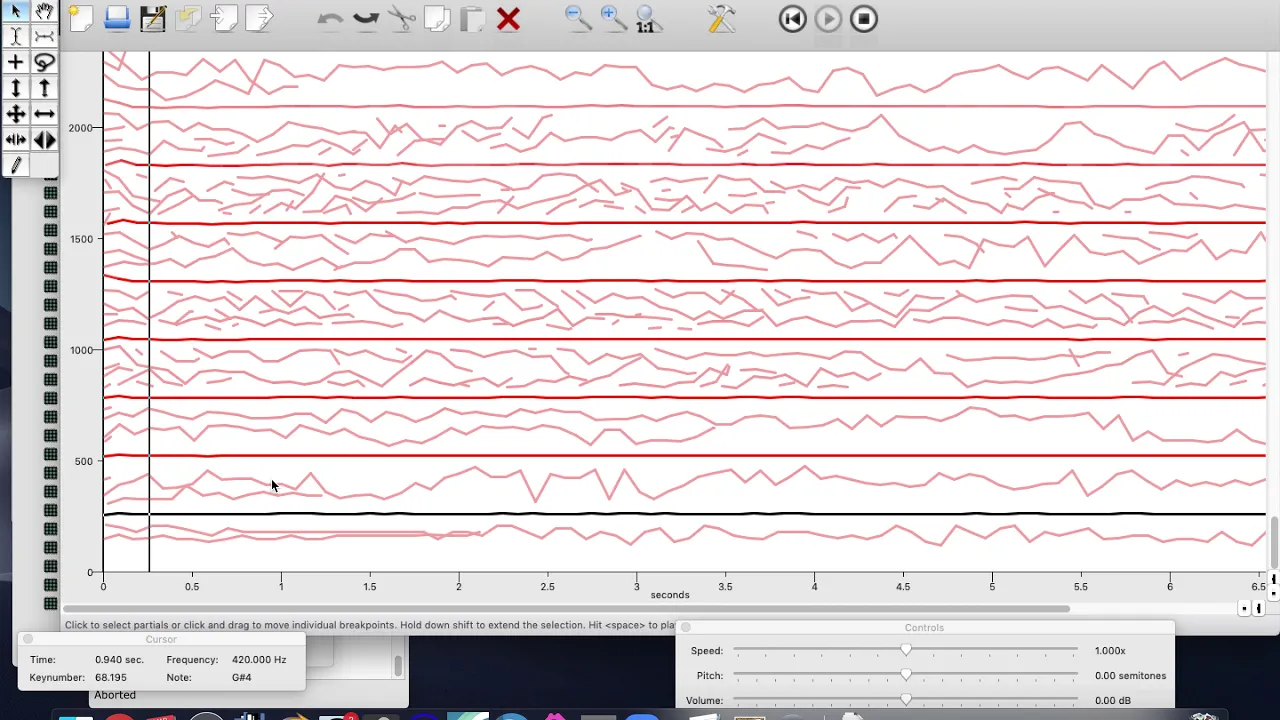
Added:spectra ISM is a term that was first used in 1979 and since then it's been used to describe a variety of different composers but what they all have in common is an interest in composing with overtones just to clarify the idea of overtones here's a single note played by a clarinet [Music] and here you can see all of the frequencies within that note the lowest frequency is referred to as the fundamental and then the higher frequencies are referred to as the overtones and taken together these are referred to as the spectrum which is obviously where spectral ISM gets its name from another thing that's worth clarifying is the relationship between spectrum and Tom bruh and this is because one of the things that determines the unique tone color of an instrument is the overtones that it produces so for example here you can see the same note played by two instruments first of all a trumpet and then by a flute [Music] hopefully you should be able to see and hear the difference here so the trumpet has a very full spectrum with lots of very high overtones and this is what gives it his rich where's the flute has a far more sparse spectrum with far fewer high frequency of items and this is what makes it sound more pure and far less bright the reason this is important is because I think one of the characteristic features of spectral ISM is a blurring of the distinction between harmony and Tom bruh a really good example of this can be seen in jerod grease as 1975 work Parcells which opened with a single LOI played by a trombone the spectrum of this single note is then arranged for the rest of the ensemble the composer Julian Anderson said about this opening the resultant object is much more than just a chord it is a Tom bruh or it is a Senora T which is ambiguously somewhere between harmony and Tambor [Music] the important thing to remember here is that what Greece is trying to do isn't synthesis he's not trying to emulate or recreate the sound of a trombone and that's because each of the instruments in the ensemble has their own spectrum as well so it's not just an identical recreation of the original trombone sound really what Greece is doing is creating a kind of intensified almost hyper real version of the original sound object a similar examples of this can be seen in Tristan Mariah's work LeCours on Delos bus however in this case rather than using an acoustic sound source such as the trombone used by Gries a Mirai chooses instead to use an electronic instrument in this case the on Martin ax in this next exit the ole marster engages in a kind of call and response with the ensemble Yamato begins by playing a pure sine wave which is then imitated by the strings plane harmonics signal from the on Martineau is then sent for a ring modulator which adds some and different sounds so the pure sound wave and so creating a more complex spectrum the frequencies of this more complex spectrum are then played by the ensemble [Music] another characteristic feature of specialism is use of extended techniques in order to create distinct spectral changes in the sound of an instrument a really good example of this can be seen in kya sorry ah whose work set papillons for solo cello in this excerpt sorry aho asks the cellist to play sole ponticello that's with the bow right up against the bridge and the effect that this has is to amplify the overtones of the sound as so creating a kind of spectral harmony and so once again we see this blurring of the distinction between Tamra and harmony [Music] another characteristic feature of spectral ISM is the use of microtones that is intervals smaller than a semitone and this is something that a number of Spectras composers have found necessary in order to accurately note a overtones so for example if we look at this harmonic series on C we can see that a number of the overtones are significantly help tuned with equal temperament the seventh harmonic is almost exactly a third of a semitone flat and the eleventh harmonic is almost exactly half a semitone flat as accurately no take these over turns a number of composers have introduced extra accidentals including those which specify quarter tones and six tones and the use of these can be seen in the following excerpt which is from Georg Friedrich houses second string quartet this begins with the cello playing a low C which like the sorry aho it begins to play closer to the bridge in order to bring out its overtones these overtones are then imitated and sustained by the viola and the two violins house even goes so far as to number each of these overtones in order to show exactly how they should harmonically relate to the cellos low C fundamental [Music] one of the things I find particularly interesting about this is its connection to musical history the idea of basing harmony on overtones in of itself isn't anything particularly new from the use of perfect fifths in medieval organum through to the establishment of the triad it seems that what has and a number of specialist composers are doing is simply taking harmony to its next logical step moving further up the harmonic series so these are just four examples but hopefully they've given you a useful introduction to the idea of spectral ISM there are a load of composers out there who have been described as spectral lists or have been influenced by spectral ISM whose music I'd highly recommend including Jonathan Harvey Claude vivvy a Anna Maria Avram Emily Hall and Julian Hanson and I'll make sure to add some links in the description below
Up Next

Spectralism Explained: Music Theory, History, and Key Composers
@ClassicalNerd
69.3K views•2022-09-05

Mozart's Musical Dice Game Explained: History, Rules, & Fun
@webpianoacademy
5K views•2023-03-13

Understanding Diatonic 7th Chords in Major Keys | Music Theory Tutorial
@GracieTerzian
54.7K views•2022-03-02
Understanding John Coltrane's Giant Steps: A Music Theory Analysis
@Vox
10.4M views•2018-11-12
Related Study Plans & Knowledge Roadmaps
Structured learning paths in Music Theory