


![How Inversions and Slash Chords Create Better Progressions [MUSIC THEORY]](https://i.ytimg.com/vi/LFN-eKved_8/maxresdefault.jpg)
















![LIVE Clavichord Improvisation [No Edit] livestream](https://i.ytimg.com/vi/ULQ6eVVH3X8/maxresdefault.jpg)




The Rule of the Octave (La Regola dell'Octava) is a fundamental principle in Baroque partimento practice that establishes specific interval combinations for each scale degree when harmonizing a melody: the first degree takes third, fifth, and octave; the second degree takes minor third, major sixth, and optionally a fourth (justified by voice leading from the previous chord); the third degree takes thirds and sixths; the fourth degree takes third, fifth, and sixth (with ascending movement using third-fifth-sixth and descending using sixth-fourth-second); the fifth degree takes third, fifth, and octave; the sixth degree takes third and sixth (with optional third and fourth in descending motion); and the seventh degree takes third, diminished fifth, and sixth when ascending to the tonic, but only third and sixth when descending.
The Rule of the Octave: Insanguine's Partimento Rules Explained
Added:hello musici and welcome to this new journey and You Adventure in this new Journey we start reading commenting and practicing together so go to the keyboard in Japanese rule converted the bus Del Maestro Japanese Monopoly so all the rules about Harmony Counterpoint apartment in somewhere and today let's start with the most simple thing so la regola I'm gonna read in Italian and then in English this way you can learn the Original Italian language typical and concerning party mind so regula Del octava is the rule of the octave that is actually the harmonization of another scale for example says in English firstly one should know that each key has seven degrees which are one two three four five six and seven now La Prima Del tuon wallet terza so one degree one takes third Fifth and octave so let's imagine for example C major three five and eight just count one octave we see we can say one zero plus one two three five and eight La Cuarta two takes a minor third a major sixth it can also have a fourth what does it mean if you are in C major degree number two is D so we have the minor third [Music] a sixth major Sixth and it can have the fourth in Italian we can see the word ankora that means like steel it still it can still have the fourth what does it mean it means it's like if this fourth comes from the previous chord that was the fifth as you can see so the presence of this fourth is justificated because in the previous chord we have the same note as the fifth so three four six exactly three takes thirds and sixth so we are in C major the green number three is e three and six of course we have in the middle and far always should go to the meat or almost in generic rule so we have eight three and eight then strange Italian four fourth degree takes a third a fifth and a sixth this six is prepared from the previous note [Music] thank you the fifth is prepared from the previous number as you can see that but when this fourth in is descending as we will see in other examples descending from the top to the bottom this note takes two and four and if you want the six so the fourth ascending is three five six let's write this because it's really important the fourth ascending is three five five and six the fourth descending is six four and two the difference lies in these notes that is now vole so the fifth takes a third Fifth and the octave has the first degree simple then the sixth here la sesta Del tono Ware la terza is esta e cuando Carla so it the sixth ones the third and the sixth but when it goes down when the movement is ascending it was the major cyst and it can also have the third and the fourth so la sesame is so sixth the sixth degree takes a third and a sixth according to the key in which you are playing so three and six [Music] and when it doesn't so in a descending motion it takes a ma a major six optionally having a third [Music] and a fourth this way so ascending and descending because when we go up we have so we have the mifa later [Music] but when it goes down we had that is [Music] because it's doing like a little modulation it's not actually modulation it's all a little passage but I call it me because of the shop it is way we are more conscious of the little motivation for example perfect the seventh degree Alton principale as in French means uh diminished fifth cuando Carla so seventh the seventh degree when it ascends to the tonic so to the first one takes a third diminished fifth and sixth and when it descends it takes the third and the sixth so it means that when we are going up as I said we have the third the diminished Fifth and the sixth and when it goes down we have the third and the sixth without being fit if you are playing in four parts it means this means that we have to double the third or the six depending on if we are playing the exercise of the wrong direction or if we are composing or playing something else so in sending we have and the sanding and now let's sing the scale with summonization and let's apply these rules in order to see what is the root of it according to Japan in somewhere yes [Music] foreign [Music] with my work and my videos I want to make composition and improvisation and art easy accessible and fun for everyone with the right method you can constantly grow your skills with the right method you will be able to understand the most challenging harmonic and compositional passages with the right method you will have the power to shape music exactly the way you want what's the right method there are many others have you ever tried improvisation elements every week there are new videos dedicated to a specific compositional skill lots of exercises on scales and diminutions many more on cadences and corals tons of PDFs you can download to practice three words clear simple and methodical joint pattern and discover all the other benefits for you
Up Next

How to Realize Figured Bass Triads in Keyboard Style
@JacobGran
17.7K views•2020-12-19

Mozart's Musical Dice Game Explained: History, Rules, & Fun
@webpianoacademy
5K views•2023-03-13

Partimento Realization: Mastering Durante's Diminutions at the Keyboard
@RichardusCochlearius
2.5K views•2022-10-05
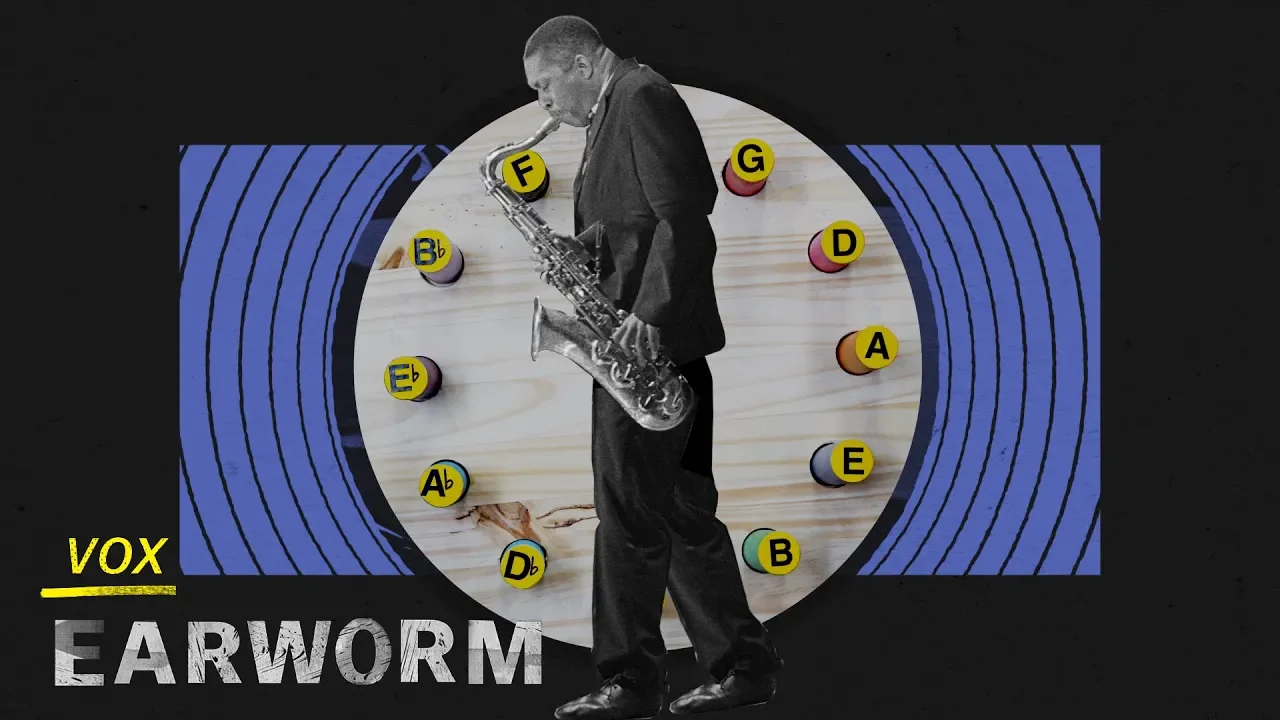
Understanding John Coltrane's Giant Steps: A Music Theory Analysis
@Vox
10.4M views•2018-11-12
Related Study Plans & Knowledge Roadmaps
Structured learning paths in Music Theory