


















Double counterpoint is a contrapuntal technique where melodic modules can be exchanged between voices while maintaining correct and smooth counterpoint, typically based on imperfect intervals like thirds and sixths; this invertible counterpoint schema serves as a foundational scaffold for both improvisational and compositional work in Baroque music, as demonstrated through analyses of Handel and Bach's works alongside partimento examples by Fago, Fenaroli, and Insanguine.
Double Counterpoint Schemata in Partimento Practice
Added:Fundamental understanding of figured bass realization and the Neapolitan 'Rule of the Octave' (Regola dell'ottava).
Basic principles of species counterpoint, particularly voice-leading rules, consonances, and the resolution of dissonances.
Familiarity with the concept of invertible (double) counterpoint, specifically at the octave and tenth.
Core awareness of the historical Partimento tradition and its role in 18th-century pedagogical practices.
Realization of complex Partimento Fugues (fugue writing and improvisation on a single bass line) utilizing double counterpoint.
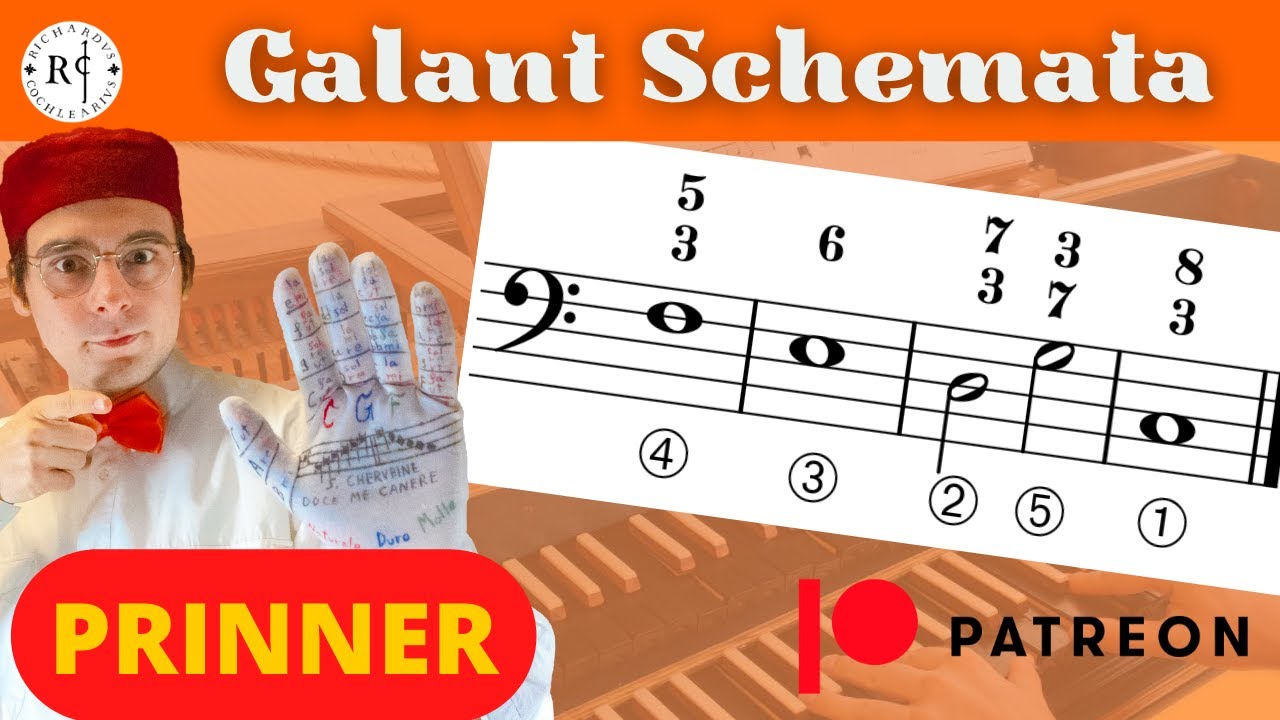
Deep study of Galant Schema Theory (e.g., Gjerdingen's models such as the Prinner, Fonte, and Monte) and their contrapuntal variants.
Historical keyboard improvisation, applying these schemata to spontaneously generate preludes, sonatas, and fantasias in the Baroque and Classical styles.
Advanced structural analysis of J.S. Bach's 'The Well-Tempered Clavier' and works by Neapolitan masters through the lens of partimento schemata.
11.8K views461likes16:05Original Release: 2020-08-16
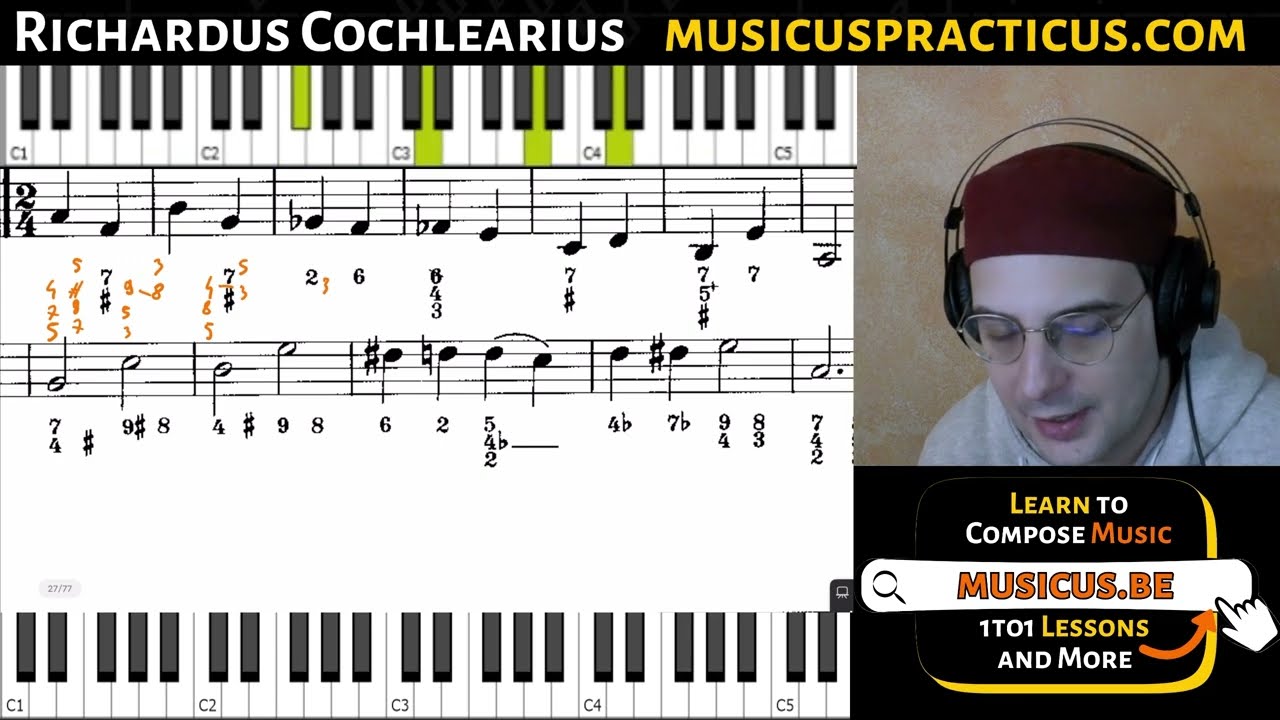
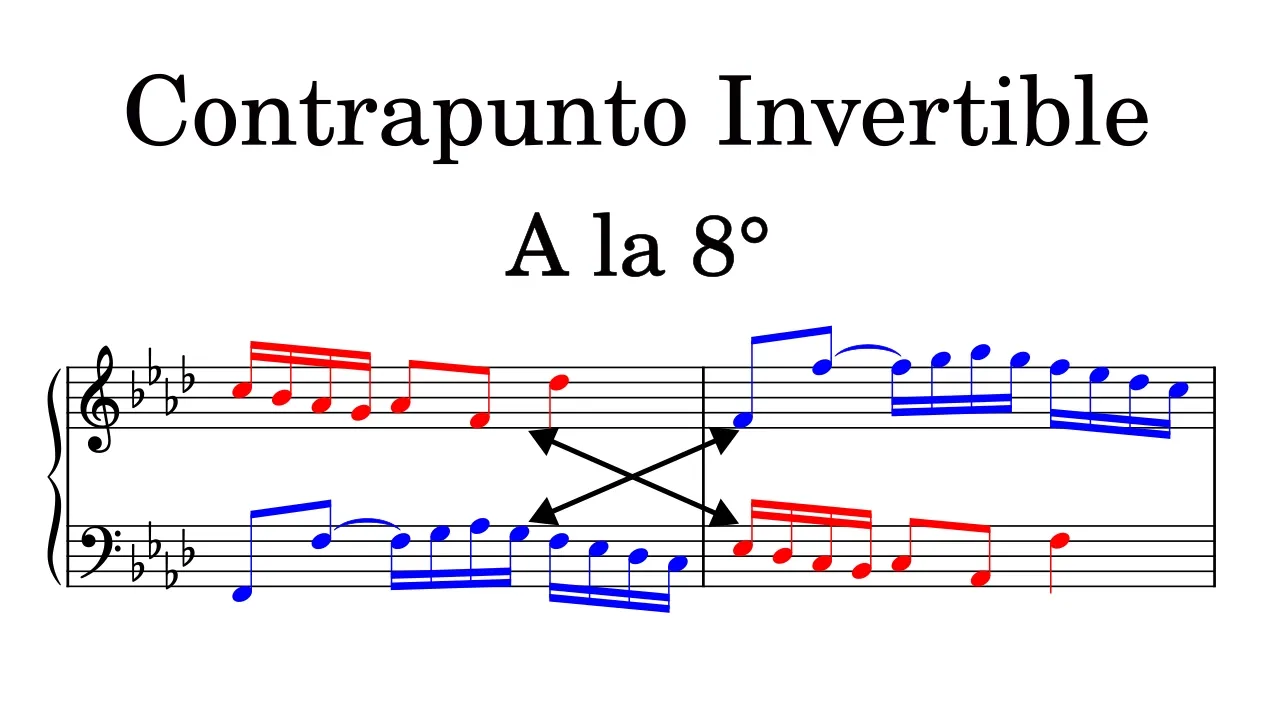
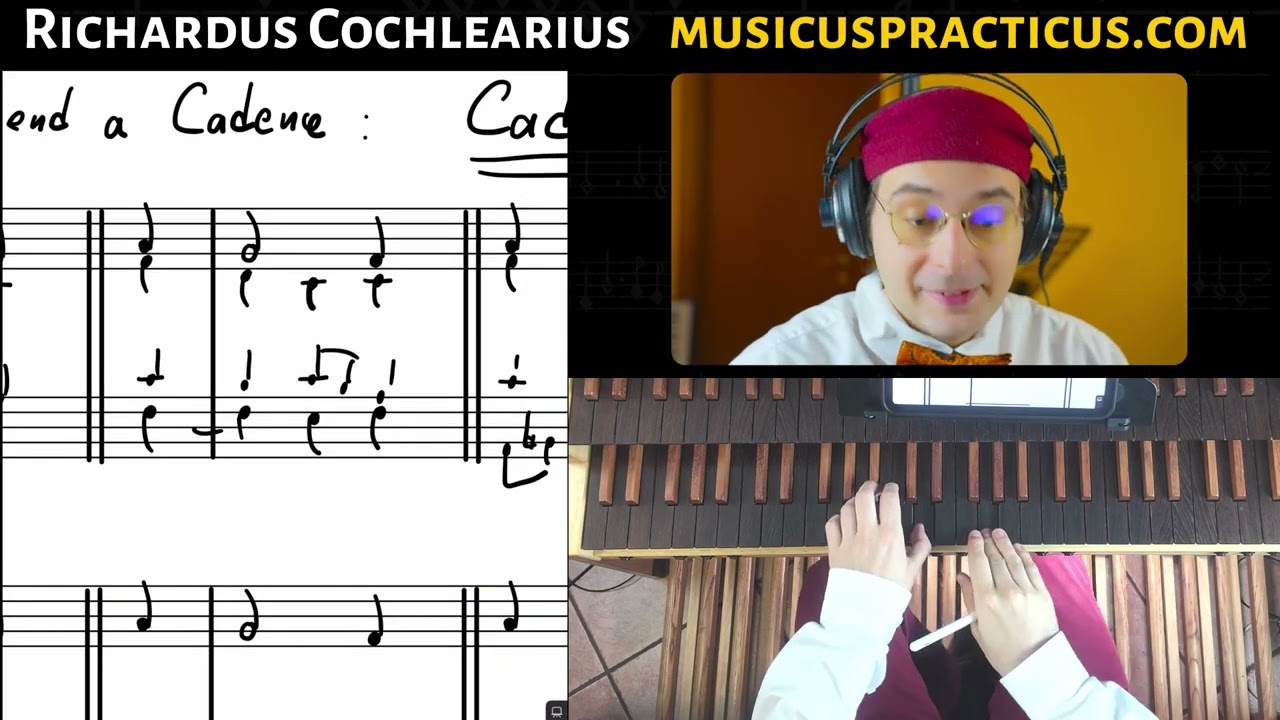
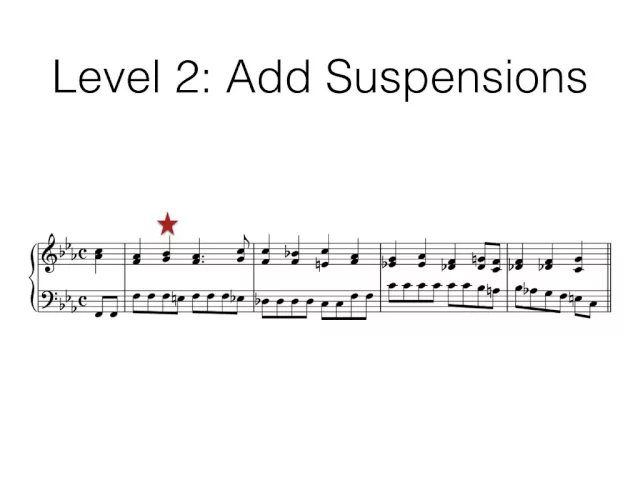
welcome to amla noir this video is about double counterpoint and imitation at first there will be some analysis and after that i want to show how partimento bases exploit double counterpoint procedures in the last part of the video there will be some very short examples that will help to improve improvisational skills i hope i can show you something that you don't already know [Music] instead of showing you charts with inverted intervals i want to show two short opening sections that are based on the same simple interval skeleton composed by two raid a major league composers the first one is a typical example for a two-voice inventio type keyboard piece it is the beginning of a movement from a sweet and g minor by george frederick [Music] the imitative structure consists of two motific elements a societal and sixteenth notes plus a rhythmically contrasting counterpoint and eighth notes that appear one after another in both voices due to the arrangements of two building blocks i call this a cross imitation a closer look at the melodic scaffolding reveals a quite common melodic motion that consists of a stepwise ascend from the first to the third degree the counterpoint that handle applies is as basic as it can be a clausular contacts 171 handle's example obviously proves that both melodic modules can be exchanged and still create a flawless counterpoint so let's put the diminutions aside to get a clearer concept on the events taking place on the deep layer here is the skeleton that i consider as its contrapuntal core the melodic modules one two three and one seven one are like siamese twins that belong together can be exchanged and always will reveal a correct and smooth counterpoint that's based on imperfect intervals the left version is based on the interval of the sixth [Music] the exchanged version on the right is based on the counterpoint by thirds [Music] let's have a quick look at another opening example to prove what i just explained though the foreground layer and character of the piece is very different we find the same skeleton and inversion type when looking at the main bead of every bar the ascending line from 1 to 3 and the cantizans as fitting counterpoint even though the aspect of imitation is missing here sebastian jumps right into double counterpoint procedures as he presents both sochitos as a contrapuntal unity from bar one to and shows the voice exchange right away in the following three bars for an 18th century composer harmony and counterpoint were not divided disciplines it was much more like a bifocal view at the same object and way more integrative than modern theory suggests hence when dealing with 18th century music it is in most situations good to talk about implied harmonic or implied contrapuntal aspects because they belong together and should not be separated without necessity let me put this completely clear the discussed two-part skeleton is nothing else than a prevalent outer voice motion of two important rule of the octave segments or from the contrapuntal perspective a prevalent harmonic filling of an important smooth two voice scaffolding this could be for example a three-part structure and in four parts as well [Music] before we go to partimento we should have a look at another example by george frederick from the same g minor suite because it features an important additional aspect though the diminution is clearly based on coral structures the two-part skeleton is still the underlying scaffolding the reduction shows the twin pair but with the syncopation applied producing a dissonance the argon's voice produces the dissonance through movement while the syncopated particians needs to be resolved by stepwise descent whether the syncopation lies in the base or in the upper voice the suspension is a 2 3 or a 7 6 suspension i think the terms argans and partians are by the 16th century theorist and monteverdi opponent artusi they are very useful and should be applied in situations like this one i borrow the first example from a chapter of giorgio sanggeneti's art of partimento where he explains different double counterpoint patterns the baseline and figures are by nicola fargo who trained nicolo jomeli leonardo leo and nicola sala so he was the teacher of three most prominent neapolitan composers of which leo and salah became important teachers themselves when scanning the baseline you will notice immediately that the rhythmic activity of the beginning doesn't maintain throughout the whole section the stylistic norms of the baroque era prescribe an ongoing rhythmic pulse in at least one of the voices so if one voice is inactive the others should at least work i call this principle complementary rhythmics with respect to this consideration it's obvious that mr fargo's baseline requires a right-hand realization that fills out the gaps where the base has longer values besides that the examination of the baseline reveals familiar structures the beginning is a diminution of the stepwise ascent directly followed by a clausala cantizans i think this indicates at least two possible realizations the first one is just a simple imitation at the octave so i apply the suggetto to the right hand which fits exactly fargo's figuration as he apparently is sketching the required complementary skeleton the second one is some sort of cross imitation as c and g sharp fit perfectly this is probably the realization fargo had in mind because he is indicating the g-sharp already above the b the section as a whole shows a common succession of compound building blocks the initial phase is followed by a sequence that leads to an attached cadence confirming the key of a minor i would realize it in a very basic two-part structure in the manner of a [Music] jig hey folks if someone of you watching that video by any chance knows where i can get the whole bass line please leave a comment i would be very happy about it it doesn't have to be an edited pdf file linked to a source manuscript is completely fine thanks this final rolli is like every other base from his fourth book unfigured and the student is forced to work out the implied procedures on his own terms when scanning the base i recognize a succession of two different building blocks from bar 1 to 4 and their reoccurrence in the dominant key and the following bars however it's not exactly the same this baseline is quite similar constructed as the last example by handel so we should follow the procedure of the original example and just cross the given so jetty at the octave and stick to that as well when the key changes i added a little adjustment to the syncopated sagetto because i wanted to have the third instead of the octave as a soft rule i'd say a smooth counterpoint will in most cases include imperfect consonances when possible let's give it a listen [Music] i think this procedure was a bit unsophisticated and i should throw in some further necessary explanations one very important aspect of multiple counterpoint is the combination of clausal layer because most of the combinations produce a prefixed approved and what's most important invertible counterpoint as you can see feneroli combines a cantizans with the bossesons or when you do it like me preferring the third and altizans if you don't have a bloody clue what i'm talking about go to the early music sources youtube channel and check out the video about cadences and there is still more to know in finaroli's regulae you can find a paragraph called dele legature del baso concerning suspensions of the bass among the musical examples there's one that is quite illuminating for our purposes the trio setting shows a dissonant 2-4 figuration above the tight note resolving into a consonant 6th chord from this point of view feneroli's diminution appears to be a dissolution of the two upper voices into a single one that shows a constant pulse of quarter notes this kind of suggetto seems to be very popular as you can find it frequently in compositions and different collections of partimenti as well for example here's the beginning of a partimento by giacomo in sanguine that looks almost the same i think he also aims for a cross combination of the givens of jetty and there's as well a modulation heading at the dominant with the reoccurrence of the sogetto pair a realization could sound like this [Music] for a deeper understanding of the schemata and the potential for diminution i would copy and examine the following examples which are all based on one of the discussed scaffoldings and what's most important don't forget to push one could start with the plane scaffolding and both possible constellations first the one on the left [Music] and now the inverted version on the right side a very basic diminution of the scaffolding could look like this here is again an example by in sanguine i recommend to study this partimento as a whole anyway because everything is very clear the solution of the beginning should be an easy task now [Music] this example is by the italian composer giovanni batista pachetti in the original the baseline of bar 1 and 2 is omitted i added it to show that this example is just like the others based on the invertible schema there's a jetto in eighth notes is taken from the quran by handel i decided to apply a new counterpoint that fits my pedagogical purposes better [Music] final example i borrowed this a jetta from a most famous sonata by dominico scarlatti [Music] the next step would be to build up a whole musical sentence which means adding a sequential episode followed by a cadence here is a proposal i just keep it very simple by adding a fobo door as a sequential episode and attach a 3-4-5-1 cadence this is what it sounds like for further practice i recommend to improvise and write down different phrases like this one in different keys different meters and different diminutions beginning with an imitative section so that's it for today what i wanted to show is that improvisation is not primarily about being original it is learnable and a good deal of it is to assemble a stock of combinable building blocks i hope we'll see each other again in one of the next videos because there's always more to learn
Up Next
15:03
What Is Partimento? Historic Improvisation Explained
@cedarvillemusic
17.7K views•2020-03-20

10:20
Mozart's Musical Dice Game Explained: History, Rules, & Fun
@webpianoacademy
5K views•2023-03-13

47:36
Understanding Diatonic 7th Chords in Major Keys | Music Theory Tutorial
@GracieTerzian
54.7K views•2022-03-02
10:49
Understanding John Coltrane's Giant Steps: A Music Theory Analysis
@Vox
10.4M views•2018-11-12
Related Study Plans & Knowledge Roadmaps
Structured learning paths in Music Theory
music-theory
Composing Galant Music: Partimento & Schemata
01Foundations of Figured Bass and Keyboard Harmony
02The Rule of the Octave (Regola dell'Ottava)
03Galant Schemata: The Building Blocks of Form
+ 2 more learning modules
30h5 modules
Explore Roadmap
music-theory
Decoding Overtone Series: Tuning & Drone Music
01Acoustic Foundations: The Physics of the Overtone Series
02Tuning Systems: Equal Temperament vs. Just Intonation
03Microtonality and Spectralism: Beyond Standard Pitches
+ 2 more learning modules
24h5 modules
Explore Roadmap
music-theory
Impressionist Harmony: Scales, Planing & RPGs
01Foundational Music Theory: Keys, Intervals, and Seventh Chords
02Impressionist Color: Chord Planing and Parallel Harmony
03Whimsical Textures: Pentatonic Cascades and Whole-Tone Scales
+ 1 more learning modules
14h4 modules
Explore Roadmap
music-theory
Negative Harmony: Axis Reflection in Indie Pop
01Music Theory Foundations: Scales, Intervals, and Triads
02Functional Harmony and the Circle of Fifths
03Demystifying the Negative Harmony Axis Reflection
+ 2 more learning modules
16h5 modules
Explore Roadmap