




![How Inversions and Slash Chords Create Better Progressions [MUSIC THEORY]](https://i.ytimg.com/vi/LFN-eKved_8/maxresdefault.jpg)



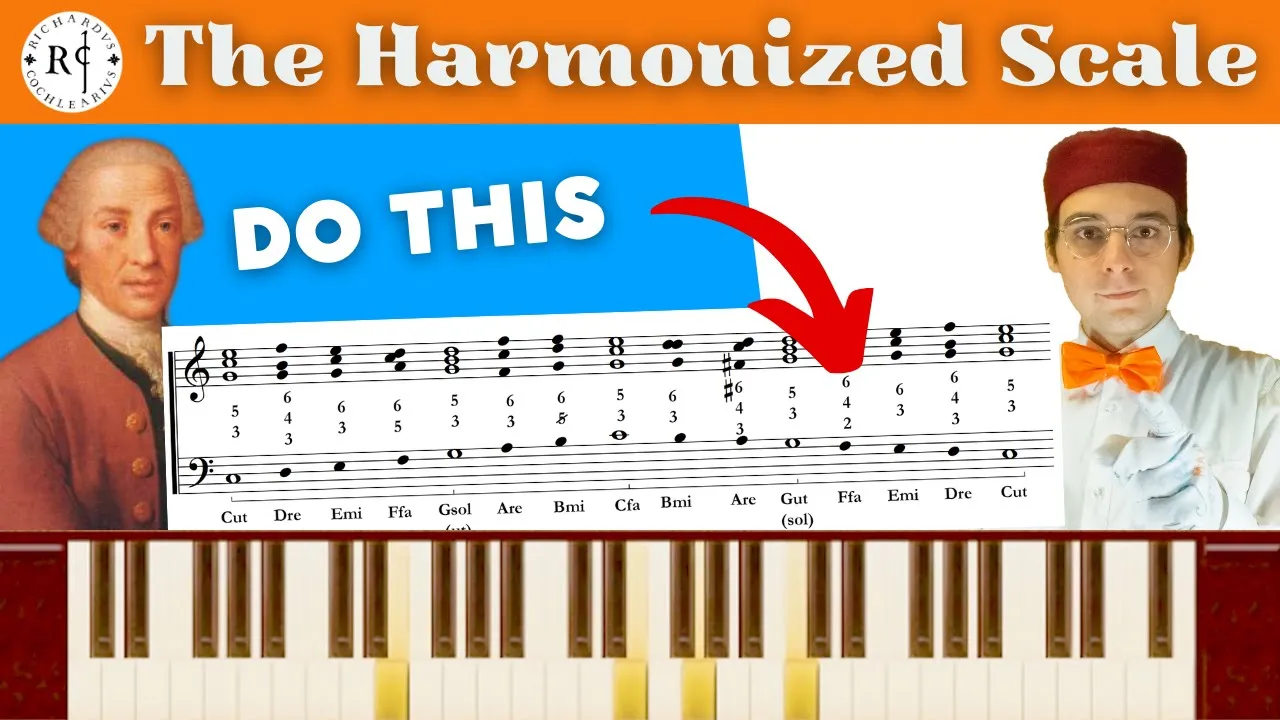
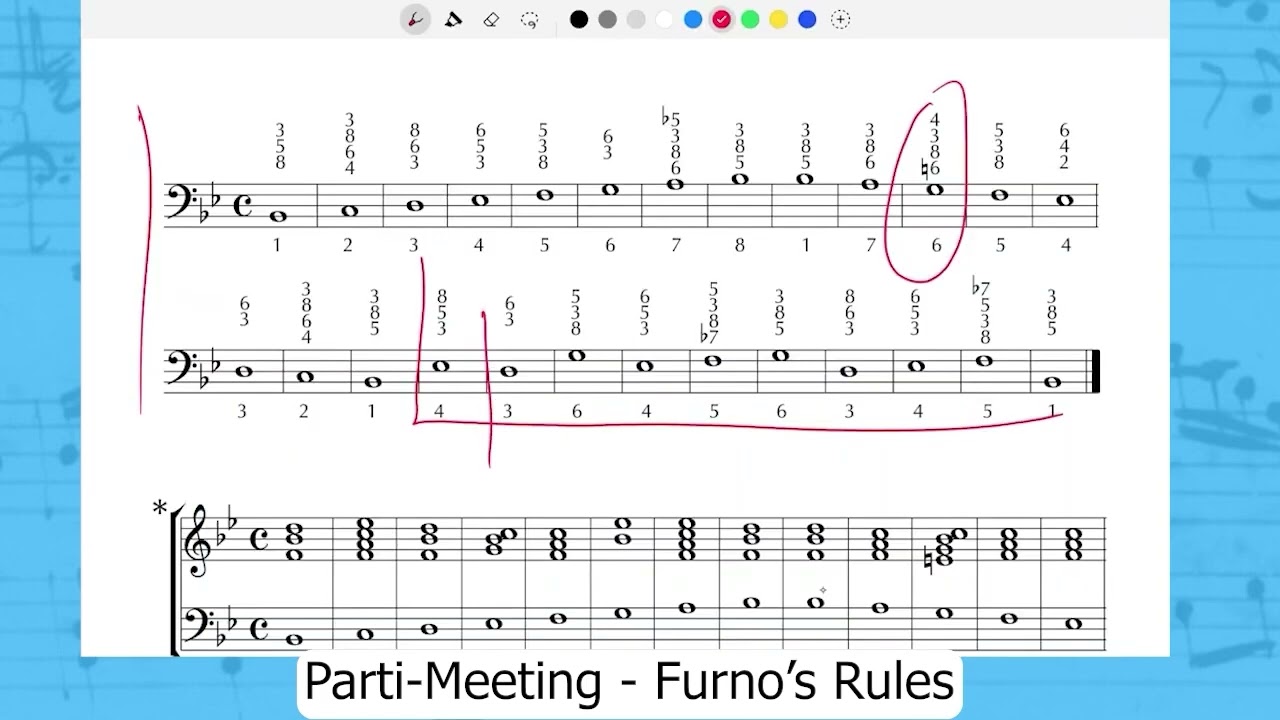

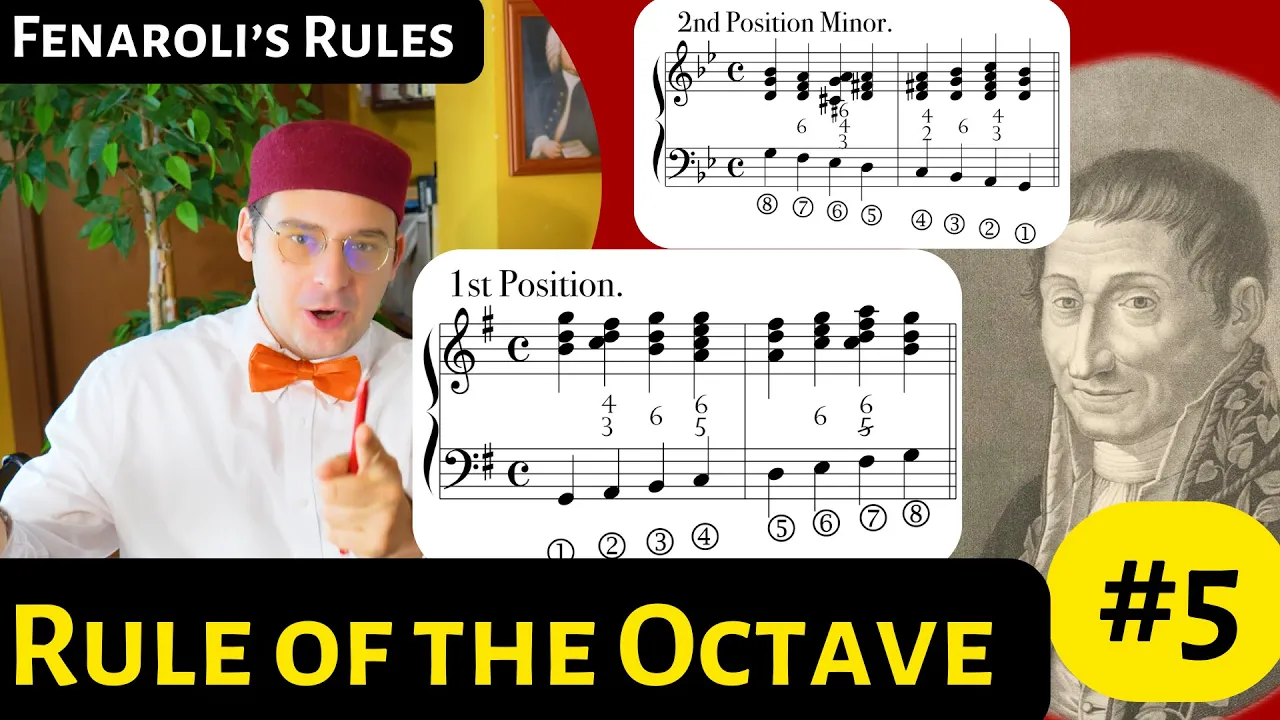
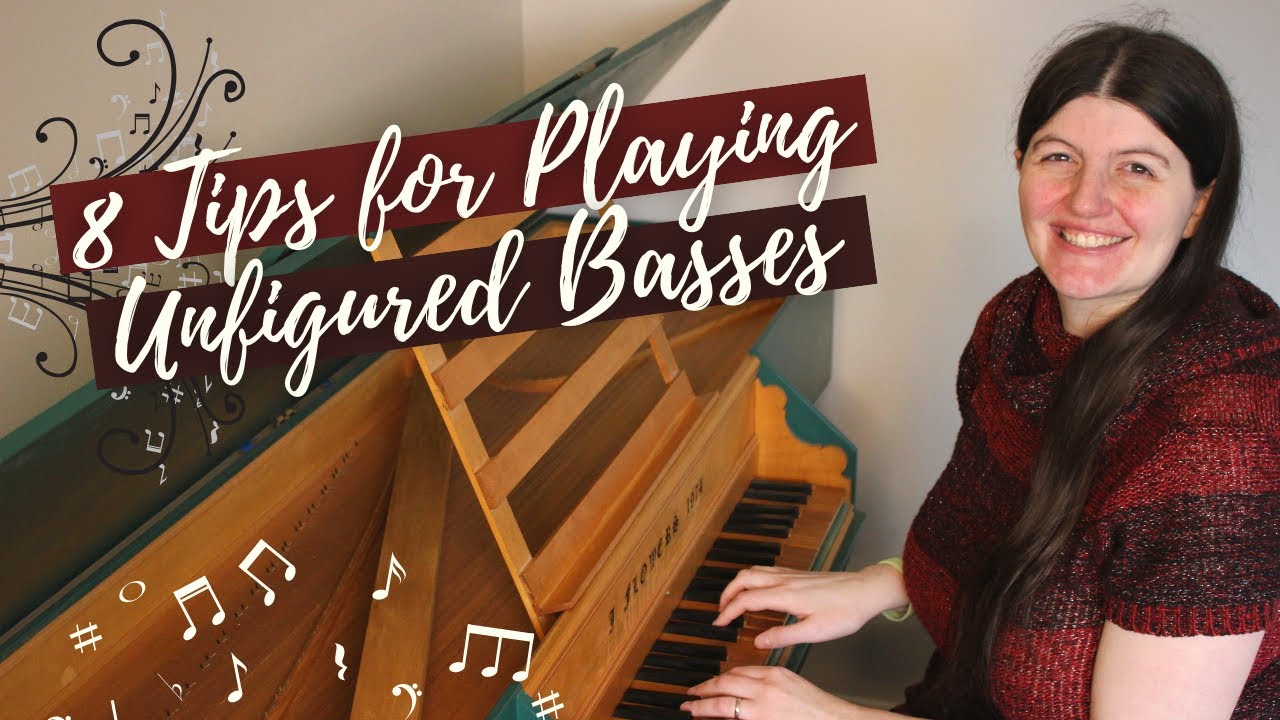



The Rule of the Octave (Regola dell'ottava) is a traditional Neapolitan harmony framework that provides guidelines for constructing harmonies by moving through scale degrees of a diatonic major scale, where the bass line can walk or jump between notes while upper voices move in parallel thirds or other intervals, with specific rules for resolving dissonances like the tritone and avoiding parallel octaves.
Rule of the Octave Explained: Baroque Harmony on the Spinet
Added:Basic familiarity with keyboard geography and hands-together coordination on a keyboard instrument (such as the spinet, harpsichord, or piano).
Understanding of major and minor diatonic scales, including scale degree names and intervals.
Foundational knowledge of triad structures, inversions, and basic figured bass (basso continuo) notation.
Fundamental rules of voice leading, particularly how to avoid parallel fifths and octaves.
Applying the Rule of the Octave to minor keys, which introduces more complex voice leading due to the variable sixth and seventh scale degrees.
Using the Rule of the Octave to realize unfigured bass lines in Baroque repertoire, treating the schema as a default harmonic framework.
Exploring Partimenti, the historical Italian training system that uses bass lines to teach improvisation, counterpoint, and composition.
Understanding modulation and chromaticism by learning how the Rule of the Octave adapts when transitioning between keys.
15K views481likes14:36Original Release: 2018-01-07
[Music] you are listening to Tobias come and I'm going to explore the so-called rule of the octave or regular della tava by drawing the graph from scratch that you are looking at right now in a series of clips the blue circle figures mean the scale degrees of any diatonic major scale I will be playing their notes of such a scale with my left hand on the spinet small harpsichord whereas with my right hand I will add upper voices meaning notes in intervals above each base note that correspond to the framework of the rule of the octave as it is outlined in many collections of rules or regulate the Neapolitan parlamento tradition I invite you to listen to the harmonies that result from the one two or three upper voices sounding together with the base notes and also to pay attention to the direction of the walking or sometimes jumping bass line I choose a scale scale degree one two three four five jumping from one to five [Music] and back from five - one now from one to five I could add [Music] and back and otherwise [Music] these two voices together [Music] voices flipped [Music] still in otherwise [Music] all voices you [Music] now many variations [Music] walking from one two three and back [Music] now parallel thirds [Music] back and otherwise works the other way around [Music] thirds and that voice combined even [Music] [Music] also with [Music] such a voice [Music] [Music] or [Music] you walking from three to five and down from five to three which will be not the same [Music] so now up from three to five [Music] parallel thirds and otherwise The Voice is together so more complex to result in a richer harmony could be [Music] and otherwise [Music] and yet another wise the voices together on going down it's not the reverse but you can do a third now the 3rd stays to become the tritone the tritone resolves to 6 in other voice starts on the octave stays becomes the third the two together [Music] and if you start on the fifth you could stay become a six resolved to or go on to the six or go to octave [Music] listen especially to what is happening between five and four you literally can stay with your right hand produce this really nice dissonance resolve again to consonants [Music] a special feature of the rule of the octave is if you jump or walk down from four to one or [Music] so jumping down could be [Music] basically connecting to route cords walking down is easy by parallel thirds again or starting on the fifth today become a six parallel resolving to octave [Music] with the suspension [Music] now walking down from one to seven - six [Music] - five jumping down [Music] or walking jumping up from five to one [Music] or walking up [Music] so what did I do parallel thirds and otherwise here is a special moment it's a major six that resource to ahktar [Music] I'm walking up again - six which is the note that belongs to the original scale [Music] I could add here [Music] on the way back I don't have this but I adhere [Music] the tritone the diminished 5th actually that voice should resolve 2/3 so [Music] I'd like to add here a little pattern jumping down from one to six and walking down to five it's just the same as in the walking from one seven six to five but [Music] if I add more voices [Music] or [Music] one last detail is stepping down from 1 to 7 [Music] and from 7 to 1 [Music] so if I go on the octave I have to move up with my voice not to create parallel octaves the third can go parallel or it also could do and back v can stay [Music] so combinations of these would be you or [Music] now the graph from the beginning of this video is complete again I'd like to add one little thing up to now I just played the left hand on its own the base notes and added one two three upper voices in the right hand so this basically results in left hand one note for example right hand three notes if I walk up from from one two three I could play like that so what happens if I played the middle of the three voices in the right hand which was [Music] if I played that voice an octave lower actually in the left hand the result is [Music] or rather the same works if I start like that [Music] again that one that voice an octave lower [Music] and all voices together [Music]
Up Next

8:36
Giovanni Furno Partimento No. 2: Voice Leading & Rule of the Octave
@hmaold
872 views•2020-06-18

10:20
Mozart's Musical Dice Game Explained: History, Rules, & Fun
@webpianoacademy
5K views•2023-03-13

47:36
Understanding Diatonic 7th Chords in Major Keys | Music Theory Tutorial
@GracieTerzian
54.7K views•2022-03-02
10:49
Understanding John Coltrane's Giant Steps: A Music Theory Analysis
@Vox
10.4M views•2018-11-12
Related Study Plans & Knowledge Roadmaps
Structured learning paths in Music Theory
music-theory
Composing Galant Music: Partimento & Schemata
01Foundations of Figured Bass and Keyboard Harmony
02The Rule of the Octave (Regola dell'Ottava)
03Galant Schemata: The Building Blocks of Form
+ 2 more learning modules
30h5 modules
Explore Roadmap
music-theory
Decoding Overtone Series: Tuning & Drone Music
01Acoustic Foundations: The Physics of the Overtone Series
02Tuning Systems: Equal Temperament vs. Just Intonation
03Microtonality and Spectralism: Beyond Standard Pitches
+ 2 more learning modules
24h5 modules
Explore Roadmap
music-theory
Impressionist Harmony: Scales, Planing & RPGs
01Foundational Music Theory: Keys, Intervals, and Seventh Chords
02Impressionist Color: Chord Planing and Parallel Harmony
03Whimsical Textures: Pentatonic Cascades and Whole-Tone Scales
+ 1 more learning modules
14h4 modules
Explore Roadmap
music-theory
Negative Harmony: Axis Reflection in Indie Pop
01Music Theory Foundations: Scales, Intervals, and Triads
02Functional Harmony and the Circle of Fifths
03Demystifying the Negative Harmony Axis Reflection
+ 2 more learning modules
16h5 modules
Explore Roadmap